5 Best Herbs Florida Beginner Gardeners Can Grow Right Now
Growing herbs in Florida can feel intimidating at first. The heat is intense, the rain can be unpredictable, and plenty of new gardeners worry they will destroy their plants before ever tasting a harvest.
The truth is Florida is actually one of the best places to grow fresh herbs when you choose the right ones.
A small herb garden can start on a patio, a sunny windowsill, or a corner of the yard, and it pays off quickly. Fresh leaves cut moments before cooking add flavor you simply cannot buy at the store, and they save money week after week.
Even better, most herbs thrive when harvested often, so the more you use them, the better they grow.
Florida’s long growing season gives beginner gardeners a huge advantage. With a little sun, consistent watering, and basic care, these herbs bounce back from mistakes and keep producing.
The five herbs below are reliable, forgiving, and perfectly suited to Florida’s climate, making them ideal for anyone ready to enjoy fresh flavor straight from their own garden.
1. Basil
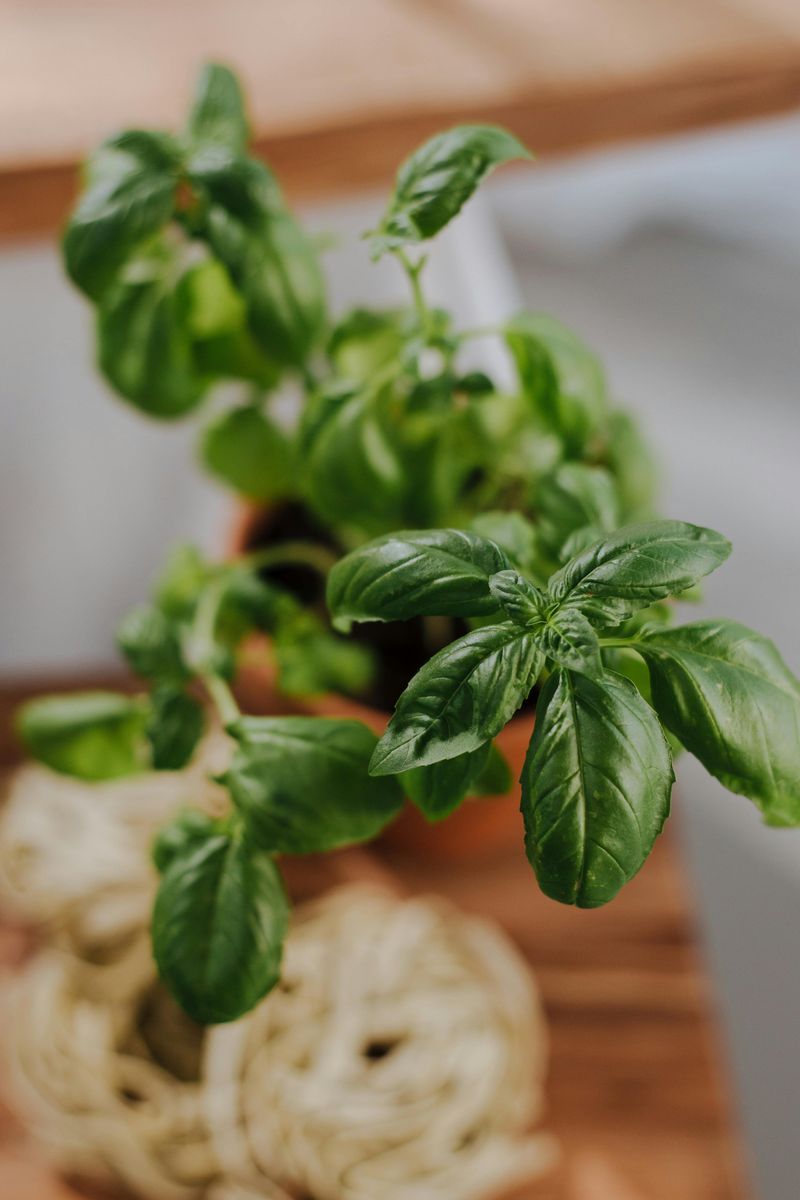
Few herbs thrive in Florida as effortlessly as basil, which loves our heat, humidity, and long growing season. This herb thrives in our heat and humidity, making it one of the most forgiving choices for anyone just starting their herb garden journey.
You’ll see your first true leaves within days of planting seeds, and within three to four weeks, you can start pinching off tender tops to use in your kitchen.
In South Florida, you can plant basil nearly any month of the year, though growth slows during cooler winter nights. Central Florida gardeners should focus on spring through early fall planting, while North Florida friends will want to wait until after the last frost, typically late March or early April.
Basil needs full sun—at least six hours daily—and consistent moisture without sitting in soggy soil.
Your basil plant will grow bushier and produce more leaves when you harvest from the top, pinching just above a set of leaves. This encourages side shoots to develop, giving you even more fragrant foliage to enjoy.
Container growing works beautifully for basil, so even apartment balconies can host a thriving plant.
Water your basil when the top inch of soil feels dry to your fingertip. In Florida’s summer heat, that might mean daily watering, especially for containers.
Watch for flower buds and pinch them off immediately—once basil flowers, leaf production slows and flavor becomes bitter. Keep harvesting regularly, and your basil will keep producing fresh leaves for months, turning your garden into a fragrant Italian kitchen garden that makes neighbors jealous.
2. Parsley

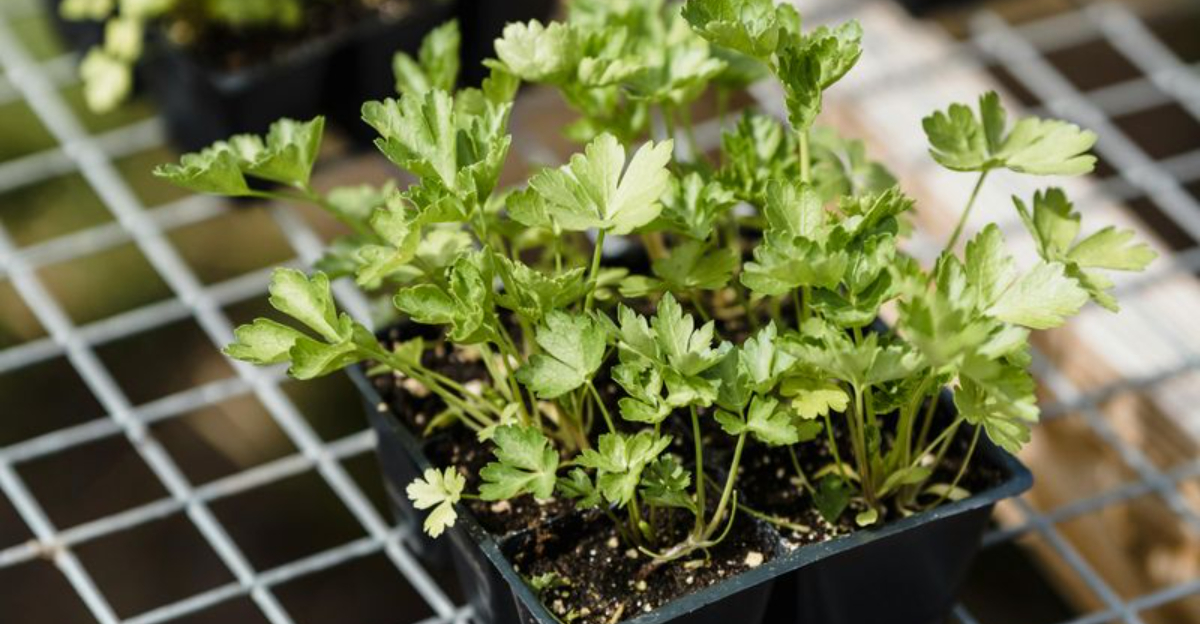
Whether flat-leaf or curly, parsley offers dependable green flavor for Florida gardens with very little fuss. This biennial herb behaves like a steady friend who shows up when you need it most, tolerating both our intense summer sun and cooler winter months better than many other herbs.
Seeds take their time germinating, sometimes two to three weeks, but once parsley settles into your garden, it becomes a dependable producer.
Fall planting works wonderfully across all Florida regions, giving parsley cooler temperatures to establish strong roots. North Florida gardeners can also plant in early spring, while Central and South Florida can plant almost year-round, though intense summer heat may slow growth or cause bitterness without shade.
Parsley prefers morning sun with afternoon shade during our hottest months, making it perfect for spots that get dappled light.
Harvest outer stems first, cutting close to the base, which encourages the center of the plant to keep producing fresh growth. You’ll notice parsley grows in a rosette pattern, with new leaves emerging from the middle.
This herb doesn’t mind Florida’s humidity and rarely suffers from pest problems, making it wonderfully low-maintenance for beginners.
Keep soil consistently moist but never waterlogged; parsley appreciates regular drinks but hates wet feet. Container growing suits parsley perfectly, and a pot placed near your kitchen door means fresh garnish is always within reach.
In its second year, parsley will flower and set seed, which signals the end of its productive life, but by then you’ll likely have enjoyed months of fresh, vitamin-rich leaves that elevate everything from soups to salads.
3. Chives
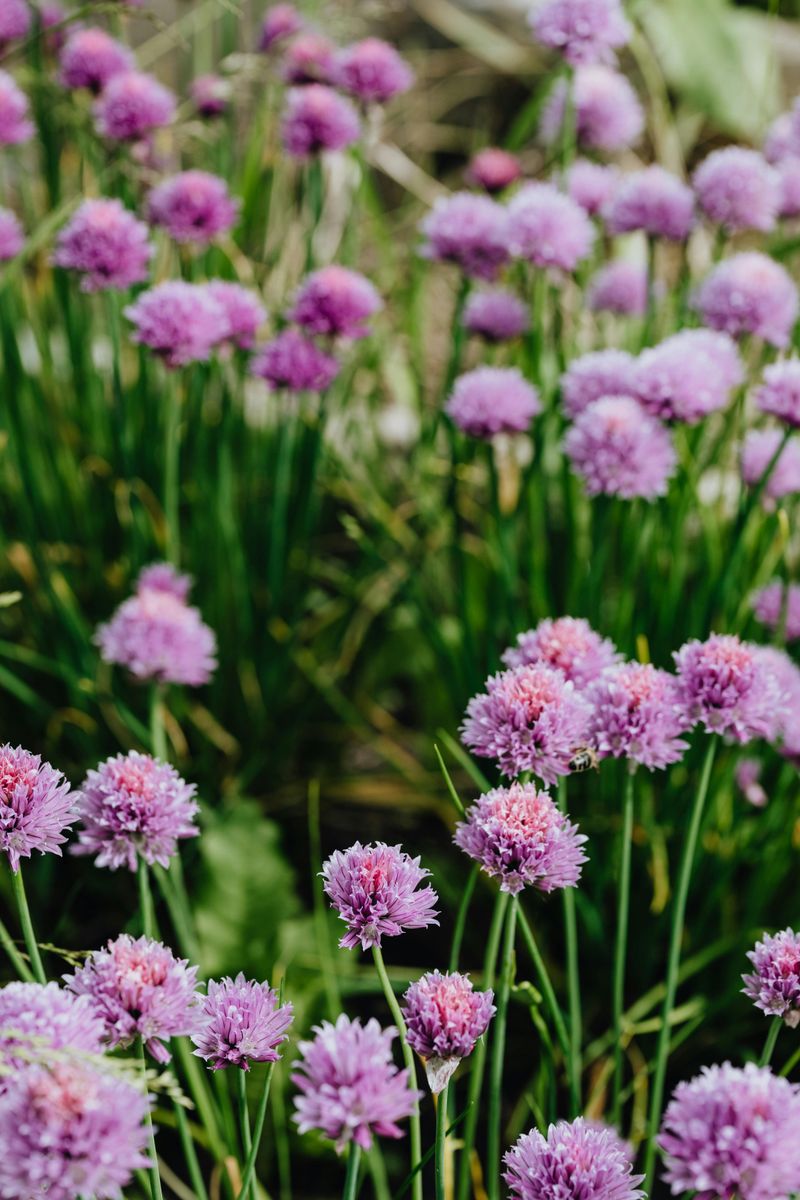
If there’s a no-fail herb for Florida beginners, chives are it, delivering mild onion flavor with almost no effort. These slender, grass-like plants form attractive clumps that look ornamental even when you’re not harvesting, and they produce pretty purple pom-pom flowers that bees absolutely adore.
Chives grow in dense, bulb-like clumps that establish quickly and multiply generously over time.
Plant chives in fall or early spring throughout Florida, though Central and South Florida gardeners can plant almost any time except the hottest summer weeks. North Florida winters may cause chives to slow down or go dormant, but they’ll bounce back enthusiastically when temperatures warm.
Chives tolerate partial shade better than most herbs, making them ideal for spots that receive four to six hours of sun daily rather than full blazing exposure.
Snip leaves about two inches above soil level using clean scissors, and new growth will emerge from the base within days. You can harvest as much as one-third of the plant at a time without stressing it.
Chives rarely complain about Florida conditions and seldom attract pests, making them perfect confidence-builders for nervous beginners.
Water chives when soil feels dry an inch down, but they tolerate brief dry spells better than many herbs. Containers work wonderfully, and chives naturalize easily in garden beds, forming expanding clumps you can divide and share with friends.
Every few years, dig up your chive clump, separate the bulbs, and replant them with more space—you’ll suddenly have multiple thriving plants instead of one crowded mass, and your cooking will benefit from having fresh, mild onion flavor always available just steps from your kitchen door.
4. Oregano
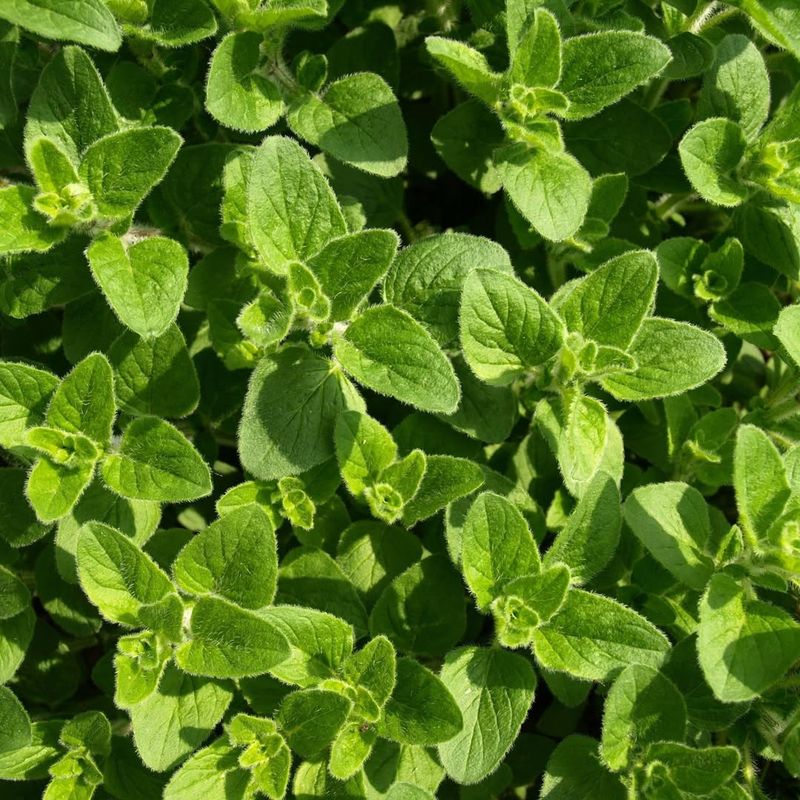
Tough, aromatic, and incredibly reliable, oregano adapts beautifully to Florida’s climate despite its Mediterranean roots. This perennial herb survives our humidity, tolerates our sandy soils, and keeps producing aromatic leaves year after year with minimal attention.
Once established, oregano becomes nearly indestructible, bouncing back from neglect and reward your occasional forgetfulness with continued growth.
Fall planting gives oregano the best start in Florida, allowing roots to establish during cooler months before summer heat arrives. North Florida gardeners can also plant in early spring, while South Florida can plant nearly year-round.
Oregano needs full sun and excellent drainage—if your soil holds water, grow oregano in containers or raised beds filled with sandy, well-draining mix.
Harvest oregano stems by cutting back up to one-third of the plant’s height, which encourages bushier, more compact growth. The flavor intensifies just before flowering, so watch for tiny buds forming and harvest generously then.
Oregano’s low-growing, spreading habit makes it useful as an edible ground cover in sunny spots.
Water oregano deeply but infrequently, allowing soil to dry between waterings—this herb actually develops stronger flavor when slightly stressed by dryness. Too much water and rich soil produce lush growth with weak flavor, so resist the urge to pamper oregano too much.
In summer, oregano may look a bit tired and woody, but a hard pruning in early fall will rejuvenate the plant completely. Your oregano will overwinter beautifully even in North Florida, emerging each spring ready to flavor your pizzas, pastas, and grilled vegetables with that unmistakable, pungent taste that makes homegrown oregano far superior to anything in a spice jar.
5. Cilantro
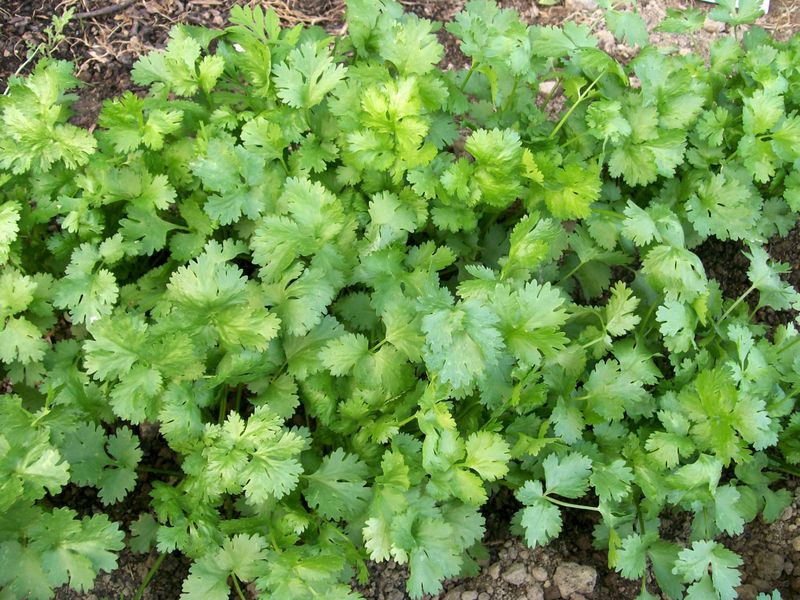
Cilantro can be tricky in Florida, but when grown during our cooler months, it becomes a fast and rewarding herb. Unlike basil, which loves our heat, cilantro thrives when temperatures stay mild, making timing absolutely essential.
When planted during the right season, cilantro grows quickly—you’ll harvest your first leaves within three to four weeks, and the plant will produce abundantly for several months before warmer weather triggers flowering.
Plant cilantro from October through February in South Florida, September through March in Central Florida, and late February through April plus September through October in North Florida. These cooler months give cilantro the temperatures it prefers, between sixty and seventy-five degrees.
Morning sun with afternoon shade works beautifully, protecting cilantro from our intense afternoon heat even during cooler months.
Harvest outer leaves first, leaving the center growing point intact so the plant continues producing. Cilantro grows quickly from seed, so plant new batches every two to three weeks for continuous harvest throughout the cool season.
Once temperatures warm and days lengthen, cilantro will bolt—sending up a flower stalk—which signals the end of leaf production but the beginning of coriander seed formation.
Keep cilantro consistently moist, as dry soil speeds up bolting and makes leaves bitter. Containers work wonderfully, allowing you to move plants to shadier spots as temperatures rise.
Many beginners struggle with cilantro until they understand the timing, but once you plant during Florida’s cooler months, you’ll discover this herb grows enthusiastically and rewards you with fresh, bright flavor that transforms salsas, curries, and salads into restaurant-quality dishes that make you wonder why you ever bought those sad bunches from the grocery store.
Growing herbs is one of the easiest ways to build confidence as a Florida gardener, because success comes quickly and often. Each of these plants rewards regular harvesting with fresh growth, turning simple care into an ongoing payoff.
Once you start stepping outside to snip your own herbs, store-bought bundles quickly lose their appeal.