Last Chance April Planting For Arizona Gardeners Before 100 Degree Days
April is one of the best months for Arizona gardeners to get a jump on the growing season.
With warming soils, long sunny days, and mild temperatures, plants have a window to establish strong roots before the desert summer heat becomes extreme.
Once temperatures regularly climb past 100 degrees Fahrenheit, many crops struggle to take off, making this month a last-chance opportunity.
In low desert areas like Phoenix and Tucson, soil warms quickly, helping heat-loving vegetables, herbs, and flowers get a fast start.
Planting now gives them time to settle in, grow strong, and thrive throughout Arizona’s intense summer months.
1. Tomatoes Produce Juicy Harvests Despite Blazing Desert Heat
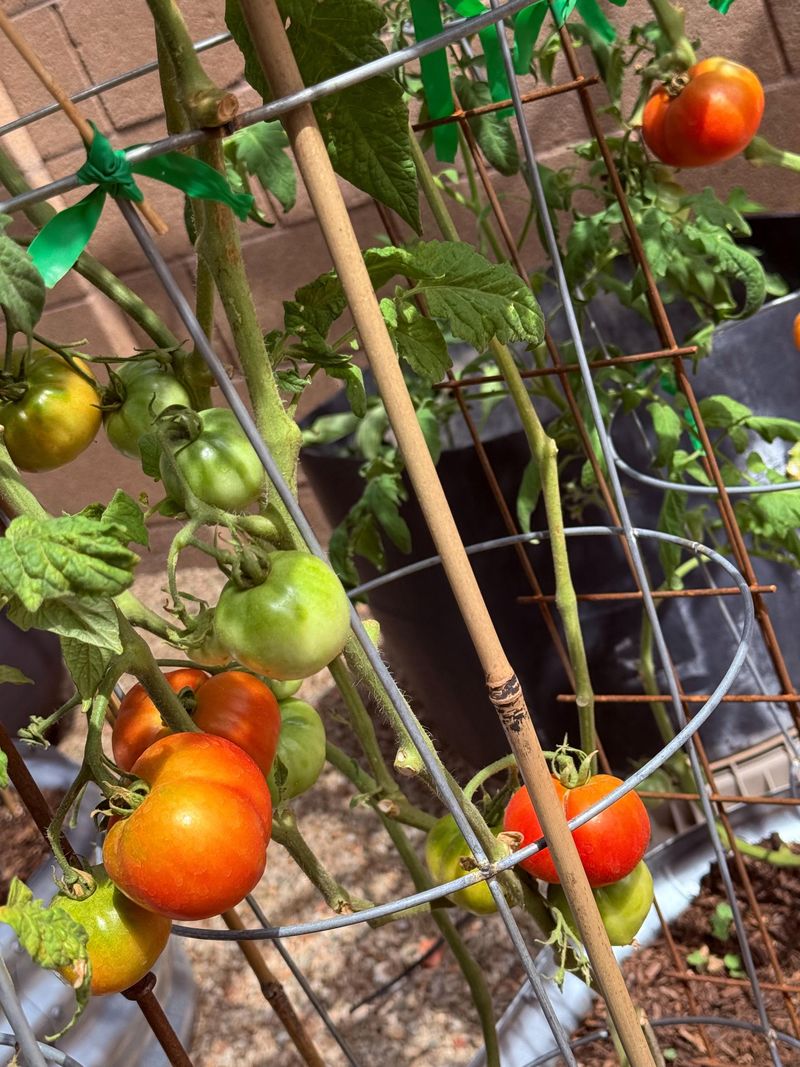
Few things beat the satisfaction of picking a sun-warmed tomato straight from your own Arizona garden in late spring.
Planting tomatoes in early April gives them roughly six to eight weeks to establish before daytime highs regularly push past 100 degrees Fahrenheit.
In low desert areas like Phoenix, transplants rather than seeds are strongly recommended at this point in the season.
Choose heat-tolerant varieties such as Heatmaster, Solar Fire, or Celebrity, which are specifically bred to set fruit even during Arizona’s intense summer conditions.
Tomatoes may stop setting fruit when nighttime temperatures stay above 75 degrees, so earlier planting helps you capture more of the productive spring window.
Plant in a spot with morning sun and some afternoon shade to reduce heat stress on leaves and developing fruit. Water deeply two to three times per week and mulch heavily around the base to hold soil moisture.
Container-grown tomatoes can be moved to shadier spots as summer intensifies, giving you extra flexibility.
Consistent watering prevents blossom drop and cracking, two common problems Arizona gardeners face during the hot transition from spring to summer.
2. Peppers Thrive In Full Sun And Deliver Spicy Flavor
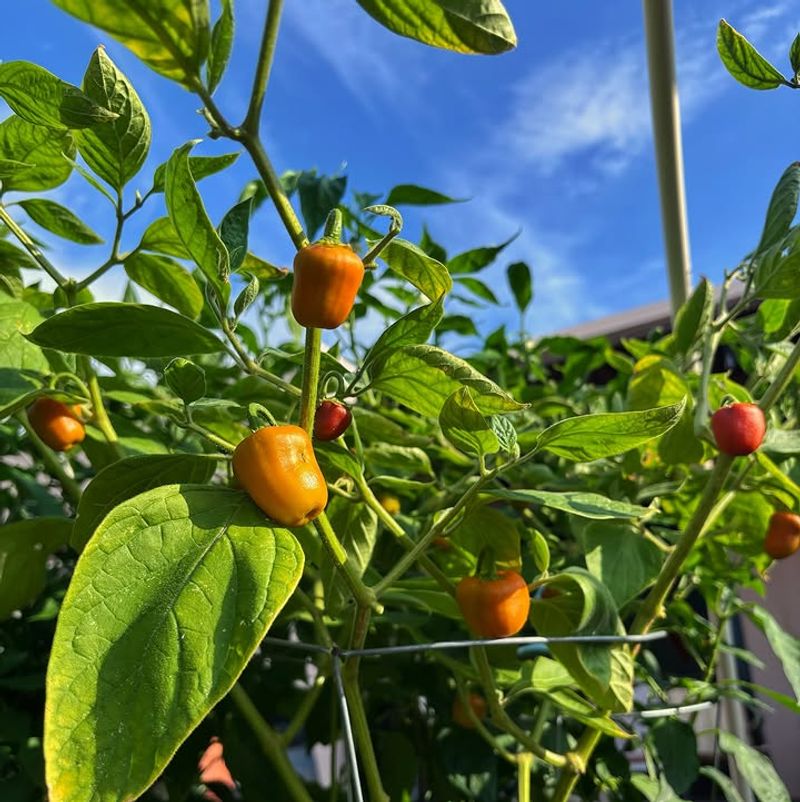
Arizona’s relentless sunshine is practically a superpower for pepper plants, which love heat and full sun more than almost any other vegetable.
April is an excellent time to transplant pepper seedlings because the warm soil encourages fast root development before the most extreme heat arrives.
Bell peppers, jalapeños, serranos, and Anaheim varieties all perform well in Arizona’s low desert climate.
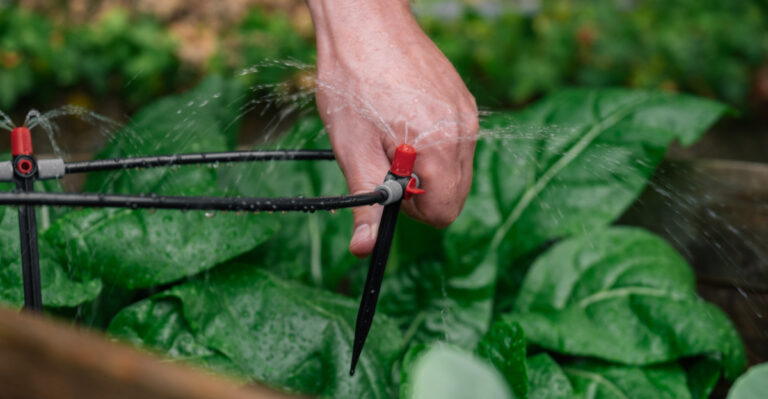
Peppers thrive in well-drained soil with consistent moisture, making drip irrigation a smart choice for desert gardens.
Space plants about 18 inches apart to allow good air circulation, which helps reduce the risk of fungal issues that can occasionally occur during Arizona’s monsoon season later in the summer.
Mulching around pepper plants with straw or wood chips helps keep soil temperatures more stable and reduces watering frequency.
Peppers grown in containers also do well in Arizona, especially when placed against a south-facing wall that reflects warmth during cooler spring mornings.
Expect to start harvesting green peppers around 70 to 80 days after transplanting, with red or fully ripe fruits taking a few additional weeks. Regular harvesting actually encourages more fruit production throughout the season.
3. Eggplant Grows Strong Stems And Shiny Fruits In Arizona Sun
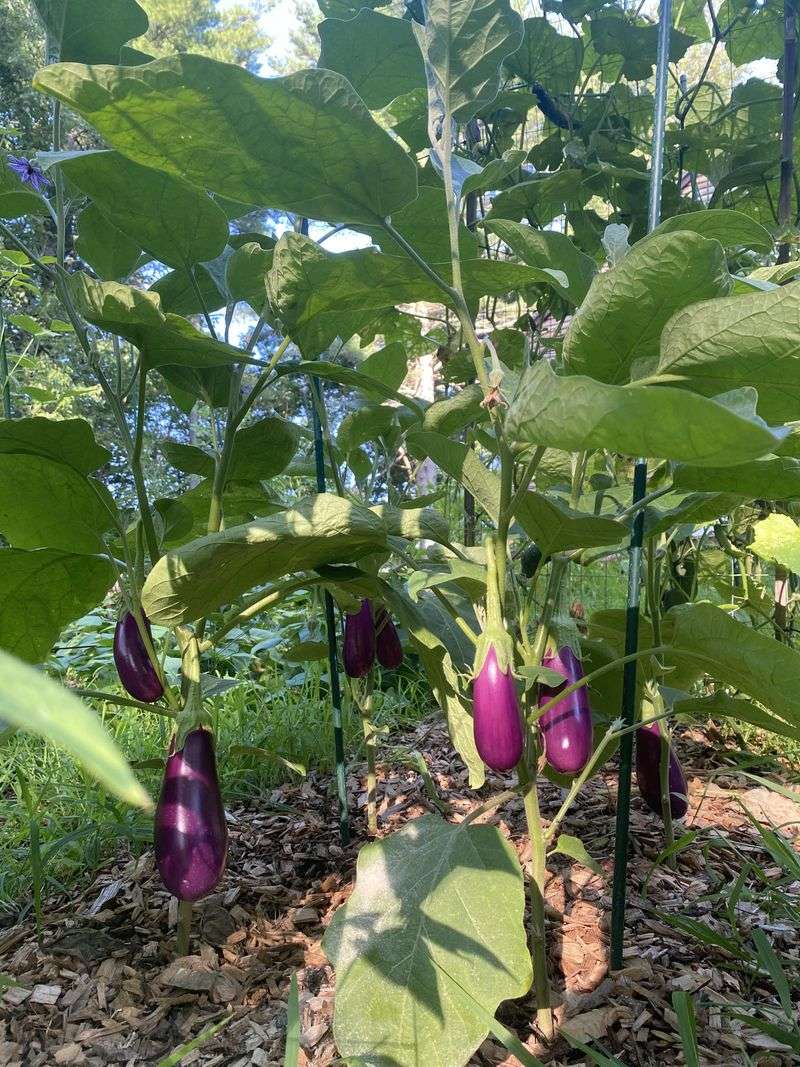
Walk through any thriving Arizona summer garden and you are likely to spot the glossy, deep purple fruits of eggplant catching the afternoon light.
Your Arizona Garden Changes Every Week. Your Plan Should Too.
Gardening in Arizona changes quickly throughout the season. Every Friday you’ll receive a simple weekly plan showing exactly what to plant, prune, fertilize, harvest, and protect so you never miss the right timing.
Eggplant is one of the most heat-tolerant vegetables you can grow in the desert Southwest, and April is a prime time to get transplants in the ground.
The crop genuinely seems to enjoy conditions that would stress many other vegetables.
In Arizona’s low desert, eggplant transplants placed in the garden during early to mid-April benefit from warm soil that speeds up root establishment.
Varieties like Black Beauty, Ichiban, and Millionaire have shown strong performance in desert conditions.
Experts often recommend planting eggplant in full sun with fertile, well-drained soil amended with compost to support vigorous stem and fruit development.
Water eggplant consistently, aiming for deep, infrequent irrigation rather than light daily watering, which encourages deeper root growth. Watch for spider mites during hot, dry spells, as these pests tend to increase in Arizona during late spring.
A strong blast of water from a hose can help dislodge mites from leaves. Harvest fruits while the skin is still shiny, as dull skin often signals the eggplant has passed its peak eating quality.
4. Okra Adds Quick-Growing, Heat-Tolerant Summer Crops
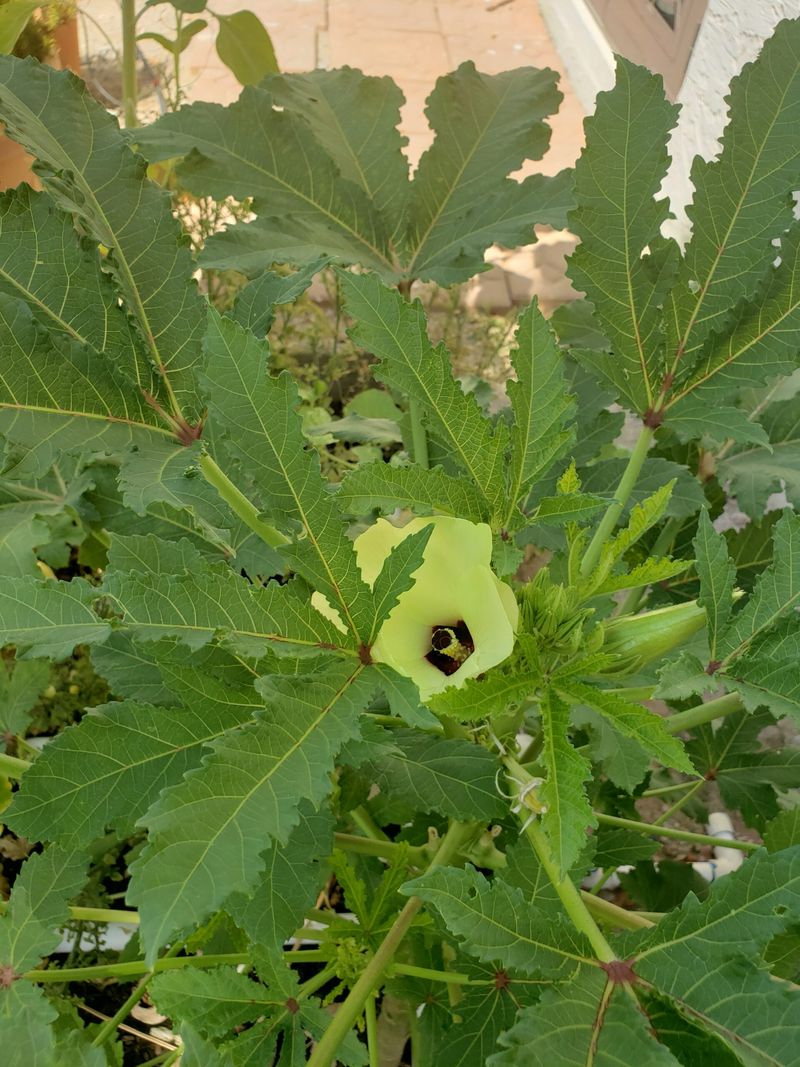
Okra might just be the most underappreciated vegetable in the Arizona garden, thriving in conditions that send other crops into decline.
Originally from Africa, okra is built for heat, and Arizona’s blazing summer temperatures barely slow it down once it gets established.
Sowing seeds directly into warm garden soil in April gives plants a strong start before peak summer heat arrives.
Soil temperatures of at least 65 degrees Fahrenheit are needed for reliable germination, and Arizona’s April soil temperatures in the low desert typically meet or exceed that threshold.
Plant seeds about half an inch deep and space them roughly 12 to 18 inches apart.
Okra grows quickly and can reach five to six feet tall in Arizona gardens, so choose a spot where taller plants won’t shade smaller neighbors.
One of okra’s best qualities for Arizona gardeners is its relatively low water requirement compared to other vegetables, making it well-suited to desert conditions. Water deeply once or twice per week depending on heat levels.
Harvest pods when they are two to four inches long for the best tenderness and flavor. Pods left on the plant too long become tough and fibrous, so check plants every couple of days during peak production.
5. Sweet Potatoes Root Deep And Handle Desert Heat Easily
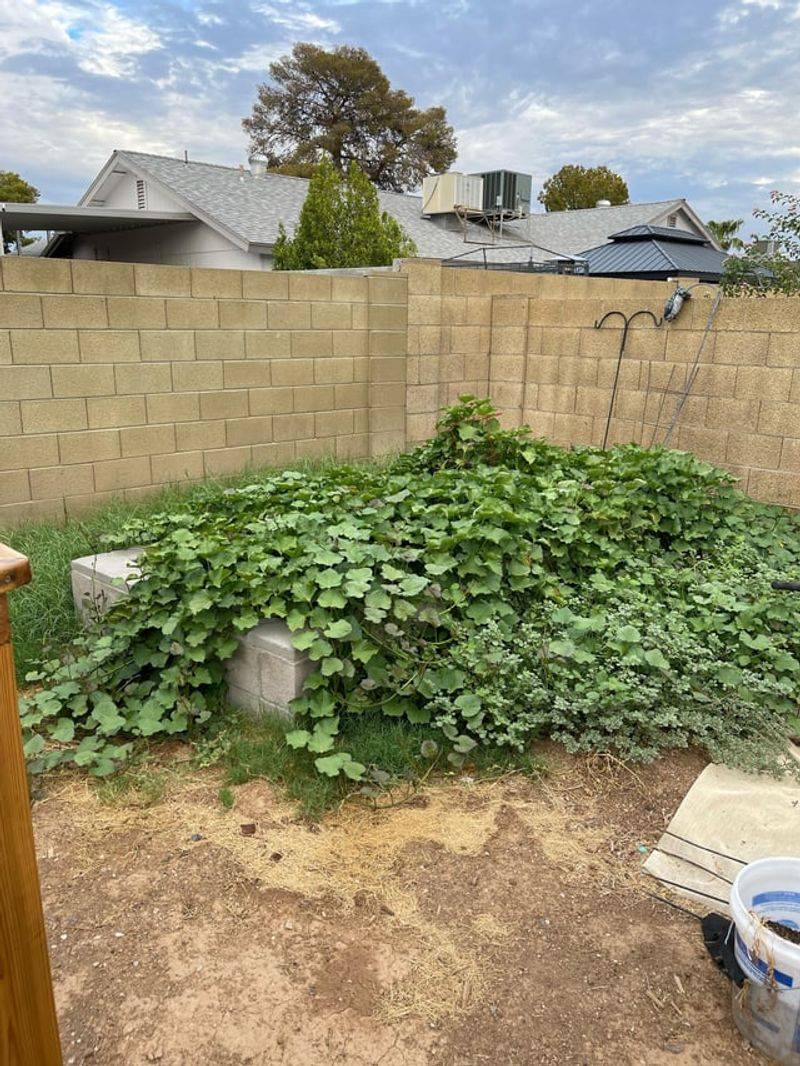
Gardeners who have grown sweet potatoes in Arizona often describe the experience as surprisingly easy, especially compared to growing standard potatoes in the desert heat.
Sweet potatoes are planted from slips, which are small rooted cuttings, rather than from seeds or tubers.
Getting slips in the ground during late March or early April in Arizona’s low desert gives vines the time they need to spread and roots to develop before temperatures become extreme.
Sweet potatoes prefer loose, well-drained sandy or loamy soil, which happens to be common across many Arizona garden plots. Avoid over-fertilizing with nitrogen, as this encourages lush vine growth at the expense of root development.
Experts often suggest hilling or mounding soil around the plants to encourage more root formation and improve drainage during Arizona’s summer monsoon rains.
These plants are surprisingly drought-tolerant once established, though consistent moisture during the first few weeks after planting helps slips take hold.
Vines spread vigorously and can double as a living ground cover that reduces soil moisture loss in garden beds.
Expect to harvest sweet potatoes around 90 to 120 days after planting slips. Curing harvested roots in a warm, humid space for a week or two improves their sweetness and shelf life considerably.
6. Basil Offers Aromatic Leaves For Year-Round Cooking
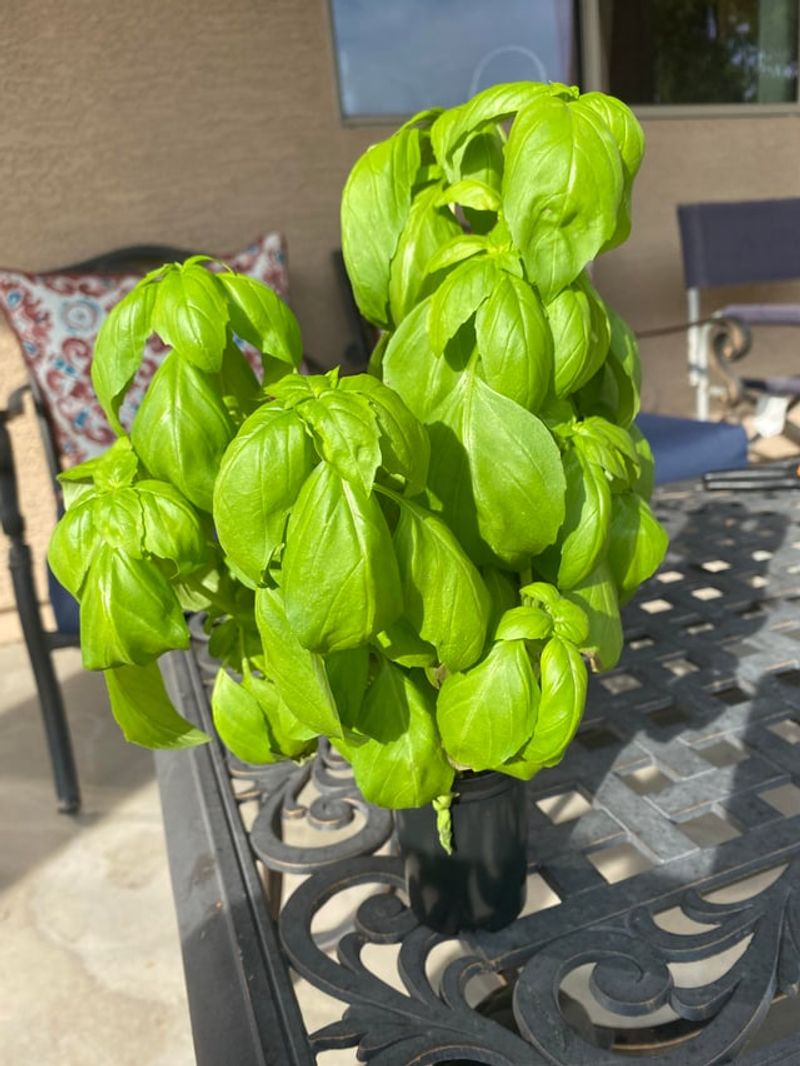
The smell of fresh basil on a warm Arizona morning is one of those simple garden pleasures that makes the extra effort of spring planting completely worthwhile.
Basil is a warm-season herb that genuinely loves heat, making Arizona’s climate a surprisingly good match for it when planted at the right time.
April is a solid window for starting basil from transplants or seeds in the low desert.
Basil prefers soil temperatures above 60 degrees Fahrenheit for germination, and Arizona’s April garden beds are typically well above that mark.
Plant in a spot that gets full morning sun with some afternoon shade to reduce leaf scorch during the hottest summer months.
Genovese, Thai, and lemon basil are popular choices among Arizona herb gardeners, each offering slightly different flavor profiles for cooking.
Regular pinching of flower buds keeps basil plants bushy and productive, encouraging more leaf growth rather than seed production.
Water basil consistently but avoid waterlogging the roots, as basil is susceptible to root rot in overly saturated soil.
Container-grown basil works beautifully in Arizona, allowing you to move plants indoors or to a covered patio during intense heat waves. Harvest leaves frequently throughout the growing season to keep plants at their most productive and flavorful state.
7. Rosemary Provides Fragrant Flavor And Drought-Tolerant Growth
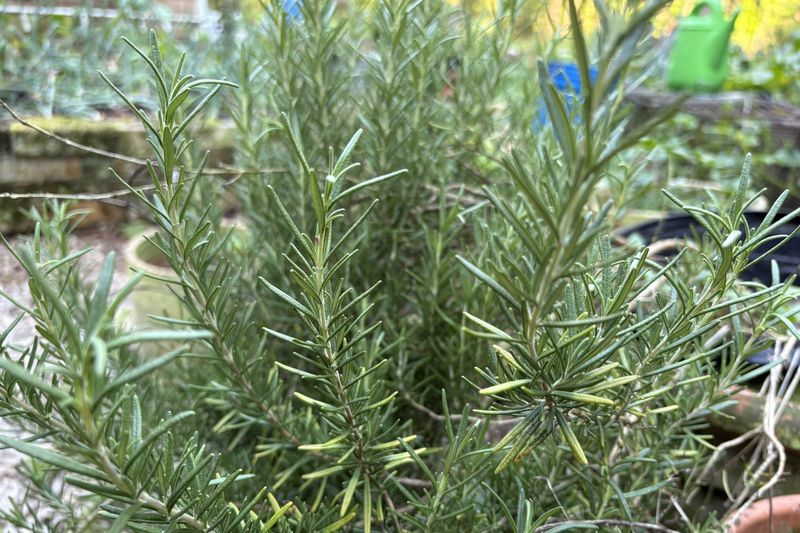
Rosemary behaves less like a typical herb and more like a tough desert shrub in Arizona, which is exactly why so many gardeners here love it.
Native to the Mediterranean region, rosemary is adapted to hot, dry conditions with well-drained soils, making it an almost natural fit for Arizona’s landscape.
April planting allows young rosemary plants to establish roots before the full intensity of summer sets in.
In low desert areas like Phoenix and Tucson, rosemary can grow into large, woody shrubs that provide both culinary harvests and attractive landscape interest.
Choose an upright variety like Tuscan Blue for cooking or a prostrate variety for ground cover along garden borders.
Full sun is non-negotiable for rosemary, and the more sun it receives, the more intensely aromatic its leaves tend to become.
Water newly planted rosemary regularly during the first few weeks, then gradually reduce frequency as plants establish. Once established, rosemary handles Arizona’s dry conditions remarkably well with minimal supplemental irrigation.
Avoid heavy clay soils or areas where water pools, as poor drainage is one of the most common reasons rosemary struggles in Arizona gardens.
Light pruning after the main spring growth flush helps maintain a compact, productive shape and encourages fresh new growth throughout the season.
8. Zinnias Bring Bright, Long-Lasting Color To Hot Gardens
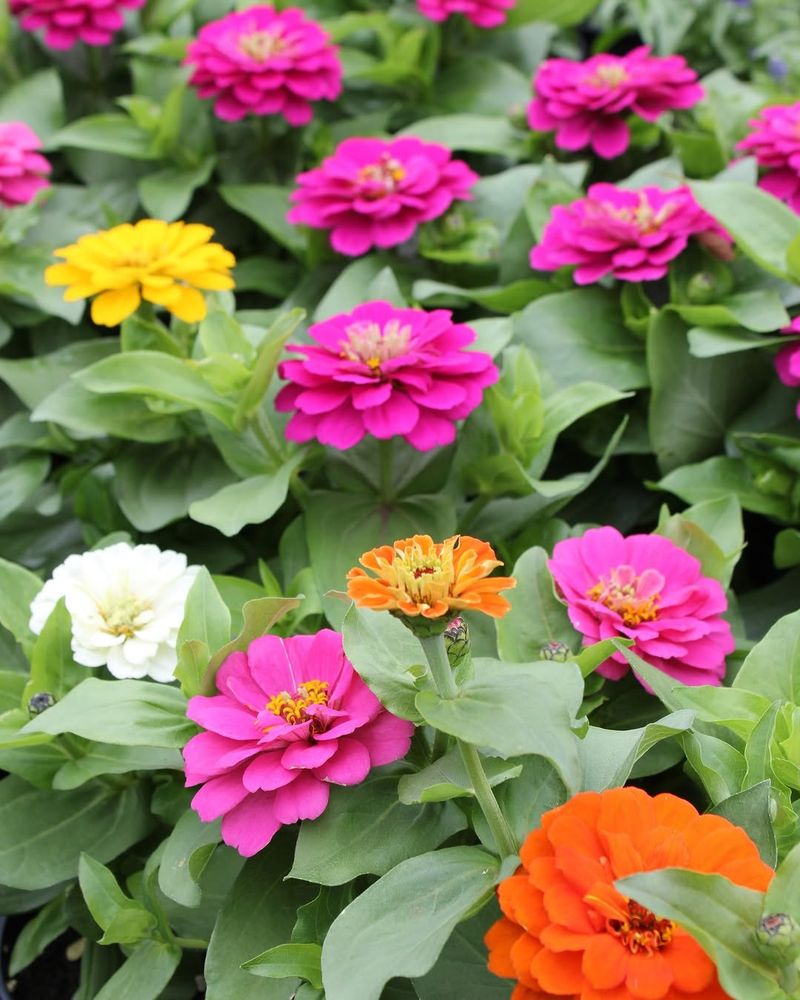
If you want a flower that genuinely thrives on Arizona heat rather than just surviving it, zinnias belong at the top of your April planting list.
These cheerful, colorful blooms are among the most heat-tolerant annual flowers available, producing vivid reds, oranges, pinks, yellows, and whites throughout the summer months.
Starting zinnias from seed directly in the garden during April is both easy and cost-effective in Arizona’s warm soil.
Zinnias prefer full sun and well-drained soil, and they actually produce more blooms when slightly stressed by heat rather than coddled with excessive water.
Sow seeds about a quarter inch deep and thin seedlings to 6 to 12 inches apart once they reach a few inches tall.
In Arizona’s low desert, zinnias can begin blooming in as little as six to eight weeks from direct seeding.
Deadheading spent blooms regularly encourages continuous flower production throughout the long Arizona summer. Zinnias also attract pollinators including butterflies and bees, adding ecological value to your garden beyond their visual appeal.
Powdery mildew can occasionally appear on older leaves, especially during Arizona’s humid monsoon season.
Planting in areas with good air circulation and avoiding overhead watering helps reduce the likelihood of this common fungal issue affecting your plants.
9. Sunflowers Tower Above With Sun-Loving Blooms
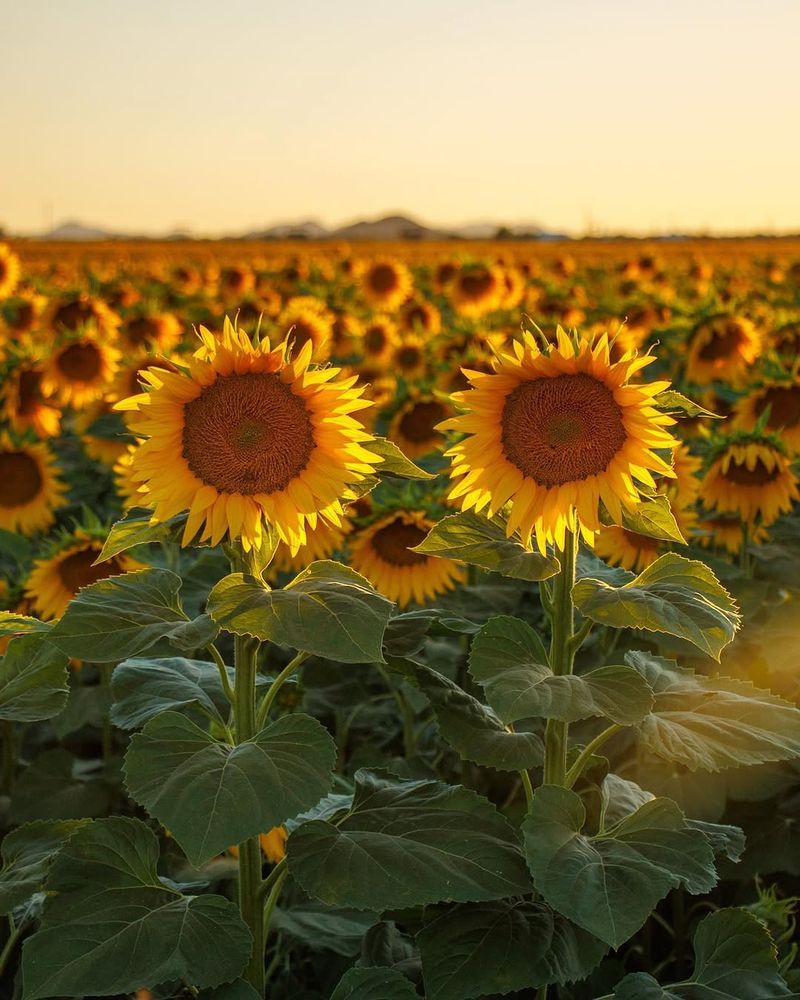
There is something almost poetic about growing sunflowers in Arizona, a plant named for the sun thriving in one of the sunniest states in the country.
April is a great time to sow sunflower seeds directly in Arizona’s low desert gardens, as the warm soil encourages quick germination and rapid early growth.
These bold, cheerful plants can go from seed to bloom in as few as 60 to 70 days depending on the variety.
Sunflowers thrive in full sun with deep, infrequent watering that encourages strong taproot development.
They are relatively tolerant of Arizona’s dry conditions once established, though consistent moisture during germination and early growth stages helps seedlings get off to a solid start.
Mammoth varieties can reach impressive heights of eight feet or more, while dwarf varieties like Sunspot stay compact enough for containers or smaller garden spaces.
Plant sunflowers along the north or east side of vegetable beds so their tall stalks don’t cast shade over lower-growing crops.
Birds and pollinators flock to sunflower blooms and seed heads, making them a fantastic addition to any Arizona wildlife-friendly garden.
After blooms fade, leaving seed heads on the plant provides a natural food source for birds during the hot summer months when other food sources can be scarce.
10. Marigolds Add Vibrant Flowers And Help Keep Pests Away
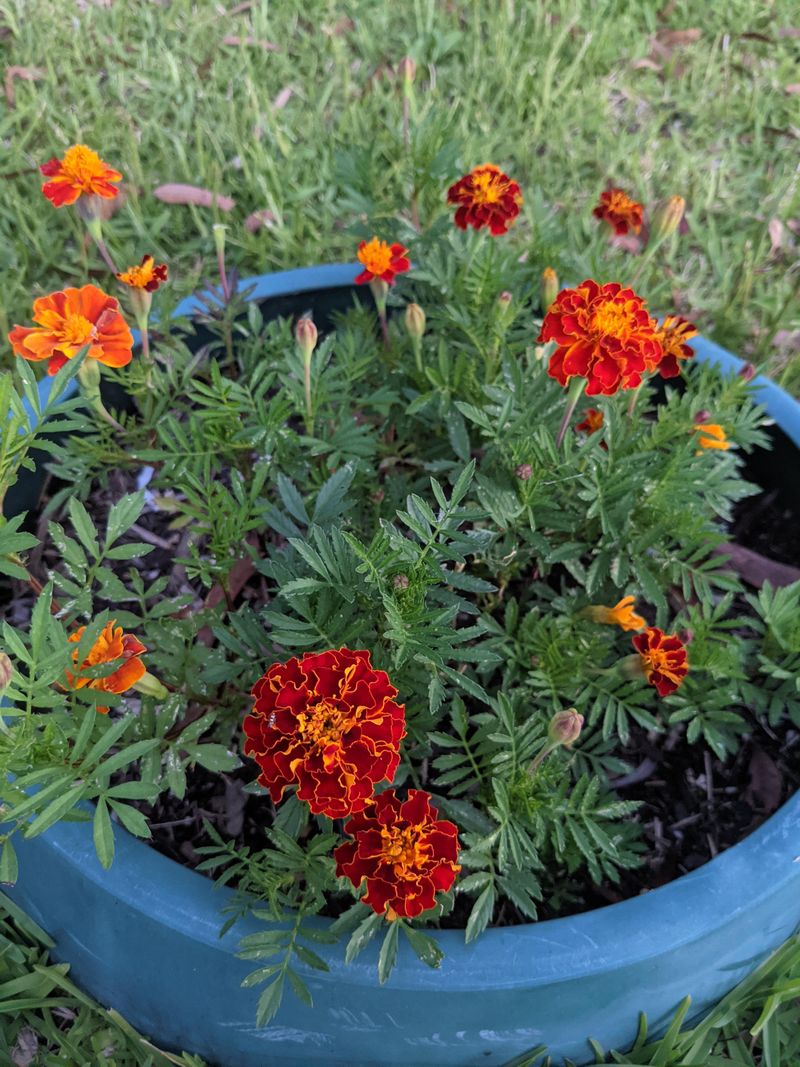
Marigolds have earned a well-deserved reputation as one of the hardest-working flowers in any vegetable garden, and Arizona gardeners have been relying on them for generations.
Their bold orange and yellow blooms add a burst of warm color to garden beds, while their strong scent is believed to help deter certain garden pests including aphids, whiteflies, and nematodes.
April planting gives marigolds time to establish before the hottest weather arrives in the low desert.
French marigolds tend to stay compact and bushy, making them excellent border plants or companions for tomatoes and peppers in Arizona gardens.
African marigolds grow taller and produce larger blooms, offering more dramatic visual impact along garden edges or in dedicated flower beds.
Both types handle Arizona’s heat and full sun exposure well, though consistent watering during the first few weeks after transplanting helps them settle in quickly.
Marigolds prefer well-drained soil and full sun, and they tend to bloom more prolifically in slightly lean soil rather than overly rich, heavily fertilized beds.
Deadhead spent flowers regularly to encourage continuous blooming throughout the summer season.
In Arizona’s monsoon season, watch for root rot if garden beds stay waterlogged after heavy rains. Raised beds or slightly elevated planting areas can help marigolds stay healthy through the wetter monsoon months.