Best Miniature Plants For Fairy Gardens In Texas
There is something about putting together a fairy garden that brings out a different kind of creativity. It is not just about planting, it is about building a tiny world that feels alive in its own way.
A small pot on the patio or a quiet corner in the yard can suddenly turn into something that catches everyone’s attention.
In Texas, though, the heat adds an extra layer to the challenge. Not every small plant stays small for long, and some struggle to keep up once temperatures start climbing.
That is why plant selection matters more than most people expect.
The right miniature plants stay compact, hold their shape, and keep looking good even through long stretches of sun, which makes the whole setup feel effortless once it comes together.
1. Creeping Thyme A Fragrant Ground Cover Favorite

Fragrant, feisty, and surprisingly tough, Creeping Thyme is one of those plants that punches well above its weight in a fairy garden. Imagine a tiny carpet of soft green leaves dotted with delicate pink and purple flowers spreading across the ground like a miniature meadow.
In Texas, where summer heat can be relentless, this little herb holds its own beautifully.
Creeping Thyme thrives in full sun and is highly drought-tolerant once it gets established, which makes it a fantastic pick for sunny spots in Central and South Texas. It grows low and dense, usually only reaching about two to three inches tall, creating the perfect ground cover for fairy pathways or open meadows in your miniature landscape.
You can even walk on it lightly and it bounces right back.
One fun detail that gardeners in Texas love is that Creeping Thyme actually releases a pleasant herbal scent when its leaves are gently brushed. Planting it near the edges of your fairy garden means every time the wind blows or you tend your garden, that sweet fragrance fills the air.
It blooms in late spring to early summer, giving your fairy world a cheerful pop of color right when the Texas heat is ramping up.
Plant it in well-drained soil and give it plenty of sunshine, and Creeping Thyme will reward you season after season with minimal fuss. It is truly one of the most reliable and charming miniature plants available for Texas fairy gardens.
2. Irish Moss Soft Green Carpet For Tiny Spaces
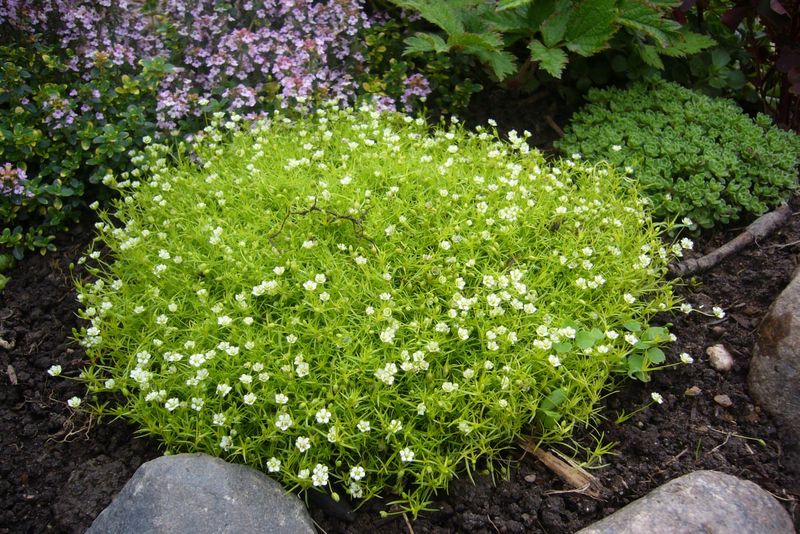
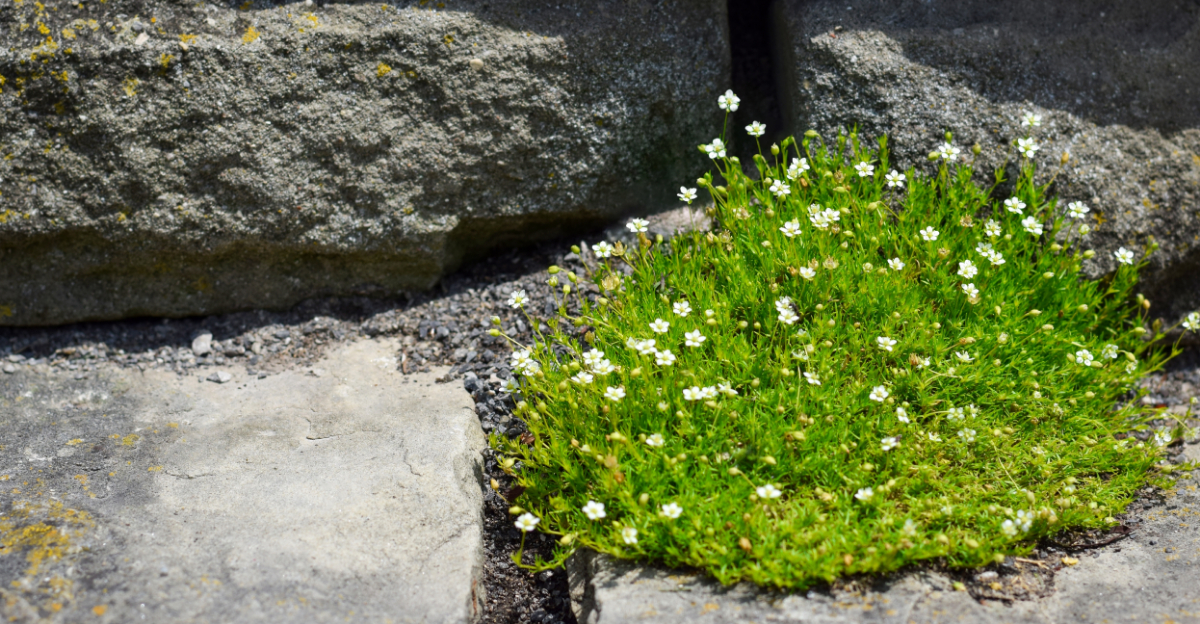
Soft as a plush toy and brilliantly green, Irish Moss looks like something straight out of a storybook. Its thick, cushiony mat of tiny emerald leaves creates the most convincing miniature lawn you could ever hope for in a fairy garden.
When it blooms, small white star-shaped flowers dot the surface, making it look like a magical field that fairies would absolutely love to dance across.
In Texas, Irish Moss does best in areas that get partial shade, especially during the hottest parts of summer. While it can handle some morning sun, too much direct afternoon sunlight in places like San Antonio or Austin can stress the plant.
Pairing it with taller plants or garden structures that offer afternoon shade helps it stay lush and vibrant throughout the warmer months.
Keep the soil consistently moist but never waterlogged, because Irish Moss loves humidity but its roots can suffer if they sit in standing water for too long. In East Texas, where the climate is more humid, Irish Moss can grow with consistent moisture and partial shade.
It spreads slowly over time, filling in gaps between fairy garden stepping stones or around miniature furniture with a natural, flowing look.
One thing that makes Irish Moss extra special is how it feels underfoot, springy and soft, almost like a tiny cushion. Tucking it around the base of fairy houses or along garden borders gives your Texas fairy garden an incredibly realistic and enchanting miniature landscape feel.
3. Miniature Mondo Grass Neat Clumps With Clean Lines
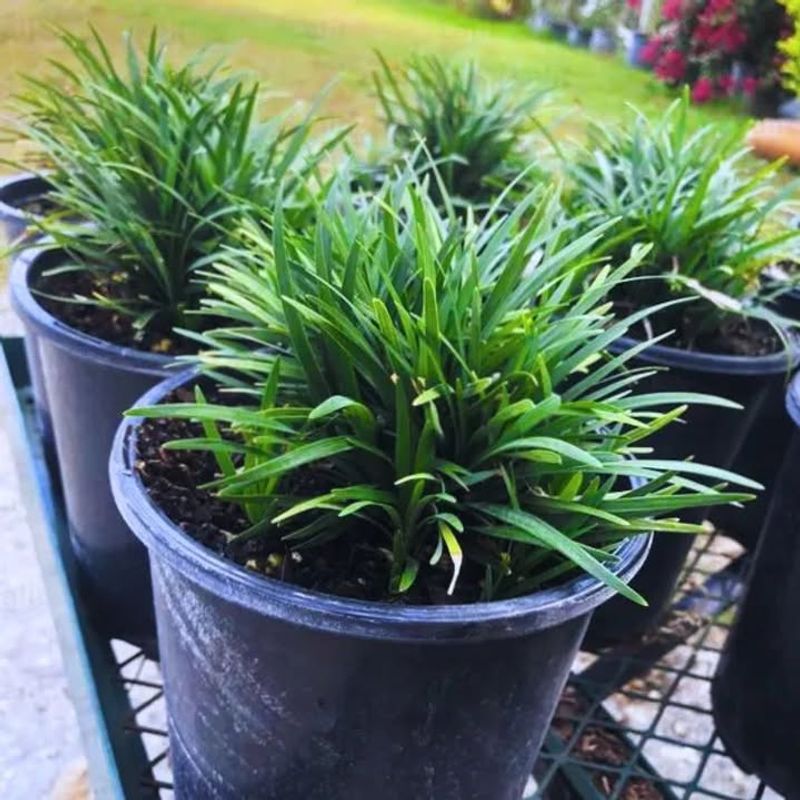
Cool, calm, and endlessly reliable, Miniature Mondo Grass brings a zen-like elegance to any fairy garden. Its slender, dark green blades grow in neat little clumps that mimic a perfectly scaled-down version of a lush meadow or forest floor.
Unlike regular grass that requires frequent mowing, this miniature variety stays compact and tidy on its own, making it one of the lowest-maintenance options available to Texas gardeners.
Known botanically as Ophiopogon japonicus Nana, this plant adapts well to both sunny and shaded spots, giving you real flexibility when designing your fairy garden layout. In Texas, it handles the heat surprisingly well as long as it gets occasional watering during dry spells.
Gardeners in Houston and Dallas have found it especially useful because it stays green through mild Texas winters without needing much extra attention.
Miniature Mondo Grass grows very slowly, which is actually a big advantage in a fairy garden where you want things to stay proportional and small-scale over a long period of time. Its deep green color provides a beautiful contrast against lighter-colored stones, sand, or decorative gravel you might use in your miniature landscape design.
Did you know that Mondo Grass is actually not a true grass at all? It belongs to the lily family, which explains why it occasionally produces tiny lavender flowers and small blue berries.
Planting it along fairy garden borders or using it to fill in between miniature trees gives your Texas fairy garden a rich, layered look that feels genuinely alive.
4. Baby Tears Lush And Delicate For Shaded Corners
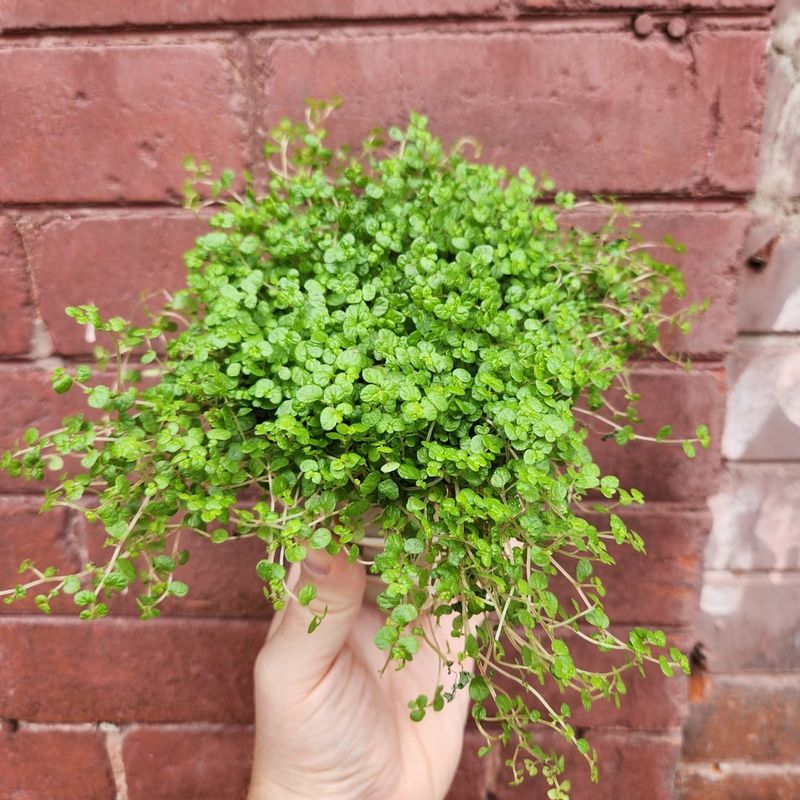
There is something almost impossibly delicate about Baby Tears, with its tiny round leaves clustered so closely together they look like a soft green cloud cascading over rocks or spilling out of a pot. Officially named Soleirolia soleirolii, this plant has one of the most whimsical appearances of any ground cover, which is exactly why fairy garden enthusiasts across Texas absolutely adore it.
Baby Tears thrives in moist soil and indirect light, making it a wonderful choice for shaded corners of your fairy garden or for spots under a porch or tree canopy. In the humid regions of East Texas and along the Gulf Coast, it can grow with very little extra watering because the natural moisture in the air keeps it happy.
In drier parts of Texas, like the Hill Country or West Texas, it needs a bit more attention to stay hydrated and looking its best.
One of the most creative ways to use Baby Tears in a fairy garden is to let it trail over the edges of containers or cascade down miniature hillsides made from stacked stones. It fills in spaces quickly and creates a lush, overgrown look that makes your fairy world feel ancient and well-established, as though fairies have lived there for centuries.
Keep it away from harsh afternoon sun, especially during a Texas summer, because too much direct light can cause the leaves to yellow and dry out. With the right shady spot and regular moisture, Baby Tears will reward you with a beautiful, carpet-like display all season long.
5. Blue Moneywort Trailing Color With Tiny Leaves
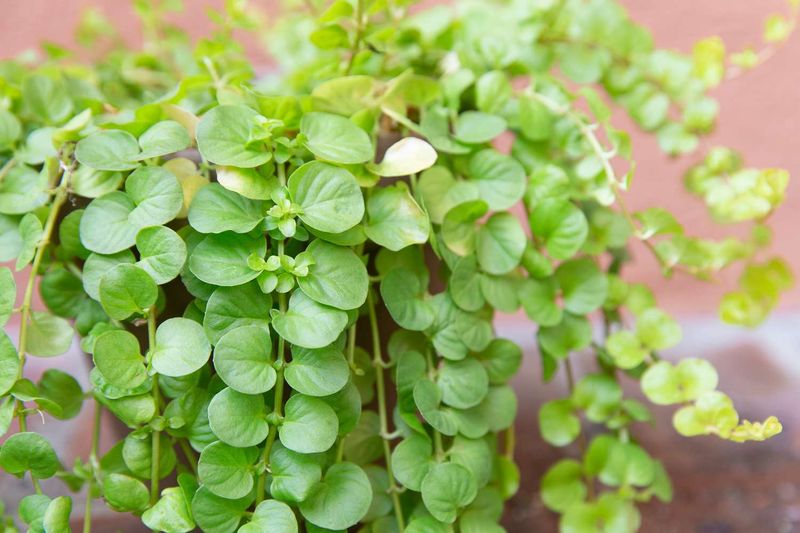
Not many plants bring the kind of cheerful, eye-catching color that Blue Moneywort does to a fairy garden. Its small, round, bright green leaves are charming on their own, but when the tiny blue-purple flowers pop open, the whole plant transforms into a miniature wonderland of color.
It is the kind of plant that makes people stop and look twice, wondering how something so small can be so beautiful.
Blue Moneywort, often sold as Bacopa or similar species, prefers consistent moisture and does well in containers where watering can be controlled. In Texas, it works beautifully in partially shaded fairy garden setups, particularly in spring and fall when temperatures are mild.
During the intense Texas summer heat, placing it in a spot that gets morning sun and afternoon shade helps it stay vibrant and blooming without stress.
One of the best things about Blue Moneywort is how it trails gracefully over the edges of pots and containers, creating a flowing, natural look that adds depth and dimension to your miniature landscape. You can use it to simulate a tiny river or stream running through your fairy garden by planting it along a winding path of blue-tinted gravel or pebbles.
It pairs well with other moisture-loving plants like Baby Tears and Irish Moss, creating a lush, cohesive fairy garden. Texas gardeners who love color will find Blue Moneywort to be one of the most rewarding miniature plants they have ever grown.
6. Miniature Ivy A Classic Climber For Mini Scenes
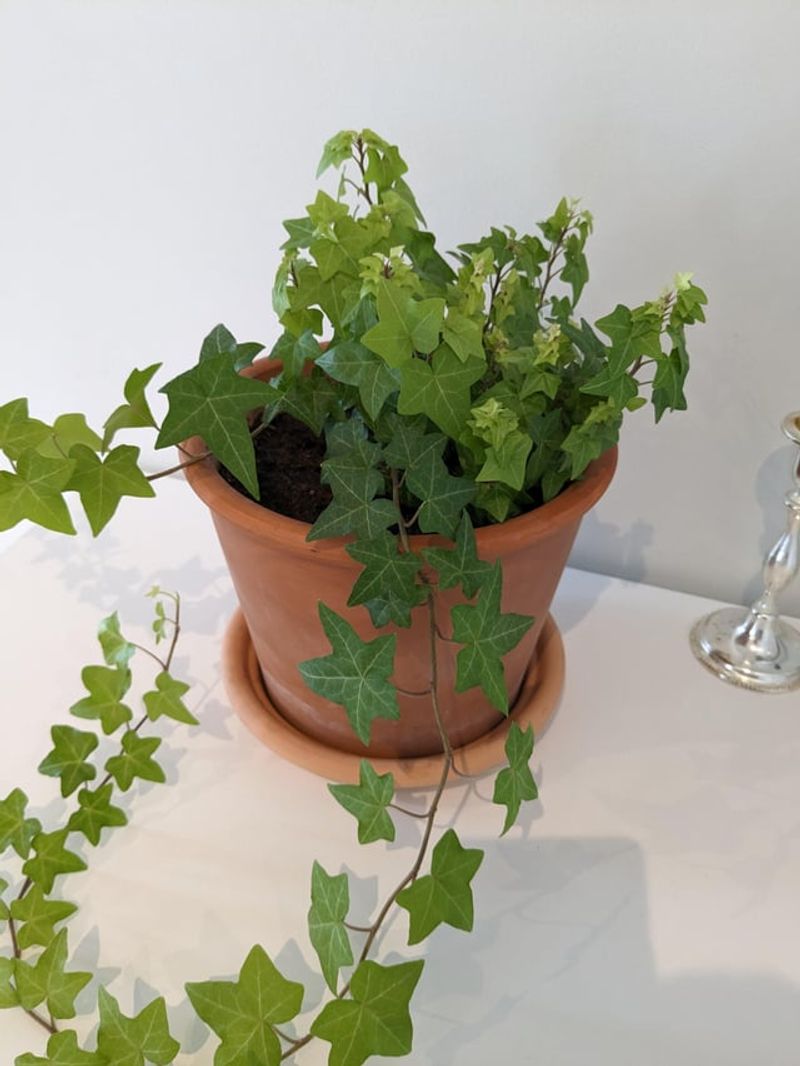
Few plants capture the feeling of an old, magical world quite like ivy. Miniature Ivy takes everything enchanting about classic ivy and scales it down perfectly for a fairy garden, with its small lobed leaves and trailing vines that seem purpose-built for climbing over tiny stone walls and winding around miniature tree trunks.
It brings an instantly timeless, storybook quality to any garden space.
In Texas, Miniature Ivy grows best in partial shade and may struggle in extreme heat, especially in exposed locations. It prefers well-drained soil and regular watering, especially during hot Texas summers when the ground can dry out fast.
Once established, it becomes quite resilient and will continue growing steadily even through mild temperature swings that Texas weather is known for.
Training Miniature Ivy to climb a tiny trellis or wrap around a small decorative post in your fairy garden is surprisingly easy and incredibly rewarding. Over time, the vines fill in naturally, giving your fairy world a lush, overgrown look that feels authentic and alive.
You can also let it drape over the edges of raised fairy garden containers for a cascading, elegant effect.
Miniature Ivy is available in several varieties, some with solid green leaves and others with variegated patterns of green and white or green and yellow. Mixing two or three varieties together in your Texas fairy garden creates a rich tapestry of color and texture that keeps the space looking interesting and layered throughout every season of the year.
7. Mexican Heather Fine Texture With Nonstop Blooms
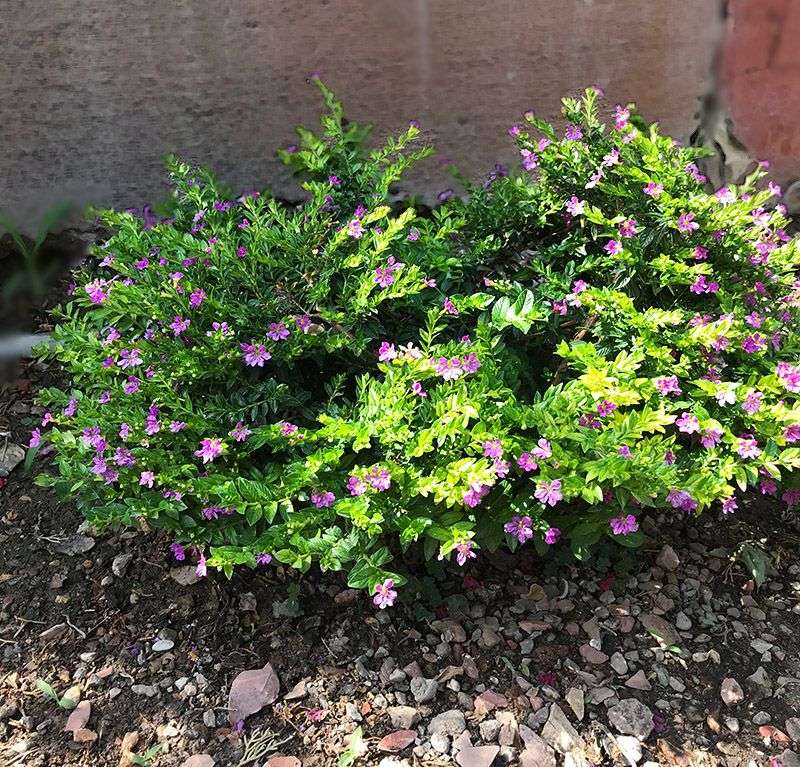
If your fairy garden needs a burst of color that lasts from spring all the way through fall, Mexican Heather is the plant you have been looking for. Covered in masses of tiny pink, purple, or lavender flowers that bloom almost nonstop, this compact shrub looks like a miniature flowering hedge that fairies would use to mark the boundaries of their enchanted territory.
Mexican Heather, known botanically as Cuphea hyssopifolia, is practically made for Texas. It tolerates heat and humidity well, especially in warmer, humid parts of Texas with proper care.
It thrives in full sun to partial shade and does not require a lot of water once it settles into its spot, making it a smart choice for Texas gardeners who want a low-maintenance but high-impact plant.
One of the most appealing things about Mexican Heather is how it attracts butterflies and hummingbirds, turning your fairy garden into a lively, buzzing little ecosystem. Watching a tiny hummingbird visit a miniature garden feels genuinely magical, and Mexican Heather makes that experience possible.
It grows to about one to two feet tall, so it works well as a background plant or a small flowering hedge in larger fairy garden designs.
Trim it lightly after heavy blooming periods to encourage fresh new growth and even more flowers. With its cheerful blooms and easy-care nature, Mexican Heather is one of the most beloved plants in Texas fairy gardens, bringing life and color to every corner of your miniature world.
8. Dwarf Rosemary Compact Growth With Herbal Charm
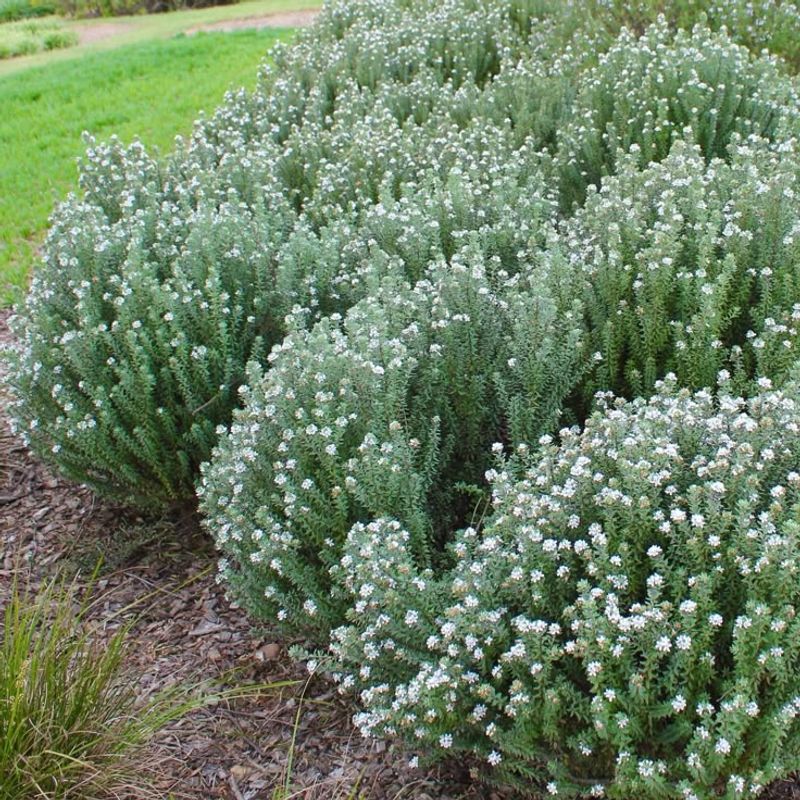
Picture a tiny evergreen forest of needle-like silvery-green leaves, dotted with small pale blue flowers, filling your fairy garden with a warm, herbal fragrance every time the breeze passes through. That is exactly what Dwarf Rosemary brings to a Texas fairy garden, and it does it with a style and resilience that few other miniature plants can match.
Dwarf Rosemary is a scaled-down version of the classic culinary herb, and it shares all the same wonderful qualities: drought tolerance, love of sunshine, and a fragrance that is instantly recognizable and deeply satisfying. In Texas, where summers are long and often dry, Dwarf Rosemary grows well in sunny, well-drained conditions and tolerates drought once established.
Plant it in well-drained soil in a full-sun location and it will thrive with very little extra care from you.
From a design perspective, Dwarf Rosemary works brilliantly as a miniature tree or shrub in a fairy garden, giving the impression of an ancient, gnarled woodland tree that tiny fairy folk might shelter beneath. Its upright, bushy growth habit adds vertical interest to garden designs that are otherwise flat and low-growing.
Pairing it with ground covers like Creeping Thyme or Miniature Mondo Grass creates a layered, realistic miniature landscape.
Gardeners across Texas, from the Hill Country to the Panhandle, appreciate Dwarf Rosemary for its year-round evergreen color and its ability to handle both hot summers and occasional cold snaps without losing its charm. It is a dependable, aromatic anchor for any Texas fairy garden that deserves a long-lasting centerpiece plant.