8 Best Native Texas Plants That Thrive Alone
Want a beautiful garden but do not have time for constant care? Native Texas plants that thrive on their own might be exactly what you need.
In a climate where heat, intense sun, and dry spells can challenge even experienced gardeners, choosing independent native plants can make landscaping far easier and more rewarding.
These resilient growers adapt naturally to local soil and weather, often needing less water, fewer inputs, and minimal attention once established.
They keep their shape, handle stress well, and still provide color, texture, and seasonal interest without relying on companion plants or frequent maintenance.
Whether you are filling an empty corner, designing a simple landscape, or creating a low effort yard, these tough natives deliver both beauty and durability.
Your garden can stay vibrant and balanced with very little work. Enjoy a natural, eye catching space that looks great through every season.
1. Turk’s Cap
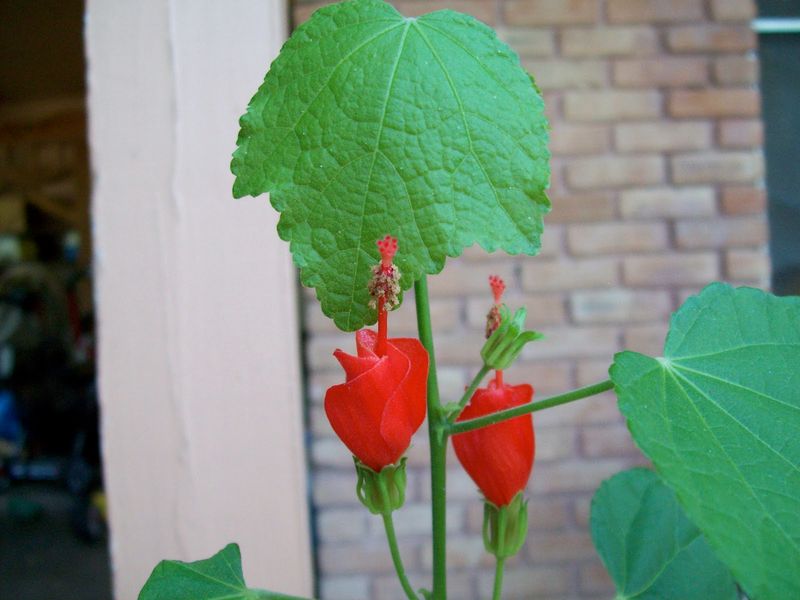
Bright red blooms peek out from lush green leaves throughout the warmest months, making Turk’s Cap one of the most reliable performers in Texas gardens.
This shrubby perennial grows between three to five feet tall and spreads just as wide, creating a rounded shape that needs no pruning to look good.
Hummingbirds can’t resist the tubular flowers that never fully open, giving the plant its distinctive turban-like appearance.
Once established in Texas soil, this tough native asks for almost nothing from gardeners. It handles both sun and shade equally well, though it produces more flowers with at least four hours of daily sunlight.
The plant tolerates drought beautifully after its first growing season, and it actually prefers to dry out between waterings rather than sitting in moist soil.
Turk’s Cap blooms from late spring through the first frost, providing months of color when many other plants have given up. The flowers eventually turn into small red fruits that birds enjoy eating.
Deer usually leave this plant alone, making it perfect for Texas properties where wildlife browsing can be a problem.
This native thrives in various soil types across Texas, from sandy to clay-heavy ground. It spreads slowly through underground stems but never becomes aggressive or invasive.
Simply plant it, water occasionally during the first summer, and then step back to enjoy years of effortless beauty.
2. Blackfoot Daisy
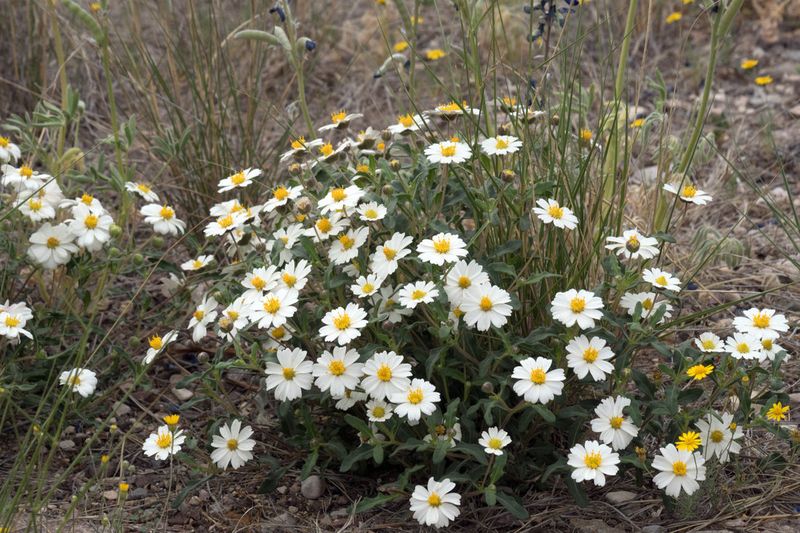
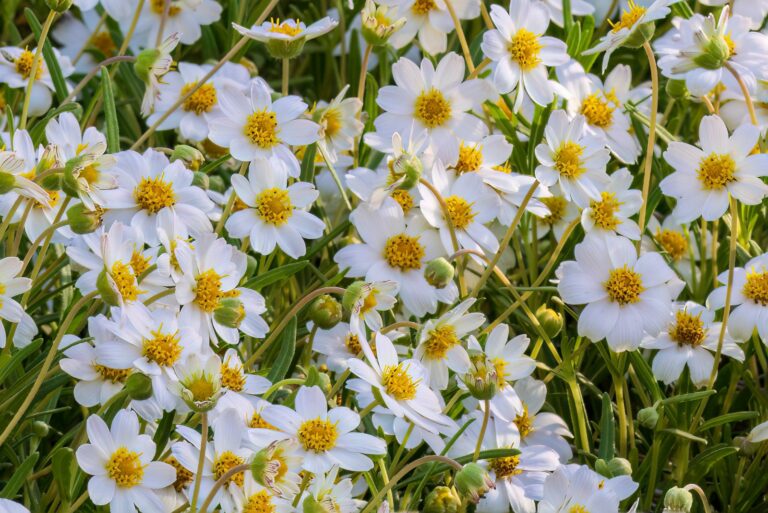
Cheerful white petals surround golden centers on this compact native that carpets the ground with blooms from March through November.
Blackfoot Daisy forms neat mounds only six to twelve inches tall but spreads up to two feet wide, making it ideal for edging walkways or filling gaps between larger plants.
The flowers appear so abundantly that they nearly hide the gray-green foliage beneath them.
Hot, dry conditions bring out the best in this Texas native. It actually struggles in rich, moist soil and prefers rocky or sandy ground that drains quickly.
Full sun is essential for maximum flowering, and the plant needs no supplemental water once established in most Texas regions. Overwatering causes more problems than neglect ever could.
This daisy performs beautifully in challenging spots where other plants fail. It thrives in caliche soil, handles reflected heat from pavement or walls, and laughs at summer temperatures that exceed 100 degrees.
The plant self-seeds modestly, filling in bare patches without becoming weedy or invasive.
Blackfoot Daisy requires no deadheading, fertilizing, or special care to keep blooming month after month. It naturally stays compact and tidy without any pruning.
Butterflies visit the flowers regularly, and the plant resists both deer and rabbits. Simply choose a sunny, well-drained location in Texas, plant it, and watch it flourish with zero maintenance required.
3. Gregg’s Mistflower
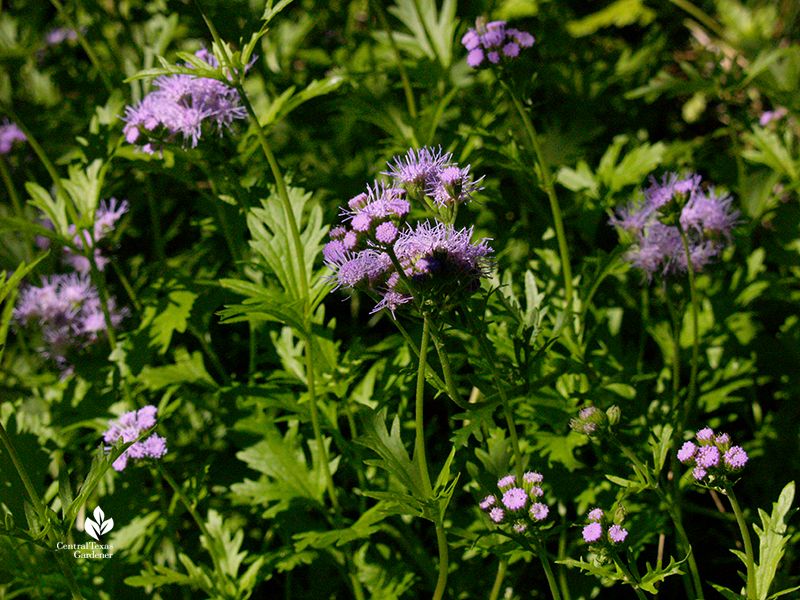
Clouds of soft blue-purple blooms float above triangular leaves from late summer through fall, when many Texas gardens look tired and faded. Gregg’s Mistflower grows one to three feet tall and spreads through underground runners to form attractive colonies.
The fuzzy flower clusters look like tiny puffballs and attract more butterflies than almost any other native Texas plant.
This adaptable perennial handles both rocky hillsides and heavier clay soils across Texas. It grows equally well in full sun or partial shade, though flowering is heaviest with at least six hours of sunlight.
The plant tolerates drought once established but looks fuller and blooms more profusely with occasional deep watering during extended dry spells.
Monarchs and other migrating butterflies depend on Gregg’s Mistflower as a crucial nectar source during their fall journey through Texas. The plant blooms precisely when these insects need energy for their long travels.
Watching dozens of butterflies cover the flowers on a sunny autumn day makes this native worth growing.
Gregg’s Mistflower spreads steadily but not aggressively, filling in around other plants without choking them out. It freezes back to the ground during Texas winters but returns reliably each spring.
The plant needs no fertilizer, rarely suffers from pests or diseases, and never requires staking or special support. Cut it back in late winter if desired, but otherwise leave it completely alone to do its thing.
4. Autumn Sage
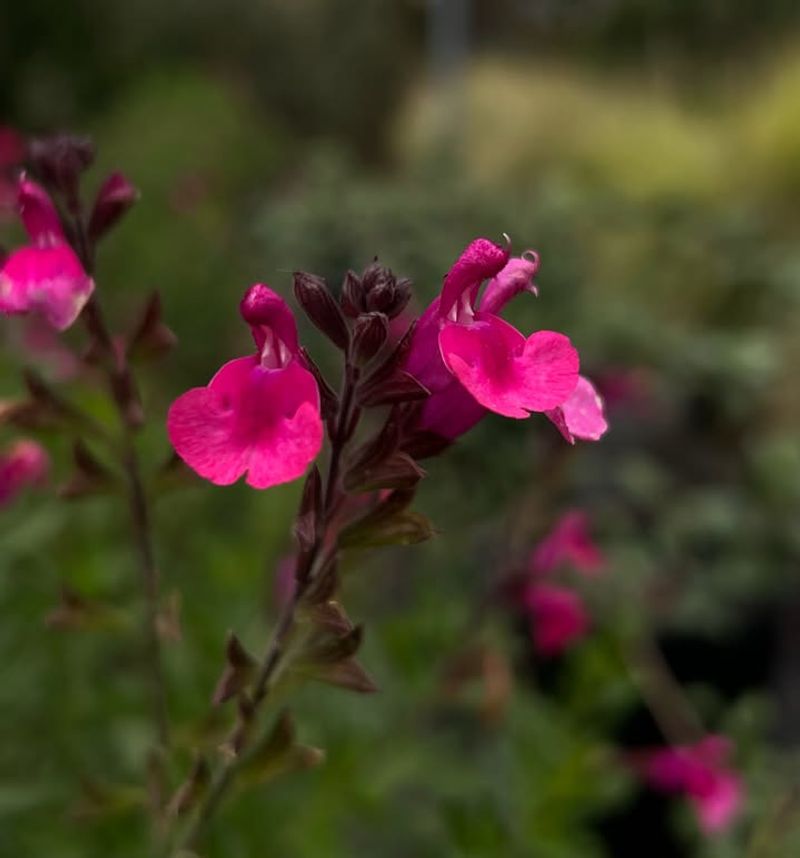
Tubular flowers in shades of red, pink, coral, or white cover this woody perennial from spring through the first hard freeze in Texas.
Autumn Sage forms a rounded shrub two to three feet tall and wide, with small aromatic leaves that release a pleasant scent when brushed.
Hummingbirds zip from flower to flower throughout the day, often defending their favorite plants from other visitors.
Few native Texas plants match the toughness and reliability of Autumn Sage. It thrives in alkaline soil, handles limestone rock gardens beautifully, and performs well in both full sun and light shade.
The plant needs absolutely no supplemental water once established, even during the hottest, driest Texas summers. Overwatering actually weakens it and reduces flowering.
This sage blooms heaviest in spring and fall but produces scattered flowers even during midsummer heat. The plant naturally maintains a compact shape without constant pruning, though you can trim it lightly after the main spring bloom to encourage bushiness.
Deer generally avoid the aromatic foliage, making Autumn Sage perfect for Texas properties with browsing wildlife.
Different flower colors grow equally well across Texas, so choose based on your landscape design preferences. The plant self-cleans, dropping spent flowers without deadheading.
It resists pests and diseases, never needs fertilizer, and lives for many years with zero special care. Simply plant it in well-drained soil, water occasionally the first summer, and then ignore it while enjoying constant blooms and hummingbird visits.
5. Coral Honeysuckle
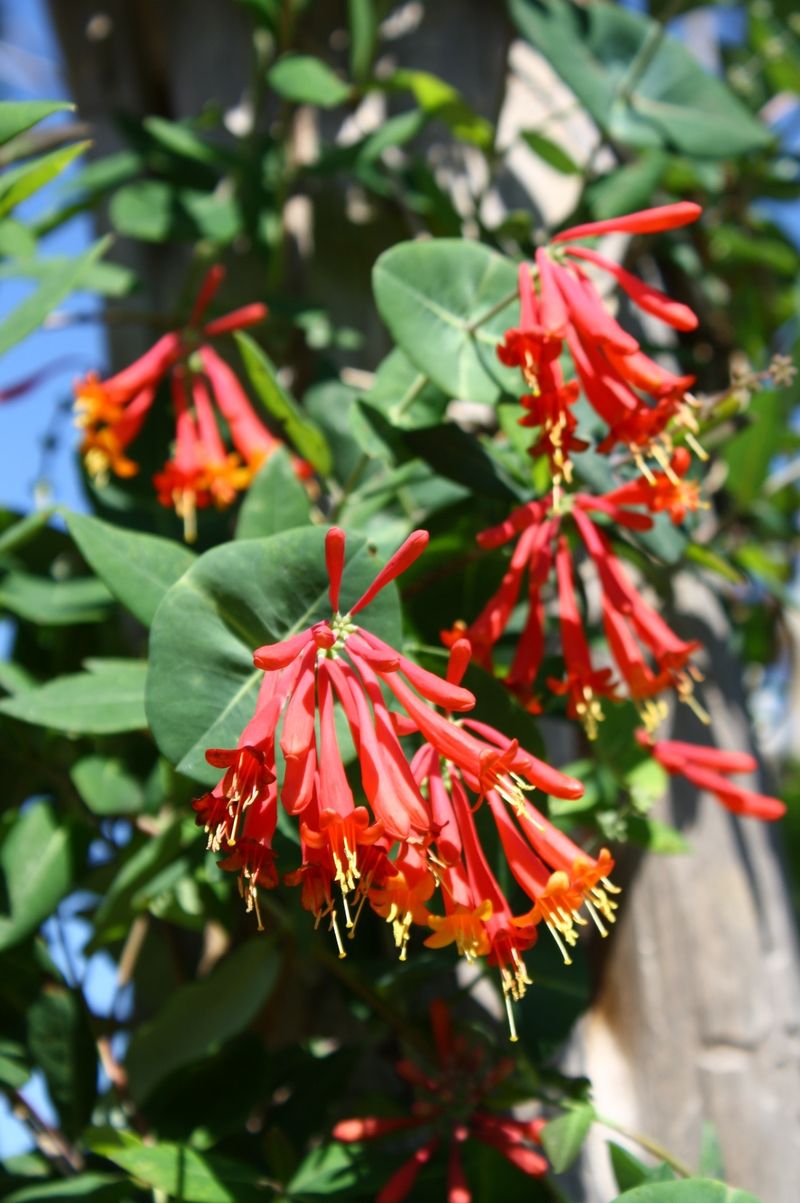
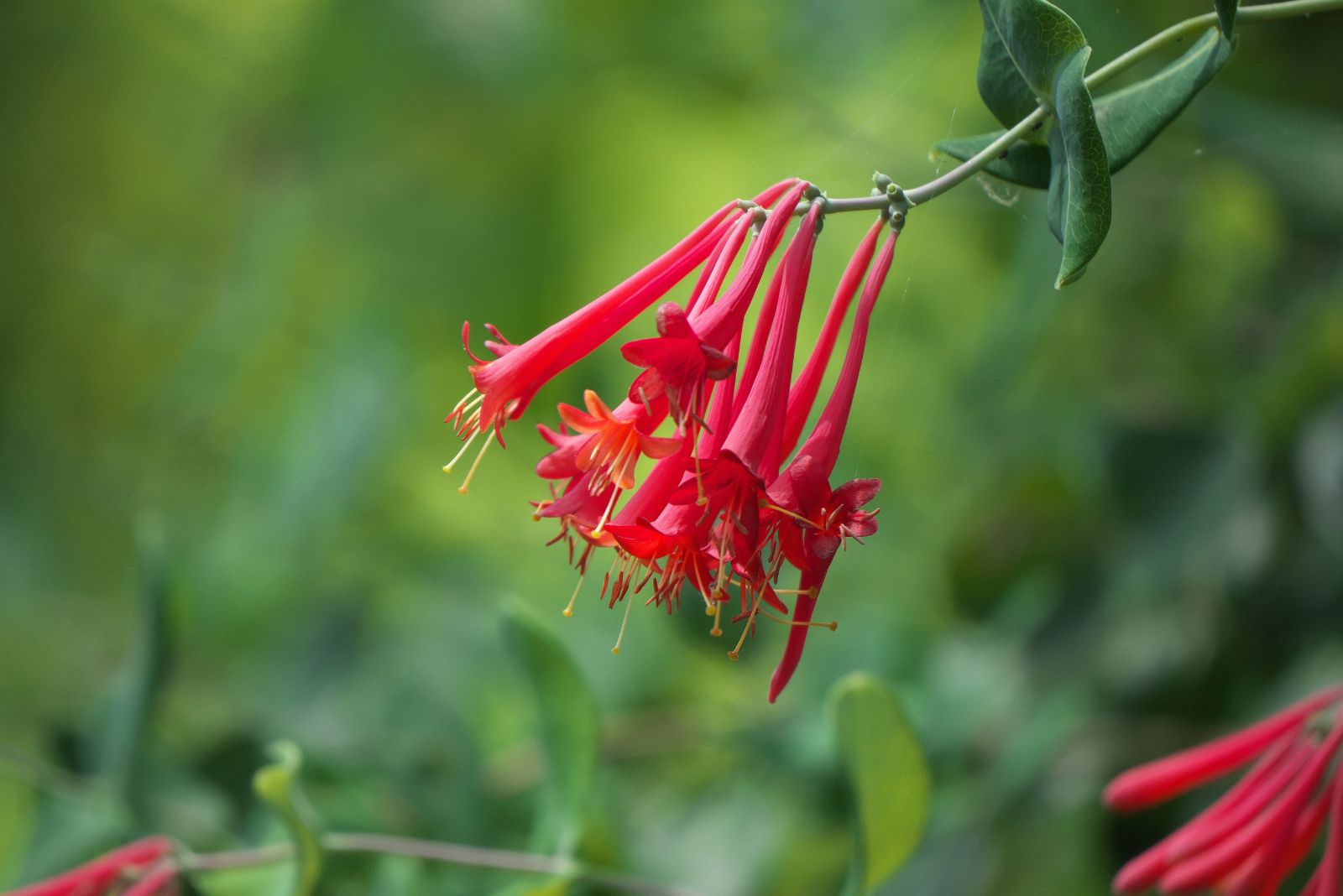
Trumpet-shaped flowers in brilliant coral-red with yellow throats dangle in clusters along this well-behaved native vine. Unlike its aggressive exotic cousins, Coral Honeysuckle grows at a moderate pace and never becomes invasive in Texas landscapes.
The vine reaches twelve to fifteen feet long, with blue-green leaves that stay attractive from spring through fall. Hummingbirds hover at the flowers from dawn to dusk during peak blooming periods.
This native vine adapts to various growing conditions across Texas. It performs well in full sun or partial shade, though flowering is most abundant with at least six hours of direct sunlight.
The plant tolerates both sandy and clay soils as long as drainage is reasonable. Once established, Coral Honeysuckle handles drought remarkably well and needs watering only during extreme dry spells.
Blooming occurs primarily in spring and fall, with scattered flowers appearing throughout summer in Texas gardens. The vine produces small red berries after flowering, which songbirds eagerly consume.
The plant climbs by twining around supports rather than clinging with aerial roots, so it won’t damage wooden fences or painted surfaces.
Coral Honeysuckle requires no fertilizer and suffers from few pest problems in Texas. It naturally stays tidy without constant pruning, though you can trim it lightly after spring flowering to control size.
The vine is semi-evergreen in southern Texas and deciduous farther north. Simply provide a trellis or fence for support, water occasionally the first year, and then let it grow undisturbed while attracting hummingbirds and butterflies.
6. Texas Lantana
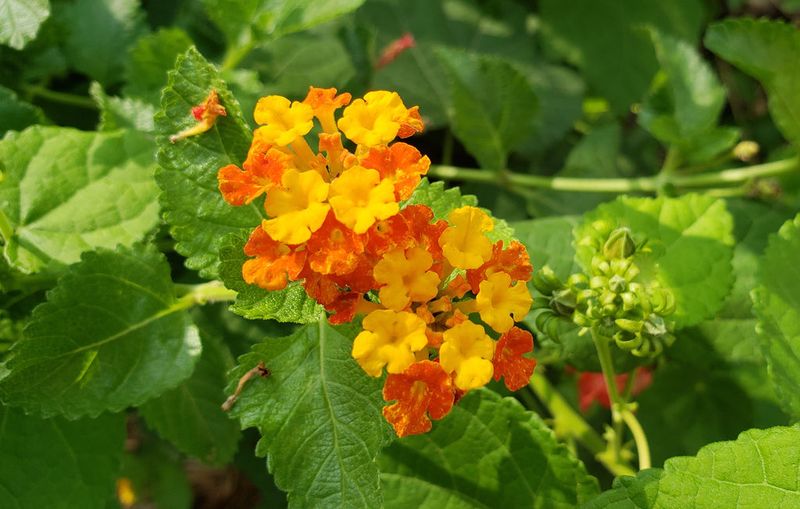
Flower clusters shift from yellow to orange to red as they age, creating a stunning multicolored display on this tough Texas native.
Texas Lantana grows as a spreading shrub two to three feet tall and up to six feet wide, covered in blooms from late spring through the first frost.
Butterflies mob the flowers on sunny days, often with dozens of different species visiting simultaneously.
Extreme heat and drought bring out the best performance in Texas Lantana. The plant thrives in full sun, tolerates reflected heat from pavement and walls, and actually prefers dry conditions over moist soil.
It grows in rocky caliche, heavy clay, or sandy ground equally well across Texas. Supplemental watering is unnecessary and often counterproductive once the plant establishes.
This native spreads through underground stems to form attractive colonies but never becomes as aggressive as its exotic relatives. It freezes to the ground during most Texas winters but returns vigorously each spring.
The textured leaves have a distinctive scent that deer find unpleasant, so browsing is rarely a problem.
Texas Lantana needs no deadheading, fertilizing, or pest control to thrive. It naturally maintains an attractive shape without constant pruning, though you can trim it back in late winter if desired.
The plant produces small black berries that birds enjoy eating. Simply choose a sunny spot with decent drainage, plant it, water occasionally the first summer, and then step back.
The lantana will reward your neglect with months of colorful blooms and constant butterfly activity throughout the growing season.
7. Flame Acanthus
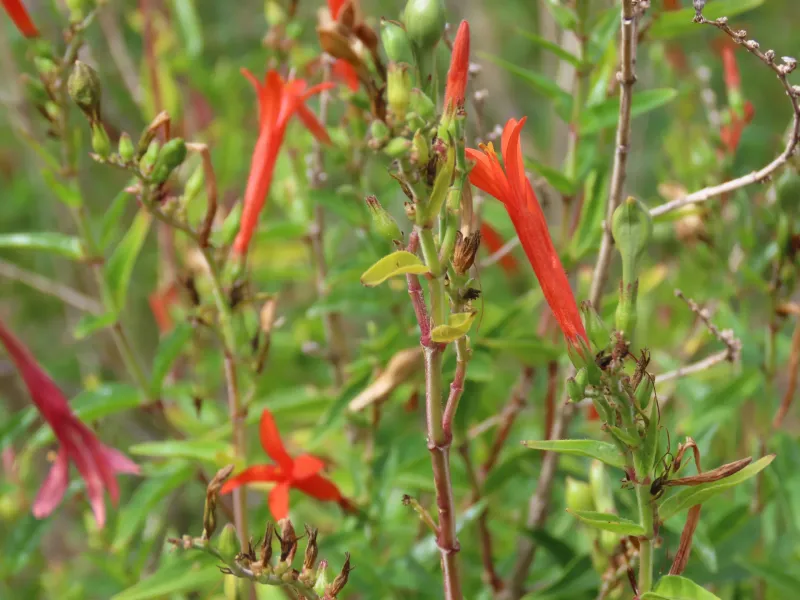
Brilliant orange tubular flowers stand out like flames against dark green foliage from summer through fall on this hummingbird magnet. Flame Acanthus grows as an upright shrub three to four feet tall and equally wide, with arching stems covered in narrow leaves.
The flowers appear in clusters at branch tips, creating a spectacular display that intensifies as temperatures rise across Texas.
Scorching heat that wilts many garden plants triggers peak blooming in Flame Acanthus. The shrub thrives in full sun, handles reflected heat beautifully, and performs best in hot, dry locations.
It adapts to various soil types throughout Texas but absolutely requires good drainage. Once established, the plant needs no supplemental watering even during extended droughts.
Hummingbirds visit Flame Acanthus constantly during blooming season, often defending their favorite plants aggressively.
The flowers also attract various butterfly species and large sphinx moths at dusk. Deer typically avoid the plant, making it reliable for Texas properties with wildlife pressure.
This native freezes to the ground during most Texas winters but returns quickly each spring, often blooming on new growth by midsummer. It needs no fertilizer, resists pests and diseases, and maintains an attractive shape without constant pruning.
You can cut it back hard in late winter to control size, but otherwise the plant thrives on neglect.
Simply provide full sun and well-drained soil, water occasionally the first summer, and then enjoy years of effortless color and hummingbird entertainment without any additional care required.
8. Rockrose
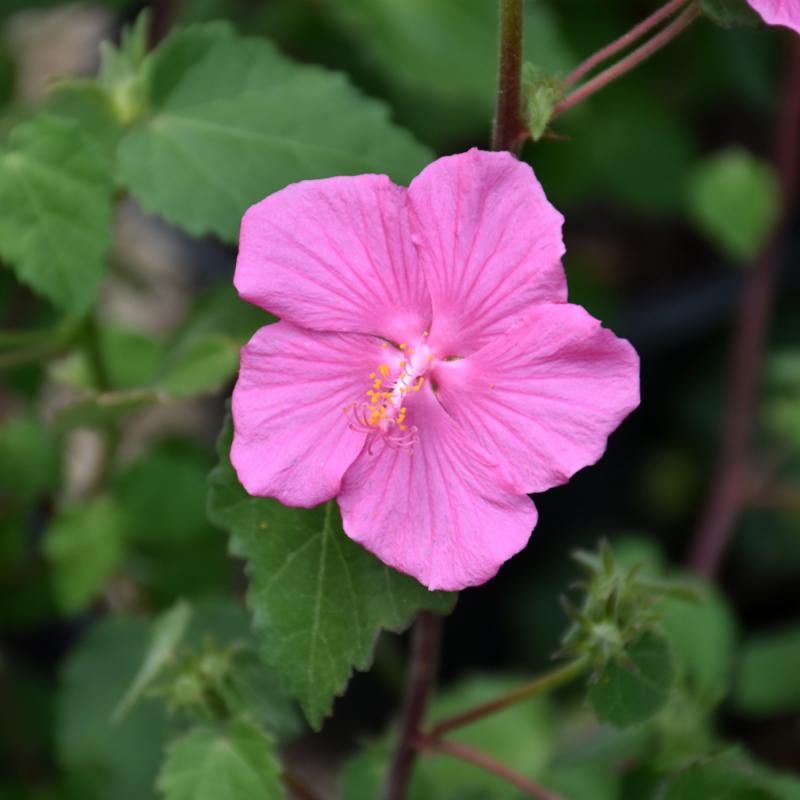
Delicate pink flowers resembling miniature hibiscus blooms appear continuously from spring through fall on this shade-loving Texas native.
Rockrose grows as a spreading shrub two to three feet tall and wide, with soft heart-shaped leaves that create an attractive backdrop for the flowers.
Each bloom lasts only a single day, but new ones open constantly throughout the growing season.
Unlike most flowering natives that demand full sun, Rockrose actually prefers partial to full shade in Texas gardens. It thrives under tree canopies, on the north side of buildings, or in other spots where sun-lovers struggle.
The plant adapts to various soil types, from rocky limestone to heavier clay, as long as drainage is reasonable.
Rockrose tolerates drought well once established but looks fuller and blooms more abundantly with occasional deep watering during extended dry periods in Texas.
The plant spreads slowly through underground stems, gradually forming attractive colonies without becoming invasive. It freezes back during most Texas winters but returns reliably each spring.
This native needs no fertilizer, deadheading, or pest control to perform beautifully year after year. Deer usually leave it alone, and it rarely suffers from disease problems.
The flowers attract various pollinators, including native bees and small butterflies. You can trim Rockrose lightly after flowering to maintain shape, but it naturally stays tidy without constant pruning.
Simply plant it in a shady spot with decent drainage, water occasionally the first summer, and then let it grow undisturbed while providing months of delicate pink blooms.