2026’s Best New Fruits And Vegetables In Texas
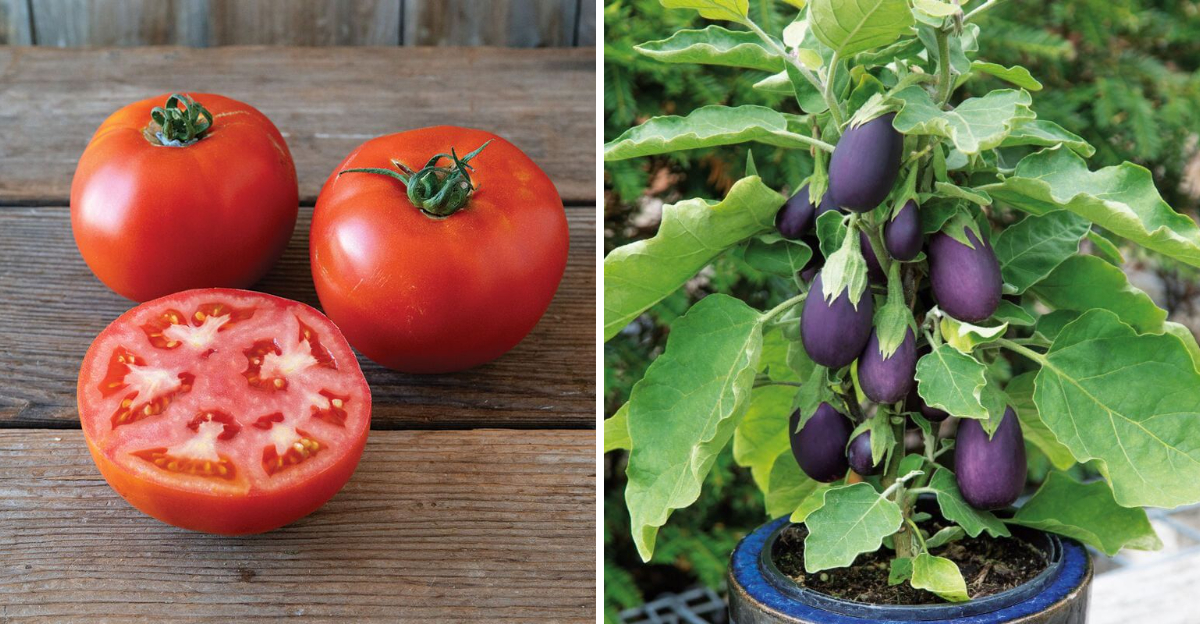
Curious about the fresh flavors heading to Texas gardens in 2026? This year’s lineup of new fruits and vegetables is already creating a buzz among home growers who want bigger harvests, bolder taste, and plants that handle Texas weather without a struggle.
Breeders have been busy developing varieties that thrive in heat, bounce back after tough conditions, and produce reliably even during long, dry stretches.
Some newcomers promise sweeter fruit, others offer faster maturity, and a few bring eye-catching colors that make any garden feel exciting again.
Whether you enjoy gardening for cooking, snacking, or simply filling your yard with something delicious, these new picks deliver fresh possibilities.
They’re designed with Texas growers in mind, making them easier to manage and more rewarding from the very first season.
If you’re ready to refresh your garden beds, 2026’s standout fruits and vegetables might be your next must-try favorites.
1. ‘Baby Jack’ Eggplant
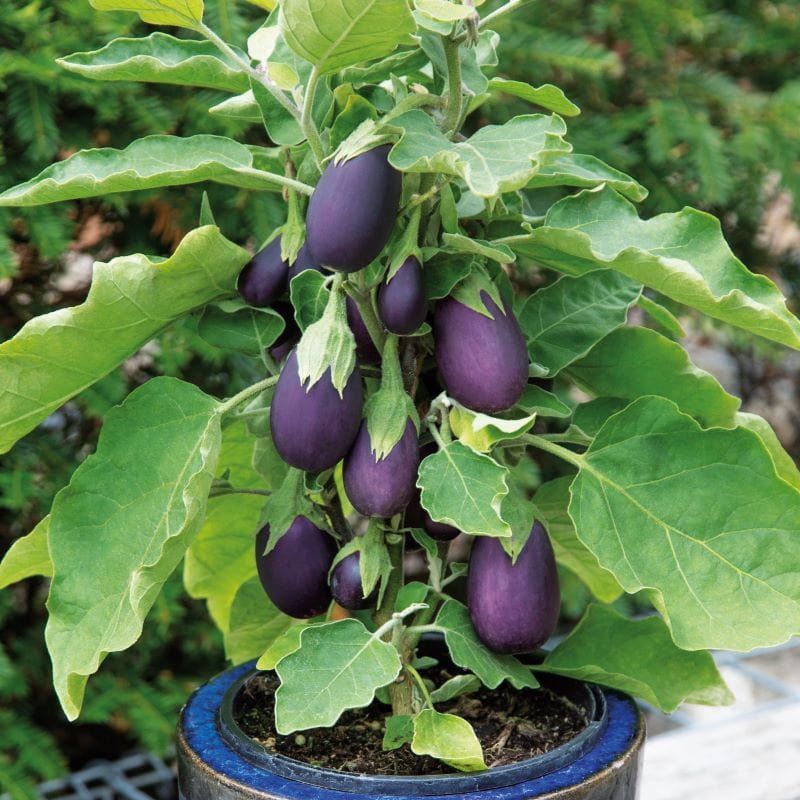
Compact size meets big flavor with this exciting eggplant variety that Texas gardeners are already buzzing about. Baby Jack produces perfectly sized fruits that fit in the palm of your hand, making them ideal for single meals or small families.
The plants stay manageable at just two feet tall, which means you can grow them easily in containers on your apartment balcony or tuck them into tight garden spaces.
Heat resistance is where this variety truly shines in Texas conditions. While traditional eggplants often struggle when temperatures soar past 95 degrees, Baby Jack keeps producing through those brutal summer months that define Texas growing seasons.
The glossy purple fruits develop quickly, usually ready to harvest within 55 days of transplanting, giving you multiple harvests before the first frost arrives.
Growing success comes naturally with this beginner-friendly plant. Baby Jack resists common eggplant problems like flea beetles better than older varieties, reducing the need for constant pest monitoring.
The compact growth habit means stronger stems that support fruit weight without staking, saving you time and effort in garden maintenance.
Flavor profile exceeds expectations with tender, creamy flesh that lacks the bitterness sometimes found in larger eggplant varieties. Texas cooks appreciate the thin skin that needs no peeling, making meal preparation faster and reducing waste.
The small size also means quicker cooking times, whether you grill, roast, or sauté these versatile vegetables for your favorite dishes.
2. Sugar Basket Orange Cherry Tomato
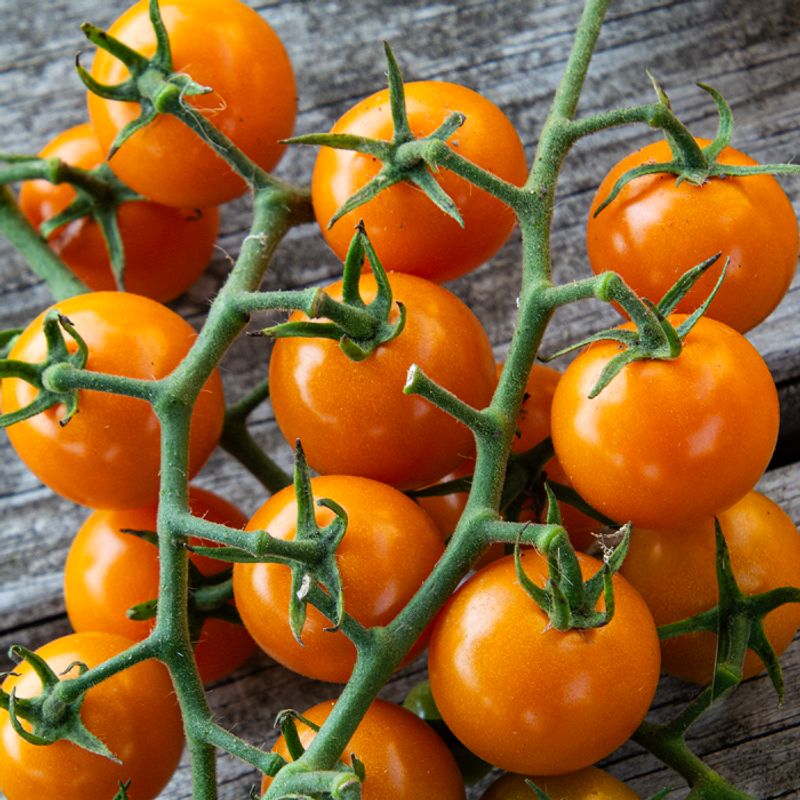
Sweetness levels in this cherry tomato variety have Texas taste testers declaring it the candy of the vegetable garden. Sugar Basket Orange delivers intensely sweet flavor with a perfect balance of acidity that makes every bite memorable.
The vibrant orange color signals high beta-carotene content, adding nutritional value alongside incredible taste that keeps kids and adults reaching for more.
Production capacity impresses even experienced Texas gardeners who have grown dozens of tomato varieties over the years. Each plant generates abundant clusters of uniform one-inch fruits that ripen steadily throughout the growing season.
The vigorous vines reach about five feet tall, requiring basic caging or staking to keep heavy fruit clusters off the ground and maintain good air circulation.
Disease resistance gives Texas growers confidence when unpredictable weather strikes during spring and fall growing seasons.
Sugar Basket Orange shows strong tolerance to early blight and septoria leaf spot, two common problems that plague tomato plants in humid Texas conditions.
This natural resistance means healthier plants that keep producing quality fruit even when neighboring varieties start declining.
Harvest timing works perfectly for Texas gardens with fruits that hold well on the vine without splitting or cracking. The thick skin protects against sudden rainstorms that often cause thin-skinned varieties to burst and spoil.
You can pick fruits at various ripeness stages, from light orange for tangy salads to deep orange for maximum sweetness in fresh eating or roasting applications that concentrate their natural sugars.
3. Easy As Pie Bush Cherry
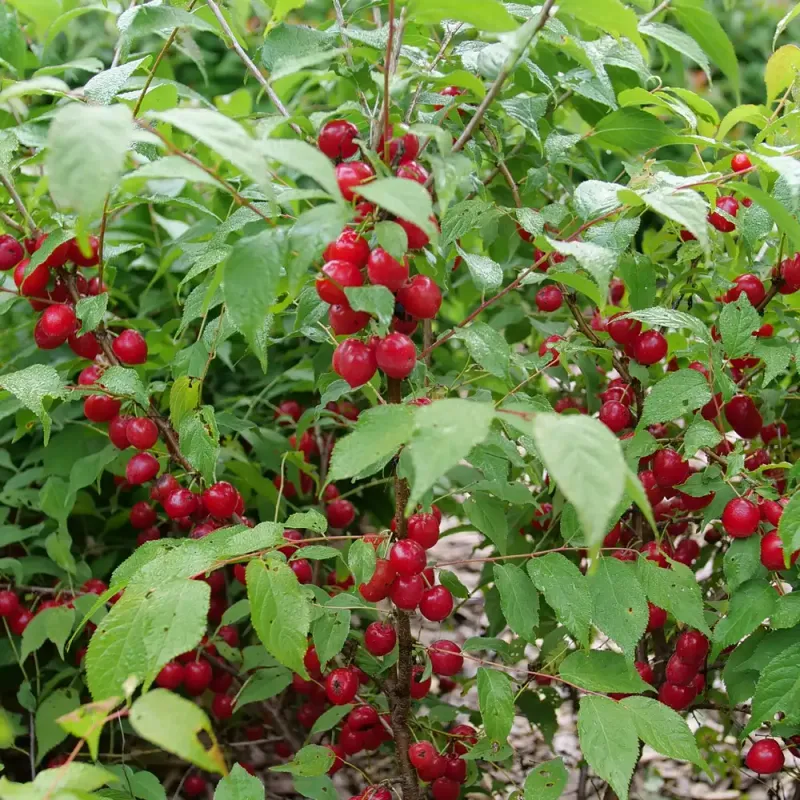
Dwarf growth habit revolutionizes cherry growing for Texas homeowners who previously thought these fruits impossible in their climate.
Easy as Pie Bush Cherry maxes out at just five feet tall and wide, fitting perfectly into suburban yards where space comes at a premium.
The compact size eliminates the need for tall ladders during harvest, making fruit picking safe and simple for gardeners of all ages and abilities.
Self-pollinating flowers mean you only need one tree to get fruit, unlike traditional cherry varieties that require multiple trees for cross-pollination. This feature saves money and space while guaranteeing fruit production in Texas gardens.
The beautiful white spring blossoms attract beneficial pollinators to your yard, supporting local bee populations while ensuring your tree sets plenty of cherries for summer harvest.
Adaptability to container growing opens cherry cultivation to Texas apartment dwellers and renters who lack traditional garden space. Easy as Pie thrives in large pots on sunny patios or balconies, requiring only regular watering and annual fertilizing to produce abundant crops.
The shallow root system adapts well to container restrictions without compromising fruit quality or plant health over many growing seasons.
Fruit quality surprises first-time cherry growers with sweet-tart flavor that rivals expensive store-bought varieties.
The medium-sized red cherries work beautifully for fresh eating, baking pies, or making preserves that capture summer flavor for winter enjoyment.
Texas growers appreciate the firm texture that holds up well during processing and the relatively small pit that provides more edible fruit per cherry than many traditional varieties offer.
4. Unity Beefsteak Tomato
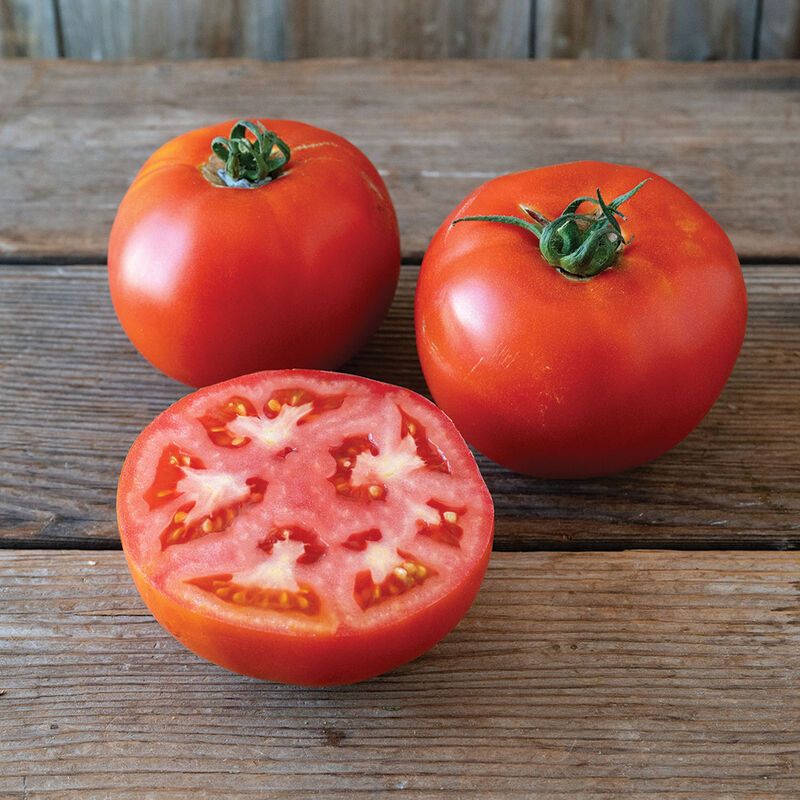
Massive fruit size defines this beefsteak variety that regularly produces tomatoes weighing over one pound each in Texas gardens.
Unity lives up to its name by bringing together the best traits tomato lovers want: huge size, incredible flavor, and reliable production even during challenging growing conditions.
A single slice covers an entire sandwich, reducing prep time while delivering that classic fresh tomato taste Texas gardeners crave.
Crack resistance solves one of the biggest frustrations Texas tomato growers face during unpredictable spring weather. Unity’s thick skin and balanced internal structure prevent the splitting that ruins many large tomato varieties after heavy rains.
This durability means more usable fruit reaches your kitchen instead of being lost to weather damage, maximizing your harvest investment and effort throughout the growing season.
Early maturity brings ripe tomatoes to Texas tables in just 70 days from transplanting, beating many beefsteak varieties by two weeks. This speed advantage helps you harvest quality fruit before the intense heat of late July and August slows production.
The earlier harvest window also reduces exposure to late-season pests and diseases that often affect tomatoes struggling through extended Texas summers.
Flavor complexity elevates Unity above ordinary beefsteak varieties with perfect balance between sweetness and acidity. The meaty texture and minimal seed cavities provide more usable flesh per tomato, ideal for slicing, canning, or making fresh salsa.
Texas cooks appreciate how well these tomatoes hold their shape when cooked, maintaining structure in sauces and baked dishes without turning mushy or watery like some thin-walled varieties tend to do.
5. Kale Rubybor F1
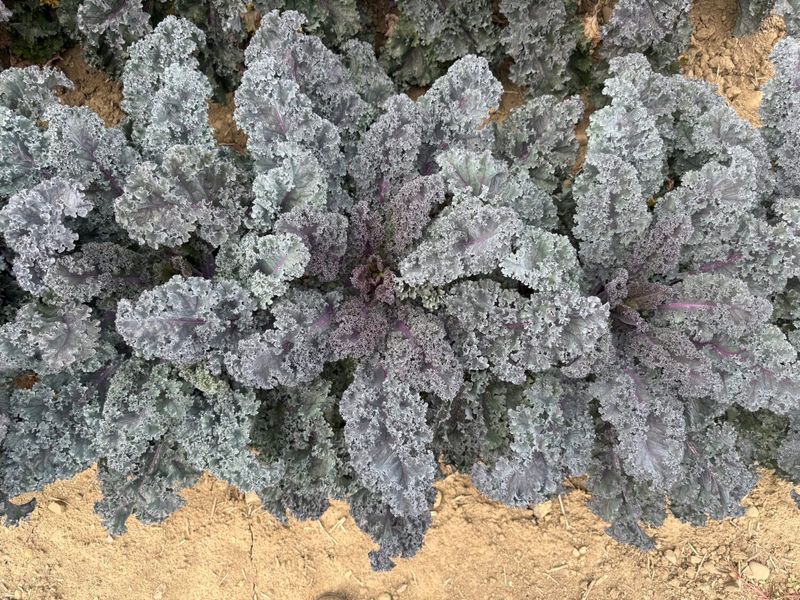
Stunning burgundy-purple foliage makes this kale variety as ornamental as it is edible in Texas winter gardens. Rubybor F1 transforms vegetable beds into colorful displays that rival flowering plants while providing nutritious harvests throughout the cool season.
The deeply ruffled leaves catch morning dew and frost, creating spectacular visual effects that make your garden Instagram-worthy while feeding your family healthy greens.
Cold tolerance exceeds most kale varieties, allowing Texas gardeners to harvest fresh greens even after hard freezes dip into the low twenties.
Rubybor actually improves in flavor after frost exposure, with cold temperatures triggering sugar production that reduces bitterness and creates sweeter, more tender leaves.
This characteristic makes it perfect for Texas fall and winter gardens when most other vegetables have finished producing.
Fast growth gets your first harvest on the table within 55 days of planting, with continuous production lasting through spring.
The vigorous plants reach about 18 inches tall, producing abundant leaves you can harvest repeatedly by picking outer leaves while leaving the central growing point intact.
This cut-and-come-again method extends your harvest over many months, providing fresh kale for salads, smoothies, and cooked dishes throughout the Texas cool season.
Versatility in the kitchen appeals to both kale enthusiasts and skeptics trying this nutritious green for the first time. The tender young leaves work wonderfully raw in salads, while mature leaves hold up perfectly to sautéing, roasting, or adding to soups.
Texas families appreciate how the beautiful color adds visual interest to meals, making it easier to encourage kids to eat their vegetables when the food looks as good as it tastes on the plate.
6. Squash, Winter Butter Lamp F1
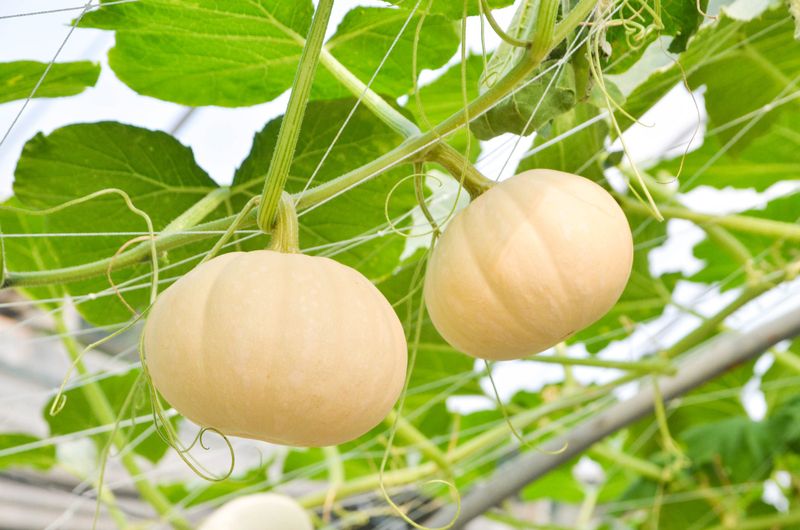
Buttery flavor and smooth texture set this winter squash apart from traditional varieties that sometimes taste bland or stringy. Butter Lamp F1 delivers consistently sweet, nutty flesh that needs no added sugar or heavy seasoning to taste delicious.
The deep orange interior signals high vitamin A content, providing nutritional benefits alongside exceptional eating quality that makes this squash a Texas family favorite.
Compact vine growth fits this productive squash into smaller Texas gardens where sprawling traditional varieties would overwhelm available space.
The semi-bush habit keeps vines contained to about six feet, allowing closer plant spacing and easier garden management.
This growth pattern also improves air circulation around plants, reducing fungal disease problems common in humid Texas conditions during late summer and early fall growing periods.
Storage capability extends your harvest enjoyment for months after picking, with properly cured fruits lasting through winter in cool, dry conditions.
Butter Lamp develops hard, protective skin that shields the flesh from moisture loss and decay, unlike summer squash that must be used within days.
Texas gardeners appreciate having homegrown squash available for holiday meals and winter cooking without requiring freezer space or complex preservation methods.
Uniform fruit size simplifies meal planning with squash averaging three to four pounds each, perfect for family dinners. The cylindrical shape makes cutting and peeling easier than round varieties, reducing prep time and kitchen frustration.
Seeds concentrate in a small cavity at the blossom end, maximizing usable flesh and minimizing waste.
Texas cooks love how well this squash performs in both sweet and savory applications, from classic roasted preparations to pureed soups and even dessert recipes that showcase its natural sweetness.