Best Plants For Florida Pool Areas That Stay Lush In Heat
Spend one afternoon around a Florida pool in the middle of summer, and you quickly see which plants can handle the heat and which ones struggle to keep up.
Leaves start to fade, edges crisp, and what looked full and green a few weeks ago suddenly feels worn out. Between the intense sun, reflected heat off the water, and constant humidity, poolside spots can be one of the toughest places to plant.
Still, some plants seem to take it all in stride, staying vibrant without needing constant attention. Choosing the right ones can completely change how your space looks and feels day to day.
It is less about luck and more about knowing what actually holds up under these conditions. A few standout choices can make that difference clear right away.
1. Cordyline Dominates With Striking Foliage
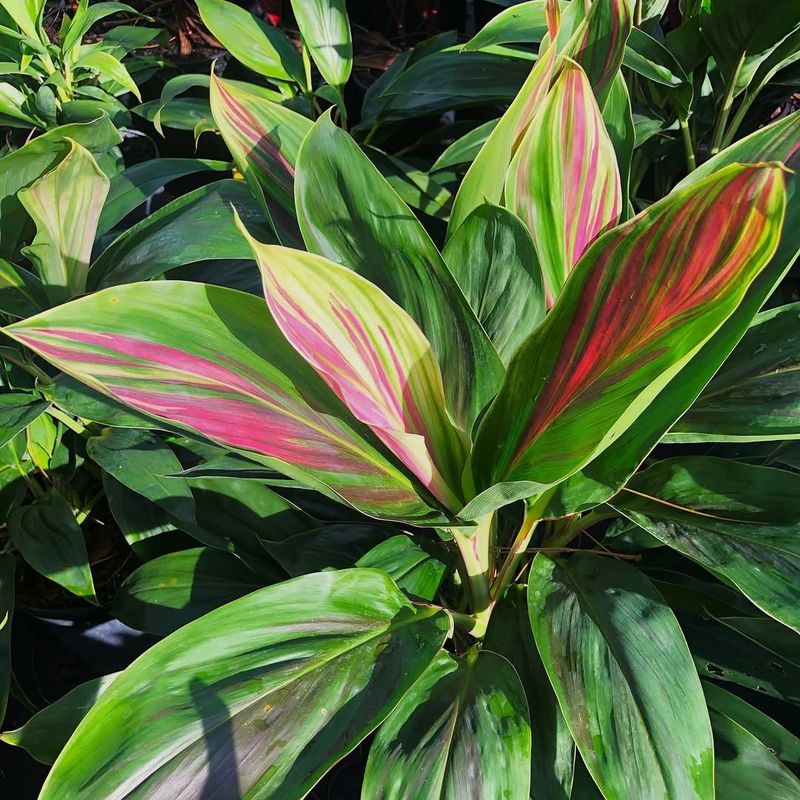
Bold, architectural, and packed with personality, Cordyline is the kind of plant that makes people stop and ask, “What is that?” Its long, sword-shaped leaves come in rich shades of red, burgundy, pink, green, and purple, adding a dramatic splash of color that works beautifully against the bright blue backdrop of a Florida pool.
What makes Cordyline especially practical for Florida pool areas is its impressive heat tolerance. It handles the intense summer sun like a champ and doesn’t wilt or look stressed even during the hottest days of the year.
It grows well in both full sun and partial shade, which gives you flexibility when planning your poolside plant layout.
Cordyline also handles Florida’s unpredictable rain patterns without complaint. Whether it’s a dry week or a stretch of heavy afternoon thunderstorms, this plant adjusts well and keeps its striking appearance.
It grows in a tidy, upright clump that doesn’t sprawl messily across your pool deck, making it a very manageable choice for tighter spaces.
Pairing Cordyline with green, leafy plants creates a stunning contrast that gives your pool area a layered, professional landscaping look. It works especially well planted in groups of three or five for maximum visual impact.
In Florida’s warm climate, Cordyline stays lush and colorful year-round with minimal pruning needed. Simply remove old or brown leaves occasionally to keep the plant looking neat and vibrant throughout every season.
2. Bird Of Paradise Adds Bold Tropical Drama
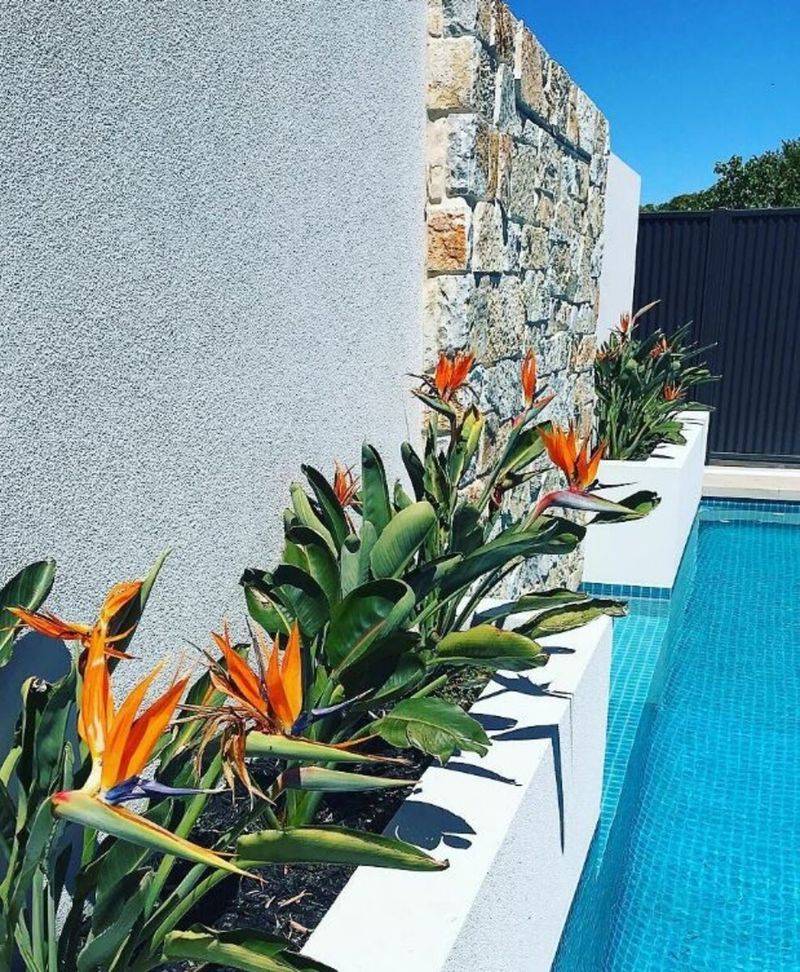
Imagine stepping out to your Florida pool and being greeted by a plant so dramatic it looks like it belongs in a botanical garden. Bird of Paradise is exactly that kind of showstopper.
With its wide, paddle-shaped leaves and bold orange and blue blooms that genuinely resemble a tropical bird in flight, it brings instant wow factor to any poolside setting.
One of the best things about this plant is how well it handles Florida’s relentless summer heat. Once it gets established in the ground, Bird of Paradise becomes surprisingly drought-tolerant, meaning you won’t need to water it constantly during dry spells.
It loves full sun, so a bright, open pool deck is basically its dream home.
Planting Bird of Paradise near your pool also creates a natural privacy screen thanks to its tall, upright growth habit. The large leaves add a lush, resort-style feel that makes your backyard look like a five-star getaway.
Just make sure to plant it where falling leaves won’t clog your pool filter too often.
In Florida, this plant can grow several feet tall and wide, so give it enough room to spread out beautifully. Regular trimming of old or damaged leaves keeps it looking sharp all season long.
It’s a low-maintenance choice that delivers high-impact tropical beauty, making it a top pick for Florida homeowners who want their pool area to look stunning without a lot of extra work.
3. Variegated Shell Ginger Brightens With Lush Leaves
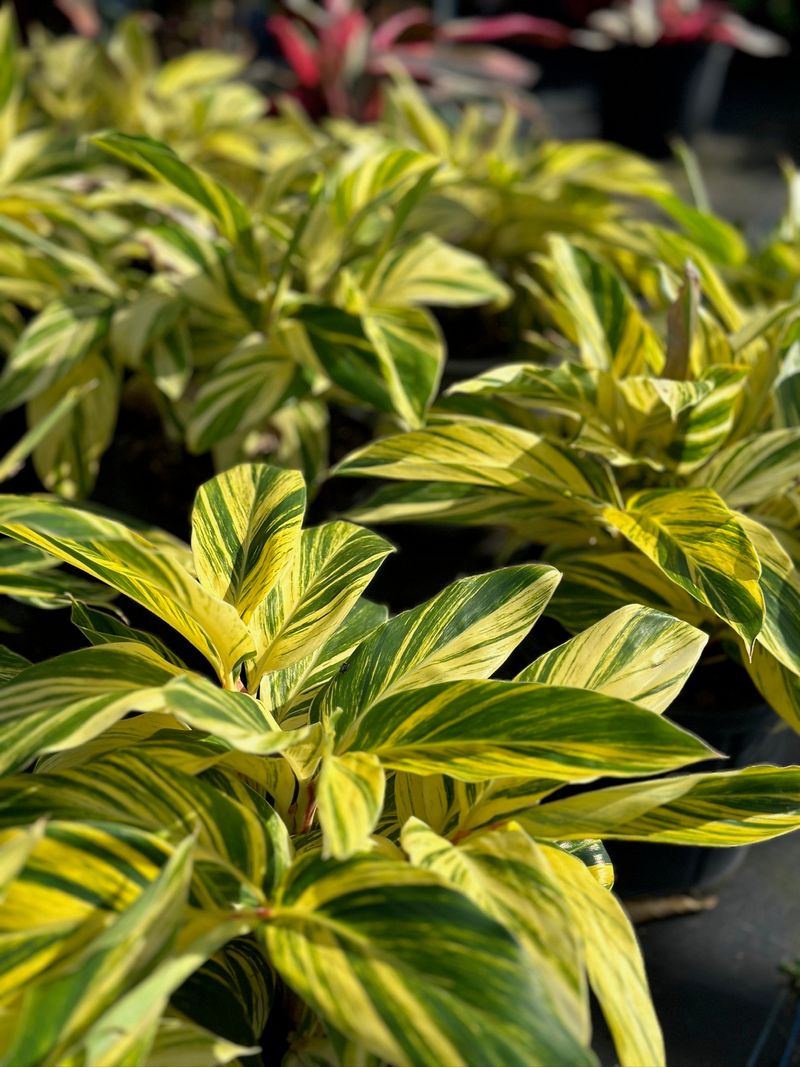
There’s something almost magical about Variegated Shell Ginger. Its large, arching leaves are streaked with bold stripes of green and creamy yellow, and when the pendulous clusters of white and pink shell-shaped flowers appear, the whole plant looks like something straight out of a rainforest.
It’s a plant that earns genuine admiration from every guest who visits your Florida backyard.
One of the standout qualities of this plant is its love for humidity, which makes it an absolutely natural fit for Florida’s climate. It thrives in the warm, moist air that surrounds pool areas and grows vigorously during the rainy season.
Partial shade suits it well, making it ideal for spots around your pool that don’t receive direct sun all day.
Variegated Shell Ginger grows in dense clumps that can reach six feet or taller, creating a lush privacy screen or tropical backdrop that completely transforms the feel of an outdoor space. The colorful foliage alone is enough reason to grow it, but the sweet-scented flowers that appear in spring are a wonderful bonus that adds fragrance to your pool area.
Maintenance is refreshingly simple. Cut back old canes to the ground after they flower, and fresh new growth will emerge quickly in Florida’s warm soil.
Mulching around the base helps retain moisture and keeps the roots cool during hot spells. Once established, Variegated Shell Ginger is a vigorous, low-fuss plant that delivers year-round tropical beauty with very little effort required from you.
4. Dwarf Schefflera Stays Dense And Tidy
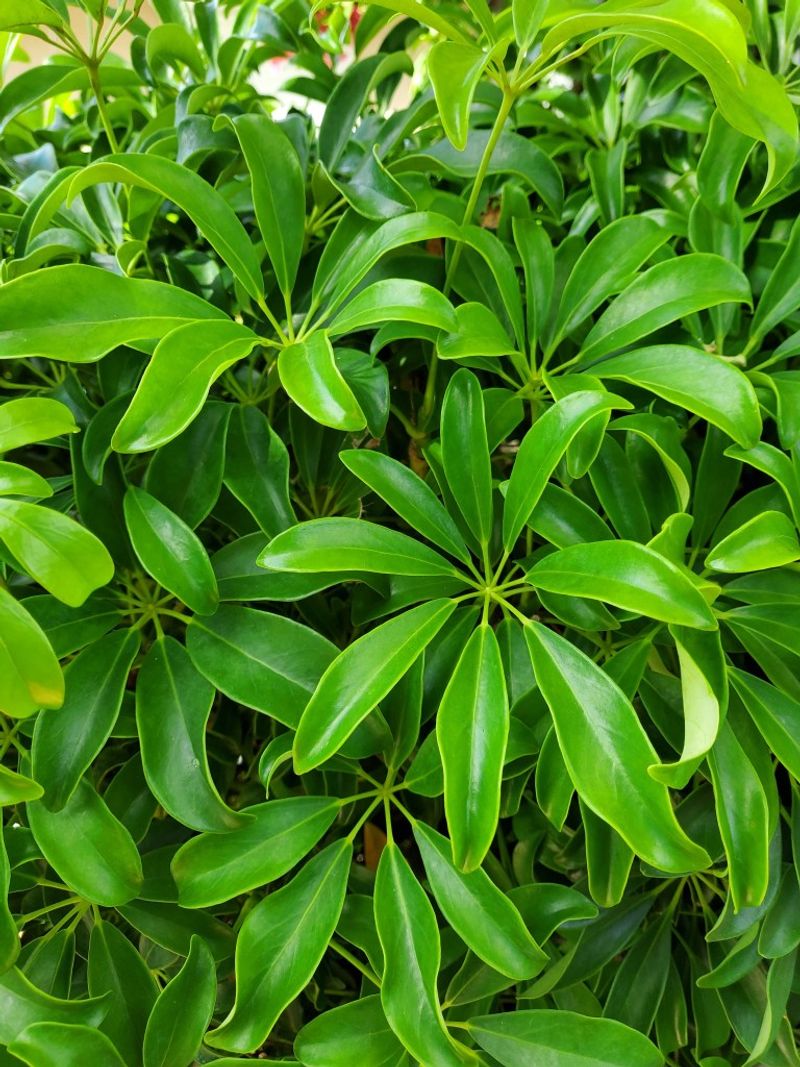
Compact, glossy, and endlessly versatile, Dwarf Schefflera is a fantastic choice for Florida pool areas where you want lush greenery without the bulk of a full-sized tree. Its dark green, umbrella-shaped leaf clusters give it a refined, tropical look that pairs beautifully with flowering plants like hibiscus or Firebush for a layered, resort-style garden design.
Florida’s heat and humidity genuinely suit this plant. It grows well in full sun to partial shade, adapts to a wide range of soil types, and handles the occasional splash of chlorinated pool water without any serious issues.
Whether you plant it directly in the ground or grow it in a large container on your pool deck, Dwarf Schefflera keeps its attractive appearance throughout the year.
One of the most practical qualities of this plant is how easy it is to shape. Regular light pruning keeps it dense and bushy rather than leggy, so you can maintain a tidy, polished look around your pool area.
It responds well to trimming and quickly fills back in with fresh new growth, especially during Florida’s warm growing season.
Dwarf Schefflera is generally tolerant of many common pests, which can reduce the amount of time you spend managing plant health. It’s a solid, reliable performer that brings year-round greenery and tropical texture to your outdoor space.
For Florida homeowners who want a clean, attractive, low-maintenance plant that looks great in almost any poolside setting, this one consistently delivers outstanding results.
5. Hibiscus Pops With Vibrant Blooms
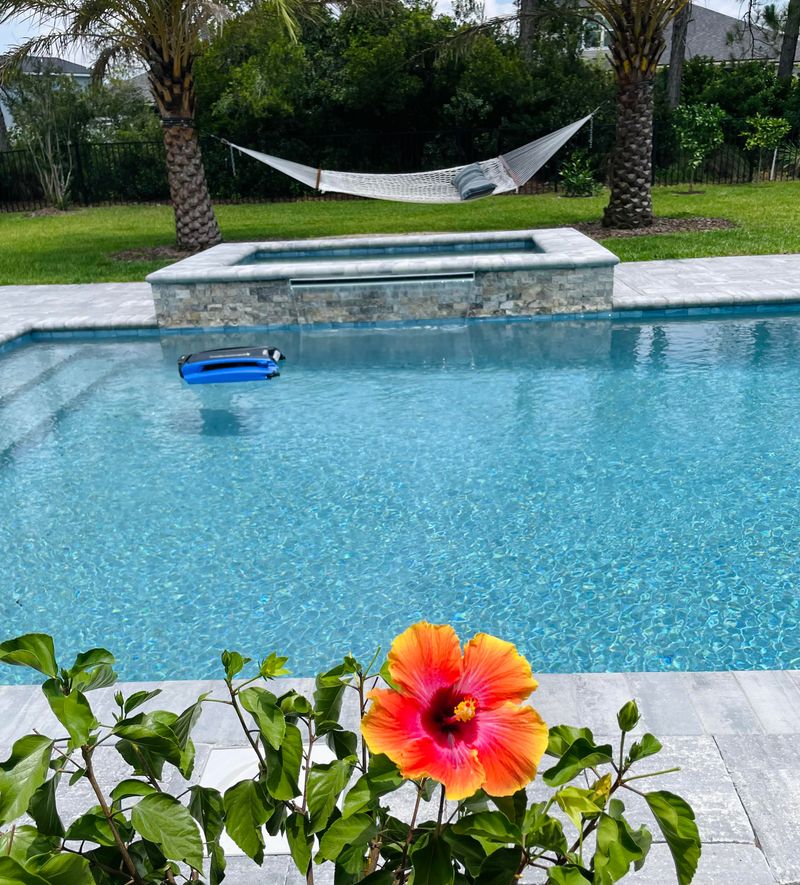
Few plants say “tropical Florida” quite like a hibiscus in full bloom. Walk past one on a warm afternoon and you’ll understand why gardeners across the Sunshine State absolutely love it.
The flowers are enormous, brilliantly colored in shades of red, pink, yellow, orange, and white, and they keep coming back day after day throughout the warm months.
Hibiscus thrives in Florida’s full sun conditions, making it perfectly suited for the bright, open environment around most pool decks. It does appreciate regular watering, especially during dry stretches, but it rewards that small effort with a nearly nonstop flower show.
Placing it near a pool fence or along a garden border gives your outdoor space a lush, vacation-resort vibe that’s hard to beat.
A fun fact worth knowing: hibiscus flowers typically last only one day, but the plant produces so many buds that you’ll always have fresh blooms opening up. This constant rotation of color keeps your Florida pool area looking fresh and lively every single day of the growing season.
For best results, feed your hibiscus with a balanced fertilizer every few weeks during spring and summer. This encourages faster growth and more prolific blooming.
Pruning it back lightly after a heavy flowering period helps shape the plant and encourages new growth. With a little consistent care, hibiscus becomes one of the most rewarding and eye-catching plants you can grow around your Florida pool.
6. Croton Brings Fiery Color
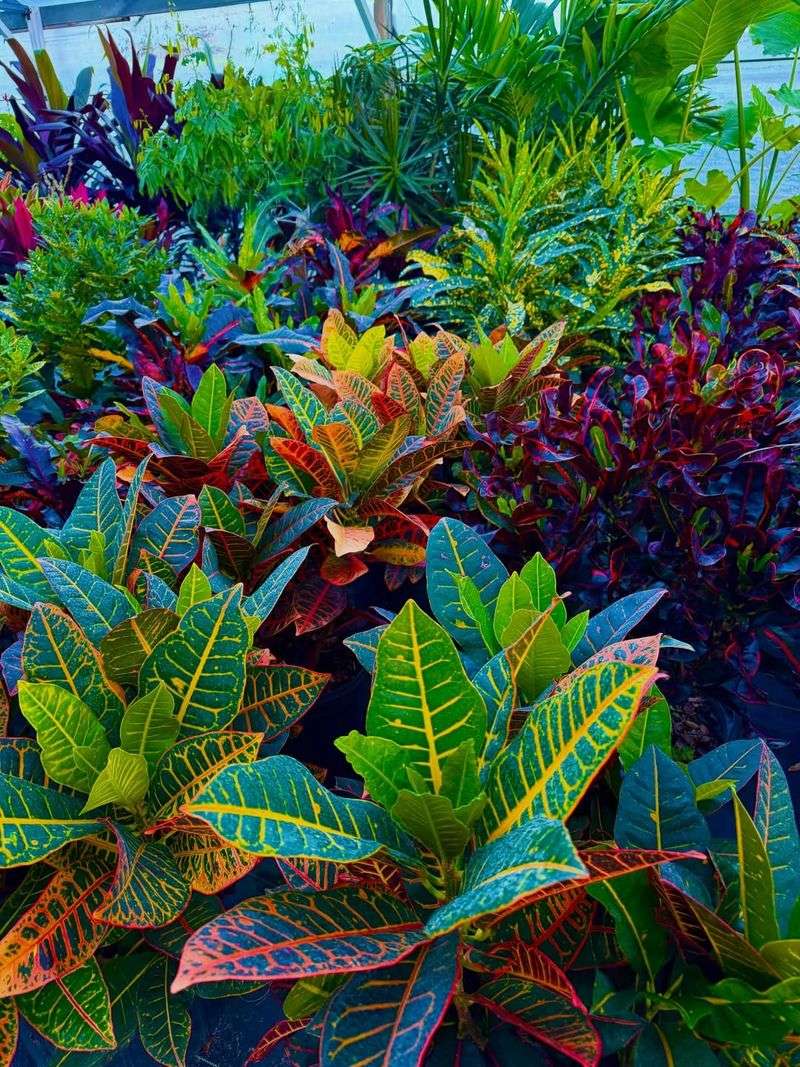
If your Florida pool area feels like it needs a serious color upgrade, Croton is ready to answer that call. No other plant packs quite the same rainbow punch into a single set of leaves.
Each leaf can display a wild mix of red, orange, yellow, green, and burgundy all at once, creating a living work of art that looks stunning against the turquoise blue of a pool.
Croton absolutely loves Florida sunshine. The more direct sun it receives, the more vivid and saturated its leaf colors become.
Planting it in a shady spot tends to mute the colors, so position it where it gets at least six hours of full sun per day for the most spectacular display. Florida’s long, sunny growing season is practically tailor-made for this plant.
It handles Florida’s heat with ease and becomes reasonably drought-tolerant once its root system is well established. During the first growing season, regular watering helps it settle in and develop a strong base.
After that, it needs far less attention and continues producing its vivid, eye-catching foliage without much fuss from the gardener.
Croton grows into a medium-sized shrub that works beautifully as a colorful border plant or as a bold focal point near pool entries and gates. Mixing different Croton varieties together creates an even more spectacular multi-toned display.
In Florida, this plant stays vibrant and lush year-round, making it one of the most rewarding color plants you can choose for your poolside landscape.
7. Coontie Offers Tough Native Texture
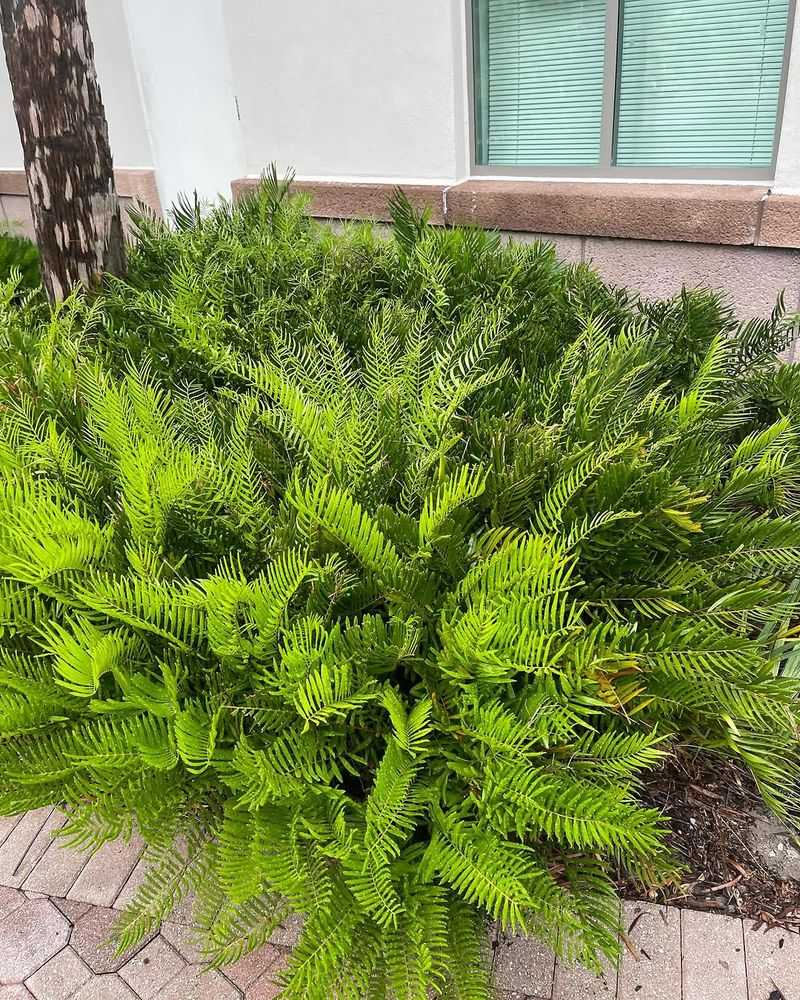
Not every great poolside plant needs to be tall and showy. Coontie proves that low-growing plants can be just as valuable and impressive in their own quiet way.
This native Florida cycad has been growing in the state for thousands of years, long before anyone thought to use it in landscaping, and it brings a deep-rooted sense of authenticity to any Florida garden setting.
Coontie features dark, glossy, fern-like fronds that arch gracefully outward from a central base. The foliage stays rich green throughout the year, giving your pool area a clean, polished border look even during the hottest and driest stretches of Florida summer.
It tolerates full sun, partial shade, and even fairly poor soil conditions without losing its attractive appearance.
Because it’s a true Florida native, Coontie requires very little water once established and is remarkably resistant to pests and diseases. It’s one of those plants that you put in the ground and largely forget about, returning year after year without demanding much attention.
That low-maintenance quality makes it incredibly popular among Florida homeowners who want beautiful landscaping without spending every weekend watering and fertilizing.
Coontie also plays an important ecological role as the only larval host plant for the Atala butterfly, a stunning native species that was once nearly gone from Florida. Planting Coontie near your pool helps support local wildlife while adding natural beauty to your outdoor space.
It’s a smart, sustainable choice that looks great and gives back to Florida’s native ecosystem at the same time.
8. Firebush Glows With Heat-Loving Blooms
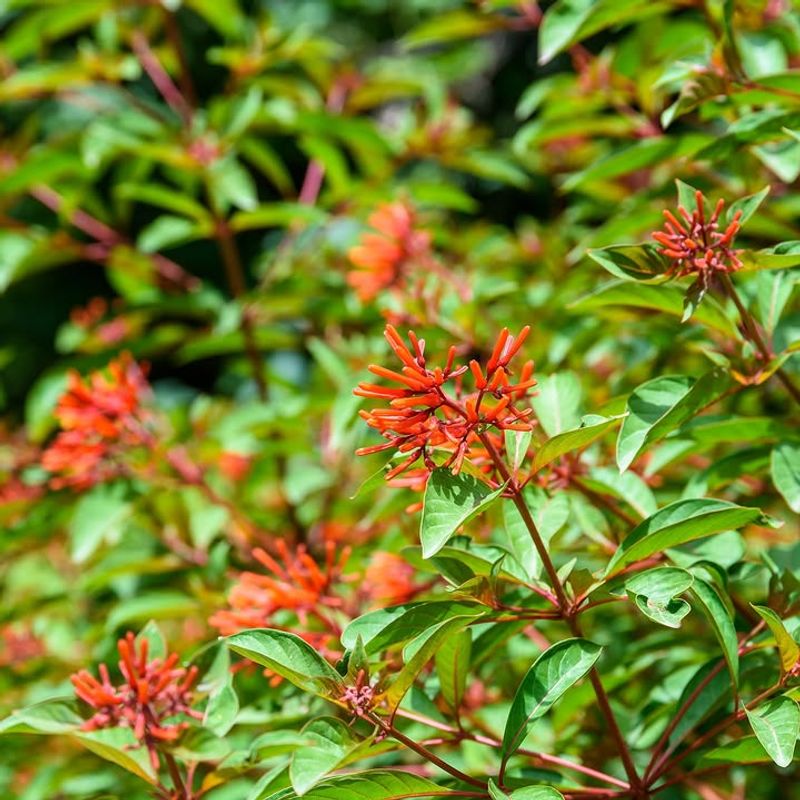
You can see exactly how Firebush got its name the moment it bursts into full bloom. The clusters of slender, tubular flowers blazing in shades of deep orange and red look like tiny flames dancing at the tips of every branch.
It’s one of the most energetic and visually exciting plants you can add to a Florida pool area, and it blooms almost constantly throughout the warm months.
One of Firebush’s most impressive qualities is how tough it actually is beneath all that beauty. It tolerates the occasional splash of pool water, bounces back quickly after Florida’s summer storms, and handles heat and humidity without skipping a beat.
Full sun brings out the best in this plant, encouraging the densest growth and the most prolific flowering all season long.
Hummingbirds and butterflies absolutely cannot resist Firebush. Planting it near your pool means you’ll have constant visits from these colorful, lively creatures, turning your backyard into a little slice of Florida wildlife magic.
That kind of natural activity adds a whole extra layer of enjoyment to time spent relaxing poolside on warm Florida afternoons.
Firebush grows quickly and can reach six feet or taller if left unpruned, making it useful as a privacy hedge or a colorful backdrop behind smaller plants. Trimming it back periodically keeps it full and bushy rather than leggy.
In Florida’s frost-free southern regions, it grows as a true evergreen perennial, while in northern parts of the state it may die back slightly in winter but returns vigorously with warm spring temperatures.