10 Best Plants To Add To Your South Florida Garden This March
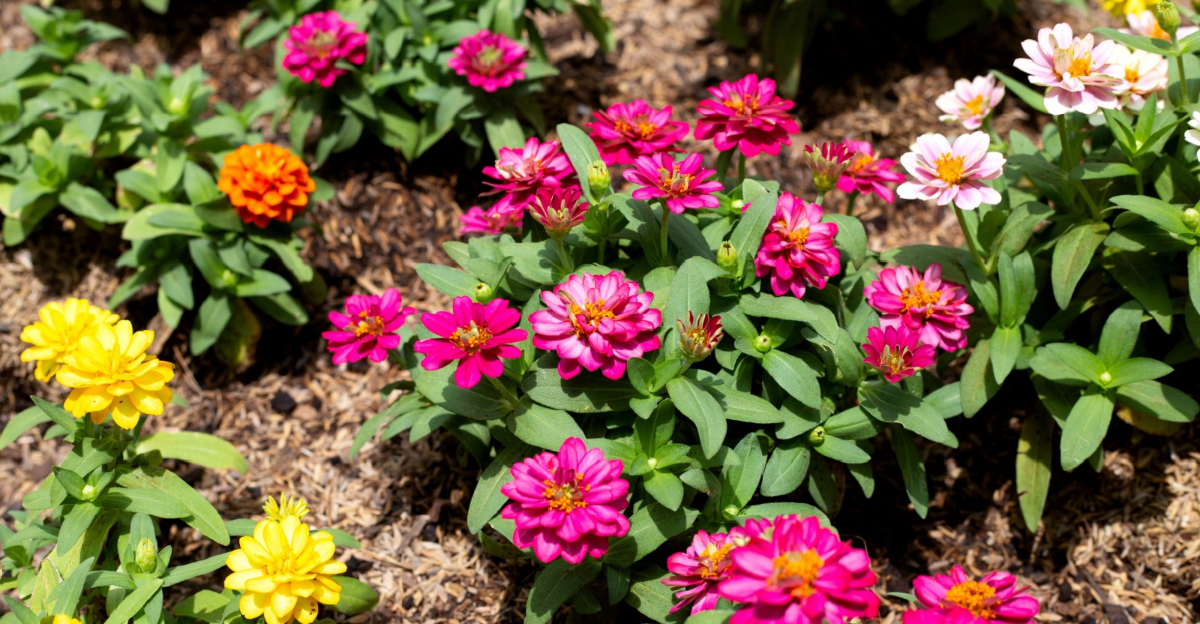
March flips a switch in South Florida gardens. Longer days, warmer soil, and steady sunshine push plants into high gear almost overnight.
Beds that looked quiet a few weeks ago suddenly beg for color, texture, and fresh life. Smart gardeners know this moment matters.
The right plants settle in fast now and reward you with lush growth long before summer heat shows up. This short window offers a golden opportunity.
Warm season vegetables take off, flowering annuals explode with color, and tropical favorites stretch happily in the rising warmth. Skip the slow starters and reach for plants that thrive in South Florida’s spring conditions.
Strong roots form quickly, blooms arrive sooner, and the garden fills out with impressive speed. A thoughtful plant choice in March sets the tone for the entire season.
Color, harvests, and pollinator activity all begin with what goes into the soil right now.
1. Blue Flag Iris Make A Bold Statement In Your Garden
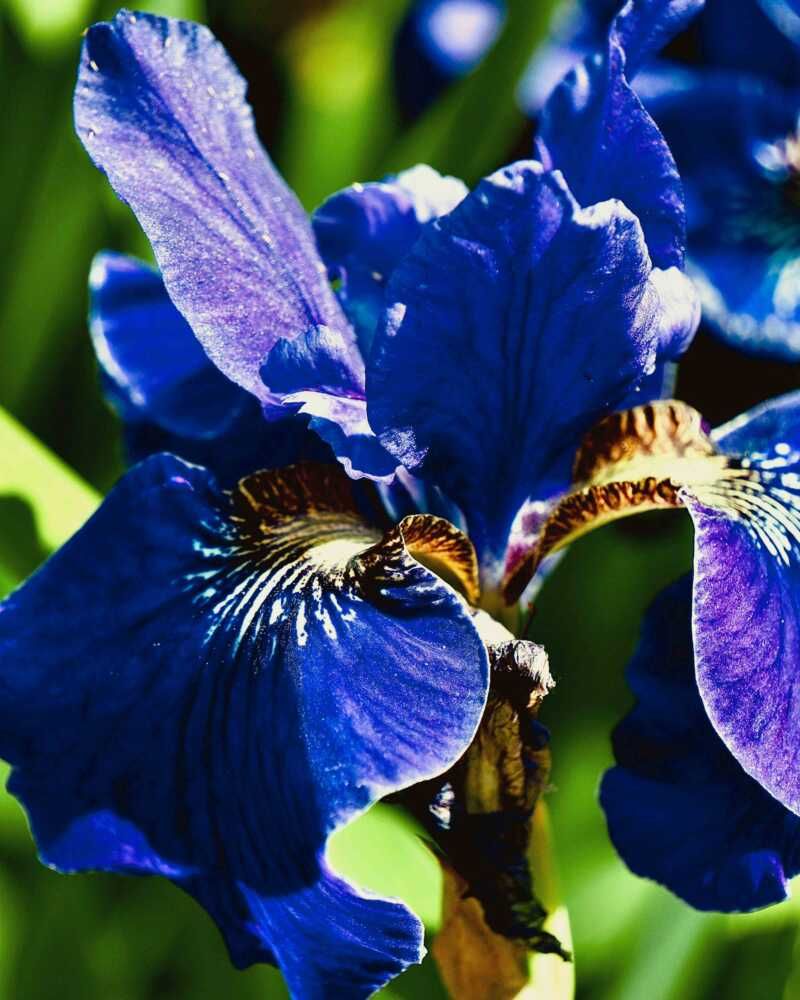
Few plants command attention quite like the Blue Flag Iris, with its striking deep blue-purple blooms rising elegantly above sword-shaped foliage. In South Florida, this native beauty thrives near ponds, rain gardens, and low-lying areas where moisture collects naturally.
According to the University of Florida IFAS Extension, Blue Flag Iris (Iris virginica) is well-suited to wetland edges and can handle the soggy soil conditions that often challenge South Florida gardeners during the rainy season.
March is the ideal time to plant Blue Flag Iris in South Florida because the moderate temperatures allow roots to establish before summer arrives. Plant them in partial to full sun, and make sure the soil stays consistently moist.
They look stunning when grouped along garden borders or placed beside water features, adding a dramatic, elegant touch that few other plants can match.
Pollinators absolutely love this plant. Bees and butterflies visit the blooms regularly, making it a smart choice for anyone trying to support local wildlife in South Florida.
As a native species, it also requires less maintenance than many exotic alternatives, giving you beautiful results without a lot of extra effort.
2. Phlox Turn Borders Into Colorful Pollinator Magnets
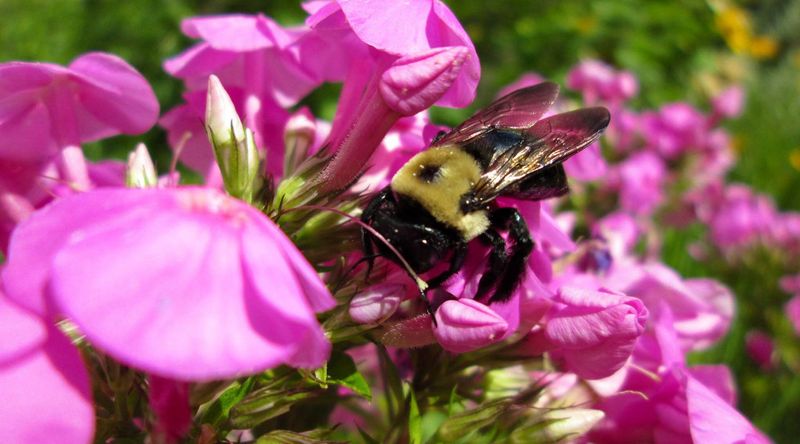
Bright, cheerful, and absolutely irresistible to pollinators, Phlox is one of those plants that earns its keep in any South Florida garden. With blooms ranging from soft lavender to vivid magenta and pure white, this low-growing beauty transforms plain garden borders into eye-catching ribbons of color.
Planted in March, Phlox gets a strong head start before the South Florida heat intensifies later in the season.
For best results, choose a sunny spot with well-drained soil and give your Phlox enough space to spread. The University of Florida IFAS recommends annual Phlox varieties for Florida gardens, as they perform exceptionally well in the state’s warm climate.
Regular watering during establishment helps the plants root deeply and produce more consistent blooms throughout spring.
Butterflies are especially drawn to Phlox, and a well-placed cluster near a seating area can turn your South Florida garden into a living nature display. Bees also visit frequently, supporting pollination across your entire yard.
With minimal care requirements and maximum visual payoff, Phlox is a smart, rewarding addition to any South Florida landscape this March.
3. Firebush Ignite Your Yard With Fiery Blooms
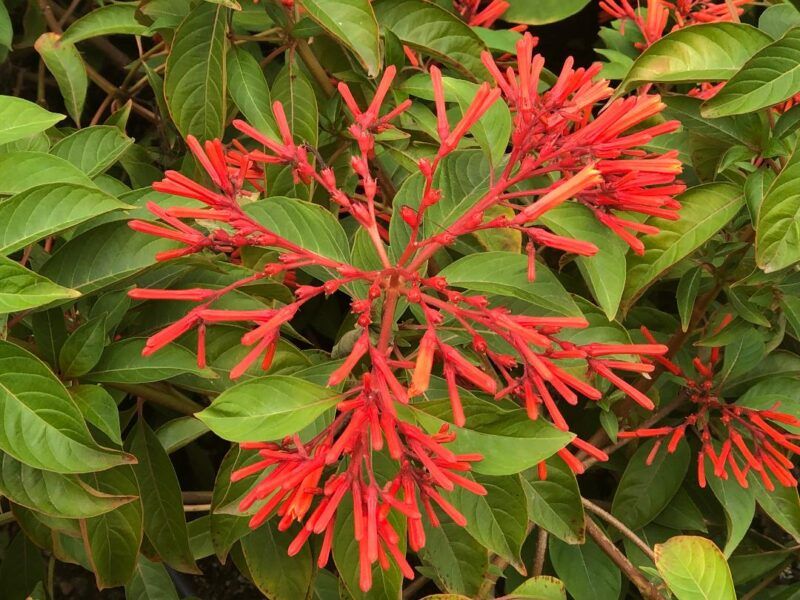
There is something almost magical about watching a Firebush (Hamelia patens) light up a South Florida yard with its brilliant red-orange tubular flowers. This native shrub blooms continuously from March all the way through December, offering one of the longest flowering seasons of any plant available to South Florida gardeners.
It thrives in both full sun and partial shade, giving it remarkable versatility across different garden settings.
One of the biggest advantages of Firebush in South Florida is its resilience. It handles brief periods of flooding and drought without missing a beat, which is especially valuable given South Florida’s unpredictable weather patterns.
Even if a rare cold snap causes some damage, Firebush resprouts vigorously, bouncing back quickly and returning to full glory in a matter of weeks.
Hummingbirds and butterflies flock to Firebush, making it one of the top pollinator-friendly plants you can add to your South Florida garden this March. The University of Florida IFAS Extension recognizes Firebush as a top-performing native shrub for Florida landscapes.
Plant it as a hedge, a focal point, or a colorful backdrop, and it will reward you with months of spectacular, low-maintenance beauty.
4. Pentas Bring Stars Of Color To Every Corner
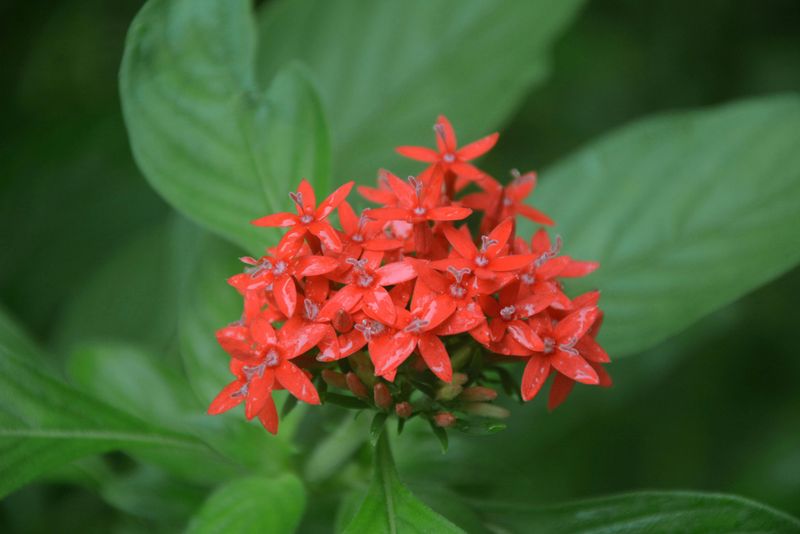
Star-shaped and endlessly cheerful, Pentas (Pentas lanceolata) is one of the hardest-working flowering plants a South Florida gardener can choose. Its dense clusters of tiny blooms come in shades of red, pink, white, lavender, and magenta, and they just keep coming from spring straight through fall without much fuss.
March is the perfect time to get Pentas into the ground in South Florida, so they can settle in and start producing before the summer heat peaks.
Pentas love full sun and perform best with consistently moist, well-drained soil. Once established, they can handle brief dry spells without losing their color, making them a practical choice for busy South Florida gardeners who do not always have time for daily watering.
The University of Florida IFAS recommends Pentas as an outstanding landscape plant for its long bloom time and low maintenance needs.
Butterflies are particularly attracted to Pentas, and a few well-placed containers or garden beds filled with these stars can transform any South Florida yard into a butterfly haven. They work beautifully in borders, raised beds, and pots on patios.
For a garden that delivers consistent, stunning color all season long, Pentas is an easy and reliable answer.
5. Lantana Attract Butterflies And Brighten Spaces
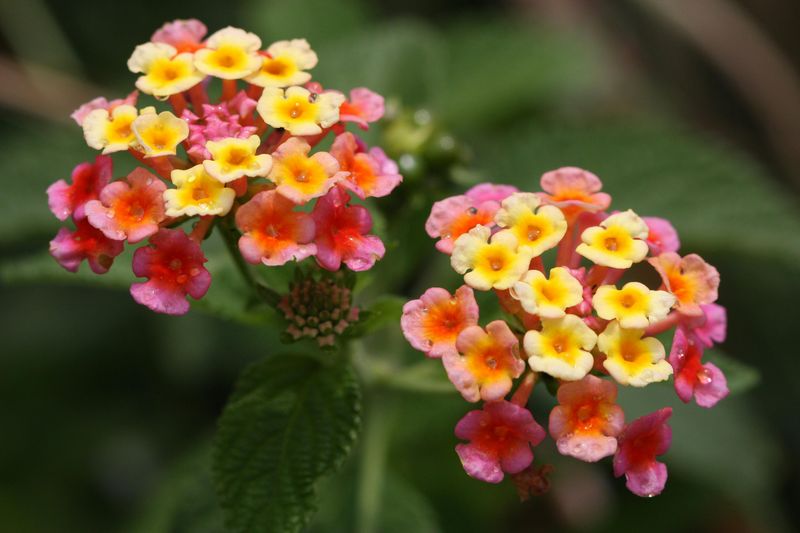
Ask any experienced South Florida gardener about a plant that practically takes care of itself while delivering nonstop color, and Lantana will come up almost every time. This tough, sun-loving shrub produces vibrant clusters of tiny flowers in combinations of orange, yellow, pink, and red, creating a warm, festive look that brightens any corner of a South Florida yard.
March is a great month to plant Lantana because the mild temperatures give roots time to establish before summer arrives.
Drought tolerance is one of Lantana’s strongest qualities. Once established in South Florida’s sandy or well-drained soil, it needs very little supplemental water to thrive.
It also requires minimal fertilizer, which keeps maintenance simple and budget-friendly. For best results, choose sterile cultivars like ‘Miss Huff’ or ‘Dallas Red’ to avoid the invasive potential of some wild varieties, as recommended by the University of Florida IFAS Extension.
Butterflies absolutely adore Lantana, and a single established plant can attract dozens of species throughout the season. Hummingbirds are also frequent visitors.
Whether you use it as a ground cover, a border plant, or a colorful accent in a mixed bed, Lantana consistently delivers beauty and wildlife value to South Florida gardens with almost no effort required.
6. Marigolds Pop With Warm Orange And Yellow Hues
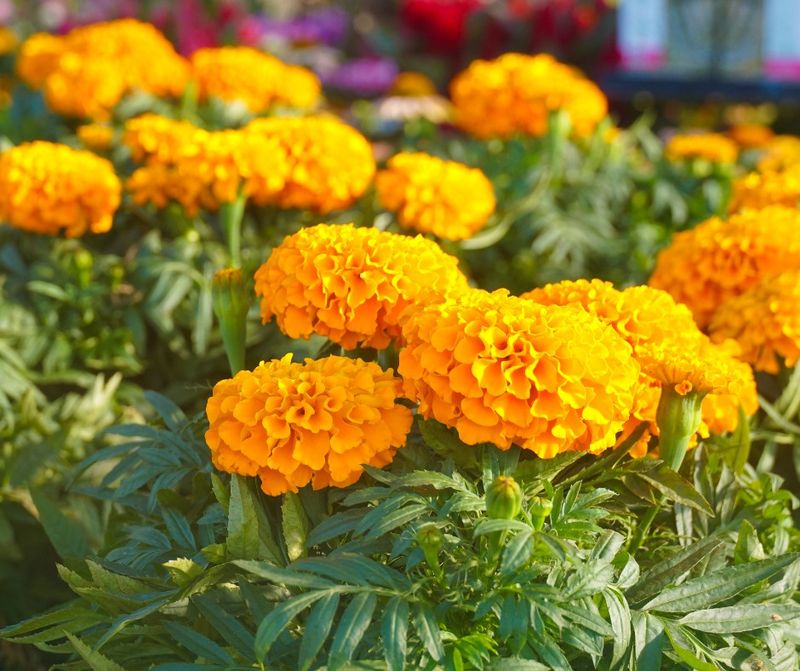
Bold, cheerful, and surprisingly practical, Marigolds are a March gardening staple in South Florida for good reason. Their warm orange, yellow, and gold blooms add an instant burst of color that can brighten up any garden bed, border, or container planting.
Beyond their good looks, Marigolds are known to help deter certain garden pests, making them as useful as they are attractive in a South Florida landscape.
Marigolds are remarkably easy to grow from seed or transplant, and March’s mild South Florida temperatures give them ideal conditions to establish quickly. Plant them in full sun with well-drained soil, and they will reward you generously with blooms that last through spring and into the early summer months.
Deadheading spent flowers regularly encourages continuous blooming and keeps plants looking tidy and vibrant.
For South Florida vegetable gardeners, Marigolds make excellent companion plants. Tucking them alongside tomatoes, peppers, or beans can help reduce pest pressure naturally.
They also attract beneficial insects that support pollination throughout the garden. With their reliable performance, pest-deterring reputation, and warm, sunny colors, Marigolds are one of the most satisfying plants you can add to your South Florida garden this March.
7. Zinnias Deliver Spectacular Color All Season Long
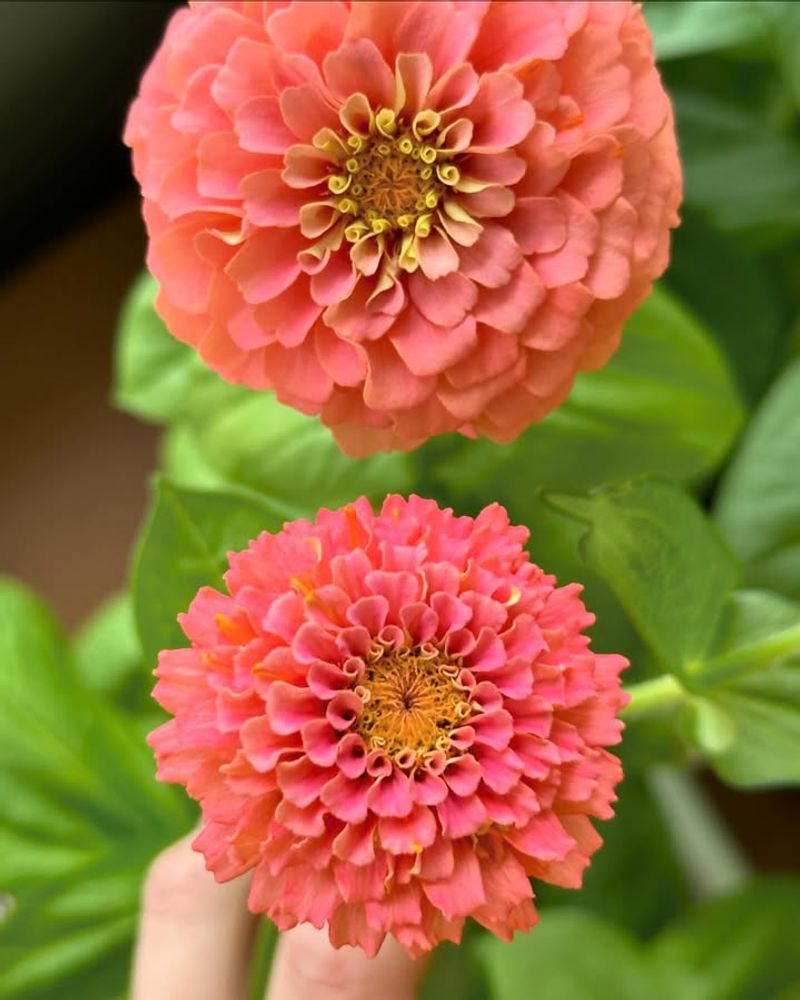
Speed and color are Zinnia’s two greatest superpowers, and South Florida gardeners get to enjoy both from the moment they plant. These fast-growing annuals can go from seed to full bloom in as little as six to eight weeks, meaning a March planting in South Florida can have your garden looking spectacular well before summer.
They come in nearly every color imaginable, from deep crimson and bright coral to soft lavender and creamy white.
Zinnias thrive in the warm, sunny conditions that South Florida offers in abundance. Plant them in full sun with well-drained soil, water consistently during establishment, and then step back and watch them perform.
The University of Florida IFAS Extension recommends Zinnias as excellent annuals for Florida gardens, noting their heat tolerance and long blooming season as standout traits for warm-climate gardeners.
From a design perspective, Zinnias offer endless possibilities. Mass plantings create bold sweeps of color, while mixed varieties in containers bring a cottage-garden feel to patios and porches.
Butterflies are strongly attracted to Zinnia blooms, adding lively movement to your South Florida garden. Whether you are filling a bare bed or creating a cutting garden for fresh bouquets, Zinnias are a dependable, high-reward choice this March.
8. Sweet Potatoes Thrive In Heat And Sandy Soil
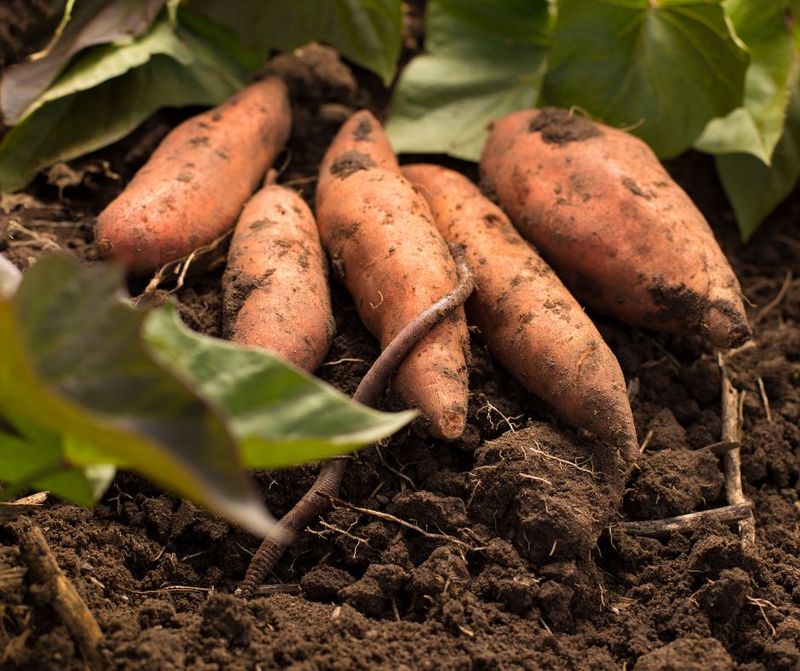
South Florida’s warm temperatures and sandy soil are actually ideal growing conditions for sweet potatoes, making them one of the smartest edible additions to your garden this March. Unlike many vegetables that struggle in Florida’s heat, sweet potatoes genuinely love it.
They spread vigorously as ground covers while developing their starchy, nutritious roots underground, giving you two benefits in one plant: attractive foliage and a rewarding harvest.
To get started, plant sweet potato slips (rooted cuttings) rather than seeds. Space them about 12 to 18 inches apart in loose, well-drained sandy soil and give them a full sun location.
The University of Florida IFAS Extension recommends planting sweet potatoes from March through June in South Florida, with harvest typically occurring about 90 to 120 days after planting. Avoid heavy clay soils, as they can restrict root development.
Watering needs are moderate once plants are established, and sweet potatoes generally require less fertilizer than other vegetables when grown in South Florida’s naturally sandy soils. The sprawling vines also help suppress weeds, reducing the work you need to do throughout the season.
For a low-maintenance, heat-loving crop that produces abundantly in South Florida conditions, sweet potatoes are a genuinely satisfying March planting choice.
9. Beans Grow Quickly And Fill Your Garden Plates
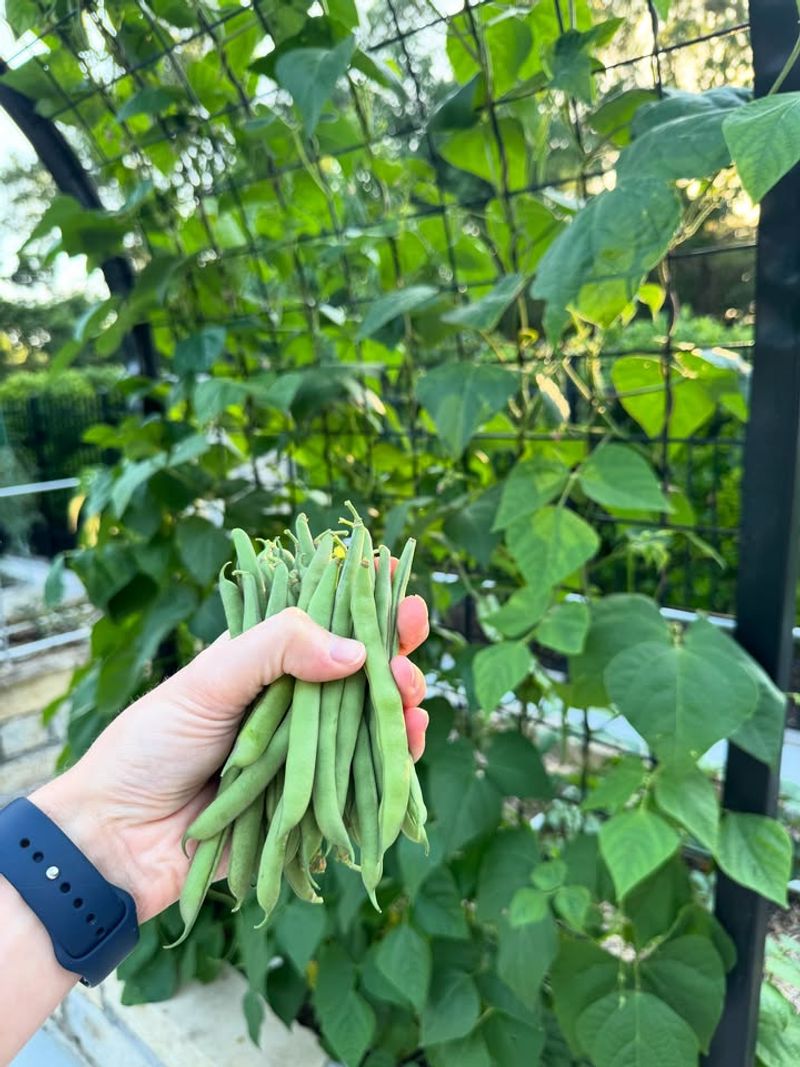
Few vegetables match the satisfaction of watching bean plants shoot up quickly and start producing pods you can actually eat within weeks. In South Florida, March is one of the best months to get beans into the ground before the intense summer heat arrives.
Both bush beans and pole beans perform well in South Florida gardens, with pole varieties offering the bonus of vertical growing interest when trained up a trellis or fence.
Beans prefer well-drained, moderately fertile soil and full sun, conditions that are easy to meet across most South Florida garden settings. Plant seeds directly in the soil about one inch deep and keep the bed consistently moist until germination occurs, usually within seven to ten days.
The University of Florida IFAS Extension recommends varieties like ‘Contender’ and ‘Blue Lake’ for Florida gardens, as they handle the state’s warm conditions reliably.
One of the best things about growing beans in South Florida is how little fertilizer they actually need. As legumes, beans naturally fix nitrogen from the air into the soil, benefiting nearby plants and improving soil health over time.
With fast growth, generous harvests, and minimal input requirements, beans are a practical and rewarding crop to add to your South Florida vegetable garden this March.
10. Okra Brings Classic Southern Flavor To Your Backyard
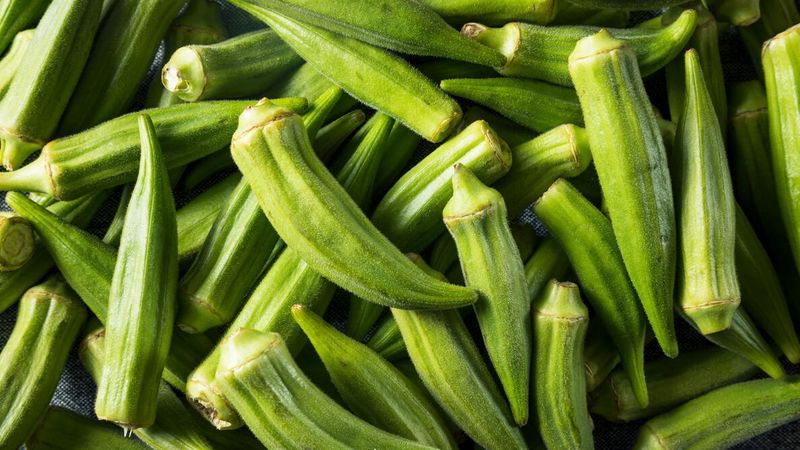
Tall, productive, and deeply rooted in Southern cooking traditions, Okra is a natural fit for South Florida gardens in March. This warm-season vegetable loves heat and sun, and South Florida provides both in generous supply.
Once established, okra plants can reach five to seven feet tall, producing attractive yellow flowers followed by the tender, edible pods that are a staple in gumbo, stir-fries, and Southern cooking classics.
Plant okra seeds directly in the garden after any chance of cool nights has passed, which in South Florida typically means March is right on schedule. Choose a location with full sun and well-drained soil, and plant seeds about half an inch to one inch deep, spacing them 12 to 18 inches apart.
The University of Florida IFAS Extension recommends varieties like ‘Clemson Spineless’ and ‘Annie Oakley’ for Florida home gardens because of their reliable production in warm conditions.
Harvest pods when they are two to four inches long for the best texture and flavor. Leaving pods on the plant too long results in tough, fibrous okra, so check your plants every day or two during peak production.
For South Florida gardeners looking for a heat-loving, highly productive vegetable with real culinary appeal, okra is a rewarding and time-tested choice this March.