Things You Should Never Add To Ohio Clay Soil No Matter What You Read Online
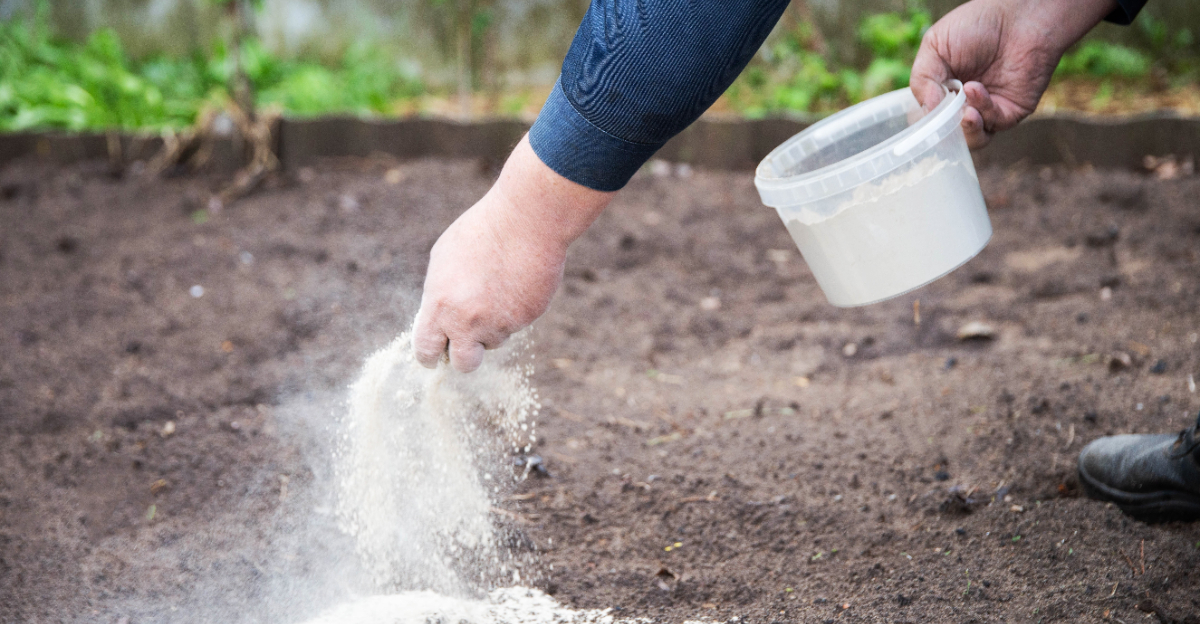
Ohio clay soil has built a reputation, and not a flattering one. Gardeners move here, hit that dense, compacted, slow-draining ground for the first time, and immediately start searching for fixes.
That’s where things get dicey. The internet is full of confident advice about amending clay soil, and a good chunk of it ranges from unhelpful to genuinely counterproductive.
Someone swears by sand, someone else pushes a specific additive, a viral post makes a particular shortcut look foolproof, and before long a well-meaning gardener has made their clay situation significantly worse than it started.
The frustrating part is that clay soil actually has real strengths.
It holds nutrients, retains moisture during dry spells, and can become incredibly productive with the right approach.
But certain additions work directly against those strengths, locking up drainage even further, disrupting soil structure, and creating problems that take seasons to undo.
Know what to keep out of your clay beds before you reach for that bag or bottle.
1. Sand Can Turn Clay Into A Bigger Mess
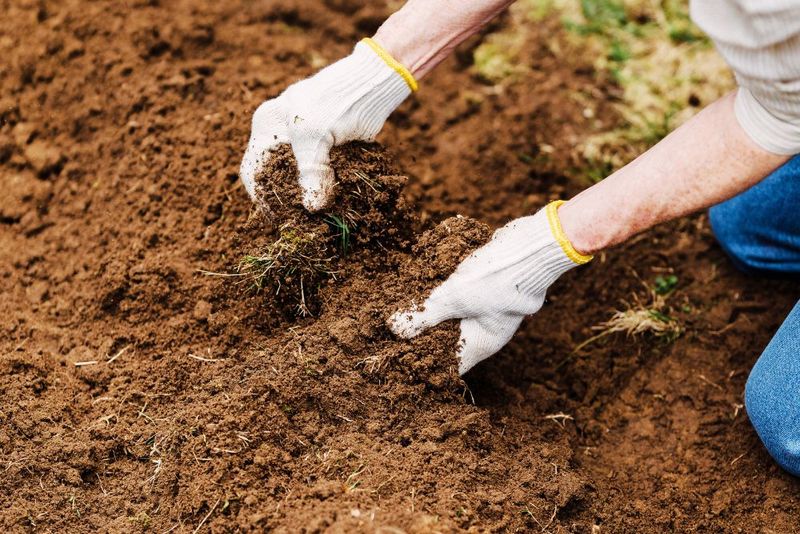
Picture a muddy spring morning in central Ohio, shovel in hand, a bag of playground sand ready to go. Adding sand to clay sounds logical on the surface, like mixing rough material into something sticky to loosen it up.
The reality, though, is far more complicated than that.
When small amounts of sand mix with clay particles, the sand grains fill the spaces between clay particles instead of pushing them apart. The result can be a dense, heavy mixture that acts almost like concrete when it dries out.
University Extension guidance commonly cautions that adding small amounts of sand to clay rarely improves structure and can sometimes make soil harder to work.
To actually change soil texture with sand, you would need to add enormous quantities of coarse builder’s sand combined with generous amounts of organic matter.
We are talking about changing the composition by roughly 50 percent or more, which is impractical for most home gardens.
A far better approach for Ohio clay is building up organic matter gradually through compost, avoiding working soil when it is saturated, and letting earthworms and soil biology do the slow, steady work of improving structure over multiple seasons.
2. Gravel At The Bottom Only Traps Water Higher
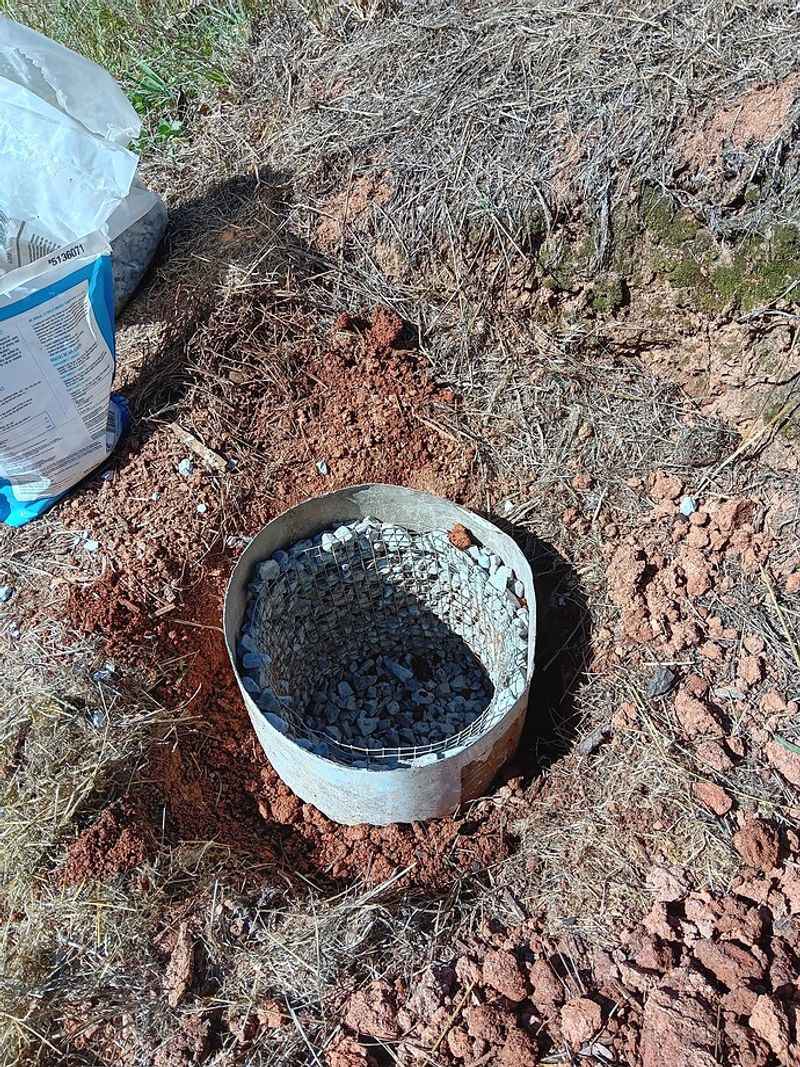
A surprisingly stubborn gardening myth says that putting a layer of gravel at the bottom of a planting hole will help water drain away from plant roots. Walk into almost any Ohio garden center and you will still hear this advice passed along as common wisdom.
Soil science tells a different story entirely.
Water moving through fine-textured soil like clay does not automatically continue moving when it hits a coarser material like gravel. Instead, it tends to stop at the boundary between the two layers until the finer soil above becomes completely saturated.
Soil scientists call this the perched water table effect, and it means that gravel at the bottom of a hole can actually cause roots to sit in standing water longer than they would without any gravel at all.
Your Ohio Garden Changes Every Week. Your Plan Should Too.
Gardening in Ohio changes quickly throughout the season. Every Friday you’ll receive a simple weekly plan showing exactly what to plant, prune, fertilize, harvest, and protect so you never miss the right timing.
A similar principle can apply inside containers when gravel is used as a drainage layer beneath potting mix. Raised beds built over unbroken clay without drainage outlets can run into similar water-movement problems.
If Ohio clay soil drains poorly, the fix is not gravel layers but rather improving the overall soil with organic matter over time, choosing plants adapted to wet conditions, or installing proper subsurface drainage.
Working with the soil’s natural tendencies almost always beats fighting them with a quick shortcut.
3. Gypsum Is Not A Magic Fix For Most Ohio Clay
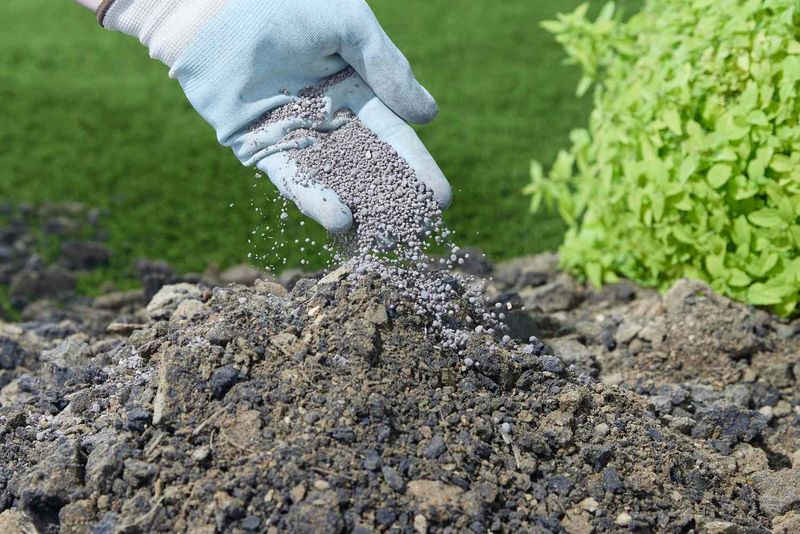
Search for clay soil fixes online and gypsum will appear near the top of almost every list. Sellers and garden bloggers often describe it as a miracle amendment that breaks up clay, improves drainage, and transforms heavy soil almost overnight.
The full picture is more nuanced than those claims suggest.
Gypsum, which is calcium sulfate, genuinely helps in specific situations. It is most effective on sodic soils, meaning soils with high sodium content that causes clay particles to disperse and seal together.
Some western and irrigated soils fit that profile well. Most Ohio clay soils, however, are not sodic.
They have different chemical structures, and applying gypsum without understanding your soil chemistry first may produce little to no measurable benefit.
Ohio State University Extension and university soil scientists generally recommend getting a soil test before adding any amendment, including gypsum.
A basic soil test from the OSU Extension lab or a reputable private lab can tell you whether calcium or sulfur levels are actually low enough to justify an application.
Spending money on gypsum without that information is essentially guessing. Consistent compost additions, mulching, and avoiding compaction will almost always do more for Ohio clay than gypsum applied based on internet advice alone.
4. Fresh Manure Can Burn Roots And Bring Weed Seeds
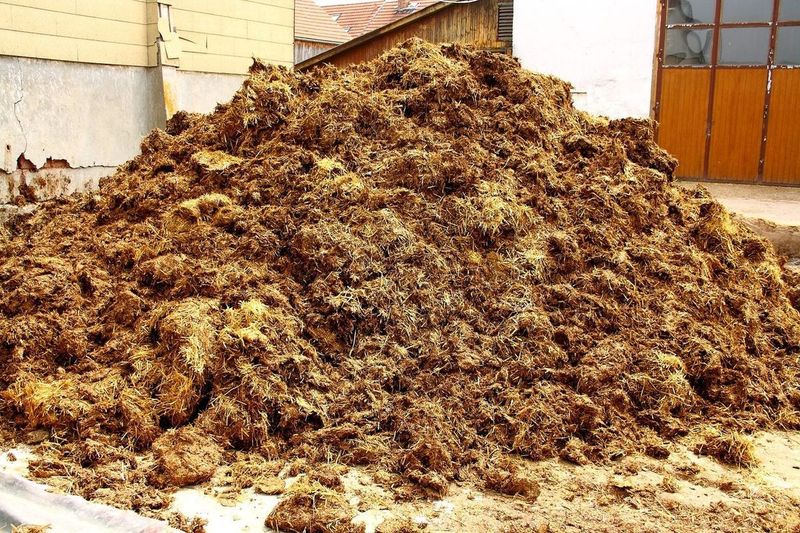
Raw manure straight from a barn or a neighbor’s farm looks like rich, dark garden gold. Plenty of old-time gardening advice says to spread it generously and let the soil soak it in.
Fresh manure and properly composted manure are two very different materials, and mixing them up can cause real headaches in the garden.
Fresh manure contains high levels of nitrogen and soluble salts that can burn tender plant roots, especially in heavy clay soil where those compounds do not flush through quickly.
It can also carry bacterial pathogens like E. coli and Salmonella, which is a serious concern in vegetable gardens.
On top of that, livestock manure is loaded with weed seeds from hay and pasture grasses that pass right through an animal’s digestive system and may remain viable in the soil.
Composted manure is a different story. Properly hot-composted manure has broken down enough to reduce pathogens, lower salt levels, and destroy most weed seeds.
Look for manure that has been composted for at least several months and has a crumbly, earthy texture rather than a strong ammonia smell.
Ohio gardeners growing vegetables should also follow food safety guidelines about manure application timing before harvest, especially in raised beds with clay-heavy fill soil.
5. Wood Chips Do Not Belong Mixed Into Planting Holes
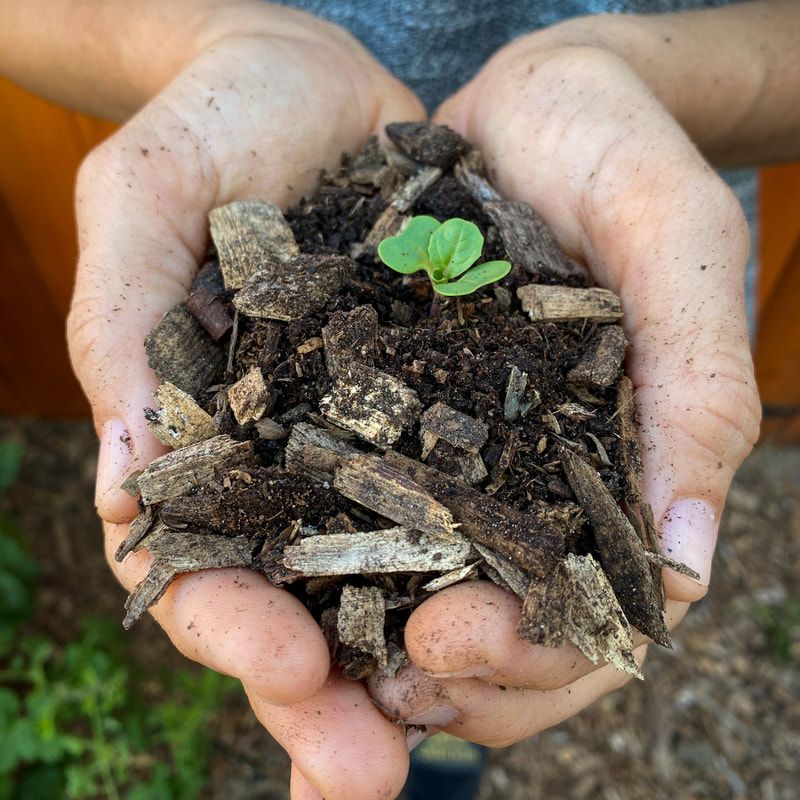
Fresh wood chips make excellent mulch on top of garden beds, and many Ohio gardeners have seen great results using them as a surface layer around trees, shrubs, and perennials.
The mistake happens when those same chips get dug directly into planting holes or tilled into garden soil as an amendment.
Buried wood behaves very differently from surface wood.
As undecomposed woody material breaks down underground, soil microbes need large amounts of nitrogen to fuel the decomposition process.
Those microbes pull available nitrogen right out of the surrounding soil, temporarily reducing what plant roots can access.
Gardeners sometimes notice yellowing leaves and stunted growth in plants placed near buried wood chips, mistakenly blaming other causes while the real problem is nitrogen tied up in decomposition.
In Ohio clay soil, buried wood chunks also create uneven pockets of organic material that decompose at different rates, leaving air gaps and inconsistent moisture zones around roots.
Surface mulching with wood chips, on the other hand, insulates soil temperature, conserves moisture, suppresses weeds, and feeds soil biology as chips slowly break down from the bottom up.
A two to three inch layer of wood chip mulch kept a few inches away from plant stems is one of the most practical, low-cost improvements any Ohio gardener can make.
6. Epsom Salt Should Not Go In Without A Soil Test
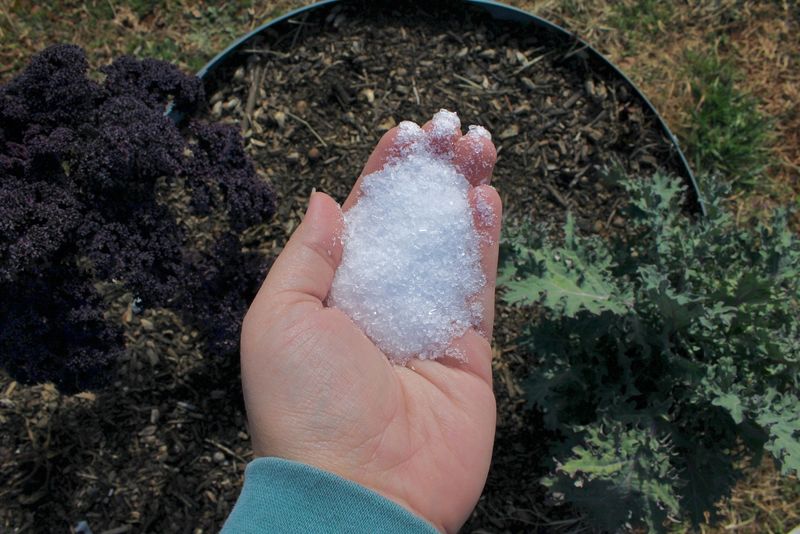
Few garden trends have spread as widely online as adding Epsom salt to boost plant health. Videos and blog posts claim it greens up lawns, makes tomatoes tastier, and solves all kinds of mysterious plant problems.
Magnesium sulfate, which is what Epsom salt actually is, does play a role in plant nutrition, but the assumption that every garden needs more of it is where the advice falls apart.
Magnesium deficiency in plants is real but far less common than internet gardening culture suggests. Many Ohio soils already contain adequate magnesium levels, especially in clay-heavy areas where nutrients tend to bind tightly to soil particles rather than leaching away.
Adding extra magnesium without knowing your baseline levels can throw off the balance between magnesium, calcium, and potassium, making it harder for plants to absorb the nutrients they actually need.
A standard soil test from Ohio State University Extension or a certified soil lab will measure magnesium levels directly and tell you whether any amendment is genuinely needed.
If your test shows a real deficiency, a certified agronomist or extension agent can recommend the right rate and form of magnesium for your specific soil.
Skipping the test and sprinkling Epsom salt based on a popular social media post is a gamble that can quietly create more nutrient problems than it solves.
7. Lime Can Backfire When Ohio Soil Is Not Acidic
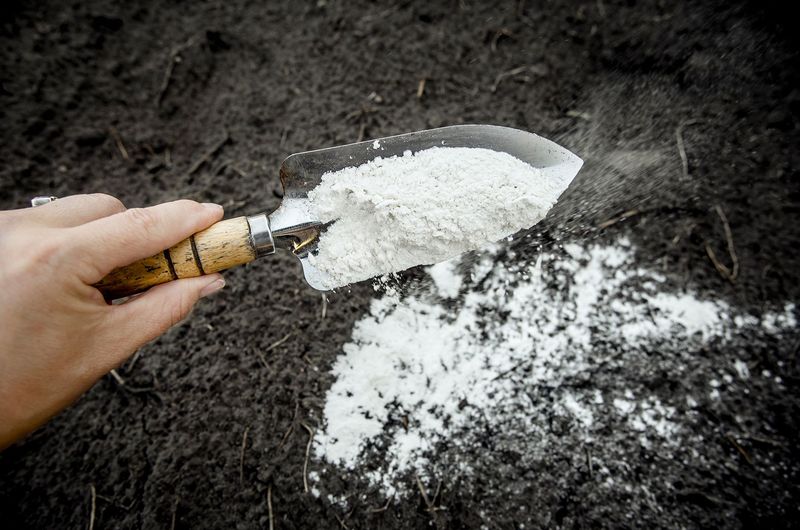
Lime has an important role in gardening when soil pH is genuinely too low, and across parts of Ohio, especially in areas with older, leached soils in the southeast, acidic conditions are a real issue.
The problem is that lime gets recommended online as a broad fix for struggling lawns and gardens without any mention of testing soil first.
In Ohio, that blanket advice can easily backfire.
Much of northwestern and central Ohio already has naturally neutral to slightly alkaline soil, partly because the underlying geology includes limestone bedrock and glacial deposits rich in calcium carbonate.
Adding lime to soil that is already at or above a neutral pH pushes it further alkaline, locking up nutrients like iron, manganese, and zinc in forms that plant roots cannot absorb.
The result can look like a nutrient deficiency even though the soil is loaded with those elements.
Before spreading any lime, get a soil pH test. Ohio State University Extension recommends testing every three to four years as a routine practice.
If your pH is below the recommended range for the plants you want to grow, lime may be useful at the rate recommended by a soil test.
If your pH is already in the 6.5 to 7.5 range, lime will likely cause more trouble than it prevents, and no gardening blog should convince you otherwise.
8. Cheap Fill Dirt Can Make Drainage Even Worse
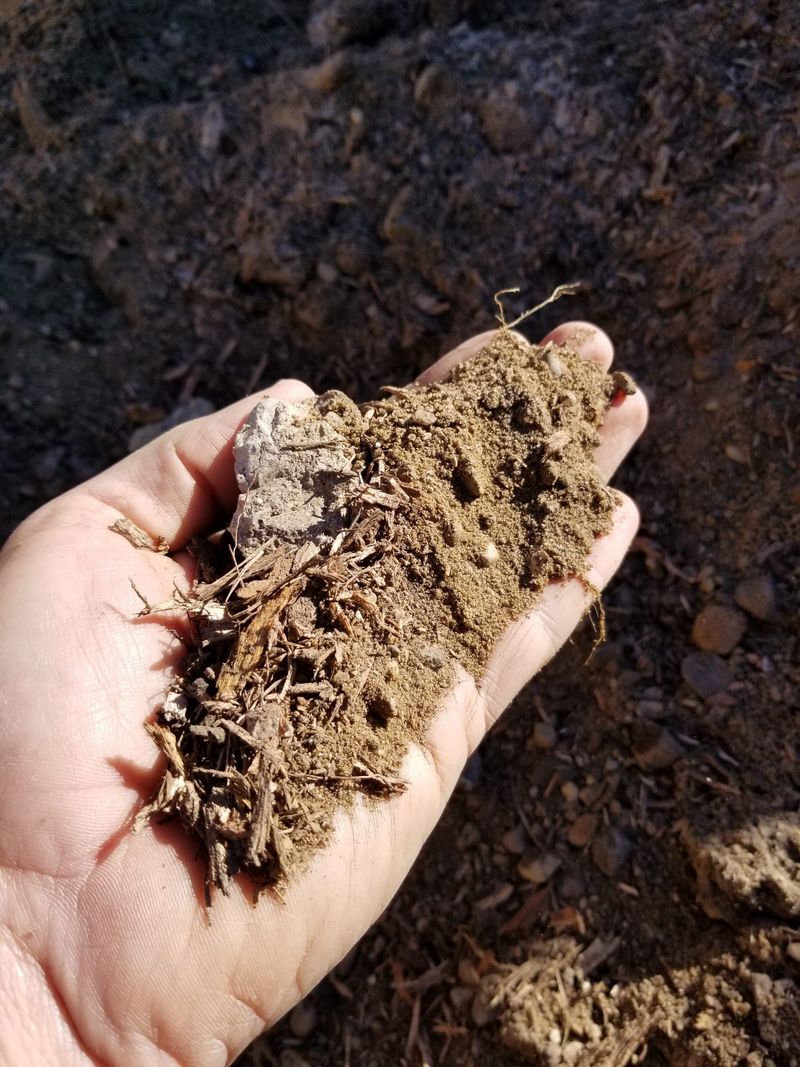
After a new home goes up or a backyard project leaves bare, uneven ground, the temptation to truck in cheap fill dirt is understandable.
Bags of mystery soil from hardware stores and bulk loads from construction sites seem like an affordable way to build up low spots and start fresh.
What often arrives, though, is far from the clean, workable soil the label implies.
Fill dirt sold cheaply frequently contains compacted subsoil, chunks of clay, rubble, broken concrete, construction debris, and sometimes contaminated material from old building sites.
It may have almost zero organic matter and a structure so dense that roots, water, and air can barely move through it.
Spreading poor fill over existing Ohio clay does not improve drainage. It adds another layer of problematic material on top of an already difficult foundation.
Gardeners who need to raise grade or fill low areas are much better off sourcing certified topsoil with documented organic matter content, or better yet, improving the existing soil gradually with compost, mulch, and cover crops over several seasons.
Ohio State University Extension consistently emphasizes that building soil health from within through organic matter additions produces more lasting results than importing questionable material from outside.
Patience and steady improvement beat cheap shortcuts almost every single time.