Best Privacy Plants For Central Florida That Handle Heat And Brief Cold
It often starts the same way in Central Florida. A bare fence line, a close neighbor, and the thought that a few fast-growing plants will solve it.
Then summer heat sets in, humidity builds, and sandy soil dries out faster than expected. Just as everything begins to fill in, a winter cold snap can test those choices.
Creating privacy here takes more than picking what looks good at the nursery. Plants need to handle both heat and brief cold while still growing dense enough to screen your space.
The good news is that several proven options can do just that, giving Central Florida homeowners reliable privacy without constant setbacks.
1. Podocarpus Forms Dense Evergreen Screens With A Clean Look
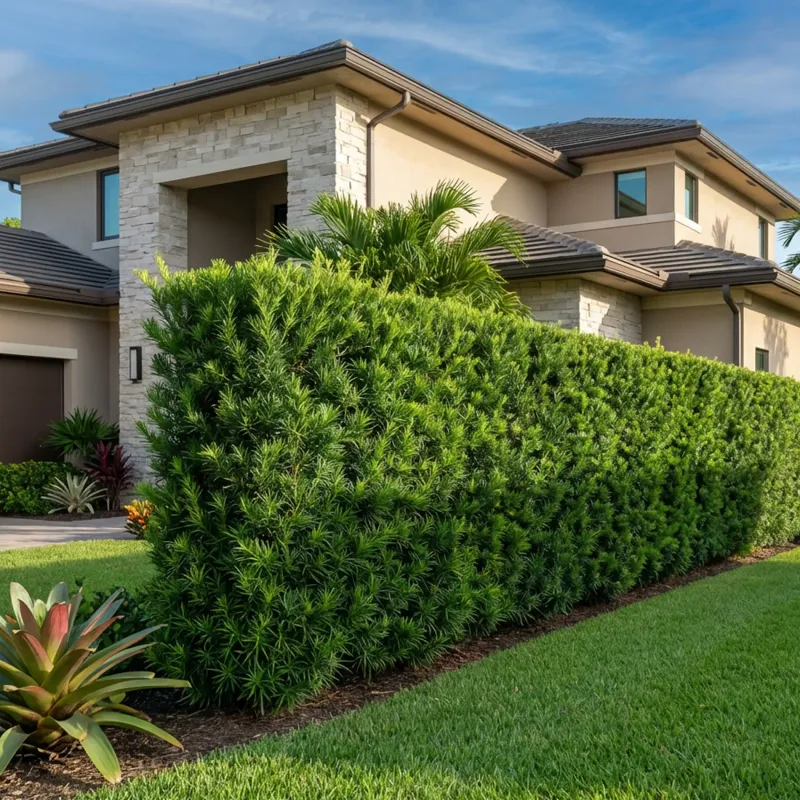
Walk through almost any established Central Florida neighborhood and you will likely spot a Podocarpus hedge running along a fence line or property border.
This plant has earned its reputation as one of the most reliable privacy screens in the region, and for good reason.
Its narrow, dark green leaves create a thick, refined wall that stays full from top to bottom without much effort.
Podocarpus, sometimes called Japanese yew, handles Florida’s intense summer heat with ease and tolerates periods of drought once it settles in.
It grows well in full sun or partial shade, which gives homeowners flexibility when dealing with yards that have uneven light.
Growth tends to be moderate, reaching around one to two feet per year under good conditions.
For a solid privacy screen, spacing plants about three to five feet apart works well in most Central Florida landscapes. Regular trimming two to three times a year keeps the hedge neat and encourages denser branching.
Cold snaps that dip into the upper twenties may cause minor tip damage, but established plants typically bounce back without major setbacks.
The clean, columnar shape makes Podocarpus a popular choice for modern and traditional homes alike. It pairs nicely with other foundation plants and rarely causes problems with roots near sidewalks or structures.
For low-maintenance, long-lasting privacy in Central Florida, Podocarpus is a solid starting point.
2. Sweet Viburnum Creates Fast-Growing Privacy With Thick Foliage
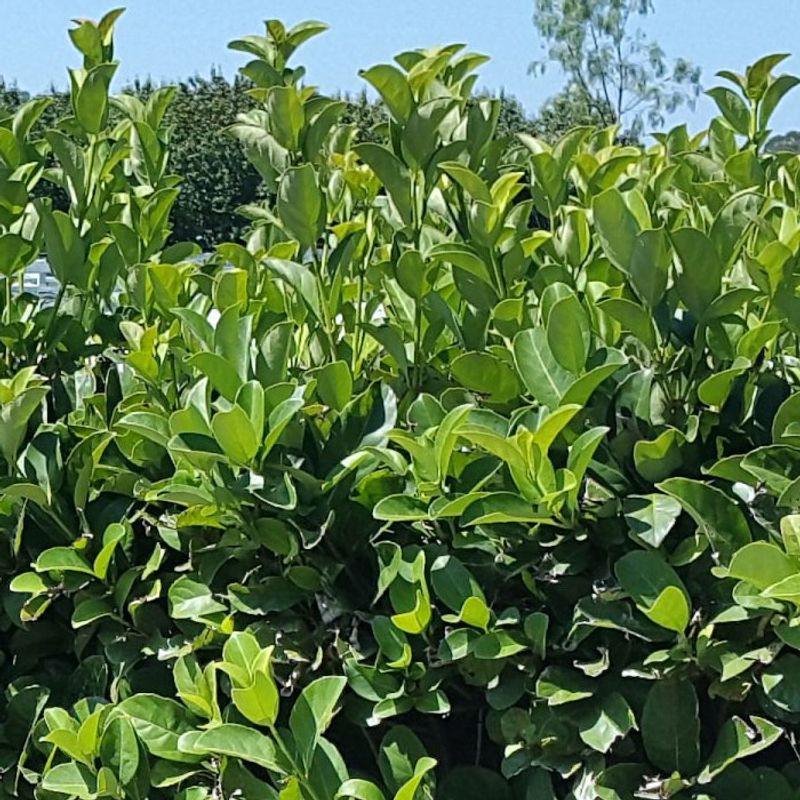
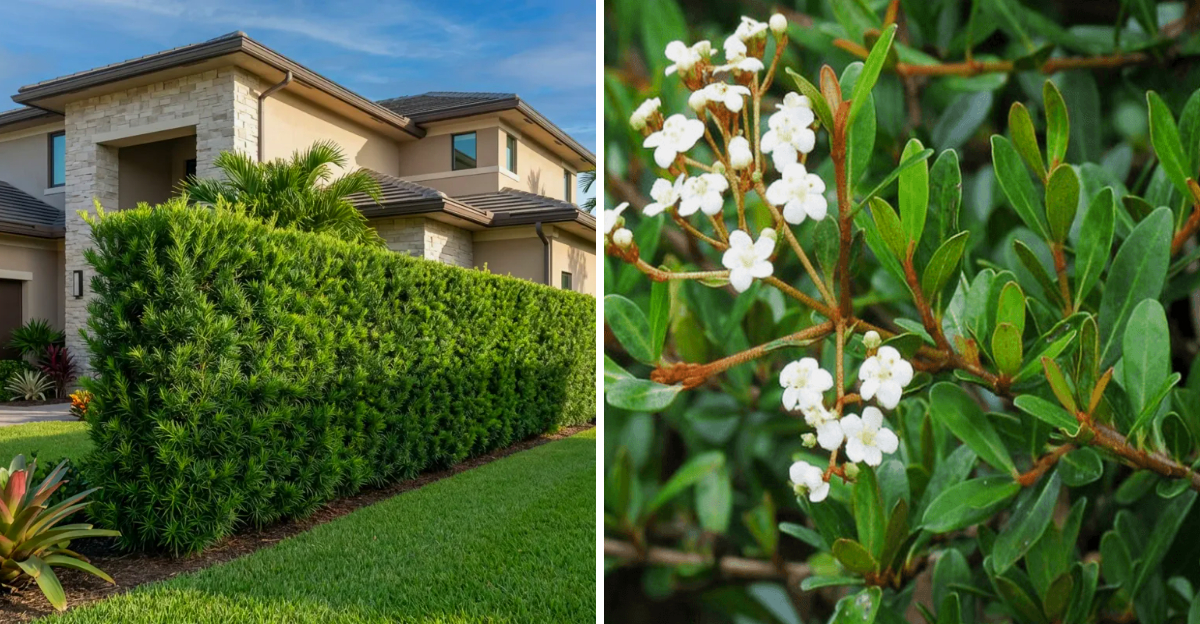
Few plants earn homeowner loyalty in Central Florida quite like Sweet Viburnum. It grows fast, fills in densely, and produces glossy green leaves that stay attractive through most of the year.
When neighbors plant it along shared property lines, a full, lush screen can develop in just two to three growing seasons with proper watering and fertilization.
Sweet Viburnum reaches heights of fifteen to twenty feet if left unpruned, but most homeowners keep it trimmed to six to ten feet for a manageable hedge.
The foliage is so thick that even wind-driven rain has trouble getting through once the plants mature.
White flower clusters appear in spring, adding a pleasant, mild fragrance that many people enjoy as a bonus.
In Central Florida’s sandy soils, this shrub benefits from regular irrigation during the dry season and a balanced fertilizer applied two to three times per year. Spacing plants about four to six feet apart encourages the hedge to fill in quickly without crowding.
It handles the region’s summer heat well and tolerates brief cold snaps into the low twenties with only minor leaf damage on younger growth.
Pruning two to three times a year keeps the shape tidy and stimulates new, dense branching. Sweet Viburnum is widely available at local nurseries across
Central Florida, making it one of the most accessible fast-growing privacy options available to homeowners right now.
3. Simpson’s Stopper Offers Native Beauty And Wildlife Value
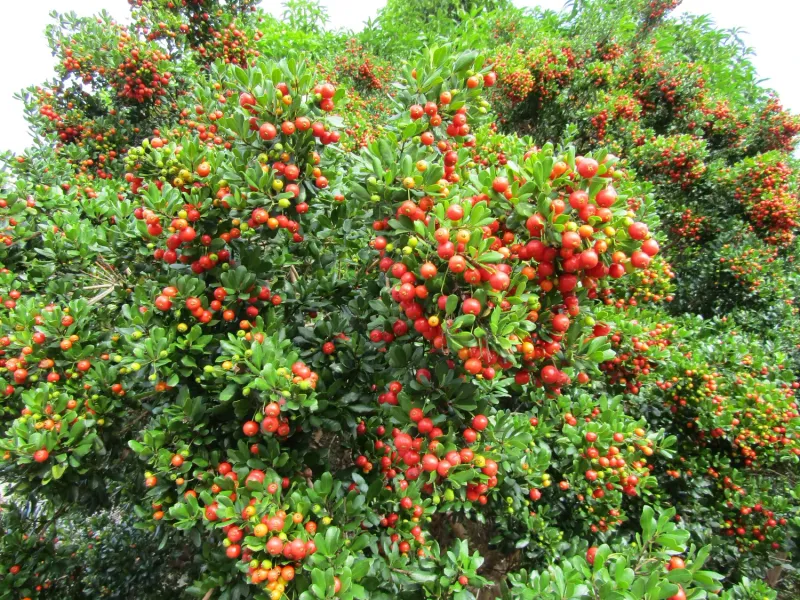
Not every privacy plant needs to be a fast grower to earn a spot in your yard.
Simpson’s Stopper is a native Florida shrub that brings a different kind of value to the landscape, combining attractive evergreen foliage with fragrant white flowers and small orange-red berries that birds absolutely love.
It grows at a moderate pace, reaching about five to fifteen feet tall depending on conditions and how much pruning it receives.
Central Florida homeowners who want a naturalistic hedge that blends with the surrounding environment often turn to this plant.
Its glossy, slightly aromatic leaves stay on year-round, and the plant handles Florida’s heat, humidity, salt air, and sandy soils without complaint.
Once established, Simpson’s Stopper is surprisingly drought-tolerant and rarely needs supplemental irrigation beyond the first year or two.
Cold hardiness is one of its strengths. It can handle brief dips into the mid-twenties with minimal damage, which makes it more cold-tolerant than many tropical options.
Spacing plants four to six feet apart creates a natural-looking privacy screen that fills in over two to four years.
Pruning is optional rather than required, since the plant naturally develops a full, rounded shape. For homeowners who want to support local wildlife while still gaining privacy, Simpson’s Stopper delivers both goals without demanding much in return.
It is a genuinely underused gem in Central Florida landscapes.
4. Clusia Builds Strong, Broadleaf Hedges For Modern Landscapes
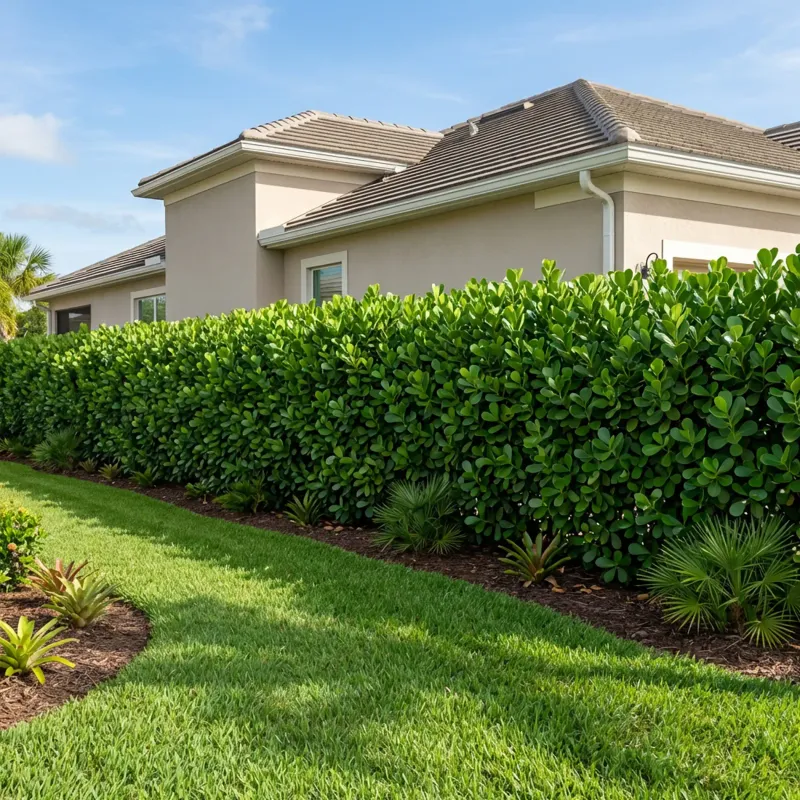
Thick, waxy leaves and a no-nonsense growth habit have made Clusia one of the most talked-about privacy shrubs in Central Florida over the past decade.
Sometimes called Autograph Tree because you can scratch words into its leaves and they stay visible, Clusia brings a bold, sculptural look to landscapes that suits both modern and tropical-style homes.
It grows into a dense, broadleaf hedge that holds its shape well and resists most pests.
Clusia handles Central Florida’s summer heat and high humidity with confidence. It tolerates salt spray, making it useful near coastal-influenced areas in the region.
Sandy soils are not a problem as long as irrigation is consistent during the first year of establishment. After that, the plant develops solid drought tolerance and rarely needs babying.
Growth rate runs moderate to fast, typically one to two feet per year under good conditions. For a solid privacy screen, spacing plants three to five feet apart works well.
Clusia can be maintained at heights between six and fifteen feet, giving homeowners flexibility in how tall they want the hedge to grow.
Cold sensitivity is worth noting. Extended freezes below the mid-twenties can cause significant damage, so planting in a location with some wind protection helps during rare cold snaps.
For Central Florida homeowners who want a bold, lush hedge with a modern aesthetic, Clusia delivers a strong visual impact that few other shrubs can match.
5. Wax Myrtle Grows Quickly With A Soft, Natural Appearance
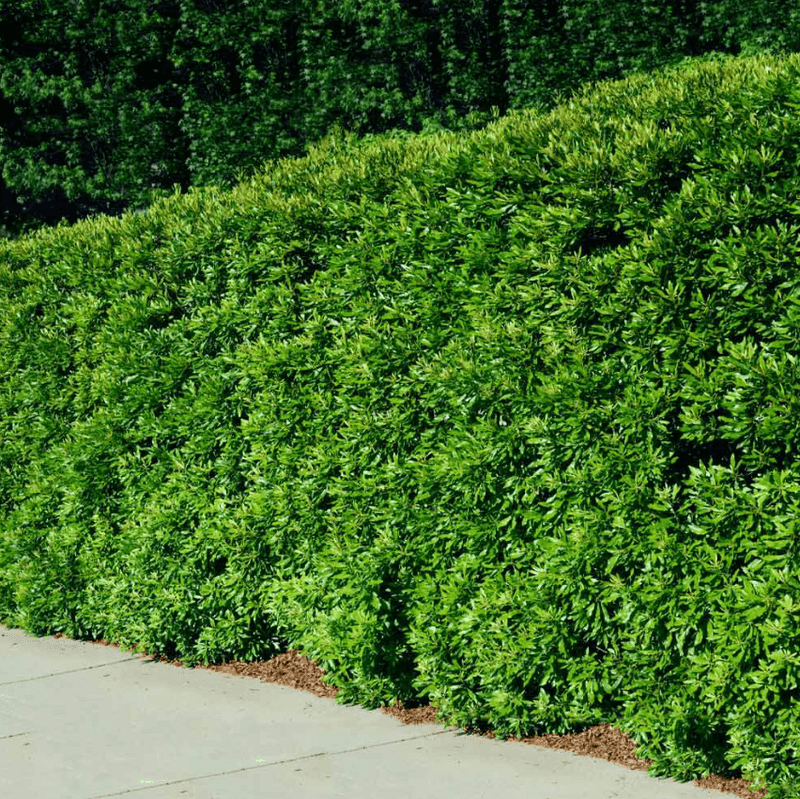
There is something refreshing about a privacy plant that looks like it belongs in the Florida landscape rather than being forced into it. Wax Myrtle is exactly that kind of plant.
Native to Florida and much of the southeastern United States, it grows with a light, airy texture and fine gray-green foliage that moves gently in the breeze, giving yards a relaxed, natural feel rather than a formal clipped look.
Growth rate is one of Wax Myrtle’s biggest selling points. Under good conditions, it can put on three to five feet of growth per year, making it one of the faster-growing native options available in Central Florida.
It thrives in full sun, handles wet soils and dry soils with equal ease, and grows well in the region’s sandy, nutrient-poor conditions without requiring heavy fertilization.
For a privacy screen, spacing plants four to six feet apart allows them to fill in within one to two growing seasons. The plant can reach fifteen to twenty feet tall if left unpruned, but regular trimming keeps it at a manageable height.
Cold tolerance is excellent for a Florida native, handling temperatures well into the teens without serious damage.
Birds are drawn to the small waxy berries that develop on female plants, adding wildlife value alongside the privacy function.
Wax Myrtle is widely available, affordable, and genuinely easy to grow across most of Central Florida’s varied soil types and microclimates.
6. Areca Palm Adds Tropical Privacy In Warm, Protected Spaces
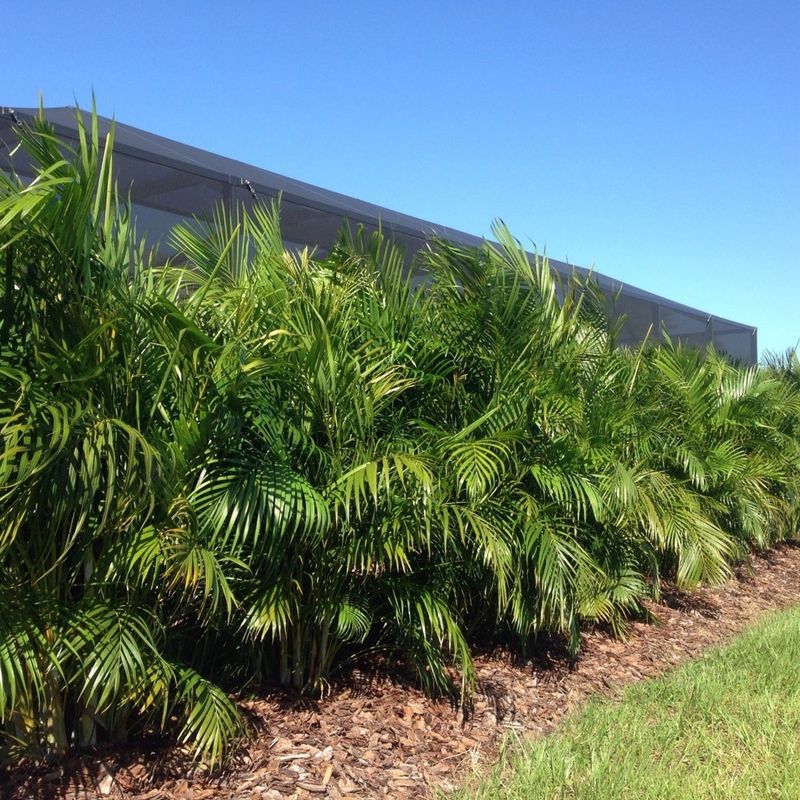
Few plants bring that classic Florida tropical feel to a backyard quite like Areca Palm.
Growing in dense, multi-stemmed clumps with long feathery fronds, it creates a soft, lush privacy screen that looks right at home alongside pools, patios, and outdoor living spaces.
The bright yellow-green fronds catch sunlight beautifully, giving any yard an instant resort-like atmosphere.
Areca Palm thrives in Central Florida’s warm, humid summers and performs best in locations that receive full sun to partial shade.
It grows at a moderate rate, typically adding one to two feet per year, and can reach heights of fifteen to twenty-five feet at maturity.
Planting clumps four to six feet apart creates a continuous, layered privacy screen that fills in steadily over two to three years.
The most important thing to keep in mind with Areca Palm in Central Florida is cold sensitivity. Temperatures below the upper twenties can cause significant frond damage or completely ruin plants that are not well-established.
Planting in a sheltered location, such as near a wall or fence that blocks north winds, greatly improves survival during rare cold snaps.
Soil drainage matters for this palm. It dislikes standing water and performs best in well-drained, sandy or loamy soil with regular irrigation and fertilization using a palm-specific blend.
For homeowners in warmer, protected Central Florida microclimates, Areca Palm delivers unbeatable tropical privacy that few other plants can replicate.
7. Ligustrum Produces Dense Hedges With Flexible Pruning Options
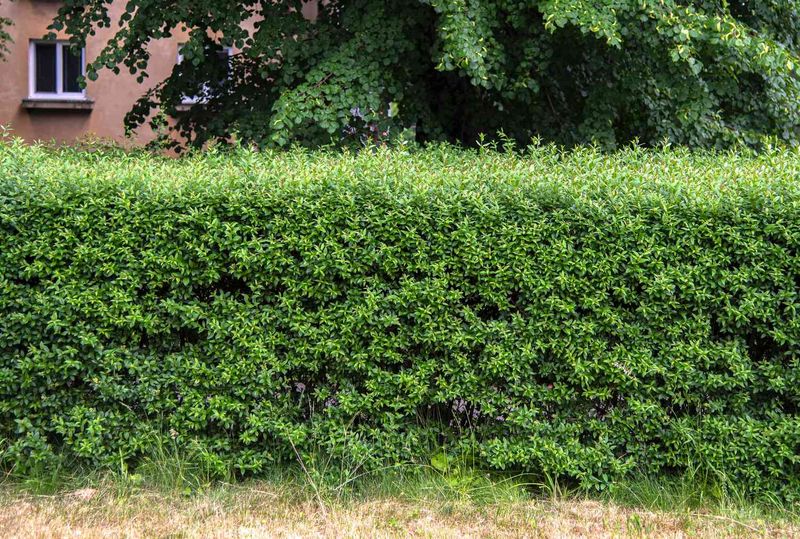
Homeowners who want a hedge they can shape, sculpt, and control often reach for Ligustrum without hesitation.
This tough, adaptable shrub responds exceptionally well to pruning, which makes it one of the most versatile privacy plants available in Central Florida.
Whether you want a formal flat-topped wall or a loosely shaped screen, Ligustrum handles both styles without losing its density.
Several Ligustrum varieties grow well in Central Florida, with Japanese Privet being among the most commonly planted.
It grows at a moderate to fast rate, putting on two to three feet per year under good conditions, and can reach fifteen to twenty feet tall if left unpruned.
The small, glossy leaves stay on year-round, providing consistent coverage through every season.
Heat tolerance is strong, and Ligustrum handles Central Florida’s long, intense summers without wilting or dropping leaves. It grows in full sun or partial shade and adapts to a range of soil types, including the sandy soils common across much of the region.
Cold tolerance is solid as well, with most varieties handling brief dips into the low to mid-twenties without serious damage.
For a dense hedge, spacing plants three to five feet apart is recommended. Pruning three to four times per year keeps the shape sharp and encourages thick, full growth from the base upward.
Ligustrum is widely available at Central Florida nurseries and is one of the most dependable hedging plants for homeowners who want reliable results.
8. Walter’s Viburnum Provides Native Privacy With A Refined Shape
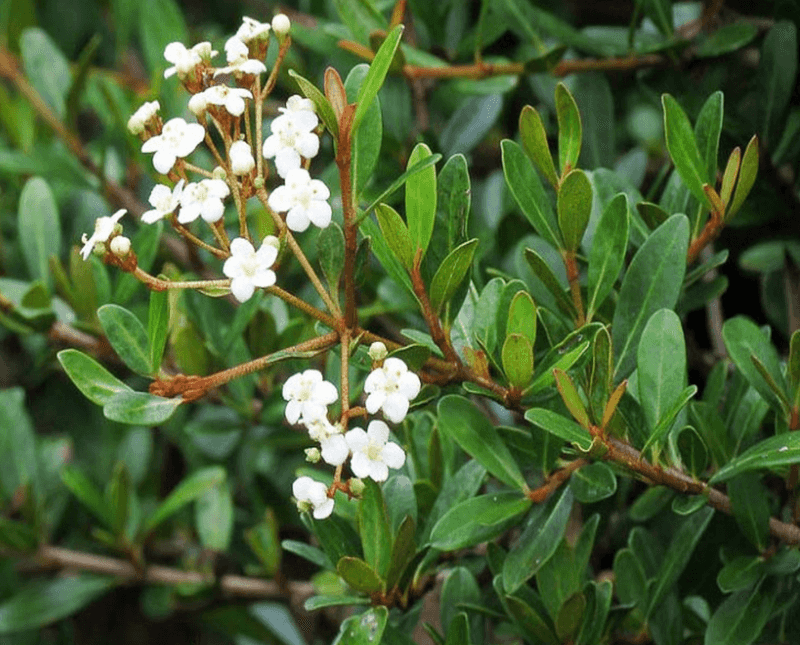
Among the native shrubs suited for privacy hedges in Central Florida, Walter’s Viburnum stands out for its refined, upright growth habit and attractive year-round appearance.
It develops a naturally tidy shape that requires less pruning than many other options, which appeals to homeowners who want good looks without constant maintenance.
Small clusters of white flowers appear in late winter and early spring, followed by dark berries that attract songbirds.
Walter’s Viburnum is well-suited to Central Florida’s climate and soil conditions. It grows in full sun to partial shade, handles sandy, well-drained soils, and becomes drought-tolerant once established.
Growth rate is moderate, typically one to two feet per year, so patience is part of the equation. Spacing plants four to five feet apart creates a hedge that fills in nicely over three to four growing seasons.
Cold hardiness is a genuine strength of this native species. It handles temperatures into the low twenties and even the teens without significant damage, making it one of the more cold-resilient choices on this list.
That reliability during Central Florida’s occasional cold snaps gives homeowners confidence that the hedge will stay intact through winter.
Mature height typically ranges from ten to fifteen feet, though it can be kept shorter with selective pruning. Walter’s Viburnum fits naturally into Florida-friendly landscapes and pairs well with other native plants.
For homeowners who value ecological benefits alongside privacy, this native viburnum earns its place at the top of any planting list.