Best Time To Prune Firebush In Florida (Most People Get This Wrong)
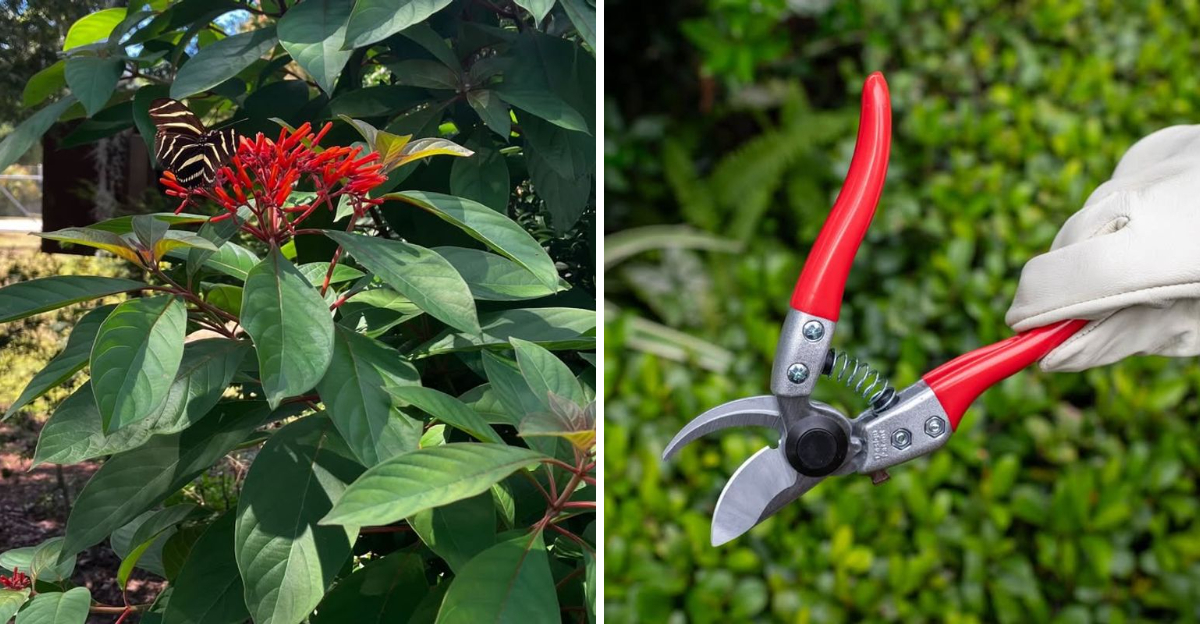
Firebush is one of Florida’s easiest flowering shrubs to grow, yet it frustrates thousands of homeowners every year.
You prune it to keep your yard neat, then suddenly the flowers disappear. Weeks pass. Hummingbirds stop visiting.
The plant looks healthy but refuses to bloom. Most people assume fertilizer is the problem or blame the weather.
The real issue is timing. Firebush follows a growth cycle that works differently than common landscape shrubs.
Cut it at the wrong moment and the plant shifts energy into rebuilding stems instead of producing flowers. Cut it at the right time and it rewards you with nonstop color, fast regrowth, and thick clusters of tubular red blooms.
One small change can completely transform how your Firebush looks all season.
Why Firebush Responds Differently Than Most Shrubs
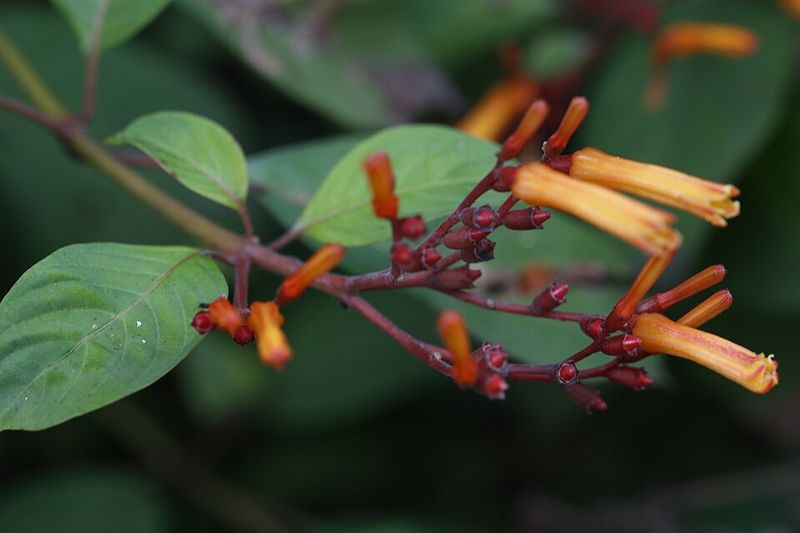
Firebush puts out flowers on new growth, which means every stem you cut triggers a pause before blooms can return. Many gardeners assume this plant behaves like azaleas or gardenias that set buds on old wood, but Firebush works the opposite way.
When you prune, you remove the flowering tips and force the plant to grow fresh stems before it can bloom again.
In Florida’s warm climate, regrowth happens fast during spring and summer, but slower during cooler months. If you prune in late fall or winter, you may wait significantly longer for new shoots to emerge and flower, particularly in North Florida.
Central and South Florida see faster recovery, but the principle stays the same across all regions.
Your Firebush rewards you for understanding this cycle. Prune when the plant has enough warm weather ahead to push out new growth quickly, and you’ll see blooms return in just a few weeks instead of dragging through a long flowerless period that leaves your landscape looking bare.
The Biggest Firebush Pruning Mistake Florida Gardeners Make
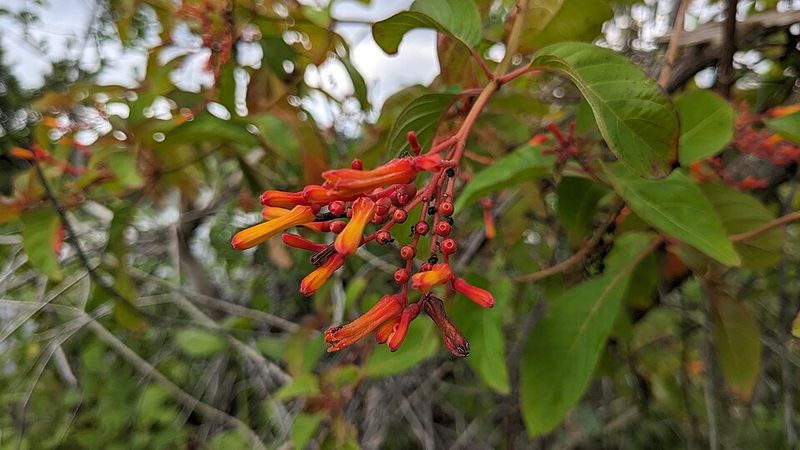
Walk through any Florida neighborhood in late November and you’ll see freshly sheared Firebush shrubs standing bare and brown at the edges. Gardeners often prune hard right before winter to tidy up their yards for the holidays, but this timing steals months of potential flowering.
The plant enters its slowest growth phase just as it’s been cut back, leaving it unable to produce the new stems it needs to bloom.
In North Florida, winter temperatures can drop low enough to slow growth almost completely. Central Florida sees moderate slowdowns, and even South Florida experiences reduced vigor during shorter days and cooler nights.
Pruning during this period often delays flowering because the plant must produce new growth before buds can form, especially in cooler parts of Florida.
The mistake compounds when gardeners prune again in early spring, thinking they’re helping the plant. Instead, they remove actively growing stems that would soon produce flowers.
Your Firebush needs uninterrupted warm-season growth to reach its full blooming potential, and mistimed cuts disrupt that cycle every single time.
When Firebush Actually Produces New Blooms
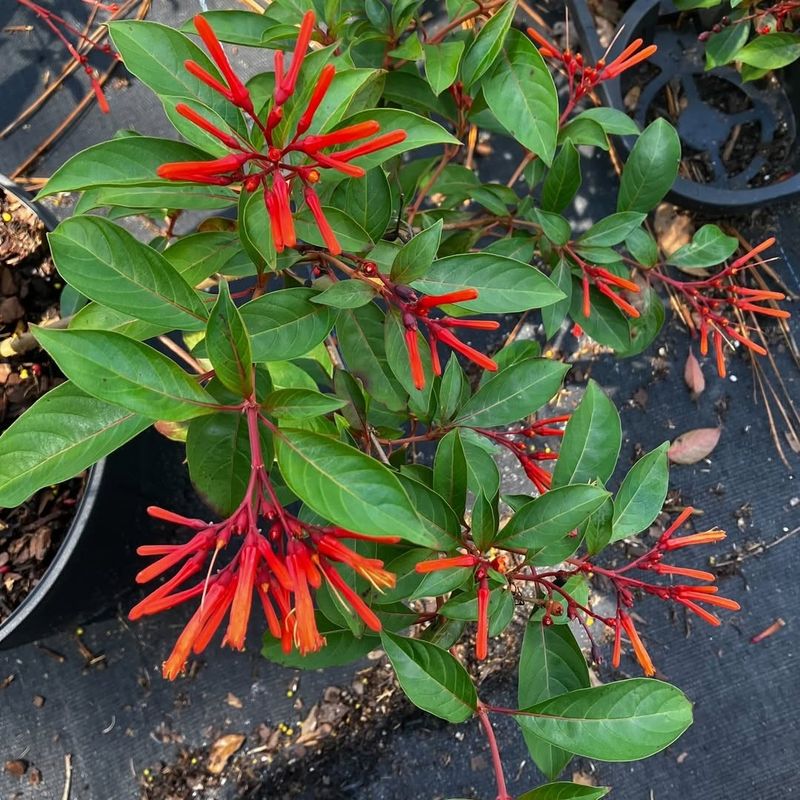
Firebush blooms most heavily from late spring through fall in North and Central Florida, and can bloom nearly year-round in frost-free South Florida. Your plant produces flowers continuously on every new stem tip as long as temperatures stay warm and rainfall or irrigation keeps roots hydrated.
Each flush of growth brings a fresh wave of tubular red blooms that attract hummingbirds and butterflies throughout the growing season.
In South Florida, blooming can continue year-round if frost never arrives. Central Florida typically sees flowers from April through November, with a slowdown during cooler winter weeks.
North Florida experiences a shorter bloom window, often from May through October, with plants going semi-dormant or losing leaves during colder spells.
Timing your pruning to align with these bloom cycles ensures you’re not cutting off flowers just as they’re about to open.
Prune too late in the season, and you remove the very stems that would have carried your shrub through its best flowering months, leaving your landscape without the color and wildlife activity Firebush is famous for providing.
The Best Time To Prune Firebush In North Florida
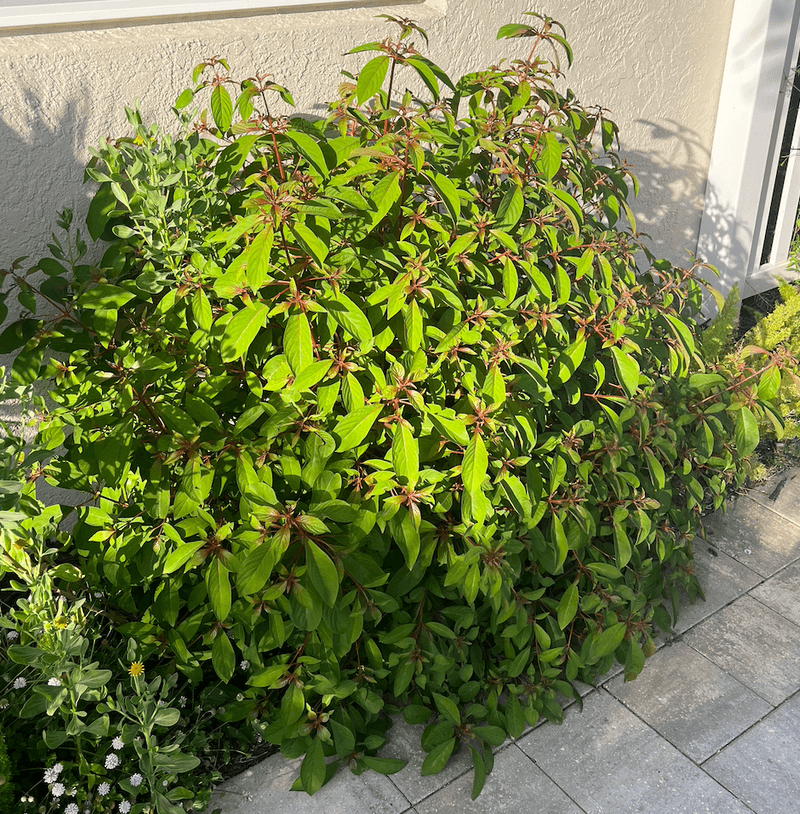
In North Florida, wait until late February or early March when danger of hard frost has passed and new growth begins to emerge. Your Firebush may look ragged after winter, with some frost damage on the tips, but resist the urge to prune earlier.
Cutting before spring warmth arrives means the plant sits exposed and unable to regrow quickly, delaying flowering until late spring or early summer.
Late winter pruning in North Florida allows you to remove any cold-damaged wood while giving the plant maximum warm-season time to push out new growth. By April, you’ll see fresh green stems emerging, and by May, those stems will be covered in blooms.
If you prune in fall or early winter instead, flowering is often delayed until warmer spring weather allows new growth to develop.
North Florida gardeners who time their pruning correctly enjoy a full season of blooms from May through October. Those who prune too early or too late miss out on months of color and spend the growing season watching their shrubs struggle to catch up with the flowering cycle.
The Best Time To Prune Firebush In Central Florida
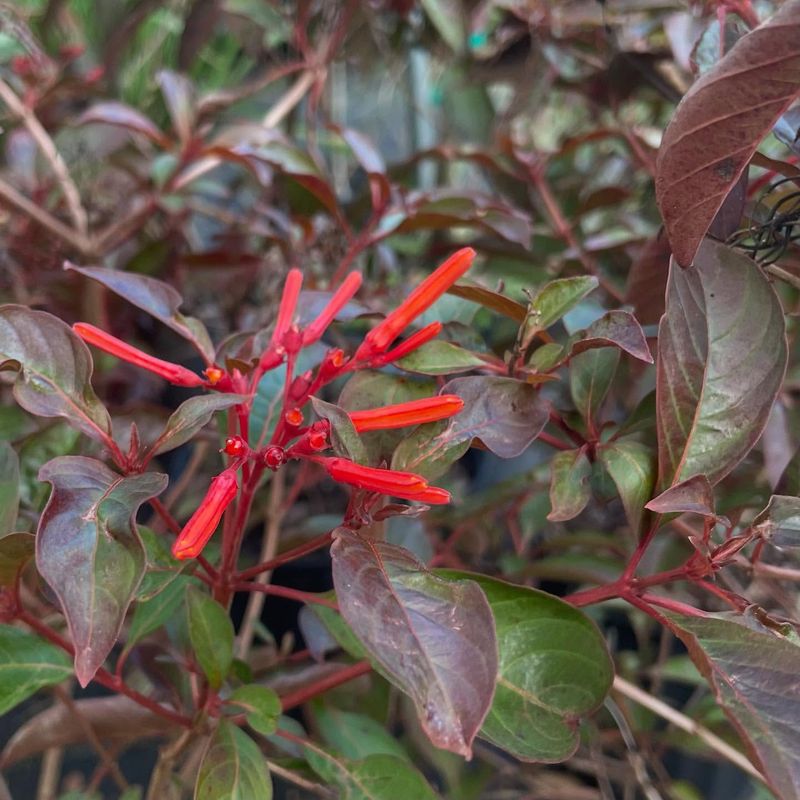
Central Florida gardeners should aim for late February through mid-March, just as spring warmth begins to build but before the plant starts its major growth push. Your Firebush may have slowed down during winter, but it rarely suffers significant cold damage in this region.
Pruning during this window removes any leggy or weak growth while giving the plant plenty of time to regrow and flower heavily by late spring.
If you prune too early in winter, you risk exposing fresh cuts to occasional cold snaps that can stress the plant. If you wait until active spring growth is underway, you may remove new shoots that would soon produce flowers.
Central Florida’s moderate climate gives you a slightly wider pruning window than North Florida, but timing still matters for maximizing flower production.
Your Firebush in Central Florida should be blooming strongly by May if you prune in late winter. By summer, the shrub will be covered in red flowers and buzzing with pollinators, giving you months of landscape color that extends well into November before cooler weather slows things down again.
The Best Time To Prune Firebush In South Florida
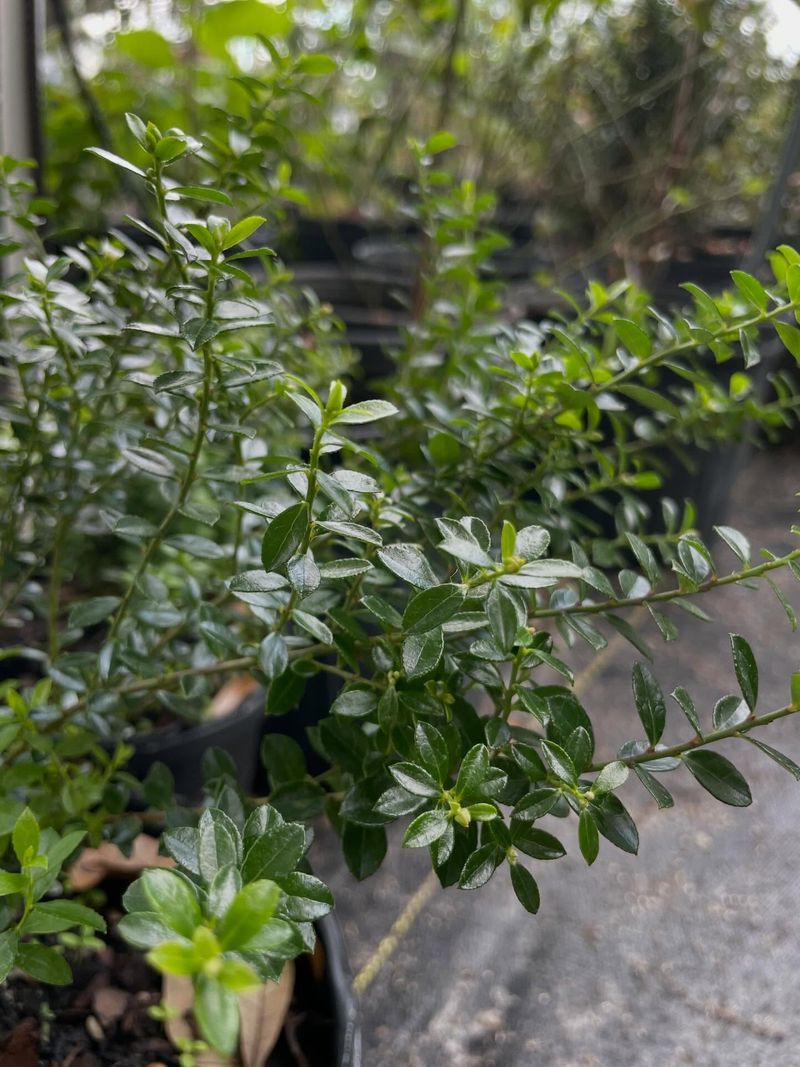
South Florida offers the most flexibility, but the best pruning window still falls in late winter, typically February, when growth slows slightly and before the plant enters its vigorous spring flush.
Your Firebush may never fully stop growing in South Florida’s warm climate, but pruning in February allows you to shape the plant without sacrificing much flowering time.
By March, new growth will be surging, and by April, blooms will cover every stem.
Heavy summer pruning in June or July can stress tender new shoots when combined with drought or poor irrigation, even though warm temperatures normally promote fast growth. Light trimming for shape is fine year-round, but save major pruning for late winter when conditions are milder and the plant can recover without heat-related stress.
South Florida gardeners who prune in February enjoy nearly year-round blooms, with only a brief slowdown during the coolest weeks of winter. Your Firebush will reward proper timing with continuous color and a steady stream of hummingbirds and butterflies visiting your yard throughout the year.
How Hard You Should Prune Firebush (And How Much Is Too Much)
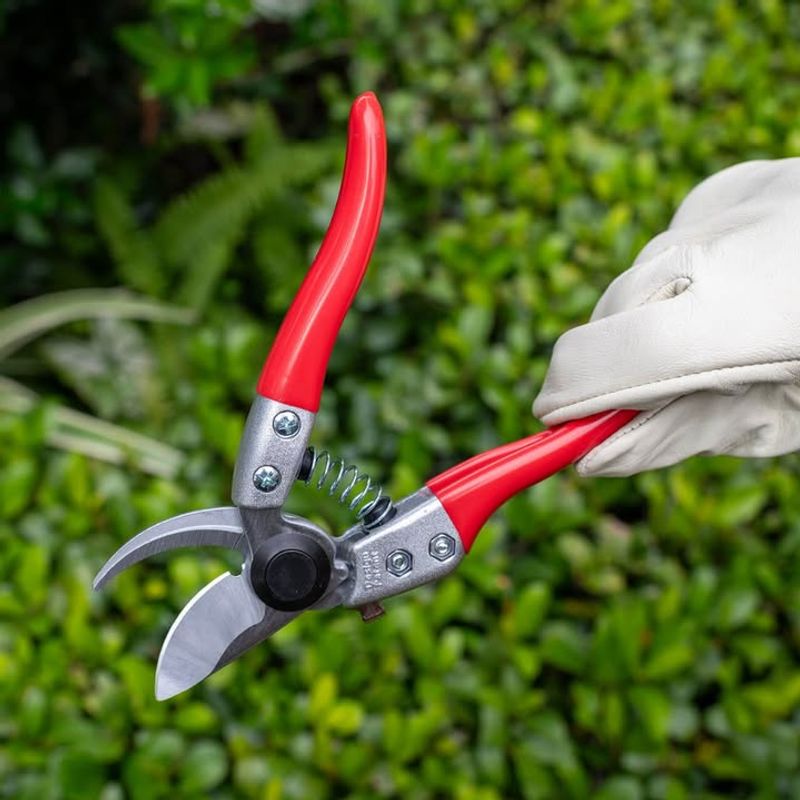
Firebush responds best to selective pruning instead of aggressive cutting. Removing about one-third of the plant’s height at a time encourages fuller growth and stronger branching without shocking the shrub.
When gardeners cut Firebush down too hard, the plant shifts its energy into rebuilding structure instead of producing flowers. While Firebush is resilient and usually survives heavy pruning, bloom recovery takes much longer and the plant often looks sparse for weeks or months afterward.
For routine maintenance, focus on shaping rather than shearing. Remove long, leggy stems, thin crowded interior branches, and cut back uneven growth to maintain a natural form.
This approach keeps the shrub dense while preserving enough growth to support steady flowering.
If your Firebush has become overgrown or woody, rejuvenation pruning can be done in late winter. Just understand that heavy renovation cuts come with a tradeoff: fewer flowers early in the season and a longer rebuilding phase before full blooming returns.
Proper pruning intensity works hand in hand with timing. Even when you prune at the perfect season, cutting too much at once can still reduce flowering and slow recovery.
How To Tell When Your Firebush Is Ready To Be Pruned
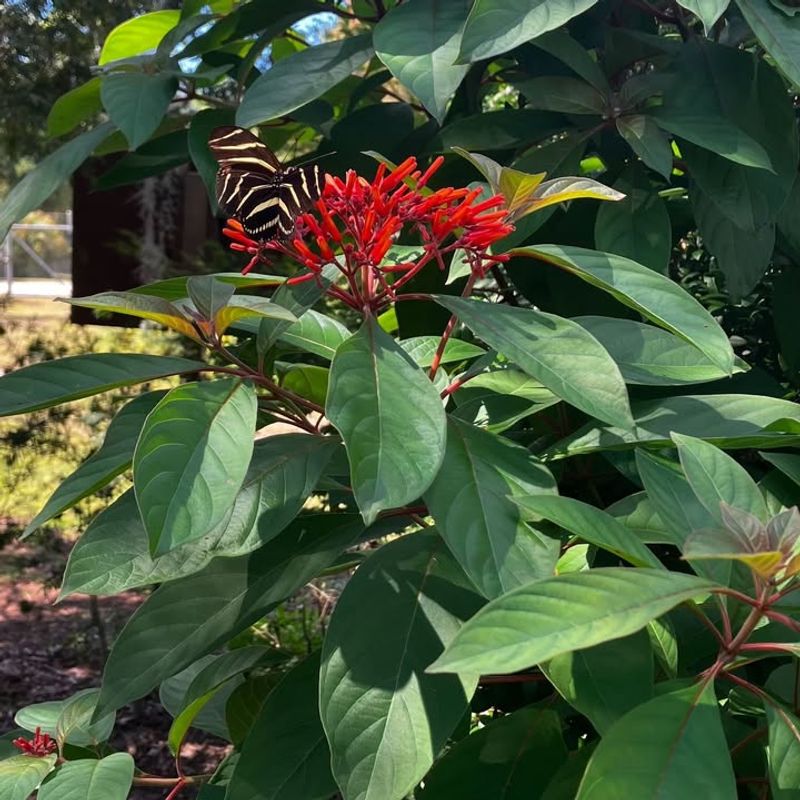
Your Firebush provides clear visual cues that it’s ready for pruning, and paying attention to these signals is often more reliable than following calendar dates alone.
In late winter or early spring, watch for new leaf buds swelling along stems and small green shoots beginning to emerge at branch tips. These signs indicate the plant is waking up from its slow season and preparing to enter active growth.
Once you see this early growth, pruning becomes far less stressful for the plant. Fresh cuts heal faster, regrowth begins quickly, and flowering returns sooner compared to pruning during cooler or dormant periods.
In North Florida, these signals usually appear in late February or early March. Central and South Florida may see this transition earlier depending on winter temperatures and seasonal weather patterns.
Letting your Firebush guide your pruning timing helps you avoid unnecessary delays in flowering and ensures the plant has the best possible conditions to recover and thrive.