Best Time To Replace Mulch In Florida Gardens
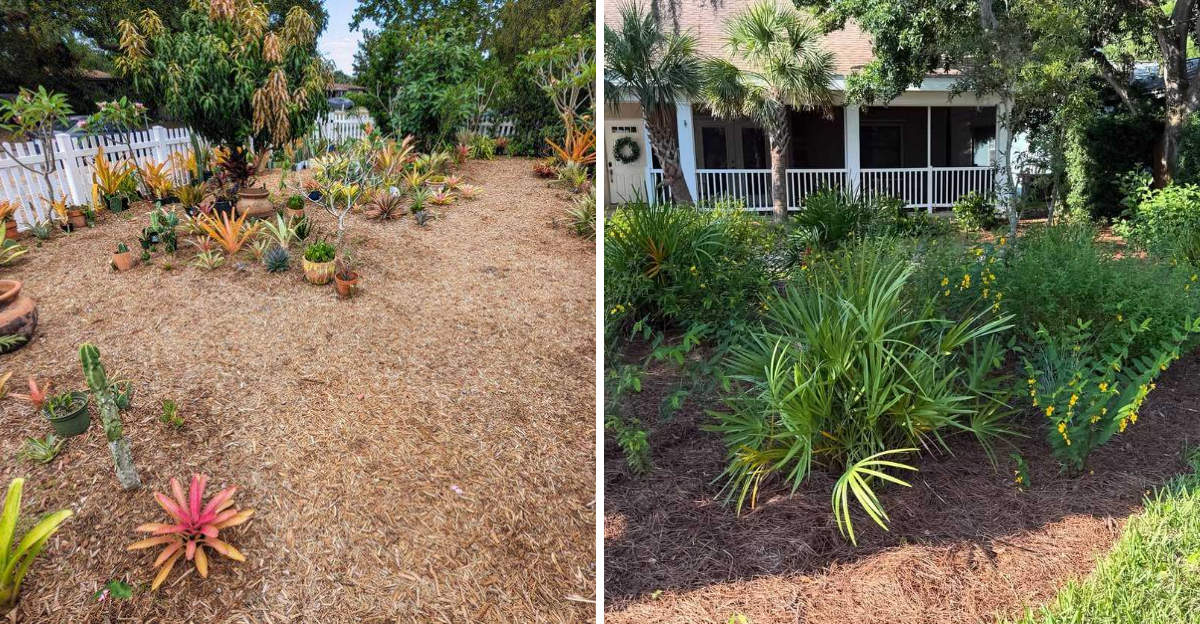
Florida heat is quietly destroying your mulch faster than you think. What looks fine on the surface may already be failing underneath, leaving plant roots exposed, moisture evaporating, and weeds ready to take over.
Many homeowners don’t realize their mulch has “expired” until plants start wilting, flower beds fade, and watering costs climb. The problem isn’t just weather.
It’s timing. Replace mulch too late and your landscape struggles all summer.
Replace it at the wrong time and heavy rains wash your money away. Pile it too deep and you can actually suffocate roots instead of protecting them.
There is a sweet spot that keeps beds cooler, soil healthier, and plants thriving even through Florida’s toughest seasons. Knowing when and how to refresh mulch can save time, money, and frustration while keeping your yard looking professionally maintained year-round.
1. Why Mulch Replacement Matters In Florida’s Climate
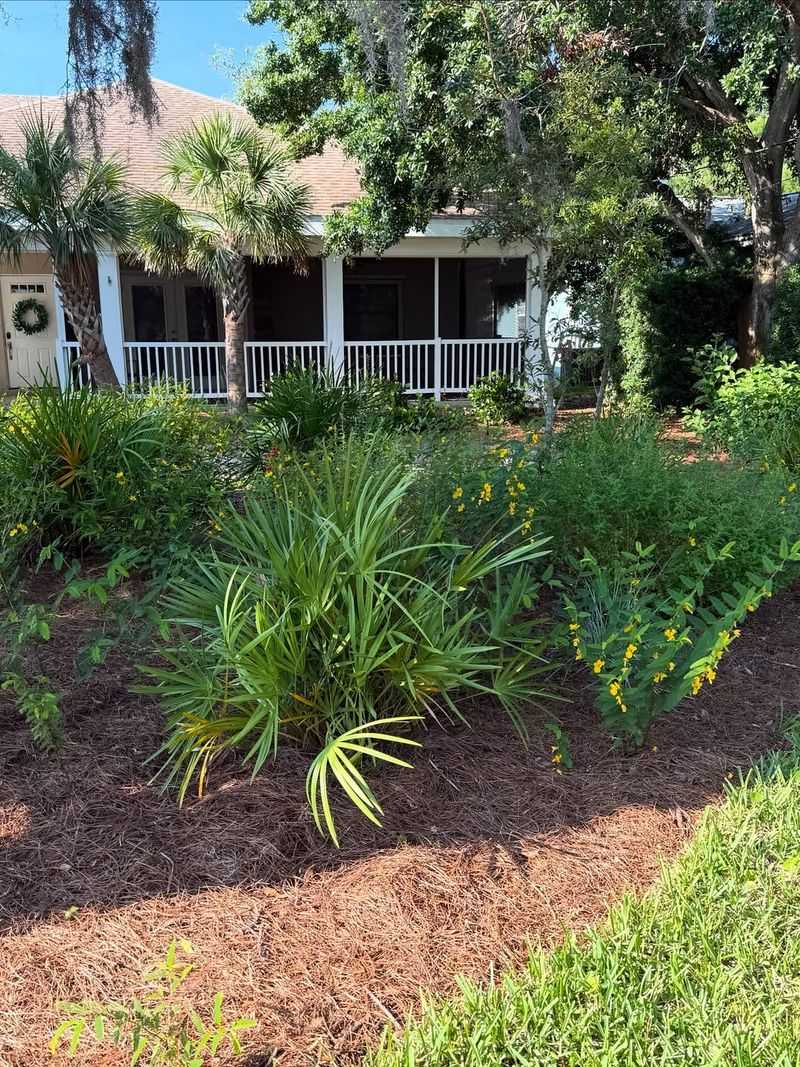
Florida’s weather is tough on mulch in ways gardeners up north never experience. Your mulch faces relentless ultraviolet rays that bleach and break down organic materials at an accelerated pace compared to cooler regions.
Summer temperatures regularly climb into the nineties, causing wood-based mulches to dry out and decompose quickly.
Heavy afternoon thunderstorms wash away lighter mulch particles and compact what remains into dense mats that block water instead of helping it soak through. High humidity creates the perfect environment for fungi and bacteria that speed up decomposition, turning fresh cypress or pine bark into compost much faster than you planned.
This rapid breakdown means your mulch stops doing its main jobs of insulating roots and conserving soil moisture.
When mulch gets too thin or compacted, weeds find their opening and pop up everywhere, forcing you to spend more time pulling instead of enjoying your garden. Most Florida soils also tend to be sandy and low in organic matter, so replenishing mulch regularly adds valuable nutrients as it breaks down.
Your plants depend on that steady layer of protection to buffer temperature swings and maintain consistent moisture levels.
Without proper mulch replacement, you’ll notice plants showing stress during hot spells and root zones drying out faster between waterings. Keeping mulch fresh isn’t just about looks; it’s essential maintenance that directly impacts plant health and your water bill throughout our long growing season.
2. How Often Florida Gardens Need Fresh Mulch
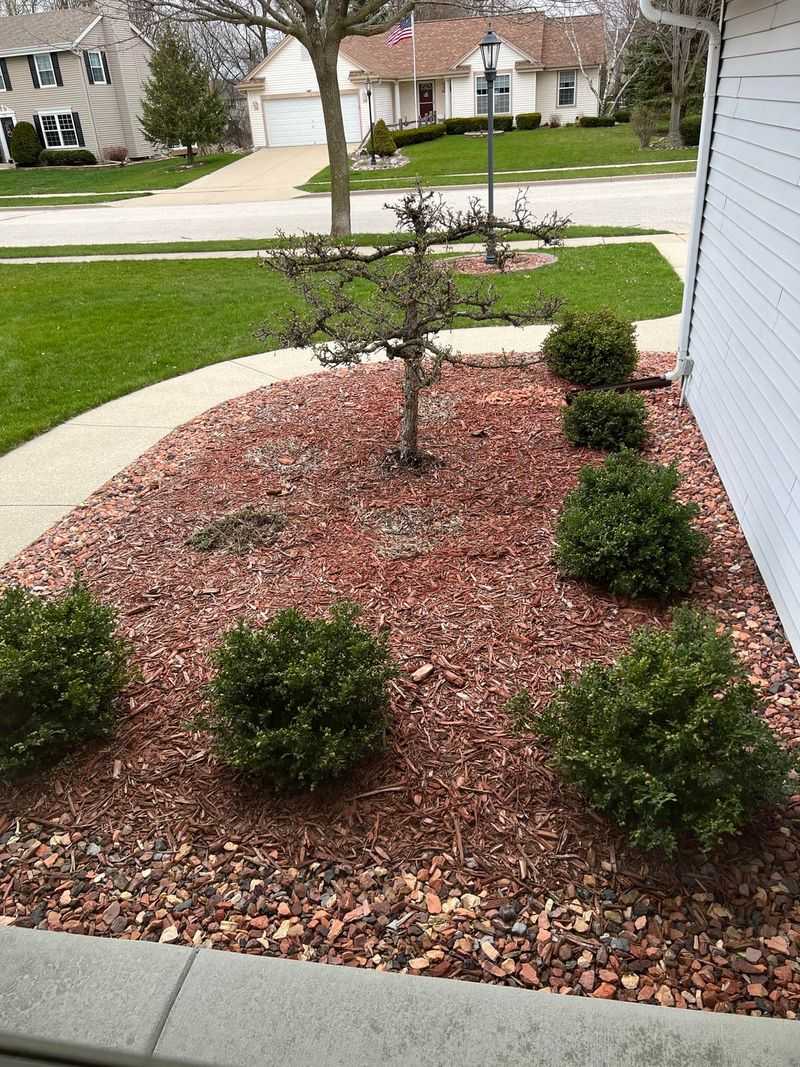
Most Florida gardens benefit from a complete mulch refresh once a year, though some situations call for checking and topping off more frequently. If you’re using pine bark or hardwood mulch, plan on evaluating your beds every six months since these materials decompose relatively quickly in our climate.
Cypress mulch tends to last a bit longer, sometimes lasting 12 to 18 months depending on sun exposure, rainfall, and bed conditions.
Your specific replacement schedule depends heavily on sun exposure, with beds in full sun breaking down mulch about twice as fast as shaded areas under tree canopies or along north-facing walls. Slopes and areas with heavy water runoff may need attention every four to six months because storms wash mulch downhill, leaving bare spots that expose roots and invite weeds.
Areas around sprinkler heads also thin out faster from constant water movement.
Rather than following a rigid calendar, walk through your garden and look at mulch depth and condition. If you can easily see soil through the mulch layer or the color has faded to light gray, it’s time to refresh.
When mulch starts looking more like dirt than wood chips, decomposition is well underway.
Professional landscapers working in Florida typically recommend adding fresh mulch in early spring and checking again in fall, with spot treatments as needed during summer. This twice-yearly inspection approach helps you catch problems before they affect plant health and keeps your landscape looking polished throughout the year.
3. Best Seasons To Replace Mulch In Florida
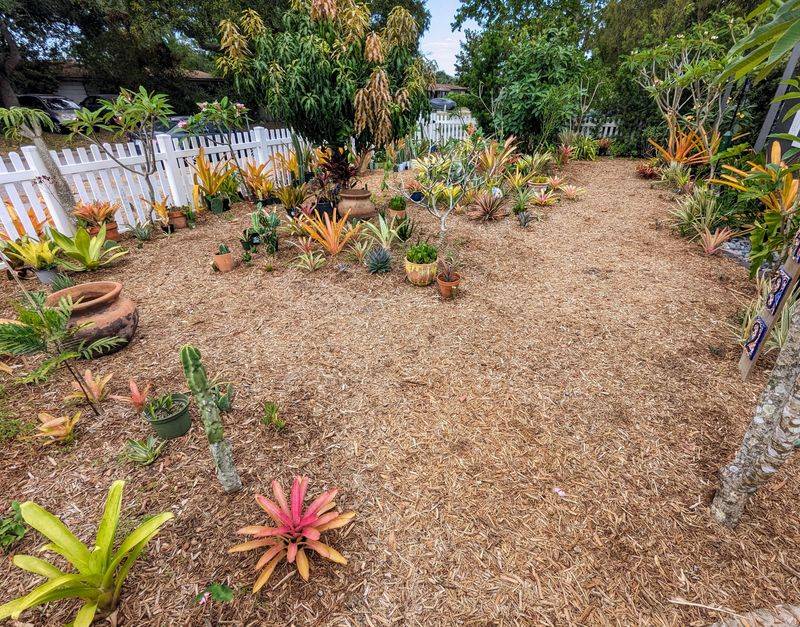
Early spring stands out as the ideal time to refresh mulch across most of Florida, typically from late February through March before temperatures climb and plants enter their most active growth phase. This timing gives your garden beds fresh protection right when plants need it most, heading into the hot season.
You’ll want to complete mulching before summer’s intense heat arrives, so roots stay cool and moisture stays put.
Fall offers another excellent window for mulch replacement, particularly from October through November after summer rains taper off and before winter visitors arrive if you’re in South Florida. Replacing mulch in fall helps protect plant roots through occasional winter cold snaps and keeps beds looking tidy during the cooler months when you’re spending more time outdoors.
This timing also means less physical strain since you’re working in comfortable temperatures instead of summer’s oppressive heat.
Avoid mulching during the peak of summer when afternoon thunderstorms make it difficult to keep materials dry and in place. Winter mulching works fine in North and Central Florida but can be less critical in South Florida where temperatures rarely threaten plants.
Many gardeners find splitting the task works well, doing a thorough spring refresh and then topping off lightly in fall.
The key is working when soil is moist but not waterlogged, making it easier to spread mulch evenly and ensuring good contact with the ground for moisture retention and weed suppression throughout the coming months.
4. Signs Your Mulch Needs To Be Replaced
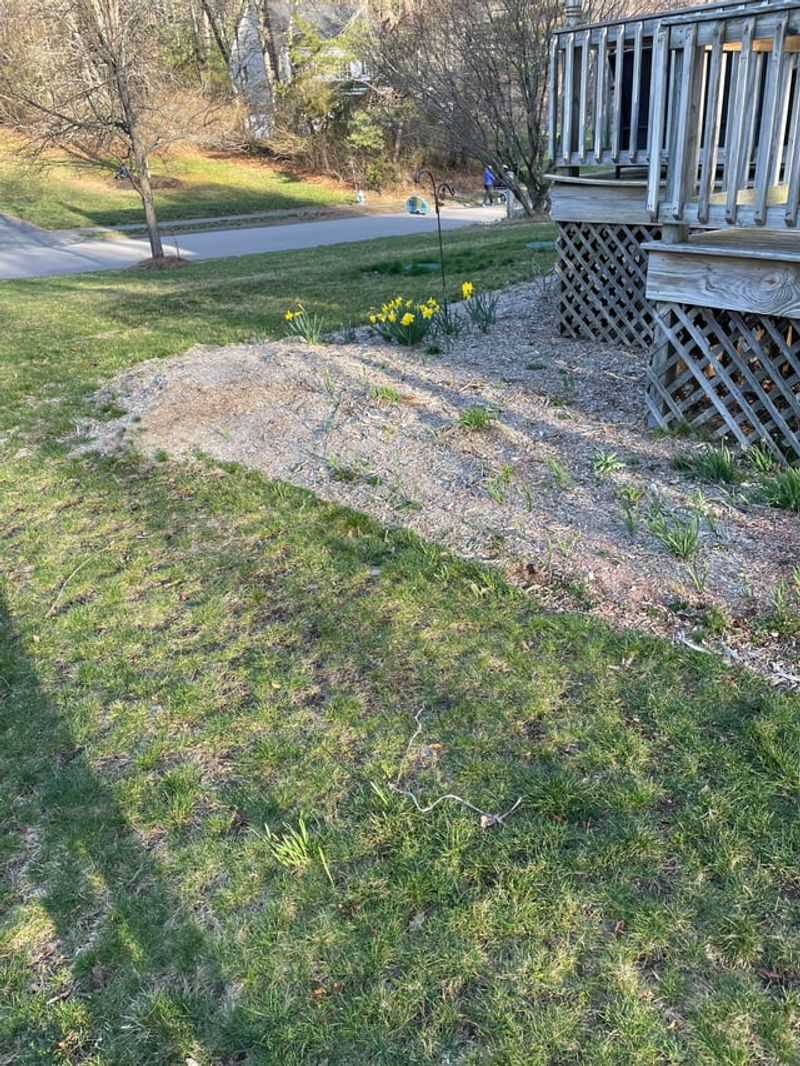
Color change is often the first visible sign that mulch has lost its effectiveness, with rich browns fading to dull gray or silver as sun exposure breaks down the wood fibers. When mulch starts looking bleached or weathered, it’s no longer providing the same insulation and moisture retention your plants need.
You’ll also notice the texture changing from chunky pieces to fine particles that resemble soil more than wood.
Thin spots where you can see bare soil poking through mean mulch has either decomposed, washed away, or been kicked aside by foot traffic and critters. These gaps allow weeds to germinate easily and expose roots to temperature extremes.
Compacted mulch that forms a hard crust rather than a loose layer prevents water from penetrating down to roots, defeating the whole purpose of mulching in the first place.
Fungal growth, including mushrooms or white threadlike mycelium spreading through the mulch, indicates active decomposition and consistently moist conditions. While some fungal activity is normal and even beneficial, extensive growth suggests the mulch has broken down significantly.
Unpleasant sour smells coming from mulch beds point to anaerobic decomposition, often from mulch piled too deeply or staying too wet.
Watch for increased weed pressure in your beds, which happens when mulch gets too thin to block light from reaching weed seeds. If you’re suddenly pulling weeds every week instead of monthly, your mulch layer needs attention and probably replacement.
5. What Type Of Mulch Works Best In Florida Gardens
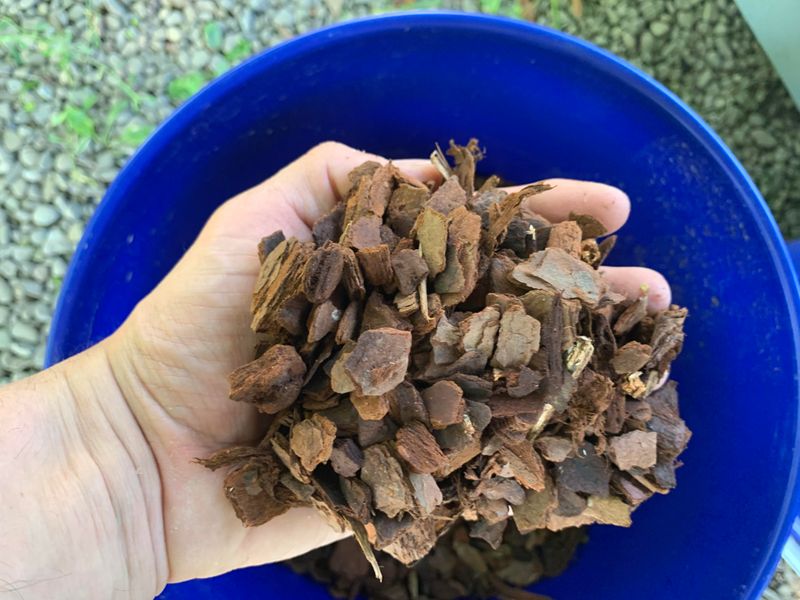
Pine bark mulch ranks among the most popular choices for Florida gardens because it resists compaction, allows water to penetrate easily, and breaks down at a moderate pace while adding organic matter to sandy soils. You’ll find it available in nugget form for longer-lasting coverage or shredded for a finer texture that stays in place better on slopes.
The reddish-brown color looks natural and doesn’t fade as quickly as some alternatives.
Cypress mulch was traditionally favored in Florida, but environmental concerns about wetland harvesting have made sustainably sourced eucalyptus a better choice for similar benefits. Eucalyptus mulch breaks down slowly and is less attractive to some insects than softer woods, making it cost-effective despite a higher initial price.
Melaleuca mulch offers another sustainable option that performs well in our climate and helps control an invasive tree species.
Avoid rubber mulch and dyed mulches in vegetable gardens or around edibles since chemicals can leach into soil. Pine straw works beautifully around acid-loving plants like azaleas and blueberries, though it requires more frequent replacement than wood-based options.
University of Florida research shows that organic mulches outperform inorganic options for improving soil health over time.
For vegetable gardens, choose untreated hardwood mulch or compost that adds nutrients as it breaks down quickly. Whatever type you select, make sure it’s aged properly and doesn’t have that fresh-cut ammonia smell that can harm tender plants when applied too soon after processing.
6. How Much Mulch To Apply For Maximum Benefit
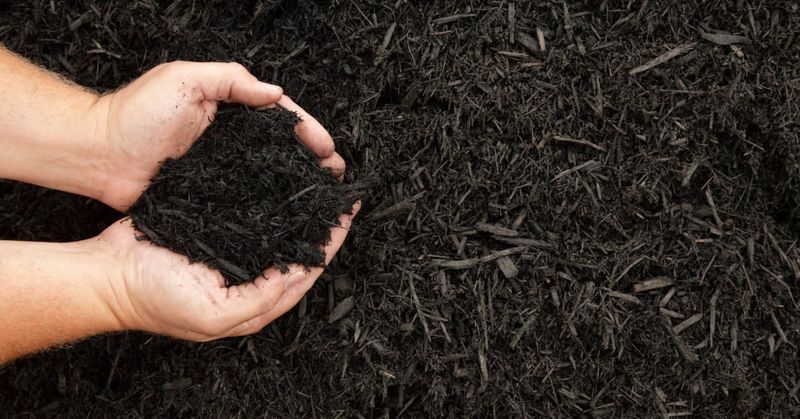
The magic number for mulch depth in Florida gardens is two to three inches measured from the soil surface, which provides adequate insulation and weed suppression without creating problems. This depth allows water to penetrate easily while blocking enough light to prevent most weed seeds from sprouting.
Measuring before you spread helps ensure you’re applying the right amount rather than guessing and potentially overdoing it.
Going deeper than four inches causes more problems than it solves, creating conditions where mulch stays too wet and begins decomposing anaerobically, producing that sour smell and potentially harboring pests. Thick mulch layers also prevent oxygen from reaching plant roots and beneficial soil organisms.
Around trees, never pile mulch against the trunk in a volcano shape, which traps moisture against bark and invites rot, insects, and disease.
Leave a three to six inch gap between mulch and tree trunks or plant stems to allow air circulation and prevent moisture buildup. For shrubs and perennials, pull mulch back slightly from the crown where stems emerge from soil.
Calculate your mulch needs by measuring bed square footage and using online calculators to determine cubic yards needed for your desired depth.
One cubic yard typically covers about one hundred square feet at three inches deep. Buying in bulk from landscape suppliers often costs less than bagged mulch for larger areas, though bags work fine for small gardens and make measuring easier for precise applications.
7. Common Mulching Mistakes Florida Gardeners Make
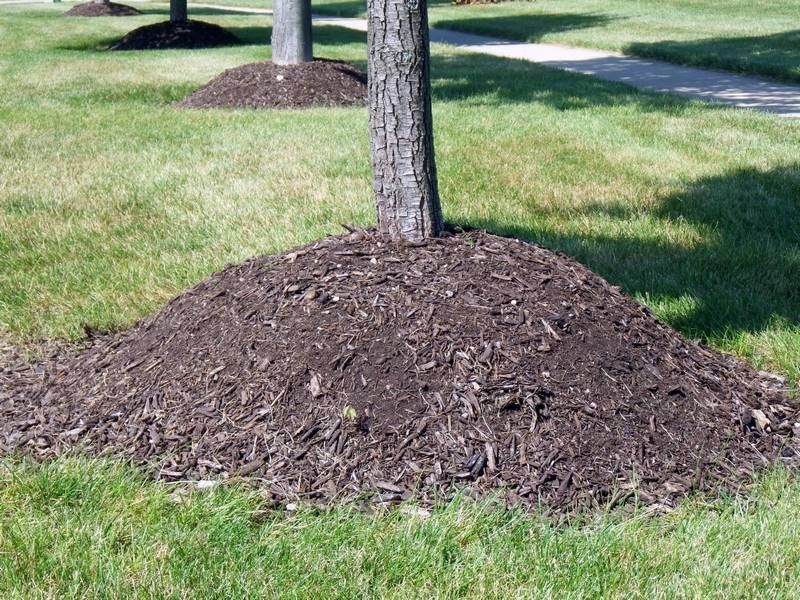
Piling mulch too deep ranks as the number one mistake, with well-meaning gardeners thinking more is better when it actually suffocates roots and creates pest habitat. Another frequent error is placing fresh mulch directly against plant stems and tree trunks, creating a pathway for diseases and insects to attack vulnerable bark.
You’ll see this volcano mulching around trees throughout Florida despite extension agents warning against it for decades.
Using the wrong mulch type for specific plants causes problems too, like applying alkaline shells around acid-loving plants or using fresh wood chips that pull nitrogen from soil as they decompose. Many gardeners also make the mistake of not removing old, compacted mulch before adding new layers, which eventually creates an impenetrable barrier that sheds water instead of absorbing it.
Fluffing or removing decomposed material before refreshing makes a huge difference.
Applying mulch to dry soil is another common oversight. Always water thoroughly before mulching so you’re locking moisture in rather than keeping it out.
Some folks spread mulch right up to lawn edges without any barrier, leading to constant mixing of grass and mulch that looks messy and makes maintenance frustrating.
Installing landscape fabric under mulch might seem smart, but it prevents organic matter from enriching your soil and eventually surfaces as an ugly mess when mulch washes away. Skip the fabric and rely on proper mulch depth for weed control instead.
8. Tips To Make Mulch Last Longer In Florida Heat
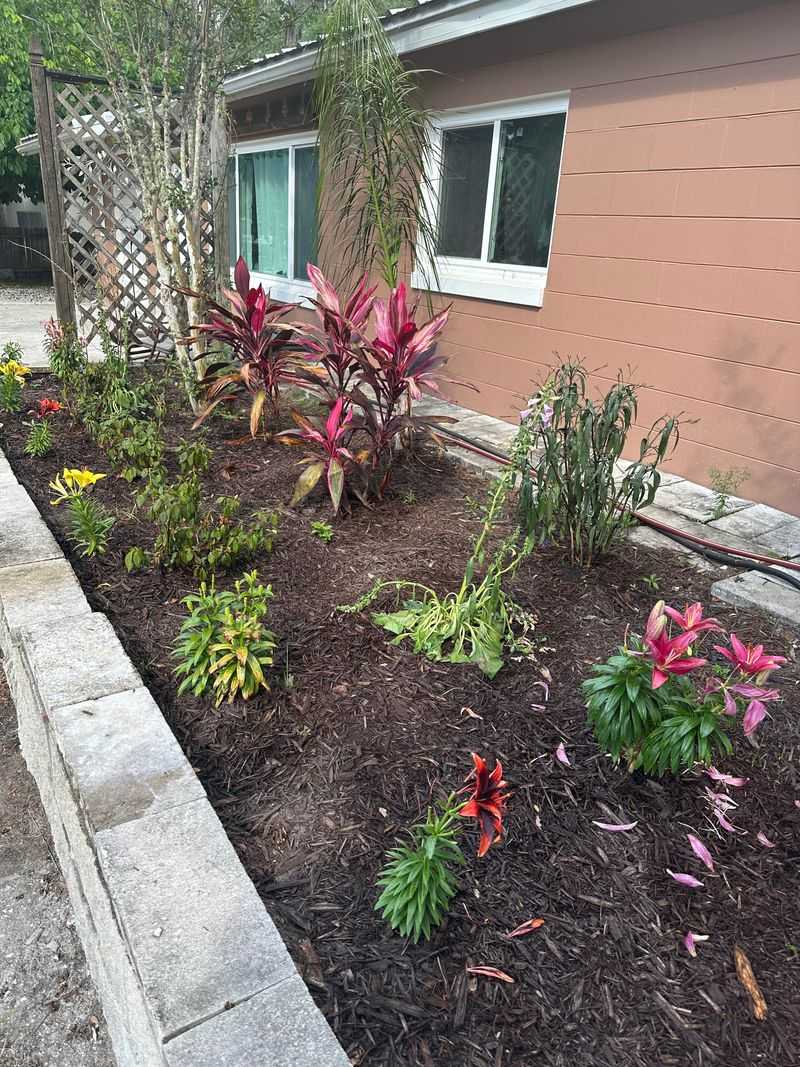
Choosing larger mulch pieces extends longevity significantly since chunky nuggets break down slower than finely shredded material and resist washing away during heavy rains. Coarser mulch also allows better air and water movement, reducing the anaerobic conditions that speed decomposition.
Applying mulch at the right time of year helps too, with spring and fall applications lasting longer than summer mulching that immediately faces peak heat and rainfall.
Installing edging around beds keeps mulch contained and prevents it from migrating into lawn areas or washing onto walkways during storms. Simple plastic edging or natural stone borders make a big difference in maintaining clean lines and preserving your investment.
Avoid over-watering mulched areas since excess moisture accelerates breakdown; let sprinklers run long enough to soak deep but infrequently rather than light daily watering.
Fluffing mulch with a rake every few months prevents compaction and helps it maintain its insulating properties while exposing different surfaces to air and sun. This simple maintenance task can add months to mulch life.
Top-dressing with a thin layer of fresh mulch once or twice a year rather than completely replacing everything saves money while keeping beds looking fresh.
Choose naturally decay-resistant mulch types like eucalyptus or cypress when longevity matters more than cost. Finally, maintain proper depth from the start, since thin applications disappear quickly while proper coverage protects itself from rapid breakdown by maintaining cooler, more stable conditions underneath.