9 Easy Texas Perennials That Come Back Without Effort
Some plants make gardening in Texas feel like a full-time job. You keep watering, adjusting, and hoping they make it through the heat.
Then there are the ones that seem to handle everything on their own. They settle in, grow strong, and come back year after year without much help. That kind of reliability is exactly what many Texas gardeners are after.
Perennials that return on their own can take a lot of pressure off your routine. Instead of replanting every season, you get steady color and life with far less effort.
In a climate known for heat and dry spells, that is a big advantage. The best ones are not just tough, they actually thrive.
If you want a yard that looks good without constant work, these easy Texas perennials make it possible.
1. Lantana (Lantana Urticoides / Hybrids)
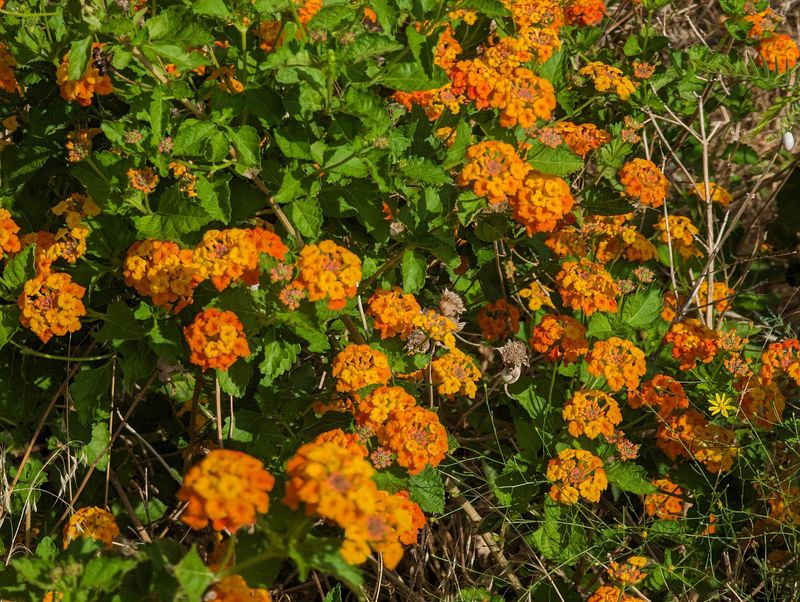
If there is one plant that laughs in the face of a Texas summer, it is Lantana. This tough, colorful perennial blooms nonstop from spring all the way through fall, filling your garden with clusters of tiny flowers in shades of orange, red, yellow, pink, and purple.
Butterflies absolutely love it, so expect your yard to become a little pollinator paradise. Lantana is incredibly heat-tolerant and handles drought like a champion. Once it gets settled into your garden, it needs very little water and almost no fertilizer.
It grows best in full sun and well-drained soil, which makes it a natural fit for gardens across Texas. Even in the intense summer heat of cities like Houston or San Antonio, Lantana keeps on blooming without missing a beat.
Come spring, after a mild Texas winter, Lantana pushes back up from its roots with fresh new growth. You can cut it back in late winter to encourage strong, bushy growth.
It spreads nicely over time, filling in bare spots with color. For gardeners who want maximum impact with minimum effort, Lantana is hard to beat anywhere in the Lone Star State.
2. Salvia (Autumn Sage / Salvia Greggii)
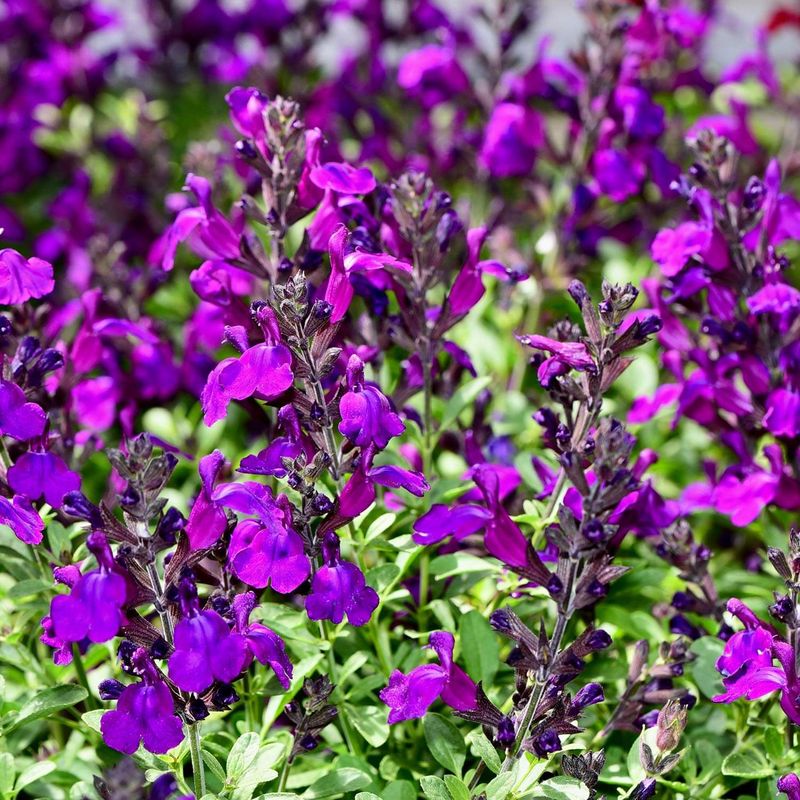
Autumn Sage, also called Salvia greggii, is one of those plants that earns its keep every single season. Native to the rocky hillsides of West Texas and northern Mexico, this tough little shrub knows exactly how to handle poor soil, intense heat, and stretches of dry weather.
Its tubular flowers come in red, pink, coral, and white, and they attract hummingbirds like nothing else.
What makes Autumn Sage so special is how long it blooms. It starts flowering in spring, takes a small break during the hottest part of summer, and then bounces back with a strong second show in fall.
That fall bloom is often even better than the spring one, filling your Texas garden with color just when most other plants are fading out.
Growing Salvia greggii is straightforward. Plant it in a sunny spot with well-drained soil and give it some water while it gets established.
After that, it is largely on its own. Pruning it back lightly after each bloom cycle keeps it looking tidy and encourages more flowers.
Your Texas Garden Changes Every Week. Your Plan Should Too.
Gardening in Texas changes quickly throughout the season. Every Friday you’ll receive a simple weekly plan showing exactly what to plant, prune, fertilize, harvest, and protect so you never miss the right timing.
Year after year, this reliable native perennial returns and rewards you with beautiful blooms and a garden full of life.
3. Blackfoot Daisy (Melampodium Leucanthum)
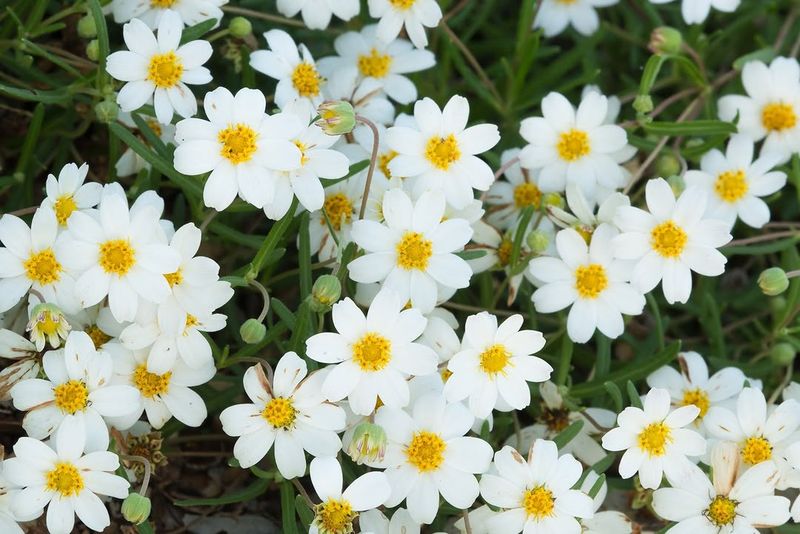
Picture a plant so cheerful it blooms almost year-round in Texas, even in rocky, dry soil where most plants struggle. That is exactly what Blackfoot Daisy does.
Its small white flowers with bright yellow centers pop up from spring through fall, and sometimes even into early winter during mild years. The name comes from the dark base found on each tiny flower petal.
Blackfoot Daisy is a native Texas wildflower that thrives in the Hill Country, West Texas, and across the central part of the state. It loves full sun and grows best in lean, rocky, or sandy soils with excellent drainage.
Rich, heavy soils can actually cause problems, so skip the extra compost and let this plant grow the way nature intended.
One of the best things about Blackfoot Daisy is how little maintenance it needs. Water it occasionally when it is young, and once established, rainfall is usually enough to keep it going.
It stays low to the ground, rarely growing taller than 12 inches, making it a great choice for borders, rock gardens, or slopes. It also reseeds naturally, meaning new plants pop up nearby without any extra work from you. Truly a no-fuss Texas garden gem.
4. Coneflower (Echinacea Purpurea)
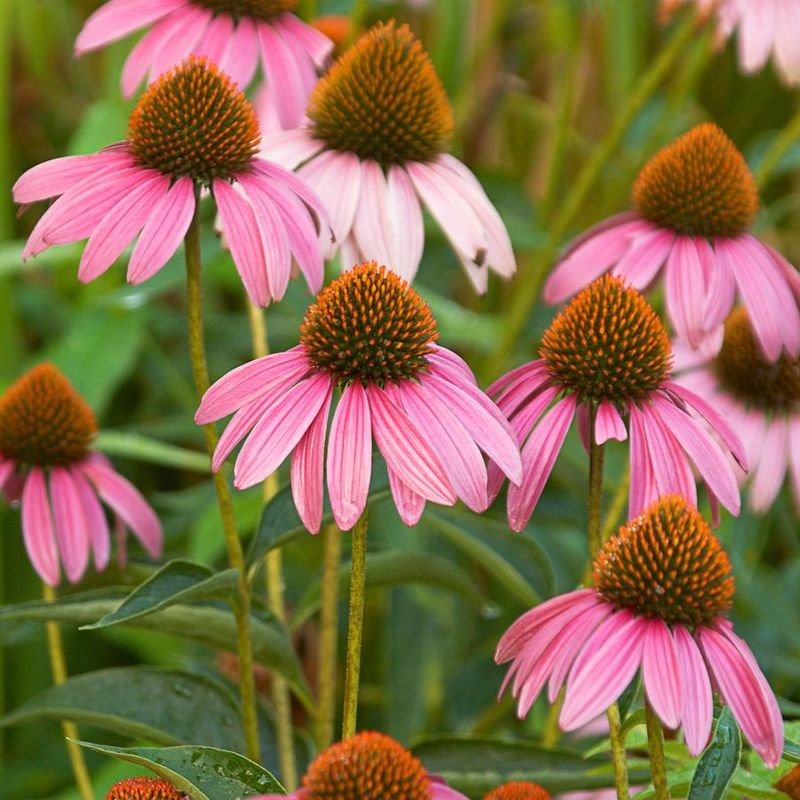
Few plants bring as much joy to a Texas garden as Purple Coneflower. Its large, daisy-like blooms feature drooping purple-pink petals surrounding a bold, spiky orange-brown center that looks almost like a tiny hedgehog.
Bees, butterflies, and goldfinches are drawn to it throughout the season, turning your garden into a lively, buzzing scene from early summer through fall.
Echinacea purpurea handles Texas heat surprisingly well once it gets settled in. It prefers full sun but can tolerate a bit of afternoon shade, especially in the hotter parts of the state.
Well-drained soil is important, but it is not picky about soil quality. In fact, overly rich soil can cause it to grow too tall and flop over, so a leaner soil mix works just fine.
Here is a tip many gardeners appreciate: leave the seed heads standing through winter. Birds love pecking at them, and it adds visual interest to your garden during the cooler months.
Come spring, Coneflower returns reliably from its roots, and over time it slowly spreads into larger clumps. You can divide these clumps every few years to create even more plants. For Texas gardeners wanting pollinators and easy color, Coneflower checks every box.
5. Coreopsis (Coreopsis Lanceolata And Others)
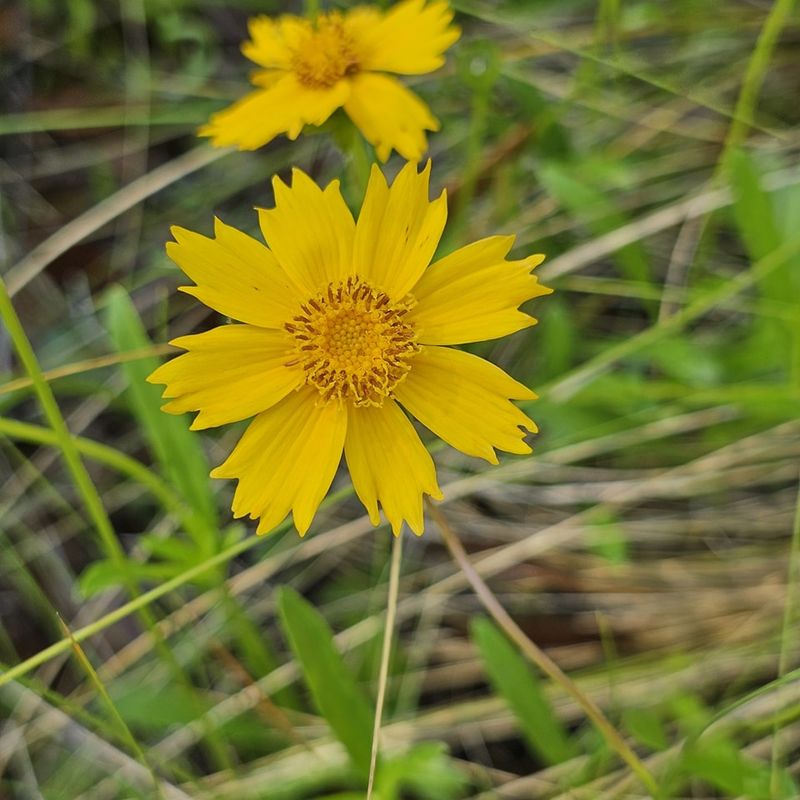
Sunny, cheerful, and almost impossible to mess up, Coreopsis is one of the most beginner-friendly perennials you can grow in Texas. Its bright yellow flowers bloom heavily in spring and early summer, with lighter blooming continuing through the warmer months.
The flowers look like little golden suns scattered across your garden, and they bring a warm, happy energy to any landscape.
Coreopsis lanceolata and its close relatives thrive in full sun and tolerate poor, dry soil very well. In fact, too much water or overly rich soil can actually shorten the life of the plant.
Texas gardens with sandy or rocky ground are ideal, and the plant does especially well in areas with good drainage. It is well-suited to gardens across central, north, and west Texas.
One of the coolest things about Coreopsis is that it often reseeds itself naturally. New seedlings pop up around the parent plant, slowly filling in your garden with more and more yellow blooms over the years.
You can also deadhead spent flowers to encourage a longer bloom period. Whether you are a first-time gardener or a seasoned pro, Coreopsis rewards you generously with color and cheerfulness for very little effort on your part.
6. Turk’s Cap (Malvaviscus Arboreus Var. Drummondii)
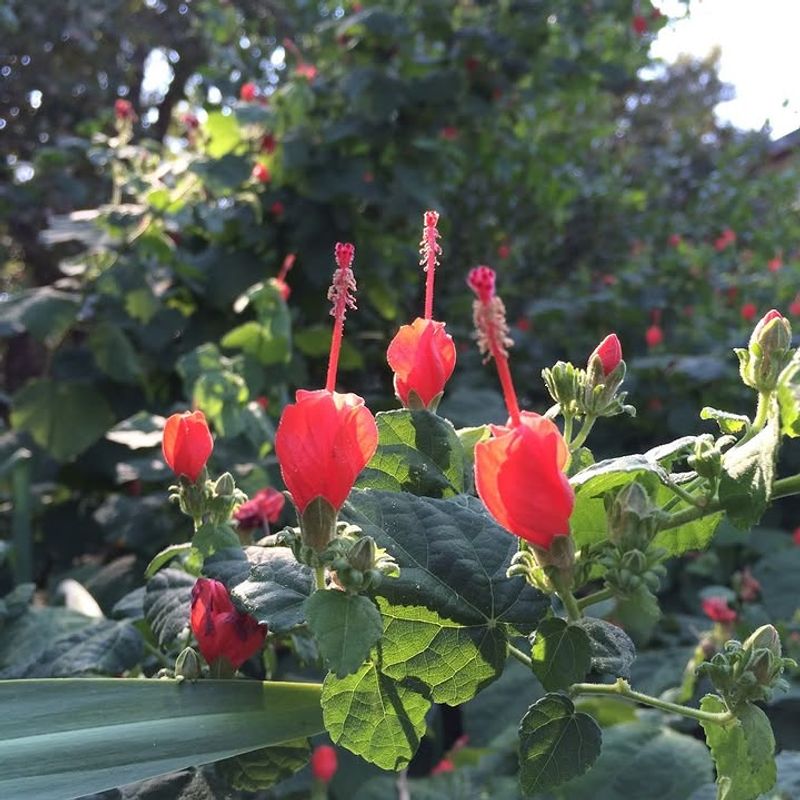
Most sun-loving plants throw a fit when placed in shade, but Turk’s Cap actually prefers it. This tough Texas native thrives in part shade to full shade, making it one of the best options for those tricky spots under trees or along north-facing fences where other plants refuse to grow.
Its bright red, twisted flowers look like tiny hibiscus blooms that never fully open, which is what gives it such a distinctive, quirky look.
Hummingbirds are obsessed with Turk’s Cap. The tubular shape of the flower is perfectly designed for them, and if you plant this perennial in your Texas garden, you will likely have regular hummingbird visitors from spring through fall.
Butterflies and bees visit frequently too, making it a powerhouse for pollinators in shaded spots that typically get overlooked.
Turk’s Cap is incredibly low-maintenance once established. It handles Texas heat and drought without much fuss, even in the shade.
It can grow quite large, sometimes reaching 6 feet tall and wide, so give it some space. Cut it back hard in late winter and it returns with fresh, vigorous growth every spring.
For shady Texas gardens that need reliable color and wildlife appeal, Turk’s Cap is an outstanding choice that rarely disappoints.
7. Gregg’s Mistflower (Conoclinium Greggii)
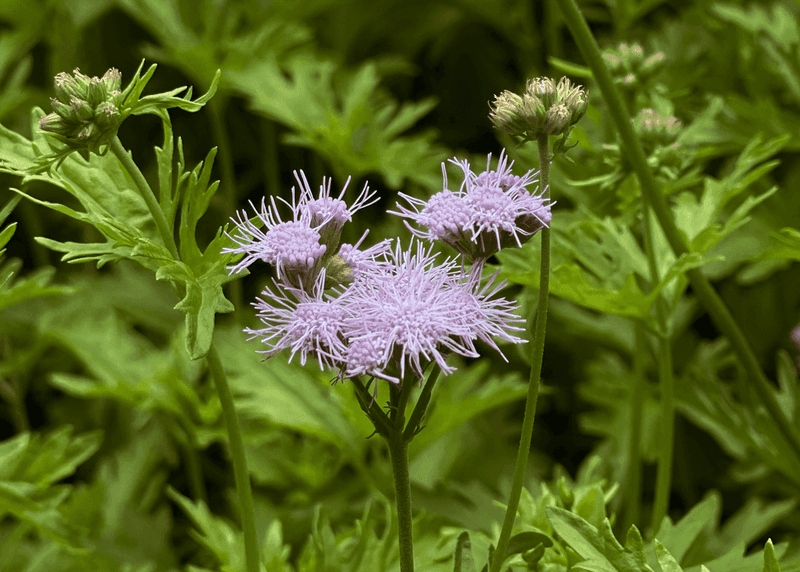
Walk past Gregg’s Mistflower in October and you will likely stop in your tracks. This native Texas perennial explodes into soft, fluffy clouds of blue-purple blooms in fall, right when most other plants in the garden are winding down.
It is like a surprise gift at the end of the growing season, and pollinators absolutely cannot resist it. Monarch butterflies passing through Texas during their fall migration are especially drawn to it.
Gregg’s Mistflower spreads easily by underground runners, which means it fills in an area quickly and creates a lush, full look with minimal effort. It works well as a ground cover in sunny to partly shaded spots and does best in well-drained soil.
Once established in a Texas garden, it needs very little supplemental watering, making it a smart choice for water-conscious gardeners.
Because it spreads readily, some gardeners choose to plant it in contained areas or raised beds to keep it from taking over neighboring plants. But in a naturalized garden or along a fence line, that spreading habit is actually a big bonus.
It comes back reliably each spring from its root system and is a fantastic way to add late-season color and attract migrating pollinators to your Texas yard without any extra effort.
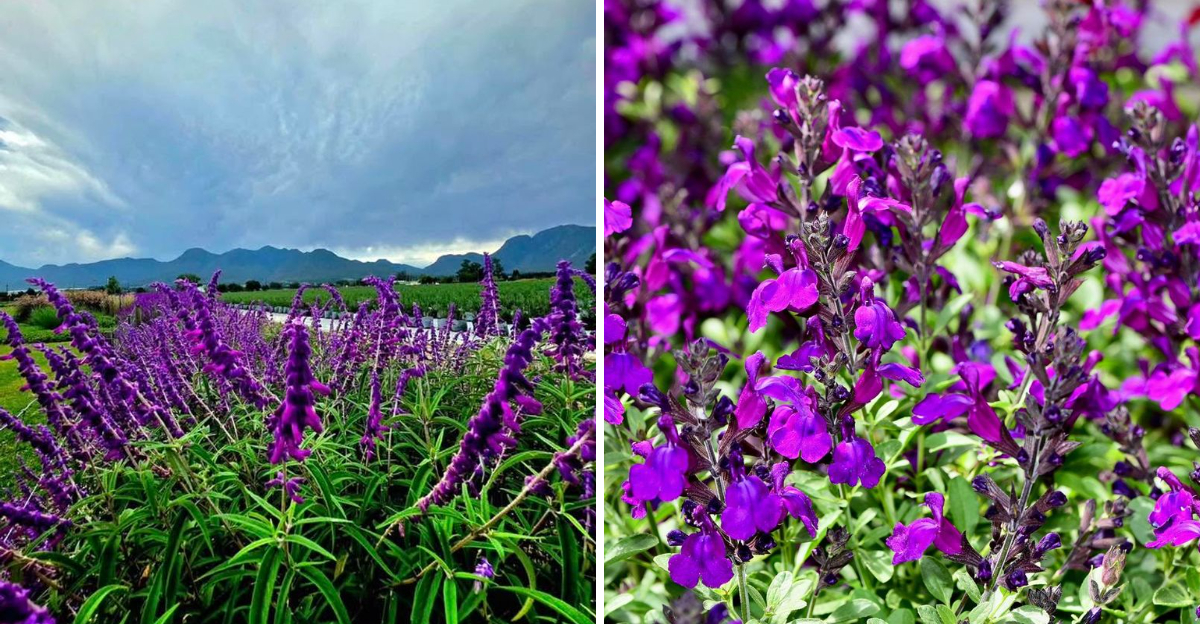
8. Mexican Bush Sage (Salvia Leucantha)
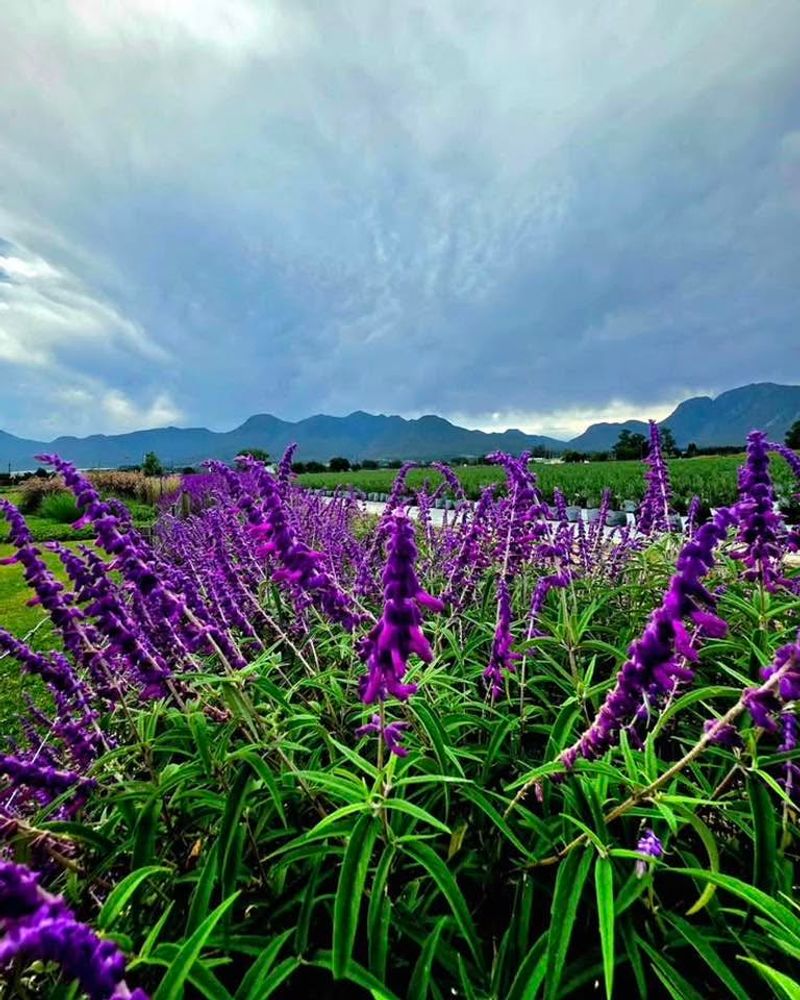
When fall rolls around in Texas and temperatures finally start to drop, Mexican Bush Sage puts on one of the most dramatic shows in the garden. Its long, arching stems are covered in velvety purple and white flower spikes that sway gently in the breeze.
The soft, fuzzy texture of the blooms is unlike almost anything else you can grow, and it creates a stunning visual display that lasts well into autumn.
Salvia leucantha is built for Texas conditions. It handles intense summer heat and extended dry spells with ease once it is settled into the garden.
Plant it in full sun with well-drained soil, give it some water during the first growing season, and then step back. It grows into a large, shrubby mound that can reach 4 to 5 feet tall, so it works well as a backdrop plant or along a fence.
One small note: Mexican Bush Sage blooms on new growth, so cut it back to about 12 inches in late winter or early spring. This keeps the plant tidy and ensures a full, bushy shape with maximum blooms come fall.
Hummingbirds and bees love the flowers. For Texas gardeners who want a bold, reliable plant that delivers late-season drama, this sage is a must-have perennial.
9. Gaura (Oenothera Lindheimeri)
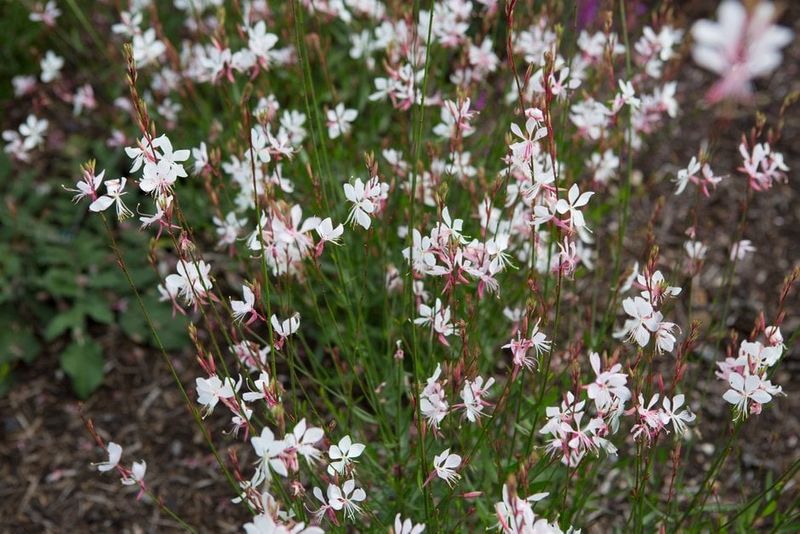
Named after the German botanist Ferdinand Jacob Lindheimer, who collected it in Texas during the 1800s, Gaura is as Texan as it gets. Its slender, wiry stems reach up to 3 or 4 feet tall and are topped with small, delicate flowers in white or soft pink.
The blooms flutter in the breeze like tiny butterflies, giving the plant an airy, whimsical look that pairs beautifully with bolder, heavier-looking plants in the garden.
Gaura is remarkably tough. It handles Texas heat, humidity, drought, and even poor, rocky soil without complaint.
Full sun is where it performs best, and it genuinely does not need much water once established. In fact, overwatering is one of the few things that can cause problems. Lean, well-drained soil and sunshine are all it really asks for.
One of the great things about Gaura is its incredibly long bloom season. It starts flowering in spring and keeps going through summer and well into fall, making it one of the longest-blooming perennials available for Texas gardens.
It also reseeds naturally, so you may find new plants popping up around the original over time. For a light, graceful, effortless addition to any Texas garden bed, Gaura is a top-tier choice that never goes out of style.