Best Way To Stake Young Trees Right Now To Protect Them From Florida Winds
Planting a new tree feels like a win. You picture cool shade, curb appeal, and a stronger yard.
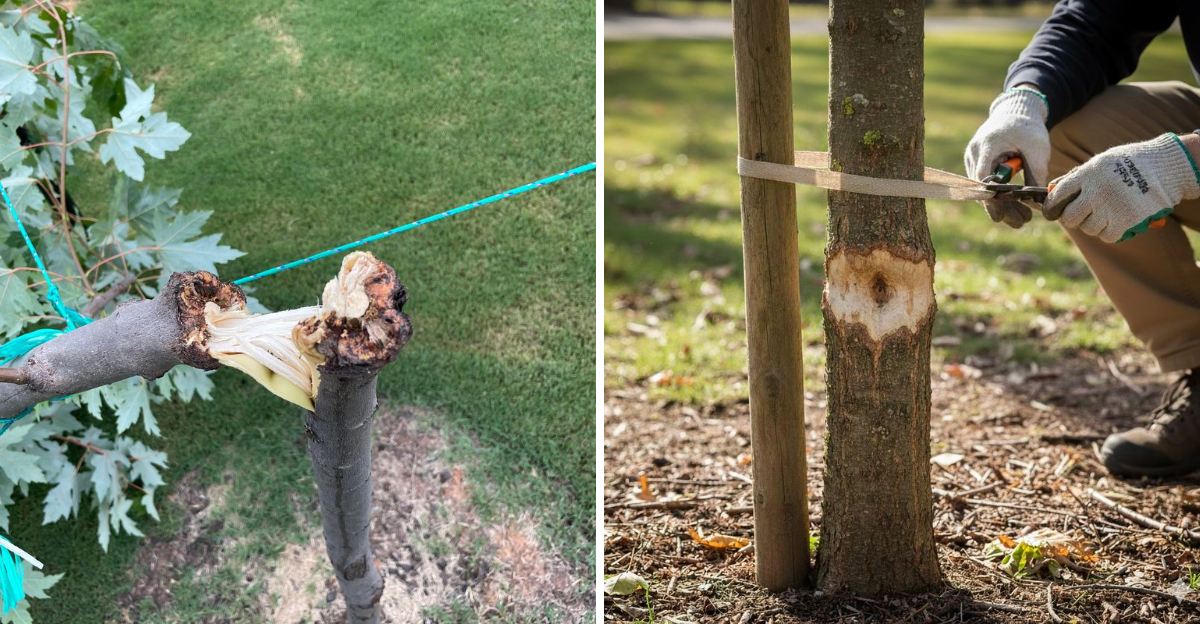
Then a summer storm rolls through and suddenly that fresh planting is leaning, wobbling, or flat on the ground. Many Florida homeowners have watched a brand-new tree struggle after just one windy afternoon.
Our weather is tough on young trees. Heavy rain softens sandy soil.
Strong gusts push thin trunks. Before roots have time to grab hold, even healthy trees can fail.
The good news is most of these problems are preventable. Proper staking gives young trees the support they need during their most vulnerable months while still allowing them to grow strong and flexible.
Done right, staking can mean the difference between a tree that thrives for decades and one that never fully recovers.
If a tree was planted recently on your property, the next few steps can protect that investment.
1. Young Trees That Need Staking And Ones That Don’t
Not every tree you plant requires staking, and understanding which ones do can save you time and help your tree grow stronger from the start. Most container-grown trees with solid root balls and sturdy trunks can stand on their own without any support at all.
However, if your new tree has a thin trunk, a large canopy that catches wind easily, or was just balled and burlapped with a loose root ball, it probably needs some temporary help.
Florida’s sandy soils can reduce early root anchorage, which may make temporary staking helpful in windy or exposed locations. If your tree leans noticeably after planting or rocks back and forth when you gently push the trunk, that’s a clear sign it needs support.
Trees planted in open, windy areas near the coast or in newly cleared yards also benefit from staking until their roots establish.
On the other hand, over-staking can actually weaken a tree by preventing natural trunk movement that builds strength. If your tree stands upright on its own and only sways slightly in the breeze, skip the stakes and let it grow naturally.
The goal is to provide just enough support to keep the root ball stable while allowing the trunk to flex and develop the taper and strength it needs to withstand Florida storms for years ahead.
2. Florida Winds Are Hard On New Trees And Staking Makes The Difference
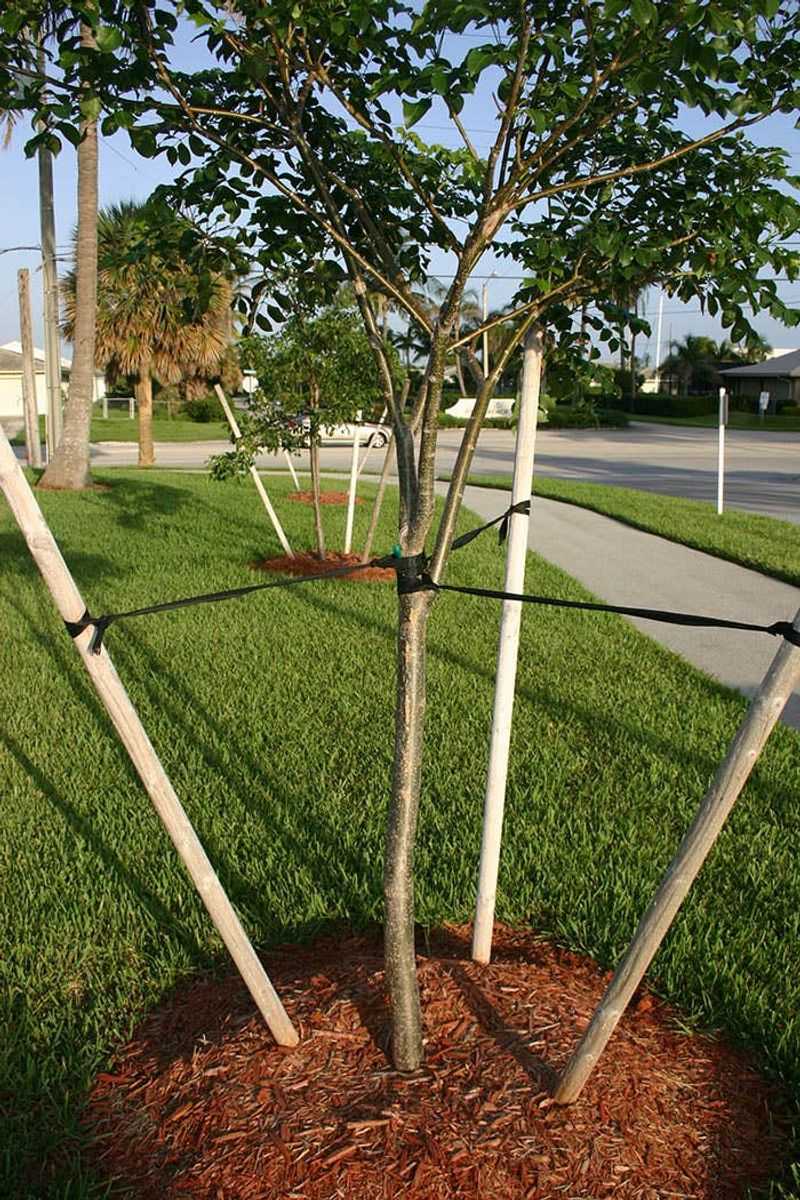
Florida’s weather patterns create unique challenges for newly planted trees that are more intense than many other regions. Our summer brings daily afternoon thunderstorms with sudden gusts that can topple a tree before its roots have spread into the surrounding soil.
Hurricane season adds another layer of concern, with sustained winds and heavy rains that test even established trees, let alone young ones still getting their footing.
Wind doesn’t just knock trees over; it also rocks the root ball back and forth in the planting hole, which can break newly forming roots and root hairs, delaying establishment and stressing the tree. Proper staking keeps the root ball stable so roots can grow uninterrupted into the native soil around the planting hole.
Our coastal breezes and open suburban lots mean many Florida yards lack natural windbreaks that would shelter young trees. Without mature trees or structures nearby, your new sapling faces the full force of every passing storm.
Staking provides that temporary shield during the vulnerable first growing season, giving roots time to anchor deeply. Once established, your tree will develop the flexibility and root strength to bend with Florida winds rather than break or uproot.
3. The Right Stakes And Ties That Won’t Damage Your Tree
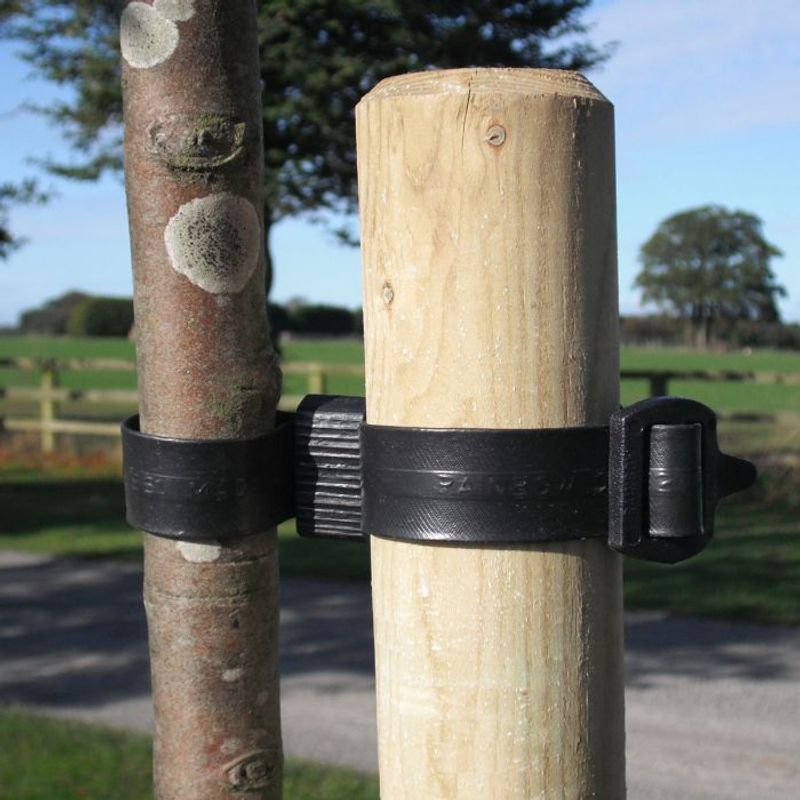
Selecting the right materials makes all the difference between a staking system that supports your tree and one that damages it over time. Wooden stakes should be sturdy enough to resist bending and tall enough to reach the tie point, usually about one-third to halfway up the trunk.
Untreated hardwood or naturally rot-resistant wood stakes work well since staking is temporary, though pressure-treated lumber can be used if removed within one year.
Metal stakes like rebar or T-posts offer durability and work especially well in our sandy soils where they drive in easily and hold firmly. Whatever stake material you choose, make sure it’s strong enough to stay upright when the tree pulls against it during a storm.
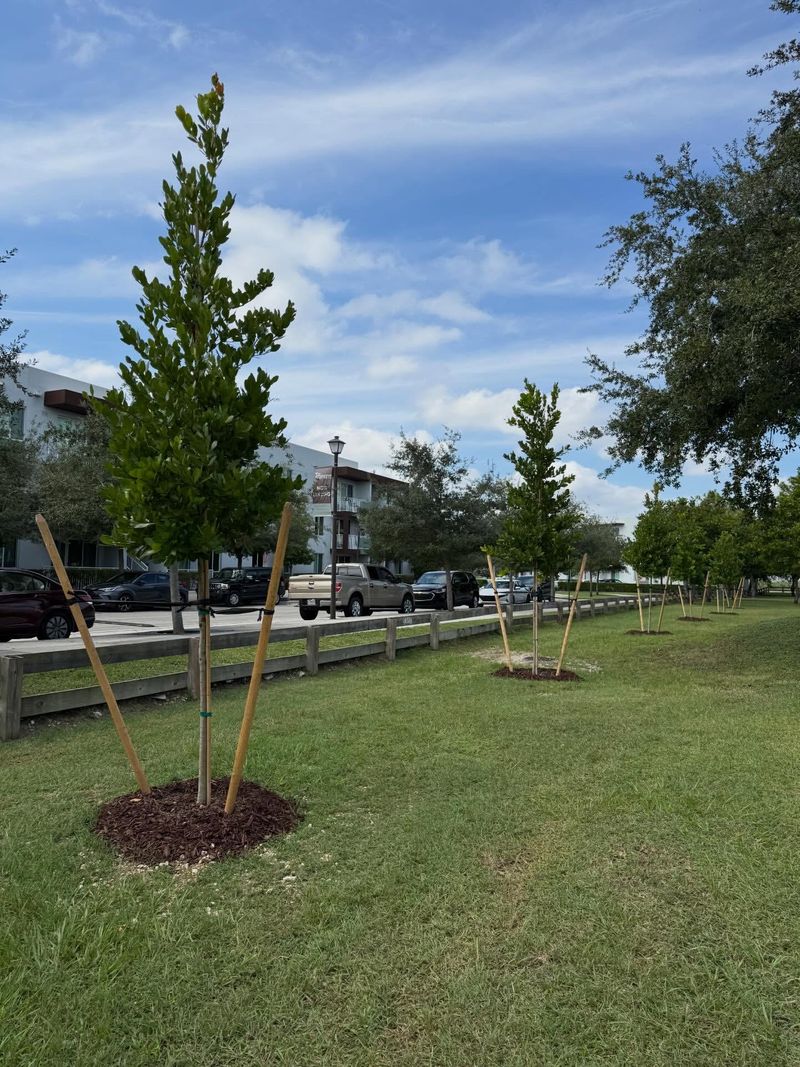
Most young trees need two stakes placed opposite each other, though larger specimens or very windy sites might require three stakes arranged in a triangle around the tree.
The ties that connect stakes to the trunk matter just as much as the stakes themselves. Never use wire, rope, or anything that can cut into bark as the trunk grows and sways.
Soft fabric tree ties, rubber straps, or even old garden hose sections work perfectly because they cushion the trunk and prevent damage. Whatever material you use should be wide enough to distribute pressure and flexible enough to allow some trunk movement while preventing the tree from leaning or falling over completely.
4. Here Is Where To Place Stakes Without Damaging Roots
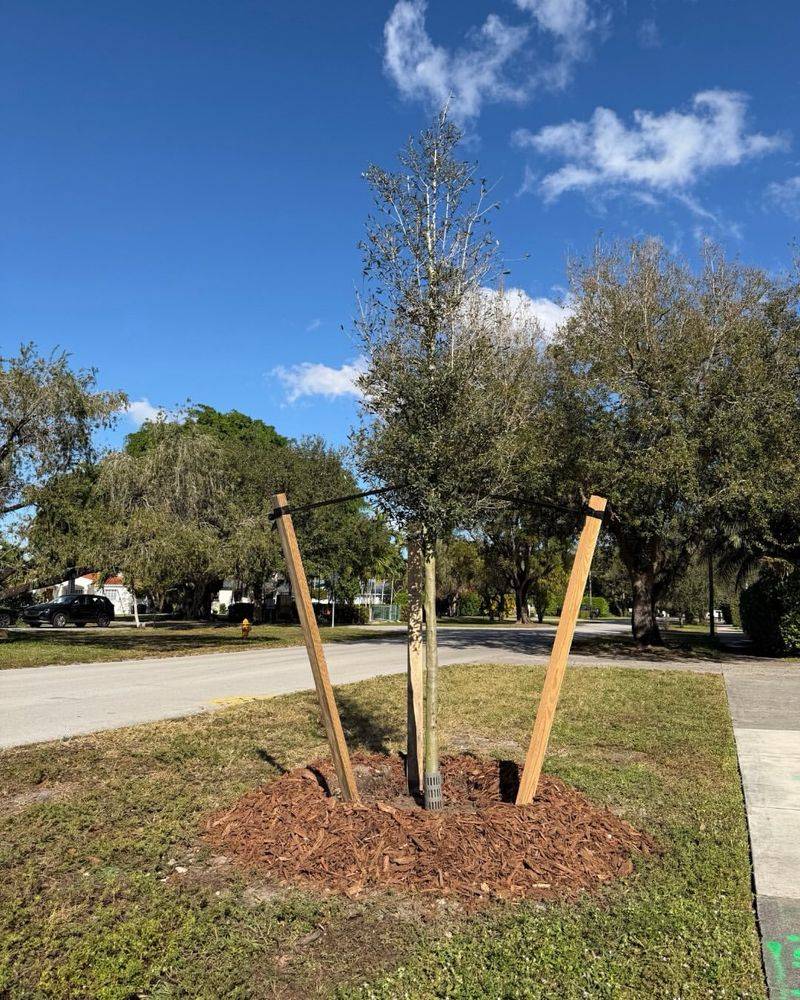
Where you position your stakes determines how well they actually support your tree and protect its developing root system. Always drive stakes into the native soil outside the root ball, never through it.
Driving stakes through the root ball damages existing roots and creates pathways for water to drain away from where the tree needs it most during establishment.
Position stakes about eighteen to twenty-four inches away from the trunk, which puts them well beyond the root ball edge for most young trees. This distance gives you room to attach ties at an angle that provides support without pulling the trunk sideways.
For two-stake systems, place them perpendicular to the strongest local wind exposure so the tree is supported against the most common gust patterns in your area.
Drive stakes deep enough that they won’t pull out when the tree sways; eighteen inches or deeper is often needed in Florida’s sandy soils. You can test stability by pulling firmly on the stake after driving it in.
If it moves easily, drive it deeper or choose a thicker stake. The stakes should feel rock-solid because they’re anchoring your tree against forces much stronger than your hand can produce.
Proper placement outside the root ball means your stakes support the tree without interfering with the root growth that will eventually make staking unnecessary.
5. The Best Spot To Tie Your Tree For Stronger Growth
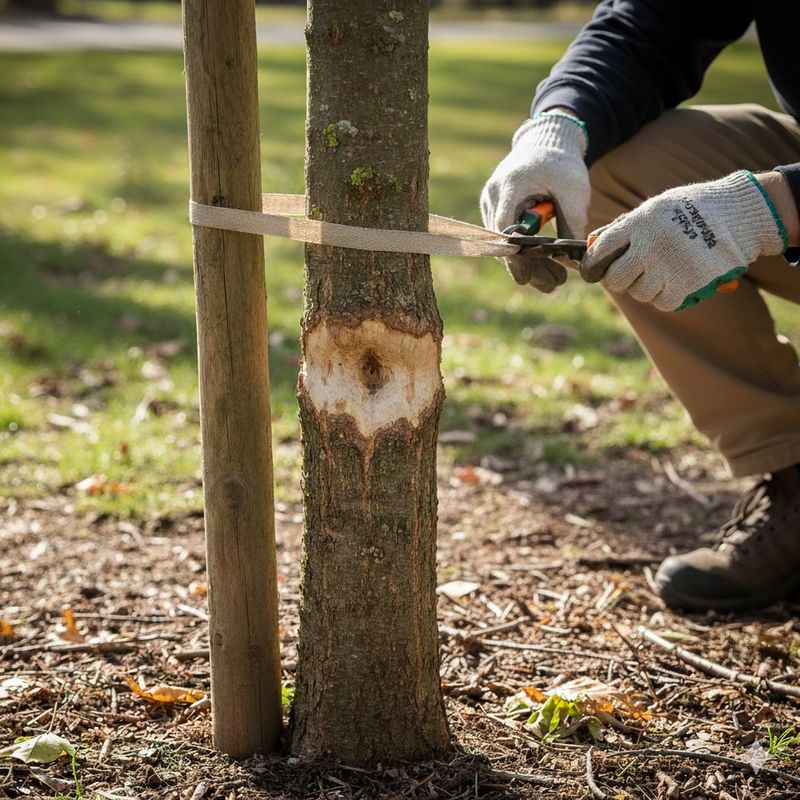
Where you attach ties on the trunk might seem like a small detail, but it dramatically affects how well your tree develops strength and flexibility. Attach ties at the lowest point on the trunk where they still keep the tree upright and prevent the root ball from rocking.
For most young trees, this sweet spot sits about one-third up the trunk or at the lowest point that still keeps the tree upright, well below the bottom branches of the canopy.
Tying too high on the trunk creates a stiff upper section that can’t move naturally in the breeze, which prevents the tree from developing the taper and strength it needs. When wind blows, you want the upper trunk and canopy to sway gently while the lower trunk and root ball stay stable.
This natural movement triggers the tree to grow thicker trunk wood and develop a stronger structure that will serve it well long after you remove the stakes.
University of Florida research shows that trees staked with low tie points develop stronger trunks than those tied high up near the canopy. The upper portion of the trunk needs to flex and bend to build reaction wood, which is denser and more resistant to breakage.
By tying low, you’re essentially training your tree to behave like a well-anchored mature tree that bends in storms rather than snapping. Check your tie points after installation by gently pushing the upper trunk; it should move freely while the lower trunk stays relatively stable.
6. How Tight Is Too Tight? The Right Way To Tie Your Tree
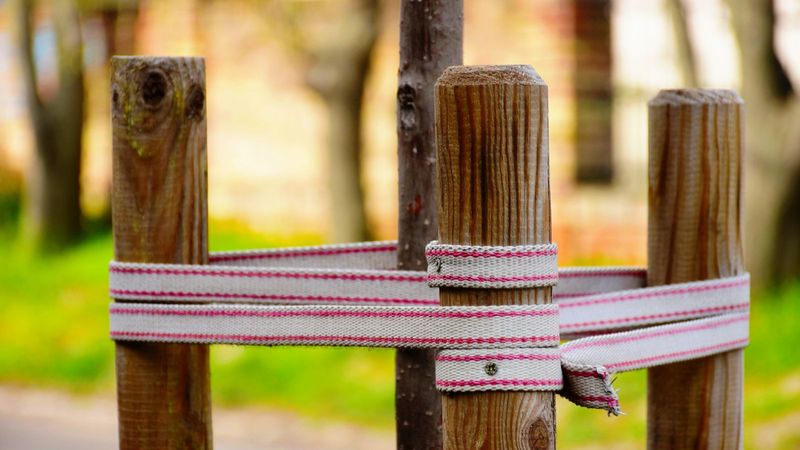
One of the most common staking mistakes is cinching ties too tight, which turns your support system into a rigid cage that prevents healthy trunk development. Your ties should have enough slack to allow visible gentle movement in any direction while still preventing the tree from leaning over or the root ball from rocking loose.
This small amount of movement is crucial for building trunk strength and encouraging proper root growth.
Think of staking like training wheels on a bicycle rather than a rigid brace. The goal is to prevent falling while still allowing the experience of balancing and adjusting to movement.
When wind pushes your tree, the trunk should be able to flex and sway within the slack you’ve left, which stimulates the tree to grow stronger wood fibers and develop a tapered trunk shape that resists breakage.
Check your ties regularly, especially after storms or during the growing season when trunks expand quickly in Florida’s warm, wet climate. Ties that start with appropriate slack can become too tight within just a few months as the trunk diameter increases.
Adjust or loosen ties as needed to maintain gentle visible movement in all directions. If you notice bark rubbing or indentations where ties contact the trunk, add padding or loosen the ties immediately to prevent girdling damage that can weaken or even girdle the trunk over time.
7. Leaving Stakes On Too Long Weakens Trees
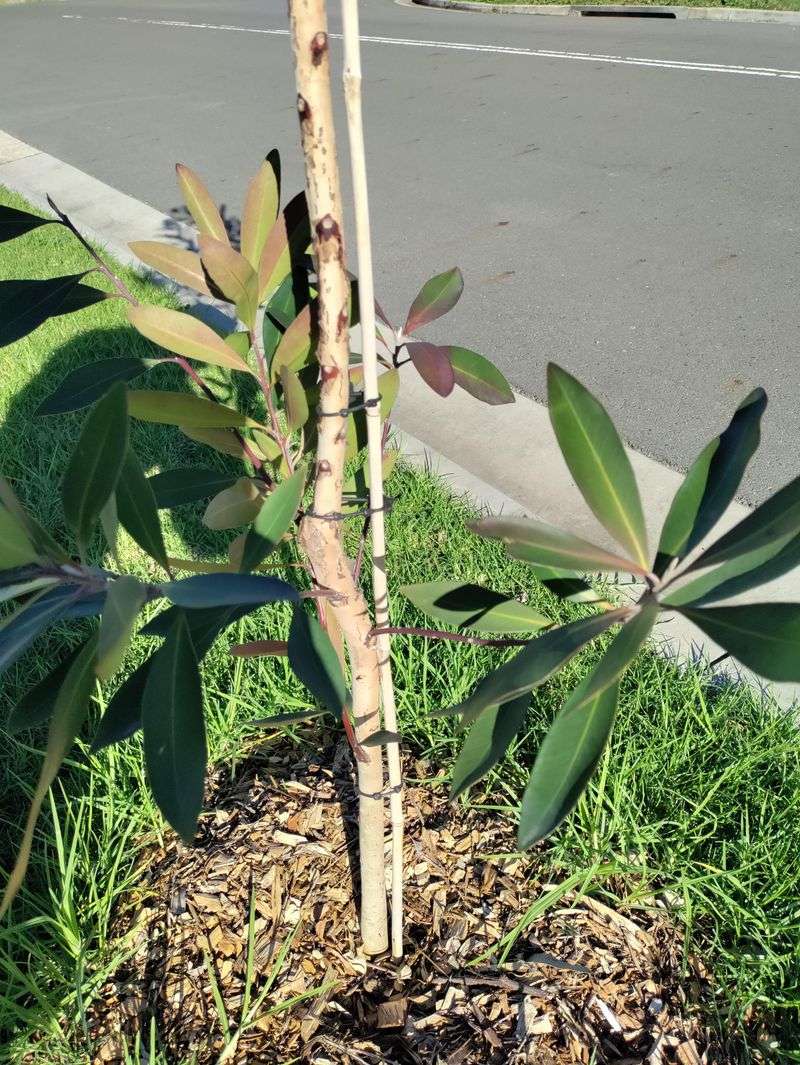
Knowing when to remove stakes is just as important as installing them correctly in the first place. Most young trees in Florida need staking for only six months to one year after planting, depending on species, size, and growing conditions.
Our year-round growing season means roots establish faster than in northern climates, so many trees anchor themselves within a single growing season of warm weather and regular rainfall.
Test your tree’s stability every few months by gently pushing the trunk back and forth near the base. If the root ball stays firm in the ground and doesn’t rock, your tree has probably anchored itself well enough to stand alone.
Remove stakes as soon as the tree can support itself because leaving them on too long can actually weaken trunk development by preventing the natural movement that builds strength.
Some larger trees or those planted in very sandy or windy locations might need support for up to eighteen months, but this is the maximum time stakes should remain. Mark your calendar when you plant so you remember to check and remove stakes at the appropriate time.
When you do remove them, take out the entire stake rather than cutting it off at ground level, and immediately fill the hole left behind with soil to prevent water from pooling. Your tree will thank you by developing into a strong, resilient specimen that can handle Florida’s toughest weather without any artificial support.
8. Avoid These Tree Staking Mistakes Before They Damage Your Tree
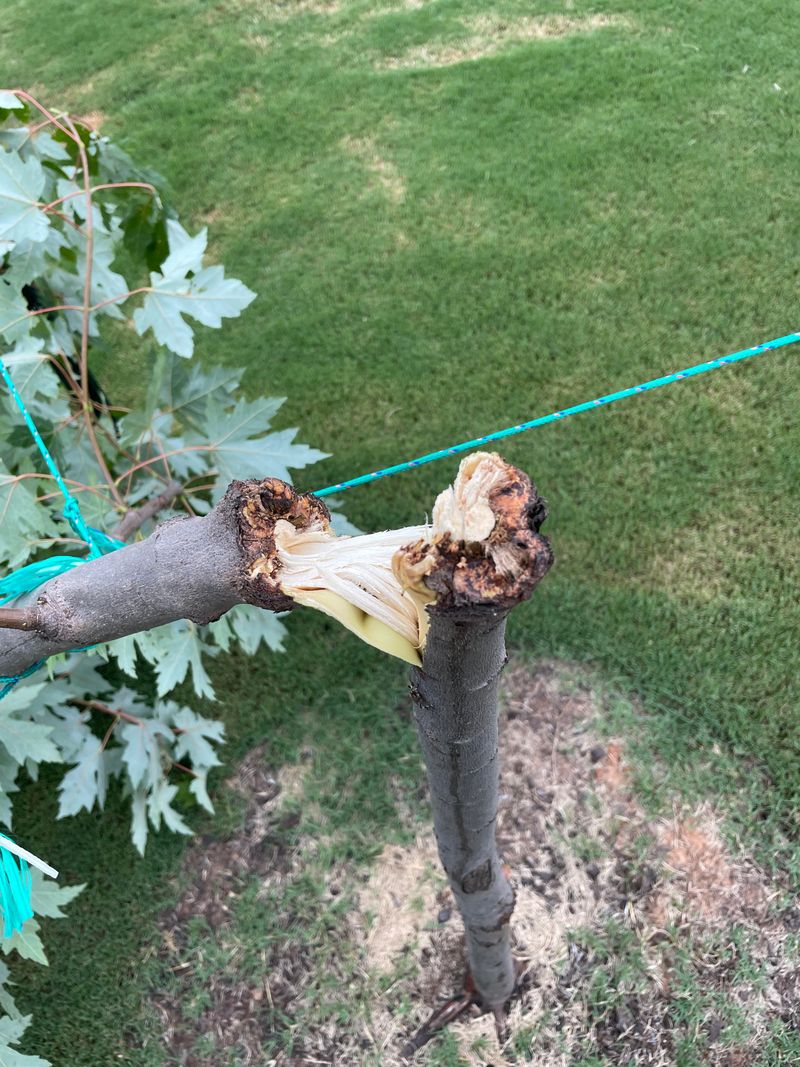
Even with good intentions, many Florida homeowners make staking errors that undermine tree health and create long-term problems. Staking trees that don’t need it tops the list because it prevents natural trunk movement and creates weak, spindly growth that can’t support itself later.
If your tree stands upright on its own after planting, resist the urge to stake it just because you think you should.
Using materials that damage bark ranks as another frequent mistake. Wire, nylon rope, and narrow straps can cut into bark as the tree grows or sways, creating wounds that invite pests and diseases into the trunk.
Always use wide, soft materials that cushion and protect bark even when the tree pulls against them during storms. Tying too high on the trunk, cinching ties too tight, and leaving stakes on too long all prevent proper trunk development and create trees that remain dependent on support instead of growing strong and self-sufficient.
Driving stakes through the root ball damages the very roots you’re trying to protect and can create drainage problems around the planting hole. Perhaps the most problematic mistake is forgetting about staked trees entirely, leaving stakes and ties in place for years until they girdle the trunk or the tree grows around them.
Set reminders to check your staked trees monthly and remove support as soon as possible to give your tree the best chance at becoming a strong, healthy part of your Florida landscape for generations.