10 Best Ways To Create Privacy In Florida Yards With Plants
Tired of feeling like your backyard is on display? Neighbors watching, traffic noise creeping in, and zero sense of privacy can make even the nicest Florida yard feel uncomfortable.
The good news is that the right plants can change everything. Florida’s climate makes it possible to grow natural privacy screens that look beautiful, fill in fast, and create instant separation from the outside world.
Some options block views in just one season. Others add shade, fragrance, and tropical style while working year-round.
Many homeowners are shocked at how affordable and effective plant-based privacy can be compared to fencing.
If you want your outdoor space to feel peaceful, secluded, and magazine-worthy instead of exposed and awkward, this guide shows exactly which plants work best in Florida and how to use them for maximum impact.
1. Plant Fast-Growing Privacy Hedges
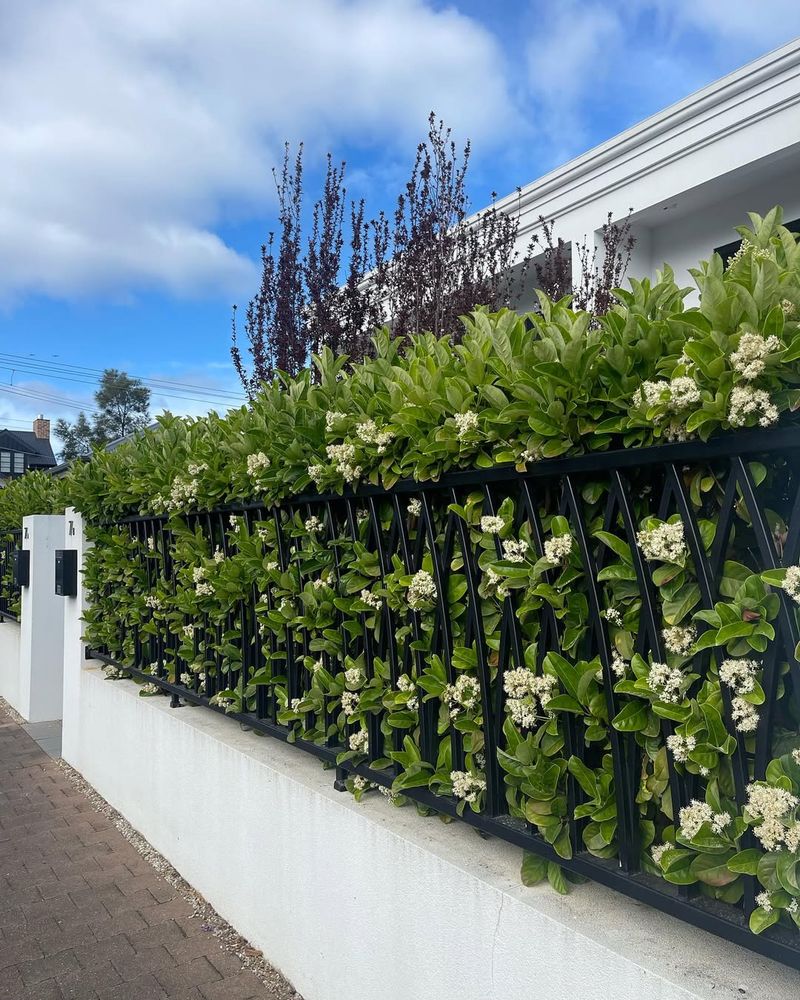
Fast-growing hedges give you privacy in a hurry, and Florida has some of the best options for quick screening. Viburnum odoratissimum, commonly called sweet viburnum, can grow up to three feet per year under ideal conditions and reaches heights of twelve to twenty feet.
This evergreen shrub produces fragrant white flowers in spring and thrives in full sun to partial shade across all Florida zones.
Podocarpus macrophyllus, known as Japanese yew, is another excellent choice that grows steadily and tolerates pruning well. You can shape it into a formal hedge or let it grow naturally for a softer look.
These plants prefer well-drained soil and need regular watering during their first year to establish strong roots.
Space your hedge plants about three to four feet apart for faster coverage. Apply a slow-release fertilizer one to two times per year once plants are established, and more frequently during the first year to encourage healthy growth.
Regular trimming keeps your hedge dense and uniform, which maximizes privacy while maintaining a neat appearance in your yard.
2. Use Clumping Bamboo Varieties
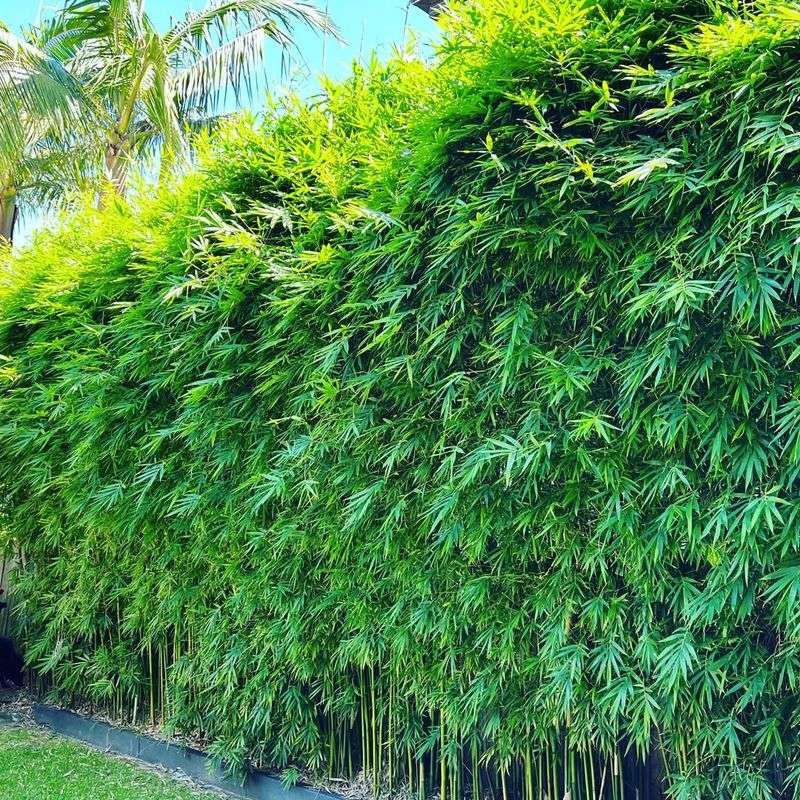
Clumping bamboo creates an exotic privacy screen that grows thick and tall without taking over your entire yard like running bamboo does. Bambusa multiplex, or hedge bamboo, forms tight clumps that reach fifteen to twenty-five feet high and works beautifully along property lines.
The dense canes and feathery foliage block views completely while adding a tropical Asian garden feel to your landscape.
Bambusa textilis gracilis, called slender weavers bamboo, grows more compactly and fits well in smaller yards where space is limited. While clumping bamboo is not invasive, the clumps will slowly widen over time and may need occasional thinning or root pruning to control spread.
They handle Florida’s heat and humidity with ease and look good all year long.
Plant clumping bamboo in a spot with good drainage and water it deeply twice a week until it establishes. These bamboos appreciate afternoon shade in South Florida but can handle full sun in Central and North Florida.
Remove older canes every few years to keep the clump looking fresh and encourage new growth from the base.
3. Create Layered Shrub Borders
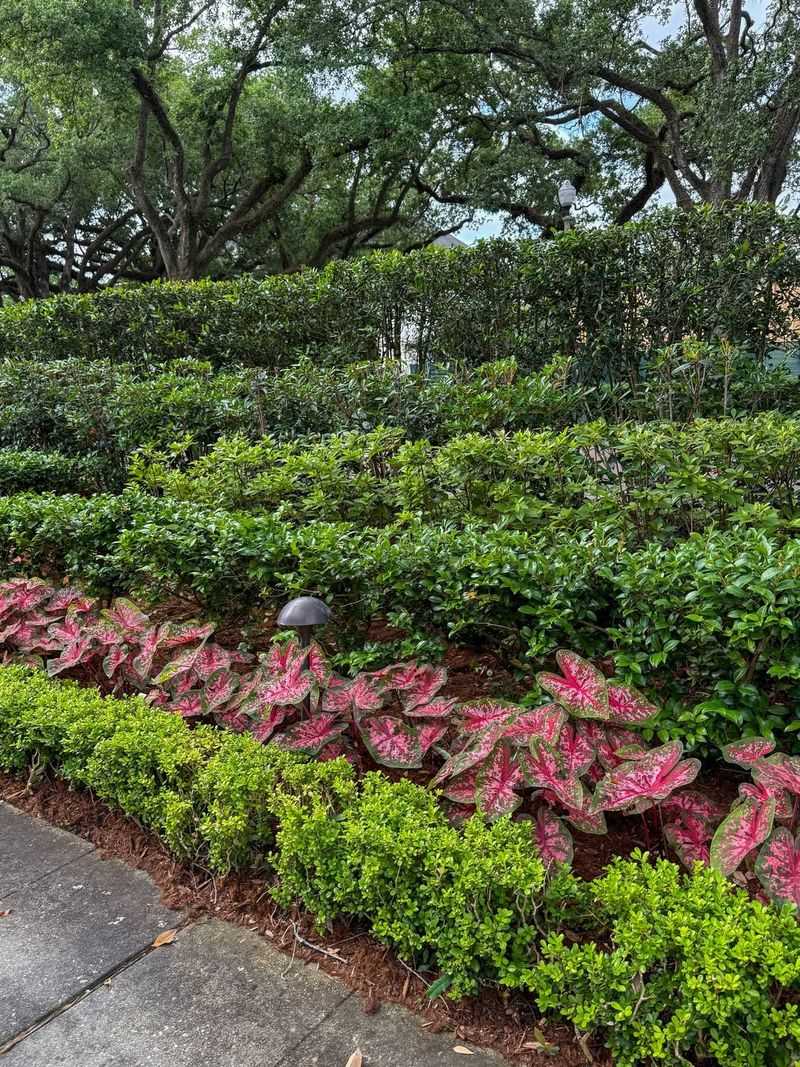
Layering different shrubs at varying heights creates a natural privacy barrier that looks more interesting than a single hedge row. Start with taller shrubs like Simpson stopper or firebush in the back, then add medium-height plants like coontie or beautyberry in the middle.
Beautyberry is deciduous in North and Central Florida, so pair it with evergreen plants if year-round privacy is needed. Finish with low-growing groundcovers or small perennials along the front edge to complete the layered effect.
This approach gives you privacy while supporting Florida wildlife with native plants that provide food and shelter. The varied textures and seasonal blooms make your border visually appealing throughout the year.
Layering also helps block views at multiple levels, which works especially well if your neighbors have second-story windows or elevated decks.
Choose plants with similar water and light requirements so they grow well together. Space them according to their mature width to avoid overcrowding as they fill in.
Mulch the entire border area to retain moisture and suppress weeds, and water new plantings regularly for the first six months until their roots spread deep into the soil.
4. Install Living Fence Lines With Vines
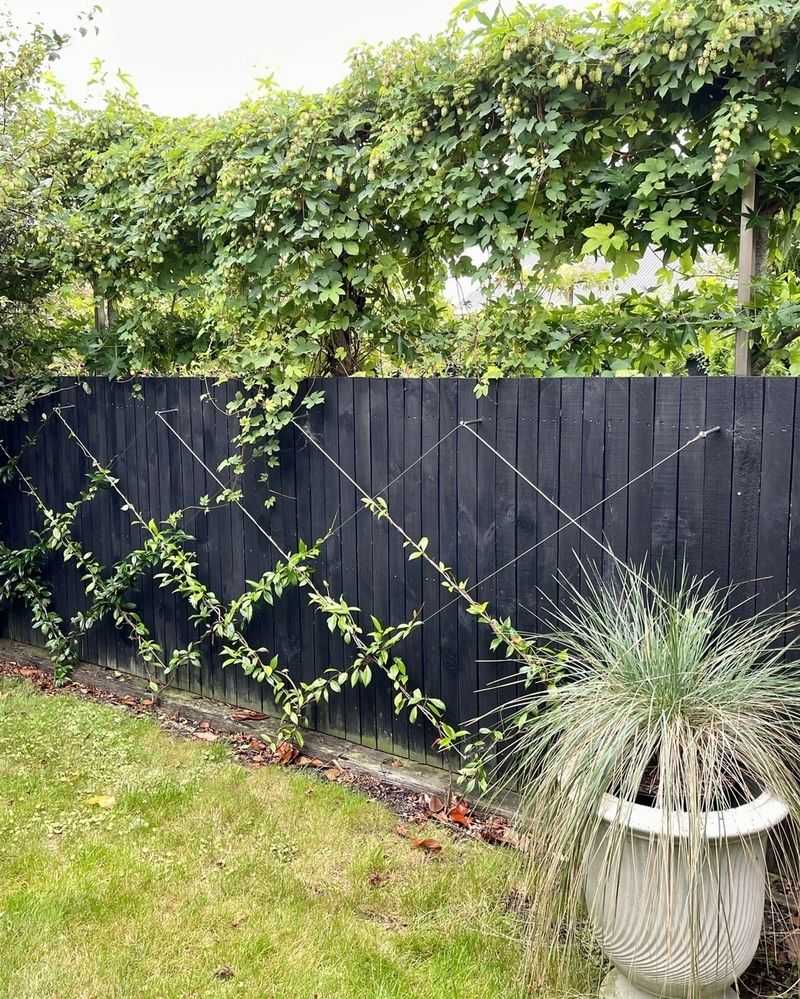
Vines trained on fences or wire mesh create instant green walls that soften hard edges and add vertical privacy. Confederate jasmine produces masses of fragrant white flowers in spring and covers chain-link or wood fences completely with glossy evergreen foliage.
This vine grows vigorously in Florida and handles both sun and shade, making it versatile for different yard exposures.
Coral honeysuckle, a native Florida vine, attracts hummingbirds with tubular red-orange flowers and is semi-evergreen to evergreen in warmer regions. It climbs by twining around supports and fills in quickly once established.
Both vines require minimal pruning and look beautiful year-round while blocking unwanted views from neighbors or streets.
Install sturdy support structures before planting your vines since they can become heavy as they mature. Plant vines about two feet apart along your fence line for faster coverage.
Water them regularly during dry spells and apply a balanced fertilizer in spring and summer to promote lush growth and abundant flowering throughout the season.
5. Plant Evergreen Screening Trees
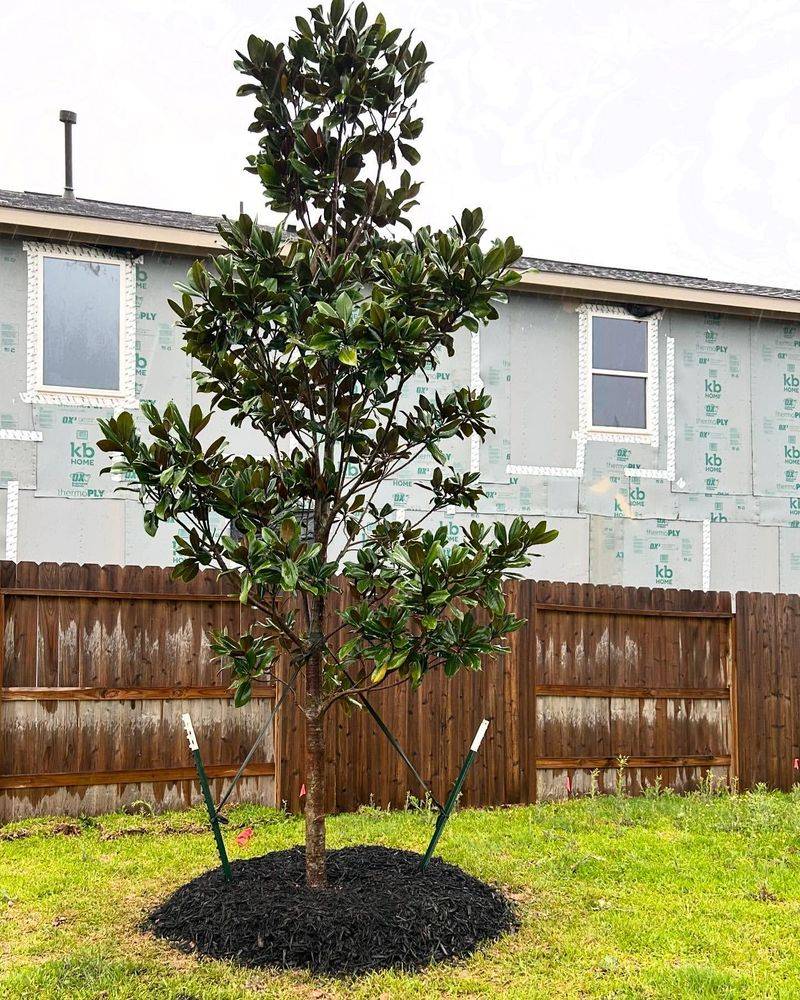
Evergreen trees provide permanent privacy and create a living wall that blocks views from upper-story windows and neighboring yards. Southern magnolia trees grow forty to sixty feet tall with large glossy leaves that stay on the tree all year.
These majestic trees produce fragrant white blooms in summer and work well as corner specimens or planted in rows for continuous screening.
Dahoon holly and East Palatka holly are native Florida evergreens that grow twenty to thirty feet tall and support local birds with their bright red berries. Female holly trees produce berries when a male pollinator tree is planted nearby.
Their dense branching and foliage create excellent privacy from ground level up through the canopy.
Space screening trees fifteen to twenty feet apart to allow room for their mature canopy spread. Stake young trees for the first year to help them develop straight trunks in windy conditions.
Water deeply once or twice a week during establishment, then reduce frequency as the trees mature and their roots reach deeper soil layers.
6. Add Tall Ornamental Grasses
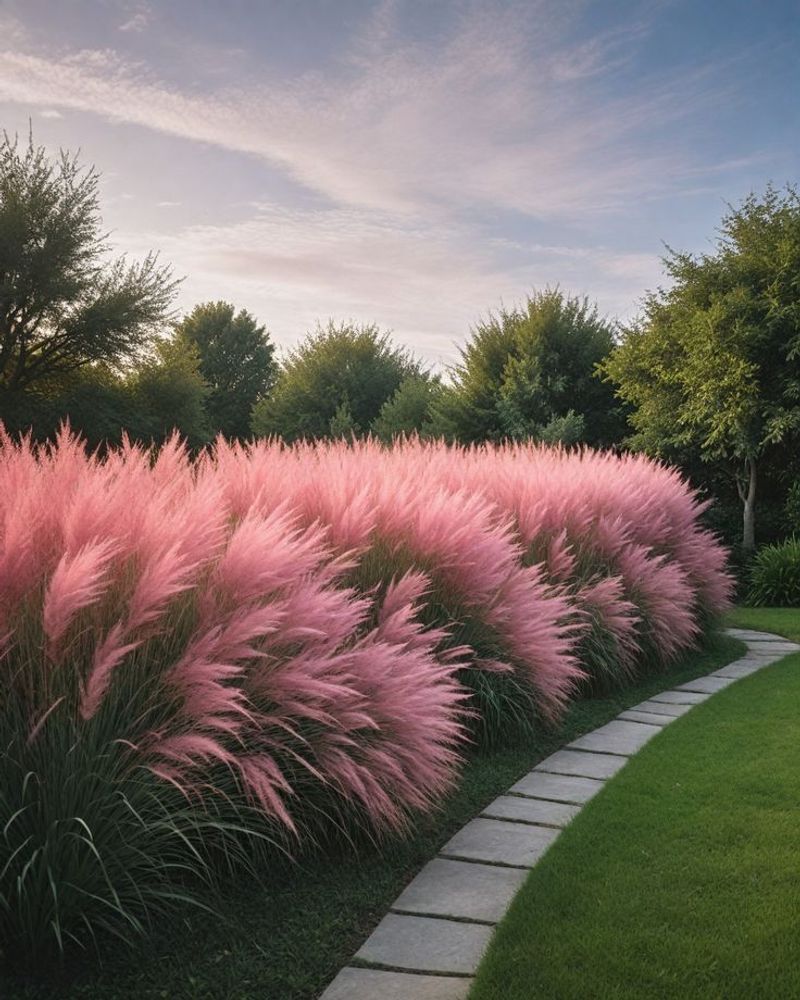
Ornamental grasses bring movement and texture to your privacy plan while growing tall enough to screen views at eye level. Muhly grass, especially pink muhly, grows three to four feet tall and produces stunning pink plumes in fall that create a soft privacy barrier.
This native Florida grass thrives in sandy soils and handles drought once established, making it perfect for low-maintenance landscapes.
Fakahatchee grass reaches eight to ten feet tall and forms thick clumps that block sightlines effectively. Its arching green foliage adds a tropical look and works well behind pools or along property borders.
Both grasses prefer full sun and well-drained soil, and they require little care once their roots settle into your yard.
Plant grasses in groups of three or more for maximum privacy impact and visual interest. Cut back old foliage in late winter before new growth emerges to keep plants looking fresh.
Water new plantings twice weekly for the first month, then reduce to once weekly as they establish their root systems in your Florida soil.
7. Use Container Plant Screens
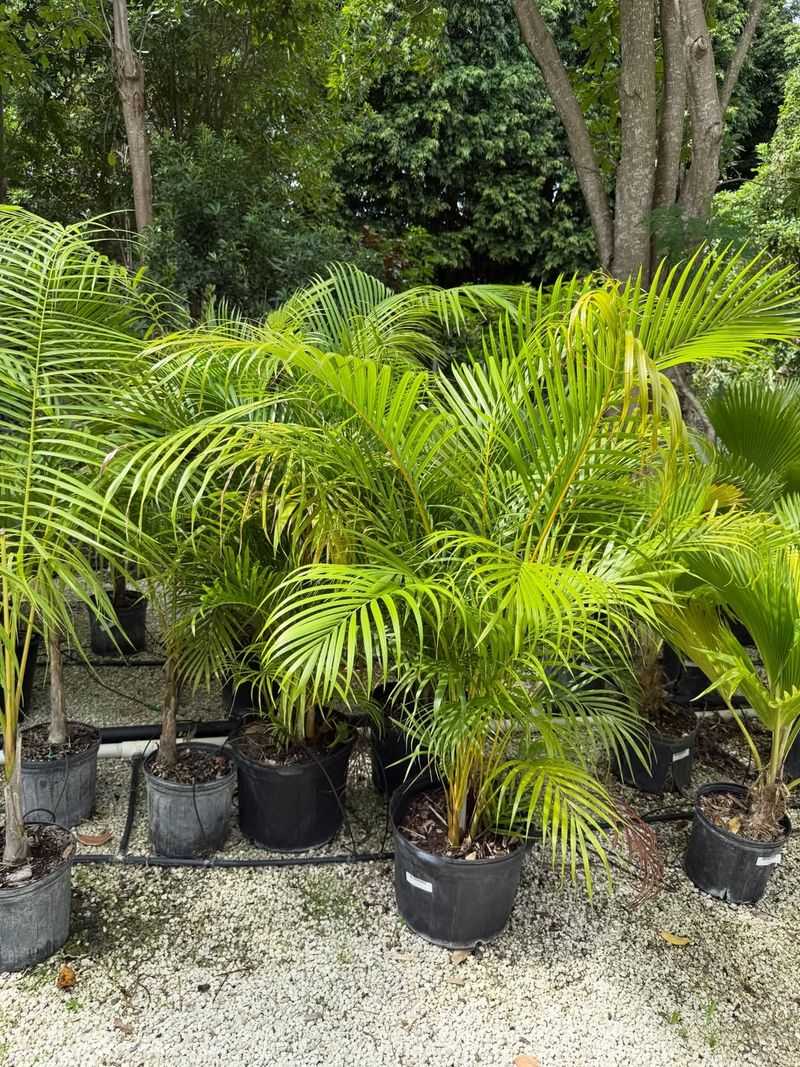
Container gardens give you flexible privacy solutions that you can move around your patio or pool deck as needed. Large pots filled with bamboo palms, areca palms, or bird of paradise create portable green walls that block views from specific angles.
This approach works especially well for renters or homeowners who want to adjust their privacy setup seasonally or for special outdoor gatherings.
Choose containers at least eighteen inches wide and deep to give roots enough room to grow and support taller plants. Grouping several large containers together creates a more substantial privacy barrier than single pots scattered around.
You can also mix different plant heights and textures for visual variety while maintaining screening effectiveness.
Use a high-quality potting mix designed for containers rather than garden soil, which compacts and drains poorly in pots. Water container plants more frequently than in-ground plants since they dry out faster, especially during hot Florida summers.
Fertilize container plants every three to four months with a slow-release formula to keep your container privacy screen looking lush and healthy all year long.
8. Build Green Walls With Trellises
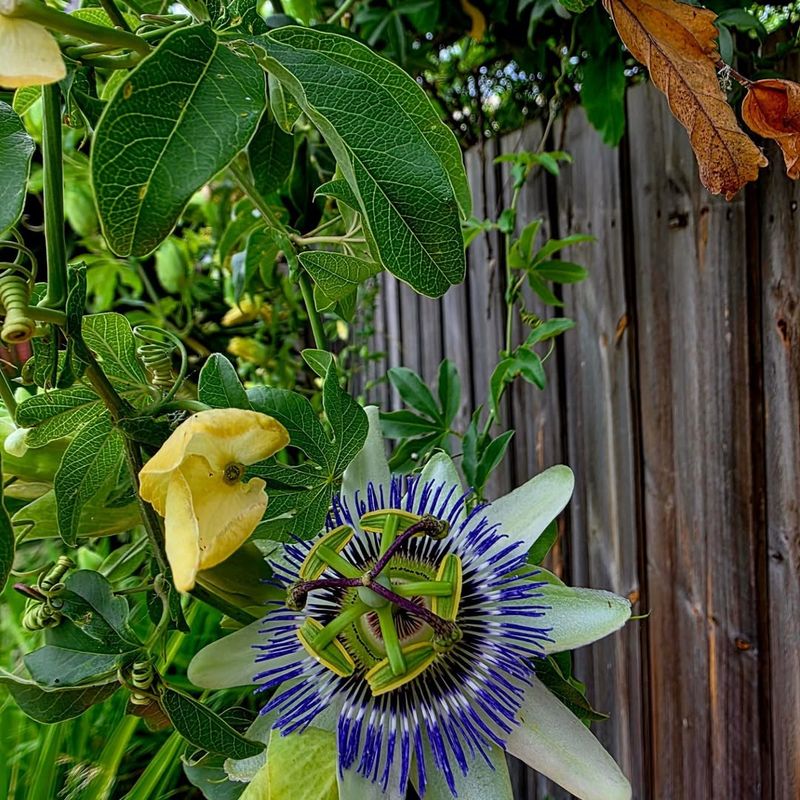
Trellises covered with climbing plants create vertical privacy screens in tight spaces where you can’t plant large shrubs or trees. Wooden lattice panels or metal grid structures give vines support while adding architectural interest to your yard.
Passionflower vines produce exotic purple blooms and attract butterflies while quickly covering trellises with dense foliage that blocks views from neighbors.
Mandevilla vines offer showy pink, red, or white trumpet flowers and evergreen leaves that stay attractive year-round in South Florida but are frost-sensitive in cooler regions. These vines grow well in containers placed at the base of trellises, making them ideal for patios or balconies.
The combination of structure and living plants creates privacy while adding vertical dimension to flat landscape areas.
Install trellises securely by anchoring them in concrete footings or attaching them firmly to existing fences or walls. Plant vines on the sunny side of your trellis for best growth and flowering.
Guide young vines onto the trellis by gently weaving stems through openings, and they will continue climbing on their own as they mature and fill in the structure.
9. Create Natural Privacy Corners With Dense Plant Groupings
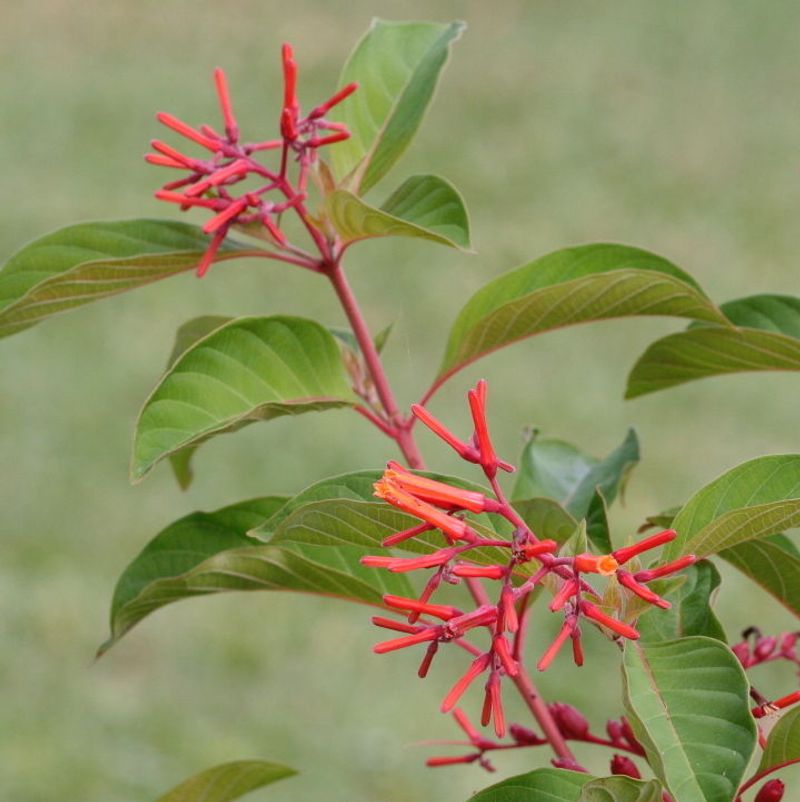
Corners of your yard often need extra privacy screening, and grouping several plants together creates thick visual barriers in these key spots. Combine Walter’s viburnum, wax myrtle, and Florida privet in a corner planting to form a dense mass that blocks views from multiple angles.
This strategy works particularly well where property lines meet or near outdoor living spaces that need extra seclusion.
The layered planting approach in corners also provides habitat for birds and beneficial insects while adding depth to your landscape design. Choose plants with different bloom times and foliage colors to keep the corner interesting throughout the year.
The dense grouping creates a microclimate that holds moisture and provides shade, which helps all the plants thrive together.
Prepare the corner planting area by removing grass and amending the soil with compost before planting. Arrange taller plants toward the back and shorter ones toward the front for a natural graduated look.
Water the entire grouping deeply twice a week during establishment, and apply mulch around all plants to conserve moisture and regulate soil temperature in Florida’s variable climate.
10. Combine Ground Cover With Vertical Plant Barriers
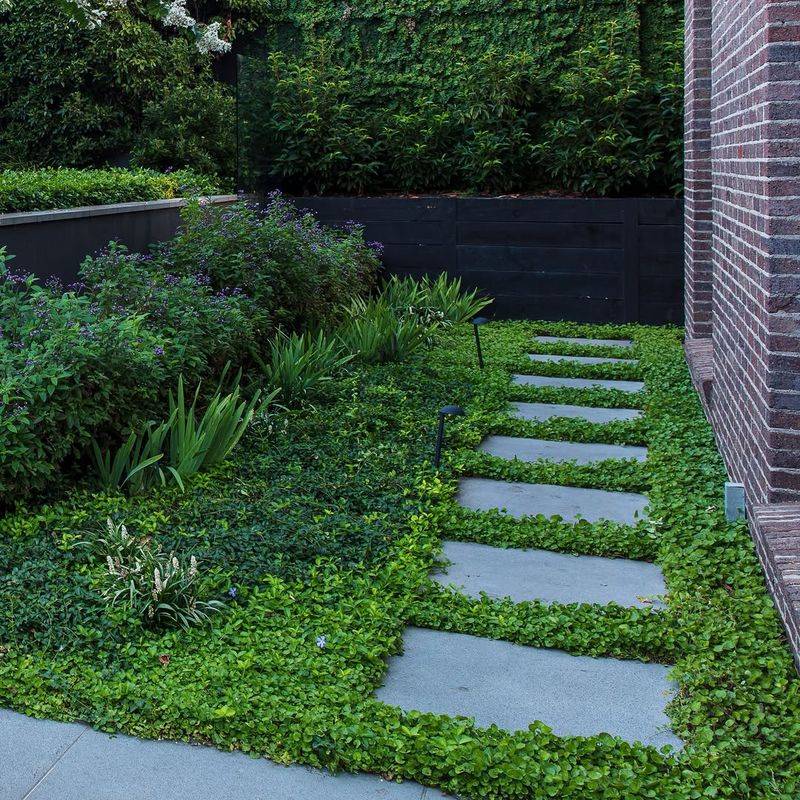
Pairing low-growing groundcovers with tall privacy plants creates a complete visual barrier from ground to sky that looks professionally designed. Plant sunshine mimosa or perennial peanut beneath privacy hedges or screening trees to eliminate gaps at the base where views might peek through.
Sunshine mimosa performs best in full sun and may thin out in heavy shade. This combination also reduces maintenance by suppressing weeds and retaining soil moisture around your taller plants.
The groundcover layer adds another dimension of texture and color to your privacy planting while supporting the health of your vertical barriers. Roots from groundcovers help stabilize soil and prevent erosion, which is especially important in rainy Florida summers.
The layered effect creates a lush, finished appearance that makes your entire privacy planting look intentional and well-established.
Select groundcovers that tolerate the same light conditions as your vertical screening plants to ensure both layers thrive together. Plant groundcover plugs or divisions about twelve inches apart for relatively quick coverage.
Water the entire planting area consistently during the first growing season, and reduce frequency once both layers establish and begin filling in naturally across your privacy zone.