Big Leaf Caladium Lovers In Florida Will Adore These 10 Varieties
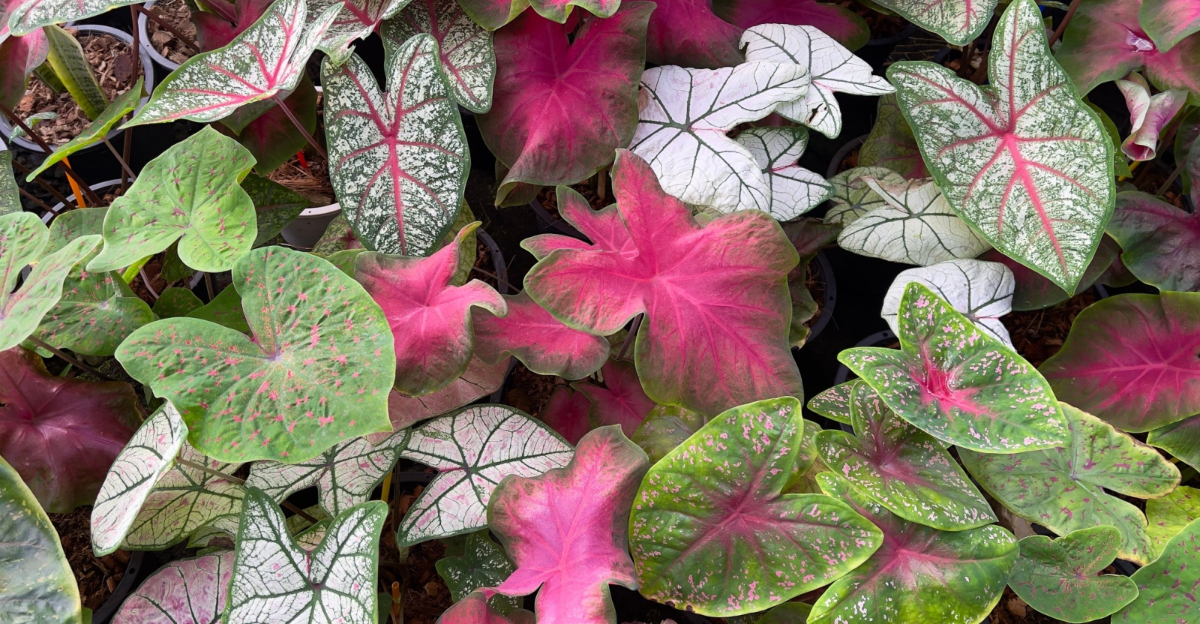
Florida heat meets pure tropical drama, and Big Leaf Caladiums steal the show. Giant heart shaped leaves burst with color so bold that gardens turn into vivid art overnight.
Sunlit yards glow with electric pink, creamy white, deep red, and wild green patterns that stop visitors in their tracks. Passionate collectors across Florida hunt for standout varieties that deliver size, contrast, and nonstop visual power through the warm season.
A handpicked lineup of some Big Leaf Caladium standouts delivers towering leaves, bold veining, and saturated color that pulls every eye across the garden. Each variety brings a unique personality, from luminous white giants to fiery red statement plants that thrive in Florida’s climate.
Prepare for serious plant envy, camera worthy beds, and neighbors who ask for your secrets.
1. White Queen Radiates Pure Elegance
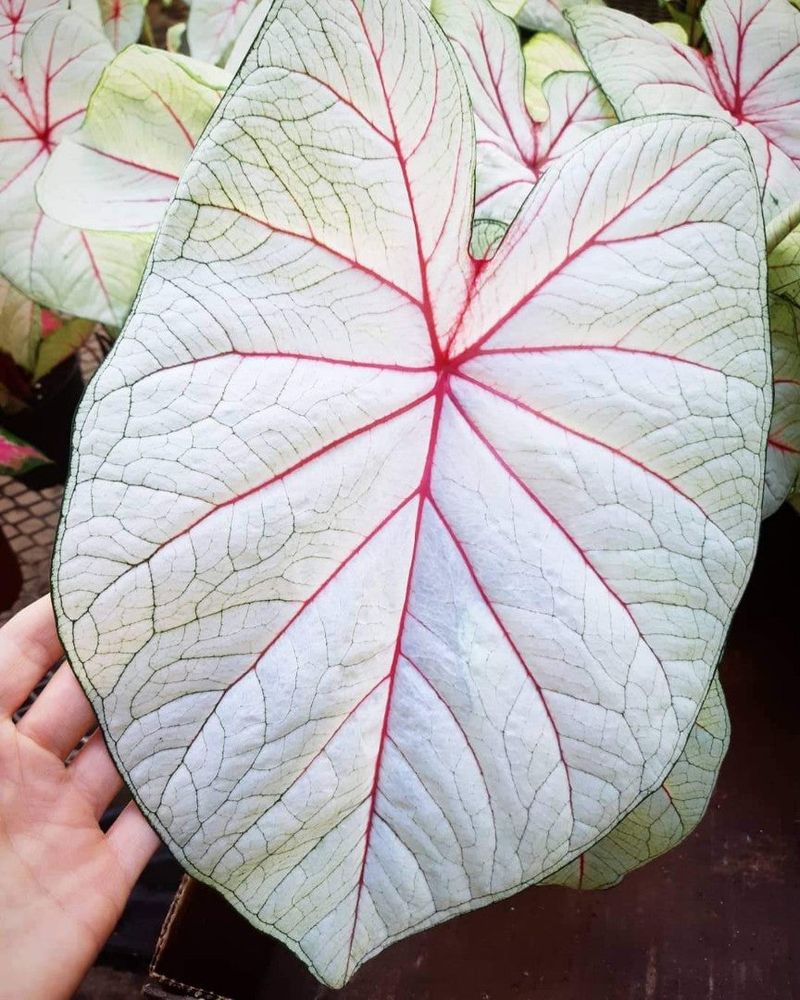
Few caladiums deliver the visual punch that this variety brings to shaded Florida gardens. The bright white leaves are traced with bold red veins that create an almost painted appearance.
This fancy leaf type stands out from across the yard, making it perfect for areas where you want to draw the eye.
Florida gardeners love using this variety in containers on shaded patios and under tree canopies where other plants struggle. The crisp white color brightens dark corners and pairs beautifully with ferns and hostas.
Mass plantings create a stunning display that looks sophisticated without being fussy.
Plant bulbs in well-draining soil enriched with organic matter once temperatures stay consistently above 70 degrees. Keep the soil evenly moist but never waterlogged, as caladiums hate sitting in soggy conditions.
A two to three inch layer of mulch helps retain moisture and keeps roots cool during hot Florida summers.
The dramatic contrast between white and red makes this variety a favorite for wedding gardens and formal landscapes. Space bulbs about eight to twelve inches apart to allow the large leaves room to develop fully.
Light shade to filtered sun brings out the best color without scorching the delicate foliage.
2. Red Flash Ignites Bold Drama
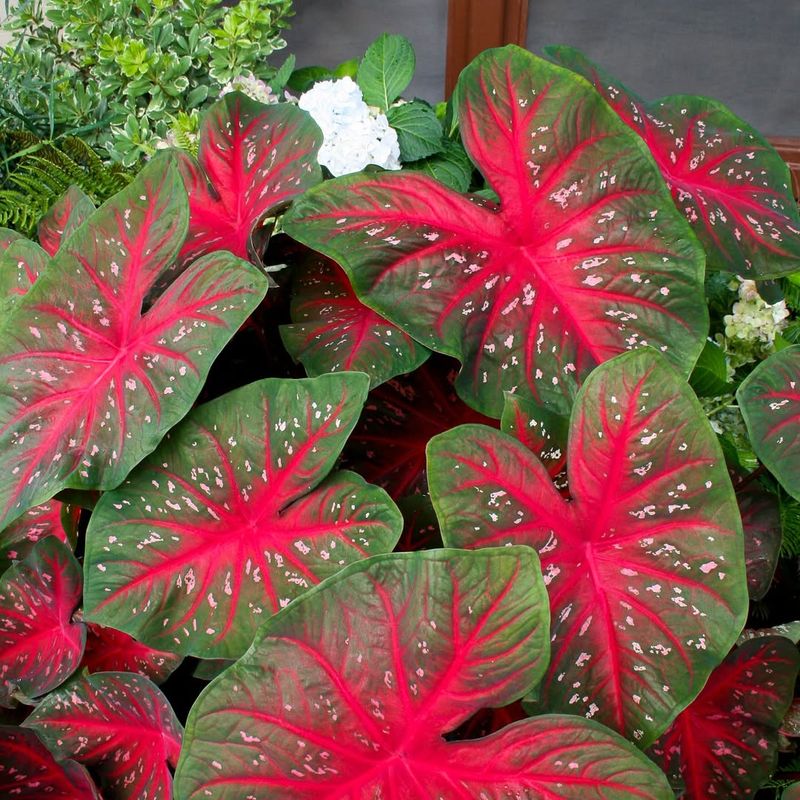
Gardeners seeking maximum impact turn to this powerhouse variety with its enormous fancy leaves. Dark green margins frame a blazing red center that’s dusted with rosy pink speckles.
The size alone commands attention, but the color combination takes it to another level.
Mass plantings create breathtaking displays in Florida landscapes, especially when grouped under oak trees or along shaded walkways. The large foliage fills space quickly and provides a lush tropical look throughout the growing season.
Each leaf can reach impressive dimensions when given proper care and spacing.
Space these bulbs twelve to fifteen inches apart to accommodate their substantial leaf spread. Consistent moisture is essential for supporting such large foliage, so water deeply when the top inch of soil feels dry.
Morning watering allows leaves to dry before evening, reducing the chance of fungal issues.
This variety performs best in shade to partial shade conditions where it receives protection from harsh afternoon sun. The red coloring intensifies in brighter light but too much direct sun can stress the plant.
Mixing this bold variety with chartreuse or white caladiums creates stunning color combinations that feel both tropical and sophisticated in Florida gardens.
3. Carolyn Whorton Glows With Pink Charm
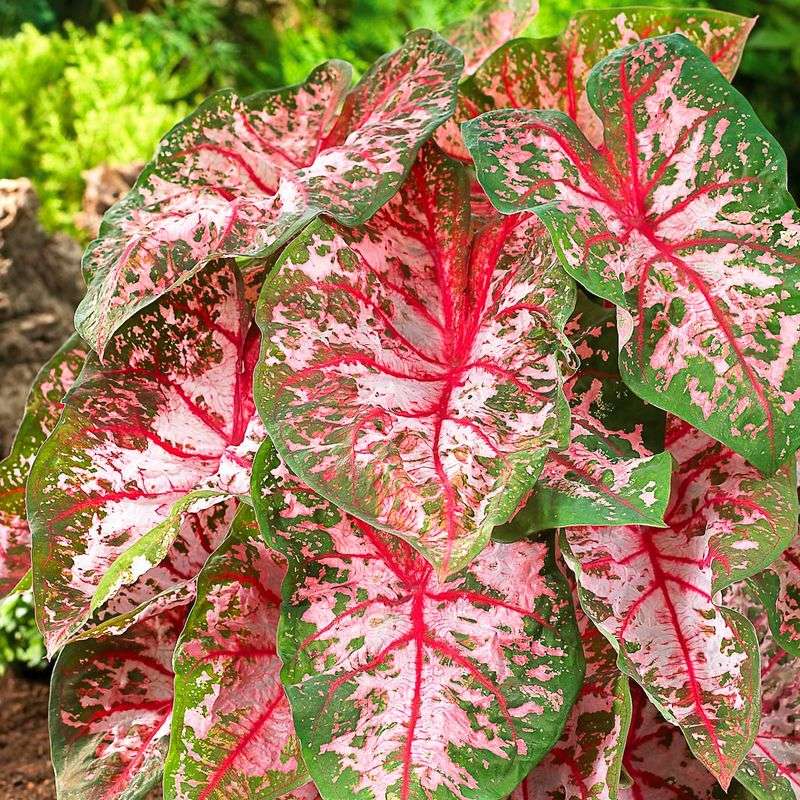
Soft pink leaves edged in green make this variety a reliable performer across Florida. Red veins add subtle detail without overwhelming the gentle color scheme.
The large heart-shaped foliage brings a romantic feel to shaded areas while maintaining enough substance to anchor mixed plantings.
Landscape designers throughout Florida appreciate how well this variety performs in borders and foundation plantings. It blends beautifully with impatiens, coleus, and other shade lovers without competing for attention.
The pink tones warm up cool color schemes and complement both traditional and cottage garden styles.
Plant bulbs after the last chance of cold weather has passed and soil temperatures reach at least 70 degrees. Enriching the planting area with compost improves drainage and provides nutrients for strong growth.
Water regularly during dry spells but avoid overhead irrigation that can spot the leaves.
Pairing this variety with white caladiums creates a fresh, clean look that brightens shaded corners. The green margins help it blend naturally with surrounding foliage plants.
For maximum color impact, group at least five to seven bulbs together rather than scattering single plants throughout the bed. Seasonal timing matters in Florida, so plant in late spring for color that lasts through early fall.
4. Fannie Munson Defines Classic Beauty
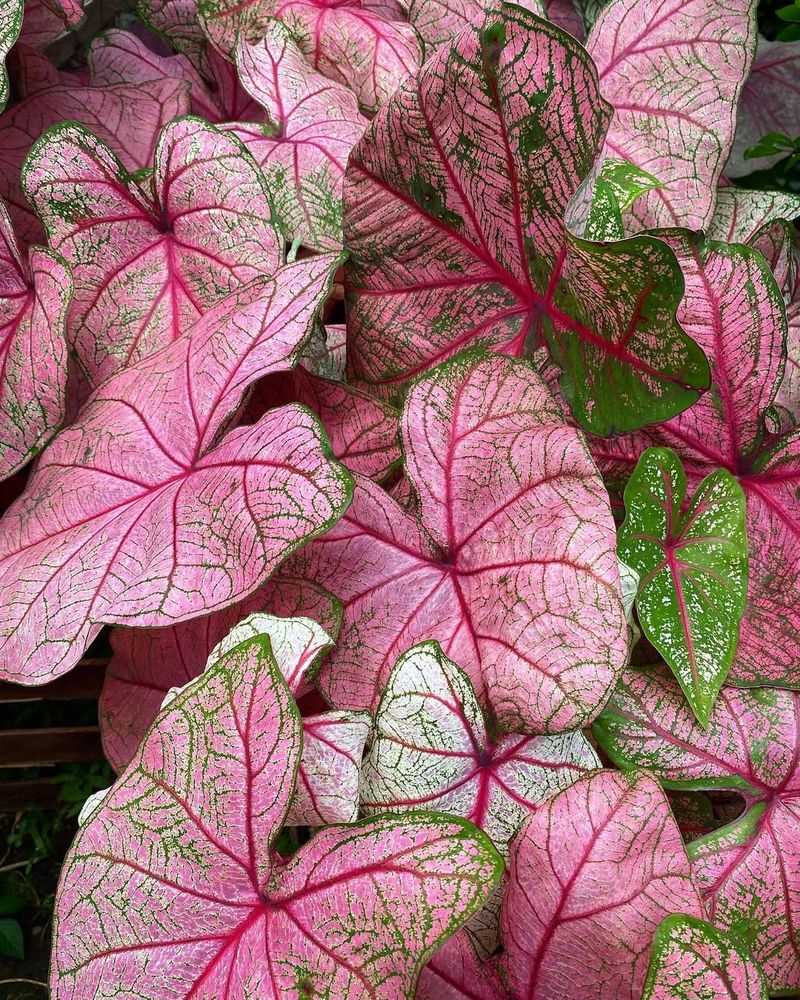
When people picture the perfect pink caladium, this classic variety often comes to mind. Broad heart shaped leaves display a timeless pink coloration that has made it a favorite for generations.
The size and shape create a traditional look that fits both formal and casual Florida gardens.
Under the dappled shade of Florida oak and palm trees, this variety truly shines. The pink color remains vibrant without fading even during the hottest months.
Planting beneath tree canopies protects the foliage while creating natural looking drifts of color that feel like they belong in the landscape.
Proper light levels make all the difference in keeping the pink tones strong and beautiful. Too much shade can cause colors to wash out, while excessive sun bleaches the leaves.
Aim for bright filtered light or morning sun with afternoon shade for the best results in Florida conditions.
Rich, moisture-retentive soil supports healthy growth and maximum leaf size. Work organic matter into the planting bed before setting bulbs to improve soil structure.
Consistent moisture helps maintain turgid, attractive foliage, but good drainage prevents rot. This variety responds well to a balanced fertilizer applied monthly during the growing season, though always follow recommended rates to avoid burning tender roots.
5. Postman Joyner Commands With Rosy Strength
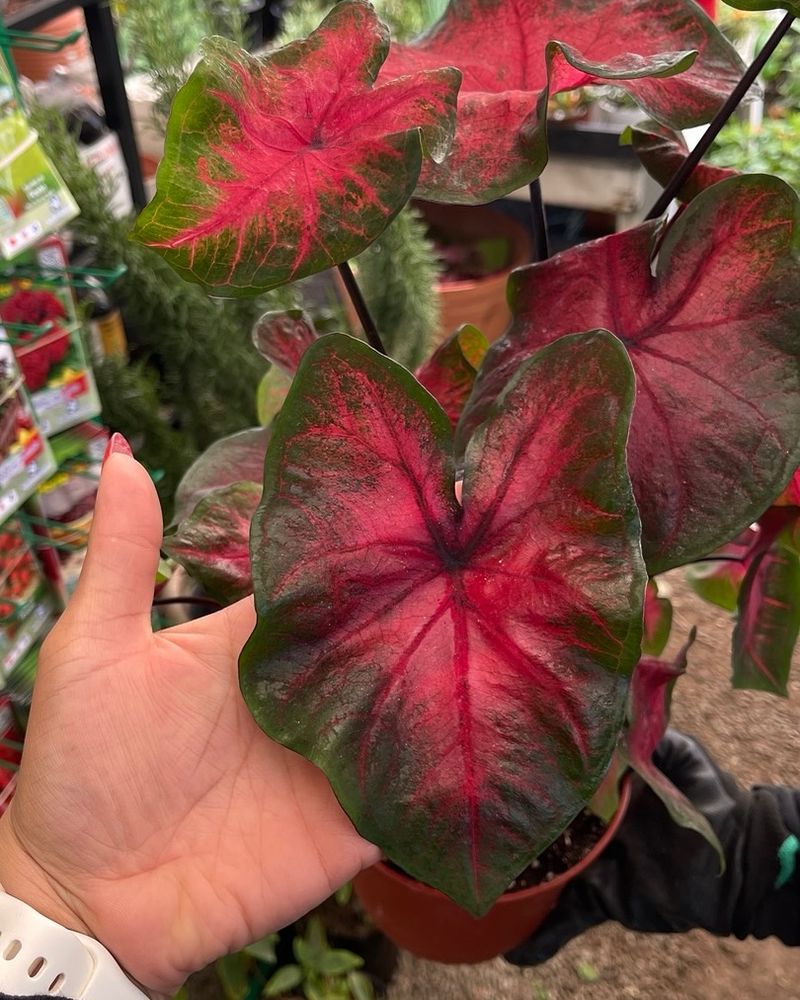
Bold rose coloring sets this variety apart from typical pink caladiums. Green margins frame the rosy centers, creating definition and structure.
The color intensity makes it a natural choice for statement plantings where you want foliage that holds its own against flowering plants.
Florida gardeners use this variety to anchor mixed containers and create focal points in shaded beds. The robust coloring doesn’t fade even during long, humid summers.
Pairing it with silver foliage plants or white flowers enhances the rosy tones and creates sophisticated color combinations.
For full, even growth, plant bulbs with the knobby side up and cover with about two inches of soil. Water thoroughly after planting and maintain consistent moisture as the plants establish.
Spacing bulbs ten to twelve inches apart allows each plant room to develop a balanced shape.
This variety differs from softer pink types by offering more saturated, jewel-like tones. The color depth makes it visible from a distance, perfect for larger Florida landscapes.
Container plantings benefit from the upright growth habit and substantial leaf size. Combining multiple bulbs in a single large pot creates a lush, tropical display that thrives on shaded patios and lanais.
Remove damaged or aging leaves at the base to keep plantings tidy.
6. Gingerland Plays With Freckled Color
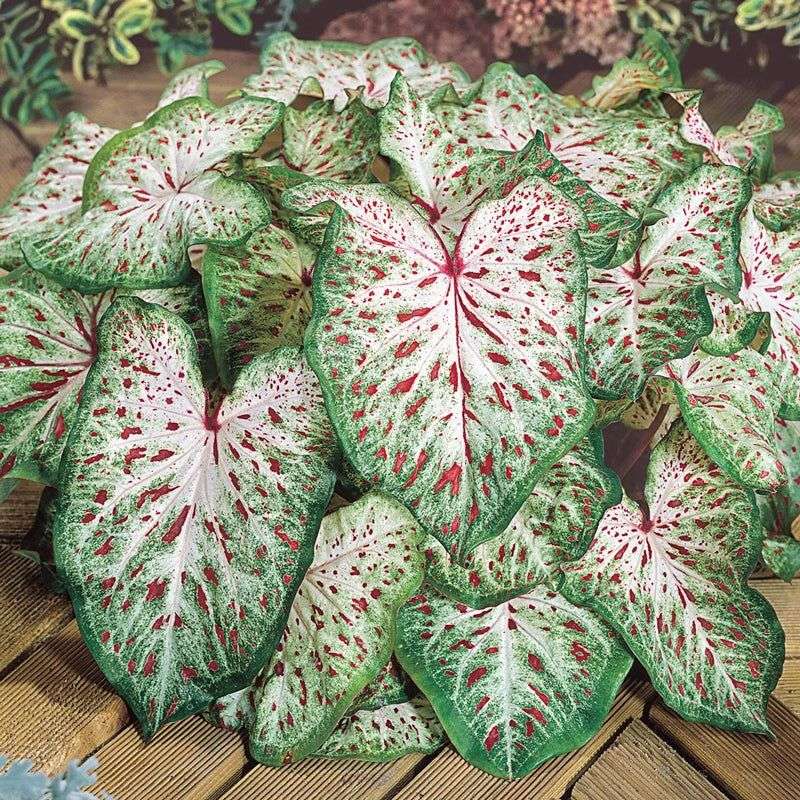
Cream colored leaves speckled with red freckles and outlined in green create a playful pattern that delights up close. The spotted appearance gives this variety a whimsical personality that stands out from solid colored types.
Each leaf displays a unique pattern, making every plant feel like a work of art.
Position this variety where visitors can appreciate the intricate details in Florida gardens. Front of border placements, container gardens near seating areas, and pathway edges all work beautifully.
The lighter background color shows up well even in deeper shade, brightening areas that might otherwise feel dark.
Pairing it with solid colored caladiums creates interesting textural contrast in mixed plantings. The freckled pattern adds visual interest without creating chaos when combined with simpler foliage.
Try grouping it with deep green ferns or burgundy coleus for combinations that feel both cohesive and dynamic.
Clean foliage requires protection from harsh weather and proper watering practices. Avoid getting leaves wet late in the day, as moisture sitting overnight can lead to spotting.
Mulching around plants helps prevent soil splash during Florida’s afternoon thunderstorms. Remove any damaged leaves promptly to maintain the tidy appearance that shows off the beautiful patterns.
This variety appreciates consistent care but isn’t fussy once established in the right location with appropriate light and moisture levels.
7. Florida Sweetheart Feels Soft And Romantic
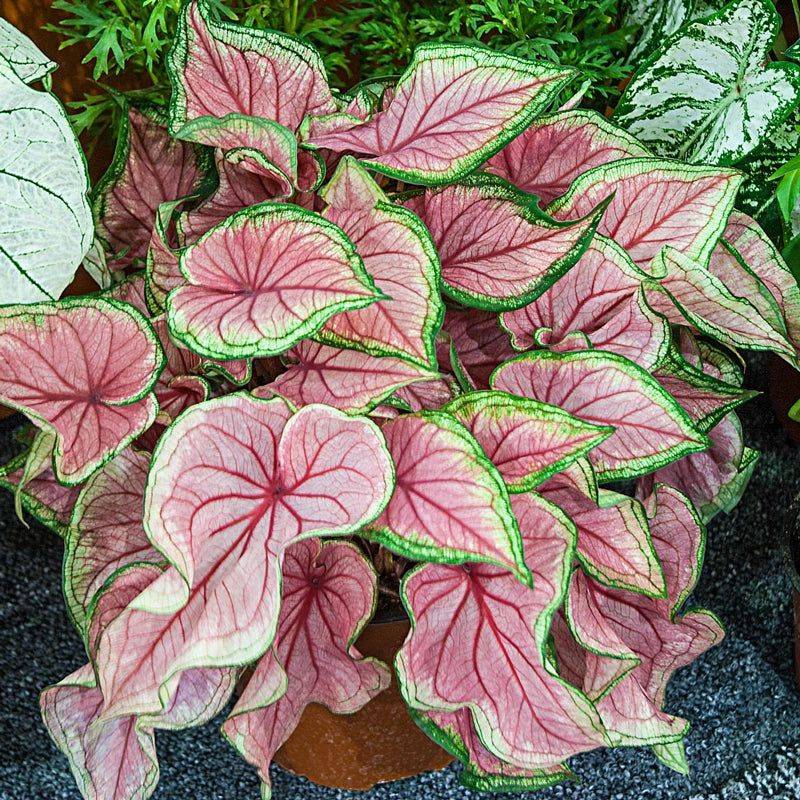
Bred specifically for Florida conditions, this variety brings soft pink tones that feel romantic and gentle. The color palette blends beautifully with other pastels and creates soothing combinations in shaded gardens.
Being developed for our climate means it handles heat and humidity with grace.
Compact to medium growth makes it ideal for containers and smaller garden spaces throughout Florida. Patio pots, window boxes, and tight planting beds all benefit from its manageable size.
The softer color works well in close quarters without overwhelming nearby plants.
Small space gardens gain a lot from this variety’s proportions and color. Balcony containers and courtyard gardens often have limited room for large plants.
This caladium provides tropical flair without taking over the entire area. Pairing it with white impatiens or pale blue lobelia creates dreamy color schemes.
Reliable care basics apply to this Florida friendly variety just like other caladiums. Plant bulbs after soil warms and provide consistent moisture without waterlogging.
Light shade to filtered sun brings out the best pink tones. The breeding behind this variety means it’s adapted to our long growing season and performs well from late spring through early fall.
Fertilize lightly every few weeks during active growth to support healthy foliage without pushing excessive leaf production that can stress smaller plants.
8. Miss Muffet Pops With Spotted Lime
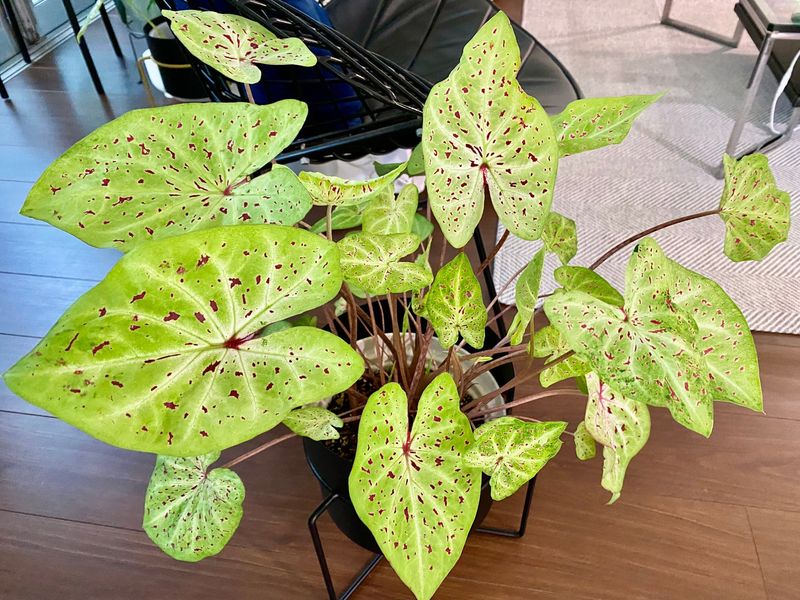
Chartreuse leaves splashed with burgundy spots bring unexpected color to shady Florida areas. The lime green background practically glows in low light conditions where other plants fade into the shadows.
Burgundy spotting adds drama without making the plant feel heavy or dark.
Brightening dim corners becomes easy with this color combination. North facing beds, areas under dense tree canopies, and covered porches all benefit from the luminous foliage.
The chartreuse acts like a natural spotlight, drawing attention and lifting the mood of darker garden spaces.
Design uses for contrast are nearly endless with such a distinctive color. Pair it with deep purple Persian shield or dark leafed coleus for bold combinations.
Mixing it with burgundy caladiums creates a sophisticated monochromatic scheme. Even simple pairings with green ferns highlight the unique coloring.
Avoiding stress keeps leaves looking fresh and vibrant throughout the Florida growing season. Consistent moisture is important, but soggy soil causes problems quickly.
Mulch helps regulate soil temperature and moisture levels. Protect from strong winds that can tatter the foliage.
General care includes planting in well-draining soil enriched with organic matter and providing filtered light. The unusual coloring makes this variety a conversation starter, so place it where guests can admire the cheerful lime and burgundy combination that feels both modern and playful.
9. Frieda Hemple Burns With Deep Red Drama
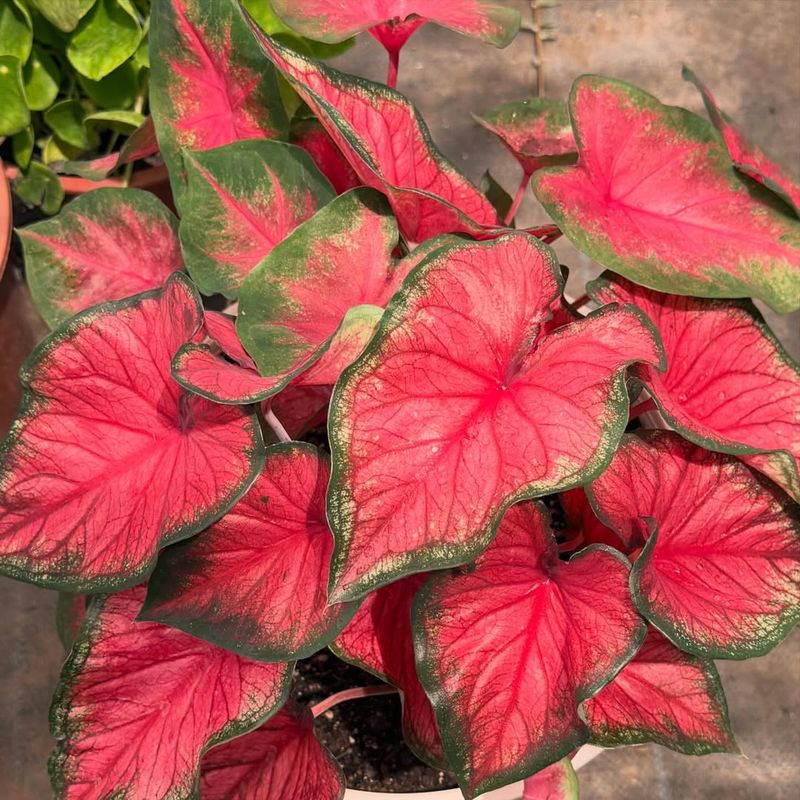
Deep red centers bordered by green create an old-time favorite look that never goes out of style. The bold contrast between the burning red and cool green appeals to gardeners who want maximum drama.
This variety has been loved for decades because it delivers reliable color and classic beauty.
Strong contrast makes it perfect for Florida landscapes where you want foliage that competes with flowering plants. The red is intense enough to hold attention even from across the yard.
Using it in mass plantings amplifies the impact and creates stunning color blocks in shaded areas.
Placement for maximum color means considering both light and background. Position plants where the red can really pop against neutral surfaces or green foliage.
Too much shade dulls the red tones, while excessive sun can stress the plant. Bright filtered light or morning sun with afternoon protection brings out the deepest, richest coloring.
Routine care guidance includes regular watering during dry periods and monthly feeding with a balanced fertilizer. Space bulbs appropriately to allow air circulation between plants, which helps prevent fungal issues during humid Florida summers.
Remove faded leaves at the base to keep plantings looking tidy. This variety combines easily with white or pink caladiums for classic color schemes that feel timeless in both traditional and contemporary Florida gardens.
10. Florida Clown Brings Playful Whimsy
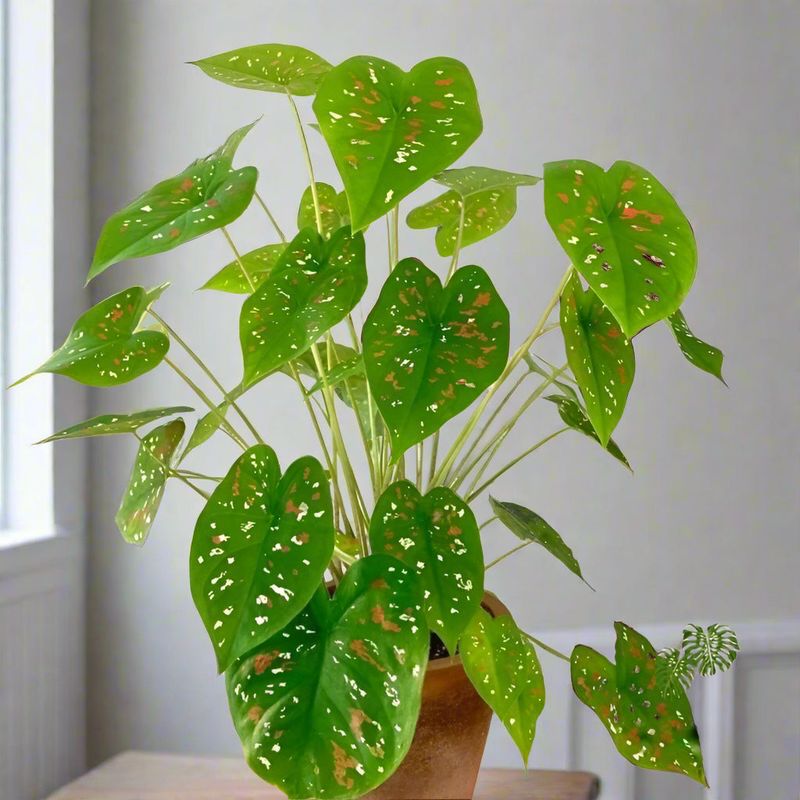
Multicolored foliage splashed with red, white, and green creates a painterly effect that feels spontaneous and fun. The mix of colors on each leaf makes every plant unique.
No two leaves look exactly alike, giving this variety an artistic quality that appeals to creative gardeners.
Using it as a focal point in Florida plantings draws the eye and creates conversation. The busy pattern works best when surrounded by simpler foliage that lets it shine.
Placing it in a prominent container or at a garden intersection maximizes its impact without overwhelming the entire space.
Pairing suggestions include keeping companions relatively simple in color and texture. Solid green ferns, chartreuse sweet potato vine, or white impatiens all complement without competing.
The multicolor nature means it already provides plenty of visual interest on its own.
Practical care follows standard caladium guidelines for Florida growing conditions. Plant bulbs in late spring when soil warms consistently above 70 degrees.
Provide bright shade or filtered light to keep all three colors vibrant. Too much shade fades the white and red, while too much sun stresses the foliage.
Water consistently and mulch to maintain even soil moisture. The whimsical coloring makes this variety especially popular in cottage gardens and casual landscapes where a touch of playfulness feels right at home among other colorful shade plants.