7 Biggest Soil Mistakes Florida Gardeners Make In Winter
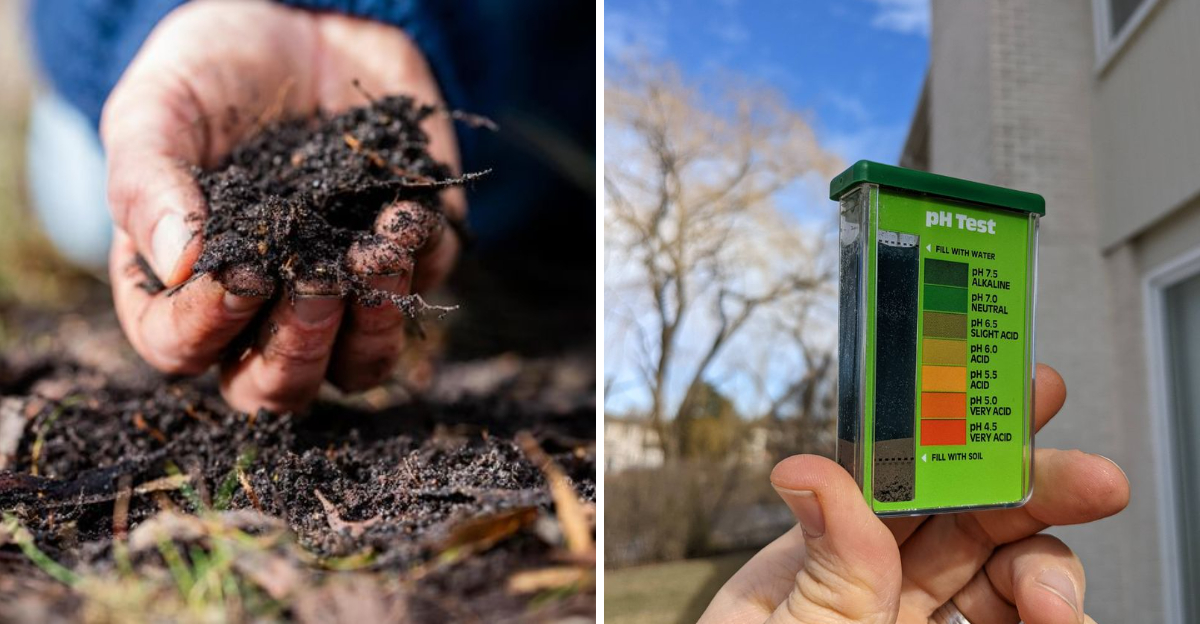
Florida winters feel more like extended spring days than true cold season gardening. Sunshine still warms the soil, palms stay green, and backyard beds rarely freeze solid.
That easy weather can trick gardeners into thinking soil care can wait until March. By the time planting season arrives, many Florida yards are already fighting compacted ground, soggy beds, nutrient loss, and stubborn weeds that took advantage of winter neglect.
If plants struggled last spring, the problem likely started months earlier beneath the surface. Soil does not rest just because growth slows.
It keeps changing with every rainstorm, irrigation cycle, and cool front that moves through the state. Small winter mistakes quietly build into big problems that show up when tomatoes fail, herbs stall, and flowers refuse to thrive.
Strong harvests begin long before seeds touch the ground. Winter habits decide what kind of garden you grow.
1. Leaving Soil Bare
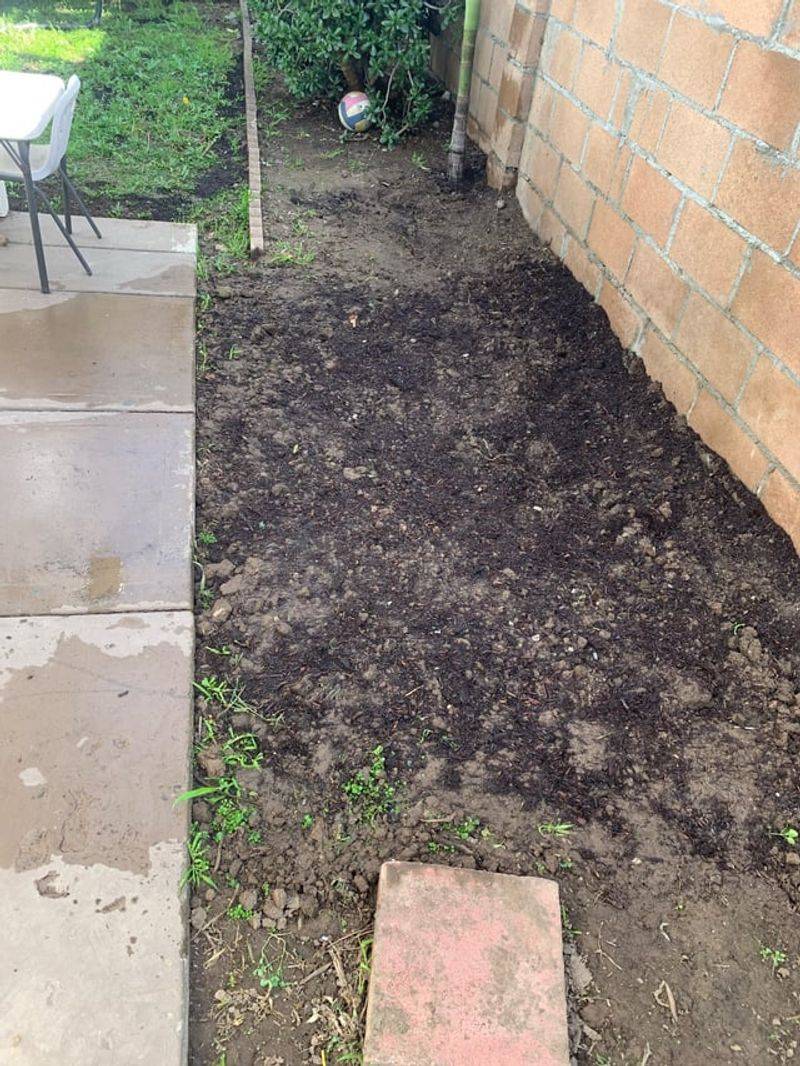
After your fall harvest wraps up, bare soil stretches across garden beds like an empty canvas waiting for spring. You might think this resting period helps the ground recover, but exposed soil actually faces serious risks during Florida winters.
Rain pounds directly onto the surface, washing away fine particles and valuable nutrients your plants will need in a few months.
North Florida gardeners notice how winter rains arrive in steady waves, saturating bare beds and creating surface crusting. Central Florida sandy soils lose organic matter faster when left uncovered because sun and wind break down what little humus exists.
South Florida winter patterns bring heavy downpours that erode unprotected soil, especially on any sloped areas in your yard.
Bare soil also invites weeds to germinate the moment temperatures rise in late winter. Those weeds compete for nutrients and moisture, making spring preparation much harder.
Covering your beds with mulch or planting a cover crop like clover or rye protects the soil structure and keeps beneficial microbes active even during cooler weather. Landscape fabric can be used temporarily, but organic mulches and living covers provide better long-term soil health.
When you shield your soil through winter, you notice better texture and tilth come spring. The ground stays softer, roots establish faster, and you spend less time fighting weeds.
Simple winter protection pays off with healthier, more productive beds when planting season arrives.
2. Working Wet Soil
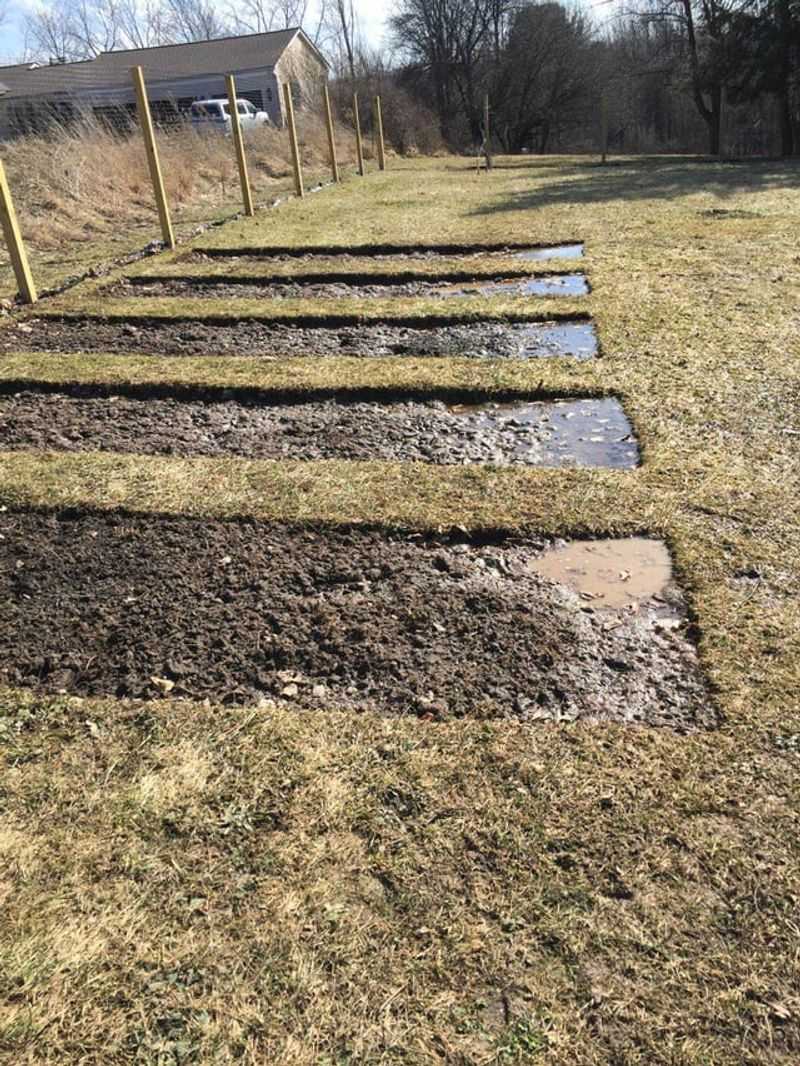
Your garden bed looks ready to work after a winter rain, and you grab your shovel to get ahead on spring prep. The soil feels cool and moist, seemingly perfect for turning or amending.
But working wet soil creates damage that lasts for months, compressing air pockets and destroying the structure your plants depend on for healthy root growth.
Wet soil particles stick together when you dig or walk on them, forming dense clumps that harden as they dry. North Florida gardeners working heavier soils see this problem more dramatically because clay content increases compaction risk.
Central Florida sandy soils seem forgiving, but even sand loses its loose texture when worked while saturated. South Florida winter rainfall keeps beds wet for days, tempting you to work ground that still holds too much moisture.
You can test soil readiness by squeezing a handful into a ball. If it holds its shape and feels slick, wait a few more days.
Properly dry soil crumbles apart easily when you press it. Working at the right moisture level preserves those tiny air channels that roots use to spread and breathe.
When you wait for the right conditions, your soil stays fluffy and workable season after season. Roots penetrate deeper, water drains better, and your amendments mix in evenly instead of creating muddy streaks that take weeks to dry out properly.
3. Overwatering Garden Beds
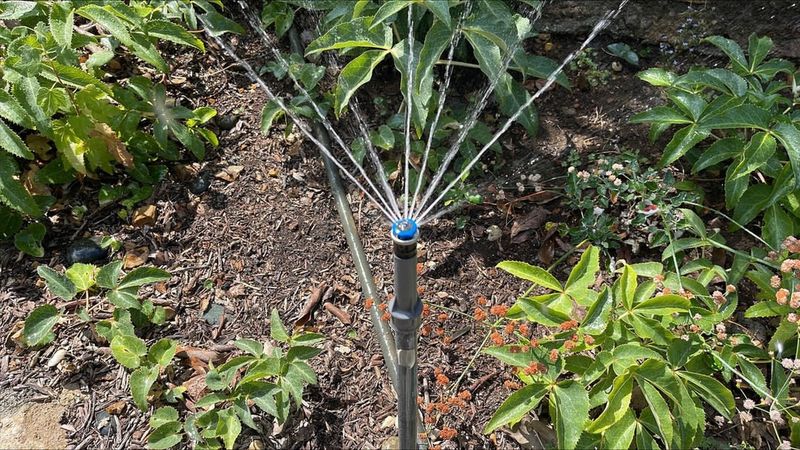
Winter in Florida brings cooler temperatures and higher humidity, yet many gardeners keep their irrigation systems running on summer schedules. You might not notice the excess water right away because plants seem fine and the ground looks moist rather than soaked.
But overwatering during winter drowns beneficial soil organisms, leaches nutrients below root zones, and creates conditions where fungal problems thrive.
Plants use far less water when temperatures drop and growth slows. North Florida gardeners often receive enough natural rainfall during winter that supplemental watering becomes unnecessary for weeks at a time.
Central Florida sandy soils drain quickly, but winter rains usually provide adequate moisture without any irrigation help. South Florida sees the warmest winter conditions, yet even there, cooler nights and occasional cold fronts reduce evaporation and plant water needs significantly.
Check your soil moisture by digging down a few inches with your finger before turning on sprinklers. If the soil feels damp, skip watering and check again in a few days.
Overwatered beds develop a sour smell as oxygen levels drop and anaerobic bacteria multiply. Roots sitting in saturated soil become weak and vulnerable to disease when spring planting begins.
When you match watering to actual plant needs, your soil stays healthier and more balanced. Beneficial earthworms and microbes stay active, organic matter breaks down at the right pace, and your spring plants establish faster in well-aerated ground.
4. Ignoring Organic Matter
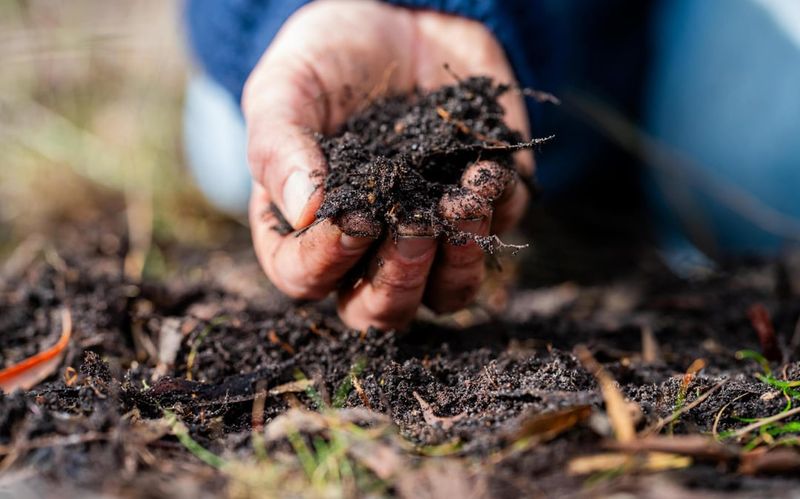
Florida soils naturally contain less organic matter than garden soils in cooler climates. Your sandy ground drains fast and breaks down compost, leaves, and other organic materials at a rapid pace because relatively warm temperatures keep soil microbes active even during winter months.
Skipping organic matter additions during winter means missing a perfect opportunity to rebuild soil structure before the busy spring season arrives.
Organic matter holds moisture, provides nutrients, improves drainage, and feeds the beneficial organisms that keep your soil alive and productive. North Florida gardeners benefit from adding compost or aged manure during winter because cooler temperatures allow organic materials to incorporate slowly without burning plant roots.
Central Florida sandy soils desperately need organic matter to retain any moisture or nutrients at all. South Florida gardeners working with coral-based or rocky soils find that organic amendments create the only real growing medium available for most plants.
Winter gives you time to layer compost, shredded leaves, or well-aged manure onto beds without worrying about heat stress or planting schedules. These materials break down gradually, releasing nutrients just as spring growth begins.
You can also plant cover crops like hairy vetch or crimson clover that add nitrogen and organic matter when you turn them under before planting.
When you prioritize organic matter through winter, your soil becomes darker, softer, and more resilient. Plants grow stronger, water penetration improves, and you build long-term fertility that supports productive gardens year after year.
5. Compacting Soil With Foot Traffic
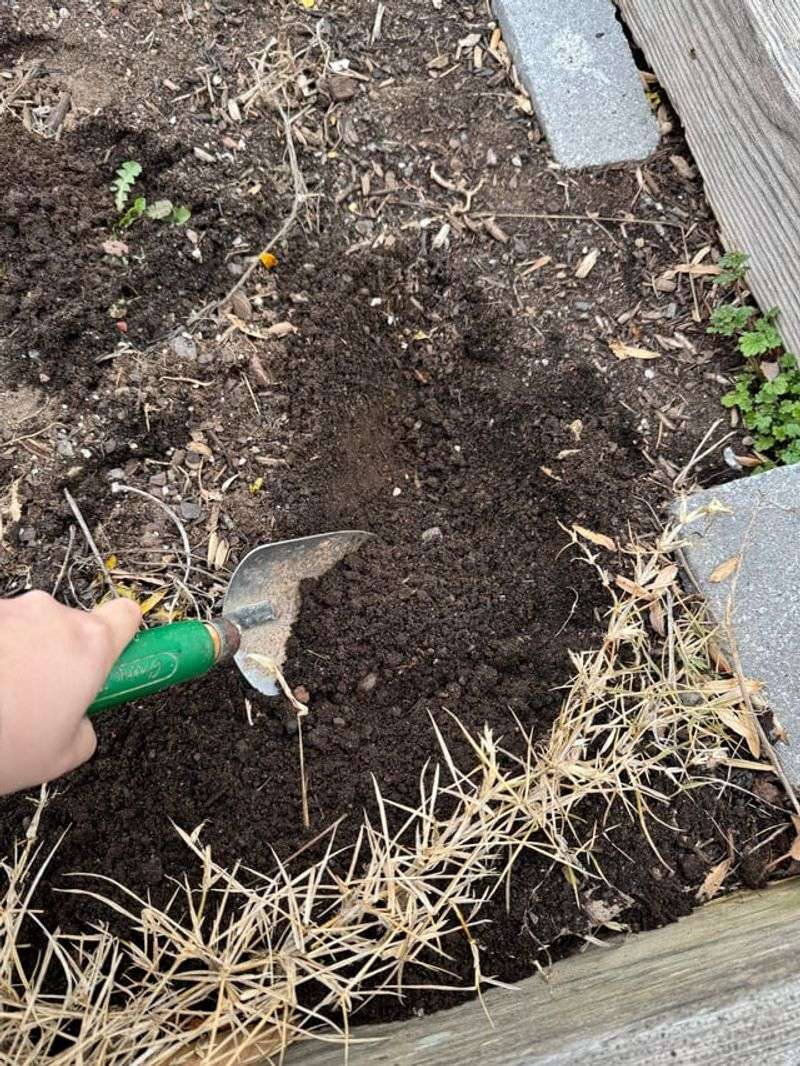
Winter garden tasks like pruning, mulching, and planning next season bring you into your beds more often than you might realize. Each time you step onto garden soil, your weight compresses the tiny spaces between soil particles, squeezing out air and making it harder for roots to penetrate when spring arrives.
Compacted soil drains poorly, warms slowly, and creates frustrating barriers that weaken plant growth all season long.
Wet winter soil compacts even more easily than dry summer ground. North Florida gardeners working in beds after rain can create compaction problems with just a few footsteps across damp earth.
Central Florida sandy soils seem resistant to compaction, but repeated traffic still crushes the loose structure that makes sand drain so well. South Florida gardeners dealing with heavier rainfall periods find that walking on saturated beds creates hard-packed zones that last for months.
You can protect your soil by creating permanent pathways between beds or laying down boards to distribute your weight when you need to reach into planting areas. Raised beds naturally reduce compaction because you work from the edges rather than stepping inside.
Mulched pathways also give you stable footing that protects the soil structure underneath.
When you keep foot traffic off your growing areas, roots spread freely and water moves through the soil profile as it should. Your spring plants establish faster, grow stronger, and produce better because their roots can explore the full depth of loose, well-aerated soil you protected all winter long.
6. Skipping Soil Testing
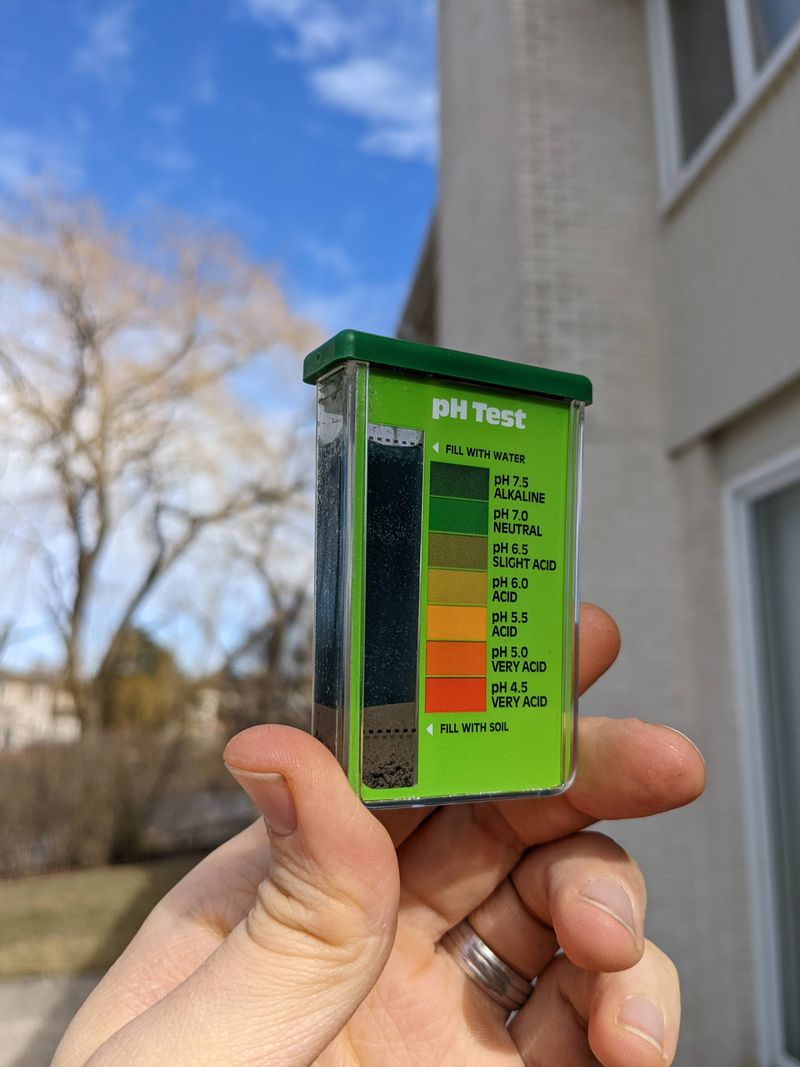
You might assume your soil stays consistent year after year, especially if you garden in the same beds season after season. But soil chemistry shifts constantly as plants pull nutrients, rain leaches minerals, and organic matter breaks down at varying rates.
Winter offers the perfect time to test your soil because you have weeks to adjust pH or add amendments before spring planting begins, yet many gardeners skip this simple step entirely.
Soil testing reveals exactly what your ground needs rather than forcing you to guess which fertilizers or amendments might help. North Florida soils often run more acidic and may need lime to raise pH for vegetable crops.
Central Florida sandy soils often lack magnesium and experience rapid micronutrient leaching, while South Florida alkaline and coral-based soils commonly create iron availability and nutrient lockup problems that testing helps you identify and correct before plants struggle.
University of Florida IFAS Extension offices provide affordable soil testing services specifically calibrated for Florida conditions. You collect samples from different areas of your garden, mail them in, and receive detailed results showing pH, nutrient levels, and specific recommendations for your growing goals.
Winter testing gives you time to apply lime, sulfur, or other amendments that need weeks to adjust soil chemistry properly. The University of Florida IFAS Extension recommends winter soil testing as the best preparation window for spring planting adjustments.
When you test your soil regularly, you stop wasting money on unnecessary fertilizers and start building the exact nutrient balance your plants actually need. Your spring crops grow stronger, produce more, and show fewer deficiency symptoms because the soil chemistry supports healthy growth from the start.
7. Applying Fertilizer At The Wrong Time
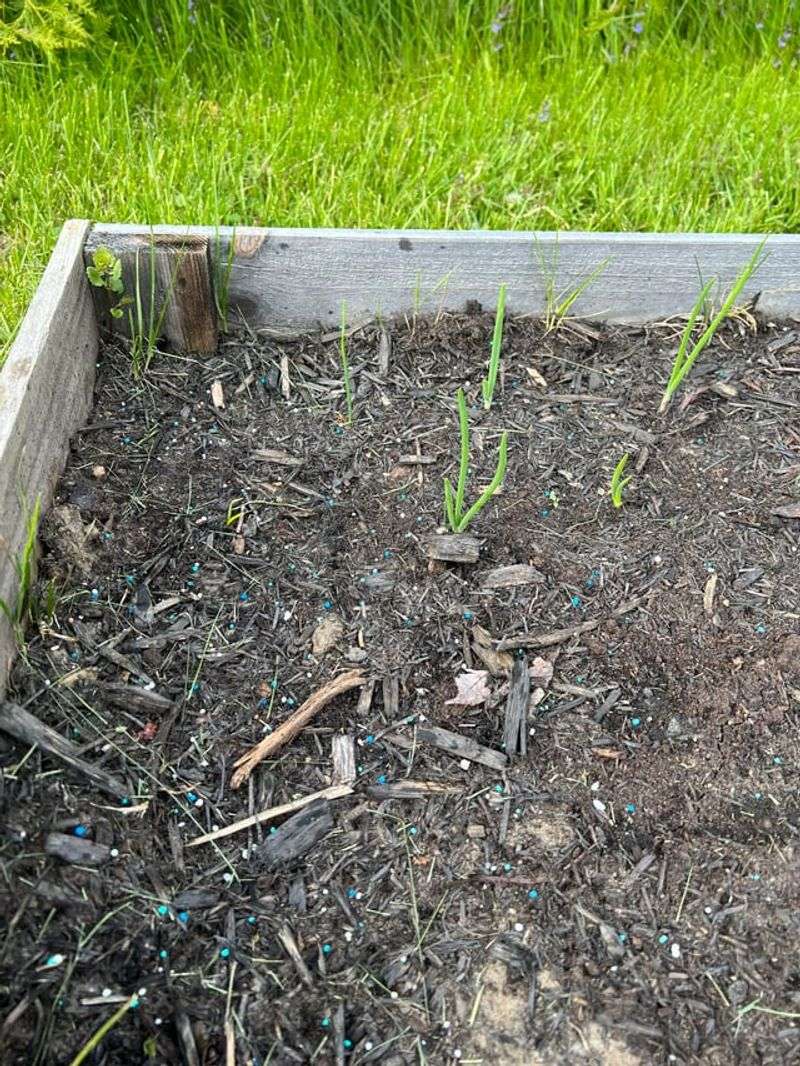
Winter fertilizing seems like smart preparation for spring, but timing matters enormously in Florida gardens. Your soil stays warmer than northern regions, but plant growth still slows during shorter days and cooler nights.
Fertilizer applied too early washes away with winter rains before plants can use it, polluting waterways and wasting your money on nutrients that never reach root zones when growth resumes.
Most vegetables, herbs, and annual flowers need fertilizer only when they actively grow and produce. North Florida gardeners should wait until late February or early March when soil temperatures rise and day length increases enough to trigger real growth.
Central Florida planting seasons start earlier, but fertilizing before mid-February still risks nutrient loss through leaching in sandy soils. South Florida gardeners can begin fertilizing in late January for warm-season crops, while winter vegetables already planted may need light feeding if they are actively growing, but heavy fertilization should wait until spring growth accelerates.
Slow-release organic fertilizers applied in late winter work better than quick-release synthetic products because nutrients become available gradually as soil microbes activate with warming temperatures.
You can also top-dress beds with compost in winter, allowing nutrients to incorporate slowly without the risk of burning plants or leaching into groundwater before roots can absorb them.
When you time fertilizer applications to match actual plant growth, your nutrients go where they belong instead of washing into lakes, rivers, and coastal waters. Your plants get the nutrition they need exactly when growth demands it, producing stronger stems, better yields, and healthier crops all season long.