Bird Feeders Can Bring Rats To Oregon Yards And Here’s What Really Causes The Problem
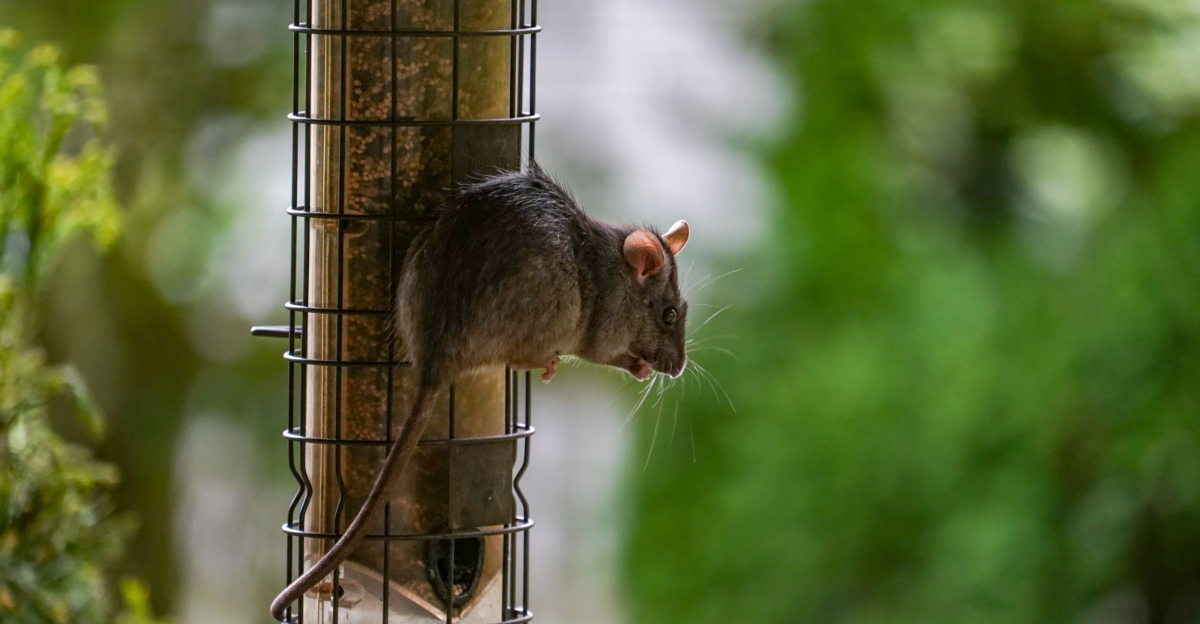
Bird feeders are one of those backyard additions that feel entirely wholesome right up until you spot something moving around underneath one at dusk that is definitely not a bird.
Rats in Oregon yards are a more common problem than most homeowners want to admit, and bird feeders are frequently part of the story.
Not because feeders cause rat problems on their own, but because spilled seed, open storage bags, nearby water sources, and dense shrub cover create a combination that rodents find genuinely hard to resist.
The good news is that enjoying Oregon’s backyard birds and keeping rats out of the picture are not mutually exclusive goals.
It mostly comes down to understanding what is actually attracting rodents in the first place and making a few practical adjustments that disrupt that appeal without giving up the feeder entirely.
1. Spilled Seed Turns Into A Rat Food Source
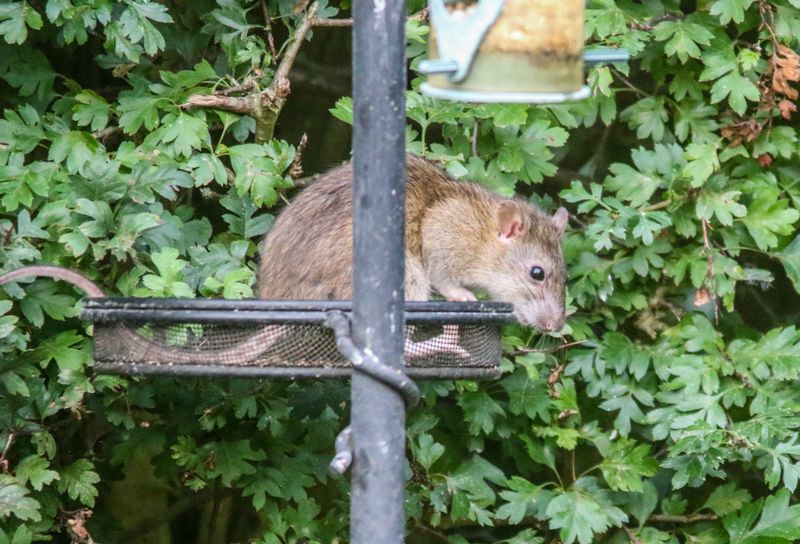
Seed shells collecting beneath a feeder are one of the most common signs that a bird-feeding setup may be drawing more than birds.
Every time a finch or sparrow tosses seed aside or a chickadee cracks open a sunflower shell, some of that material lands on the ground below.
Over a few days, the area under a feeder can build up a thick layer of discarded seed, hulls, and soft bits that rodents find easy to locate.
In Oregon, where wet winters keep the ground damp for months, spilled seed can stay moist and accessible longer than it would in drier climates. Rats are opportunistic feeders, meaning they are drawn to reliable, low-effort food sources.
A patch of ground covered in seed is exactly that. The problem is not the feeder itself but the accumulation that forms underneath it when cleanup is not part of the routine.
Sweeping or raking beneath a feeder every few days can reduce the buildup significantly. Using a seed tray or catcher attached to the feeder pole can also help contain what falls.
Keeping the ground beneath the feeder as clean as possible makes the area far less attractive to rodents looking for an easy meal in an Oregon yard.
2. Ground Feeding Makes The Problem Worse
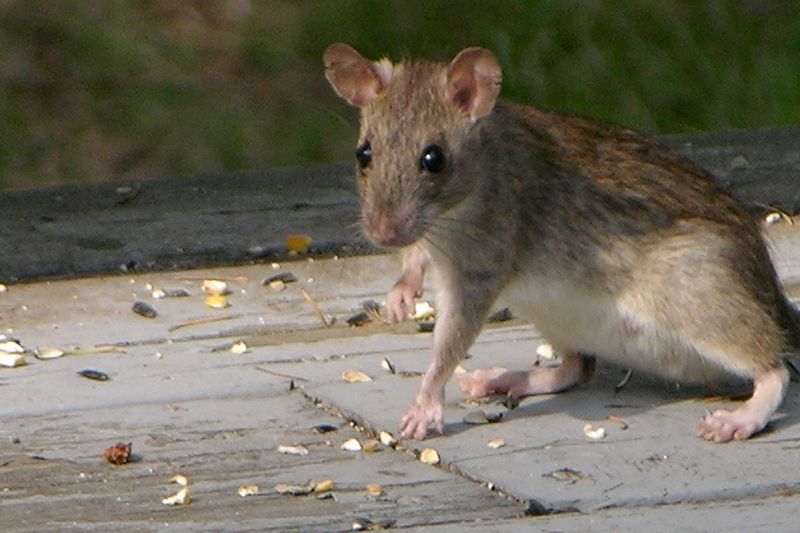
Scattering seed directly on the ground or a flat surface is a feeding style some Oregon bird enthusiasts prefer because it attracts ground-feeding species like juncos and towhees.
The problem is that spreading seed at ground level removes one of the natural barriers that a properly elevated feeder provides.
When food is already on the ground, rats do not need to figure out how to reach a pole or navigate a baffle.
Ground feeding also tends to spread seed across a wider area, making it harder to clean up thoroughly. A few scattered kernels may seem harmless, but even small amounts of food left at ground level can encourage rodents to explore a yard more regularly.
Once rats learn that a particular yard reliably offers food near the ground, they are more likely to return and establish a nearby shelter.
Your Oregon Garden Changes Every Week. Your Plan Should Too.
Gardening in Oregon changes quickly throughout the season. Every Friday you’ll receive a simple weekly plan showing exactly what to plant, prune, fertilize, harvest, and protect so you never miss the right timing.
If ground-feeding birds are important to you, consider placing seed in a shallow tray that can be brought inside at night rather than leaving food spread across open soil or decking.
Removing uneaten seed before dusk is one of the more effective habits Oregon homeowners can develop.
Rats are most active at night, so limiting what is available after dark can reduce the draw considerably without forcing you to give up feeding birds altogether.
3. Cheap Seed Mixes Leave Too Much Waste
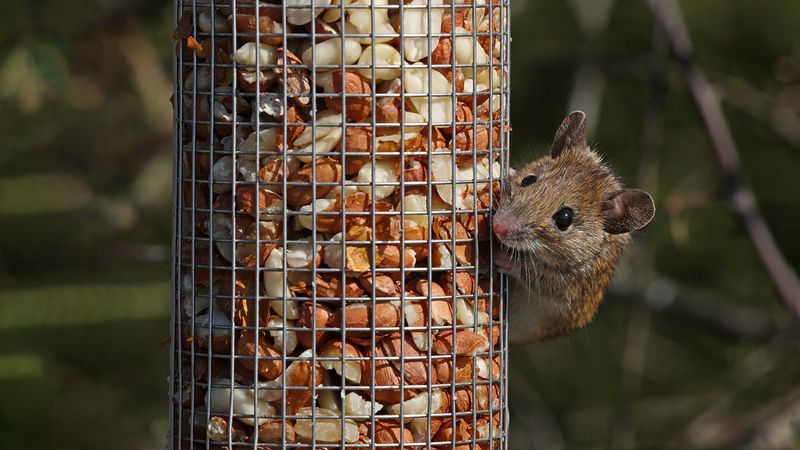
Budget seed mixes often contain a high percentage of filler seeds that most backyard birds in Oregon simply do not prefer.
Milo, red millet, and certain grains are commonly used as inexpensive bulk fillers, but species like chickadees, finches, and nuthatches tend to toss them aside in search of the sunflower seeds or nyjer buried deeper in the mix.
The result is a significant amount of unwanted seed piling up beneath the feeder.
That rejected seed does not go to waste in the eyes of a rat. Filler seeds that birds discard are still perfectly edible to rodents, and a feeder that drops a steady stream of rejected grain is essentially providing a buffet at ground level.
The more birds toss aside, the more material accumulates, and the more appealing the area becomes to animals other than the intended visitors.
Switching to a higher-quality seed mix or single-ingredient options like black-oil sunflower seeds or nyjer can reduce waste noticeably. Birds eat more of what they want, less ends up on the ground, and the area under the feeder stays cleaner with less effort.
Spending a little more on seed can actually make the overall feeding setup more efficient and less likely to cause problems in an Oregon yard over time.
4. Unsealed Birdseed Bags Invite Rodents
Most people who feed birds keep a supply of extra seed somewhere nearby, often in a garage, shed, or covered porch. What many do not think about is how easily an open or loosely closed bag of birdseed can become a target for rats.
A thin paper or plastic seed bag offers very little resistance to a rodent that has already detected the smell of grain from several feet away.
Oregon garages and sheds are common storage spots, and during the wetter months those spaces can also provide warmth and shelter that makes them attractive to rodents looking for more than just food.
An open seed bag in that kind of environment is essentially a welcome sign.
Rats that find stored seed often return repeatedly, and they may also begin exploring the rest of the structure for nesting opportunities.
Storing birdseed in a rigid, sealed container with a secure lid is one of the most straightforward changes an Oregon homeowner can make. Metal garbage cans with locking lids or purpose-built rodent-resistant storage bins work well for this purpose.
Keeping the storage area tidy, sweeping up any spilled seed from the floor, and not leaving partially opened bags lying around can make a meaningful difference in whether rodents are drawn to the area in the first place.
5. Low Feeders Give Rats Easy Access
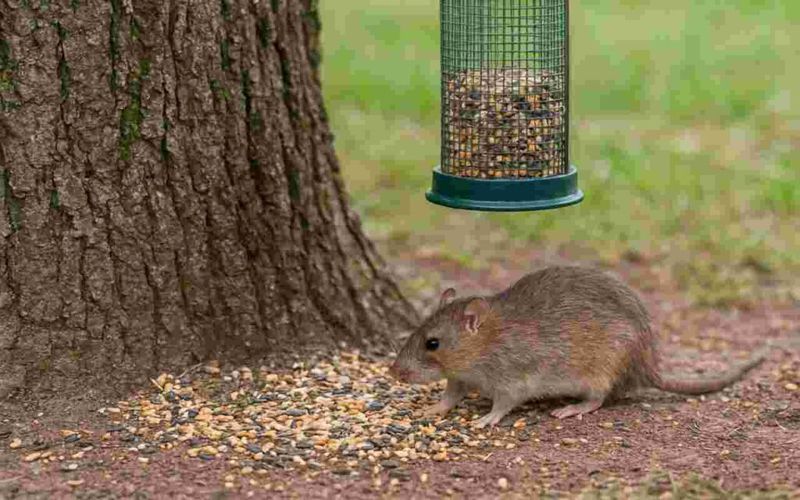
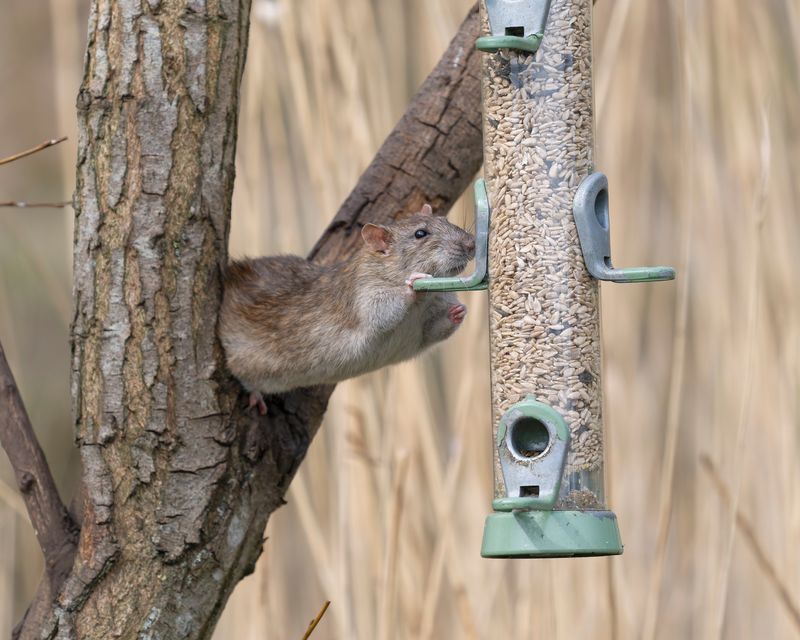
Feeder height and placement matter more than most people realize when it comes to keeping rodents out. A feeder mounted on a short pole, hung from a low branch, or positioned close to a fence, railing, or deck edge gives rats a much easier path to the seed.
Rats are capable climbers and can scale wooden poles, rough surfaces, and most fencing materials without much difficulty.
In Oregon, where wood fences are common and yards often include mature shrubs and trees, there are usually plenty of routes a rat could take to reach a poorly placed feeder.
Even a feeder that seems elevated can become accessible if it is close enough to a climbable structure that a rat can use as a launch point.
The gap between a feeder and a nearby surface is often smaller than homeowners expect.
Placing a feeder on a smooth metal pole at least five feet off the ground and adding a baffle below the feeder can help reduce access. A baffle is a cone-shaped or cylindrical barrier that makes it harder for rodents to climb past a certain point on the pole.
Keeping the feeder away from fences, overhanging branches, and deck railings by at least a few feet removes several of the most common climbing routes rats use to reach an otherwise well-placed feeder.
6. Nearby Fences And Shrubs Provide Cover
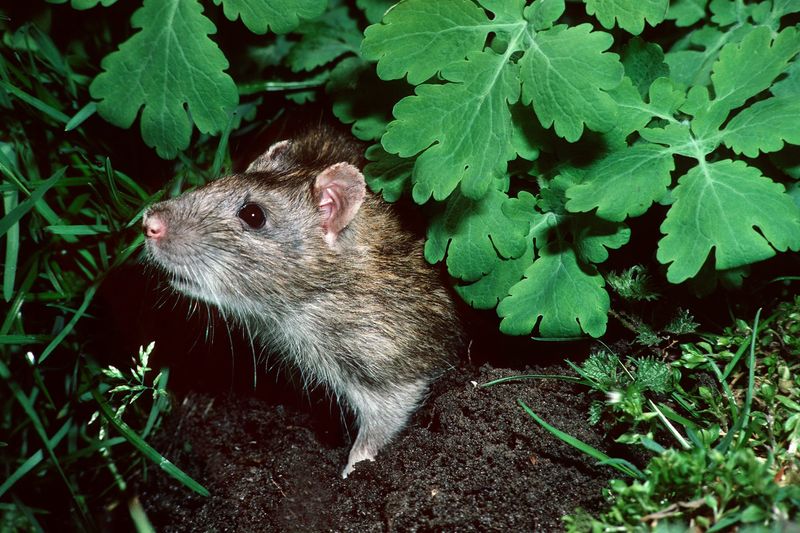
Rats do not typically move across open ground if they can avoid it. They prefer to travel along edges, under cover, and through spaces where they feel less exposed.
A bird feeder positioned near a fence line or a dense shrub border gives rodents exactly the kind of covered pathway they look for when exploring a yard for food.
Shrubs planted close to patios, fences running along property lines, and overgrown hedge borders are all features that make Oregon backyards feel safer for rats to navigate. The feeder does not have to be touching the shrub for this to matter.
Even a few feet of open ground between a feeder and a dense planting can be enough for a rat to feel comfortable making the trip, especially at night when visibility is low.
Trimming shrubs back from the base so there is a clear gap between the lowest branches and the ground can reduce the amount of ground-level cover available near a feeder.
Keeping grass and low plantings near the feeding area trimmed short removes some of the concealment rats rely on.
The goal is not to eliminate all plants near the feeder but to reduce the amount of dense, low cover that lets rodents move around without being noticed in an Oregon yard.
7. Messy Feeder Areas Hide Rat Activity
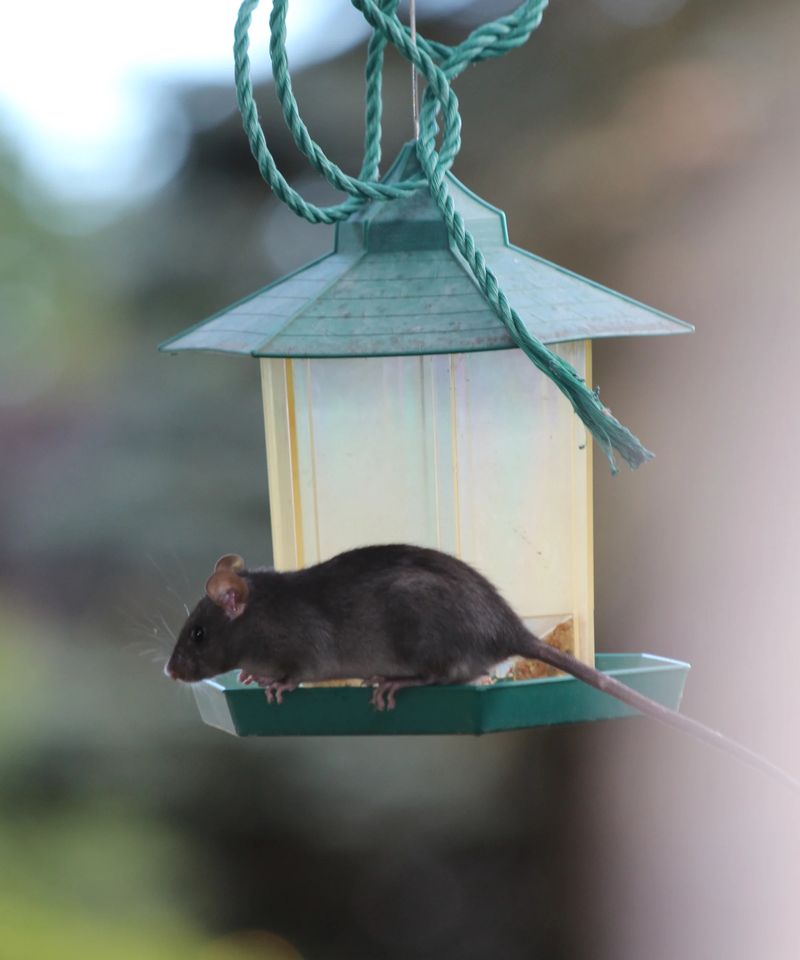
A buildup of seed hulls, old droppings, wet seed clumps, and general debris beneath a feeder does more than just look untidy. It creates a layer of material that can mask the signs of rat activity that a homeowner might otherwise notice fairly quickly.
Fresh rat droppings, disturbed soil, or gnaw marks can be easy to miss when they are hidden under a pile of sunflower shells and damp seed waste.
Keeping a feeder area clean is not only about reducing food availability for rodents but also about being able to see what is actually happening in that space.
Oregon yards that go through wet winters can accumulate debris under feeders quickly, especially if the feeder is positioned over a deck, patio, or wood chip border that holds moisture.
That damp, layered environment can attract insects and mold as well, creating additional reasons for rodents to investigate the area.
A simple routine of clearing out the area under and around a feeder every few days makes it much easier to spot unusual activity early.
Looking for small droppings, burrow holes near the base of the pole, or chewed materials near the storage area can help an Oregon homeowner catch a potential rodent problem before it becomes more established.
A tidy feeder station is one of the most practical forms of early detection available.
8. Water Sources Make Yards More Appealing
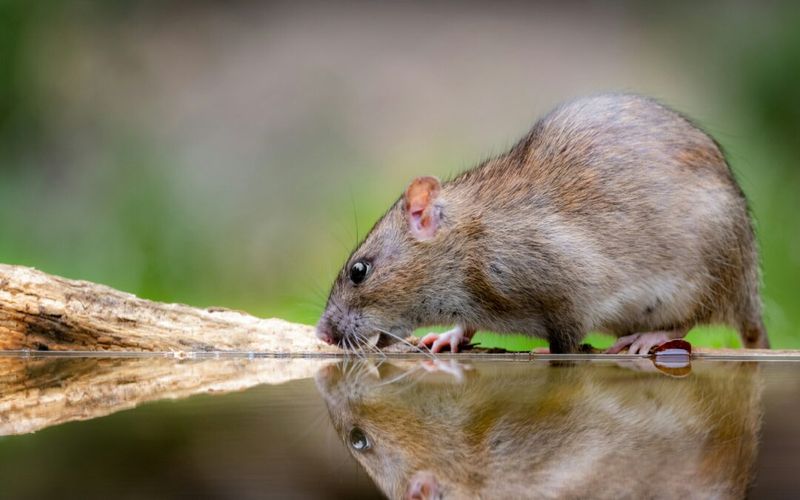
Food alone is not the only thing that makes a yard attractive to rats. Water is just as important, and Oregon yards often have more of it available than homeowners think about.
Birdbaths, shallow saucers left under potted plants, pet water bowls, leaky hose connections, and even low spots that collect rainwater can all serve as convenient drinking sources for rodents that are already visiting a yard for seed.
During Oregon’s dry summer months, standing water becomes especially valuable to wildlife of all kinds, including rats.
A birdbath placed near a feeder creates a situation where both food and water are available in the same small area, which is exactly the kind of setup that encourages rodents to stick around rather than just passing through.
Emptying and refreshing birdbaths regularly reduces the chance of them becoming a steady resource for rodents. Checking for dripping hoses or faucets near the garden or along the side of the house can eliminate water sources that are easy to overlook.
If a saucer is needed under a large potted plant, emptying it after rain or watering sessions keeps standing water from accumulating.
Managing water alongside seed and cover gives Oregon homeowners a more complete approach to reducing what draws rodents to a yard in the first place.
9. Pet Food Adds Another Easy Meal
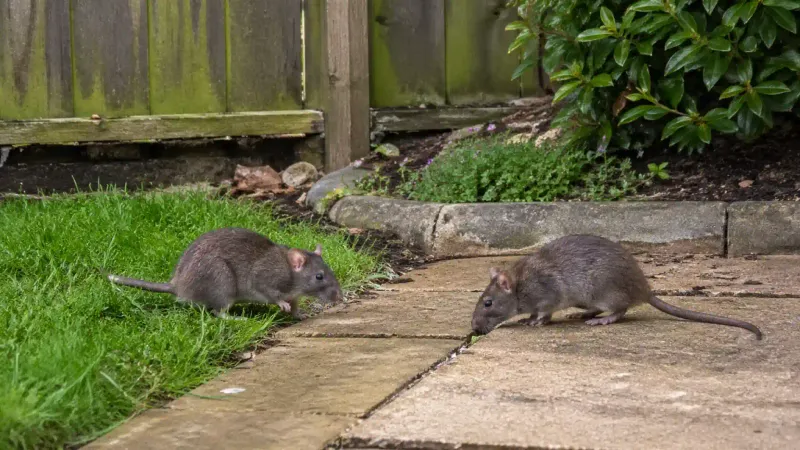
Outdoor pet bowls are one of the more overlooked contributors to rodent activity near a bird-feeding area.
A yard that already has accessible seed, water, and cover becomes significantly more appealing when a bowl of dog or cat food is also sitting near the back door or on the patio.
Rats are not picky eaters, and commercial pet food is just as attractive to them as birdseed.
Many Oregon pet owners leave food outside for free-roaming cats or dogs that spend time in the yard throughout the day. It is easy to forget that a bowl sitting out in the evening is essentially an unguarded food source once the sun goes down.
Rats tend to be most active during the nighttime hours, so food left out after dark is particularly likely to draw attention from rodents exploring a yard that already offers seed and shelter.
Bringing pet food bowls inside before dusk is one of the simplest adjustments an Oregon homeowner can make.
If a pet needs access to food while outside during the day, consider using an elevated bowl stand that makes the food slightly less accessible at ground level.
Combining that habit with regular feeder cleanup and proper seed storage removes multiple food sources at once, which makes the yard considerably less inviting to rodents overall.
10. Cluttered Corners Give Rats Shelter
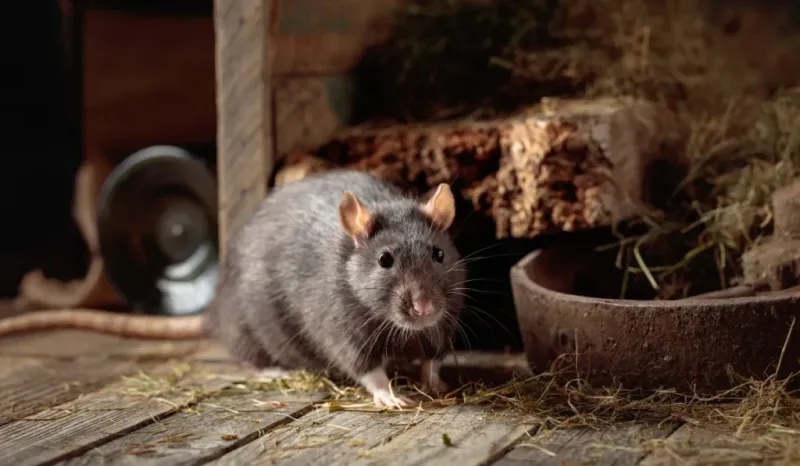
Piles of firewood, stacked lumber, old garden pots, unused lawn equipment, and overgrown corners near a fence line are all features that rats find useful as shelter.
When those kinds of spaces exist near a feeder, they reduce the distance a rat needs to travel between food and a safe resting spot.
A yard that offers both is much more likely to support an ongoing rodent presence than one that offers food without nearby cover.
Oregon yards tend to accumulate seasonal clutter, particularly during fall and winter when outdoor activity slows down.
Firewood stacked against a shed wall, bags of potting soil stored near a fence, or a pile of leaves left in a corner can all serve as nesting material or hiding spots.
Rats do not need a large space to feel secure; even a modest gap beneath a stacked pile of wood is enough to shelter a small group.
Moving firewood and stored materials away from fences and feeder stations, keeping stacks elevated off the ground on a rack, and clearing out overgrown corners periodically can reduce the amount of ready-made shelter near a food source.
The combination of accessible seed and nearby cover is what allows a rodent population to become established in an Oregon yard, so addressing both together tends to be more effective than focusing on just one at a time.