9 Boxwood Alternatives Texas Gardeners Love For Modern Landscapes
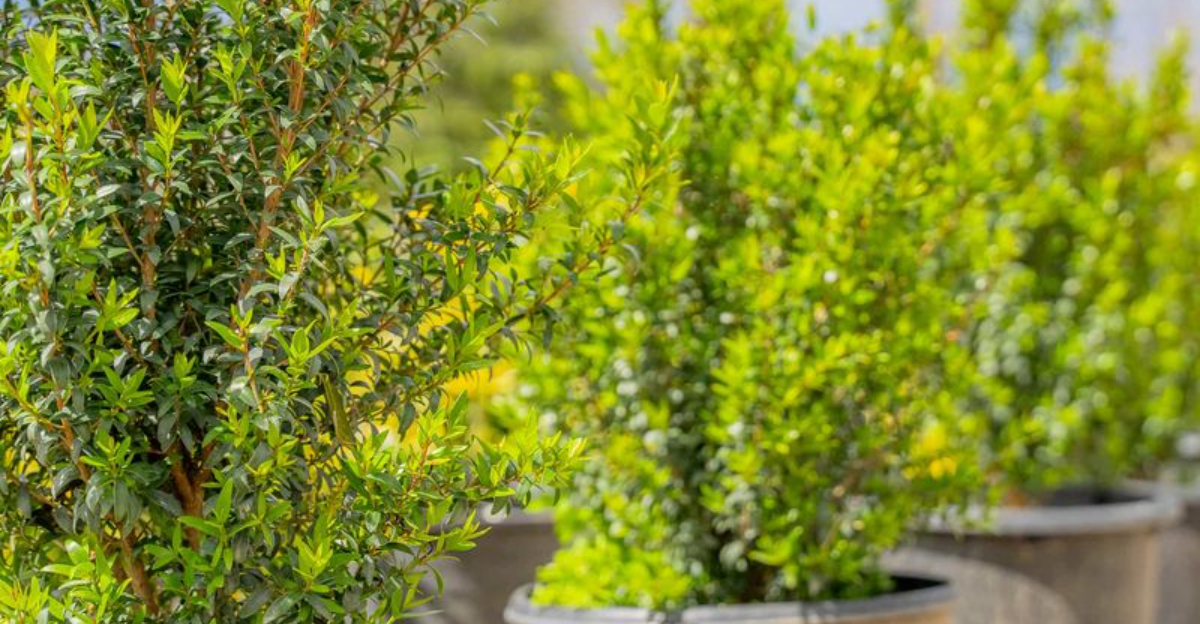
Boxwoods have been a popular landscaping choice for years, but many Texas gardeners are starting to look for better options. Between extreme heat, drought, and pest problems, boxwoods do not always perform well in Southern climates.
If you want a modern landscape that looks clean, stylish, and easy to maintain, switching plants can make a big difference. Today’s gardeners want shrubs that grow strong, handle tough weather, and still offer great shape and color.
Luckily, there are plenty of beautiful alternatives that fit Texas yards perfectly. These plants can give you the same neat look without the extra stress and constant care.
Whether you are updating your front yard or designing a new outdoor space, choosing the right replacements can help your landscape stay healthy, attractive, and low-maintenance all year long.
1. Dwarf Yaupon Holly
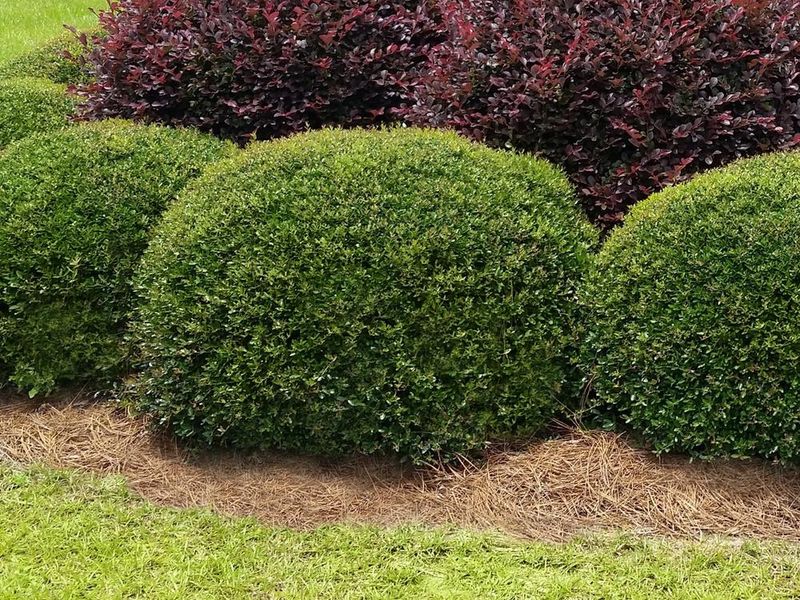
Native to Texas and the southeastern United States, dwarf yaupon holly has become a favorite among landscape designers who want that formal boxwood appearance without the fuss.
This evergreen shrub produces tiny, dense leaves that create a tight, compact form perfect for hedges, borders, and foundation plantings.
The natural growth habit requires minimal pruning to maintain its neat shape, saving you tons of time and effort compared to traditional boxwoods.
What makes this plant absolutely shine in Texas landscapes is its incredible drought tolerance once established. After the first growing season, dwarf yaupon can handle our brutal summer heat with occasional deep watering rather than constant attention.
It adapts beautifully to various soil types, including the alkaline conditions common throughout much of Texas, making it a reliable performer from the Panhandle to the Gulf Coast.
The small red berries that appear on female plants add a pop of color during fall and winter months, attracting birds to your garden. These berries don’t create mess or maintenance issues, just a subtle seasonal interest.
Dwarf yaupon holly typically reaches 3 to 5 feet tall and wide. Regular trimming can keep it much smaller for formal hedges and geometric designs that define modern landscaping styles.
2. Japanese Boxwood
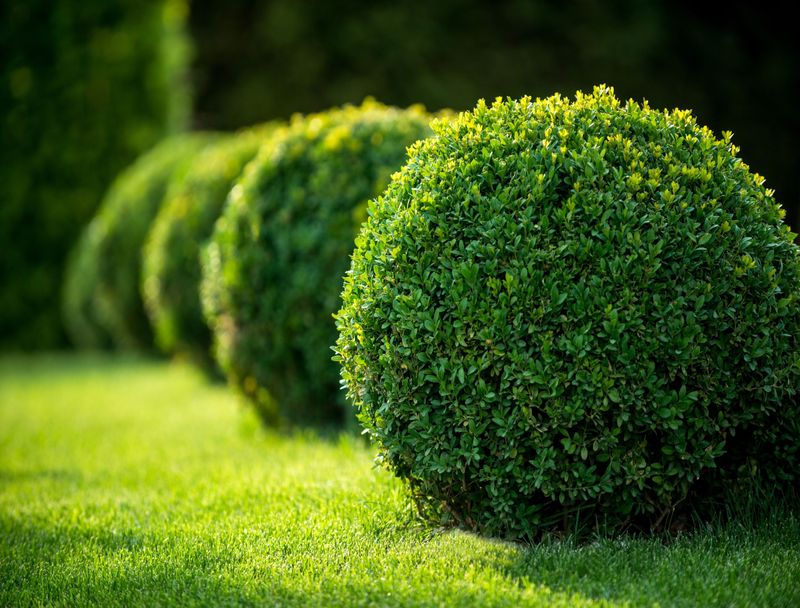
Before you write off all boxwoods, consider Japanese boxwood as a heat-tolerant cousin that actually performs well across Texas. Unlike English boxwoods that struggle mightily in our climate, this Asian variety handles hot summers with much better grace and resilience.
The rounded leaves stay vibrant green throughout the year, providing that classic manicured look modern landscapes demand without the constant stress of watching your plants suffer.
Japanese boxwood grows more slowly than its English relative, which actually works in your favor for maintenance purposes. Less frequent trimming means less work for you while still maintaining those crisp, clean lines that make contemporary gardens so appealing.
This variety tolerates partial shade better than many alternatives, making it useful for those tricky spots under tree canopies or along north-facing walls where other sun-loving plants might struggle.
Throughout Texas, particularly in the eastern and central regions where humidity runs higher, Japanese boxwood shows impressive resistance to common boxwood problems.
The compact growth habit reaches about 4 to 6 feet at maturity, though most gardeners keep them trimmed to 2 or 3 feet for formal hedge work.
Proper spacing and good air circulation help these shrubs stay healthy and looking their absolute best through every season.
3. Soft Touch Holly
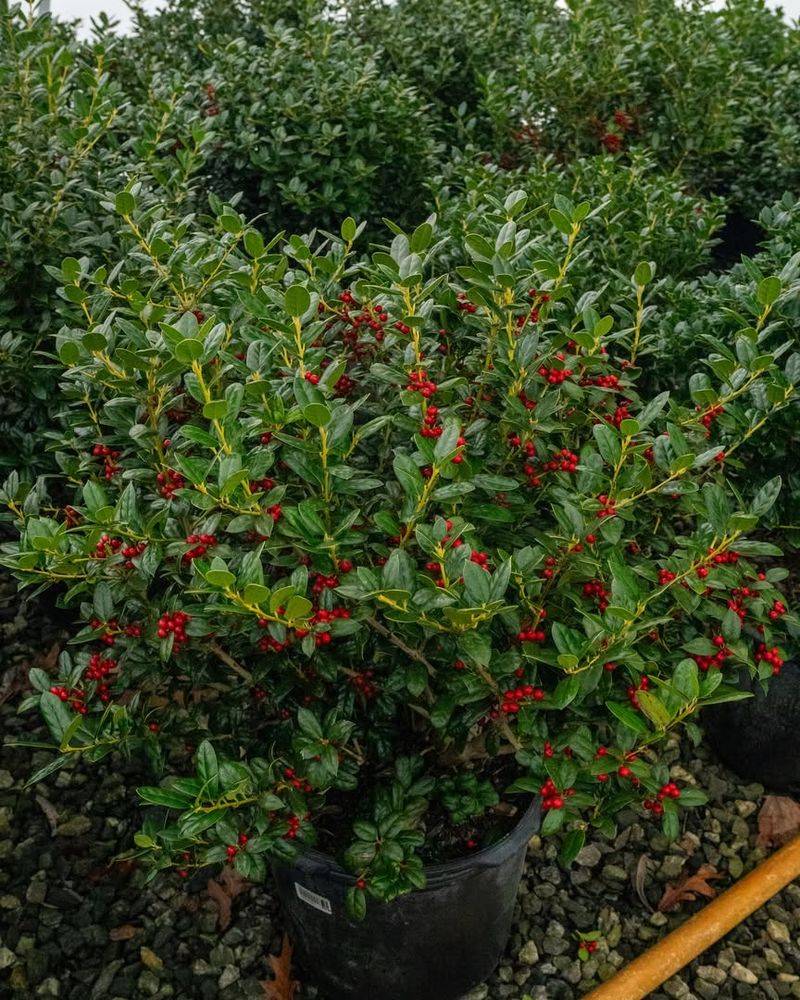
Here’s a holly that completely changes the game for Texas gardeners seeking that perfect boxwood replacement. Soft Touch holly earned its name from the spineless leaves that make pruning and maintenance a pleasure rather than a painful chore.
The compact, mounding growth habit creates a naturally neat appearance that requires very little shaping to look intentional and polished in modern landscape designs.
This variety stays remarkably small, typically maxing out around 2 to 3 feet tall and wide, making it ideal for front-of-border placements, low hedges, and container gardens.
The fine-textured foliage catches light beautifully, creating depth and interest even in monochromatic green garden schemes.
In Texas landscapes, Soft Touch holly thrives in both full sun and partial shade, giving you flexibility in placement that boxwoods simply can’t match.
Water requirements remain moderate once the root system establishes, and the plant shows excellent tolerance for our alkaline soils.
The dense branching pattern creates a solid visual barrier despite the smaller size, perfect for defining garden rooms or edging pathways in contemporary outdoor spaces.
Throughout the year, the rich green color stays consistent, avoiding the bronzing or yellowing that stressed boxwoods often display during Texas winters and summers.
4. Dwarf Burford Holly
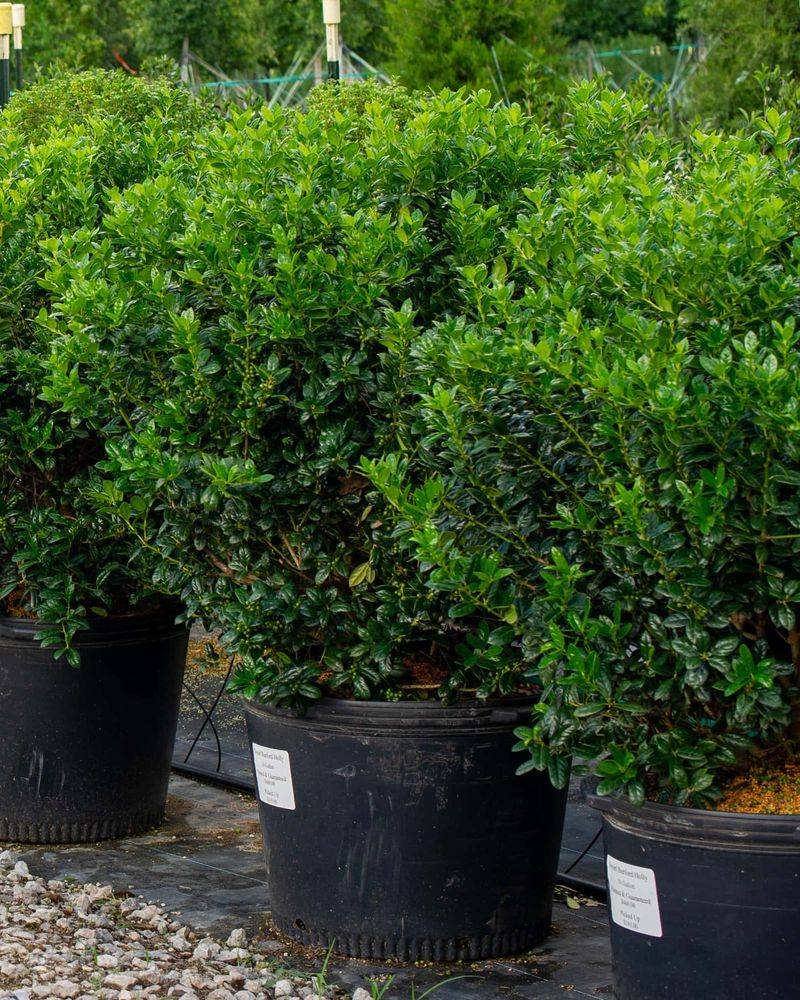
Bigger landscapes call for bolder solutions, and dwarf Burford holly delivers serious impact while handling Texas conditions like a champion.
This evergreen shrub produces glossy, dark green leaves that reflect light beautifully, creating a sophisticated backdrop for flowering perennials and ornamental grasses in modern garden designs.
The naturally pyramidal shape adds vertical interest without looking stiff or overly formal, striking that perfect balance contemporary landscapes need.
Reaching 8 to 10 feet tall at maturity, dwarf Burford works wonderfully as a privacy screen, foundation plant, or specimen shrub in larger garden spaces. The size might seem substantial, but regular pruning keeps it at whatever height your design requires.
Bright red berries cover female plants in fall and winter, providing food for wildlife and adding seasonal color that elevates the entire landscape.
Heat and drought tolerance make this holly an outstanding performer throughout Texas, from San Antonio to Fort Worth. Once established, it handles dry spells without complaint and bounces back quickly from the occasional hard freeze we experience.
The glossy foliage stays attractive year-round, never showing the stress and damage that boxwoods often display. Dwarf Burford holly adapts to various soil types and pH levels, making it a reliable choice regardless of your specific Texas location.
5. Carissa Holly
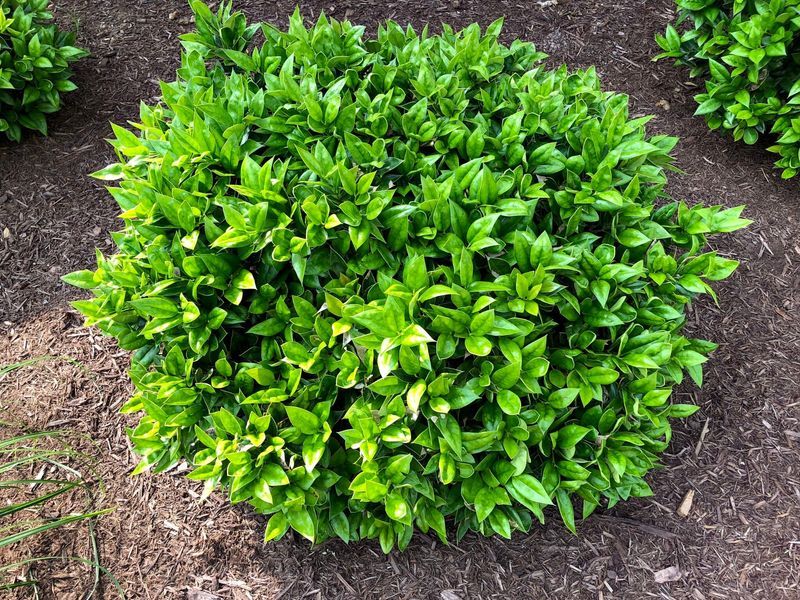
Compact doesn’t begin to describe how perfectly sized Carissa holly grows for modern landscape applications. This dwarf variety stays naturally small and dense, typically reaching just 2 to 3 feet tall and wide without any pruning intervention.
The tiny, spined leaves pack tightly together, creating a solid mass of deep green foliage that looks intentional and well-maintained even when you’ve been too busy to touch it for months.
Texas gardeners appreciate how Carissa holly handles our challenging growing conditions with minimal fuss. The plant tolerates heat, drought, and poor soil better than most alternatives, making it a smart choice for low-maintenance landscapes that still need to look sharp and polished.
In urban settings across Dallas, Houston, and Austin, this holly performs beautifully despite air pollution, reflected heat from pavement, and restricted root zones that challenge many other plants.
The naturally rounded form works perfectly for geometric garden designs, and the small scale makes Carissa holly ideal for narrow planting beds, container gardens, and tight spaces where larger shrubs would overwhelm.
Bright red berries appear on female plants during cooler months, though the berries remain small and don’t create cleanup issues.
This variety adapts to both sun and partial shade, giving you flexibility in placement throughout your Texas property.
6. Needlepoint Holly
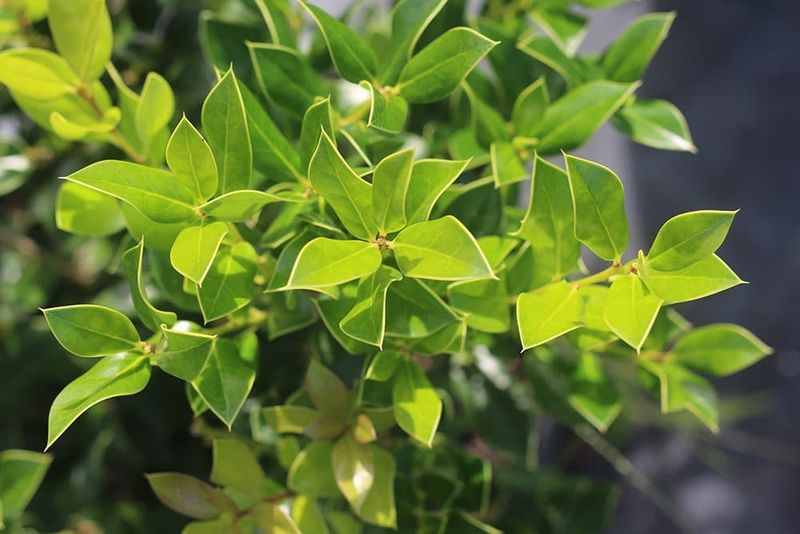
Elegant and architectural, Needlepoint holly brings a refined texture to Texas landscapes that boxwoods simply cannot replicate. The narrow, columnar growth habit creates strong vertical lines that modern garden designs crave, reaching 8 to 10 feet tall while staying just 2 to 3 feet wide.
This upright form makes Needlepoint holly perfect for framing entryways, creating privacy screens in narrow spaces, or adding height to layered garden beds without eating up precious square footage.
The distinctive leaves give this holly its name, featuring a single spine at the tip rather than the multiple spines found on traditional hollies. This unique foliage creates interesting texture and visual movement, especially when planted in groups or rows.
Dark green color stays consistent throughout the year, and the plant handles full sun exposure across Texas without burning or fading.
Female plants produce abundant bright red berries that persist through winter, creating stunning contrast against the dark foliage and providing food for songbirds.
Needlepoint holly tolerates our alkaline soils, heat, and drought conditions once established, making it a practical choice for sustainable landscapes.
From El Paso to Beaumont, this holly adapts to various Texas climates while maintaining its elegant appearance and requiring far less attention than struggling boxwoods would demand.
7. Dwarf Chinese Holly
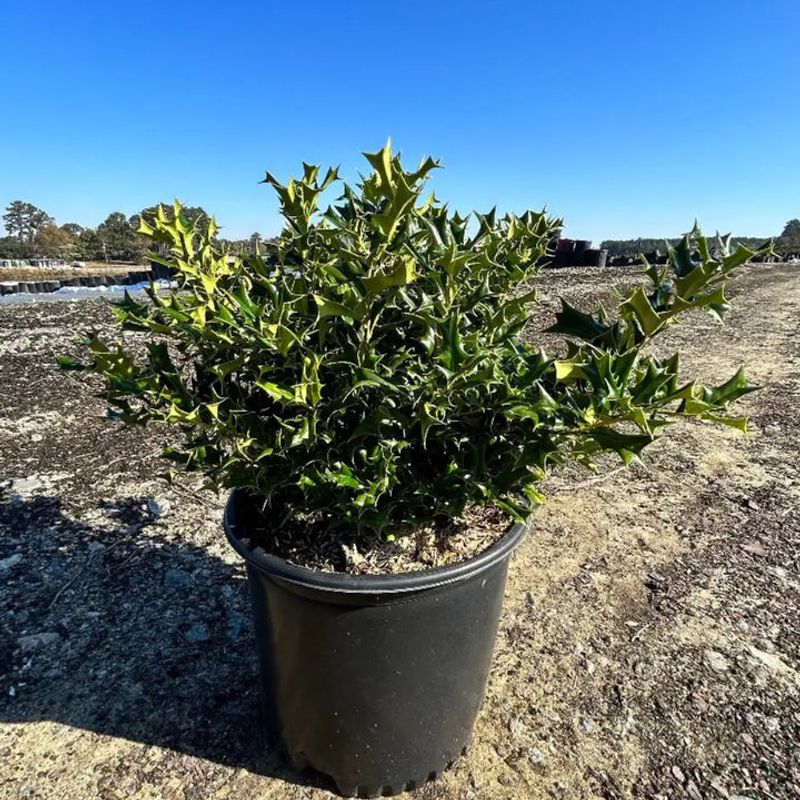
Tough as nails and twice as reliable, dwarf Chinese holly stands up to Texas weather extremes that send boxwoods into decline.
This compact evergreen produces small, glossy leaves with minimal spines, creating a dense, mounded form that looks intentional and well-groomed with very little effort.
The natural shape requires minimal pruning to maintain, though it responds beautifully to shearing if you prefer a more formal, geometric appearance in your landscape design.
Growing 3 to 4 feet tall and wide, dwarf Chinese holly fits perfectly into foundation plantings, low hedges, and border gardens throughout Texas.
The dark green foliage provides a sophisticated backdrop for colorful perennials and seasonal flowers, while the evergreen nature ensures your landscape looks complete even during winter months.
This holly handles full sun exposure without complaint, making it ideal for those hot, exposed spots where boxwoods would struggle and decline.
Drought tolerance improves dramatically after the first growing season, and established plants handle our occasional freezes better than many alternatives. The plant adapts to various soil types, including the challenging alkaline conditions found throughout much of Texas.
Female plants produce red berries in fall, though the compact size means berry production remains modest compared to larger holly varieties, keeping maintenance minimal while still providing seasonal interest.
8. Dwarf Myrtle
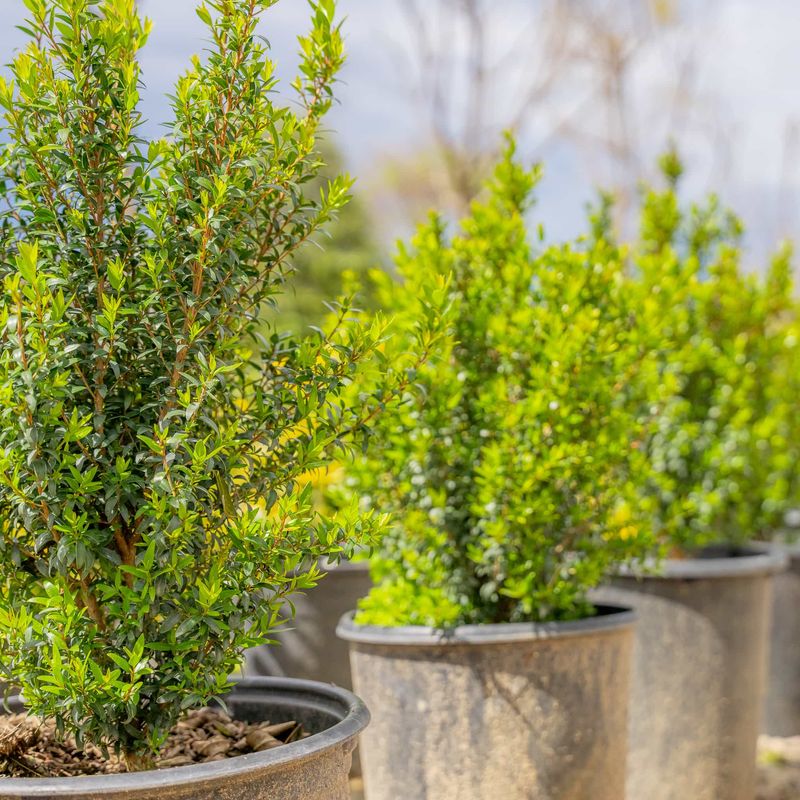
Southern charm meets modern sensibility with dwarf myrtle, a Texas-tough evergreen that delivers fragrance and beauty alongside that formal structure you’re seeking.
The small, aromatic leaves release a pleasant scent when brushed or pruned, adding a sensory dimension that boxwoods cannot match.
Creamy white flowers appear in late spring and summer, creating a soft, romantic contrast against the dark green foliage and attracting beneficial pollinators to your garden.
Reaching 3 to 4 feet tall and wide, dwarf myrtle maintains a naturally compact, rounded form that requires minimal shaping. The fine-textured foliage creates a soft, elegant appearance that works beautifully in both formal and casual landscape designs across Texas.
This plant handles our intense summer heat remarkably well, continuing to look fresh and vibrant when other shrubs start showing stress and fatigue.
Drought tolerance ranks high once the root system establishes, making dwarf myrtle a smart choice for water-conscious landscapes throughout Texas. The plant adapts to various soil conditions, including our challenging alkaline soils, and thrives in full sun to partial shade.
Throughout the growing season, the combination of fragrant foliage, attractive flowers, and neat growth habit makes this alternative far more interesting than standard boxwoods while still providing that structured, polished look modern landscapes require.
9. Inkberry Holly
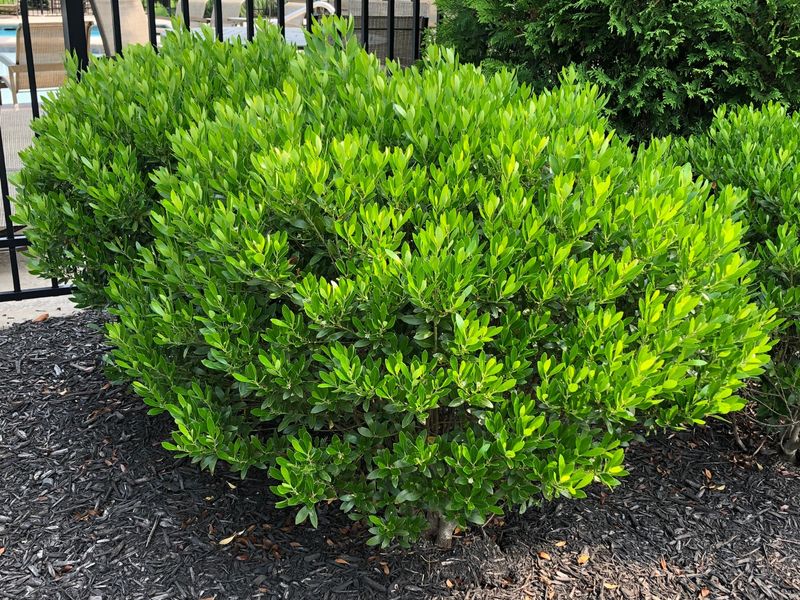
Native to the eastern United States and perfectly adapted to Texas conditions, inkberry holly offers a refreshingly different look for modern landscapes. The upright, rounded form grows 4 to 6 feet tall and wide, creating substantial presence without overwhelming smaller garden spaces.
Unlike most hollies, inkberry produces dark purple to black berries rather than red ones, adding unexpected visual interest that sets your landscape apart from cookie-cutter designs.
The spineless leaves make maintenance a breeze, and the naturally dense branching creates excellent screening and privacy without requiring constant attention.
In Texas landscapes, inkberry holly tolerates wet soil better than most alternatives, making it valuable for those low-lying areas or spots with poor drainage where other plants struggle.
The plant also handles dry conditions once established, showing impressive adaptability to our unpredictable rainfall patterns.
Foliage stays dark green throughout the year, never showing the winter bronzing that plagues many boxwood varieties in Texas. Inkberry holly thrives in full sun to partial shade, adapting to various light conditions throughout your property.
From Houston’s humidity to the drier conditions in West Texas, this versatile holly performs consistently while requiring far less babying than traditional boxwoods.
The combination of durability, attractive appearance, and low maintenance makes inkberry holly a smart investment for contemporary Texas landscapes.