9 Bright Tropical Plants To Grow Instead Of Ixora In Florida
In Florida landscapes, ixora has long held a familiar place, known for its dense form and clusters of bright color. Yet many gardeners begin to look for something different, whether for variety, contrast, or a fresh visual impact.
Tropical climates offer far more possibilities than a single staple plant, with countless species capable of delivering bold color, lush foliage, and strong presence through the warm season.
Some bring larger blooms, some offer longer flowering periods, and others introduce new textures that reshape how a garden feels. Changing one plant can shift the entire character of a landscape, opening space for richer color and renewed energy.
For those ready to move beyond the usual choice, there are vibrant tropical alternatives that thrive in Florida conditions while bringing a brighter, more dynamic look to the garden.
1. Firebush Brings Easy Tropical Color
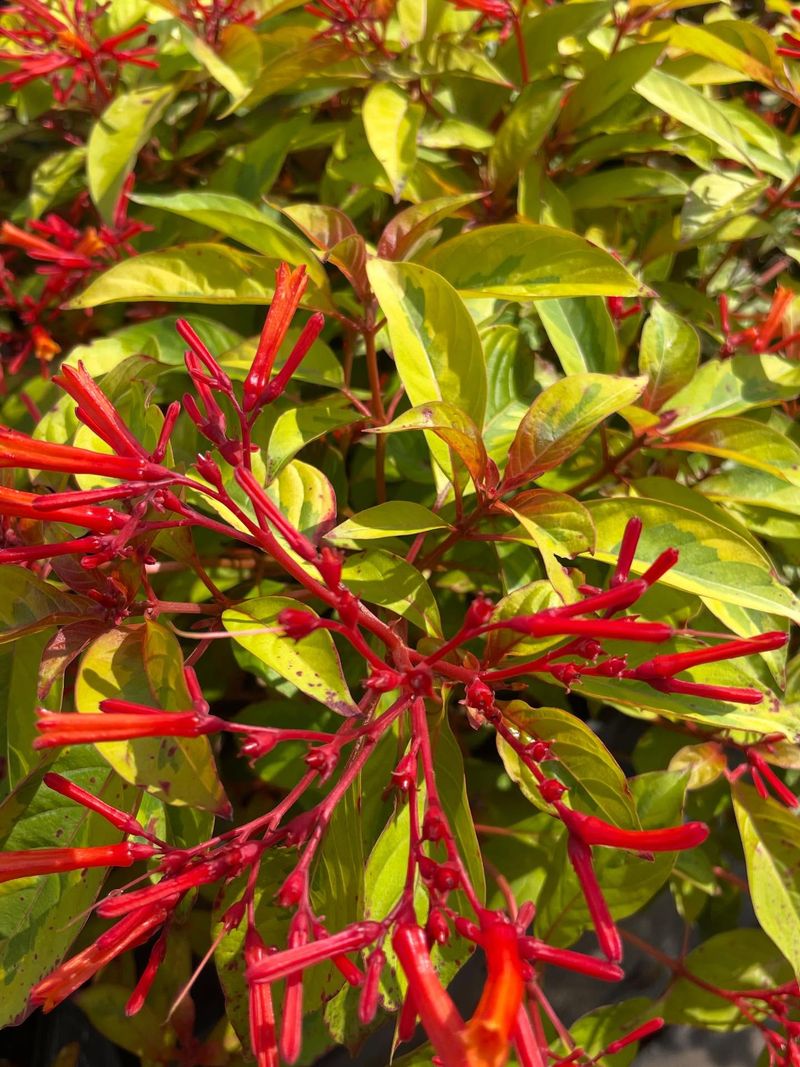
Firebush stands out as one of the most reliable flowering shrubs for Florida gardens, offering vibrant orange-red tubular blooms that can appear nearly year-round in South Florida and through warm months elsewhere. This native Florida plant thrives in full sun and tolerates our sandy soils far better than Ixora, which demands specific pH levels and constant attention to nutrient deficiencies.
Hummingbirds and butterflies flock to the nectar-rich flowers, creating a lively garden scene from spring through fall.
The plant grows quickly into a rounded shape reaching four to eight feet tall, making it perfect for foundation plantings, hedges, or mixed borders where Ixora might struggle. Unlike Ixora’s sensitivity to cold snaps, firebush rebounds vigorously even after occasional freezes in North and Central Florida.
The bronze-tinted new growth adds extra visual interest beyond the showy blooms.
Maintenance stays minimal once established, requiring only occasional pruning to shape and regular water during extended dry periods. Firebush resists most pests and diseases that plague Ixora, saving you time and money on treatments.
The continuous flowering cycle means you get color when Ixora might be resting between bloom flushes.
For Florida gardeners seeking reliable tropical impact without constant babysitting, firebush delivers outstanding performance in challenging conditions that would stress Ixora plants considerably.
2. Hibiscus Delivers Bold Tropical Blooms
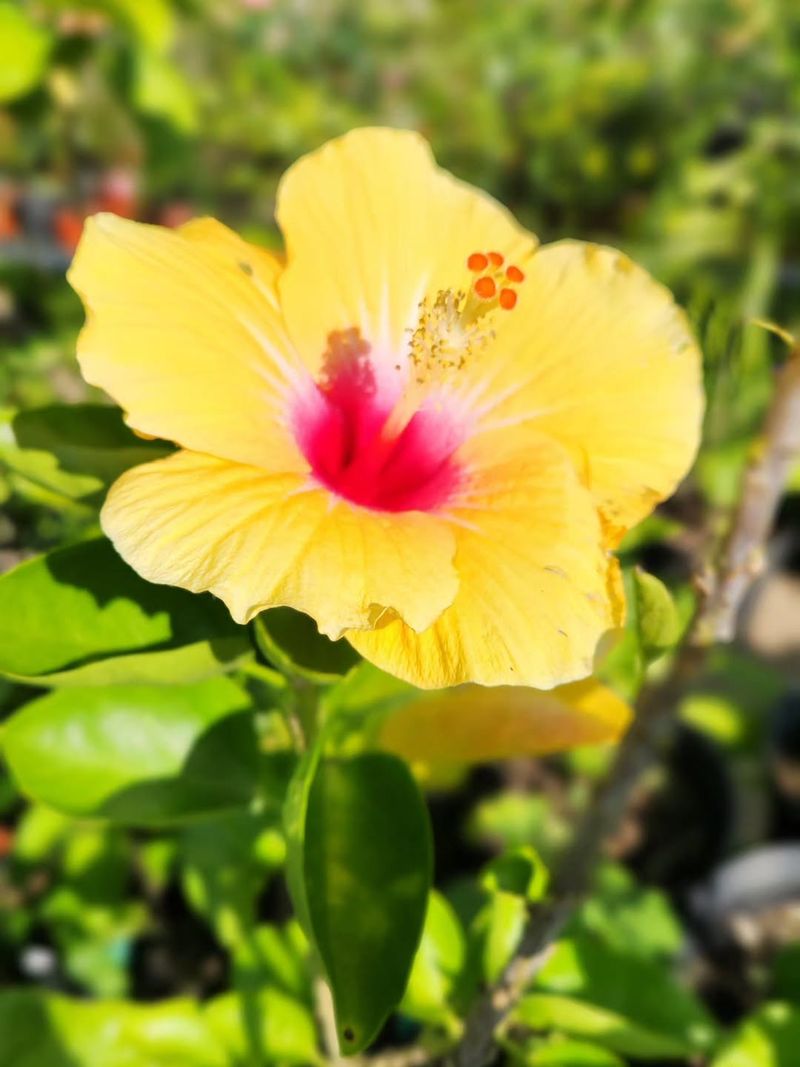
Nothing announces tropical paradise quite like a hibiscus flower opening to reveal its enormous, colorful face in your Florida landscape. These showstoppers produce blooms that can reach six to eight inches across in reds, pinks, yellows, oranges, and even bi-colors that make Ixora clusters look modest by comparison.
Each flower lasts only a day, but healthy plants produce new blooms constantly during warm months, creating an ever-changing display.
Chinese hibiscus varieties can adapt well in warm parts of Florida, though they perform best with regular feeding, moisture, and protection from cold. They prefer well-drained soil but tolerate a wider pH range than fussy Ixora, making them easier to establish in typical Florida yards.
Regular feeding keeps blooms coming strong, but the fertilizer requirements are straightforward compared to Ixora’s specific micronutrient needs.
These shrubs work beautifully as focal points, container specimens, or informal hedges reaching six to twelve feet depending on variety and pruning. The large, glossy leaves provide attractive greenery even between bloom cycles.
Whiteflies and aphids occasionally visit, but simple organic controls handle problems quickly.
For maximum impact in your landscape design, hibiscus creates that bold tropical statement Ixora aims for but delivers it with larger flowers and more forgiving growing requirements suited to Florida gardens.
3. Pentas Bloom Bright All Season
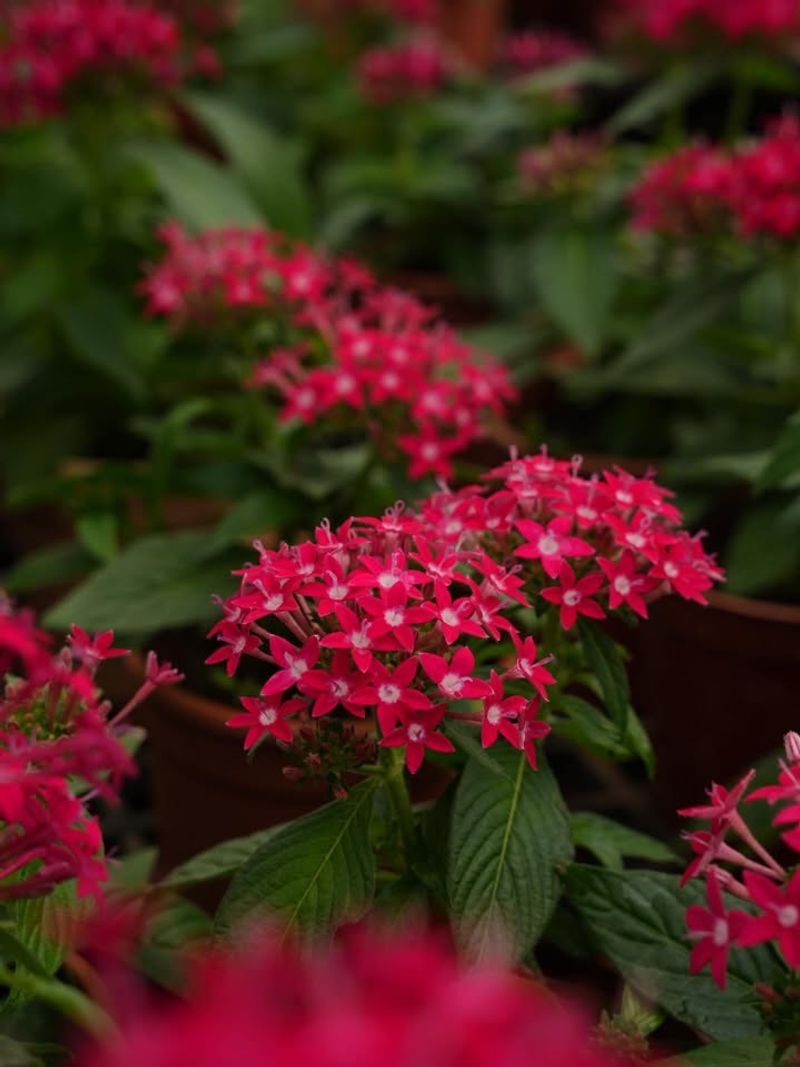
Pentas earn their reputation as butterfly magnets, with their clustered star-shaped flowers drawing monarchs, swallowtails, and dozens of other species throughout Florida’s long growing season. The continuous bloom cycle from spring through fall often blooms more continuously than Ixora in warm conditions, giving you color when you want it most.
Available in pink, red, white, lavender, and purple shades, pentas offer color variety that lets you customize your garden palette.
These compact plants typically reach one to three feet tall, making them ideal for front-of-border placements, container gardens, or mass plantings where lower height works better than Ixora’s larger size. They handle full sun beautifully and actually perform better in bright light than in shade, where flowering diminishes noticeably.
The heat tolerance rivals any tropical plant, with pentas shrugging off our most brutal summer days.
Maintenance stays refreshingly simple with occasional deadheading to encourage fresh blooms and light trimming to maintain shape. Pentas adapt to various soil types and recover quickly from dry spells once established, though regular watering keeps them looking their absolute best.
Pest problems remain minimal compared to Ixora’s susceptibility to scales and nematodes.
For gardeners wanting nonstop color with wildlife benefits, pentas deliver reliable performance that makes them superior alternatives to temperamental Ixora in Florida landscapes.
4. Blue Plumbago Adds Cool Color
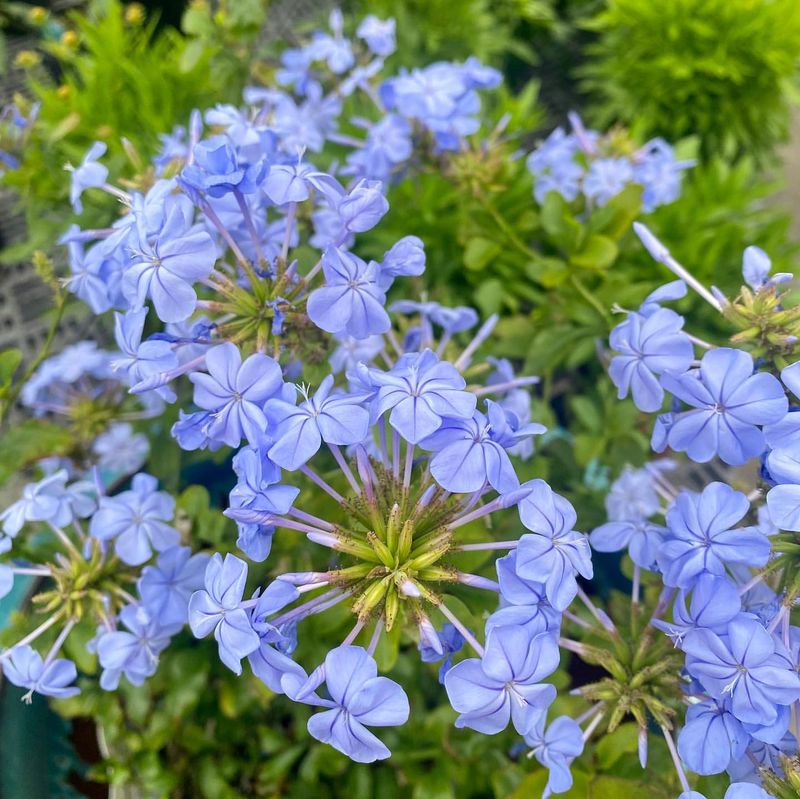
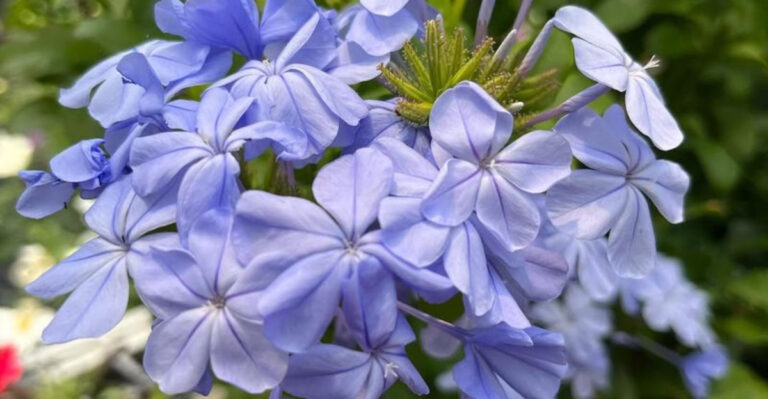
Blue plumbago offers something most tropical plants cannot provide in Florida landscapes: soft, cooling blue tones that contrast beautifully with the hot reds and oranges dominating summer gardens. The sky-blue flowers appear in clusters from spring through fall, creating a refreshing color note that Ixora’s warm palette never achieves.
This versatile shrub adapts to various landscape roles, from informal hedges to sprawling groundcovers depending on how you prune and train it.
The plant tolerates Florida’s challenging conditions remarkably well, handling full sun to partial shade and adapting to different soil types without the nutrient sensitivity that plagues Ixora. Growth stays vigorous but manageable, typically reaching three to six feet tall with regular trimming to control size and encourage bushier form.
The long bloom season means extended color rather than the boom-and-bust cycles some flowering shrubs display.
Plumbago requires minimal fertilization compared to Ixora’s demanding feeding schedule, and it bounces back quickly from occasional pruning mistakes or weather damage. The sprawling growth habit works beautifully cascading over walls, filling large beds, or softening hard landscape edges.
Butterflies and bees appreciate the nectar-rich flowers.
For Florida gardeners seeking that elusive blue tone with tropical toughness and easy care, plumbago outperforms Ixora by offering unique color and forgiving growth habits suited to our climate.
5. Mandevilla Climbs With Bright Blooms
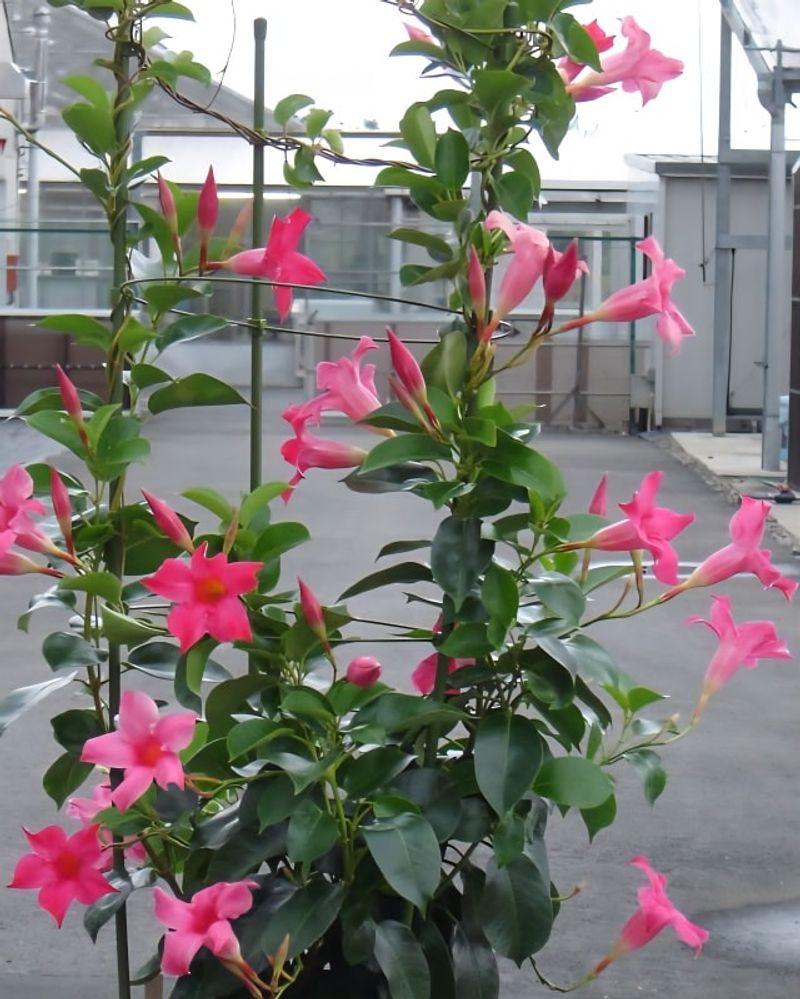
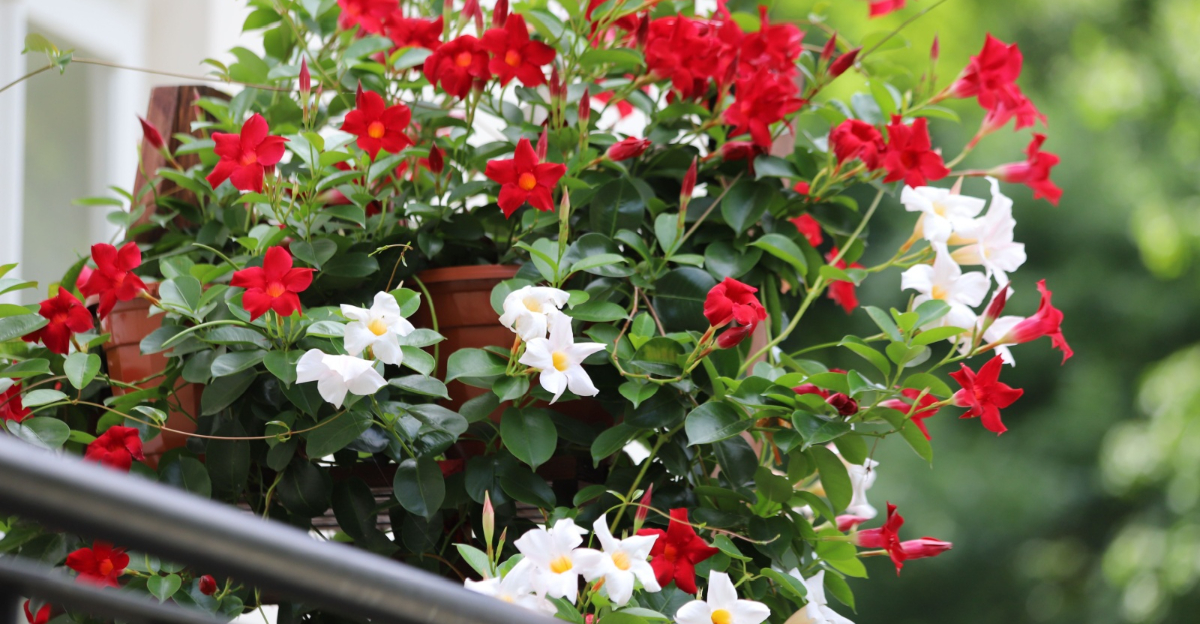
Mandevilla vines transform vertical spaces into flowering showcases, producing large trumpet-shaped blooms in shades of pink, red, and white that rival any shrub for tropical impact. This climbing alternative to Ixora takes your color display upward, decorating trellises, arbors, fences, and mailbox posts with continuous flowers from spring through fall.
The glossy green leaves provide attractive background for the showy blooms that can reach three to four inches across.
These vigorous vines handle Florida’s intense summer heat beautifully, actually thriving in full sun conditions that stress many flowering plants. Unlike ground-level Ixora that takes up garden bed space, mandevilla grows vertically, making it perfect for small yards or areas where horizontal space is limited.
The twining stems attach easily to supports without needing constant tying and training.
Care requirements stay straightforward with regular watering during establishment and occasional feeding to fuel the abundant flowering. Mandevilla tolerates brief dry spells better than Ixora once roots establish deeply.
The plant grows as a perennial in South Florida and returns from roots in Central Florida after light freezes, or you can grow it as an annual farther north.
For adding tropical color to unused vertical spaces in your Florida landscape, mandevilla provides the bold blooms and easy maintenance that makes it a smart alternative to traditional shrubs like Ixora.
6. Tropical Sage Lights Up Beds
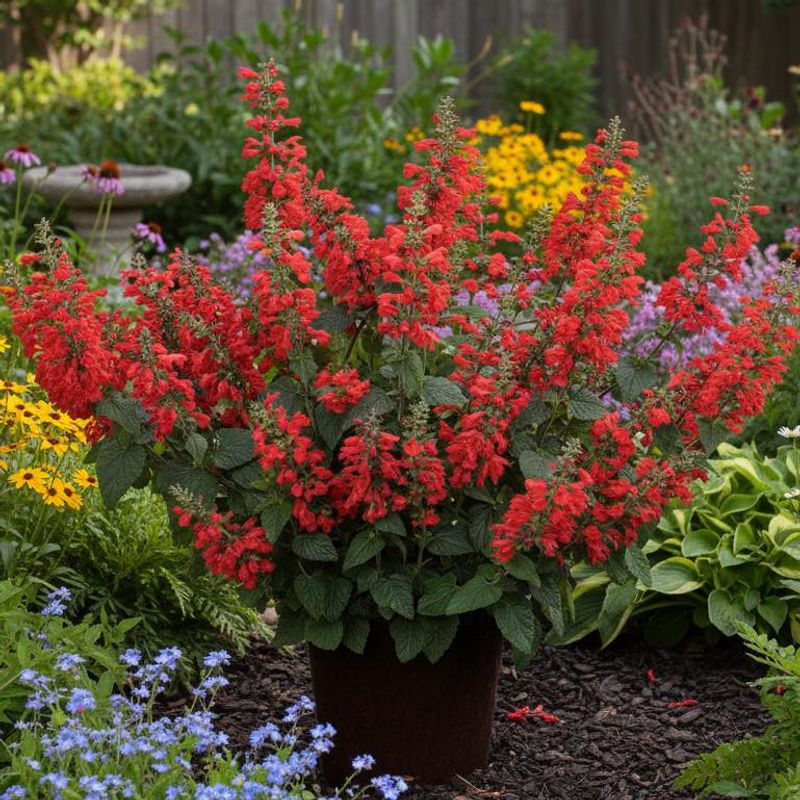
Tropical sage brings Florida-friendly native credentials along with spectacular red, orange, or coral tubular flowers that hummingbirds cannot resist. This tough perennial blooms prolifically from spring through fall and often into winter in warmer regions, outperforming Ixora for extended color and wildlife value.
The spikes of bright flowers stand above attractive foliage, creating vertical interest in borders and beds where Ixora provides only rounded form.
As a Florida native, tropical sage evolved to handle our soil, heat, and rainfall patterns without the amendments and attention Ixora demands. It thrives in full sun to partial shade, adapting to various garden locations with minimal fuss.
The drought tolerance once established means less irrigation than thirsty Ixora requires during dry seasons, saving water and maintenance time.
Plants typically reach two to four feet tall with similar spread, making them substantial enough for impact but manageable for most garden spaces. Occasional trimming keeps growth tidy and encourages fresh flowering stems.
Pest and disease problems remain rare, and the native status supports local pollinators and beneficial insects beyond what non-native alternatives offer.
For environmentally conscious Florida gardeners wanting brilliant color with native plant benefits, tropical sage delivers superior performance and ecological value that makes it an excellent replacement for less sustainable Ixora plantings in residential landscapes.
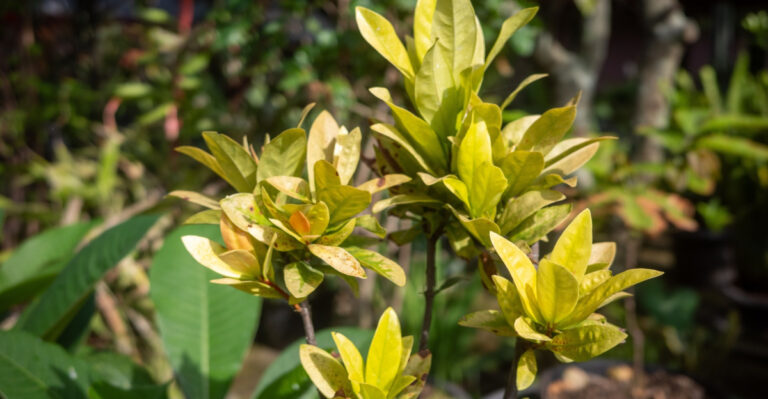
7. Copperleaf Adds Colorful Foliage
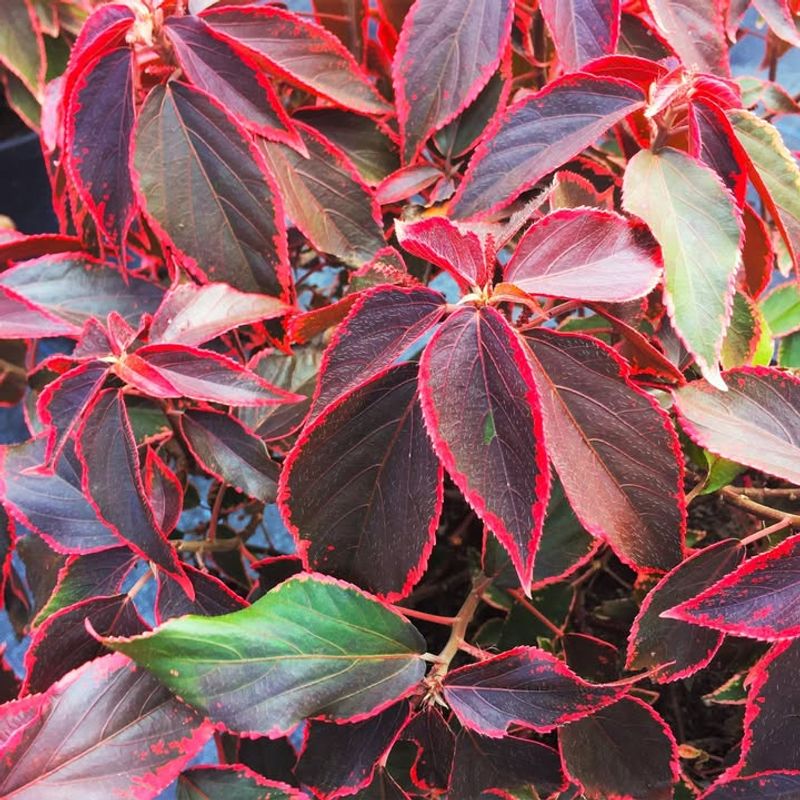
Copperleaf shifts the color focus from flowers to spectacular foliage, with leaves displaying stunning combinations of copper, red, orange, pink, and green that outshine Ixora blooms for sheer visual impact. This foliage-focused approach means year-round color rather than waiting for flowering cycles, giving your Florida landscape consistent tropical pizzazz through all seasons.
The bold leaf patterns and colors create instant focal points in beds, borders, and container arrangements.
Multiple varieties offer different color combinations and leaf shapes, from the fire-engine red of some cultivars to the multi-toned blends of others that shift as leaves mature. Plants handle Florida heat exceptionally well, actually developing their best color in full sun where temperatures soar.
The tropical appearance rivals any flowering plant for creating that lush, exotic garden feeling.
Growth stays vigorous but controllable with regular pruning, typically reaching three to six feet tall depending on variety and maintenance. Copperleaf adapts to various soil types better than picky Ixora and tolerates brief dry periods once established but prefers well-drained soil.
The minimal pest problems and straightforward care requirements make it ideal for busy gardeners wanting maximum impact with minimum effort.
For Florida landscapes needing constant color without depending on bloom cycles, copperleaf provides reliable foliage drama that makes it a superior alternative to flower-dependent Ixora in tropical garden designs.
8. Jatropha Shines With Colorful Clusters
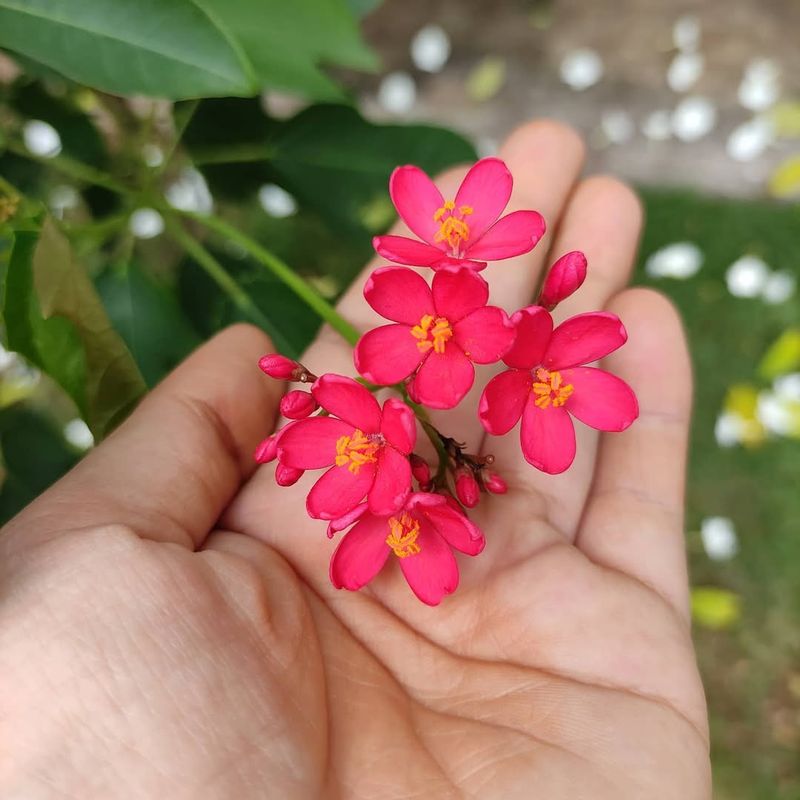
Jatropha produces tight clusters of star-shaped flowers in brilliant red, pink, or coral shades that appear nearly year-round in South Florida and through warm months farther north. The flower clusters resemble Ixora’s growth pattern but on a plant that handles challenging conditions far better, including poor soil, drought, and neglect that would severely stress typical Ixora specimens.
This tough shrub delivers tropical beauty without demanding constant attention. Jatropha performs best in South and warm Central Florida and may be damaged by hard freezes farther north.
The rounded growth habit reaches three to five feet tall, creating substantial presence in landscape beds, foundation plantings, or mixed borders. Glossy green leaves provide attractive backdrop for the showy blooms that butterflies visit regularly.
Unlike Ixora’s sensitivity to soil pH and nutrient deficiencies, jatropha adapts to Florida’s alkaline soils and sandy conditions with minimal amendments.
Established plants tolerate dry periods remarkably well, making them perfect for water-wise Florida landscapes where irrigation restrictions or conservation concerns limit watering schedules. The heat tolerance rivals any tropical plant, with jatropha thriving through our most intense summer weather.
Occasional pruning maintains shape and encourages bushier growth with more flowering stems.
For Florida gardeners wanting Ixora’s clustered flower look with far greater toughness and lower maintenance demands, jatropha provides the perfect solution with outstanding performance in conditions that challenge less adaptable flowering shrubs.
9. Pride Of Barbados Brings Fiery Color
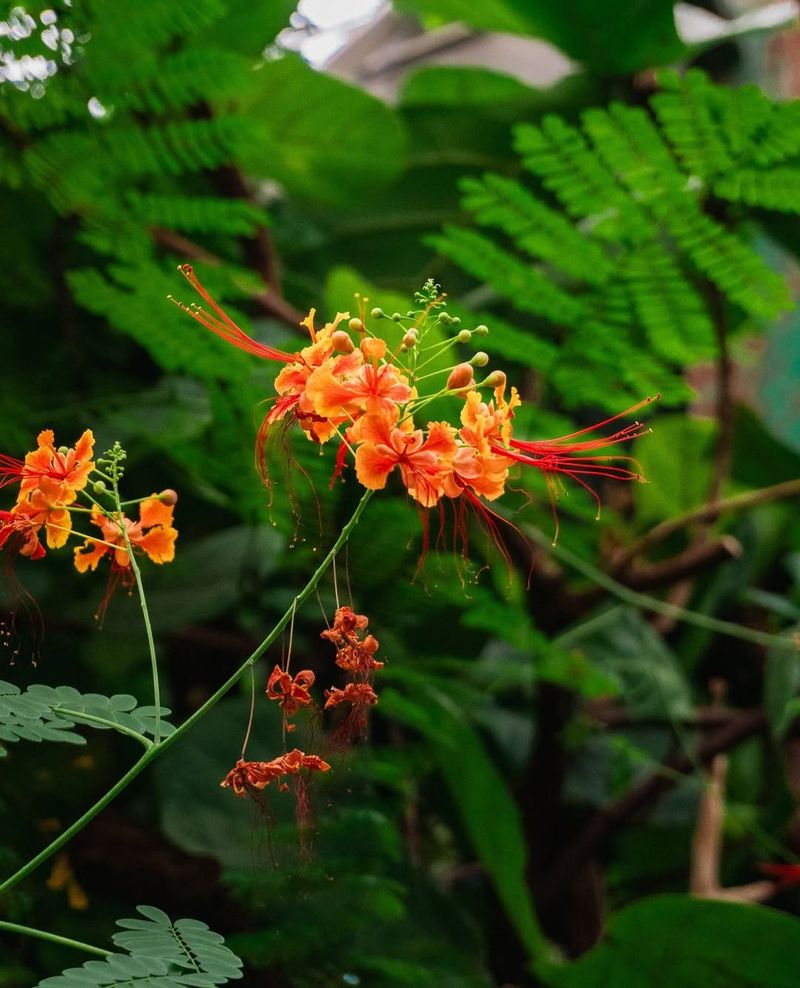
Pride of Barbados explodes with fiery orange and red flowers that create one of the most dramatic tropical displays available for Florida landscapes. The flame-like blooms appear in large clusters atop delicate, fern-like foliage from late spring through fall, delivering far more visual punch than Ixora’s comparatively modest flower clusters.
Each bloom features ruffled petals with contrasting red stamens that extend outward, creating intricate detail that rewards close inspection.
This shrub thrives in Florida’s toughest conditions, handling intense heat, poor soil, and drought with remarkable resilience that makes Ixora look high-maintenance by comparison. The deep root system finds moisture during dry spells, reducing irrigation needs significantly once plants establish.
Full sun brings out the best flowering, with plants reaching six to ten feet tall in ideal conditions, though pruning controls size easily.
The compound leaves provide interesting texture contrast to broader-leafed plants, and the overall form stays naturally attractive with minimal shaping. Butterflies and hummingbirds visit the nectar-rich flowers regularly.
Pride of Barbados tolerates salt spray in coastal areas and may regrow from roots after light frost in Central Florida, though it is not reliably cold-hardy in North Florida.
For Florida gardeners seeking bold tropical impact with minimal care requirements, pride of Barbados delivers spectacular color and bulletproof performance that makes it an outstanding alternative to demanding Ixora in hot, sunny landscape situations.