Bring Your Texas Garden To Life After Sunset With These Night-Blooming Flowers
When the Texas sun goes down, your garden doesn’t have to fade into the dark. In fact, this is when a whole new kind of beauty can begin.
Night-blooming flowers open after sunset, filling the air with soft scents and glowing petals. Imagine stepping outside in the evening and seeing your garden come alive in a whole new way.
What if your garden became most magical after dark? These flowers don’t need spotlight attention, they shine on their own.
The quiet hours are when the real show starts. A nighttime garden can feel peaceful, romantic, and even a little mysterious.
Perfect for warm Texas evenings, night-blooming flowers are easy to love and surprisingly rewarding to grow. Whether you enjoy late dinners outside or calm evening walks, these plants turn ordinary nights into something special.
Once you see them bloom, you’ll look forward to sunset like never before.
1. Moonflower
Moonflowers are stunning vines that produce large, white, trumpet-shaped blooms that unfurl as darkness falls across Texas gardens.
These fast-growing climbers can reach heights of 10 to 15 feet in a single growing season, making them perfect for covering fences, trellises, or arbors.
The flowers open in just minutes once twilight arrives, creating a mesmerizing display that gardeners love to watch.
The blooms release a sweet, intoxicating fragrance that drifts through the evening air, attracting sphinx moths and other nighttime visitors. Each flower lasts only one night, but the plant produces so many buds that you’ll have fresh blooms opening every evening throughout the summer and fall.
Moonflowers thrive in the warm Texas climate and need full sun during the day to produce the most flowers after sunset.
Growing moonflowers is relatively easy, even for beginner gardeners. Plant seeds directly in the ground after the last frost, or start them indoors a few weeks earlier for a head start.
These vines prefer well-drained soil and regular watering, especially during hot Texas summers. With minimal care, moonflowers will reward you with nightly displays of pure white beauty that glow softly in moonlight or garden lighting, transforming your outdoor space into an enchanting evening paradise.
2. Night-Blooming Jasmine
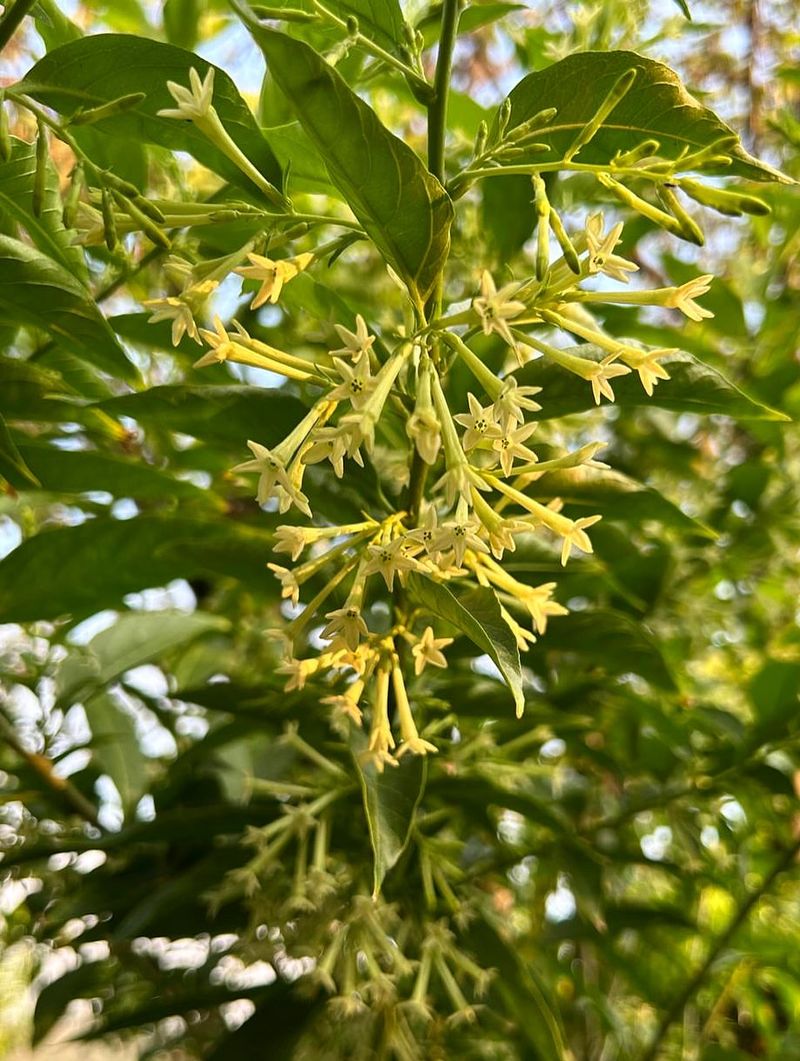
Few flowers can match the incredible fragrance of night-blooming jasmine when it releases its scent into the Texas evening air.
This evergreen shrub produces small, tubular white or greenish-white flowers that may not look particularly showy during the day, but their perfume is absolutely unforgettable once the sun sets.
The scent has been described as sweet, tropical, and almost overwhelming in its intensity, capable of filling an entire yard with its presence.
Night-blooming jasmine grows well in Texas, particularly in the southern regions where winters are mild. The plant can reach 8 to 10 feet tall and wide, making it useful as a hedge, screen, or specimen plant.
It blooms in waves throughout the warm months, with the strongest flowering periods occurring in late spring and summer. Position this shrub near patios, walkways, or bedroom windows where you can fully appreciate its evening fragrance.
Care for night-blooming jasmine is straightforward in Texas gardens. The plant tolerates both full sun and partial shade, though it flowers most prolifically with plenty of sunlight.
Water regularly during dry spells, and feed occasionally with a balanced fertilizer to encourage abundant blooms. In northern Texas areas, you may need to protect the plant during cold snaps or grow it in a container that can be moved indoors during winter freezes.
3. Four O’Clock Flowers
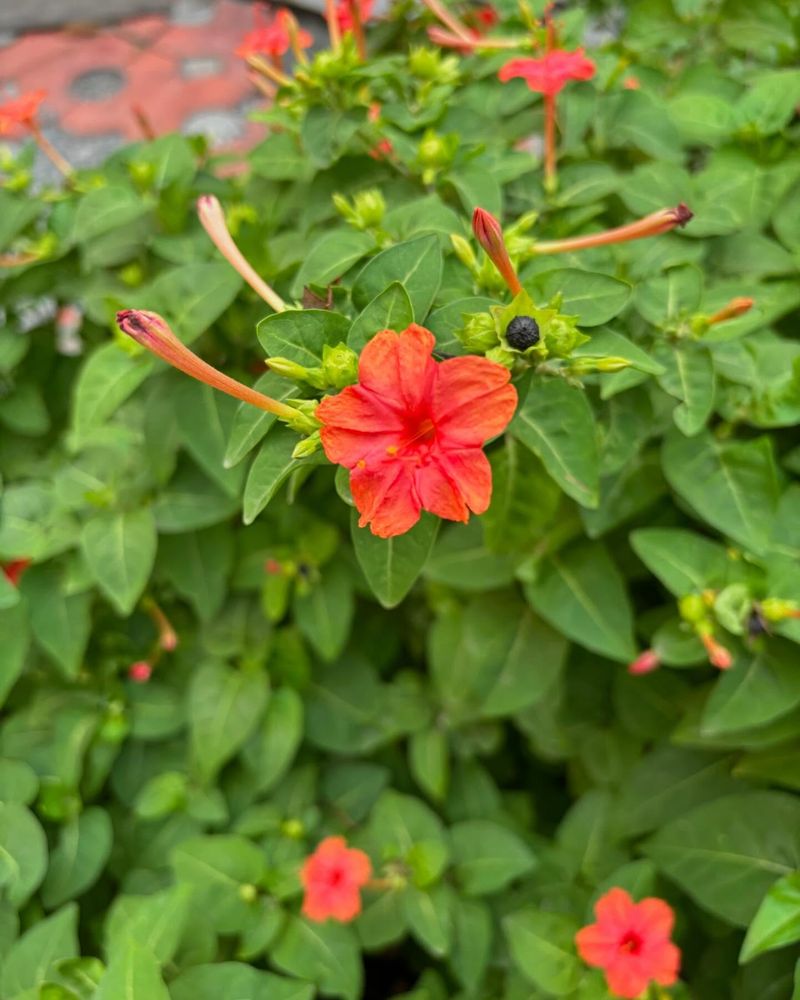
Four o’clocks earned their charming name from their habit of opening their colorful blooms in late afternoon, right around four o’clock, and keeping them open through the night.
These cheerful flowers come in vibrant shades of pink, magenta, yellow, white, and even multicolored combinations on the same plant.
Their trumpet-shaped blooms create a burst of color just as other garden flowers are closing up for the evening, making them perfect companions for Texas gardeners who enjoy their outdoor spaces after work.
These hardy perennials are incredibly well-suited to Texas growing conditions, tolerating heat, drought, and poor soil with remarkable resilience. Four o’clocks form bushy plants that reach 2 to 3 feet tall and wide, creating substantial mounds of greenery topped with abundant flowers.
They self-seed readily, often returning year after year without any effort from the gardener. In southern Texas, they may even remain evergreen through mild winters.
Starting four o’clocks is simple since they grow easily from large, black seeds that can be planted directly in the garden after the last frost. They prefer full sun but will tolerate partial shade, and they actually perform better with moderate watering rather than constant moisture.
The tubular flowers attract hummingbirds and sphinx moths, adding even more interest to your Texas garden during evening hours when these pollinators are most active.
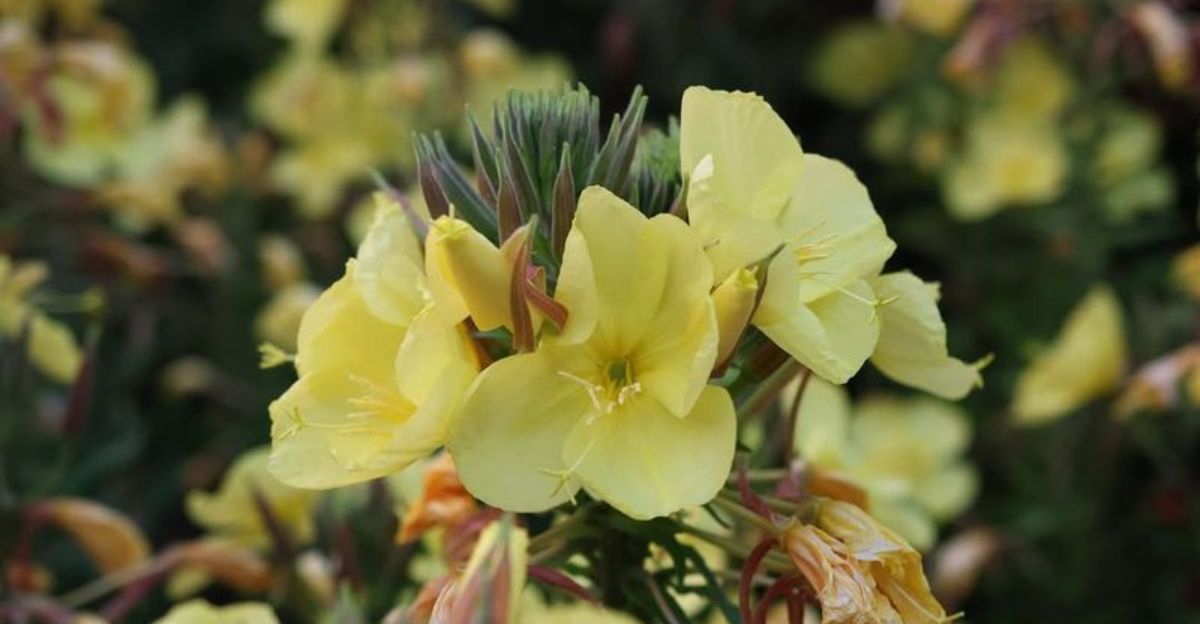
4. Evening Primrose
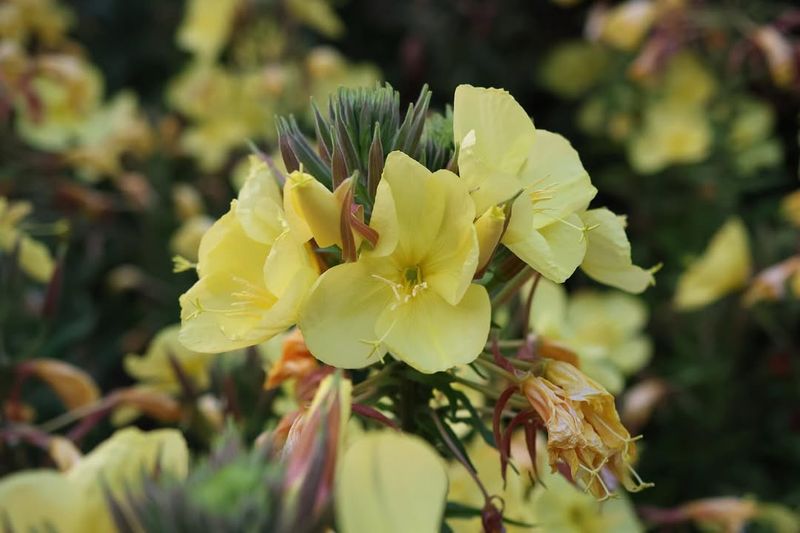
Evening primrose brings delicate beauty to Texas gardens with its soft yellow or pink blooms that open as daylight fades. Native to North America, including parts of Texas, these wildflowers are perfectly adapted to local conditions and require very little maintenance once established.
The flowers have a papery texture and open with surprising speed, sometimes taking just minutes to fully unfurl their four petals in a cross-like pattern.
Several species of evening primrose grow well across different regions of Texas, from the pink-flowered varieties common in central areas to the yellow types found throughout the state. These plants typically grow 1 to 3 feet tall, depending on the species, and spread readily through self-seeding.
They’re excellent choices for naturalized areas, wildflower meadows, or informal cottage-style gardens where their relaxed growth habit fits perfectly. The flowers emit a light, sweet fragrance that adds to their evening appeal.
Growing evening primrose in Texas couldn’t be easier since they thrive on neglect and actually prefer lean, well-drained soil over rich, amended beds. They tolerate drought exceptionally well once their roots are established, making them ideal for water-wise landscapes.
Plant seeds in fall or early spring, scatter them over prepared soil, and barely cover them with a thin layer of dirt. Evening primrose will naturalize over time, creating drifts of color that bloom reliably each evening throughout the growing season, providing nectar for moths and other nighttime pollinators.
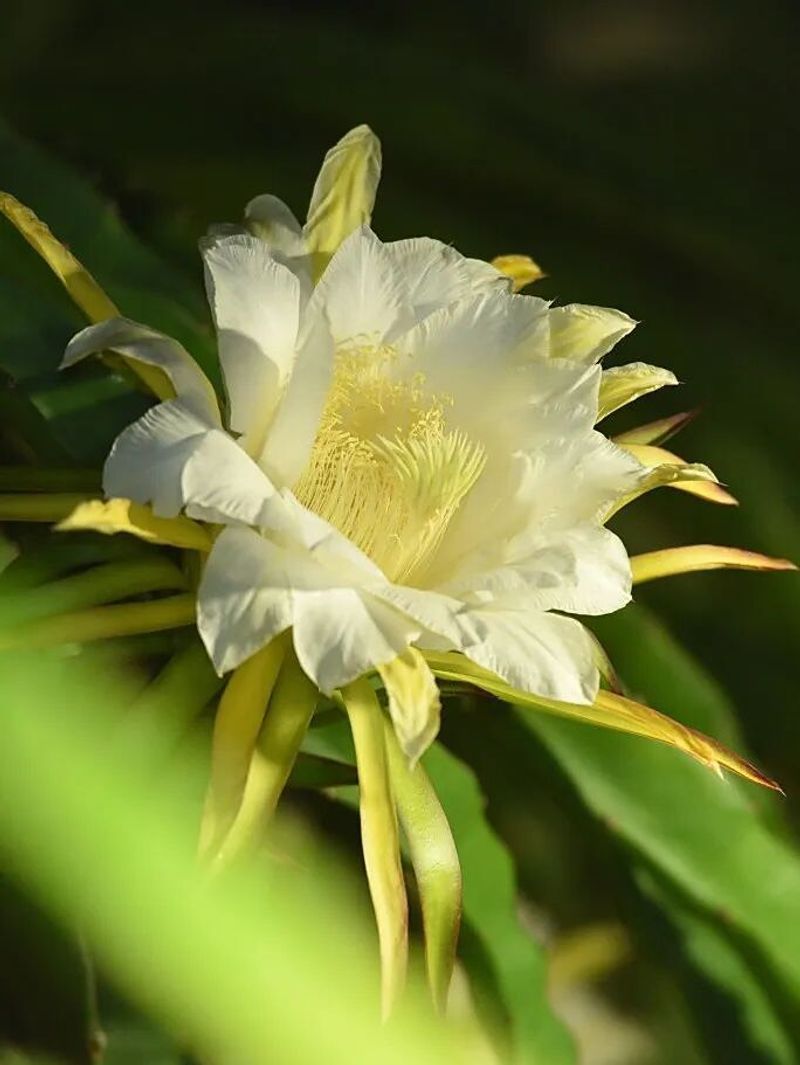
5. Night-Blooming Cereus
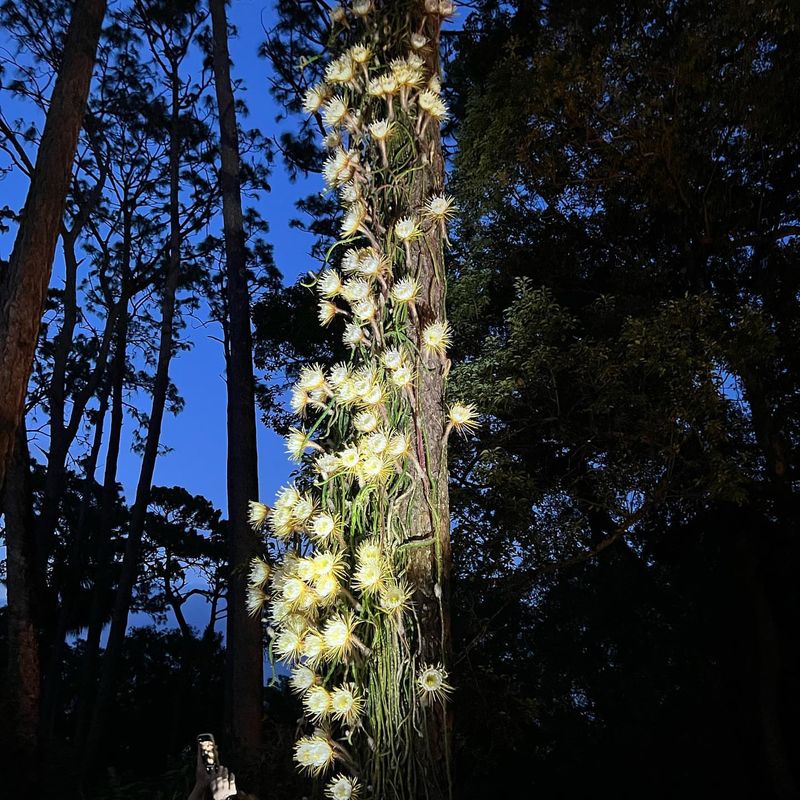
Night-blooming cereus is often called the queen of the night, and one look at its spectacular flowers explains why it earned such a regal title. This cactus produces enormous white blooms that can measure 7 to 12 inches across, with layers of creamy petals surrounding a crown of golden stamens.
The flowers open after dark in a dramatic display that lasts only one night, making each blooming event something special that Texas gardeners eagerly anticipate.
The plant itself is rather unimpressive for most of the year, consisting of long, sprawling stems that look more like vines than typical cacti. Many gardeners grow night-blooming cereus in containers or hanging baskets where the stems can cascade over the edges.
In southern Texas, it can be grown outdoors year-round, while gardeners in northern parts of the state should bring containers indoors during cold weather. The cactus typically blooms in late spring or summer, often producing multiple flowers over several weeks.
Caring for night-blooming cereus is straightforward since it requires minimal attention between its spectacular blooming periods. Plant it in well-draining cactus soil and water sparingly, allowing the soil to dry out between waterings.
The plant prefers bright, indirect light rather than intense, direct sun. Feed monthly during the growing season with a diluted cactus fertilizer.
When buds appear, the anticipation builds, and many Texas gardeners host viewing parties to watch the flowers unfurl in real-time, an unforgettable experience.
6. Datura
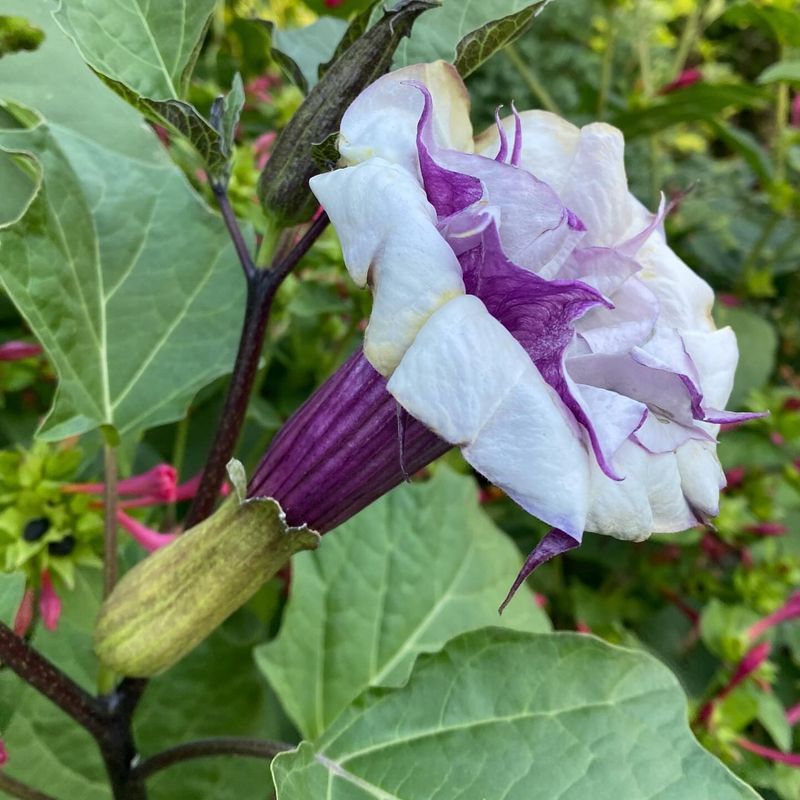
Datura produces some of the most dramatic trumpet-shaped flowers you’ll find in any Texas garden, with blooms that can reach 8 inches long and open wide in the evening hours.
Also known as devil’s trumpet or angel’s trumpet (though true angel’s trumpets are a different genus), these plants create bold architectural statements with their large, coarse leaves and enormous flowers.
The blooms come in white, purple, yellow, or pink, depending on the variety, and many have a sweet, heady fragrance that intensifies after dark.
These heat-loving plants thrive in the Texas climate, growing as annuals in most areas or short-lived perennials in the warmest regions. Datura typically reaches 3 to 5 feet tall and wide, forming substantial bushy plants covered with flowers throughout summer and fall.
The blooms open in late afternoon or early evening and remain open through the night, closing again as morning temperatures rise. They’re particularly stunning when illuminated by landscape lighting or viewed under moonlight.
Growing datura requires some caution since all parts of the plant are toxic if consumed, so plant them away from areas where children or pets play. They prefer full sun and well-drained soil, tolerating heat and drought once established.
Water regularly during the hottest parts of Texas summers to keep plants blooming prolifically. Datura self-seeds readily, often returning the following year.
The flowers attract hawk moths and other large nocturnal pollinators, creating a living theater in your evening garden.
7. Tuberose
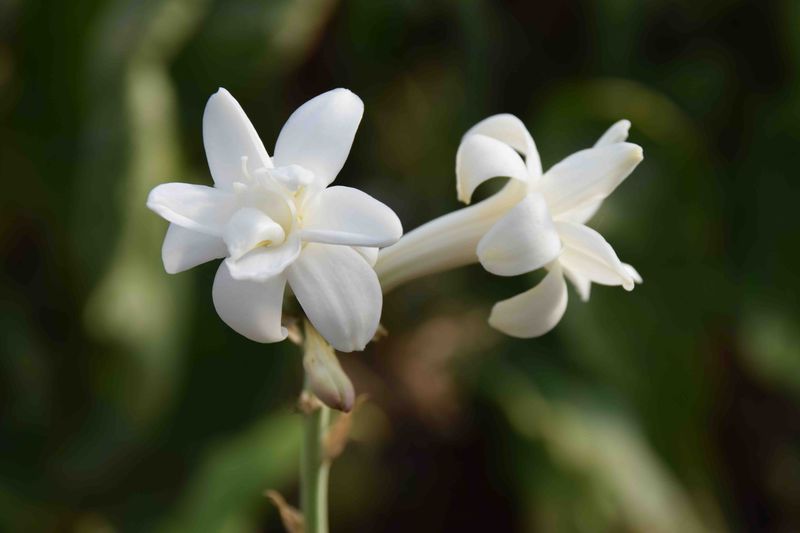
Tuberose ranks among the most fragrant flowers you can grow in a Texas garden, with a scent so powerful and sweet that just a few blooms can perfume an entire outdoor area.
The waxy white flowers grow in spikes along tall stems that can reach 3 to 4 feet high, with each spike producing multiple blooms that open from bottom to top over several weeks.
The flowers have a creamy, almost buttery appearance and release their strongest fragrance during evening hours, making them perfect for night gardens.
Originally from Mexico, tuberose is well adapted to growing conditions throughout Texas, thriving in the warm temperatures and long growing season. The plants grow from bulb-like structures called rhizomes that should be planted in spring after all danger of frost has passed.
Tuberose blooms in mid to late summer, producing flowers that are highly prized for cutting and bringing indoors. In southern Texas, the rhizomes can remain in the ground year-round, while northern gardeners should lift and store them indoors during winter.
Plant tuberose in full sun and rich, well-drained soil for the best results. Water regularly throughout the growing season, keeping the soil consistently moist but never waterlogged.
Feed monthly with a balanced fertilizer to encourage strong growth and abundant flowering. The intense fragrance makes tuberose ideal for planting near patios, decks, or seating areas where you spend time during Texas evenings.
The flowers also attract moths and other nighttime pollinators, adding movement and life to your after-dark garden experience.
8. Night Phlox
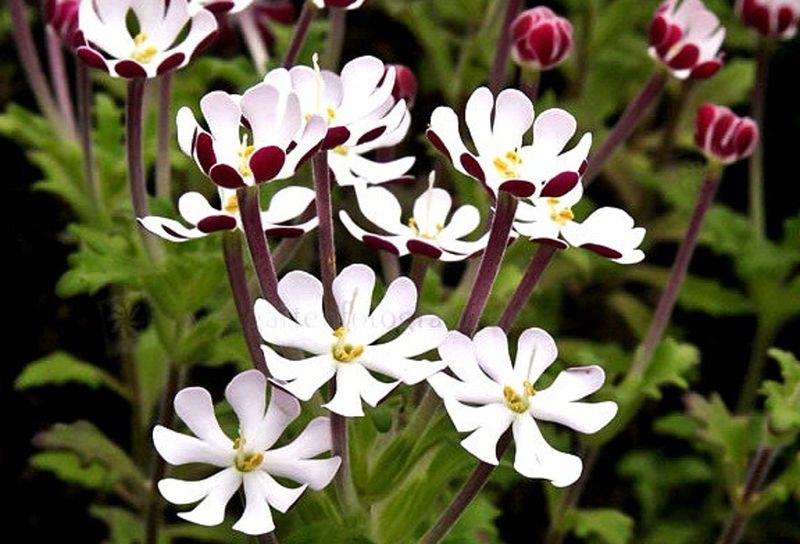
Night phlox is a charming annual that fills Texas gardens with sweet fragrance and delicate beauty once the sun goes down.
The small flowers, typically white or pale pink, may seem modest during daylight hours, but they transform into fragrant stars after dark, releasing a honey-like scent that draws moths and other pollinators.
Native to southern regions, night phlox is perfectly suited to Texas growing conditions and performs beautifully even during the hottest months.
These compact plants typically grow 12 to 18 inches tall, making them excellent choices for front-of-border plantings, container gardens, or edging along walkways where their evening fragrance can be appreciated up close.
Night phlox blooms continuously from late spring through fall in Texas, producing clusters of small flowers that open in late afternoon and remain fragrant through the night. The plants have a neat, mounding habit and attractive foliage that looks good even when not in bloom.
Starting night phlox is easy from seeds sown directly in the garden after the last frost, or you can transplant nursery-grown seedlings for quicker results. The plants prefer full sun but will tolerate light shade, especially during the intense afternoon heat common in Texas summers.
Water regularly and provide occasional feeding with a balanced fertilizer to keep plants blooming prolifically. Night phlox combines beautifully with other evening bloomers, creating a coordinated nighttime display that makes your Texas garden a destination after sunset.
The low maintenance requirements make this plant perfect for busy gardeners who want maximum evening impact with minimal effort.