7 Bugs Miami Florida Gardeners Struggle With During Cooler Winter Months
Miami winters may be mild, but garden pests don’t take the season off.
In fact, some bugs become more noticeable once cooler weather arrives, catching gardeners by surprise.
Without hard freezes to knock populations back, many insects simply slow down—or move closer to homes and protected garden spaces.
Miami gardeners often assume winter brings relief, only to find chewed leaves, damaged roots, and lingering infestations.
These pests thrive in Florida’s year-round warmth and humidity, adapting quickly to seasonal changes.
Some target winter crops, while others take advantage of reduced predator activity.
Understanding which bugs remain active—and why—helps gardeners respond effectively instead of reacting blindly.
In Miami, winter pest control isn’t about elimination; it’s about management.
Knowing what you’re up against makes all the difference between a struggling garden and a thriving one.
1. Aphids Invading Cool-Season Flowers
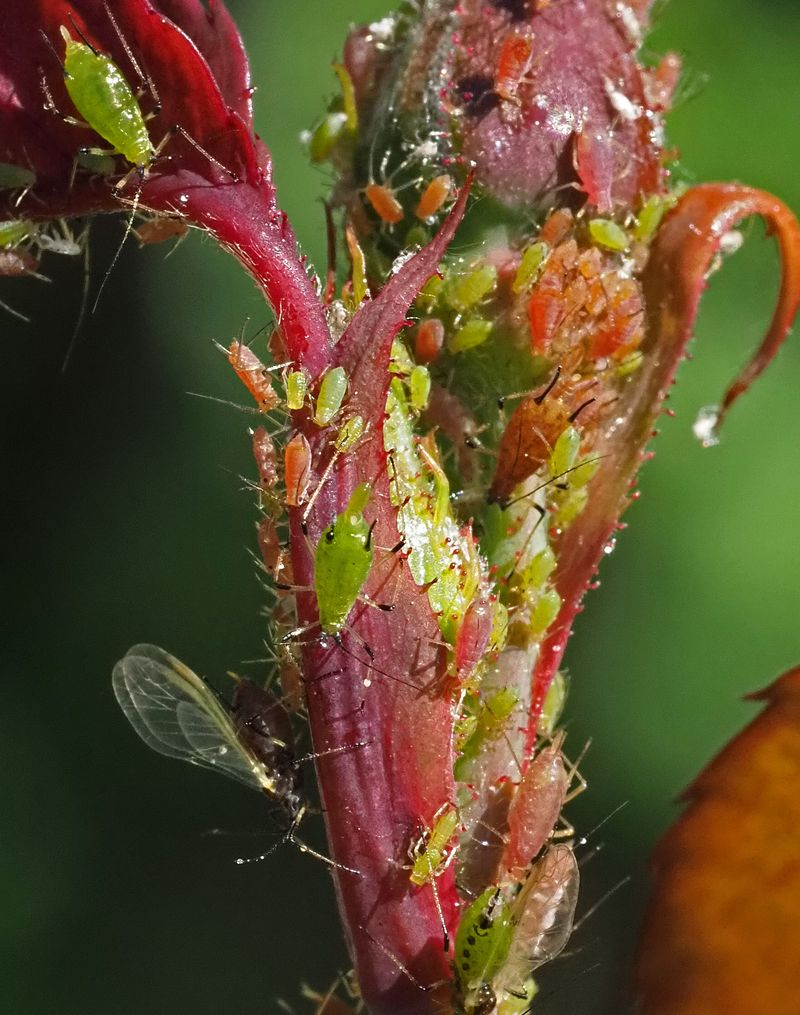
Cool-season flowers like petunias and snapdragons attract aphid invasions during Miami’s winter months, creating visible damage.
These soft-bodied insects come in various colors including green, black, yellow, and brown, clustering on tender new growth.
Aphids pierce plant tissue with needle-like mouthparts, extracting vital nutrients and causing stunted, distorted growth.
Their rapid reproduction means a small aphid problem can balloon into a serious infestation within just days.
Winter gardens often lack the predatory insects that naturally control aphids during warmer months, allowing populations to surge.
The sticky honeydew aphids excrete becomes a magnet for ants, which actually protect aphids from predators in exchange for this sweet substance.
Companion planting with herbs like basil, cilantro, and dill helps repel aphids while attracting beneficial insects to your flower beds.
Insecticidal soap sprays work effectively against aphids when applied directly to infested areas, suffocating these pests on contact.
Encouraging ladybugs, hoverflies, and parasitic wasps creates a natural defense system that keeps aphid numbers manageable.
Avoid over-fertilizing flowers with nitrogen-rich products, as excessive tender growth attracts even more aphids to your garden.
Regular monitoring and quick action prevent aphids from establishing colonies that damage your winter flower displays.
2. Thrips Damaging Orchids And Ornamentals
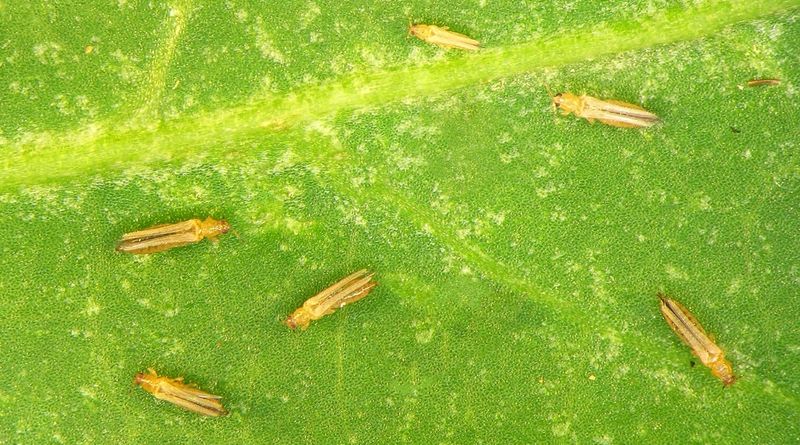
Orchid enthusiasts face persistent thrips problems during Miami’s cooler months when these microscopic pests target prized blooms.
Thrips are incredibly small, slender insects that rasp plant surfaces and suck out cellular contents, leaving silvery scars and streaks.
Their feeding causes flowers to develop brown edges, distorted petals, and premature bloom drop that ruins your ornamental displays.
Winter conditions in South Florida allow thrips to remain active when they would normally be dormant in colder regions.
These pests hide deep within flower buds and leaf crevices, making them difficult to spot until damage becomes obvious.
Thrips also spread viral diseases between plants, creating long-term problems that extend beyond their immediate feeding damage.
Blue sticky traps hung near susceptible plants help monitor thrips populations and capture adults before they reproduce.
Spinosad-based organic sprays provide effective control when applied thoroughly to reach thrips hiding in tight spaces.
Removing spent flowers and damaged plant material eliminates breeding sites where thrips lay eggs and develop through multiple generations.
Keeping your orchids and ornamentals properly watered and fertilized strengthens them against thrips stress and helps them recover faster.
Predatory mites released in your garden feed specifically on thrips and establish lasting populations that provide ongoing protection.
3. Spider Mites Attacking Herbs And Vegetables
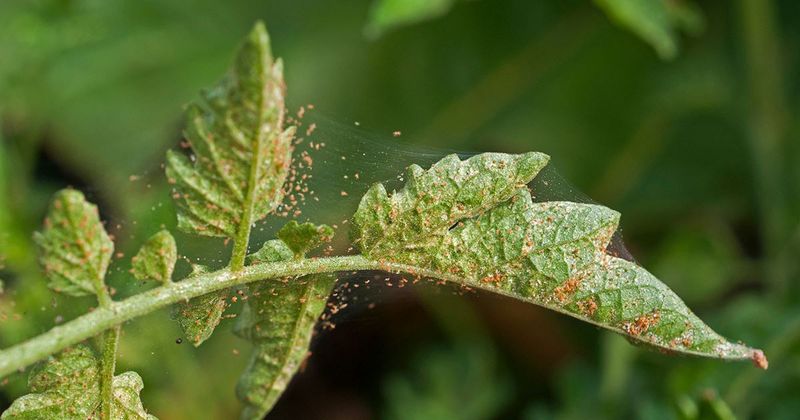
Herb gardens and winter vegetables suffer from spider mite infestations that thrive in Miami’s dry winter air conditions.
These eight-legged arachnids are barely visible to the naked eye but leave telltale signs including stippled leaves and fine webbing.
Spider mites pierce individual plant cells, causing leaves to develop a speckled, bronze appearance before eventually dropping off.
Winter’s lower humidity in South Florida creates ideal conditions for spider mites to reproduce rapidly, with new generations emerging every week.
Basil, cilantro, tomatoes, and beans are particularly vulnerable to spider mite damage during cooler months.
Early detection is crucial because spider mite populations can explode quickly, overwhelming plants before you realize there’s a problem.
Increasing humidity around plants through regular misting or drip irrigation makes the environment less favorable for spider mites.
Horticultural oil sprays smother spider mites and their eggs when applied to both upper and lower leaf surfaces thoroughly.
Predatory mites purchased from garden suppliers feed exclusively on pest mites and establish themselves in your garden for continued control.
Avoid using broad-spectrum pesticides that eliminate beneficial insects, as these natural predators help keep spider mite populations in check.
Removing heavily infested plants prevents spider mites from spreading to healthy neighbors and starting new colonies throughout your garden.
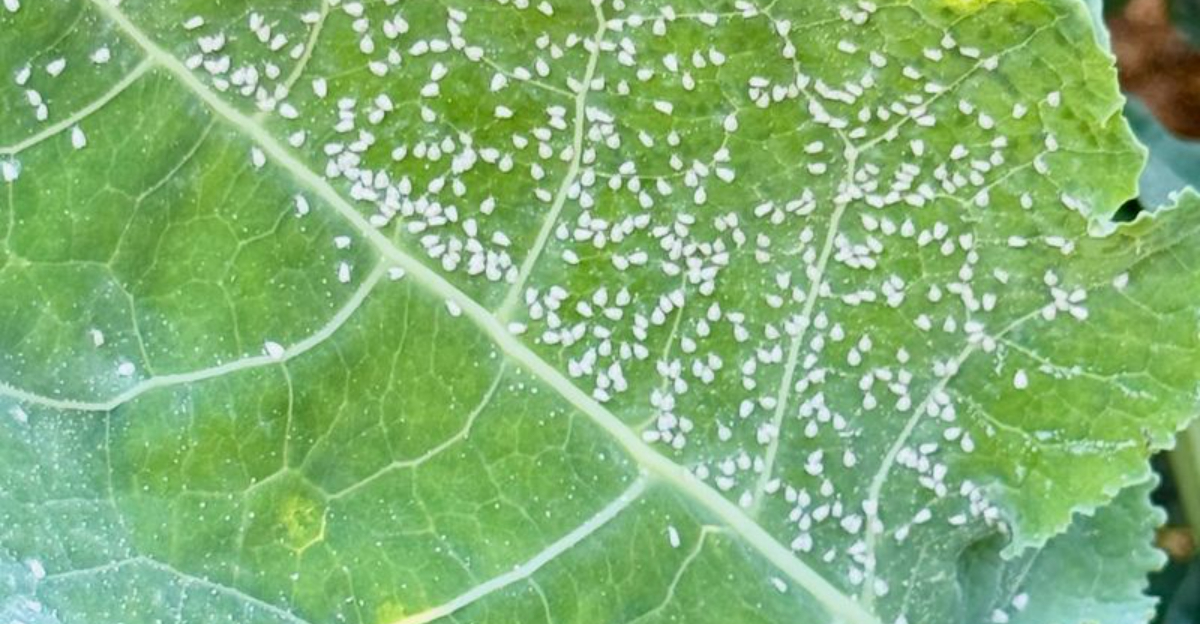
4. Whiteflies Clustering On Vegetable Leaves
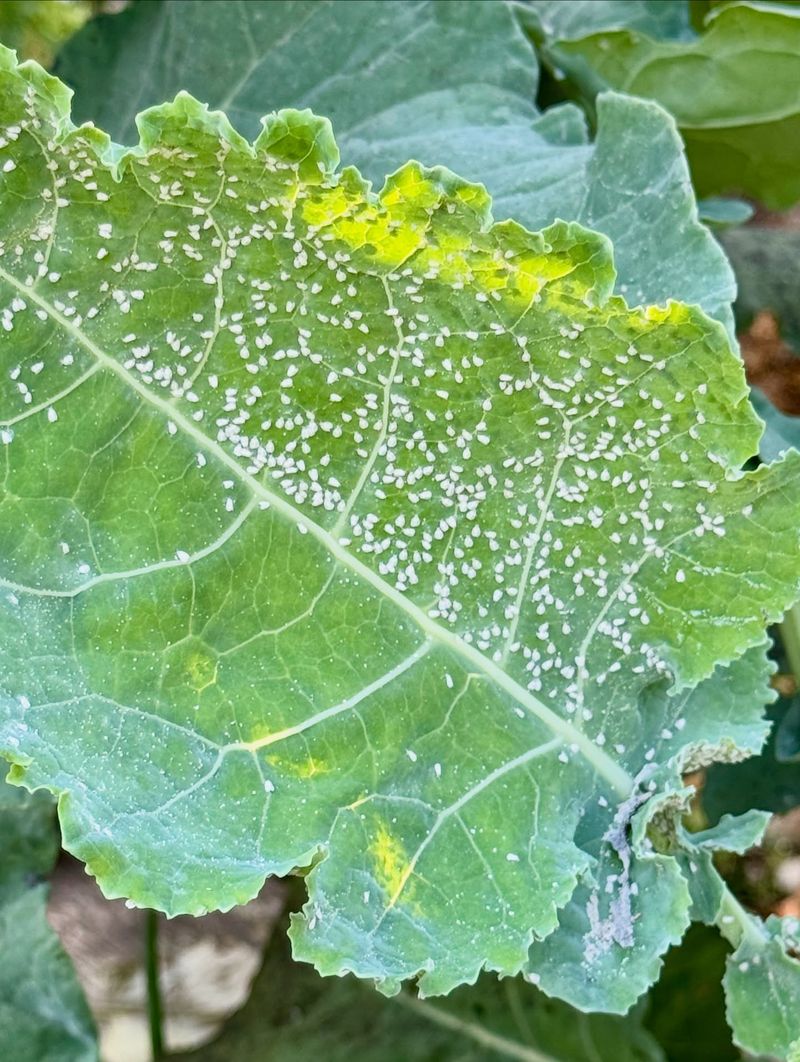
Vegetable gardens become prime targets for whiteflies when Miami’s winter weather arrives, bringing frustration to countless gardeners.
These tiny white insects gather in clouds beneath tomato, pepper, and bean leaves, sucking plant juices and weakening your crops.
Their feeding causes leaves to yellow, curl, and eventually drop, reducing your harvest significantly.
Whiteflies also produce sticky honeydew that coats leaves and attracts sooty mold, creating additional problems for your plants.
Winter’s mild temperatures in South Florida provide perfect conditions for whitefly populations to explode without natural freezes to control them.
Regular inspection of leaf undersides helps catch infestations early before they spread throughout your garden.
Yellow sticky traps placed near affected plants capture adult whiteflies and reduce their numbers effectively.
Strong water sprays from your hose can dislodge whiteflies temporarily, though repeated applications are necessary.
Introducing beneficial insects like ladybugs and lacewings provides natural control that continues working long-term.
Neem oil applications every seven days interrupt whitefly life cycles and prevent new generations from establishing.
Removing heavily infested leaves and disposing of them away from your garden prevents whiteflies from spreading to healthy plants nearby.
5. Mealybugs Infesting Tropical Plants
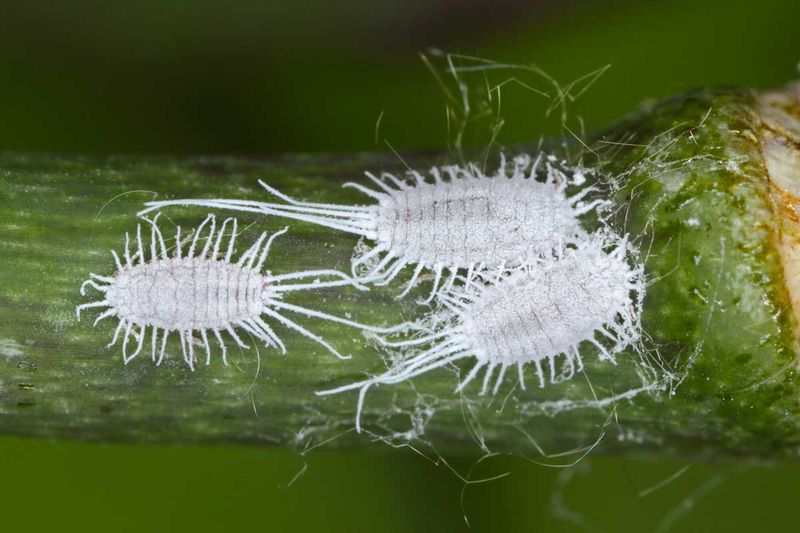
Tropical plants brought indoors or kept in protected areas during winter become mealybug magnets for Miami gardeners.
These white, waxy insects resemble tiny cotton balls and congregate in leaf joints, along stems, and on the undersides of foliage.
Mealybugs feed by inserting their mouthparts into plant tissue and extracting sap, weakening plants and causing leaf yellowing.
Their protective waxy coating makes mealybugs resistant to many spray treatments, requiring persistent management efforts.
Winter’s reduced air circulation around plants creates perfect conditions for mealybug populations to establish and spread unnoticed.
Hibiscus, plumeria, croton, and other tropical favorites are especially susceptible to mealybug invasions during cooler months.
Cotton swabs dipped in rubbing alcohol can be used to remove individual mealybugs, providing immediate control for small infestations.
Systemic insecticides absorbed through plant roots reach mealybugs feeding anywhere on the plant, offering comprehensive protection.
Encouraging natural predators like lacewings and parasitic wasps provides biological control that works continuously without chemical applications.
Isolating new plants for several weeks before adding them to your collection prevents mealybugs from spreading to your established tropicals.
Regular inspection of stems, leaf undersides, and growing points helps catch mealybug infestations early when they’re easiest to manage.
6. Scale Insects Covering Citrus Trees
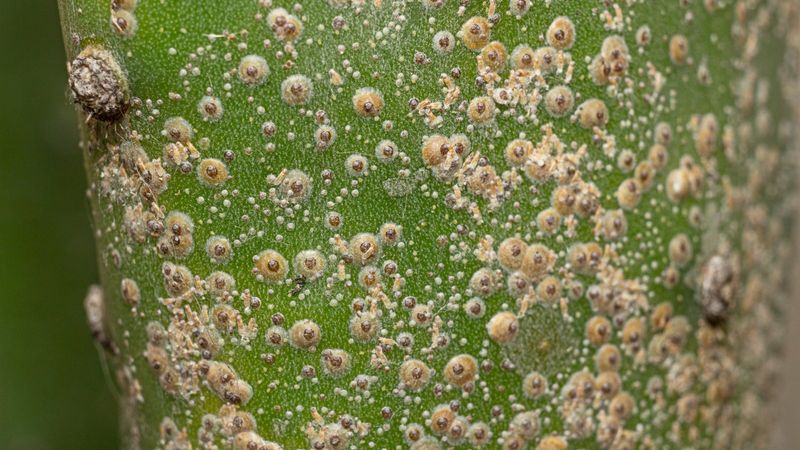
Citrus trees face ongoing scale insect challenges during Miami’s winter months when these armored pests multiply rapidly.
Scale insects attach themselves firmly to branches, twigs, and leaves, appearing as small bumps in brown, white, or gray colors.
Once settled, scale insects remain stationary, feeding continuously on plant sap and gradually weakening your citrus trees.
Heavy scale infestations cause leaf yellowing, branch dieback, and reduced fruit production in subsequent growing seasons.
Winter’s cooler temperatures don’t slow scale reproduction in South Florida, allowing populations to build without natural checks.
The honeydew scales produce attracts ants and encourages black sooty mold growth that blocks sunlight from reaching leaves.
Horticultural oil sprays applied during winter smother scale insects effectively, as they’re less likely to harm beneficial insects during this season.
Scraping scales off manually with a soft brush or cloth removes mature insects and prevents them from reproducing further.
Parasitic wasps naturally attack scale insects, and maintaining diverse plantings around citrus trees encourages these beneficial species.
Proper tree nutrition through balanced fertilization helps citrus trees tolerate scale feeding and maintain vigor despite pest pressure.
Monitoring your citrus regularly throughout winter allows early intervention before scale populations reach levels that cause serious damage.
7. Leafminers Tunneling Through Vegetable Greens
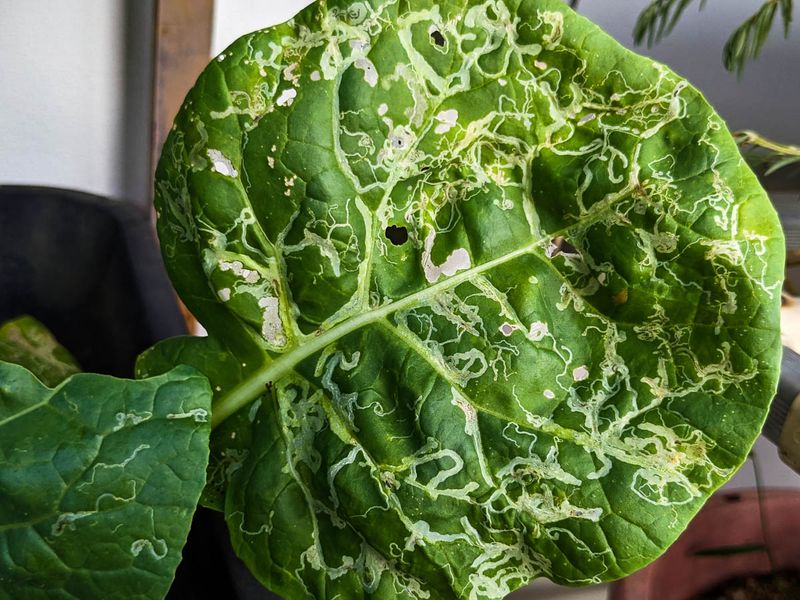
Winter vegetable gardens throughout Miami experience leafminer damage that creates distinctive winding trails through leafy greens.
Leafminer larvae tunnel between upper and lower leaf surfaces, creating pale, serpentine paths that ruin the appearance of edible crops.
Spinach, Swiss chard, beets, and lettuce are particularly vulnerable to leafminer attacks during South Florida’s cooler growing season.
While leafminer damage is mostly cosmetic, heavy infestations can reduce plant vigor and make vegetables less appealing for harvest.
Adult leafminer flies lay eggs on leaf surfaces, and emerging larvae immediately burrow inside, making them protected from contact sprays.
Floating row covers placed over susceptible crops create a physical barrier that prevents adult flies from accessing plants to lay eggs.
Removing and disposing of affected leaves breaks the leafminer life cycle and reduces the next generation’s population significantly.
Spinosad sprays applied when adult flies are active can reduce egg-laying, though timing is critical for effectiveness.
Parasitic wasps naturally attack leafminer larvae inside their tunnels, providing biological control when allowed to establish in your garden.
Crop rotation between leafy greens and unrelated vegetables helps break pest cycles and reduces leafminer pressure in future plantings.
Maintaining healthy soil and proper watering produces vigorous plants that tolerate leafminer damage better and continue producing quality harvests.