Bulbs You Can Still Plant During Winter In Texas For A Strong Spring Garden
Winter in Texas doesn’t mean gardening has to stop.
Thanks to the state’s generally mild winters, many popular spring-flowering bulbs can still be planted well into the colder months.
In fact, late winter planting often works just as well as fall planting when soil remains workable and well-drained.
For gardeners who missed earlier planting windows or want to add more color to spring beds, winter offers a second chance.
Bulbs planted during this time focus on root development underground while temperatures stay cool, setting the stage for strong blooms once warmer weather arrives.
Choosing the right bulbs—and planting them correctly—makes all the difference.
With a little planning, Texas gardeners can enjoy vibrant spring displays without waiting another year.
Winter planting is not a mistake here; it’s a smart opportunity to extend the growing season and get ahead of spring.
Daffodils (Narcissus Spp.)
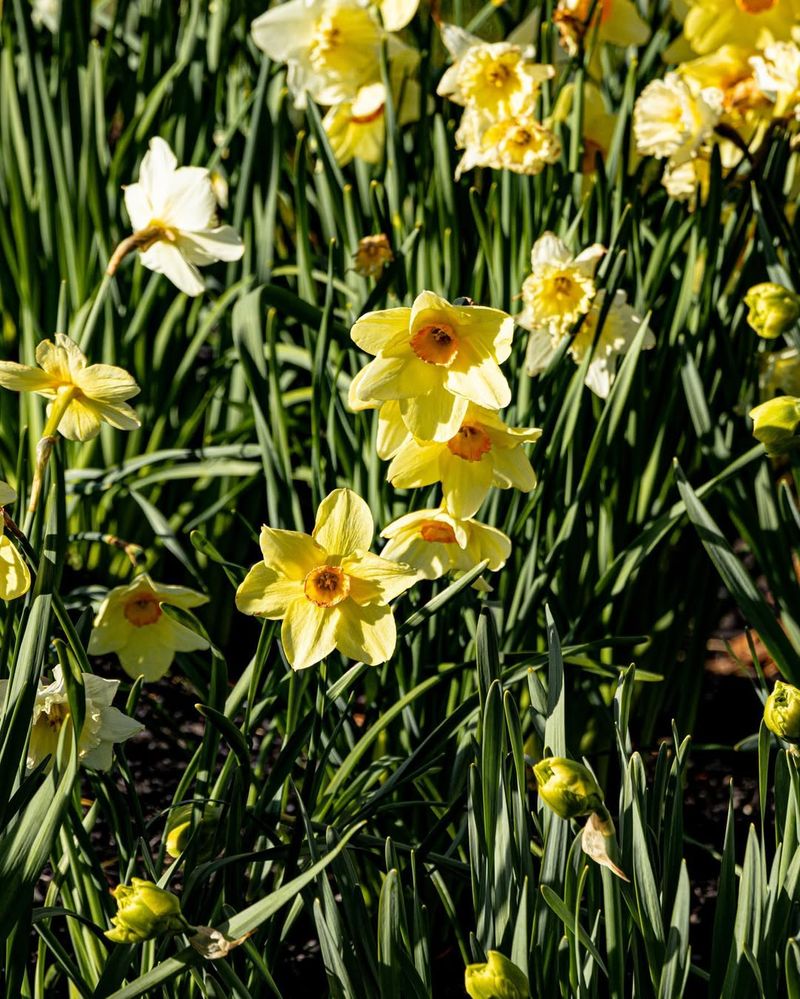
Cheerful yellow faces nodding in the spring breeze make daffodils one of the most beloved bulbs for Texas gardens.
These hardy bloomers adapt beautifully to late winter planting because Texas soil rarely freezes deeply enough to prevent root development.
Plant your daffodil bulbs about six inches deep in well-draining soil, and they’ll reward you with reliable flowers year after year.
The pointed end should face upward, and spacing them four to six inches apart creates a natural-looking display.
Daffodils prefer full sun to partial shade and need minimal water once established, making them perfect for busy gardeners.
One wonderful trait of daffodils is their resistance to common garden pests like deer and squirrels who typically avoid their bitter taste.
Choose varieties like ‘Carlton’ or ‘Ice Follies’ that perform exceptionally well across different Texas regions.
After blooming, allow the foliage to yellow naturally before removing it, as this feeds the bulb for next season’s show.
Mixing early, mid, and late-season varieties extends your daffodil display from February through April.
These dependable bulbs naturalize beautifully, multiplying over time to create larger clusters without any extra effort from you.
Alliums (Ornamental Onions)
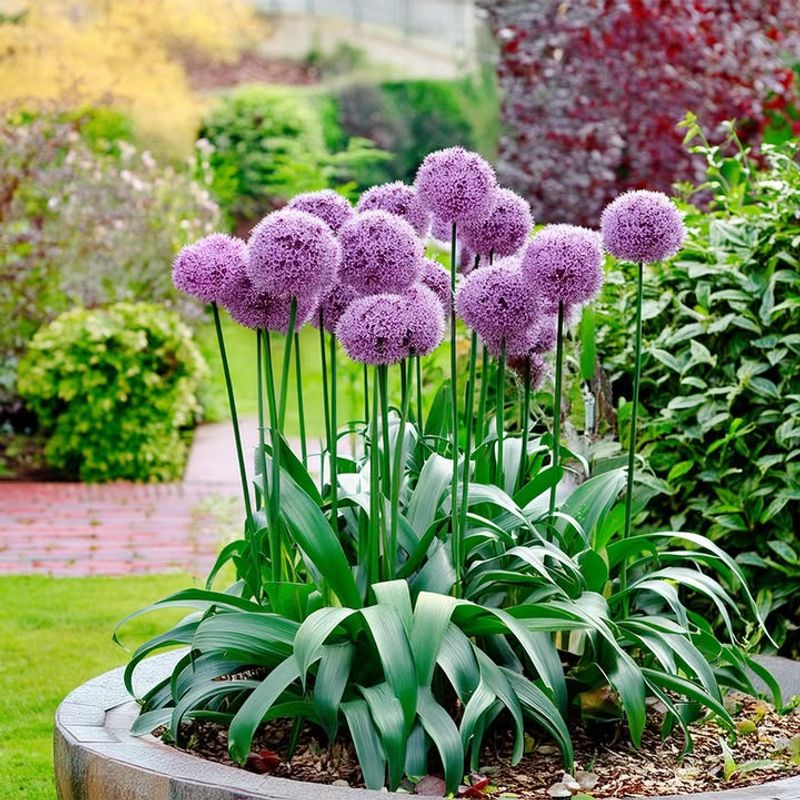
Dramatic spheres of purple, pink, or white flowers floating atop tall stems create an architectural element that few other plants can match.
Alliums belong to the onion family, but their ornamental varieties produce spectacular globe-shaped blooms rather than edible bulbs.
Winter planting gives these bulbs enough time to develop strong root systems before sending up their impressive flower stalks in late spring.
Plant larger varieties like ‘Globemaster’ about eight inches deep, while smaller types can go four to six inches down.
Full sun and well-draining soil are essential for alliums, especially in areas of Texas where clay soil predominates.
Consider amending heavy soil with compost or sand to improve drainage and prevent bulb rot during wet periods.
The onion scent of the foliage naturally deters deer, rabbits, and other garden visitors who might otherwise nibble your plants.
After flowering, the seed heads dry beautifully and add continued interest to your garden or can be cut for dried arrangements.
Taller varieties like ‘Purple Sensation’ create stunning vertical accents among lower-growing perennials and ground covers.
Bees and butterflies adore allium flowers, making them valuable additions for pollinator-friendly gardens throughout Texas.
Dutch Iris
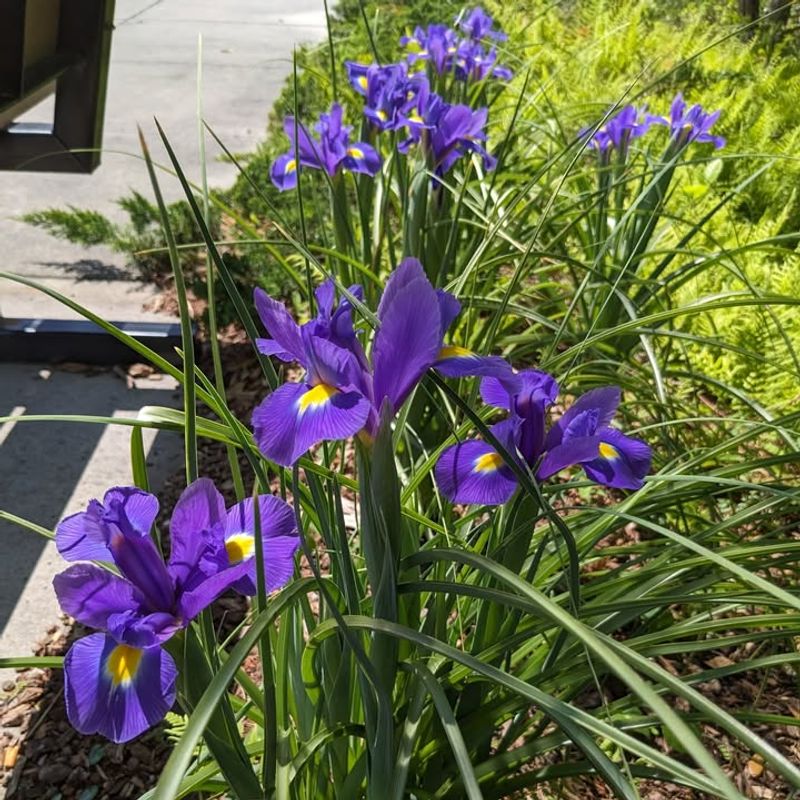
Elegant and graceful, Dutch iris brings a sophisticated touch to spring gardens with flowers that resemble delicate butterflies perched on slender stems.
Colors range from deep purple and royal blue to sunny yellow, pristine white, and bicolor combinations that catch the eye.
These bulbs perform exceptionally well when planted during Texas winters, particularly in areas with sandy or loamy soil that drains quickly.
Set them about four inches deep and three to four inches apart in groups of at least seven for the best visual impact.
Dutch iris prefers full sun locations where they’ll receive at least six hours of direct light daily.
Water them moderately after planting, then reduce watering as they establish since they prefer drier conditions once growing.
The blooms make outstanding cut flowers, lasting up to two weeks in vases and adding elegance to indoor arrangements.
After flowering finishes in late spring, allow the foliage to remain until it yellows completely to nourish the bulbs.
In warmer parts of Texas, Dutch iris may not return as reliably as in cooler regions, but they’re inexpensive enough to treat as annuals.
Mixing different colors creates a painter’s palette effect that transforms ordinary garden beds into works of art each spring.
Crocus (Cold-Tolerant Varieties)
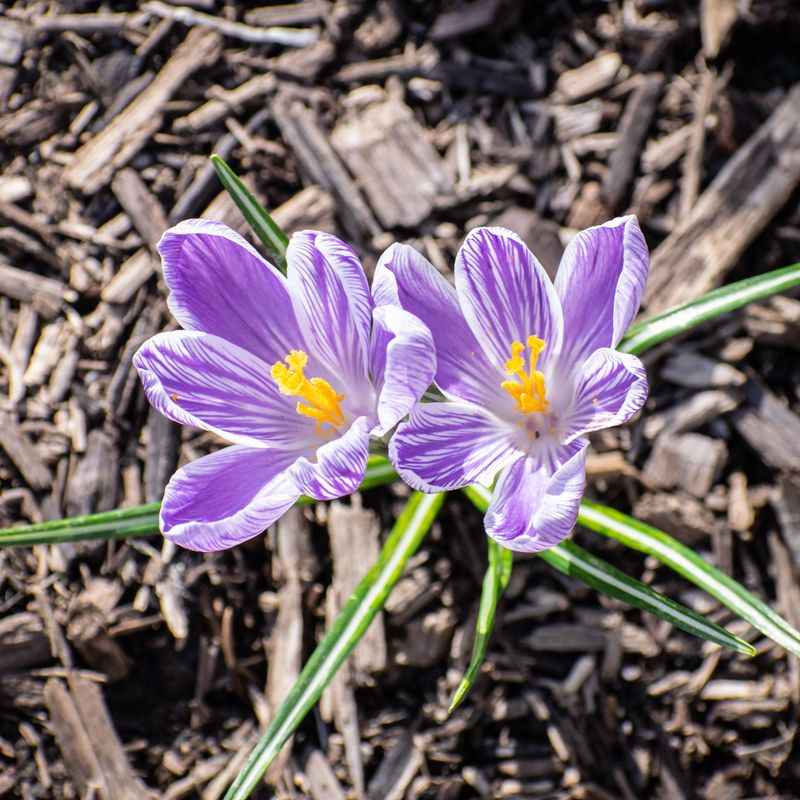
Among the earliest spring messengers, crocuses push through cold soil to announce that warmer days are approaching.
Their cup-shaped flowers in purple, yellow, white, and striped patterns appear low to the ground, often before trees have leafed out.
Late winter planting can still succeed with crocus bulbs if you choose healthy, firm specimens and provide excellent drainage.
Plant them about three inches deep and two to three inches apart, positioning them in areas that receive full to partial sun.
Crocus bulbs are actually corms, which are slightly different from true bulbs but are planted and cared for similarly.
They naturalize readily in lawns, creating carpets of color that bloom before grass needs its first mowing of the season.
Squirrels sometimes dig up crocus corms, so covering the planting area with chicken wire until shoots emerge can protect your investment.
After blooming, the grass-like foliage disappears quickly, allowing other plants to take center stage without leaving gaps.
Varieties like ‘Pickwick’ with its striped petals or ‘Yellow Mammoth’ with its large golden blooms work particularly well in Texas gardens.
These cheerful little flowers require minimal care and bring maximum joy when they emerge after winter’s chill.
Grape Hyacinths (Muscari)
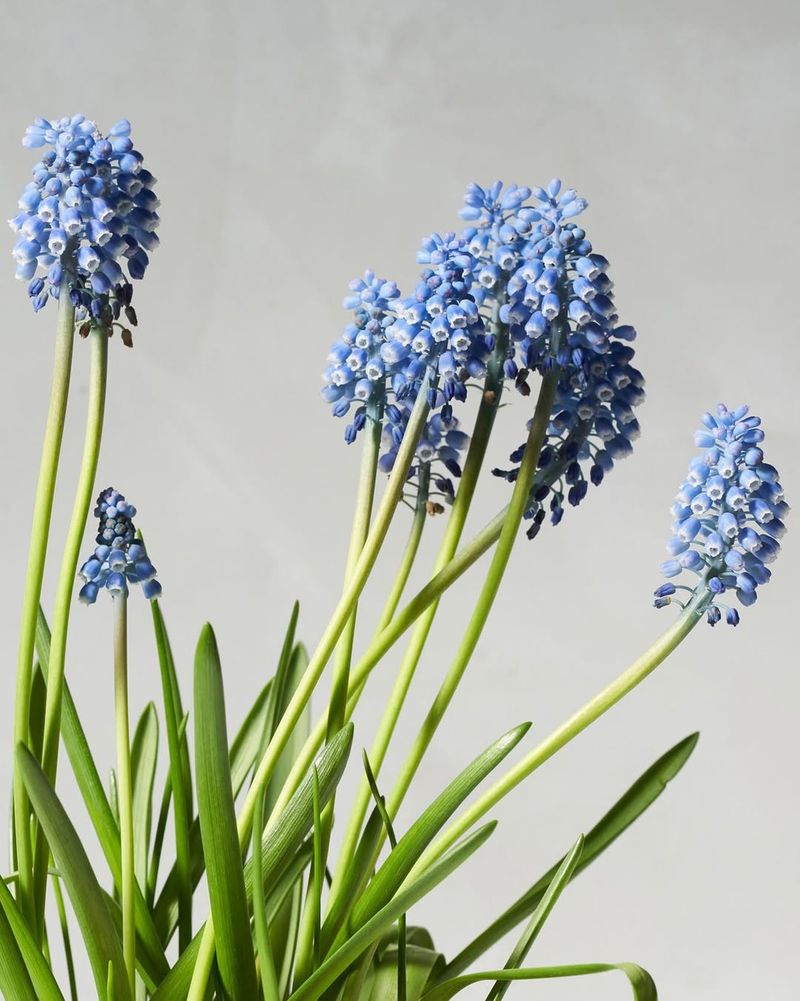
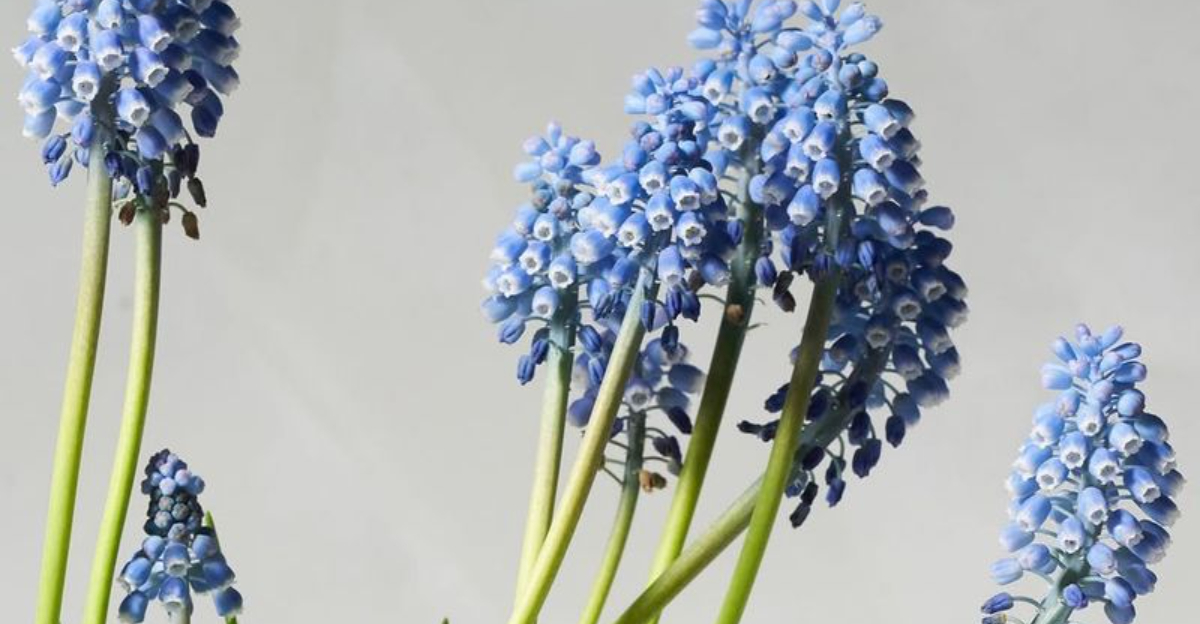
Tiny but mighty, grape hyacinths pack a powerful punch of cobalt blue color into compact spikes that resemble upside-down grape clusters.
Their small size makes them ideal for edging pathways, tucking into rock gardens, or planting beneath taller spring bloomers.
Winter planting works wonderfully for these tough little bulbs because they establish roots quickly even in cooler temperatures.
Set them about three inches deep and three inches apart for a carpet-like effect that looks stunning when they bloom.
Grape hyacinths thrive in full sun to partial shade and tolerate a wide range of soil types as long as drainage is adequate.
Once established, they require very little maintenance and will naturalize happily, spreading slowly to fill in bare spots.
The sweet fragrance they release on warm spring days adds another delightful dimension to your garden experience.
Varieties like ‘Valerie Finnis’ offer pale blue flowers, while ‘Album’ provides a crisp white alternative to the classic blue.
These bulbs also make excellent companions for daffodils and tulips, blooming at the same time and complementing taller flowers beautifully.
Their affordability and easy-care nature make grape hyacinths perfect for gardeners wanting maximum impact with minimal investment.
Snowdrops (Galanthus)
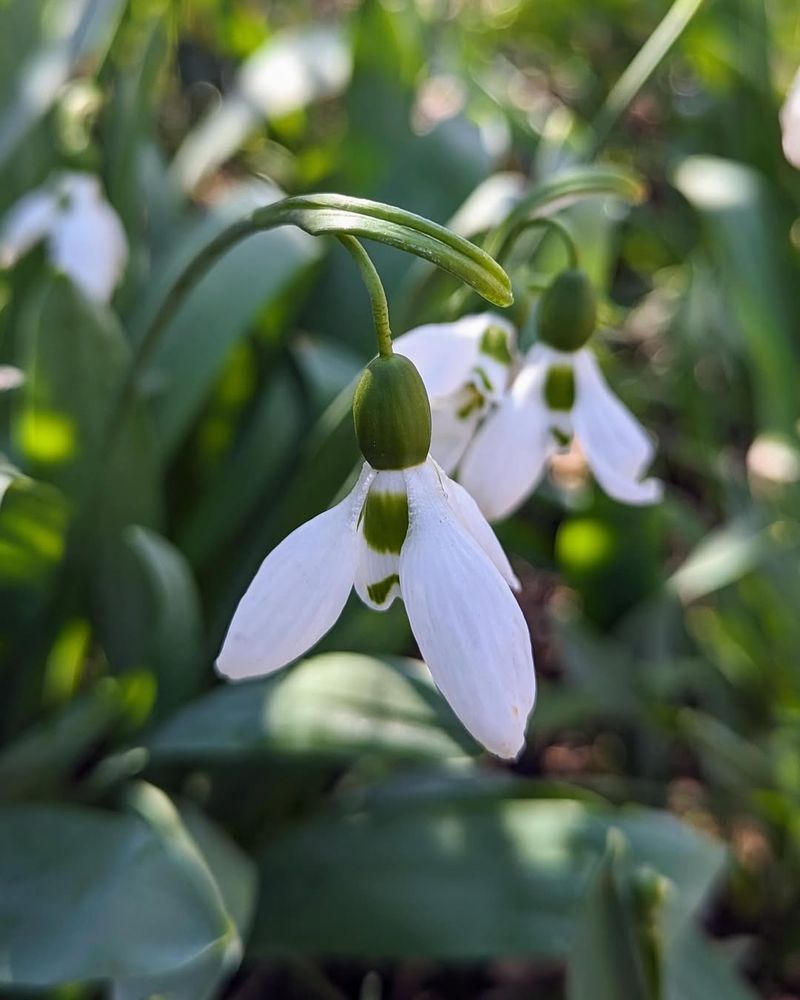
Delicate white bells nodding gracefully from slender stems give snowdrops their reputation as harbingers of spring’s arrival.
While their name suggests cold climates, certain varieties adapt surprisingly well to winter planting in the cooler regions of Texas.
These petite bulbs work best in North and Central Texas where winters provide enough chill to satisfy their growing requirements.
Plant snowdrops about three inches deep in areas with dappled shade, such as beneath deciduous trees or along north-facing walls.
They appreciate consistent moisture during their growing season but prefer drier conditions once their foliage fades in late spring.
Snowdrops often bloom in late winter or very early spring, sometimes appearing when frost still decorates the ground at night.
Their modest size makes them perfect for woodland garden settings, rock gardens, or naturalized areas where they can spread gradually.
Unlike many bulbs, snowdrops establish better when planted “in the green,” meaning while still growing, but bulbs planted in winter can succeed too.
Group them in clusters of at least ten bulbs to create noticeable drifts since individual flowers are quite small.
Once established, snowdrops multiply slowly but steadily, eventually forming charming colonies that return faithfully each year.
Anemones (Anemone Coronaria)
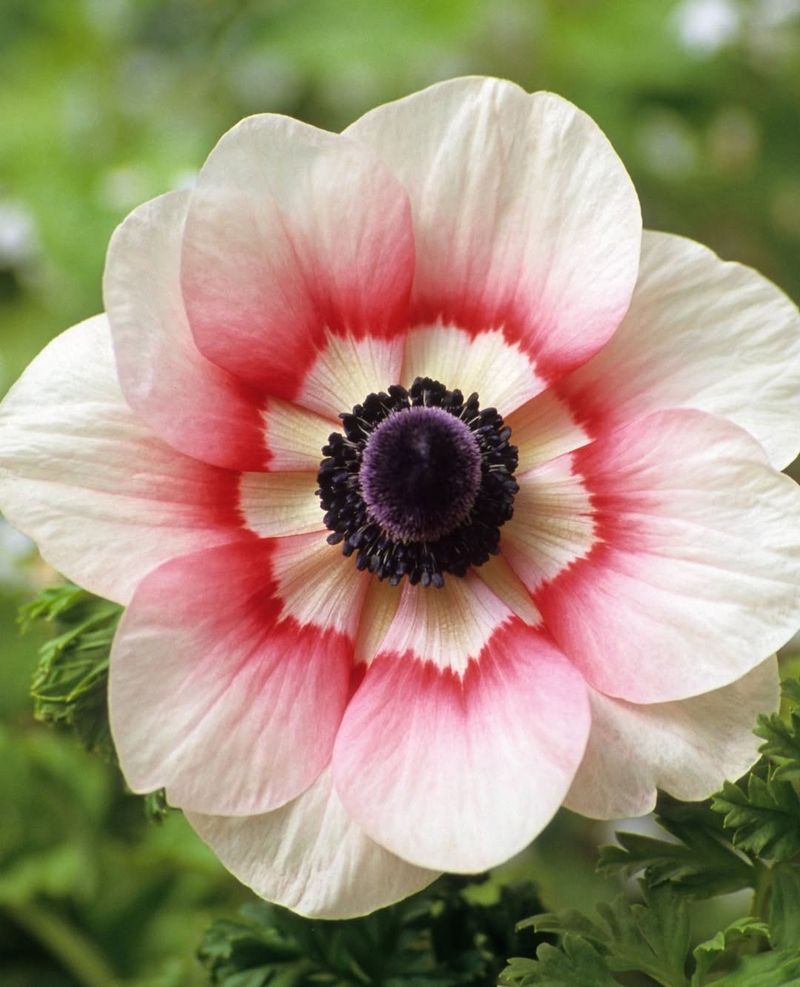
Vibrant, poppy-like blooms in jewel tones of red, pink, purple, and white make anemones absolute showstoppers in spring gardens.
These Mediterranean natives adapt beautifully to Texas growing conditions, especially when planted during late winter months.
Before planting, soak the odd-looking tubers in room-temperature water for three to four hours to rehydrate them and jumpstart growth.
Plant them about two inches deep with the pointed end down, or if you can’t tell which end is which, plant them on their sides.
Space tubers four to six inches apart in areas receiving full sun to light shade with well-draining soil.
Anemones produce multiple flowers per tuber, creating a generous display that lasts several weeks in mid to late spring.
The dark centers of the flowers create striking contrast against the colorful petals, giving them a bold, graphic quality.
They make exceptional cut flowers with long vase life, and cutting them actually encourages the plants to produce more blooms.
In warmer parts of Texas, anemones may be treated as cool-season annuals since they struggle with intense summer heat.
Mixing different colors creates a festive, market-garden feel that brings European charm to your Texas landscape.
Ranunculus
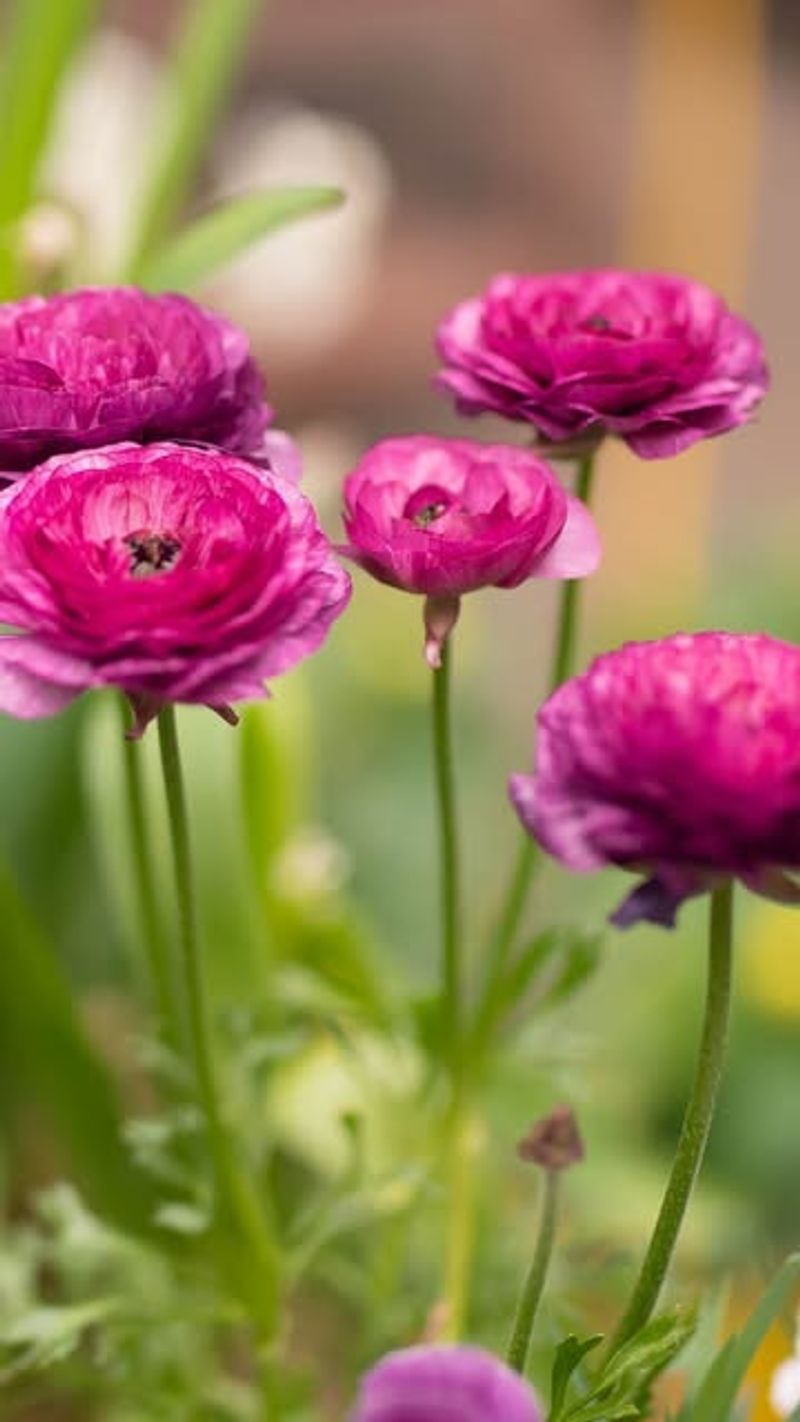
Rose-like layers of tissue-paper petals packed tightly together make ranunculus flowers look almost too perfect to be real.
Available in nearly every color except blue, these stunning bloomers have become favorites for both gardeners and florists.
Late winter planting is actually ideal for ranunculus in Texas, giving them cool conditions to establish before blooming in spring.
The claw-shaped tubers should be soaked for three to four hours before planting, just like anemones, to encourage faster growth.
Plant them with the claw side down about two inches deep and four to six inches apart in rich, well-draining soil.
Ranunculus thrives in full sun locations and benefits from regular watering while actively growing and blooming.
Each tuber produces multiple stems with several flowers, providing weeks of continuous color from March through May.
The blooms last exceptionally long in vases, making them perfect for cutting gardens or anyone who enjoys fresh flower arrangements.
In hot Texas summers, ranunculus foliage typically fades, and the tubers can be lifted and stored or treated as annuals.
Growing them in raised beds or containers with premium soil mix often yields the most spectacular results.
Paperwhites (Narcissus Tazetta)
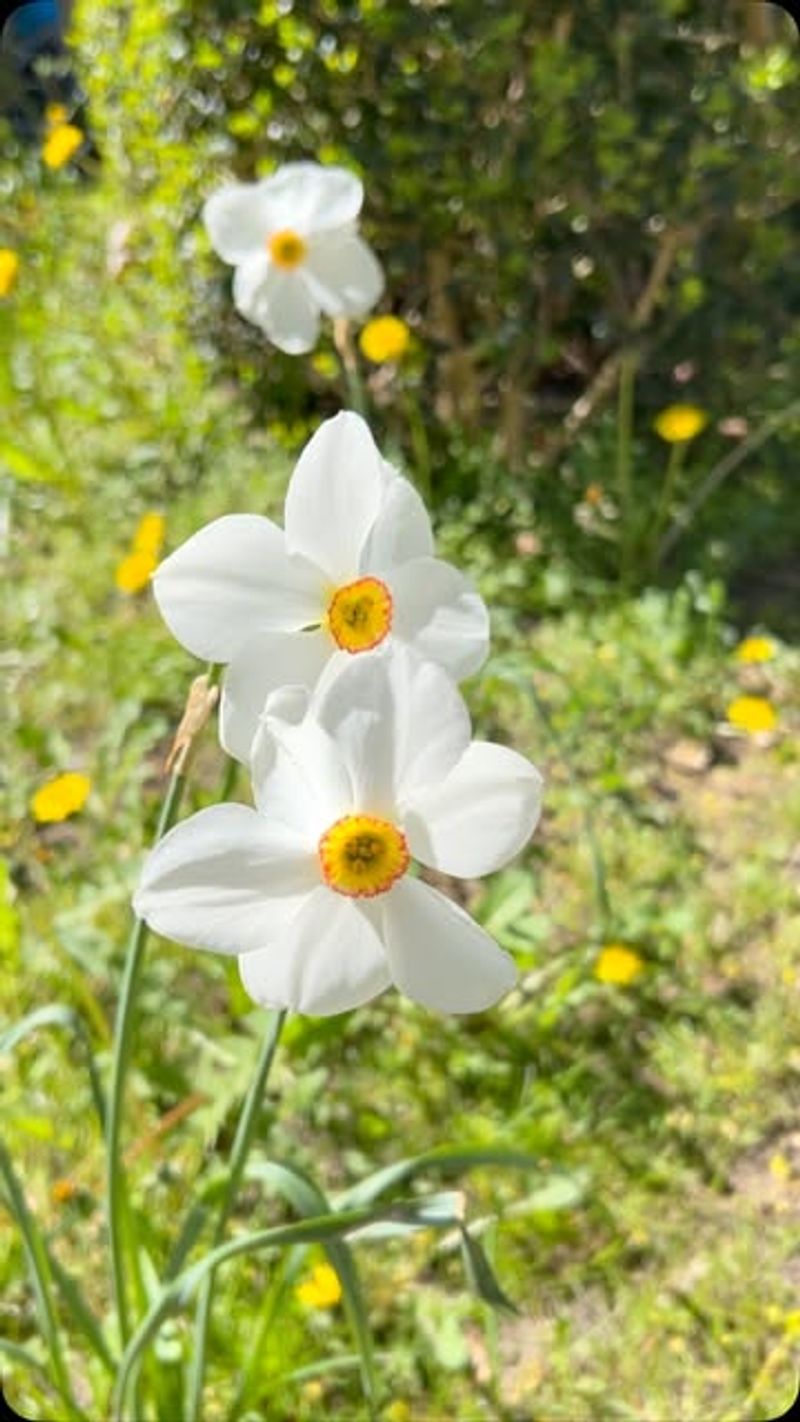
Intensely fragrant white flowers clustered atop tall stems bring a sweet perfume to gardens and indoor spaces alike.
Unlike most daffodils, paperwhites require no cold period and can be planted outdoors during winter across much of Texas.
Their fast growth habit means you’ll see flowers within six to eight weeks of planting, making them nearly instant gratification.
Plant bulbs about four inches deep near foundations, along pathways, or in protected garden spots where you’ll enjoy their fragrance.
Paperwhites prefer well-draining soil and full sun to partial shade, adapting to various garden conditions with ease.
The strong fragrance can be overwhelming indoors for some people, but outdoors it creates a delightful sensory experience.
These bulbs naturalize well in South and Central Texas, returning year after year with minimal care required.
Stake taller varieties if needed, as the flower-heavy stems sometimes flop, especially after rain or in windy locations.
Varieties like ‘Ziva’ produce pure white flowers, while ‘Grand Soleil d’Or’ offers yellow blooms with orange centers.
Plant them in succession a few weeks apart to extend the blooming period throughout late winter and early spring.
Species Tulips (In North Texas)
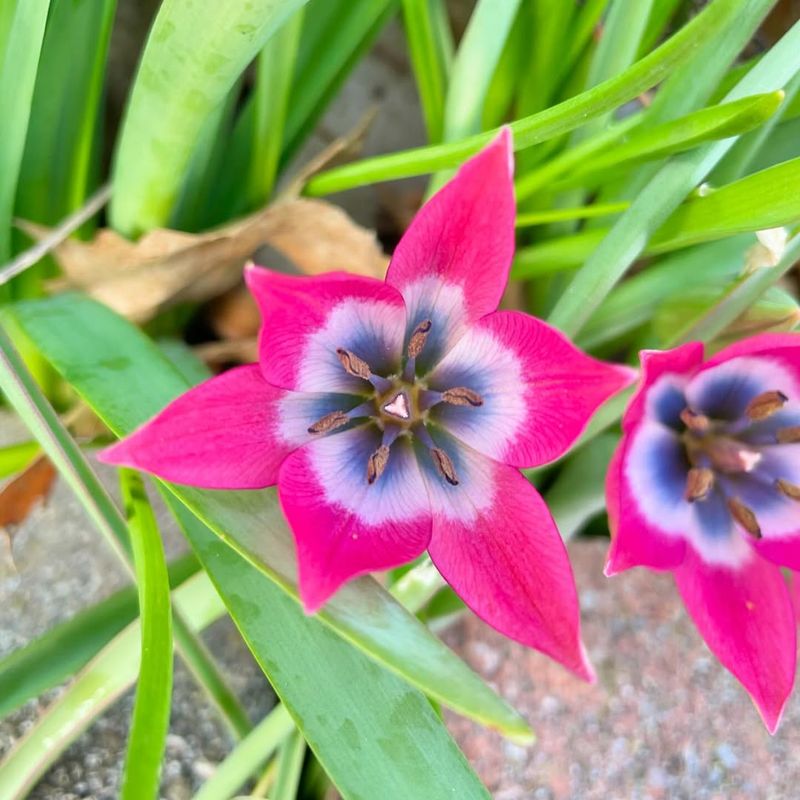
Smaller and more delicate than their hybrid cousins, species tulips offer charm and reliability in colder Texas regions.
These botanical tulips return more consistently than standard varieties because they’re closer to their wild ancestors.
Late winter planting works in North Texas if you use pre-chilled bulbs that have already received the cold treatment they need.
Plant them about six inches deep in well-draining soil, as tulips absolutely cannot tolerate wet, soggy conditions.
Choose sunny spots where soil warms quickly in spring, helping trigger the blooming process after winter planting.
Species tulips like Tulipa clusiana (Lady Tulip) and Tulipa bakeri produce flowers that open wide in sunshine and close at night.
Their smaller stature makes them perfect for rock gardens, container plantings, or front-of-border positions.
Unlike large hybrid tulips, species varieties often naturalize and return for several years with proper care.
After blooming, resist the urge to remove foliage until it yellows completely, allowing the bulb to store energy.
While tulips are challenging in warmer Texas areas, species types give North Texas gardeners the best chance for success.