17 Calibrachoa Growing Tips For Bigger Blooms And Fuller Hanging Baskets
Calibrachoa has a reputation for being fussy. That reputation is not entirely wrong.
Get a few things off, and these plants will sulk, yellow, and stop blooming before summer even hits its stride. Get them right, and you will have a hanging basket so loaded with color it stops people mid-stride.
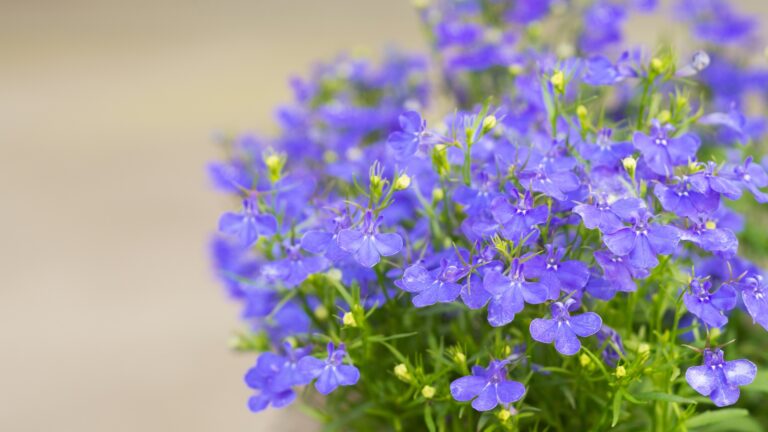
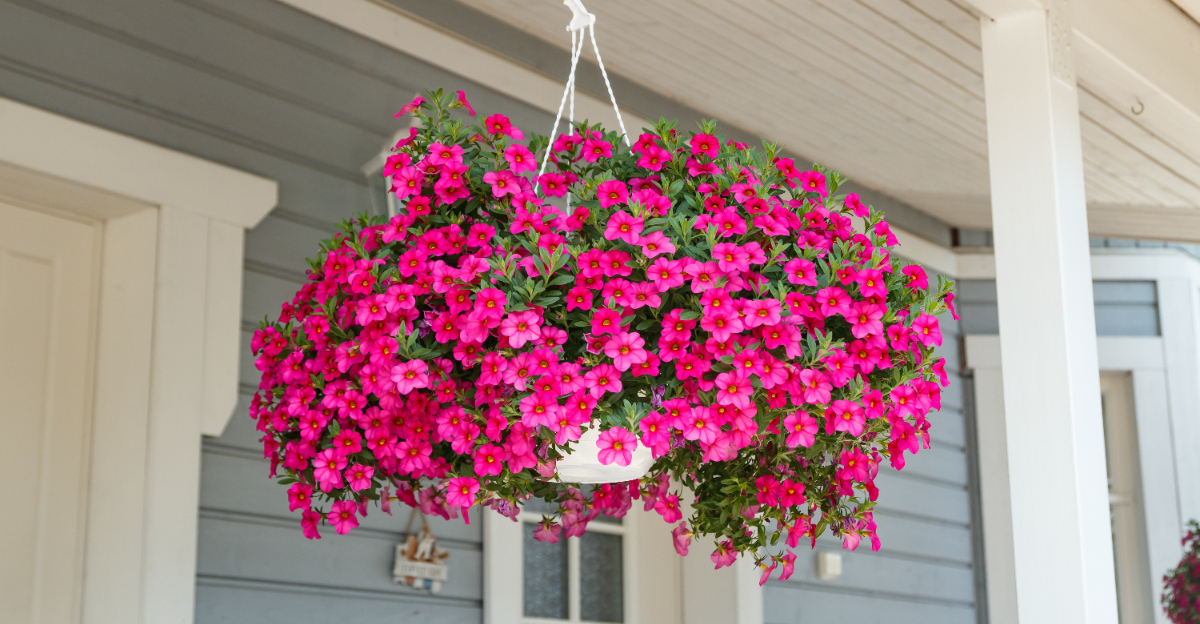
Million bells is the common name, and it earns it. A healthy plant does not just bloom, it buries itself in tiny flowers from late spring straight through to frost.
The catch is that calibrachoa has specific opinions about soil pH, iron, and water. Opinions it will make very clear, very fast.
None of this is complicated once you know what you are dealing with. These seventeen tips cover everything from basket size to the iron deficiency mistake that trips up even experienced gardeners.
1. Choose The Right Basket Size For Your Calibrachoa
Size matters more than most people realize when it comes to hanging baskets. A basket that is too small will cramp roots fast, and cramped roots mean fewer blooms.
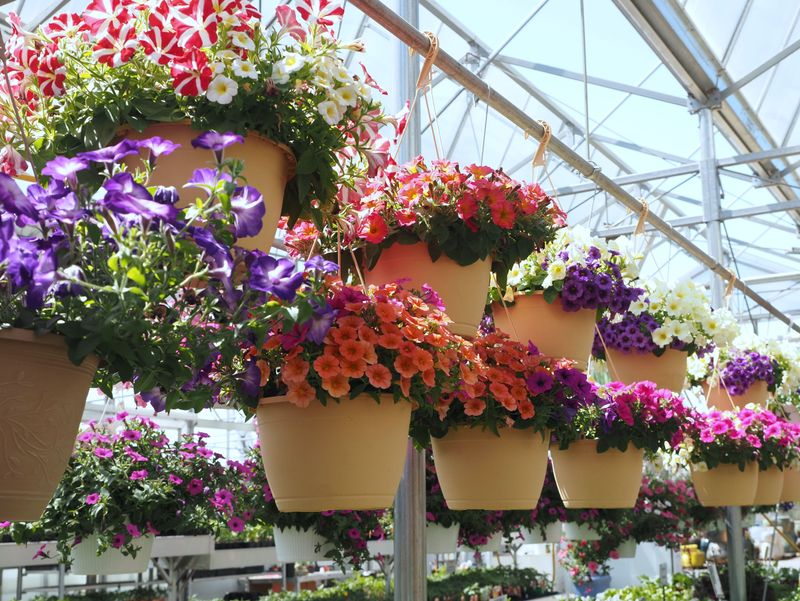
Calibrachoa grows aggressively, so start with a basket that is at least 12 inches wide. Fourteen inches is even better for a truly lush, overflowing look.
Bigger baskets also hold more soil, which means more moisture and nutrients for hungry roots. Think of it like giving your plant a bigger dinner plate.
A well-sized basket lets the plant focus its energy on blooming, not surviving. Start right, and the rest of the season becomes so much easier.
For a 10-inch basket, three plants is the right number. Add one more plant for every two additional inches of basket size, and you will have full, even coverage without overcrowding.
2. Wait Until Frost Risk Has Passed Before Planting
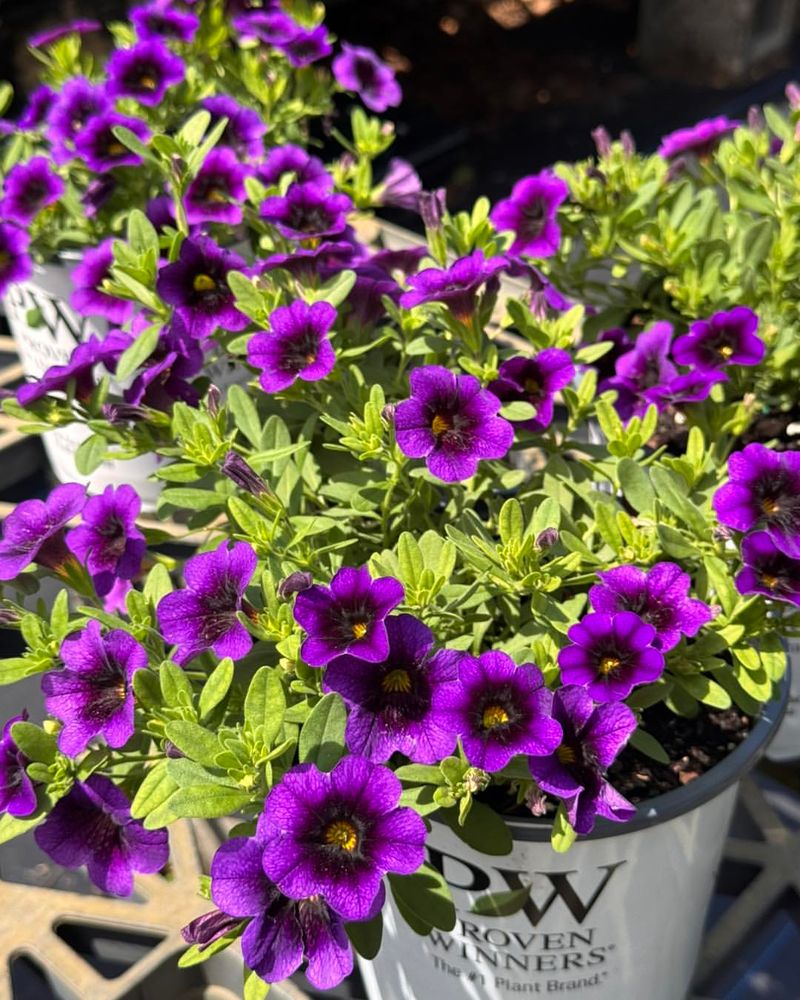
Planting too early is one of the most common mistakes new calibrachoa growers make. One surprise frost can wipe out weeks of growth overnight.
Check your local last frost date before you even buy your plants. The USDA Plant Hardiness Zone map is a solid starting point for this research.
Calibrachoa loves warmth and will stall in cold soil, even without a hard freeze. Cold temps slow root development and can cause yellowing leaves right from the start.
Patience here pays off in a big way later in the season. A plant set out at the right time will outperform an early planting by midsummer.
Calibrachoa settles in much faster once soil temperatures are stable and nighttime lows stay consistently 50 to 55 degrees. When conditions are right, growth takes off quickly.
3. Use A Well-Draining Potting Mix With Perlite Or Coarse Sand
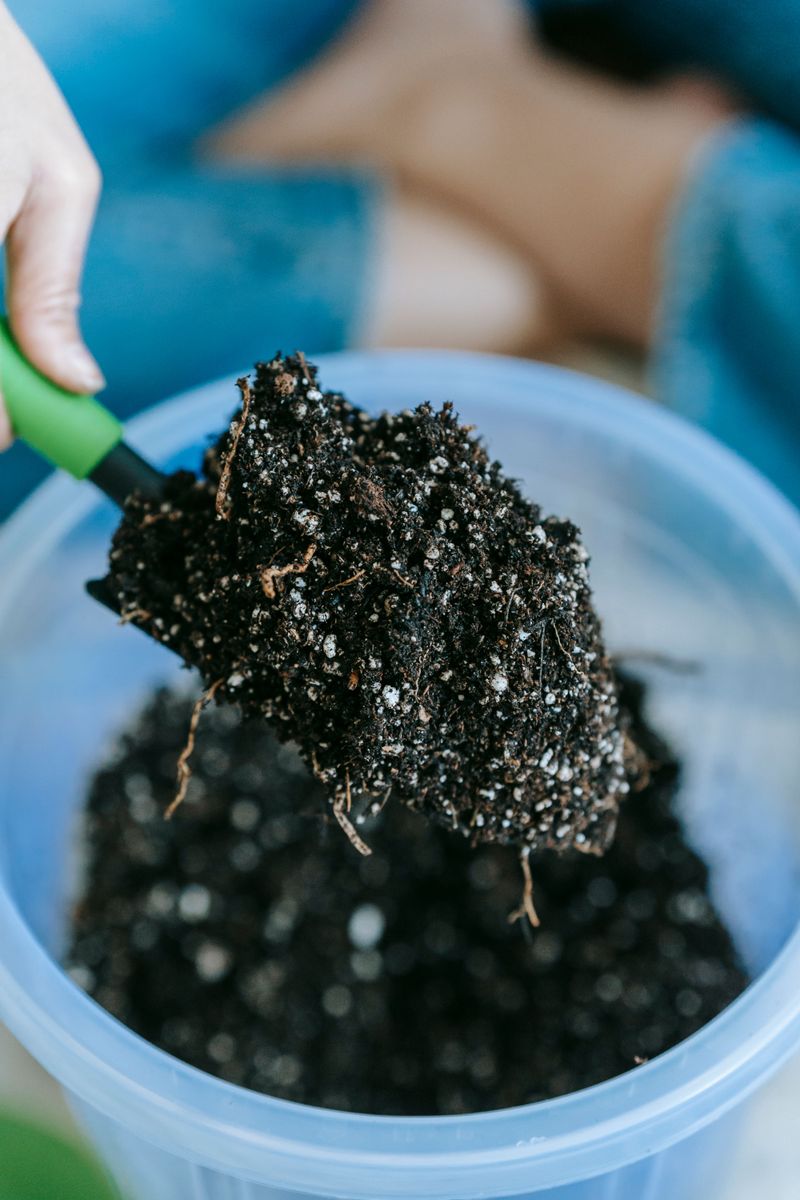
Soggy roots are a calibrachoa nightmare, and the wrong soil mix is usually to blame. Standard garden soil in a basket is a recipe for trouble.
Go with a high-quality potting mix designed for containers, then boost it with perlite or coarse sand. Aim for a ratio of about 20 percent perlite to 80 percent mix.
This combo keeps water moving through quickly while still holding enough moisture for roots to drink. Your plant breathes better, and the roots stay healthy all season long.
Good drainage also reduces the risk of fungal problems that love wet, stagnant conditions. One smart soil choice at planting time protects your basket for months ahead.
Avoid compacting the soil when planting. Pack it too tightly and you undo all the drainage work the perlite was supposed to do.
4. Give Your Calibrachoa At Least 6 Hours Of Direct Sun Daily
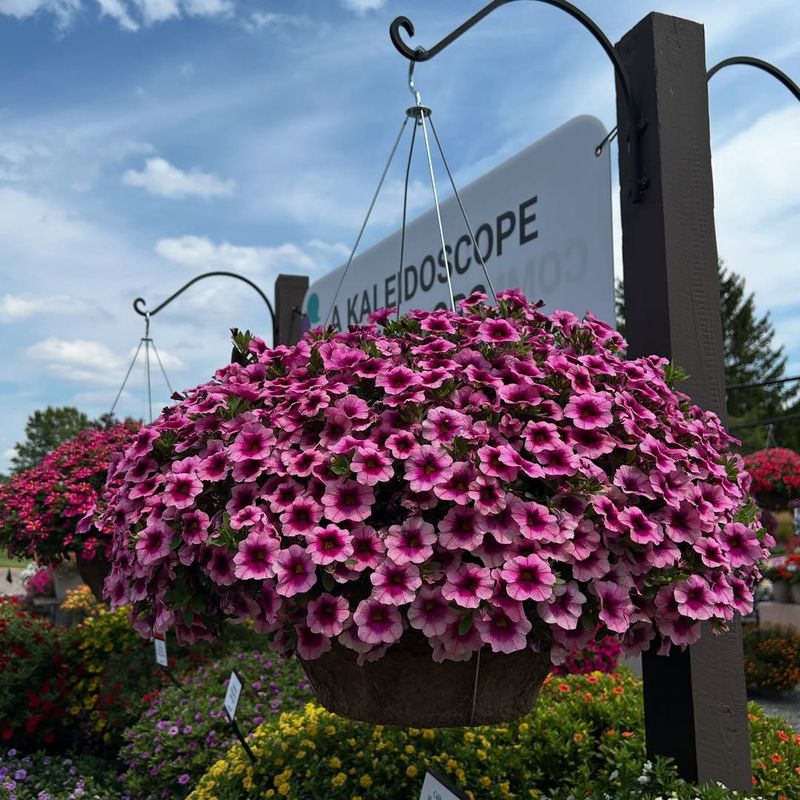
Sun is the fuel that powers those hundreds of tiny blooms. Without enough light, calibrachoa gets leggy, sparse, and frankly a little sad-looking.
Pick the sunniest spot you have available, whether that is a south-facing porch or an open garden hook. Six hours is the minimum, but eight or more is where the magic really happens.
Morning sun with afternoon shade in very hot climates can work well too. That setup protects blooms from scorching while still giving enough light for strong flowering.
If your basket looks stretched out and thin, low light is often the culprit. Move it to a brighter spot and watch the transformation happen within weeks.
Most gardeners hang a basket and never move it again. Rotating it 180 degrees every week ensures every side gets equal light exposure and the plant grows evenly in all directions.
5. Rotate Your Hanging Basket Every Week For Even Growth
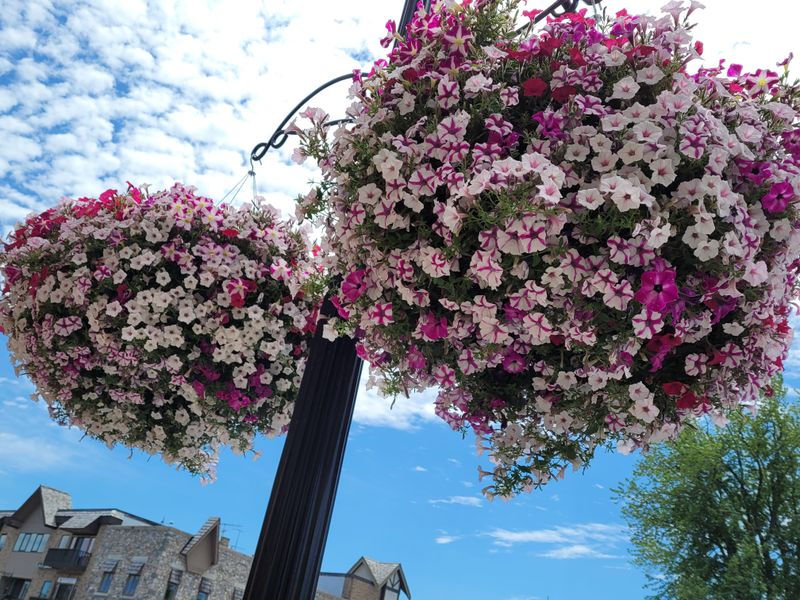
Most hanging spots only deliver light from one direction, and plants notice that quickly. The side facing the sun grows faster, while the shaded side lags behind.
Giving your basket a half turn every week fixes this problem easily. It sounds small, but the difference in fullness by midsummer is genuinely impressive.
Even rotation also prevents the basket from looking lopsided or patchy. A symmetrical, globe-shaped basket is the goal, and this simple habit gets you there.
Set a weekly reminder on your phone so you do not forget. This one habit takes five seconds and delivers results all season long.
Rotating also gives you a chance to inspect the whole plant up close every week. Catching pest damage or yellowing leaves early makes a real difference in how fast you can fix the problem.
6. Water Consistently But Never Let The Soil Stay Soggy
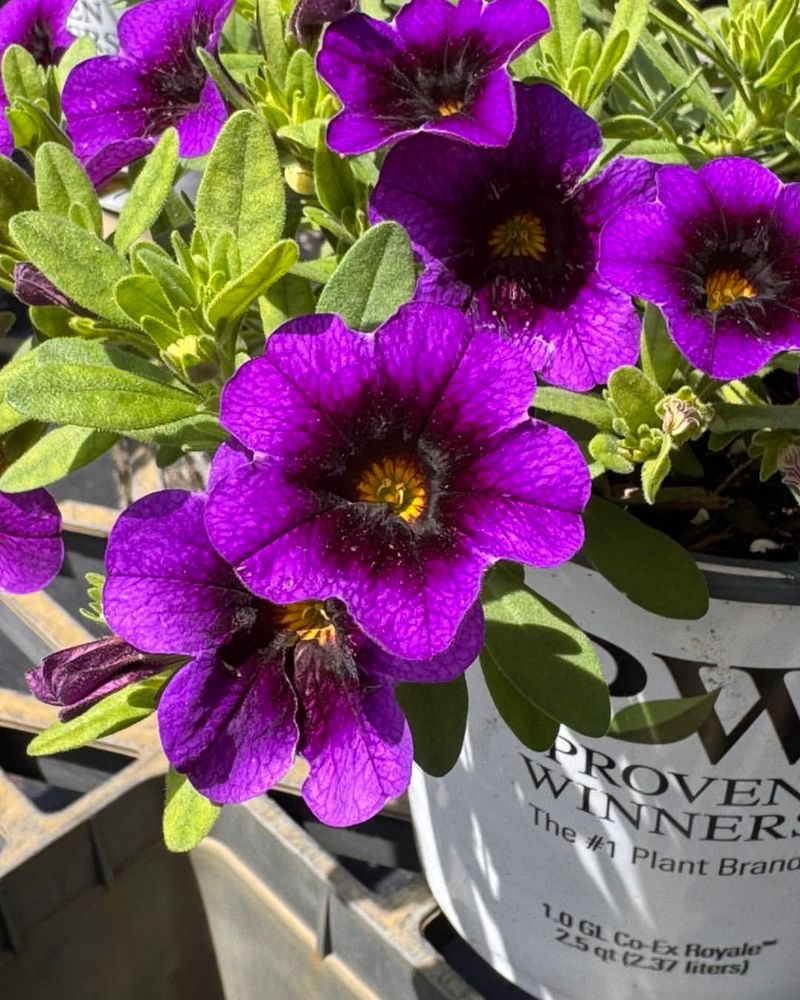
Calibrachoa is thirsty but not tolerant of standing water. Getting this balance right is the single biggest factor in keeping plants healthy all summer.
Stick your finger about an inch into the soil before watering. If it feels moist, wait another day and check again.
During hot summer stretches, baskets may need water every single day. Wind and heat pull moisture out of containers far faster than most people expect.
Always water until it flows freely from the drainage holes at the bottom. That ensures the entire root zone gets a good drink, not just the top layer.
Hanging baskets dry out significantly faster than ground-level containers. The exposure to air on all sides means moisture escapes from every direction, not just the top.
7. Cut Back On Watering When Temperatures Drop
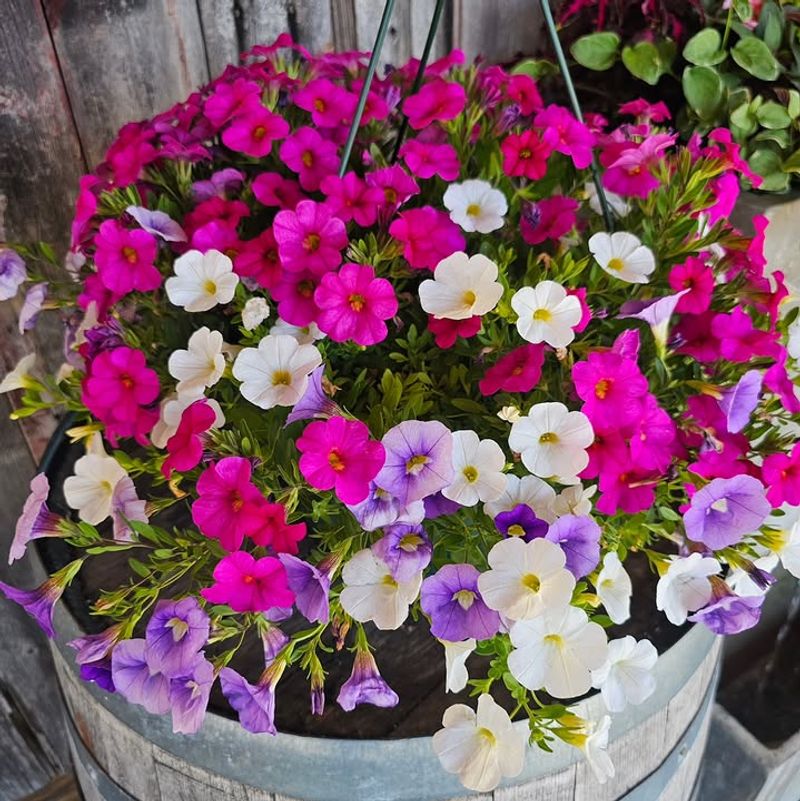
What works in July can hurt your plant in September. Cooler air slows evaporation, and the soil stays wet much longer between waterings.
Overwatering in cool weather is a leading cause of root rot in calibrachoa. The plant is not drinking as fast, but growers keep watering at the same summer pace.
Start checking soil moisture more carefully once nighttime temps dip below 60 degrees. You may find yourself watering every two or three days instead of daily.
This seasonal adjustment keeps roots healthy during the final stretch of the growing season. A small change in habit can mean weeks of extra blooms before frost arrives.
Never let the soil stay soggy for more than a day or two regardless of the season. If the top inch still feels wet, put the watering can down and come back tomorrow.
8. Feed With A Slow-Release Fertilizer Higher In Phosphorus
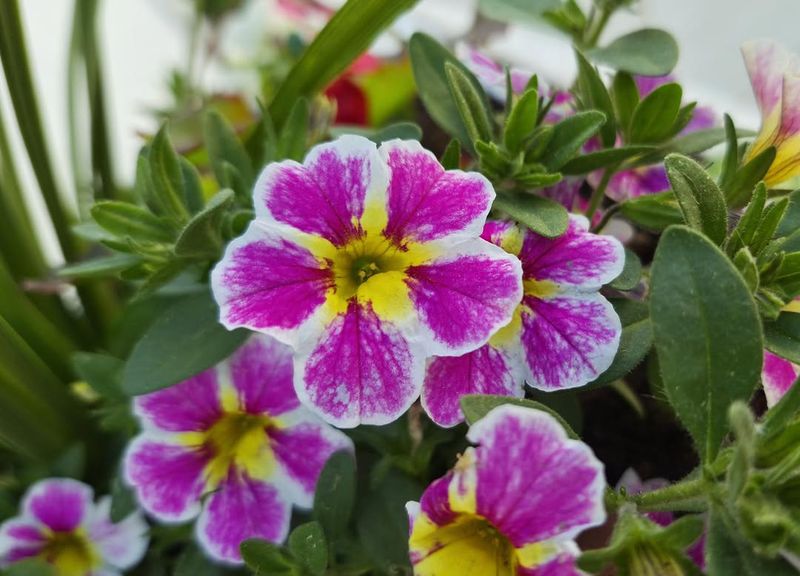
Feeding calibrachoa the right fertilizer makes a dramatic difference in bloom count. Phosphorus is the nutrient most responsible for strong root development and flower production.
Look for a slow-release granular fertilizer with a balanced ratio that still gives phosphorus a slight edge. Something in the range of 15-5-15 or 14-4-14 works well for calibrachoa in containers.
Slow-release formulas feed your plant steadily over weeks, which is far better than random heavy doses. It is like a slow, steady drip of fuel rather than one big gulp.
Apply according to package directions at the start of the season, then reapply as instructed. Pair this with a liquid feed every two weeks for the best possible results.
Avoid fertilizers that are very high in nitrogen. Too much nitrogen pushes the plant to produce lush green growth at the expense of the flowers you are actually trying to grow.
9. Always Apply Fertilizer To Moist Soil
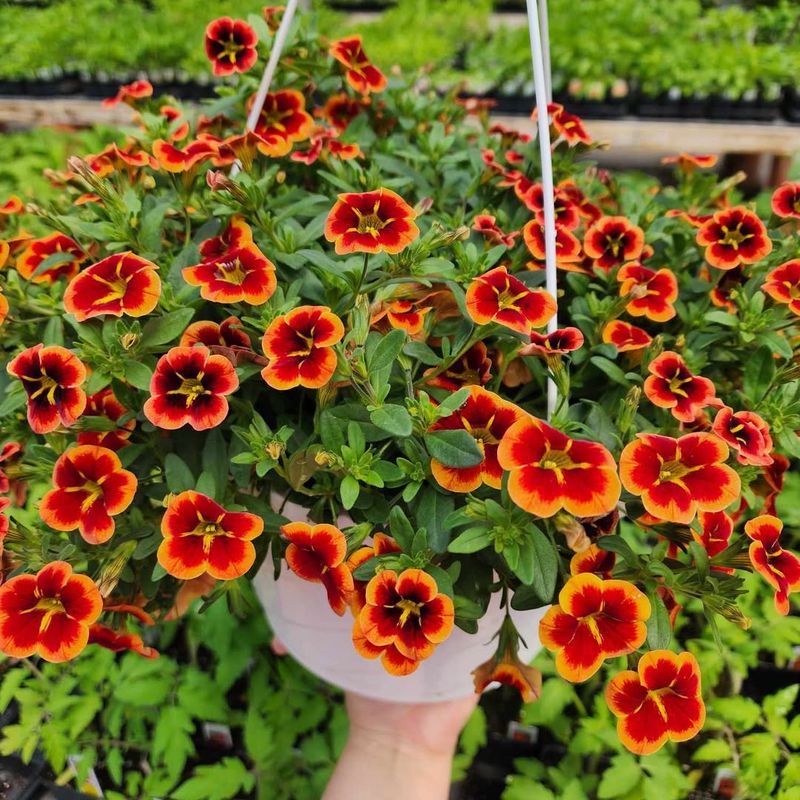
Here is a tip that many gardeners skip and later regret. Applying fertilizer to dry soil can burn roots and cause more harm than good.
Always water your basket thoroughly before feeding, whether you are using liquid or granular fertilizer. Moist soil helps nutrients spread evenly and reach roots safely.
Think of it like taking a vitamin with food instead of on an empty stomach. The plant absorbs it better and avoids the shock of concentrated chemicals hitting dry roots.
This simple step protects your investment and keeps feeding effective all season. It adds maybe two minutes to your routine and prevents a lot of frustrating setbacks.
Also avoid getting liquid fertilizer directly on the foliage or flowers. In strong sunlight, fertilizer residue on leaves can cause burns that look similar to disease damage.
10. Treat Calibrachoa As The Heavy Feeder It Is
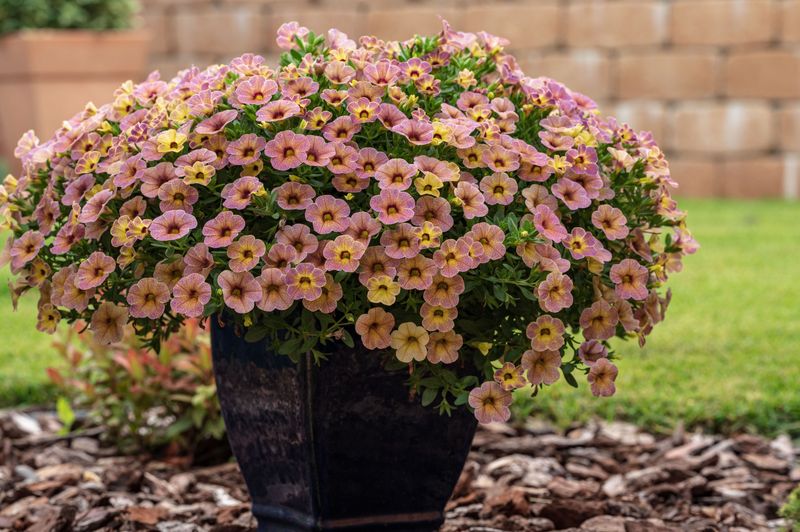
Calibrachoa is not a low-maintenance plant when it comes to nutrition. It blooms so heavily and so constantly that it burns through nutrients at a remarkable pace.
Container plants in general have limited soil to draw from, and calibrachoa pushes that limit hard. Without regular feeding, blooms slow down and foliage turns pale.
Supplement slow-release granules with a water-soluble fertilizer every 10 to 14 days. This two-pronged approach keeps nutrients available at all times for a hungry, fast-growing plant.
Do not mistake a slowdown in blooming for a natural phase. Nine times out of ten, it is a feeding issue, and a good dose of fertilizer brings the plant roaring back.
Calibrachoa also needs micronutrients like iron, magnesium, and calcium to stay truly healthy. A fertilizer that covers both macronutrients and micronutrients gives the plant everything it needs in one application.
11. Keep Soil PH Between 5.4 And 5.8 To Prevent Iron Deficiency
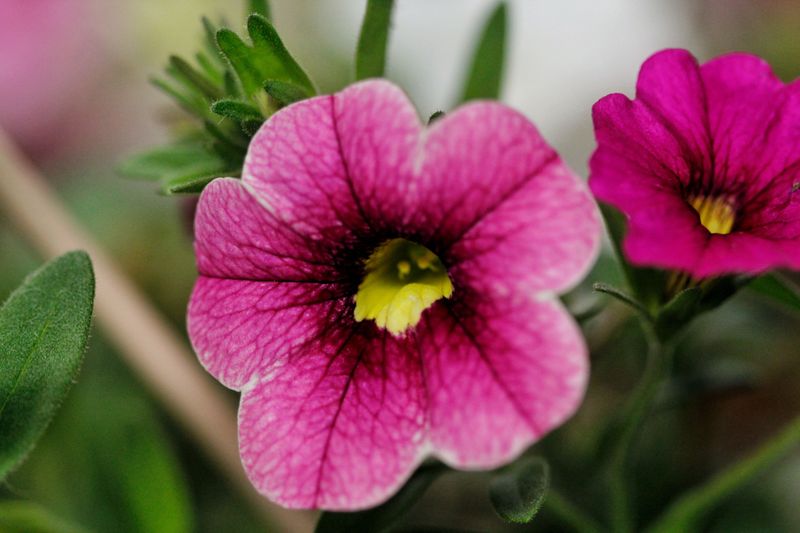
Calibrachoa has a quirky but important preference for slightly acidic soil. Most people never check pH and then wonder why their plants look sick.
When pH climbs above 6.0, iron becomes unavailable to the plant even if it is present in the soil. The result is yellowing leaves and stunted growth that no amount of watering will fix.
Test your soil or potting mix with an inexpensive pH meter or test strips. If the reading is too high, sulfur or an acidifying fertilizer can bring it back down.
Staying in that 5.4 to 5.8 sweet spot keeps iron and other micronutrients accessible. This one detail separates a thriving basket from a struggling one all season long.
Your tap water can also affect soil pH over time. If you water frequently with alkaline water, pH can creep up gradually even when you started with the right potting mix.
12. Use Iron Chelate If Leaves Start Turning Yellow
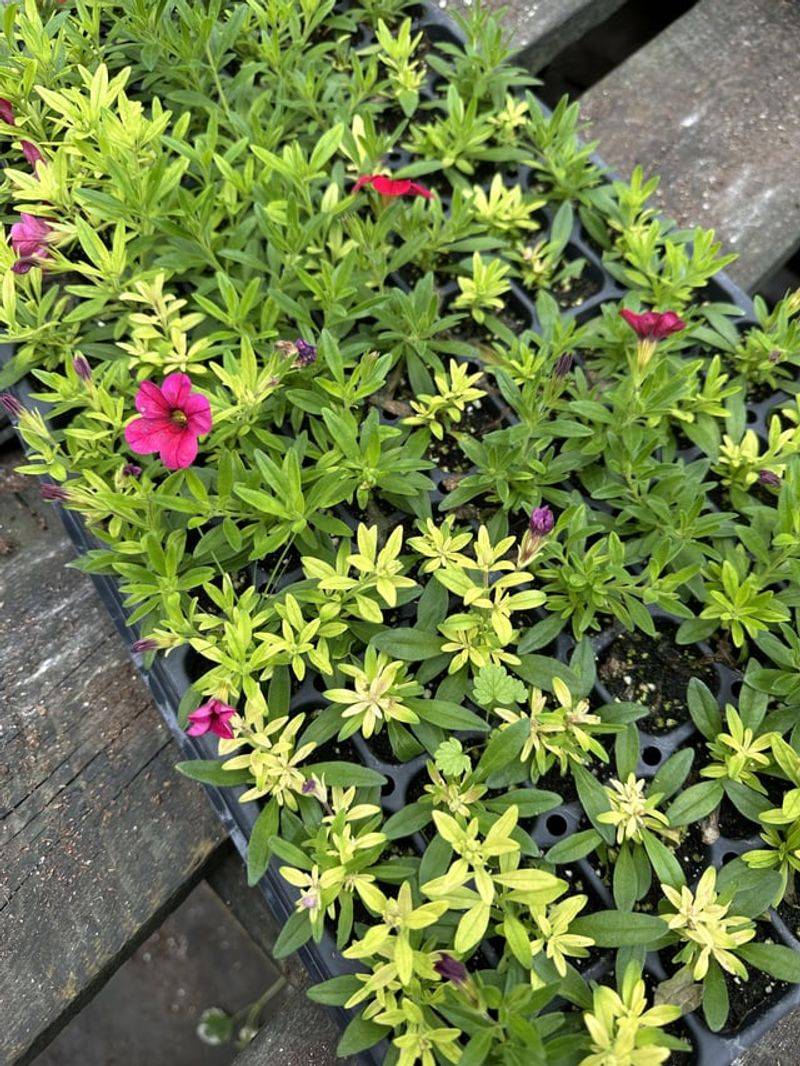
Yellow leaves with green veins are a telltale sign of iron chlorosis in calibrachoa. It looks alarming, but the fix is usually fast and straightforward.
Iron chelate is a form of iron that plants can absorb even in slightly high-pH conditions. It comes in liquid or granular form and is widely available at garden centers.
Apply it as a soil drench or foliar spray according to the product instructions. Yellowing often begins to reverse within a week or two of treatment.
Pair the iron treatment with a pH correction for lasting results. Treating the symptom without fixing the cause just means you will be back to yellowing leaves again next month.
Keep in mind that iron deficiency symptoms show up on new growth first. If the youngest leaves at the tips are yellowing while older leaves stay green, iron is almost certainly the issue.
13. Let Calibrachoa Self-Clean Instead Of Removing Spent Flowers
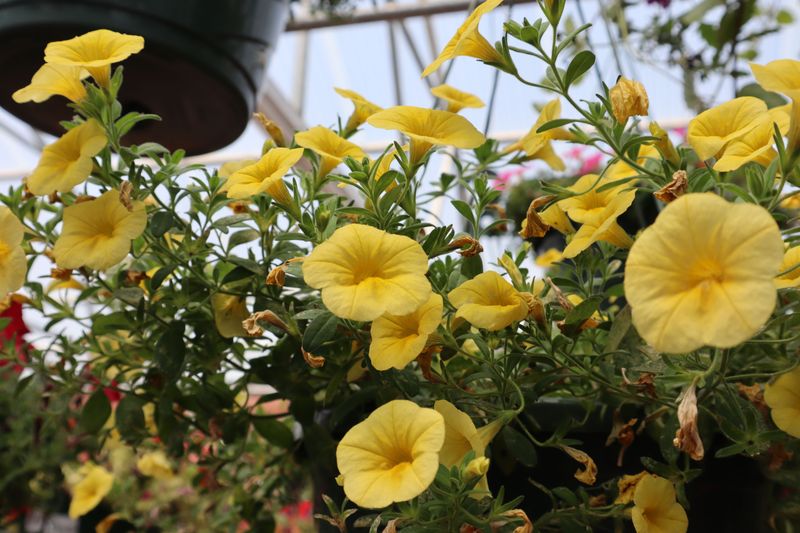
One of the best things about calibrachoa is that it handles its own cleanup. Unlike petunias, these plants are self-cleaning, meaning spent blooms drop off on their own.
You do not need to spend time removing every faded flower. The plant naturally sheds old blooms and pushes out new ones without any help from you.
The stems are tiny and easy to damage when you start poking around unnecessarily. Too much handling can stress the plant and interrupt the very blooming cycle you are trying to encourage.
Trust the plant to do what it does naturally. Your job is to feed, water, and let calibrachoa run its own show beautifully all season long.
If you notice a section that looks sparse or tired mid-season, a light trim of just those stems is fine. That is very different from trying to remove every spent bloom one by one.
14. Pinch Back One Stem Each Week For A Fuller Basket
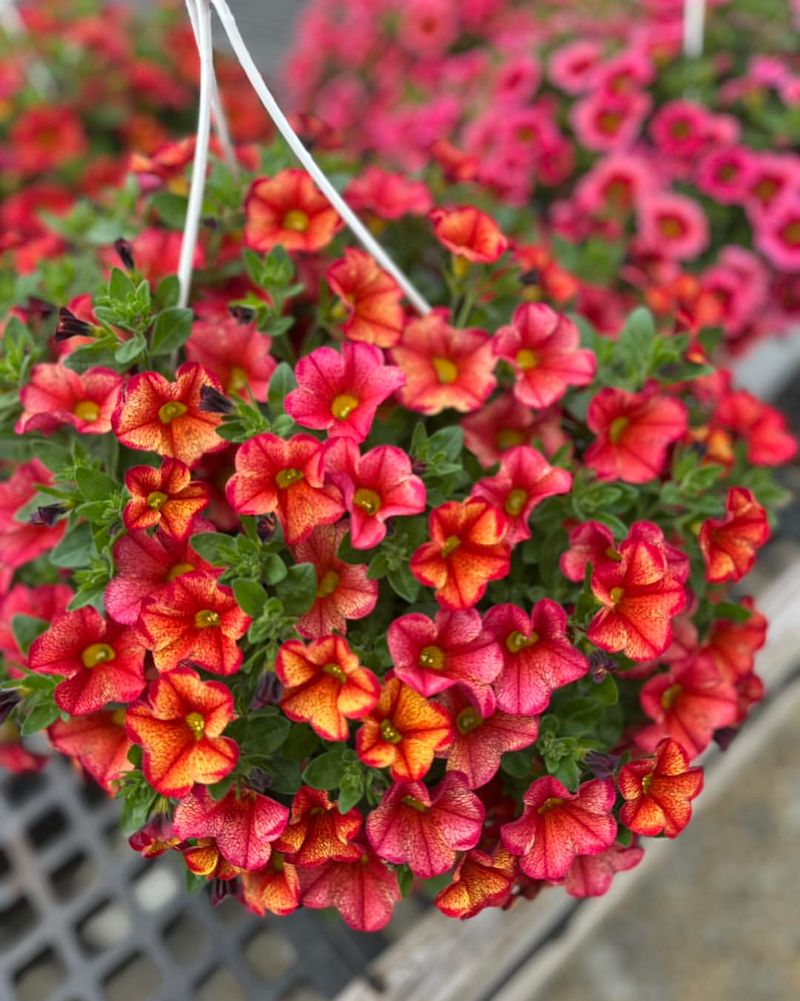
Even though calibrachoa self-cleans, it still benefits from occasional shaping. Pinching back long, straggly stems encourages the plant to branch out and fill in gaps.
Pick one or two stems per week that have grown longer than the rest. Pinch them back by about a third to encourage two new shoots to form at that point.
This technique is how you go from a decent basket to a genuinely spectacular one. More branches mean more stem tips, and more tips mean more flowers.
Spread the pinching out over the whole plant across several weeks. You keep blooms going while still pushing new growth, so the basket never looks bare.
Always follow up a pinching session with a dose of liquid fertilizer. You are asking the plant to push out new growth, and it needs fuel to do that well.
15. Prevent Root Rot By Avoiding Overwatering In Cool Weather
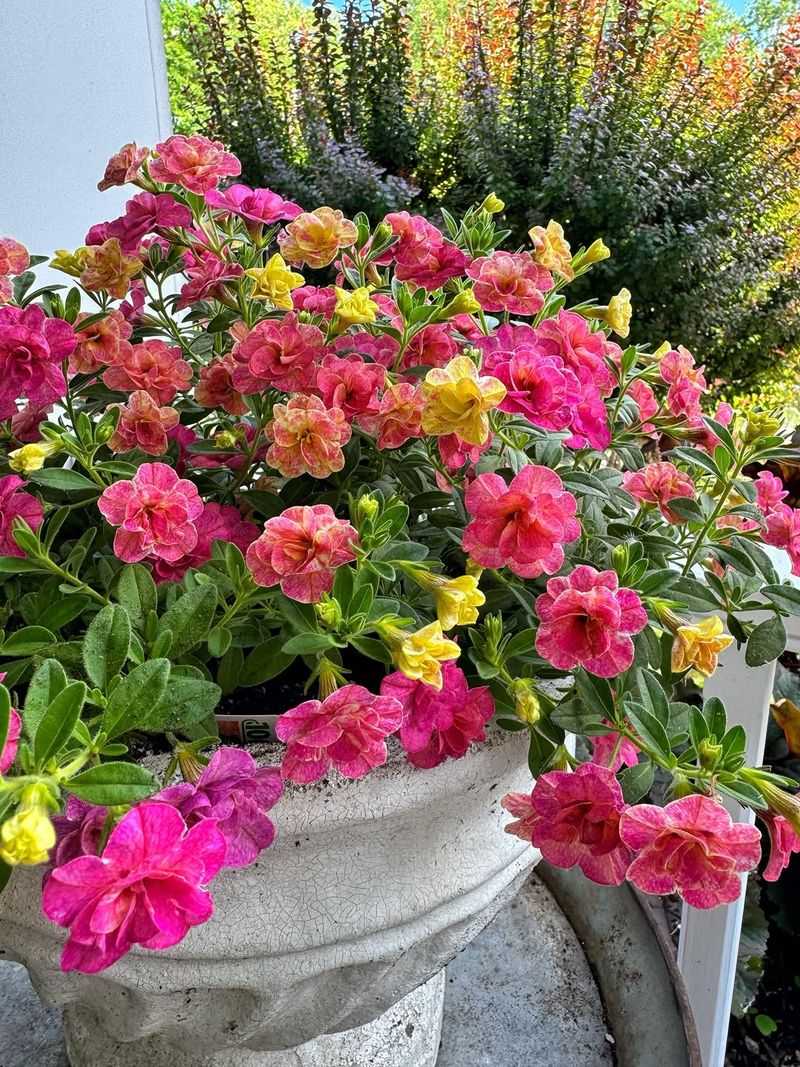
Root rot is sneaky because by the time you notice it above ground, serious damage has already happened below. Prevention is the only real strategy here.
Cool, cloudy days are when overwatering happens most often. Growers water on a fixed schedule without accounting for how much slower evaporation happens in fall.
A cheap soil moisture meter takes the guesswork completely out of the equation. Stick it in the basket before every watering session and trust the reading over your instincts.
Healthy roots are the foundation of a blooming, thriving plant. Protect them by staying aware of seasonal changes in how fast your basket dries out.
Calibrachoa is particularly vulnerable to Pythium, a common water mold that thrives in overly wet conditions. Good drainage and careful watering are your best defense against it taking hold.
16. Check Regularly For Aphids And Budworms
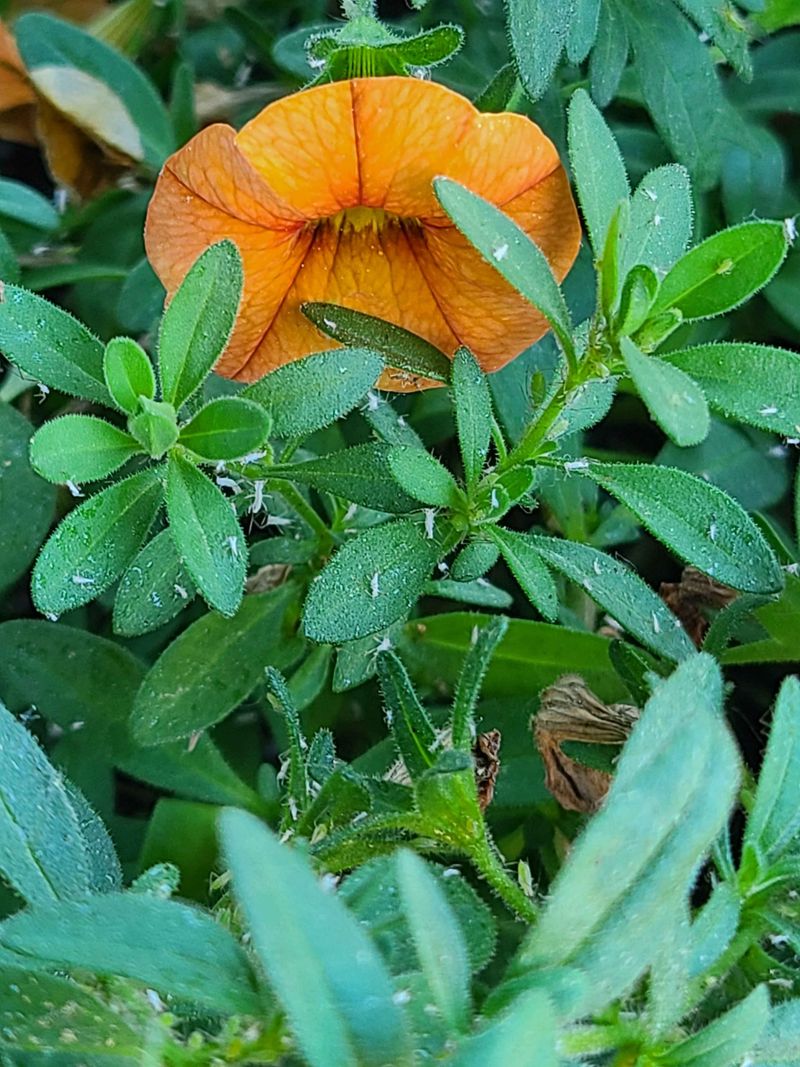
Pests do not announce themselves, and calibrachoa attracts a few common troublemakers. Aphids and budworms are the two most likely visitors to your hanging basket.
Aphids cluster on new growth and suck sap, causing curled, sticky leaves. Budworms are sneakier, eating flower buds before they even open, which makes blooms mysteriously disappear.
Check the undersides of leaves and inside developing buds at least once a week. Early detection means a small problem stays small instead of becoming a full-blown infestation.
For budworms, a product containing Bacillus thuringiensis, or Bt, can help when applied early, before larvae burrow into the buds. Once they are inside, Bt loses much of its effectiveness.
Your weekly rotation check is a perfect time to inspect for pests at the same time. Two tasks, one habit, and nothing sneaks up on you mid-season.
17. Expect Blooms From Planting Straight Through To First Frost
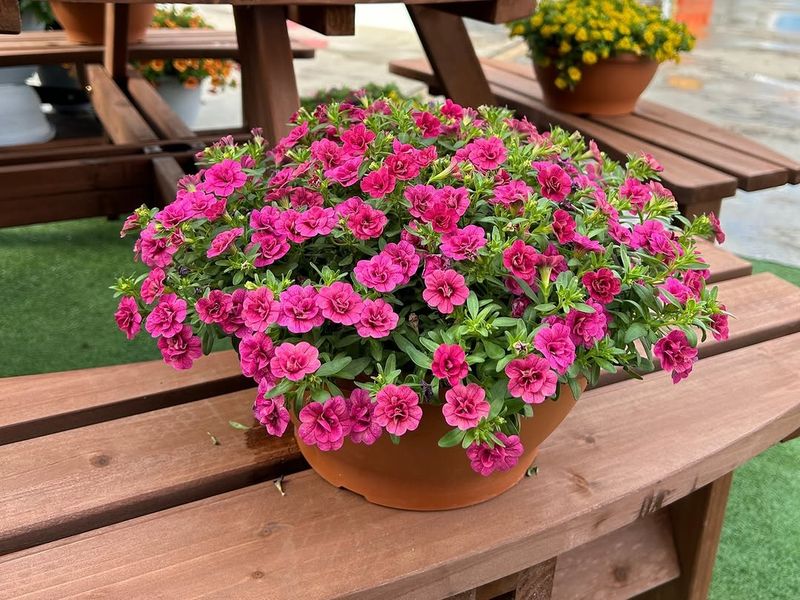
Few plants deliver the kind of season-long performance that calibrachoa does. From the moment it settles in after planting, it rarely stops producing flowers.
With proper care applied consistently, blooms just keep coming month after month. Feeding, watering, and sunlight management are what sustain that incredible output.
Even as summer fades and cooler air rolls in, calibrachoa keeps blooming right up to the edge of frost. It is one of the longest-performing annuals available to home gardeners today.
That kind of staying power makes every bit of care you put in feel completely worth it. Plant one basket and you will be planning for five more next spring.
The seventeen tips in this list give you everything you need to get there. Follow them consistently, and your calibrachoa will do exactly what it was built to do.