California Gardeners Should Plant These Shrubs Before June
June is closer than it feels right now, and the soil knows it. Temperatures are already climbing, the days are getting longer, and the planting window that makes establishment easy is quietly narrowing.
Shrubs that go in the ground before summer heat locks in have weeks to develop their root systems before things get serious. The ones planted after?
They spend most of the season just trying to survive. Getting shrubs established before June is one of those gardening moves that pays dividends for years, not just one season.
A well-rooted shrub handles California’s dry summers with confidence, requires significantly less water, and puts its energy into growth rather than damage control. The plants you choose matter too.
Not every shrub is built for the heat and drought that follows. The ones worth planting right now are the ones that will look better every single year going forward, with less effort and fewer interventions than you might expect.
1. Bush Anemone
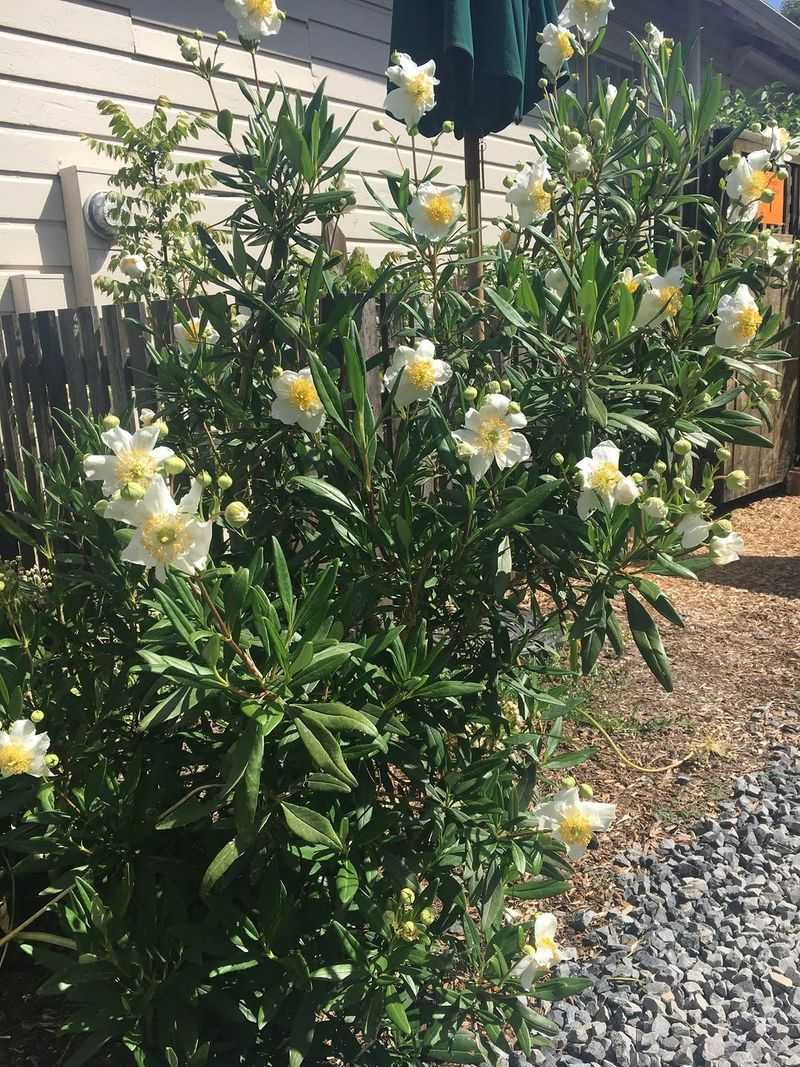
Few California native shrubs can match the quiet elegance of Bush Anemone. Known by its botanical name Carpenteria californica, this evergreen shrub produces large, white, fragrant flowers that look almost like wild roses.
It blooms in late spring, which makes planting before June the smart move.
Bush Anemone grows best in well-drained soil and enjoys a sunny or partially shaded spot. It is drought-tolerant once established, making it a great fit for California gardens that face dry summers.
You will not need to water it constantly once roots are settled in.
This shrub grows slowly but steadily, reaching about four to eight feet tall. It works beautifully as a hedge, a backdrop plant, or a standalone feature in the yard.
Pollinators absolutely love it. Bees and butterflies visit the blooms regularly throughout the season.
One thing California gardeners appreciate is how low-maintenance Bush Anemone really is. Light pruning after flowering helps keep it looking tidy.
It rarely needs fertilizer and handles California’s dry heat with ease once it has had time to settle into the ground properly.
2. Flannel Bush
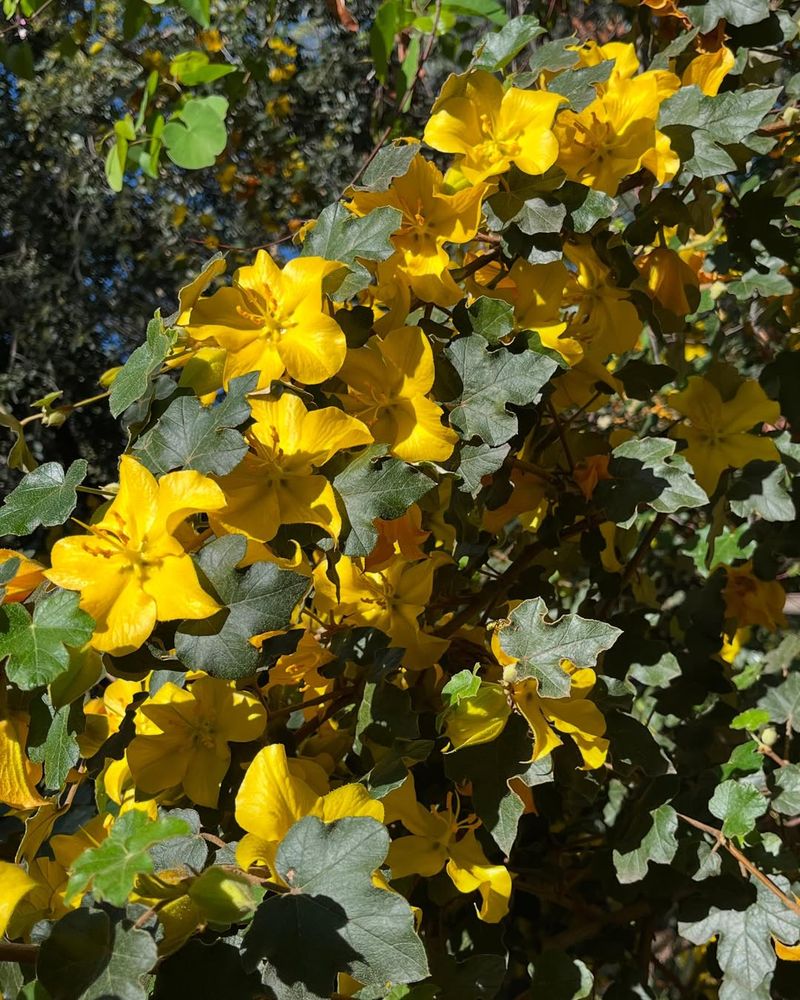
Bright yellow blooms that practically glow in the California sun make Flannel Bush one of the most eye-catching native shrubs you can plant. Its botanical name is Fremontodendron californicum, and it earns every bit of attention it gets.
The flowers can cover the entire plant in a wave of golden color.
Planting Flannel Bush before June gives it the best start possible. It needs time to root before summer heat arrives.
Once established, it is incredibly drought-tolerant and thrives in poor, rocky, or sandy soils. In fact, too much water or rich soil can actually hurt it.
Flannel Bush can grow quite large, sometimes reaching six to twenty feet, depending on the variety. Compact varieties are available for smaller California yards.
It works well on slopes and hillsides where erosion can be a problem, making it both beautiful and practical for the landscape.
One fun fact: the fuzzy coating on the leaves and stems can irritate skin, so wear gloves when handling it. Despite that small quirk, this shrub is a favorite among California native plant enthusiasts.
Your California Garden Changes Every Week. Your Plan Should Too.
Gardening in California changes quickly throughout the season. Every Friday you’ll receive a simple weekly plan showing exactly what to plant, prune, fertilize, harvest, and protect so you never miss the right timing.
Birds and pollinators are drawn to it, adding life and movement to any garden space.
3. Bladderpod
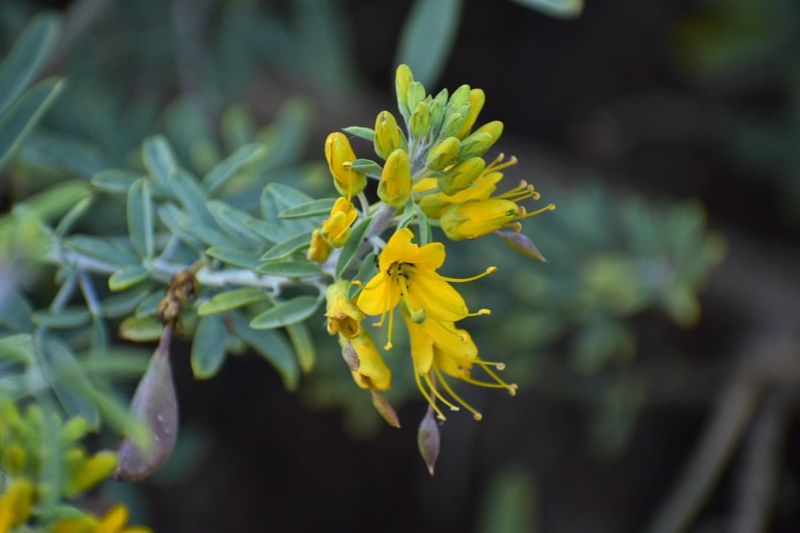
Not every great garden shrub gets the attention it deserves, and Bladderpod is a perfect example. Scientifically known as Peritoma arborea, this California native produces cheerful yellow flowers that bloom from late winter through spring.
The unusual inflated seed pods that follow the flowers give the plant its memorable name.
Bladderpod thrives in dry, sunny conditions, which makes it an excellent choice for California gardens dealing with water restrictions. It can handle poor soils and coastal winds without much fuss.
Planting it before June lets the roots settle in before the hot, dry months hit the region.
Mature Bladderpod shrubs reach about four to eight feet in height and spread generously. They make great informal hedges or background plants in a naturalistic garden design.
Hummingbirds and butterflies visit the flowers regularly, bringing extra energy and color to the yard.
Maintenance is refreshingly simple. Bladderpod benefits from occasional pruning to keep its shape, but it does not demand constant attention.
Once it is rooted in California soil, it mostly takes care of itself. For gardeners who want a tough, rewarding shrub with personality, Bladderpod is a surprisingly underrated gem worth planting this season.
4. Island Bush Poppy
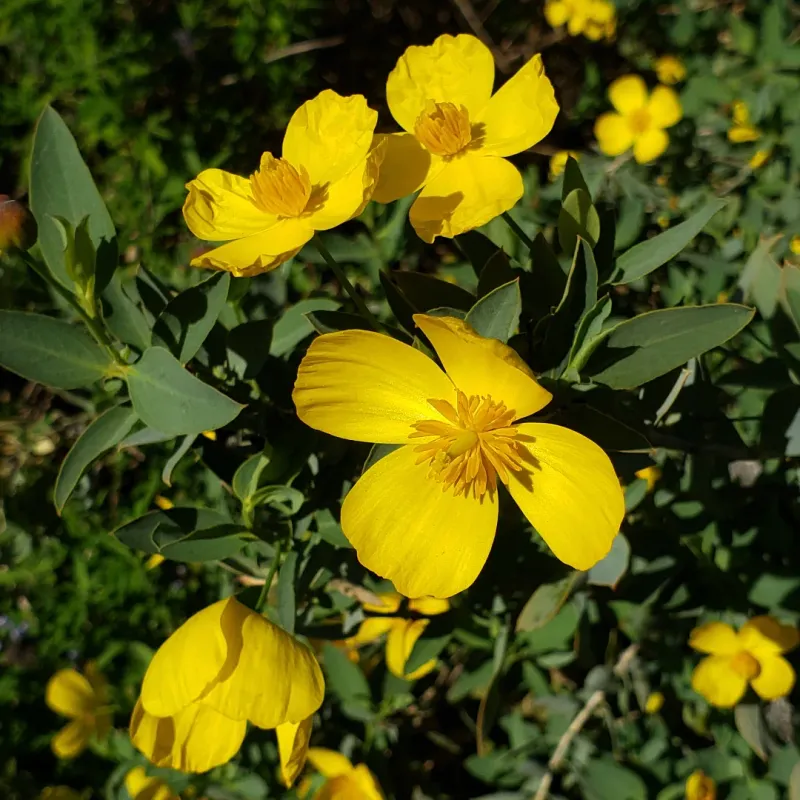
Imagine a shrub that delivers big, golden poppy-like flowers on a backdrop of silvery-green leaves. That is exactly what Island Bush Poppy brings to the California garden.
Botanically called Dendromecon harfordii, it is native to California’s Channel Islands and thrives in the same dry, sunny conditions found across much of the state.
Getting it in the ground before June is key. Early planting allows roots to spread before summer heat makes establishment harder.
Island Bush Poppy loves well-drained soil and full sun. It is not a fan of clay or overly moist ground, so pick your spot carefully before planting.
Once settled, this shrub grows vigorously, sometimes reaching twelve feet or more. It can be used as a large informal hedge or a dramatic focal point in the landscape.
The flowers attract native bees and other beneficial pollinators throughout the blooming season.
California gardeners who have tried Island Bush Poppy tend to become big fans quickly. It is tough, low-water, and genuinely beautiful in a way that feels wild and natural.
Minimal pruning and no fertilizer are needed. For a garden that feels connected to California’s natural landscape, few shrubs make as bold a statement as this one.
5. Golden Currant
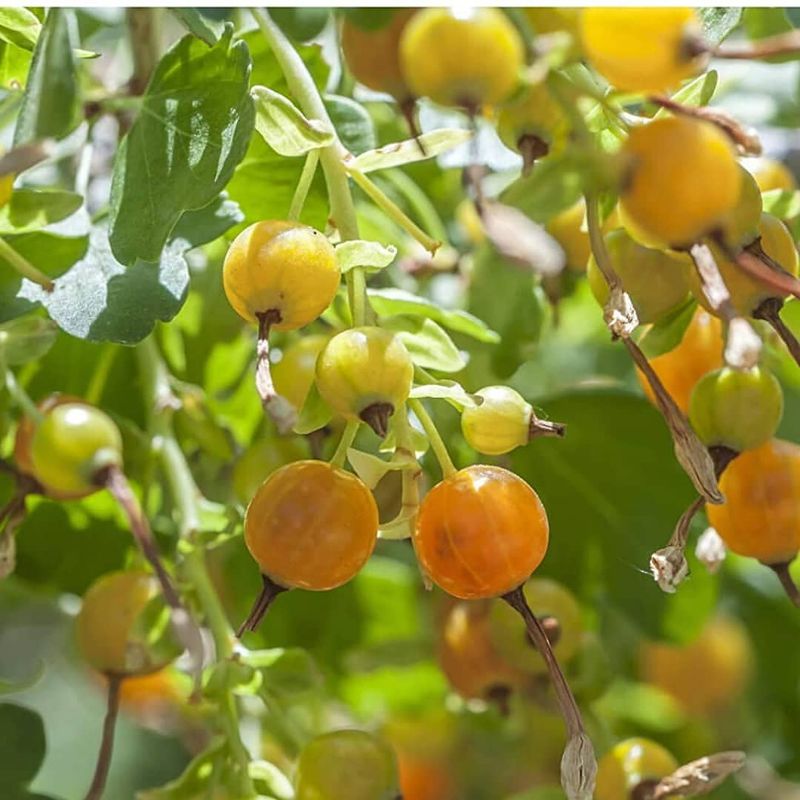
Golden Currant has a warm, old-fashioned charm that feels right at home in a California native garden. Known as Ribes aureum, it produces clusters of small, fragrant yellow flowers in early spring that give way to edible berries later in the season.
Birds go absolutely wild for those berries come summer.
Planting Golden Currant before June means you catch it at just the right time to settle in before the dry season. It adapts well to a range of soils and can handle both sun and partial shade.
This flexibility makes it one of the more versatile native shrubs for California gardeners working with tricky spots in the yard.
Expect Golden Currant to grow around three to six feet tall and wide. It fits nicely into mixed borders, wildlife gardens, or along a fence line.
The seasonal changes are genuinely enjoyable: flowers in spring, berries in summer, and colorful foliage before the leaves drop in fall.
Pruning after the growing season keeps the plant healthy and productive. Golden Currant is also relatively forgiving for beginner gardeners.
It does not demand perfect conditions to perform well. If you want a shrub that feeds wildlife, looks lovely, and rewards minimal effort, this California native is well worth adding to your spring planting list.
6. Bush Monkeyflower
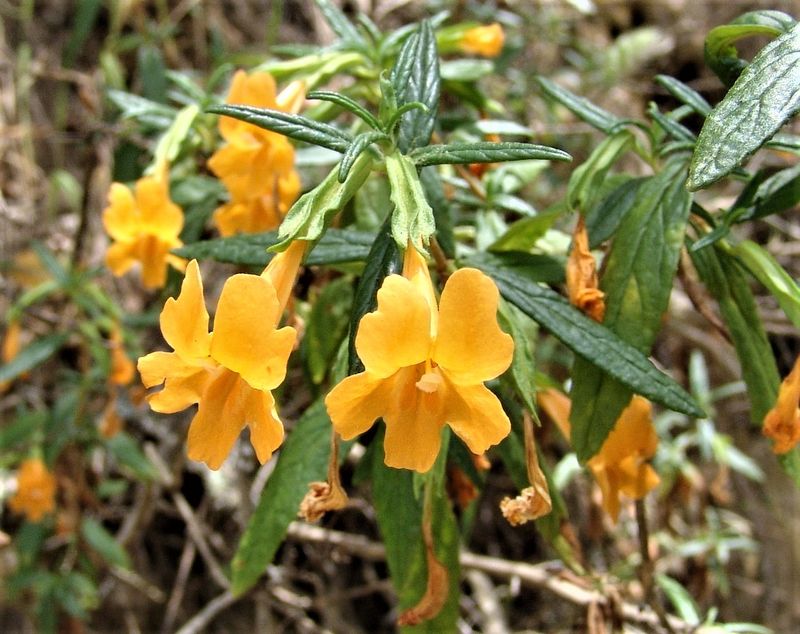
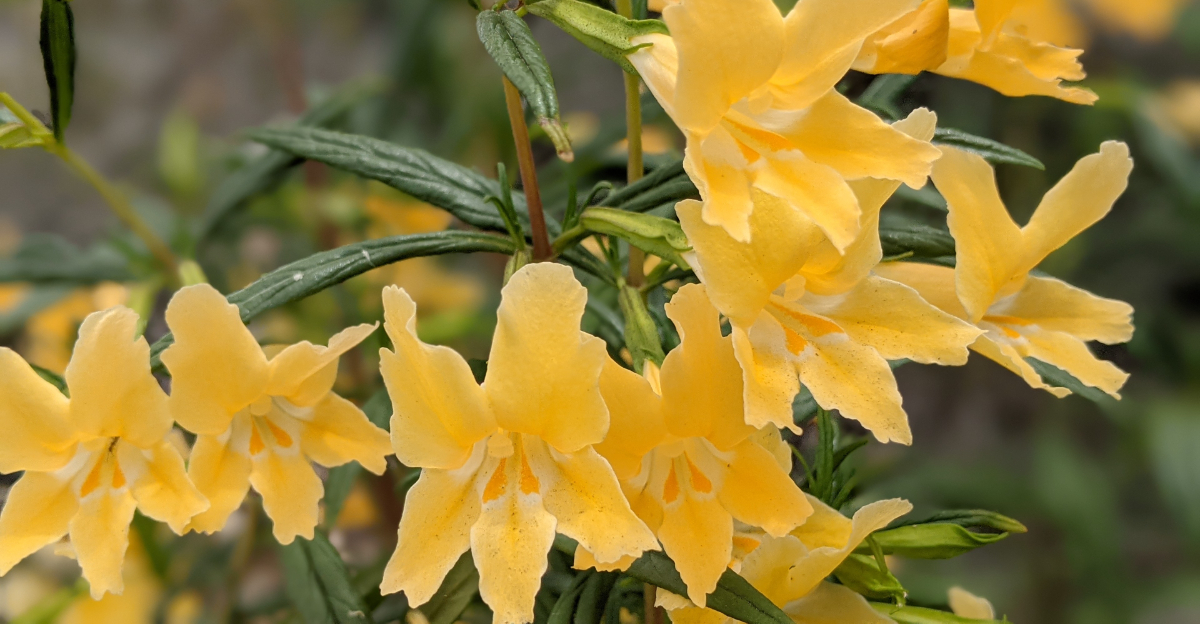
There is something genuinely joyful about a Bush Monkeyflower in full bloom. The tubular flowers come in shades of orange, red, yellow, and salmon, and they attract hummingbirds like magnets.
Scientifically called Diplacus aurantiacus, this California native is a workhorse in the garden, blooming for months at a time.
Getting it planted before June is smart because Bush Monkeyflower needs time to root before California’s intense summer heat arrives. It prefers well-drained soil and full to partial sun.
Once established, it handles drought conditions with impressive resilience, rarely needing supplemental water during dry months.
Bush Monkeyflower typically grows two to four feet tall and wide, making it a great fit for smaller California gardens or container planting on patios and decks. It works beautifully along pathways, in rock gardens, or tucked into a sunny slope where foot traffic is minimal.
Cutting it back by about half after the main bloom period encourages fresh growth and a second flush of flowers. That simple trick keeps the plant looking vibrant rather than woody and tired.
For California gardeners who want reliable color, hummingbird activity, and easy care all wrapped up in one compact shrub, Bush Monkeyflower is a genuinely satisfying choice to grow.
7. Silktassel
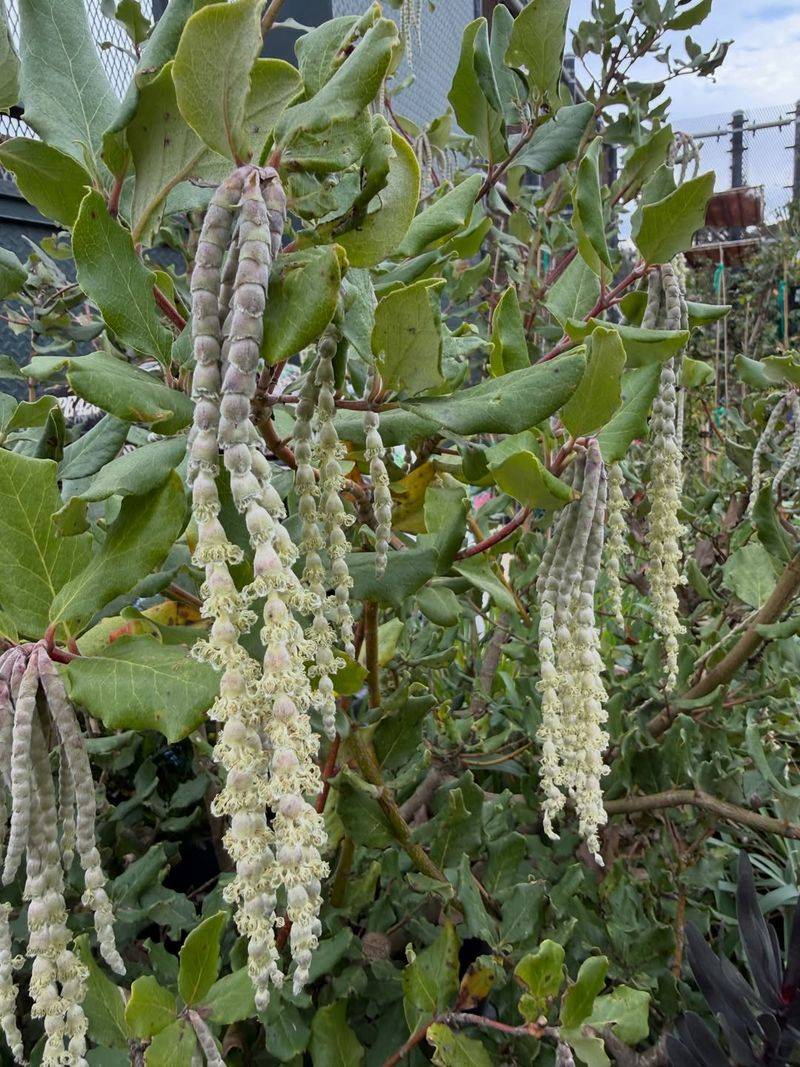
Silktassel is the kind of shrub that makes people stop and ask questions. Garrya elliptica produces long, silvery, drooping catkins that hang from the branches like elegant curtains in late winter and early spring.
It is one of the more dramatic-looking California natives you can add to your garden.
Planting Silktassel before June sets it up for a strong first year. It grows well in coastal and inland California conditions, tolerating wind, poor soils, and dry summers once established.
Full sun to partial shade works well, giving gardeners flexibility when choosing a planting location in the yard.
Silktassel grows at a moderate pace and can reach eight to twenty feet tall over time. It works well as a privacy screen, a windbreak, or a large specimen plant in a spacious garden.
The dense, leathery evergreen leaves provide year-round structure and visual interest even when the catkins are not present.
Wildlife benefits are worth mentioning too. Birds use Silktassel for shelter and nest building.
Some butterfly species rely on it as a host plant as well. For California gardeners who want a bold, year-round presence in the landscape with minimal upkeep, Silktassel is a standout choice that rarely disappoints once it finds its footing in the soil.