The 9 Plants To Use Instead Of Mulch For A Better-Looking California Yard
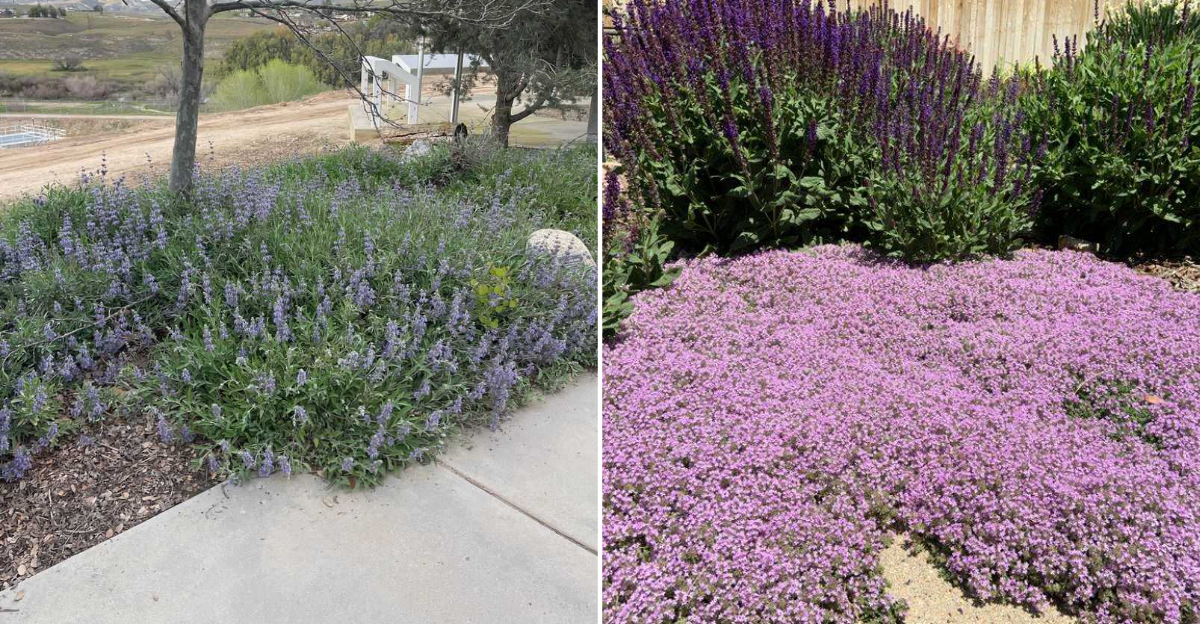
Mulch does its job, but let’s be honest, it is not always the most exciting thing to look at. In some California yards, a thick layer of bark can feel a little too heavy, too plain, or just not polished enough for the look homeowners really want.
That is why more gardeners are starting to swap out bare mulch-covered spaces for living plants that soften the landscape and make everything feel more finished.
The fun part is that the right California plants can do more than just look pretty. They can spread, fill gaps, cool the soil, and give the yard a richer, more designed feel without that big empty brown blanket effect.
Some stay neat and low, some add color, and some make the whole space look like a designer actually showed up with a plan.
It is a smart way to keep the ground covered while giving the garden more personality. A good plant can do the job and look a whole lot better doing it.
1. Creeping Thyme
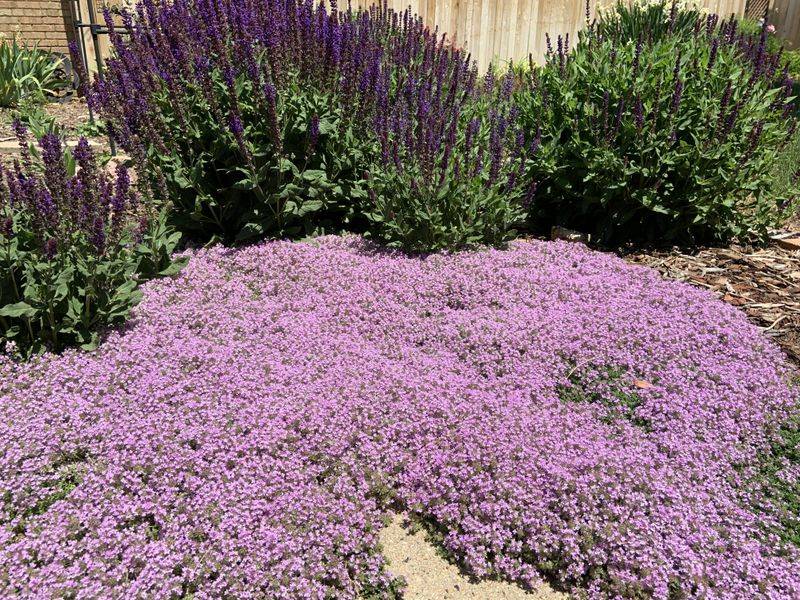
Walk across a yard covered in creeping thyme and you will immediately notice the soft, herby scent that rises up with every step. This low-growing plant forms a thick, carpet-like mat that hugs the ground and spreads beautifully over time.
It is one of the most popular mulch replacements in California for good reason.
Creeping thyme handles full sun like a champion. It thrives in the warm, dry conditions that are so common across California, from the Central Valley to Southern California hillsides.
Once established, it needs very little water, making it a smart choice for drought-conscious gardeners.
The tiny purple or pink flowers bloom in late spring and early summer, turning your yard into a pollinator paradise. Bees absolutely love it.
It also stays low enough that it does not block views or take over nearby plants.
You can plant it between stepping stones, along borders, or in wide open patches where mulch used to sit. It fills gaps quickly and keeps weeds from pushing through.
Creeping thyme is tough, fragrant, and honestly one of the prettiest ground covers you can grow in a California yard.
2. Kurapia
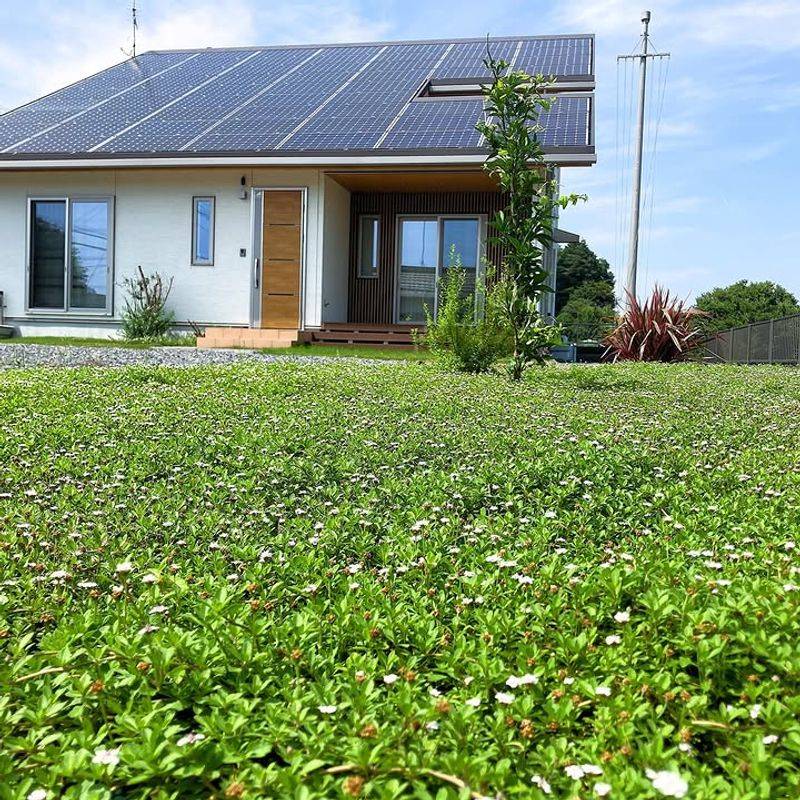
Not many ground covers can handle foot traffic, drought, and California heat all at once, but Kurapia does it with ease. This plant was developed specifically for warm, dry climates and has become a favorite across Southern California landscapes.
It looks like a lush green carpet and stays low without needing much mowing.
Kurapia spreads fast and fills in bare spots quickly. Once it gets going, it forms such a dense mat that weeds simply cannot get through.
That makes it one of the most effective natural weed blockers available to California homeowners.
The small white flowers that appear throughout the growing season attract bees and other pollinators. So while your yard looks great, it is also doing something good for the local ecosystem.
That is a win on every level.
Water use is another big plus. Kurapia uses significantly less water than traditional lawns and can survive on very little irrigation once established.
Your California Garden Changes Every Week. Your Plan Should Too.
Gardening in California changes quickly throughout the season. Every Friday you’ll receive a simple weekly plan showing exactly what to plant, prune, fertilize, harvest, and protect so you never miss the right timing.
For anyone dealing with California water restrictions, that matters a lot. It performs well in full sun and handles the kind of heat that would stress out less resilient plants.
Kurapia is a practical and attractive mulch alternative worth trying.
3. Dymondia
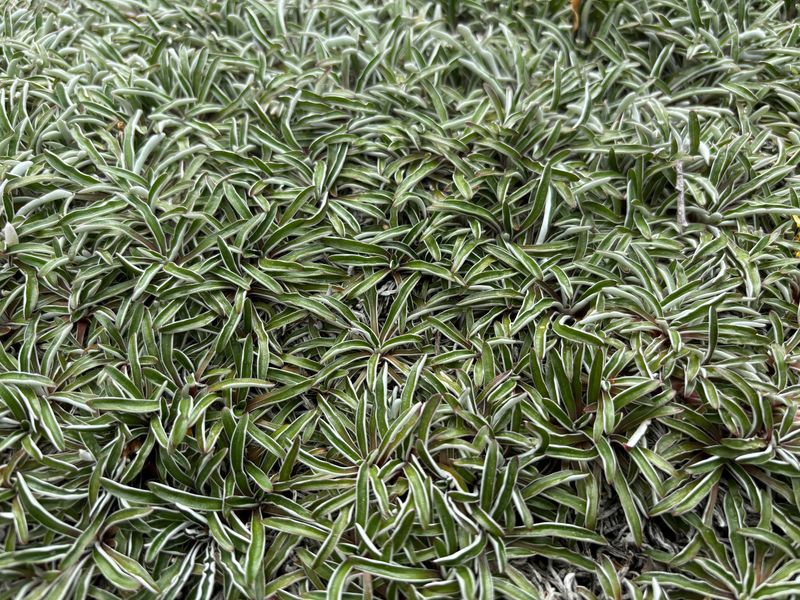
Silver carpet is the nickname, and once you see Dymondia in person, you will understand why. The leaves have a silvery underside that catches light in a really striking way.
When the breeze moves through it, the whole planting seems to shimmer. It is one of those plants that looks expensive but is surprisingly easy to grow.
Dymondia margaretae is a South African native that has adapted beautifully to California’s Mediterranean-style climate. It loves full sun and well-drained soil, which means it fits right into most California yards without much fuss.
Small yellow flowers pop up in summer and add a cheerful touch to the silvery foliage.
One of the best things about Dymondia is how tough it is underfoot. You can walk on it, and it bounces right back.
Many California gardeners plant it between pavers or stepping stones where other plants would struggle to survive.
Water needs are very low once the plant is established. It handles dry spells well and does not need fertilizing often.
For anyone in California looking to replace bare mulch beds with something that looks polished and intentional year-round, Dymondia is an outstanding choice that delivers consistent beauty with minimal effort.
4. California Fuchsia
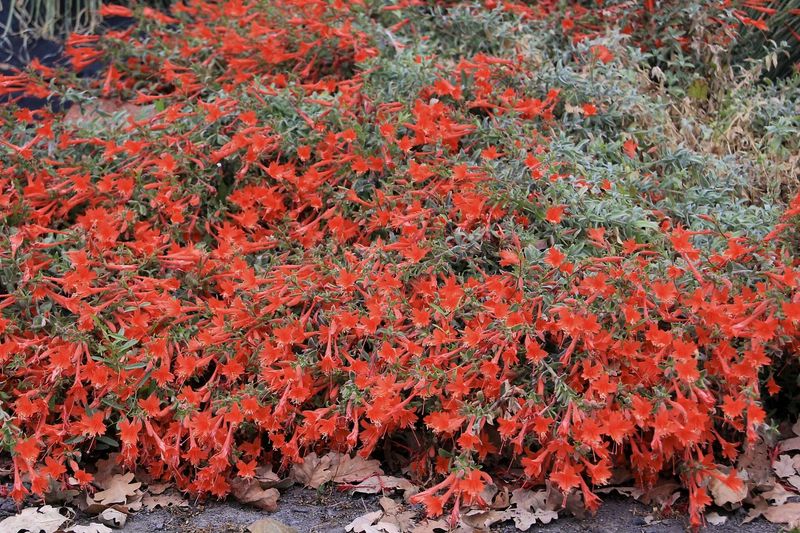
Few plants put on a show quite like California Fuchsia. The bright red-orange tubular flowers are bold, eye-catching, and absolutely irresistible to hummingbirds.
If you have ever wanted to attract those tiny, fast-moving birds to your yard, planting this ground cover is one of the most reliable ways to do it.
Known scientifically as Epilobium canum, this plant is native to California and the western United States. It thrives in dry, sunny conditions and actually prefers poor soil over rich, heavily amended ground.
That makes it ideal for spots in your California yard where other plants might struggle.
It spreads by underground runners and can cover a wide area over a few growing seasons. The silvery-green foliage stays attractive even when the plant is not in bloom, giving your yard texture and color through most of the year.
Blooming from late summer into fall, California Fuchsia fills in a gap that many other ground covers leave behind. Most flowering plants are winding down by August, but this one is just getting started.
It is drought-tolerant, low-maintenance, and genuinely native to the land, which means it supports local wildlife in ways that imported plants simply cannot match.
5. Beach Strawberry
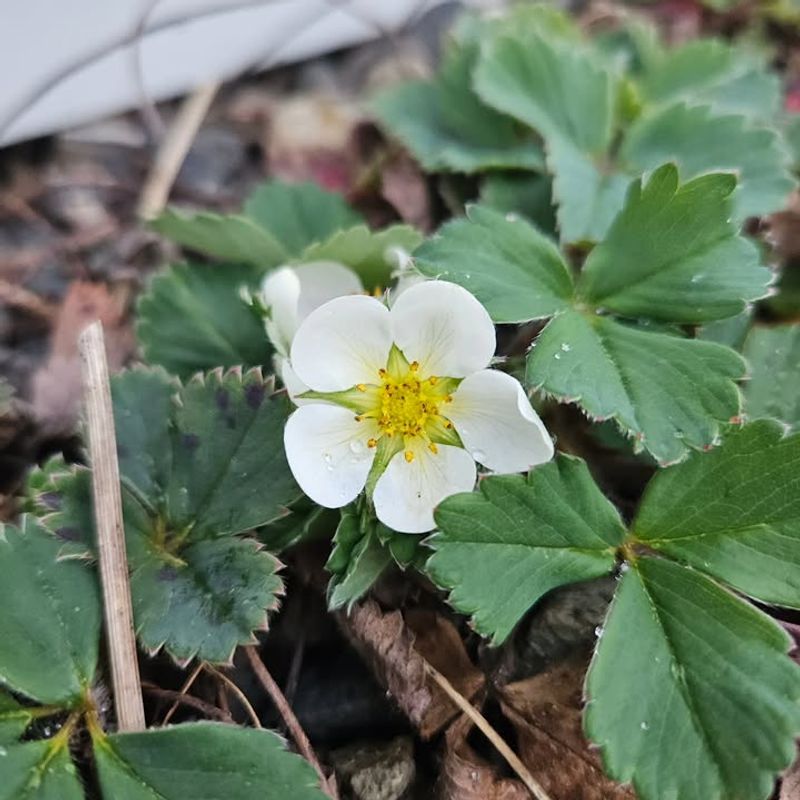
There is something charming about a ground cover that also grows edible fruit. Beach strawberry does exactly that, and it looks gorgeous doing it.
The glossy, dark green leaves form a dense mat close to the ground, and small white flowers appear in spring before giving way to tiny red strawberries that birds and people both enjoy.
Fragaria chiloensis is native to the California coast, which means it is well-suited to the mild, sometimes foggy conditions found in coastal communities. It handles both sun and partial shade, making it versatile enough for many different yard situations across the state.
As a mulch replacement, beach strawberry does an excellent job smothering weeds and keeping the soil cool and moist underneath. The root system helps hold soil in place too, which is especially useful on slopes or areas prone to erosion.
Maintenance is refreshingly simple. Occasional watering during dry stretches and a light trim now and then is about all it needs.
Over time, it fills in beautifully and creates a lush, layered look that bare mulch could never achieve. For California gardeners who want function and charm in one plant, beach strawberry is a standout option that rewards you in more ways than one.
6. Wild Lilac Groundcover Types
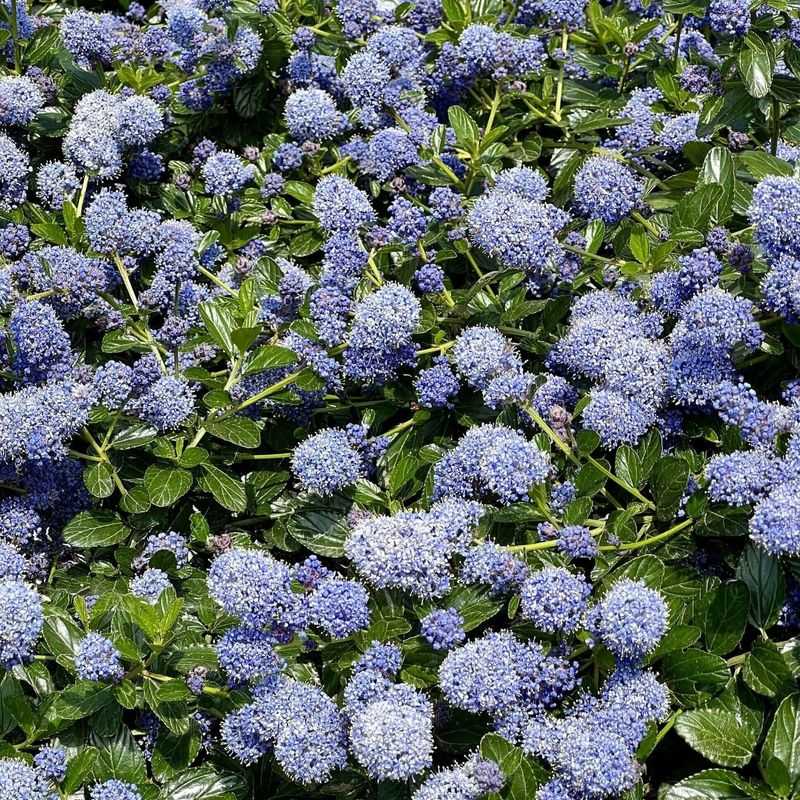
When people think of wild lilac, they often picture tall shrubs. But several Ceanothus varieties stay low to the ground and spread wide, making them excellent mulch replacements for California yards.
These groundcover types bring that signature burst of blue or purple flowers without taking up vertical space.
Varieties like Ceanothus gloriosus and Ceanothus maritimus hug the ground and spread several feet in each direction. They are native to California and incredibly well-adapted to the state’s dry summers and mild winters.
Once established, they need almost no supplemental watering at all.
The flowers are stunning in late winter and early spring, covering the plant in dense clusters of tiny blooms. Bees go absolutely wild for them.
After flowering, the dark green leaves remain attractive through the rest of the year, keeping your yard looking full and intentional even in the dry season.
Planting wild lilac groundcover types on slopes is a particularly smart move. The roots hold soil firmly in place, which helps prevent erosion during California’s rainy season.
These plants are also fire-resistant when kept properly pruned, which is an important consideration for many California homeowners. Bold, native, and nearly self-sufficient, they bring serious value to any landscape.
7. Coyote Mint
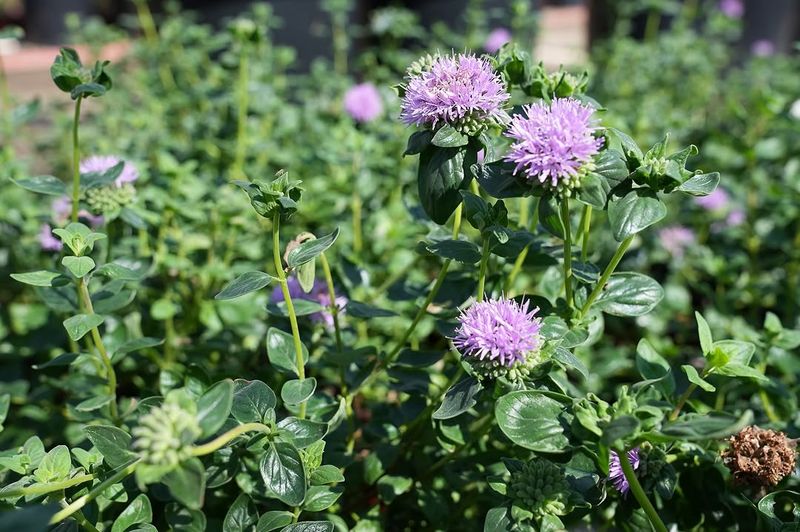
Rub a leaf of coyote mint between your fingers and you will get a burst of fresh, minty fragrance that is genuinely surprising. This California native is not just pleasant to smell, it is also one of the hardest-working ground covers you can add to a dry garden.
It handles heat, poor soil, and drought with impressive ease.
Monardella villosa grows in a low, mounding shape and spreads gradually to fill open areas. The lavender-purple flower clusters appear in summer and are absolutely packed with bees, butterflies, and other beneficial insects.
For anyone trying to support local pollinators in California, this plant is a natural choice.
It performs especially well in areas with well-drained soil and full to partial sun. Rocky slopes, dry hillsides, and sunny borders are all places where coyote mint thrives when other plants might give up.
It is native to the California foothills and coastal ranges, so it is already built for the local environment.
After the blooms fade, the foliage stays attractive and aromatic through the rest of the growing season. Very little pruning is needed.
Just cut it back lightly after flowering to keep the shape tidy. Coyote mint brings fragrance, color, and ecological value to California yards in a way that no bag of mulch ever could.
8. Creeping Sage
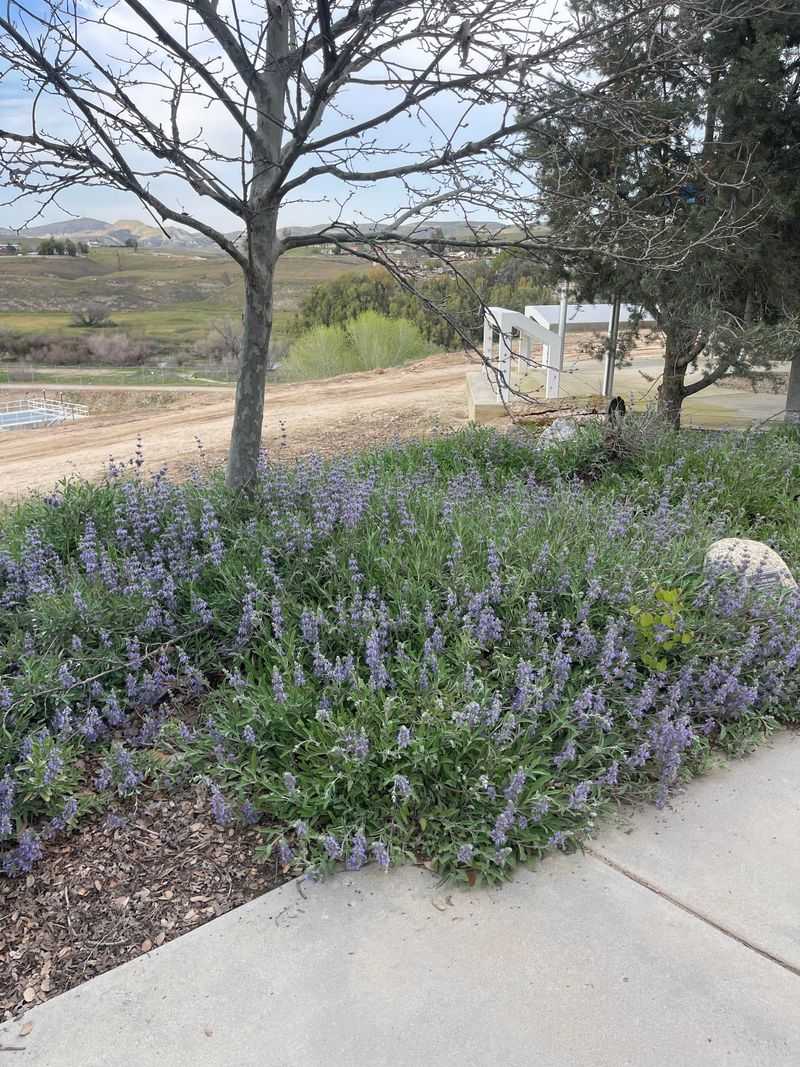
Sage is already a beloved plant in California gardens, but the creeping varieties take things to a whole new level. Salvia sonomensis, commonly called Sonoma sage or creeping sage, spreads low and wide across the ground, creating a fragrant, soft-textured carpet that is both beautiful and functional as a mulch replacement.
The gray-green leaves have that classic sage scent, which many people find calming and pleasant. Deer tend to avoid it because of the strong fragrance, making it a smart pick for California neighborhoods where deer pressure is a real problem.
It also resists most common garden pests without needing any chemical help.
In spring, short spikes of lavender-blue flowers rise above the foliage and bring in bees and hummingbirds. The bloom period is not super long, but the flowers are charming while they last.
Even without blooms, the plant looks full and healthy throughout the year.
Creeping sage is extremely drought-tolerant once established, which is a major advantage in California’s water-conscious gardening culture. It prefers well-drained soil and full sun to light shade.
Slopes, dry borders, and wide open garden beds are all perfect spots for this plant. It is tough, aromatic, and brings a distinctly California character to any outdoor space.
9. Yerba Buena
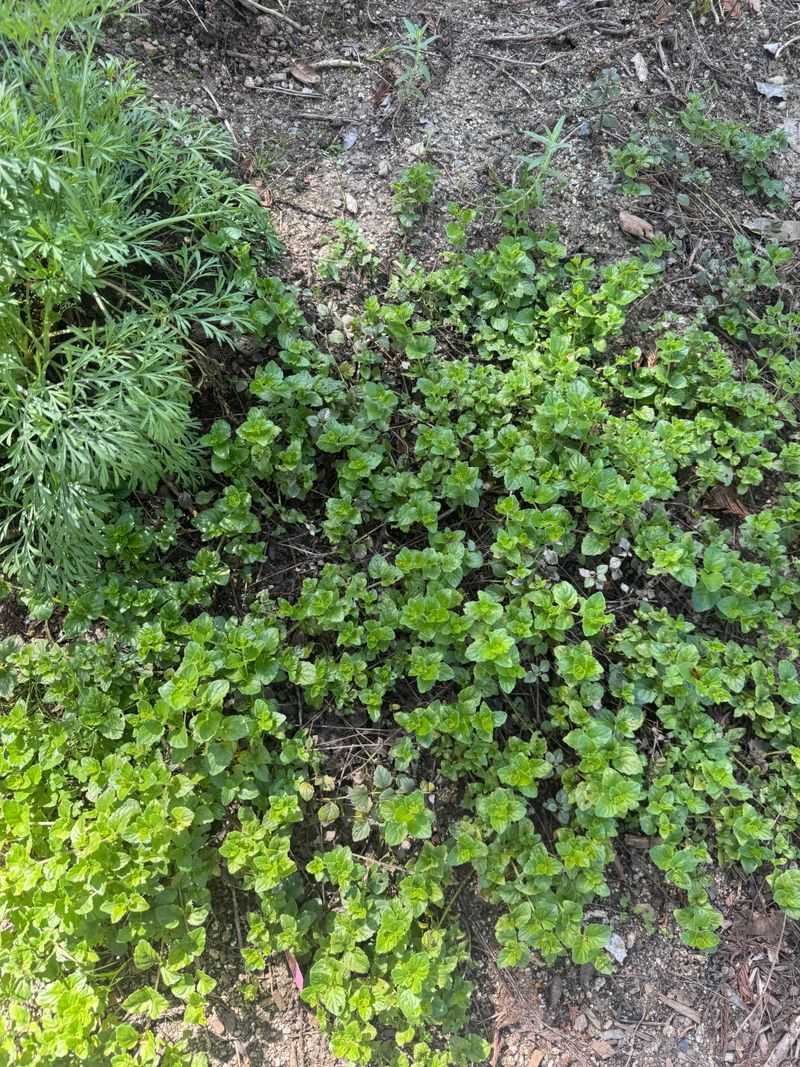
Long before modern landscaping came along, yerba buena was already well-loved in California. Spanish settlers named it yerba buena, meaning good herb, because of its refreshing mint-like fragrance.
Today, it makes a wonderful ground cover for shaded spots where many other plants simply refuse to grow.
Clinopodium douglasii is native to coastal California and grows naturally under trees and along shaded slopes. It creeps along the ground with slender stems and small, rounded leaves that stay green year-round.
The overall effect is delicate and lush, like a soft green blanket laid across the soil.
Tiny white flowers appear in spring and summer, adding a subtle charm without being showy. The real star of the show is the fragrance.
Brush against the leaves and that clean, minty scent fills the air around you. It is one of those quiet pleasures that makes spending time in your California yard feel extra special.
Yerba buena prefers part to full shade and moist, well-drained soil. It works especially well under trees or along the north-facing side of a house where sunlight is limited.
Water needs are moderate compared to many other ground covers. For anyone looking to fill shady areas with something beautiful and historically rooted in California, yerba buena is a truly special plant worth growing.