California Native Perennials To Plant Before Halloween That Spread Over Time
One scarlet native bloom in California feeds hummingbirds in October, then quietly sends roots sideways to start new clumps. Plant one small pot near a fence, and within a few years it may wander almost to the gate.
You’re in for a big surprise once you learn fall is the smartest planting window for many native perennials. Cooler air and the first rains help young roots settle in before the long dry stretch returns next year.
I like how these tough plants ask for so little once they settle into soil they recognize as home. Many spread by creeping roots or dropped seeds, so one nursery pot can quietly turn into a whole patch.
Garden experts across California often recommend getting natives in the ground before trick-or-treaters reach your front porch. So which spreading beauties deserve a spot in your yard this month, and which one will surprise you most?
1. Yarrow Quietly Builds You A Living Carpet
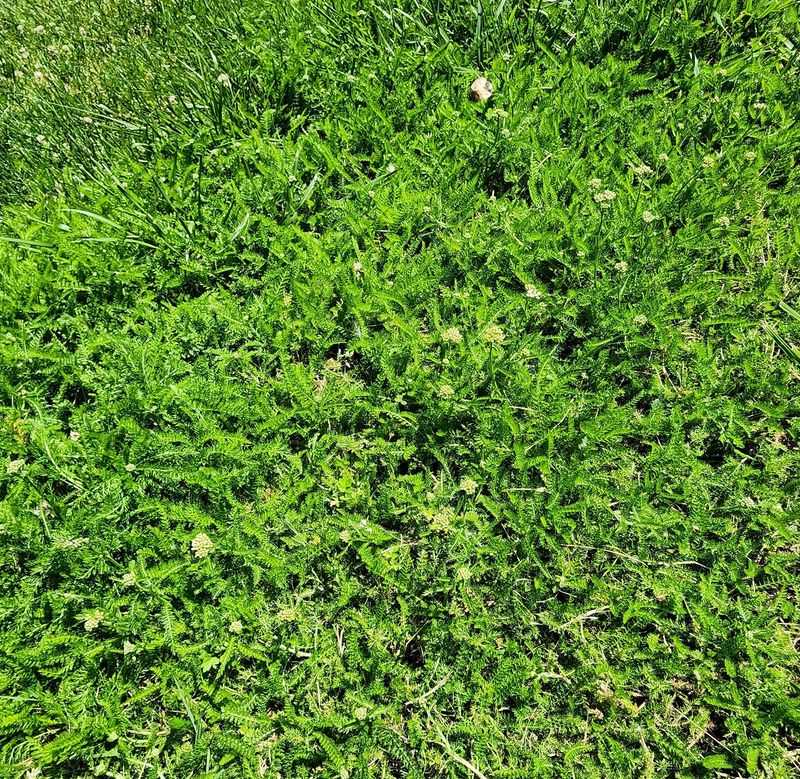
Soft, feathery leaves give yarrow away long before its flat flower clusters open in late spring or early summer. Native yarrow grows wild across much of North America, and it spreads steadily by underground stems called rhizomes.
October is a great month to plant it, because fall rains help the new roots grow deep and strong. Set nursery plants about eighteen inches apart, and they will usually knit together into a solid mat within two seasons.
Full sun suits yarrow best, though it handles light afternoon shade in hotter inland valleys without much complaint. Average soil works fine, and rich compost can actually make the stems flop over once warm weather arrives.
Many gardeners use yarrow as a lawn substitute, mowing it a few times a year to keep it low. It takes light foot traffic well and needs far less water than a thirsty patch of turf grass.
Butterflies, hoverflies, and small native bees visit the white flower heads, which helps other plants in your garden too. Hoverfly larvae also feed on pests like aphids, so yarrow pulls double duty in a vegetable bed.
Water new plants once or twice a week until winter rains take over the job for you. After the first year, established patches often get by on occasional summer soaks in most coastal gardens.
Fun fact for history fans, the plant’s scientific name, Achillea, comes from the Greek hero Achilles. If clumps spread too far, simply dig up extra pieces and share them with a neighbor next fall.
2. California Fuchsia Lights Up Your Fall Garden
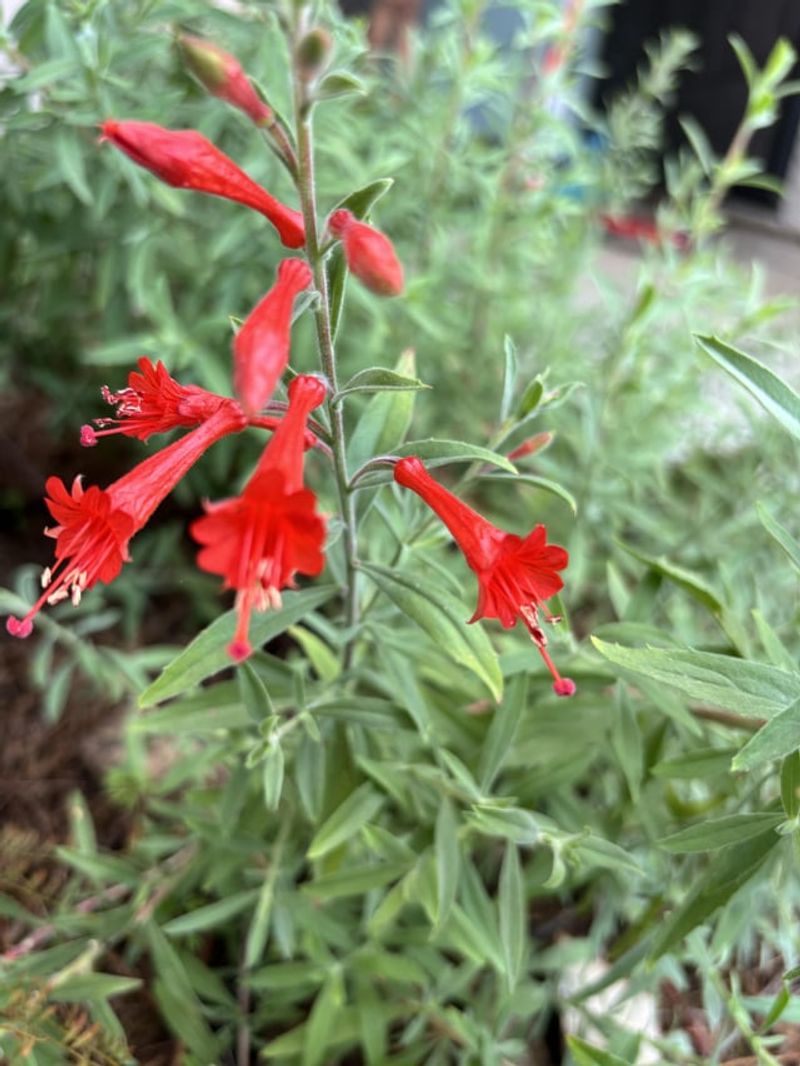
Hummingbirds treat this plant like a fall buffet, sipping from its scarlet trumpet flowers when little else blooms nearby. Known to botanists as Epilobium canum, it often flowers from late summer right through October in sunny spots.
Underground runners let the plant creep outward each year, forming wide patches on slopes and rocky banks. Some gardeners call it a polite spreader, while others gladly let it roam across a dry hillside.
Plant it this month while the soil is still warm, giving roots time to stretch before winter. Pick a spot with full sun and fast drainage, since soggy clay can rot the crowns over time.
Your California Garden Changes Every Week. Your Plan Should Too.
Gardening in California changes quickly throughout the season. Every Friday you’ll receive a simple weekly plan showing exactly what to plant, prune, fertilize, harvest, and protect so you never miss the right timing.
Once the flowers fade in late fall, cut the stems down to a few inches above the ground. Fresh green shoots pop up in late winter, and the patch usually comes back fuller than the year before.
Water deeply every week or two during its first summer, then ease off once the plant settles in. Too much summer water makes it leggy and short-lived, so a little neglect works in your favor.
Several named varieties exist, including ‘Everett’s Choice’ with low gray leaves and bright orange-red blooms along paths. Taller forms reach two feet, which makes them handy for filling gaps behind lower native groundcovers.
Pair it with sages or buckwheats, and your yard turns into a busy hummingbird rest stop each autumn. Watching those tiny birds zip between the red tubes might become your favorite part of the whole season.
3. Hummingbird Sage Fills Your Shady Corners
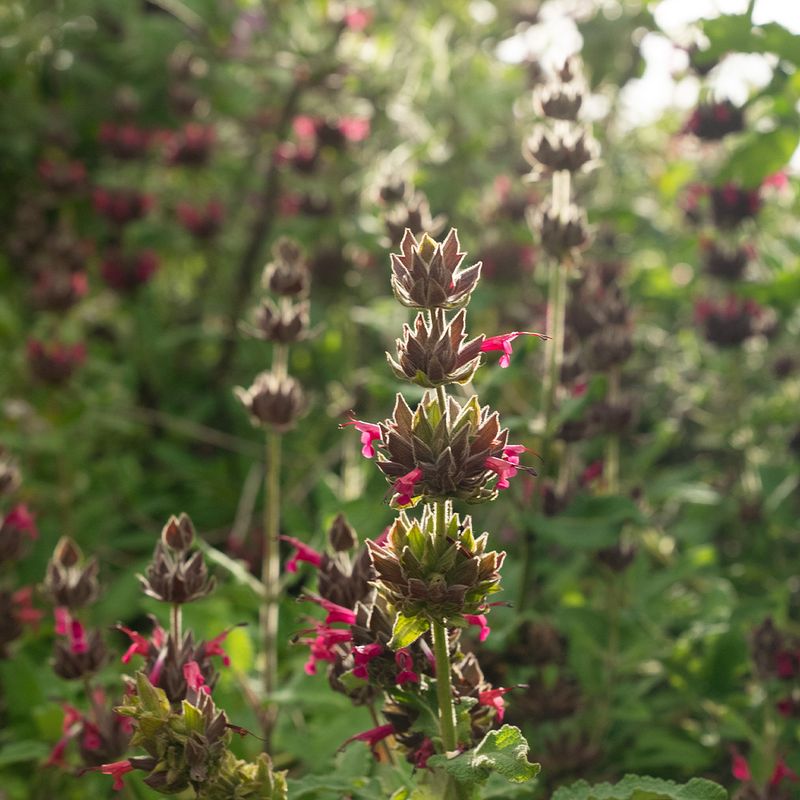
Rub one wrinkled leaf between your fingers, and a sweet, fruity scent will linger on your hands for a while. Hummingbird sage is one of the few native sages that actually enjoys shade under oaks and other trees.
It spreads slowly by rhizomes, so a single plant can become a lush patch several feet wide. Magenta flower stalks rise in late winter and spring, and hummingbirds find them almost right away.
Fall planting matches its natural rhythm, since the plant wakes up and grows actively once the rains begin. In the wild, it often rests through the dry months and then greens up again with cooler weather.
Dry shade is one of the hardest spots to fill, and this sage handles it better than most. Try it beneath native oaks, where summer watering can harm the trees and thirsty plants are a poor fit.
Give new transplants a deep drink every week until steady winter rain arrives and keeps the soil moist. Once established, an occasional summer soak keeps the leaves greener, though the plant can survive without much help.
Snip off the old flower stalks after blooming to keep things tidy and show off the leaves. Leave a few seed heads if you like, since small birds sometimes pick through them in early summer.
Gardeners in coastal California and the foothills have the easiest time, but inland growers can succeed with afternoon shade. Divide crowded clumps in fall, and you will have free plants to tuck into new shady corners.
4. Douglas Iris Gives You Bigger Clumps Every Year
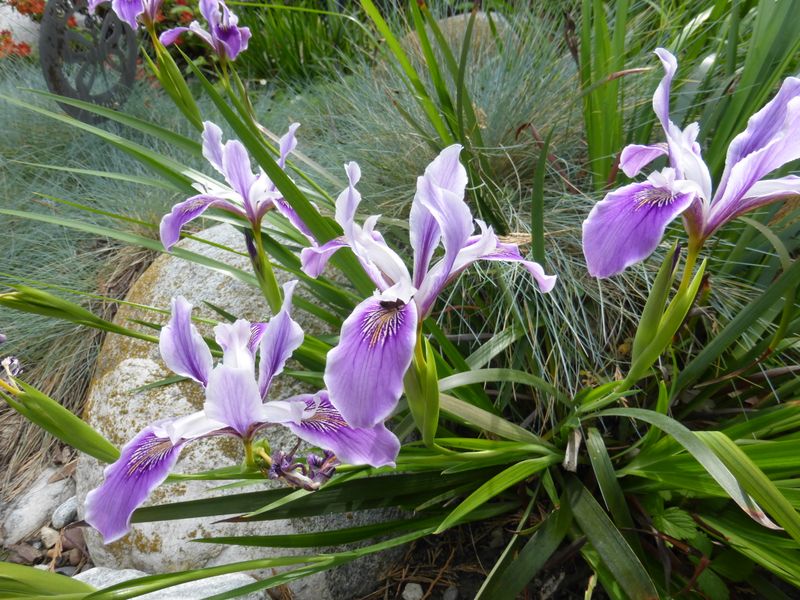
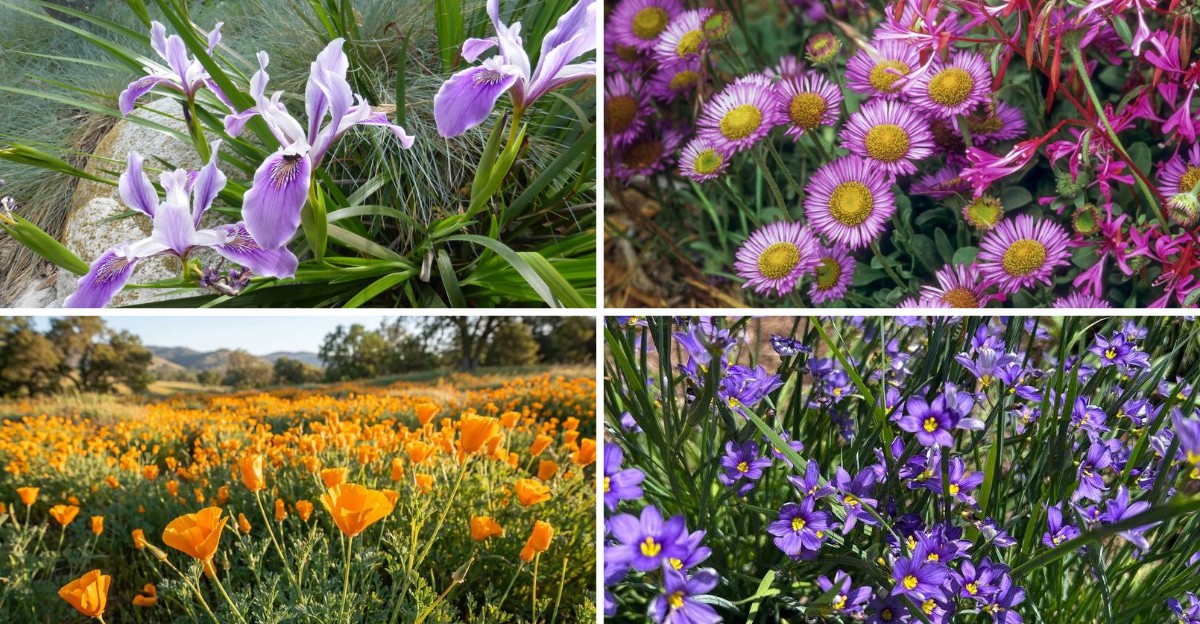
Spring color is still months away, but planting Douglas iris now sets up a show worth waiting for. Native along the coast from southern Oregon down through central California, it thrives in mild, breezy conditions.
Each clump grows wider every year as short rhizomes push outward and send up fresh fans of leaves. Over time, one plant can become a dense, grassy mound that crowds out weeds along a path.
Blooms range from deep purple to lavender and sometimes cream, often with delicate veins painted across the petals. Many nurseries also sell Pacific Coast hybrids, which mix several wild species and come in even more colors, including yellow.
Fall is the right time to plant, because the roots grow during the cool, wet months ahead. Set plants at the same depth they sat in the pot, and avoid burying the crown too deep.
Light shade or morning sun works well inland, while coastal gardeners can usually grow it in full sun. Good drainage matters a lot, and heavy summer watering can lead to root rot in warm soil.
Pacific Coast irises dislike being moved in hot weather, so any dividing should wait until rains return in fall. Look for fresh white roots before splitting clumps, which tells you the plant is ready to grow again.
Deer tend to leave the tough leaves alone, which is a relief for gardeners near wild open spaces. Tuck a few clumps under a tall shrub, and you may find new fans spreading there next October.
5. Blue-Eyed Grass Scatters Tiny Stars Across Your Beds
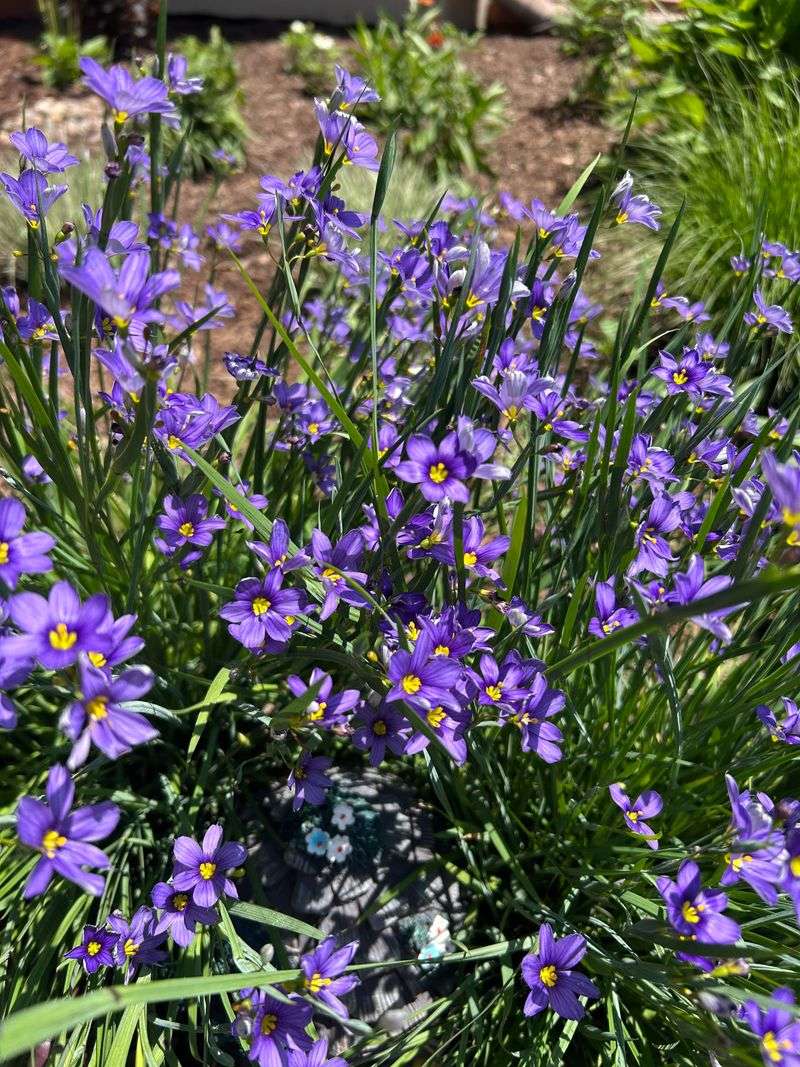
Despite the name, blue-eyed grass is not a grass at all, but a small cousin in the iris family. Its purple-blue starry flowers with yellow centers pop open on sunny days and close up when clouds roll in.
Each plant forms a tidy clump about a foot tall, perfect for the front edge of a sunny bed. Clumps slowly widen, and the plant also drops plenty of seed that sprouts in nearby gaps after winter rains.
Seedlings popping up between paving stones feel like little surprises, and you can move them while they are small. Gardeners who prefer a neater look can snip seed heads before they split open in early summer.
October planting gives roots a head start, and the plant usually blooms in its very first spring. You can also scatter fresh seed this month directly onto bare, raked soil and let the rain handle it.
Full sun to light shade suits it, and it grows in clay or sandy soil without much fuss. After blooming, the leaves often turn brown and the plant rests through the hottest, driest part of the year.
Trim the tired foliage once it browns, and fresh green leaves return when cool weather and rain come back. Small native bees visit the flowers, and the plant fits nicely into wildflower meadows or rock gardens.
Every few years, dig up crowded clumps in fall and split them into smaller pieces to replant elsewhere. Few plants offer so much charm for so little effort, and the blue stars feel like tiny gifts each spring.
6. Seaside Daisy Brings You Coastal Charm That Spreads
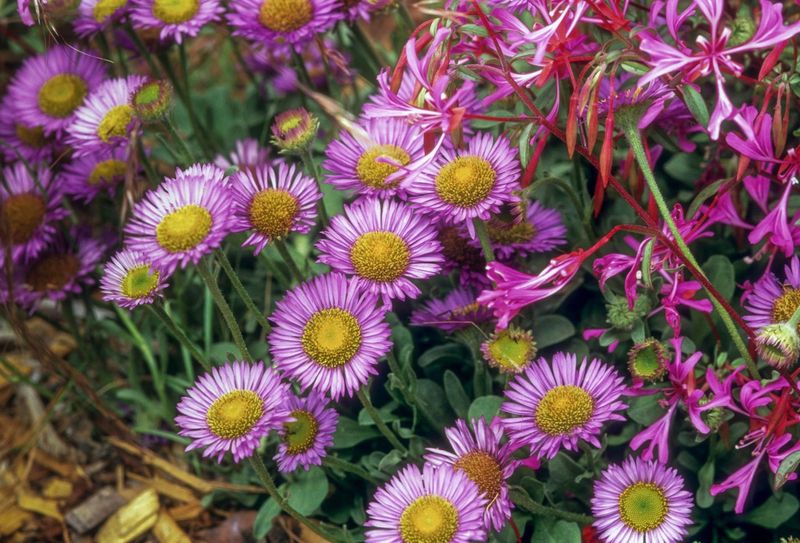
Ocean bluffs are a tough place to live, yet seaside daisy shrugs off salty wind and sandy soil with ease. Its lavender-pink petals surround cheerful yellow centers, and the thick, slightly fuzzy leaves hold moisture well.
Wild plants grow along the coast from Oregon into southern parts of the state, often hugging rocky cliffs. In gardens, they form low mounds about a foot tall that slowly spread wider through short creeping stems.
Plant this month so the roots can settle in during the cool, damp weather that coastal fall brings. Space plants about two feet apart, and they will usually close the gaps within a couple of seasons.
Coastal gardens give this daisy its happiest home, though it can grow inland with afternoon shade and extra water. Hot, baking valley sun can scorch the leaves, so pick a spot that stays a bit cooler.
Popular varieties like ‘Wayne Roderick’ and ‘Sea Breeze’ offer a long bloom season and a neat, rounded shape. Flowers can show up off and on for many months, especially when you snip faded blooms regularly.
A light shearing in late fall or winter keeps the mound tidy and encourages fresh new growth. Without trimming, older plants can look woody in the middle, so a quick cut makes a big difference.
Butterflies and bees visit the open flowers, which makes the plant a cheerful choice near patios or walkways. Try it spilling over a low wall, where the soft pink mounds look like waves frozen in place.
7. California Poppy Plants Your Golden Carpet For You
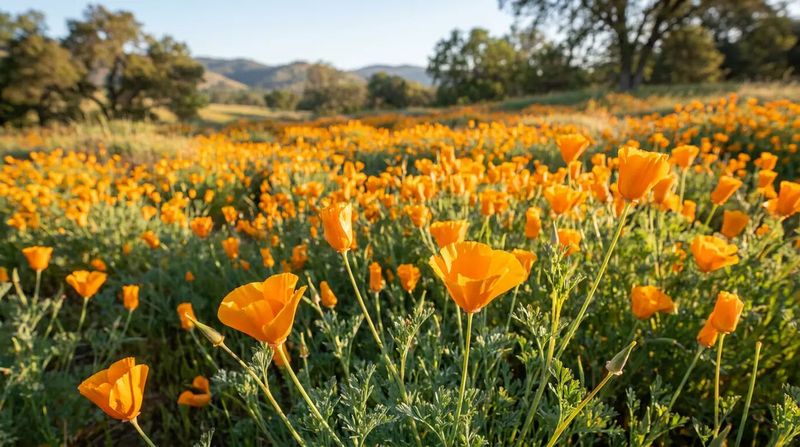
Since 1903, the golden poppy has held the title of official state flower, and it earns that honor easily. Technically, it acts as a short-lived perennial in mild areas, but its real trick is heavy reseeding.
Each plant may last a few years, while dropped seeds keep new plants coming long after the parent fades. So the patch grows larger over time, even if the original plants do not stick around forever.
October and November are ideal for sowing seed, because winter rains do most of the watering for you. Scatter seed over loose, weed-free soil, press it lightly with your hand, and skip covering it deeply.
Poppies grow a long taproot that dislikes being disturbed, so direct sowing usually works better than transplanting. If you buy nursery plants, choose small ones and handle the root ball gently when planting.
Full sun and poor, sandy soil bring out the best blooms, while rich soil often means floppy stems. Skip the fertilizer, and keep extra water to a minimum once the seedlings are a few inches tall.
Flowers fold up at night and on cloudy days, then open wide again when sunshine returns. Native bees love the pollen, and you may spot them rolling around inside the orange cups on warm mornings.
Picking wild poppies on public land is widely frowned upon, so enjoy them in your own yard instead. Let a few seed pods ripen and split each summer, and next year’s golden carpet will plant itself.
8. Yerba Buena Weaves A Minty Mat Under Your Trees
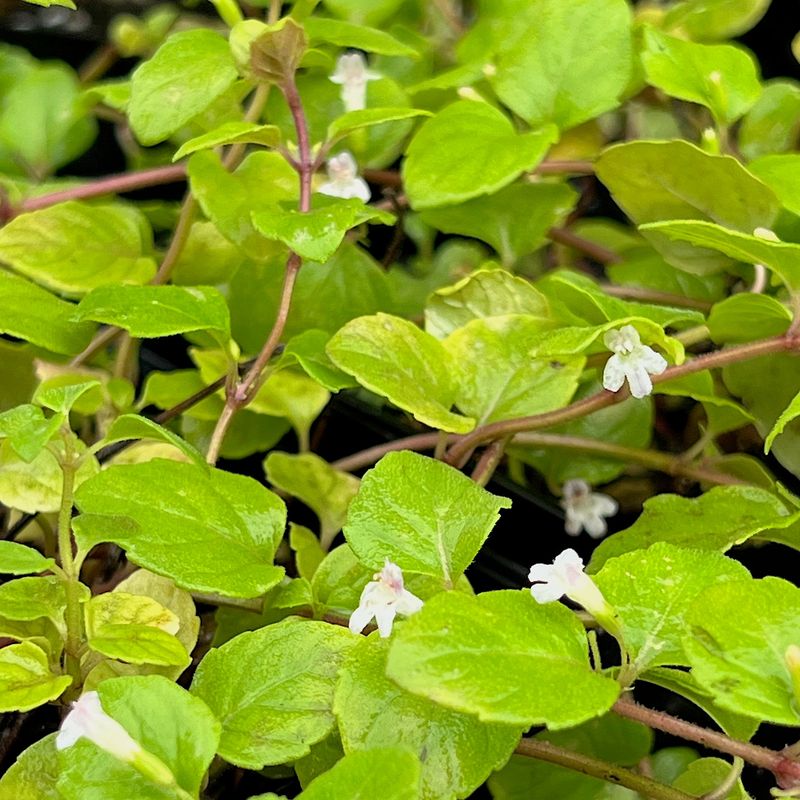
San Francisco was once called Yerba Buena, named after the minty little creeper that grew wild across its hills. Spanish for good herb, yerba buena still delights gardeners with its sweet scent and trailing stems.
Thin stems creep along the ground and root where they touch soil, slowly weaving a soft green mat. One plant can cover a few feet over time, especially in a cool spot with steady moisture.
Shade lovers will appreciate this groundcover, since it grows naturally under redwoods, oaks, and other coastal trees. Inland gardeners should give it bright shade and regular summer water, or the leaves may struggle in heat.
Fall planting helps the runners settle in before winter, when cool rains keep the soil comfortably damp. Loosen the soil a little, add some leaf mulch, and space small plants about a foot apart.
Tiny white flowers appear in late spring and summer, but most people grow it for the fragrant leaves. Brush your hand across the patch, and a cool, minty smell rises up like a breath of forest air.
Many people dry the leaves for a mild herbal tea, a tradition with deep roots among native peoples. Snip stems in the morning, rinse them, and hang small bundles somewhere dry and shady for a week.
Stepping stones fit nicely through a yerba buena patch, since the plant handles only light foot traffic. Share a rooted runner with a friend this fall, and you might start a minty patch across town.