Indiana Gardeners Can Still Plant Strawberries This Fall With Careful Timing
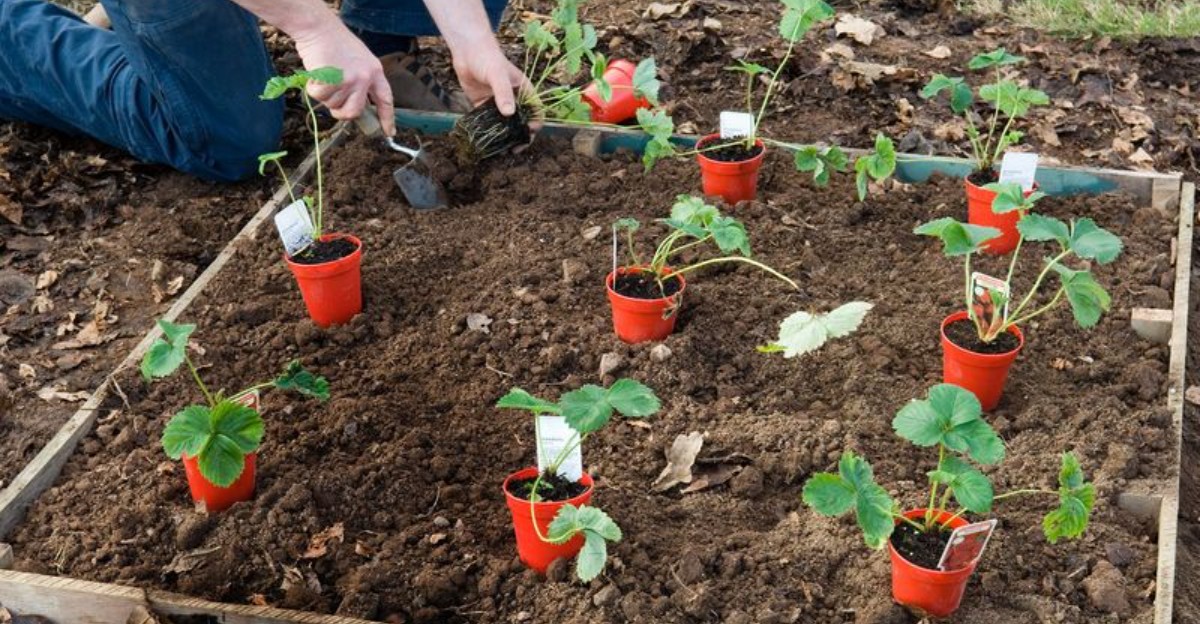
Indiana soil often stays workable well into November, long after most gardeners have stored their trowels in the shed. I like how that quiet stretch of cool, damp ground gives one sweet little fruit a surprising second chance.
You’re in for a big surprise if you assumed every planting window slammed shut with the last tomato. The red berries that perfume June mornings can still go into the ground while leaves crunch underfoot.
I believe the catch matters more than the calendar, because these plants want time to settle roots first. Experts in Indiana actually prefer spring planting, so a fall attempt calls for careful timing and smart choices.
You need to know the right planting depth, plus the exact moment to tuck them under a cozy blanket. So how much sweetness could a few chilly afternoons of digging add to your garden next year?
You Can Plant Late If You Follow A Few Firm Rules
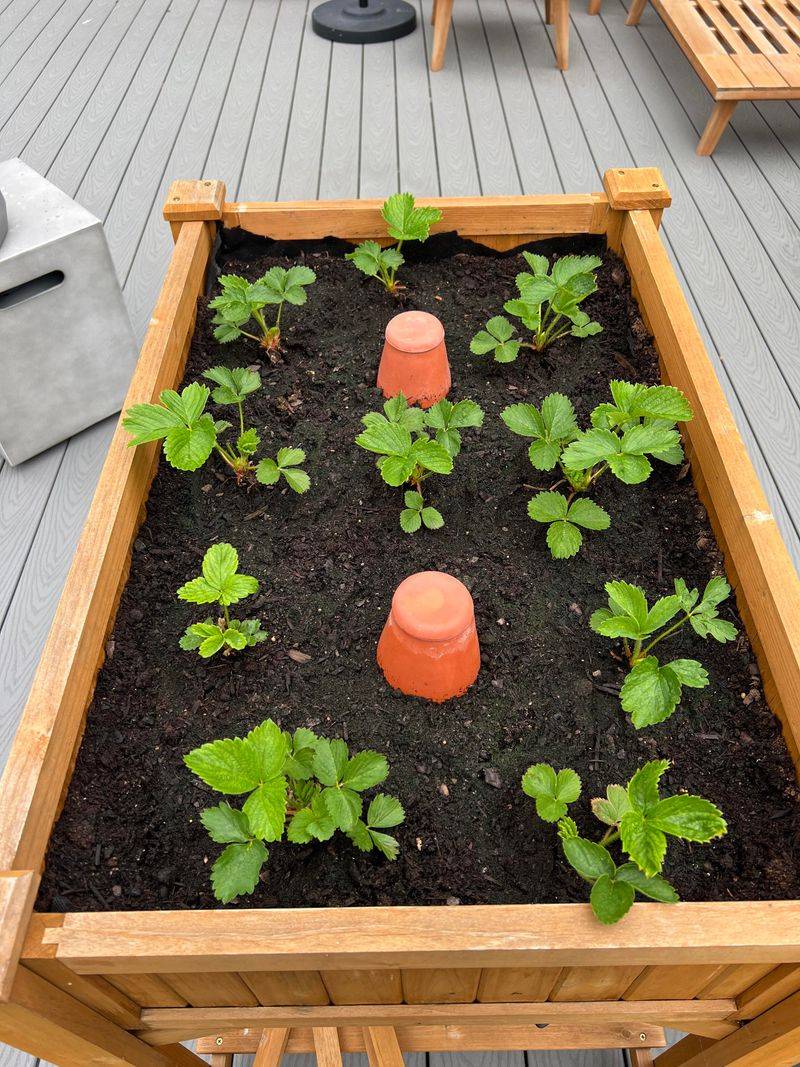
Late planting surprised me the first time I tried it, because the plants looked happy in cool soil all through October. Purdue Extension still lists spring as the preferred season, so fall planting works best as a careful exception.
Rule one is simple, because you should plant only healthy, certified plants from a trusted nursery or supplier. Potted plugs with solid root balls handle cool soil much better than loose runners dug from a friend.
Rule two focuses on timing, since roots need several weeks of growth before the soil locks up hard. In most Indiana gardens, that means getting plants in during September or early October for the safest results.
Rule three involves drainage, because soggy fall soil can rot crowns faster than a cold snap ever could. Raised beds or gently mounded rows help extra water drain away after those long, gray autumn rains.
Rule four is about sunlight, since these plants want at least six to eight hours each day. Shorter fall days make every sunny hour count, so pick an open spot away from tall trees.
Avoid beds where tomatoes, peppers, potatoes, or eggplants grew recently, because they can share a soil disease. Extension specialists warn that Verticillium wilt lingers in the ground for years and weakens berry plants badly.
Follow these rules, and a late planting can settle in quietly while the rest of the garden rests. Skip them, and you may find empty gaps in your rows when the snow finally melts next year.
Skip Direct Transplanting Into Cold Bare Ground
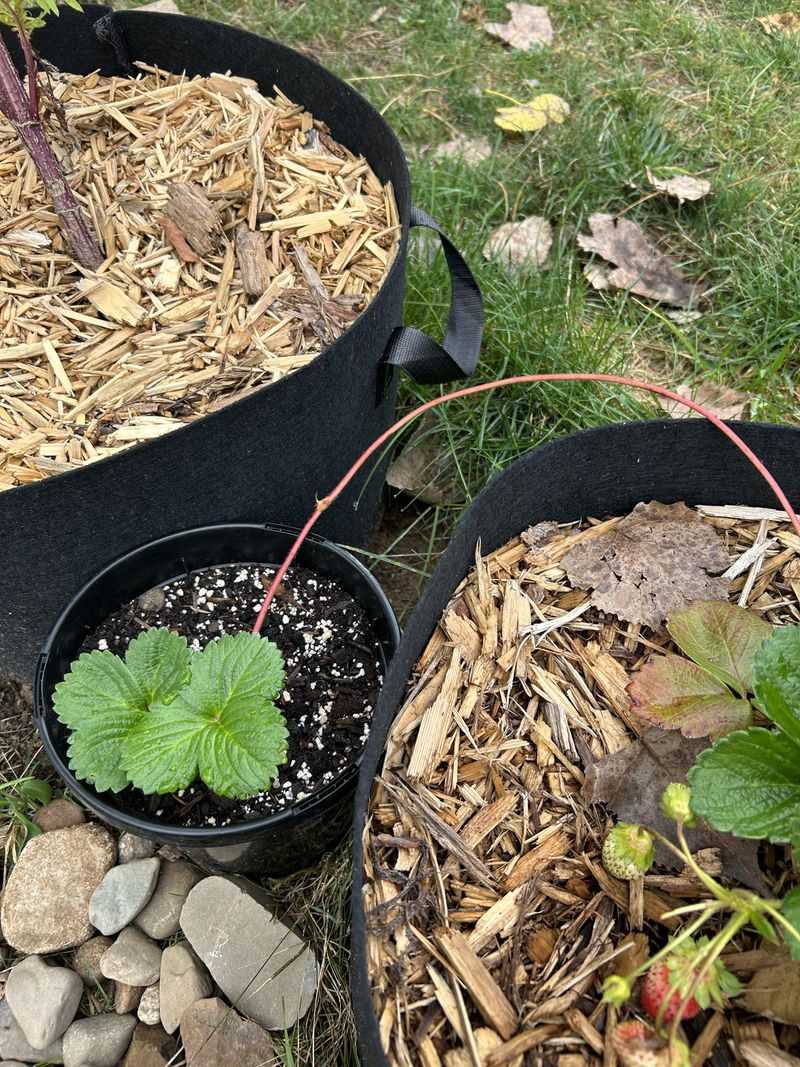
A friend once yanked runners from her old patch in late October and dropped them straight into a new bed. By April, only a handful had survived, and the rest had heaved out of the frozen ground.
Direct transplanting late in the season often fails because torn roots cannot recover before the soil turns icy. Shallow, broken roots also leave plants loose, so freezing and thawing cycles push them right out of place.
A smarter path starts with rooting runners in small pots of potting mix while they stay attached. Pin each runner down with a bent wire, then wait about two to three weeks for roots to form.
Your Indiana Garden Changes Every Week. Your Plan Should Too.
Gardening in Indiana changes quickly throughout the season. Every Friday you’ll receive a simple weekly plan showing exactly what to plant, prune, fertilize, harvest, and protect so you never miss the right timing.
Once the little pot feels firmly filled, snip the runner and move the plug into its new home. Plugs keep their root ball intact, so they settle in faster with far less shock to the plant.
Bare-root plants from catalogs are another story, because most suppliers ship them for spring planting instead. Holding them over winter in a garage rarely works well, so save those orders for the warmer months.
Garden centers in Indiana sometimes carry potted plants in fall, and those make the easiest late choice. Check that leaves look green and roots look white before you carry any pots home in your wagon.
Water every new transplant deeply right away, since fall breezes can dry out tender roots surprisingly fast. A slow, steady soak helps soil close around the root ball and removes hidden air pockets underneath.
Your Plants Need Several Weeks Of Root Growth First
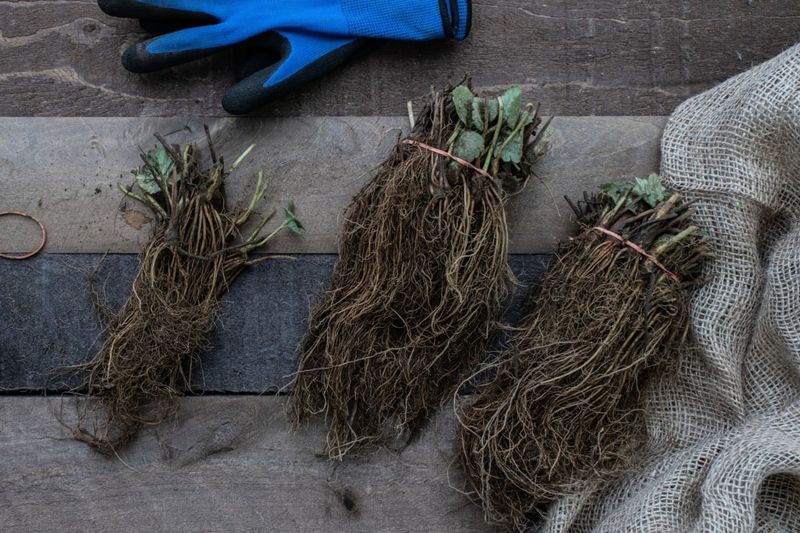
Roots are the quiet heroes of fall planting, working underground long after the leaves stop putting on growth. Most extension guides suggest giving new plants about four to six weeks before a hard freeze arrives.
A hard freeze usually means air temperatures dipping to around 28 degrees or lower for several hours. Soil cools more slowly than air, so roots often keep growing for a while after the first frost.
Northern Indiana tends to cool off sooner, while southern counties often enjoy a few extra mild weeks. Your local frost dates matter more than any general rule, so look them up for your county.
Planting too close to the soil freezing is risky, because those plants face a tougher winter with shallow roots. Earlier planting gives them a deeper anchor, and that anchor helps them resist heaving during winter thaws.
You can help roots along by keeping the soil evenly moist, especially during dry, breezy October stretches. Aim for about an inch of water each week, counting rainfall, until the ground starts to stiffen.
Skip heavy fertilizer this late in the year, because soft new leaves handle cold snaps poorly. A little compost worked into the bed before planting gives roots gentle food without pushing tender growth.
Fun fact for curious growers, these plants store energy in their crowns and roots to fuel spring flowers. More root time this fall means more stored energy waiting for the first warm days of next year.
Set Each Crown Level With The Soil Surface
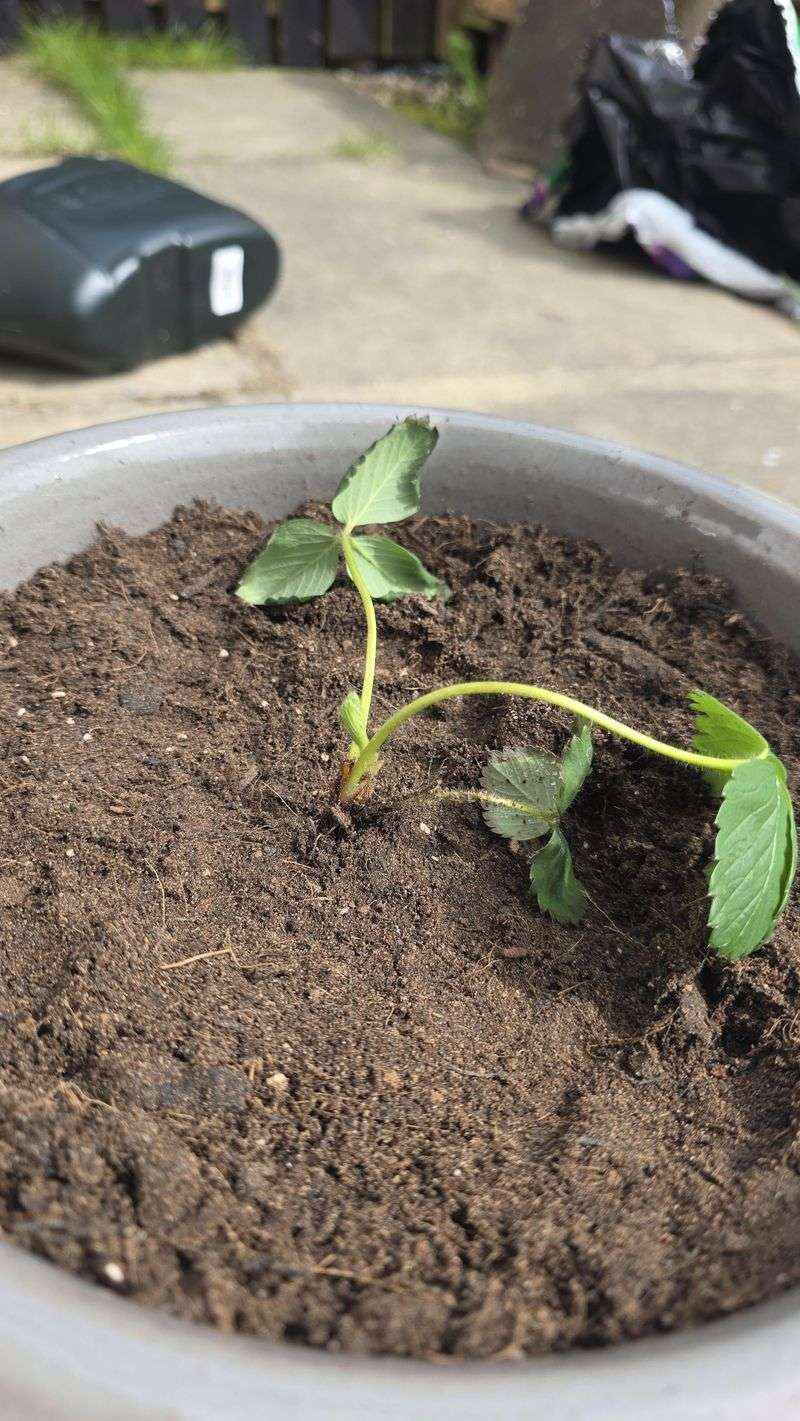
Depth sounds like a tiny detail, yet it decides whether a young plant thrives or quietly fades away. The crown is the short, thick stem where leaves and roots meet, and it needs careful placement.
Set too deep, the crown sits under damp soil and can rot during a cool, rainy autumn. Set too high, the upper roots dry out in the wind and the plant struggles to hold on.
Aim for the middle of the crown to rest right at the soil line, like a cork floating. Purdue and other extension programs describe this level placement as one of the most important planting steps.
Dig each hole a bit wider than the root ball so roots can spread instead of curling around. Gently loosen any circling roots with your fingers, then fan them outward and downward in the hole.
Firm the soil around each plant with your palms, pressing just enough to remove big air pockets. After watering, check the crowns again, because soil often settles and shifts plants lower than you planned.
Space plants about 12 to 18 inches apart in rows, which gives runners room to fill gaps later. Crowded plants trap moisture around their leaves, and that damp air invites fungal problems in cool weather.
Heavy clay is common across Indiana, so mixing in compost helps crowns stay at the right height. Walk your rows a week later and gently adjust any plants that sank or popped up slightly.
Save Your Straw Mulch Until The Ground Turns Cold
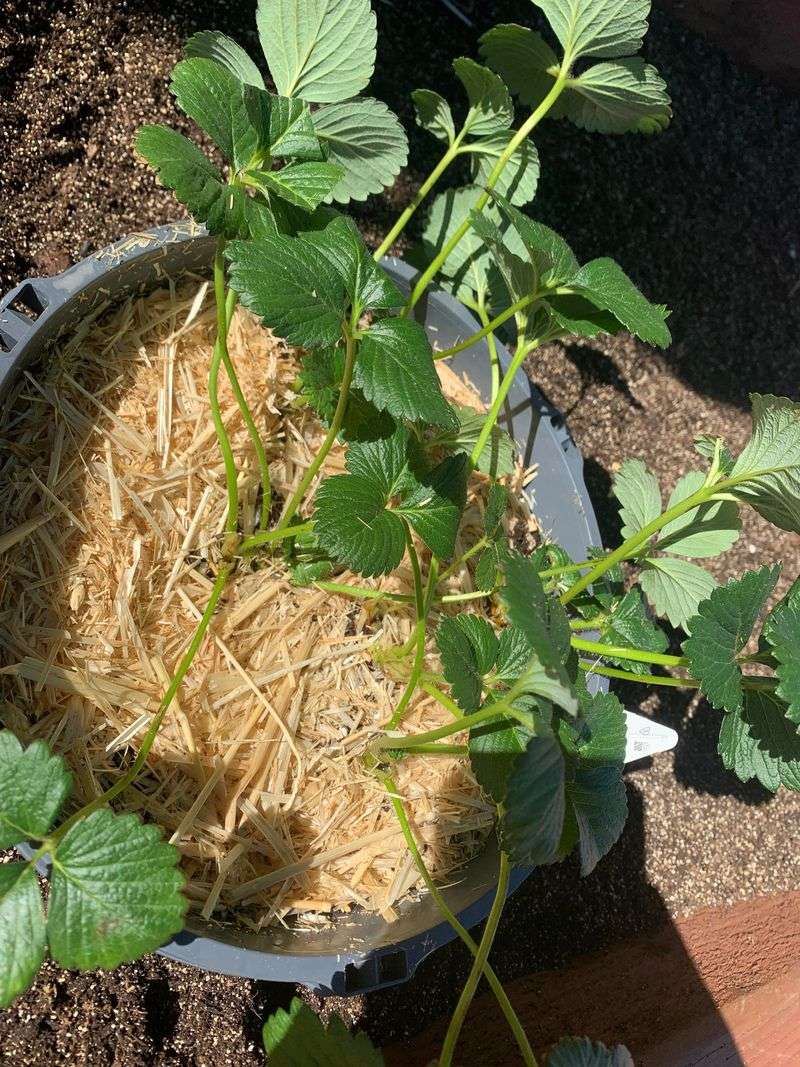
Straw feels like a warm quilt for berry beds, but putting it down too early can backfire. Plants need cool weather to harden off first, so the mulch waits until the ground turns cold.
Purdue Extension advises mulching before temperatures drop below 20 degrees and after plants go dormant, which often falls in late November. Gardeners in southern Indiana may wait until early December, depending on how mild the autumn turns out.
Spread clean straw about two to four inches deep, loose enough that a little light peeks through. Wheat or oat straw works nicely, while hay often brings along weed seeds that sprout next year.
The mulch protects crowns from bitter winds and keeps the soil temperature steadier during sudden winter swings. Steady soil means less heaving, so your carefully placed plants stay snug where you set them.
Mulching too soon can trap warmth and moisture, which may lead to rot or weak, pale growth. Mice also love an early straw blanket, so patience helps keep those nibbling visitors away from your crowns.
Buy your bales in October, when farm stores and garden centers usually have plenty stacked by the door. Store them somewhere dry, because soggy straw clumps together and does a poor job insulating the bed.
Windy yards may need a few sticks or a light netting to hold the straw in place. Check the bed after big storms, and fluff any thin spots back up with a handful of fresh straw.
Expect Fresh Spring Growth From Your Fall Plants
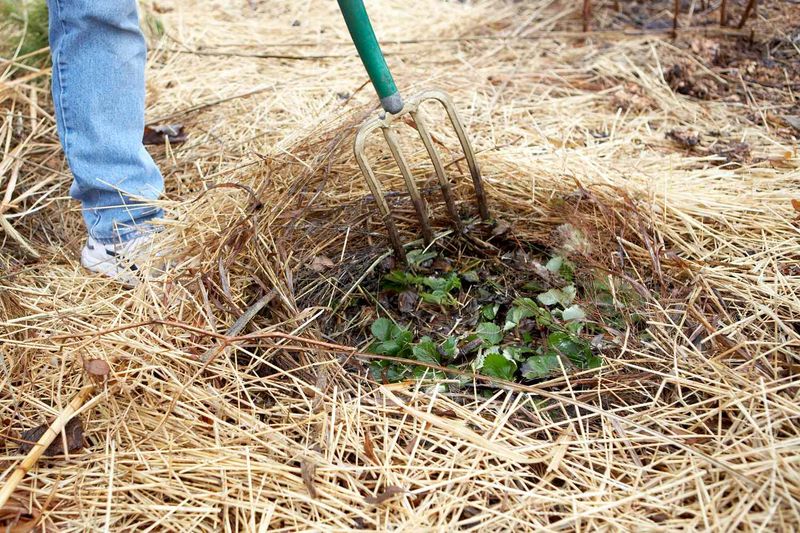
Early April brings a sweet little thrill, when pale green leaves start poking up under the straw. That moment tells you the plants made it through winter, and the real growing season can begin.
Pull the mulch off the plants once new growth appears, and tuck it into the paths between rows. Waiting too long can leave leaves pale and weak, since they need sunlight to turn deep green.
Keep that straw handy, because Indiana springs love to toss a surprise frost at blooming plants. Open flowers can be damaged near 30 degrees, so cover them overnight when the forecast turns chilly.
Harvest expectations depend on the plant type, and experts differ a little bit on fall-planted June-bearing varieties. Some well-rooted plants offer a modest first crop, while weaker ones benefit from having their flowers pinched.
Everbearing and day-neutral types often bloom again later in the season, giving you several chances at berries. Small first-year crops still taste wonderful, especially when you eat them warm right off the sunny plant.
A light feeding of balanced fertilizer in spring helps plants build strong leaves and fresh runners for the months ahead. Steady watering matters too, especially once fruit forms and the days stretch longer and warmer outside.
Pull weeds by hand while they are tiny, since young berry plants compete poorly with aggressive neighbors. Those chilly October afternoons spent digging in Indiana soil can pay off with sticky red fingers next year.