8 Simple No-Till Raised Bed Hacks For A Better Minnesota May Garden
Minnesota May is basically a mood.
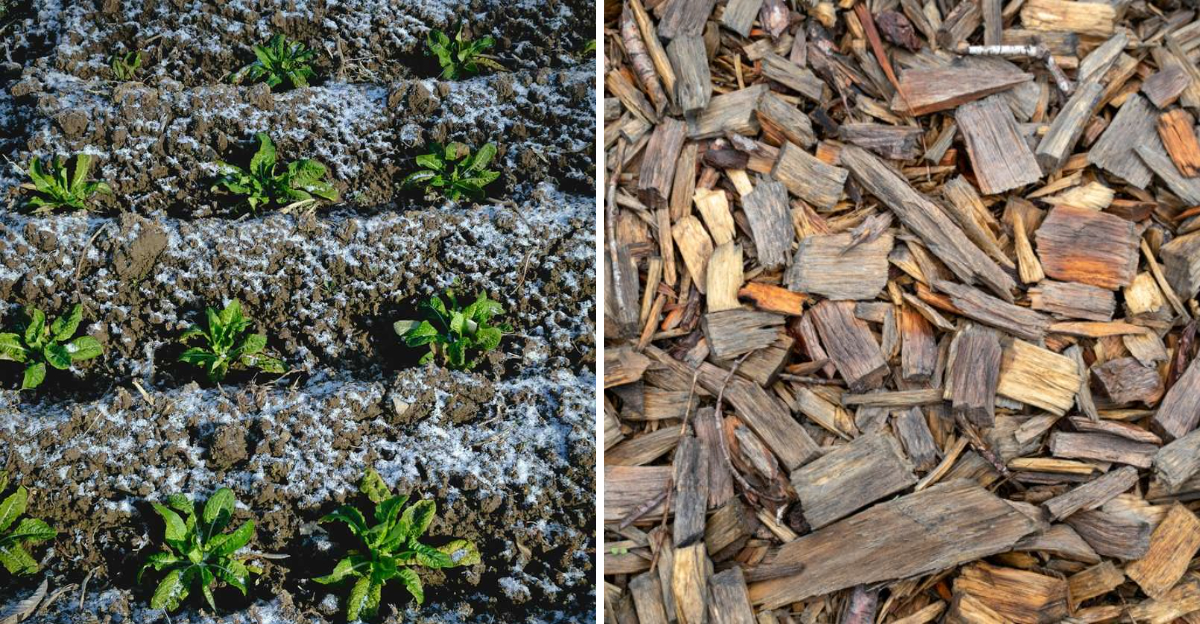
One morning you are planting in a light jacket feeling optimistic, and by Thursday there is frost on the raised beds and you are questioning every life decision you ever made.
Anyone who has ever stood in their yard in a winter coat holding a trowel and wondering where it all went wrong knows exactly what this feels like.
I learned this the hard way during my first raised bed season, when I also made the classic mistake of tilling my soil every spring like I was supposed to.
What I got was compacted, tired dirt that grew weeds faster than vegetables. The soil had other plans entirely.
Turns out, all that digging was destroying the very soil structure I was trying to improve. Every spring I was starting from scratch, and I had no idea.
No-till gardening completely changed the game for me, and these eight simple hacks make it easier than ever to get your Minnesota raised beds thriving by May.
Less digging, better soil, and absolutely no explaining to your neighbors why you are out there with a rototiller at 7am again.
Less digging, less frustration, and honestly, much better results.
Your soil has been working hard all winter. It is time to let it shine.
1. Layer Your Compost Directly On Top
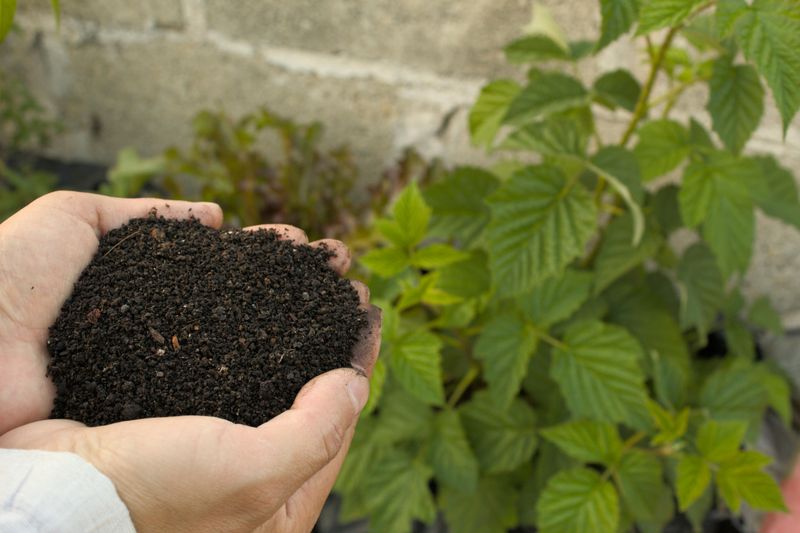
Forget the rototiller sitting in your garage.One of the easiest and most powerful things you can do for your raised bed in Minnesota this May is simply spread a thick layer of finished compost right on top of the soil.
No mixing, no digging, just pile it on about two to three inches deep and let nature do the rest.
Compost feeds your soil in a way that synthetic fertilizers just cannot match.As it breaks down, it releases nutrients slowly and steadily, which means your plants get a consistent supply of food throughout the growing season.
Earthworms and beneficial microbes love compost, and they will pull it deeper into the soil on their own, saving you a ton of work.
In Minnesota, May soil can still be cold from winter, and compost actually helps warm it up faster by darkening the surface and absorbing more sunlight.That warming effect can make a real difference for early crops like lettuce, radishes, and kale.
Choose fully finished compost that looks dark, crumbly, and smells earthy, not like rotting food.
If you make your own compost at home, even better.Homemade compost is often richer in local microbes that are already adapted to your Minnesota climate.
You can also buy bagged compost from garden centers across the Twin Cities and greater Minnesota.Just spread it generously across your raised bed, and you are already ahead of most gardeners in your neighborhood this spring.
2. Use Cardboard Sheet Mulching

Who knew that the box your last online order arrived in could be the most valuable thing in your entire garden shed?
Your Minnesota Garden Changes Every Week. Your Plan Should Too.
Gardening in Minnesota changes quickly throughout the season. Every Friday you’ll receive a simple weekly plan showing exactly what to plant, prune, fertilize, harvest, and protect so you never miss the right timing.
Cardboard is basically free, and it might be the most underrated tool in a no-till gardener’s arsenal.
Sheet mulching with cardboard is a technique that smothers weeds without any digging, and it works incredibly well in Minnesota raised beds during May.
Save your moving boxes, cereal boxes, or even ask local stores for their extras.
Lay overlapping sheets of plain cardboard directly on top of any weeds or grass growing in or around your bed.
Make sure to remove any tape or staples first, and overlap the edges by at least six inches so weeds cannot sneak through the gaps.
Then cover the cardboard with a thick layer of soil, compost, or wood chips on top.
Over the season, the cardboard gradually breaks down and becomes food for earthworms and soil microbes.
Those tiny creatures tunnel through it, loosening the soil naturally without any tilling needed.
You get weed suppression and soil improvement all in one simple step, which is a pretty great deal for a minimal cost.
Sheet mulching is especially helpful in new raised beds where you might be building on top of lawn grass.
Instead of removing the grass or tilling it under, just lay cardboard down and build your bed on top.
Minnesota gardeners who try this trick often find they spend far less time weeding throughout the summer.
It is one of those methods that sounds almost too easy, but the results speak for themselves once your garden takes off in June.
3. Plant Cold-Hardy Crops Early
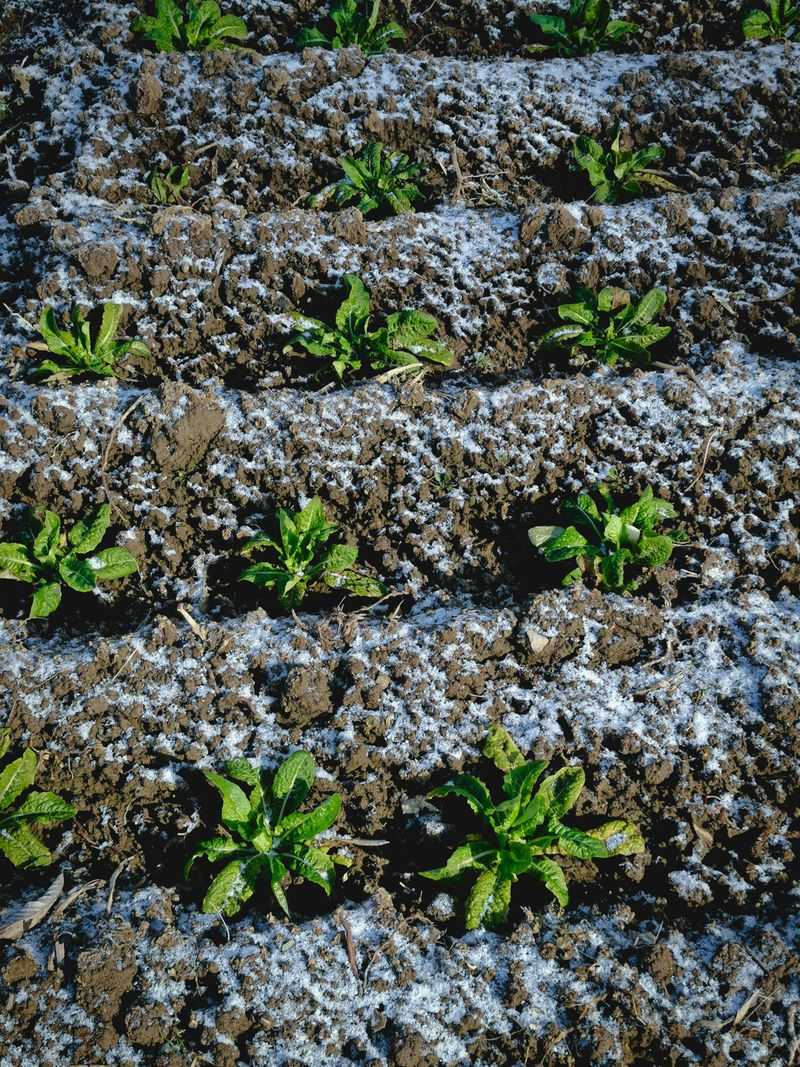
Are you gardening in Minnesota this spring? Then you know May weather can be unpredictable.
But that does not mean you have to sit on your hands waiting for warm days.
The secret is planting smart, not waiting for perfect.
They need you to stop hesitating and get them in the ground.
May in Minnesota is not an obstacle, it is actually your head start.
Cold-hardy crops actually love the cool temperatures that early May brings to the state, and planting them now gives your garden a serious head start.
Think of crops like spinach, kale, arugula, Swiss chard, and peas as your May best friends.
These plants can handle light frosts without any major problems, which makes them perfect for the unpredictable spring weather that Minnesota is known for. Spinach, for example, can survive temperatures down to about 20 degrees Fahrenheit once it is established.
Planting these crops early also means you can harvest them before the heat of summer arrives, giving you two full growing seasons in one bed.
Two harvests from the same raised bed while your neighbors are still waiting for their first tomato to ripen.
It is the kind of quiet gardening win that never gets old.
In a no-till raised bed, planting cold-hardy crops is even easier because your soil is already loose and ready to go.
Just press seeds gently into the surface of your compost-topped bed or transplant small seedlings without disturbing the layers underneath.
The undisturbed soil structure holds moisture better and keeps roots happy from the very first day.
Radishes are another great option because they grow so fast you can harvest them in as little as three weeks.
Garlic planted the previous fall is also well on its way up by May across most of Minnesota.
Getting these cool-season crops in the ground now means fresh food on your table much sooner, and that is always worth celebrating after a long Minnesota winter.
4. Cover Beds With Frost Cloth
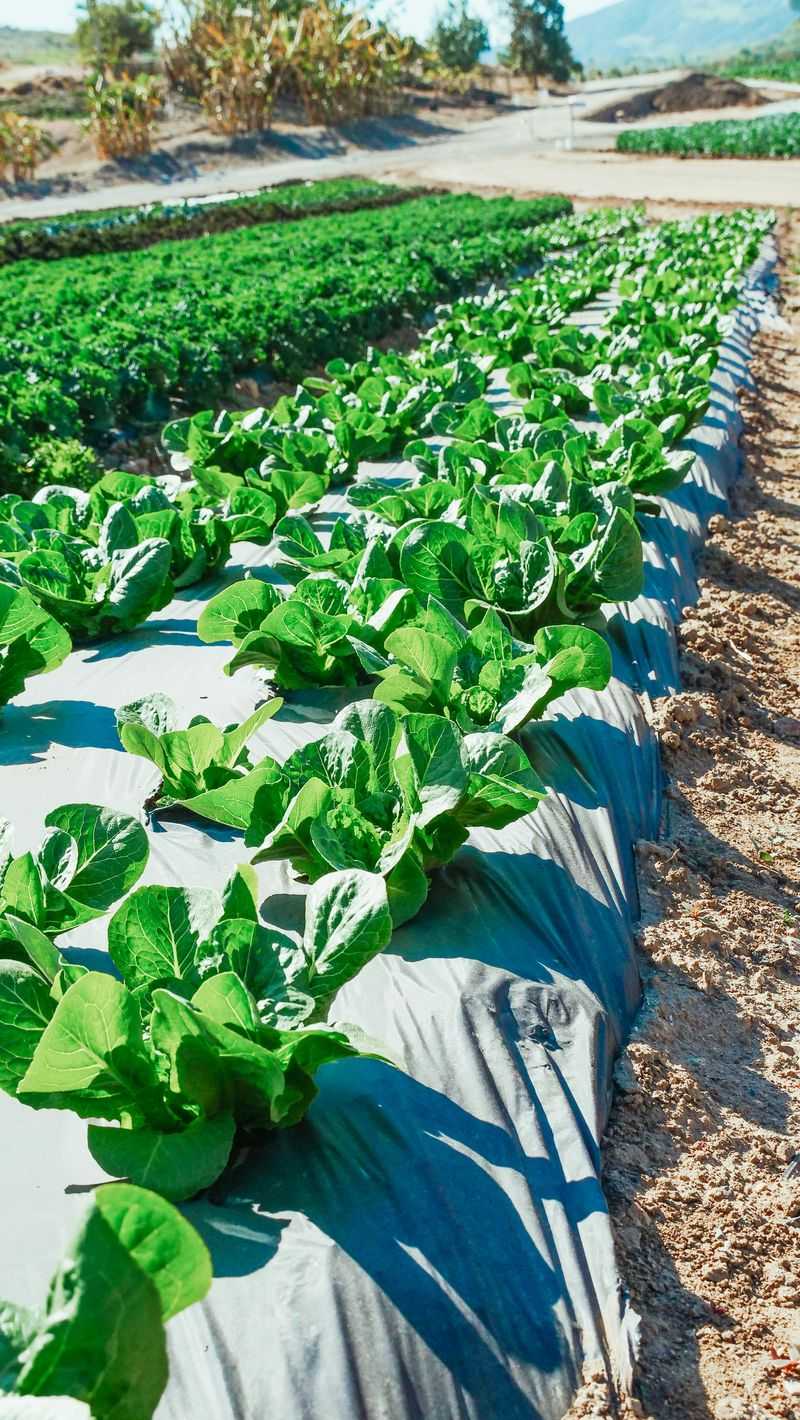
Late frosts in Minnesota are not just a possibility in May, they are practically a tradition.Even after a string of warm days, temperatures can drop overnight and catch gardeners off guard.
Frost cloth, also called row cover or garden fabric, is one of the simplest and most affordable ways to protect your plants and keep your growing season on track.
Frost cloth works by trapping heat that radiates up from the soil overnight, creating a small warm zone around your plants.Most standard frost cloth provides about four to six degrees of frost protection, which is often just enough to save your seedlings on a chilly Minnesota night.
It also lets rain and sunlight pass through, so you do not have to remove it every single day.
Draping frost cloth over your raised bed takes only a few minutes.Simply lay it loosely over your plants and secure the edges with rocks, sandbags, or garden staples so the wind does not blow it away.
For taller plants, you can use wire hoops to hold the fabric up off the leaves, which prevents any frost damage from direct contact.
Many Minnesota gardeners keep a roll of frost cloth handy from April all the way through Memorial Day weekend, just in case.It is reusable for several seasons if you store it properly after each use.
Having frost cloth ready to go means you can plant a week or two earlier than your neighbors and still sleep soundly when the forecast calls for a frosty night across the region.
5. Top-Dress Your Beds With Aged Wood Chips
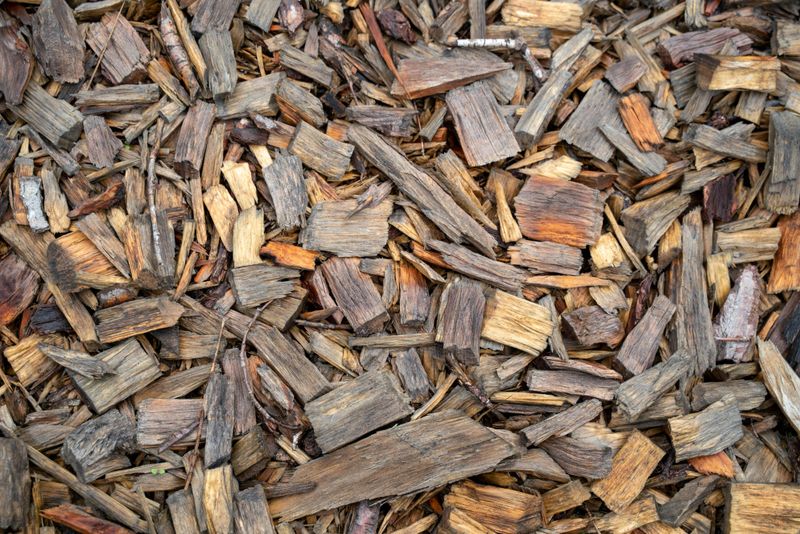
Have you ever walked past a pile of wood chips and thought, “That is not for me?”
Aged wood chips are one of those garden materials that gardeners either love immediately or overlook completely.
The ones who overlook them are missing out on one of the best kept secrets in no-till gardening.
Once you understand what they do for your soil, though, you will never want to garden without them again.
Spreading a layer of aged wood chips on top of your raised bed is a no-till method that mimics what happens naturally on a forest floor.
Fresh wood chips can temporarily tie up nitrogen in the soil as they break down, which is why aged chips are the better choice.
Aged chips have already started breaking down, and they feed soil fungi and microbes without competing with your plants for nutrients.
Look for wood chips that have been sitting in a pile for at least six months to a year before using them in your beds.
A two to three inch layer of aged wood chips on top of your raised bed helps hold moisture in the soil, which means less watering during dry Minnesota summer stretches.
They also regulate soil temperature, keeping roots cooler on hot days and warmer on cool nights.
Over time, they break down into rich organic matter that continues to improve your soil year after year.
Many Minnesota tree services and utility companies offer free wood chips, so it is worth calling around or checking apps like ChipDrop.
Just make sure you are getting aged chips, not fresh ones straight from the chipper.
Spread them around your plants but keep them a couple of inches away from stems to prevent any moisture-related issues at the base of your crops.
6. Use A Broadfork Instead Of Tilling
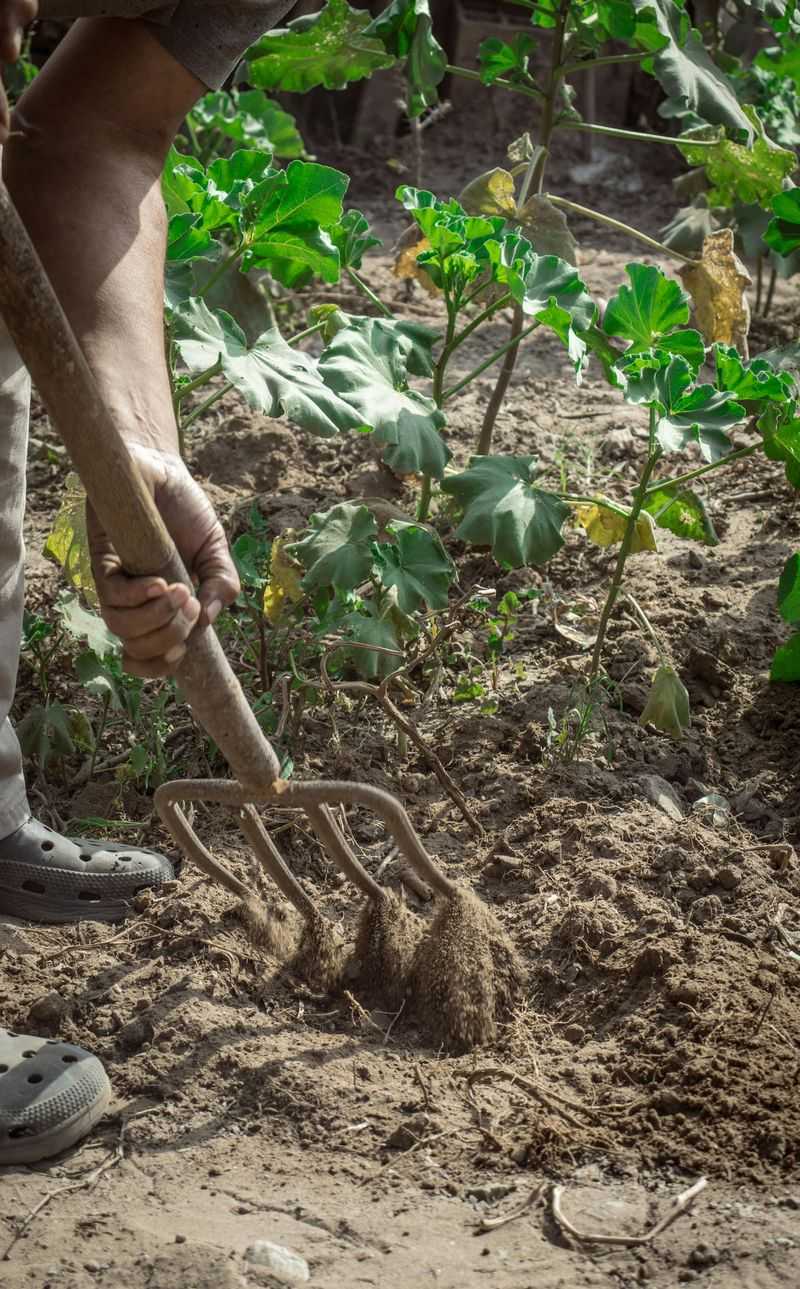
A broadfork looks a little like a giant salad fork, and once you use one, you will wonder how you ever managed without it.Unlike a rototiller, which chops up and destroys soil structure, a broadfork gently loosens compacted soil without turning it upside down.
That means your earthworms, fungal networks, and soil microbes stay right where they belong.
Using a broadfork is straightforward.You push the tines into the soil, lean back on the handles, and rock the fork gently to open up air pockets below the surface.
Then you pull it out and move about six inches forward and repeat.The whole process takes just a few minutes in a standard four-by-eight raised bed, and the difference in soil aeration is noticeable immediately.
In Minnesota, May soil can be dense and compacted after sitting under snow all winter.A broadfork breaks up that compaction without disrupting the layers of organic matter and microbial life that you have been building in your no-till bed.
Roots can then push down more easily, which leads to stronger plants and better harvests throughout the season.
Broadforks are available at garden supply stores and online, and a good one will last for many years with minimal maintenance.They come in different widths to fit raised beds of various sizes, so measure your bed before buying.
Gardeners across Minnesota who have switched from tilling to broadforking often say their soil feels noticeably more alive and productive within just one or two growing seasons of making the switch.
7. Add A Thick Straw Mulch Layer
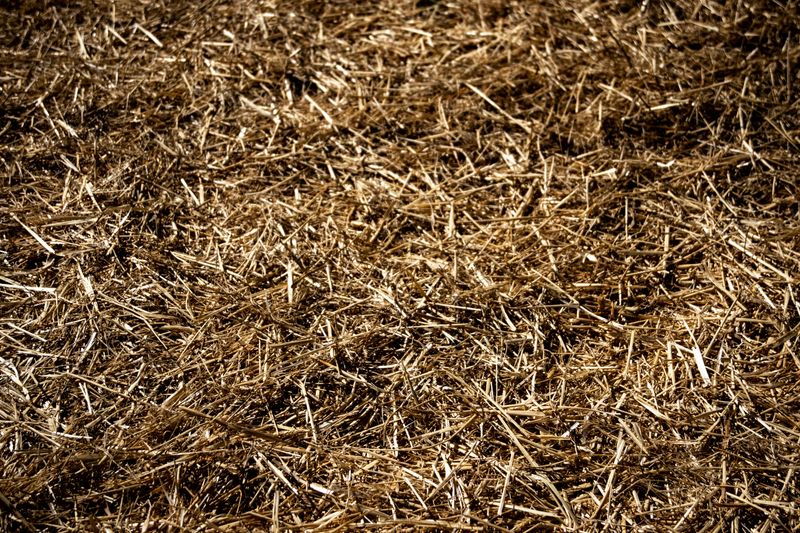
Straw mulch has been a gardening staple for generations, and there is a very good reason it has stuck around so long.
Spread a thick layer of straw over your raised bed in May and you immediately give your soil a protective blanket that does several jobs at once.
Minnesota springs can swing from warm and sunny to cold and rainy within the same week, and straw helps buffer those changes for your plants.
Make sure you are using straw, not hay.
Hay contains seeds that will sprout and create a weeding nightmare, while straw is just the hollow stems left after grain is harvested.
Since commercially grown straw may carry pesticide residue, look for organic or certified pesticide-free straw whenever possible, especially in a food garden.
A good straw mulch layer should be about three to four inches deep, which is enough to suppress most weeds while still letting water soak through to the soil below.
One of the best things about straw mulch is how it slows down water evaporation from your raised bed.
On hot, breezy Minnesota days in late May and early June, unprotected soil can lose moisture surprisingly fast.
Straw keeps that moisture locked in, which means your plants stay hydrated longer between waterings and your water bill stays a little lower too.
As the straw breaks down over the season, it adds organic matter to the top of your soil, continuing the no-till cycle of building rather than disrupting.
By fall, much of the straw will have decomposed enough to be worked into your compost pile or left in place as a protective layer over winter.
It is a low-cost, high-reward move for any Minnesota raised bed gardener.
8. Plant A Green Manure Cover Crop

Not every square inch of your raised bed needs to be producing food right now, and that is actually a good thing.Planting a green manure cover crop in any empty sections of your bed is one of the smartest moves a no-till Minnesota gardener can make in May.
Cover crops like crimson clover, buckwheat, or field peas grow quickly and do incredible things for your soil while they are in the ground.
Legume cover crops like clover and field peas fix nitrogen from the air and store it in the soil, which feeds your future vegetable crops without any synthetic fertilizer.That is basically free plant food being made right in your raised bed.
When you are ready to plant vegetables in that spot, just chop the cover crop down and leave it on the surface as mulch rather than tilling it under.
Cover crops also protect bare soil from erosion during Minnesota’s spring rainstorms, which can be surprisingly heavy in May.Their roots hold the soil in place and create channels that help rainwater soak in rather than run off.
This is especially valuable in raised beds where the soil is loose and more vulnerable to washing out during a downpour.
Fast-growing options like buckwheat can be ready to chop and drop in as little as four to six weeks, making them perfect for filling gaps between crop rotations.Many Minnesota seed suppliers carry cover crop mixes designed for shorter growing seasons.
Trying even a small patch of green manure this May could change the way you think about your raised bed garden forever.