Can An Oregon Neighbor Legally Cut Your Tree Roots After They Cross The Property Line?
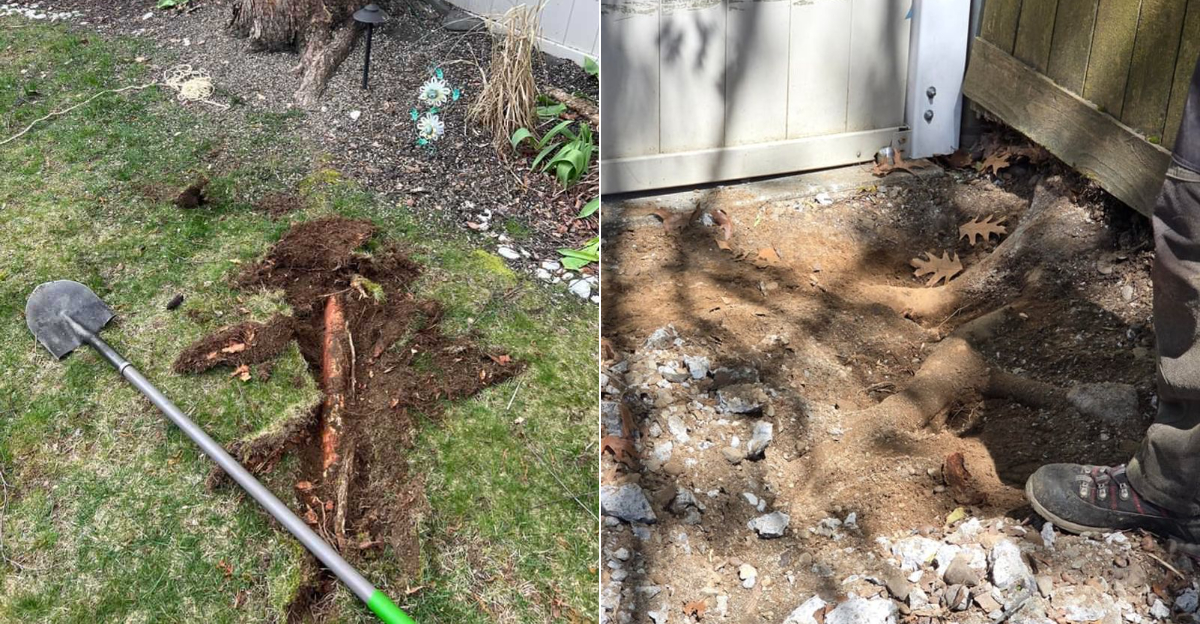
Tree roots have absolutely no respect for property lines. They spread wherever conditions suit them, which can become awkward when a tree growing happily in your Oregon yard sends roots beneath the fence and into a neighbor’s space.
Suddenly, a gardening issue can turn into a property dispute with a whole lot more tension than anyone expected.
Maybe the roots are lifting paving, creeping into a garden bed, or simply making a neighbor nervous about what could happen next.
Whatever sparks the concern, the obvious question soon follows: can they grab a shovel or saw and start cutting anything that crosses onto their side?
Trees, unfortunately, do not make neighborhood disagreements simple.
Property boundaries can seem straightforward above ground, but roots add an entirely different layer to the conversation.
Actions taken on one side of a fence can potentially affect a tree standing on the other, which makes knowing the rules especially important before anyone starts digging.
So, before a wandering root turns into a backyard battle, it is worth understanding what Oregon law may allow and where a neighbor’s rights could have limits.
1. Crossing The Property Line Changes The Rules
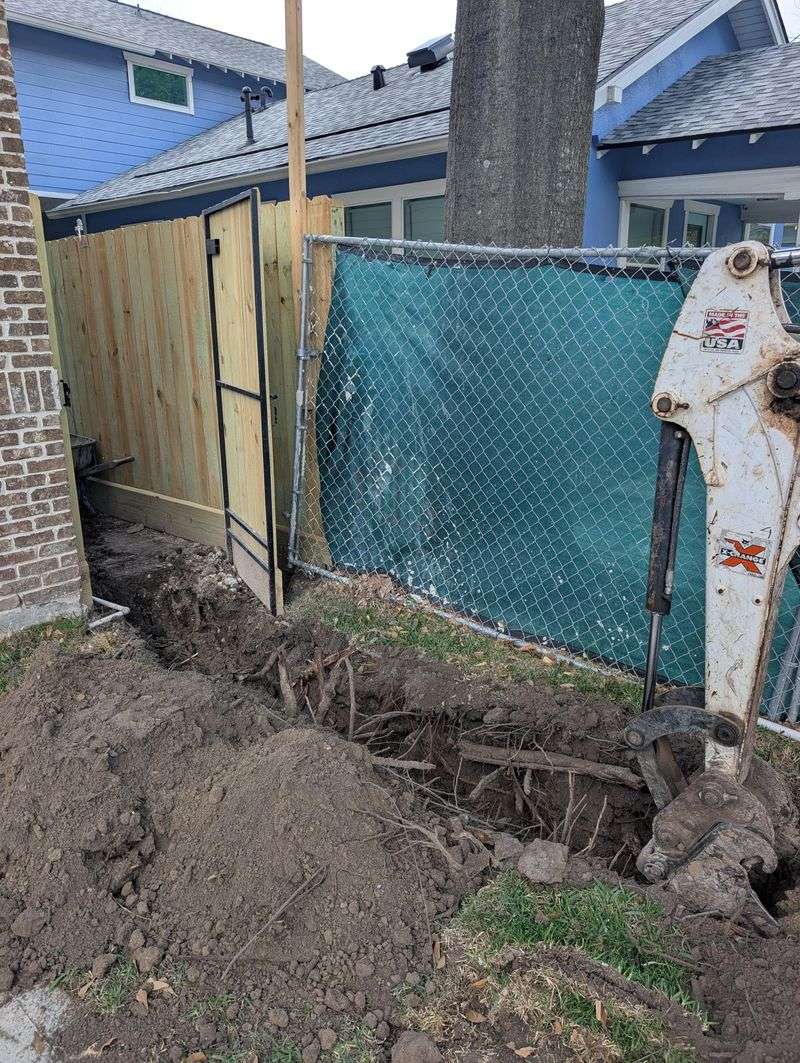
Once a tree root crosses the property line, the legal situation shifts in a real and meaningful way. Up until that point, the tree and everything attached to it belongs entirely to the tree owner.
But the moment those roots push into a neighbor’s yard, the neighbor gains certain rights over what is on their side.
Think of it like a fence. Whatever falls on your side is your business.
The same idea applies to tree roots. If the roots are growing under your neighbor’s lawn, they are technically trespassing on private property.
That gives the neighbor the legal standing to act, at least in a limited way.
In most states, including Oregon, the rule is based on something called the “Massachusetts Rule” or the “Hawaii Rule,” depending on the state.
Oregon generally follows the approach that lets neighbors handle encroaching roots on their own property without asking permission first.
However, that right is not unlimited. The neighbor cannot take action that goes beyond their property line or causes unnecessary harm to the tree.
Understanding where the property line actually sits is the first step. Many disputes start simply because neither party knows exactly where the line is.
Getting a professional survey done can clear things up fast and prevent a small disagreement from turning into a court case.
2. Your Neighbor May Be Allowed To Cut Roots On Their Side
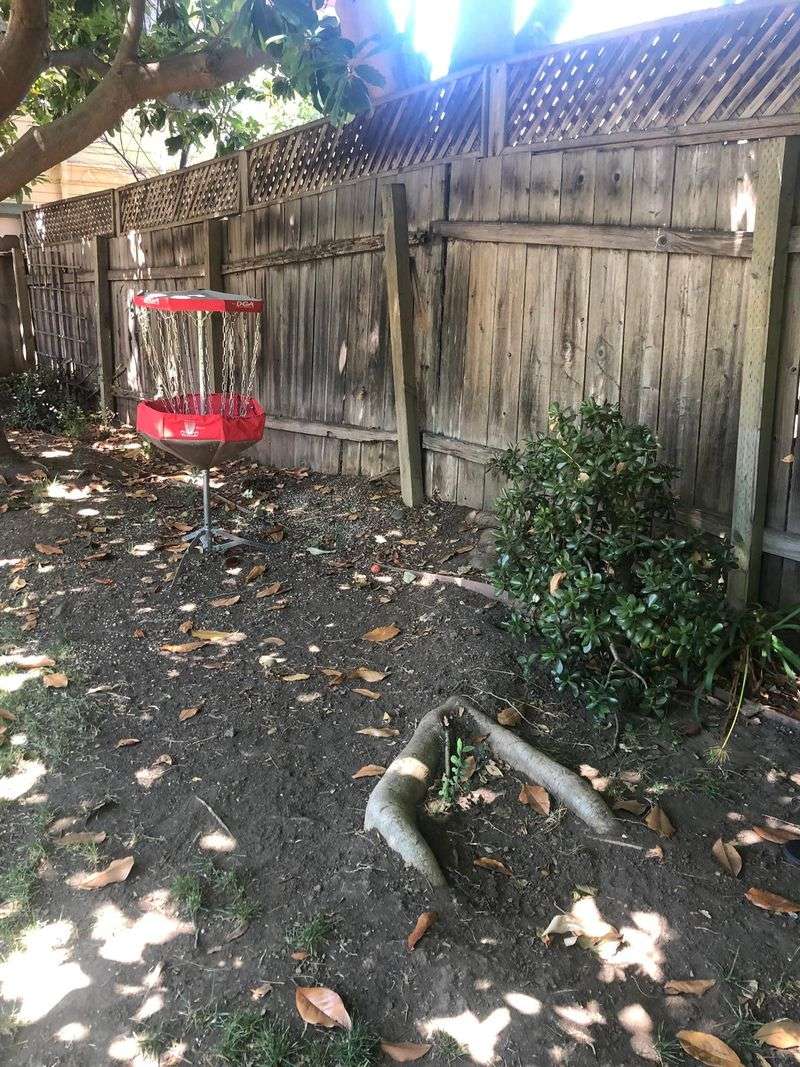
Many homeowners are surprised to learn that their neighbor has the right to cut tree roots that enter their property. This is actually a well-established legal principle in most U.S. states.
The basic idea is that a landowner has the right to protect their own property from encroachments, including roots and branches from a neighbor’s tree.
Your neighbor does not need your permission to cut roots that are on their side of the line. They can do it without warning in most cases.
Your Oregon Garden Changes Every Week. Your Plan Should Too.
Gardening in Oregon changes quickly throughout the season. Every Friday you’ll receive a simple weekly plan showing exactly what to plant, prune, fertilize, harvest, and protect so you never miss the right timing.
That might feel unfair, but the law sees it as a reasonable form of self-help. The neighbor is simply removing something that does not belong on their land.
That said, the right to cut does not mean the right to cause reckless harm. If the root cutting is done in a way that clearly and knowingly damages your tree, the neighbor could face legal consequences.
Courts have ruled on both sides of this issue depending on how extreme the damage was.
Talking to your neighbor before any cutting happens is always the smarter move. Many disputes are resolved with a simple conversation.
If you know the roots are spreading, offer to work together on a solution. Cooperation almost always beats confrontation when it comes to property line issues between neighbors.
3. But They Cannot Carelessly Harm The Tree
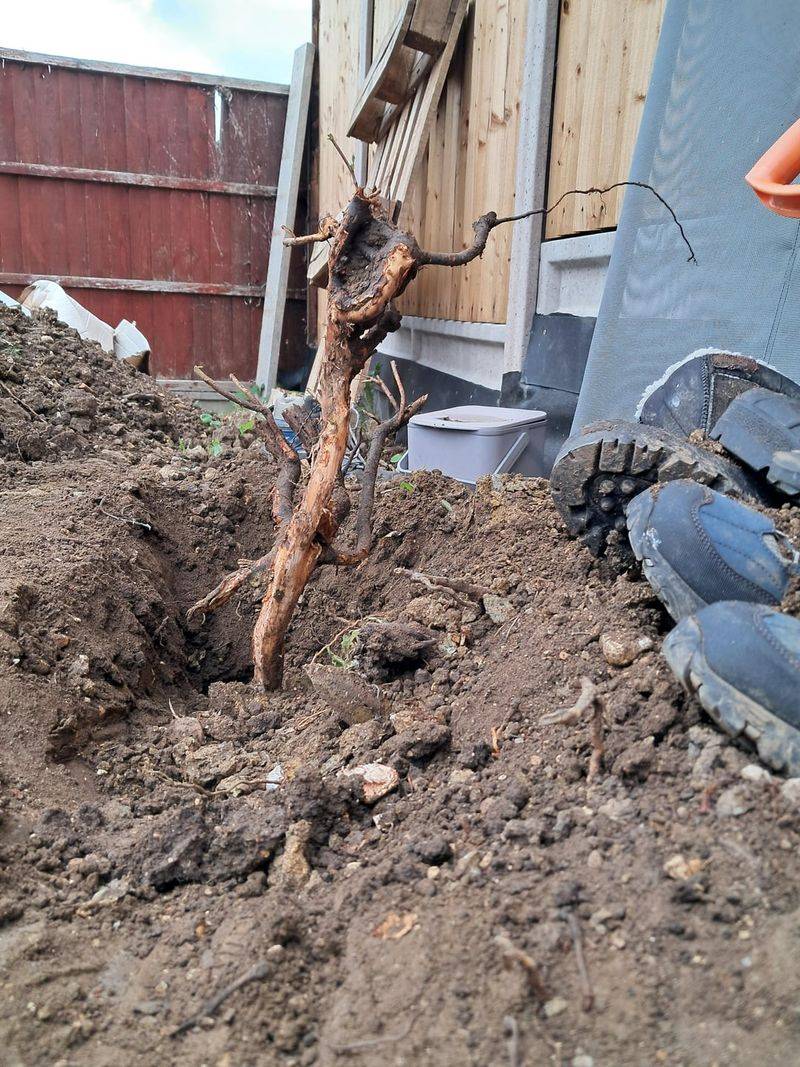
Just because a neighbor has the right to cut roots does not mean they can do it recklessly.
There is a clear difference between reasonable root trimming and actions that are designed to harm or destroy a tree. Courts across the country have drawn that line many times.
If a neighbor cuts roots in a way that is clearly excessive and causes the tree to suffer serious damage, they may be held legally responsible.
This is especially true if the cutting was done out of spite or with the clear intent to harm the tree rather than protect their property.
Spite-based actions are taken seriously in court. Oregon courts have recognized that while neighbors have self-help rights, those rights must be exercised reasonably. Cutting a few roots that are damaging a sidewalk or garden bed is reasonable.
Cutting dozens of major roots all the way around the base of the tree is a very different story.
If you believe your neighbor cut roots in a careless or intentional way that harmed your tree, you may have a legal claim. Document everything.
Take photos of the tree before and after. Get an arborist to assess the damage in writing. That kind of evidence is essential if the dispute ever goes before a judge or mediator.
4. Big Structural Roots Need Extra Caution
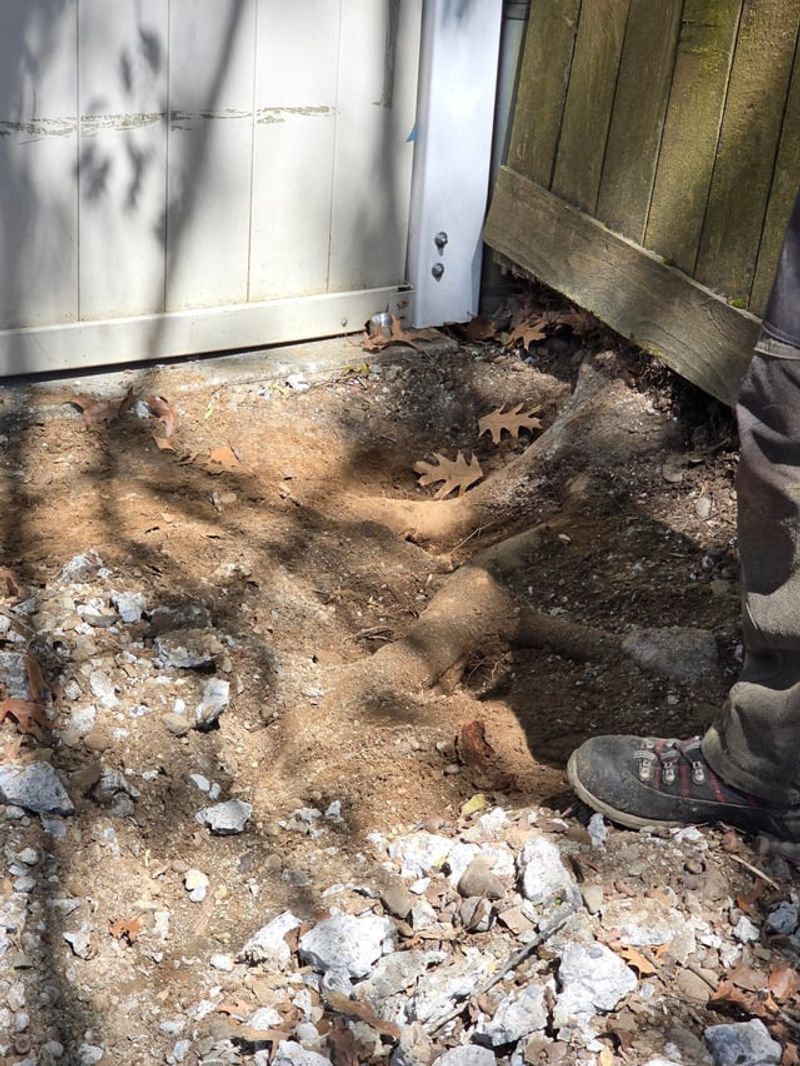
Not all roots are created equal. Some roots are small feeder roots that absorb water and nutrients.
Others are large structural roots that hold the entire tree in place. Cutting a structural root is a completely different situation from trimming a thin surface root.
Structural roots are the ones that anchor the tree to the ground. Remove too many of them, and the tree becomes unstable.
A tree that loses its structural roots can lean, shift, or even fall during a storm. That creates a serious safety risk for both properties and the people living nearby.
Even when roots cross the property line, a neighbor should think carefully before cutting a large structural root. The damage could be far greater than whatever problem the root was causing.
A cracked sidewalk is fixable. A fallen tree on a house or car is a much bigger problem.
If a neighbor cuts a major structural root and the tree later falls and causes damage, they could be held liable. The key question would be whether the neighbor acted reasonably or recklessly.
Courts look at the size of the root, how close it was to the trunk, and whether there were safer alternatives. Caution is always the right approach when dealing with large roots near the base of a tree.
5. Driveway Damage Can Make The Dispute More Serious
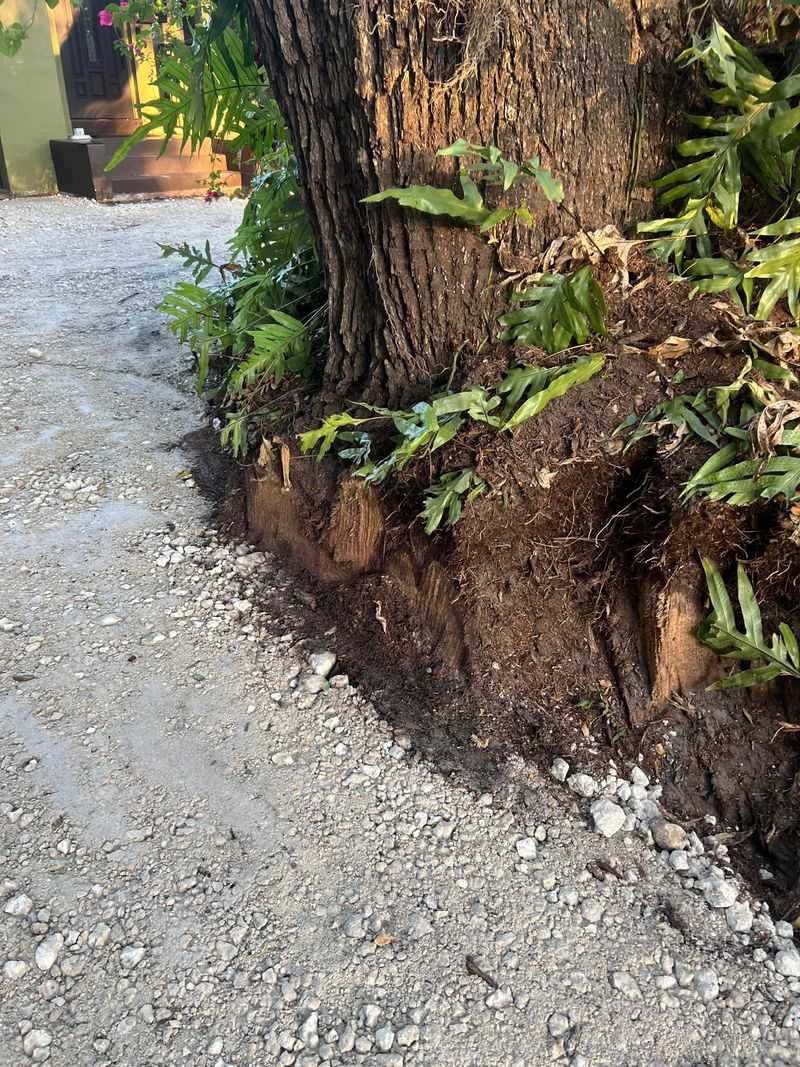
When tree roots start cracking a driveway, the stakes go up. A damaged driveway is not just an eyesore.
It is a real financial problem. Driveway repairs can cost thousands of dollars, and that changes how seriously both sides treat the dispute.
In these cases, neighbors often feel they have no choice but to act quickly. A driveway that is heaving and cracking becomes a tripping hazard and can lower property value.
Insurance companies may even get involved if the damage is significant enough. That adds a whole new layer of pressure to the situation.
From a legal standpoint, a neighbor who has documented driveway damage caused by encroaching roots has a stronger case for cutting those roots. The damage is visible, measurable, and costly.
That makes it easier to justify the action in court if things ever go that far.
Even so, the neighbor should still be careful about how they go about the root cutting. Hiring a professional is always the safest option.
A licensed arborist or tree care company can remove the damaging roots in a way that minimizes harm to the tree.
Going the professional route also shows good faith, which matters a great deal if the tree owner later decides to take legal action over the damage.
6. Cutting Too Close To The Trunk Can Backfire
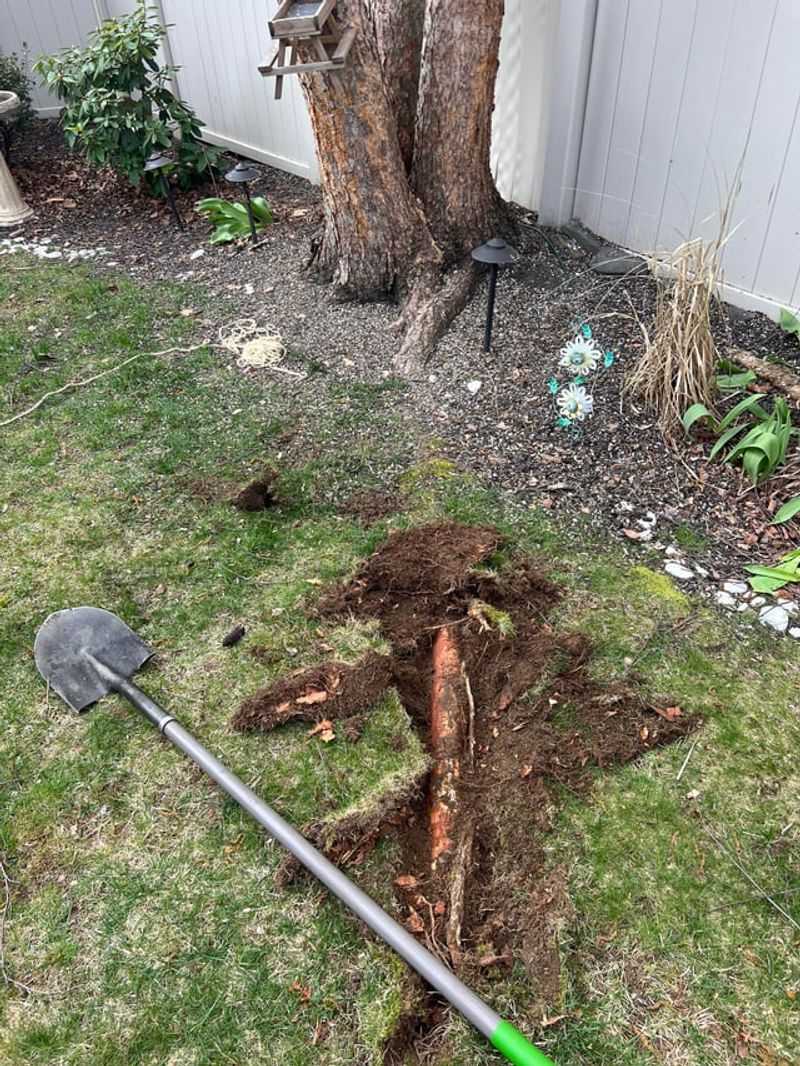
Here is something many people do not realize: the closer a root is to the trunk, the more critical it is to the tree’s health.
Roots near the trunk are often structural and are responsible for moving water and nutrients throughout the entire tree. Cutting them can cause serious and lasting damage.
Arborists generally recommend staying at least three to five times the trunk diameter away from the base when cutting roots.
So if a tree trunk is twelve inches wide, cutting should happen no closer than three to five feet from the trunk.
That zone is considered the tree’s critical root zone, and working inside it puts the tree at real risk.
A neighbor who cuts roots very close to the trunk may find themselves in legal trouble, even if the roots were on their side of the property line. The reason is that cutting in that zone is seen as going beyond reasonable self-help.
Courts have found neighbors liable in similar situations when the damage was severe and clearly connected to how close the cutting was done.
If you are a tree owner and you see your neighbor planning to cut roots near the trunk, speak up right away. You may even want to send a written notice.
Having that conversation on record protects you if damage occurs later. Timing matters when it comes to protecting your legal rights.
7. An Arborist Can Tell Which Roots Are Safe To Touch
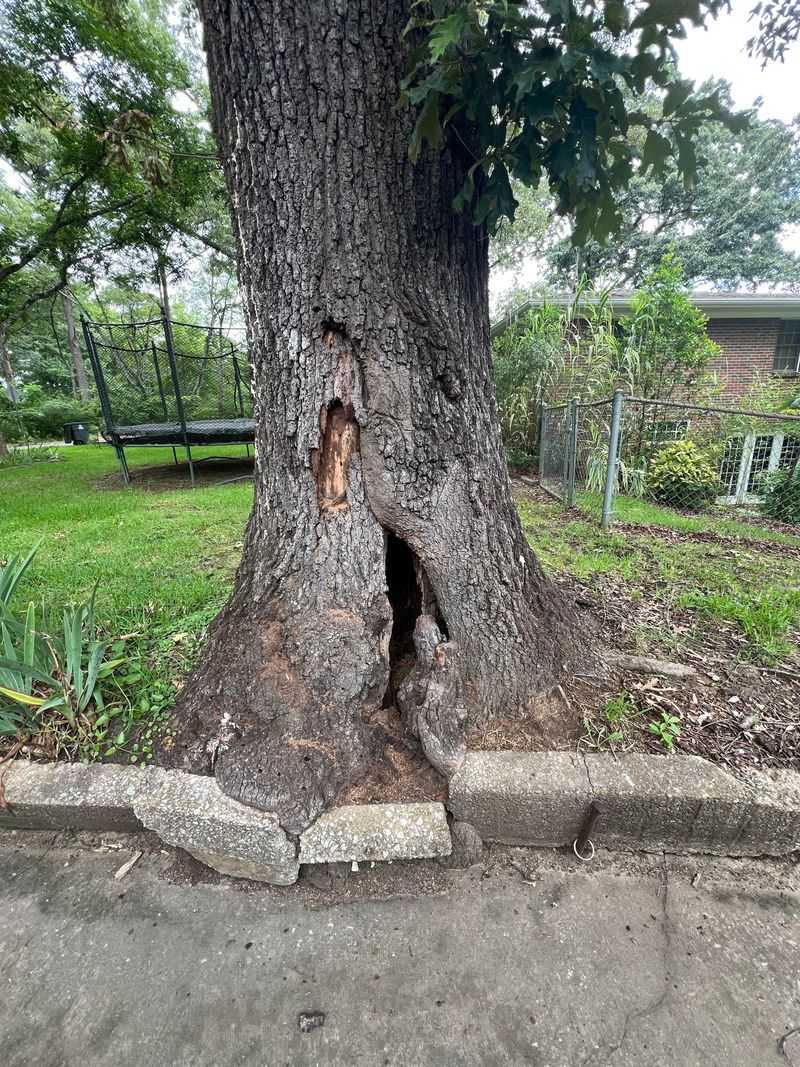
One of the smartest things either party can do in a tree root dispute is hire a certified arborist.
These are trained professionals who understand how trees grow, how roots function, and what happens when roots are cut.
Their expertise can prevent a small problem from becoming a very expensive one.
An arborist can assess the roots on both sides of the property line and give a clear recommendation.
They can identify which roots are structural, which ones are feeder roots, and which ones can be safely trimmed without hurting the tree. That kind of specific knowledge is hard to get anywhere else.
Getting a written report from a certified arborist is also valuable from a legal standpoint. If the dispute ever ends up in court or before a mediator, that report becomes important evidence.
It shows that reasonable steps were taken to understand the situation before acting.
Both neighbors can benefit from hiring an arborist together and splitting the cost. It shows good faith on both sides and leads to a solution that protects everyone’s interests.
Many tree disputes in Oregon and across the country have been resolved this way without any legal action at all.
A professional opinion often takes the emotion out of the situation and focuses both parties on the facts, which is exactly where a productive conversation needs to start.
8. Property Lines Matter More Than Where The Tree Trunk Sits
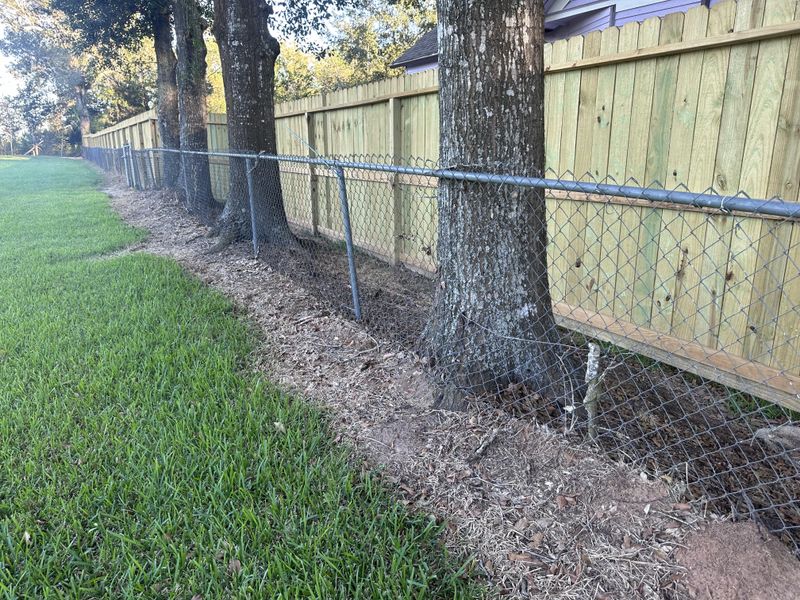
A lot of people assume that whoever owns the land where the tree trunk stands owns the whole tree. That is mostly true, but it does not tell the whole story.
When roots and branches cross the property line, the rules get more complicated, and location matters a lot.
In some cases, a tree trunk sits right on the property line. When that happens, the tree is considered a “boundary tree” and both neighbors share ownership.
Neither one can remove or significantly alter the tree without the other’s agreement. That shared ownership also means shared responsibility for any damage the tree causes.
Even when the trunk is entirely on one side, the roots that cross into the neighbor’s yard are subject to that neighbor’s rights.
The tree owner cannot claim full control over roots that have traveled onto someone else’s land. That is simply not how property law works.
Getting a professional land survey is the most reliable way to settle questions about where the property line actually is.
Surveys are not expensive compared to the cost of a legal dispute, and they remove all guesswork from the situation.
Once the line is clearly established, both neighbors know exactly what rights they have and where those rights begin and end. In Oregon, local county offices can also help point you toward surveying resources if you are not sure where to start.