Can Oregon HOAs Legally Ban Native Plants And Wildflower Patches From Front Yards?
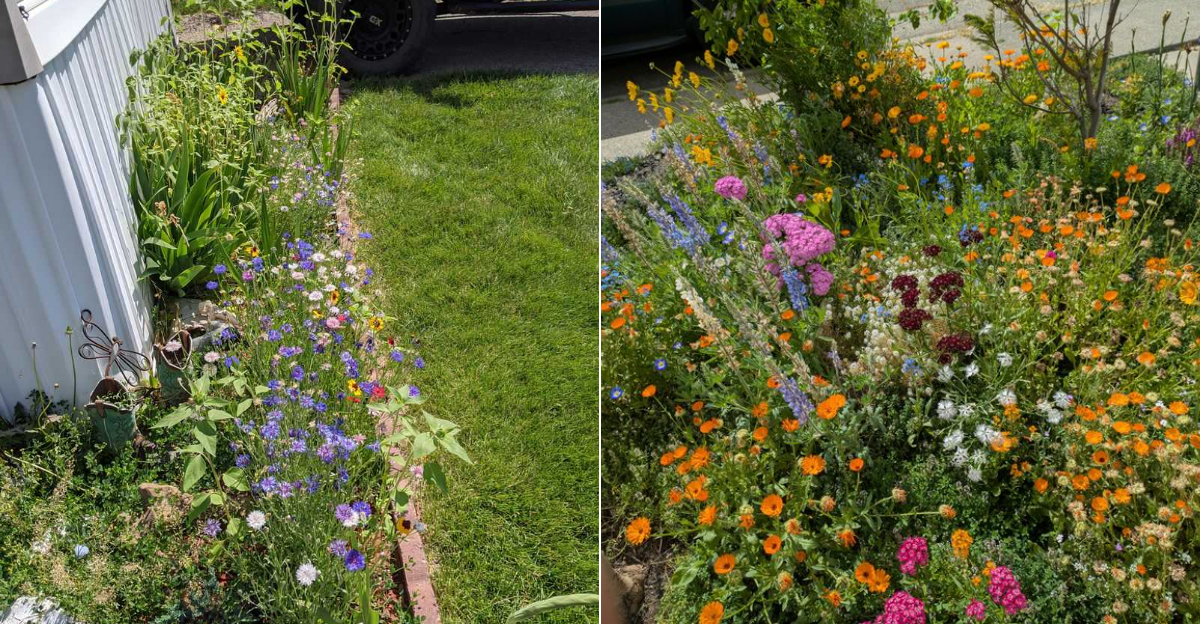
A front yard bursting with Oregon wildflowers, happy bees, and plants that actually belong there should feel like a win.
Then the HOA rolls up with a clipboard and suddenly your sweet little pollinator patch is being treated like a neighborhood scandal.
More Oregon homeowners are ditching thirsty lawns for native plants that save water, support wildlife, and give their yards way more personality than another rectangle of grass.
But some HOAs still prefer the “everyone’s yard must look like it was copied and pasted” approach.
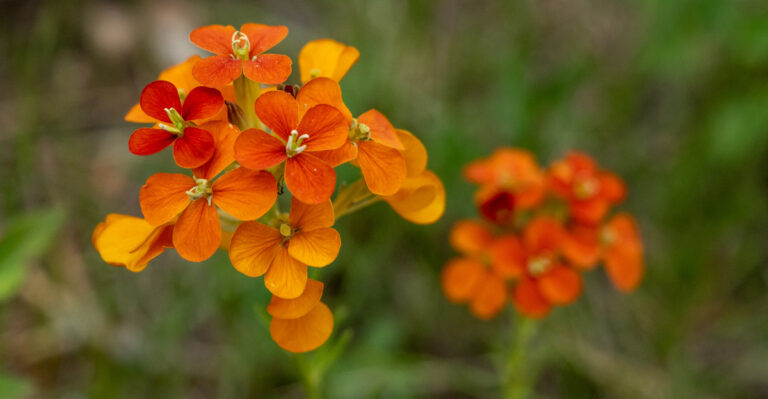
So what happens when your camas, lupine, yarrow, or meadow-style planting clashes with the rules?
Can your HOA legally make you tear it all out, or do Oregon homeowners have some room to go wild, responsibly?
The answer depends on state law, your HOA documents, and how polished your planting looks. Time to see where your wildflowers stand before the next letter lands.
1. Oregon HOAs Can Still Set Yard Rules
Most people assume that if something is good for the environment, no one can stop them from doing it. That is not always true when an HOA is involved.
Homeowners associations have the legal right to set and enforce rules about how yards look, what can be planted, and how the property must be maintained.
When you buy a home in an HOA community, you sign a contract agreeing to follow the CC&Rs. Those are the covenants, conditions, and restrictions that govern the neighborhood.
These documents can include very detailed rules about landscaping, plant height, color schemes, and yard upkeep.
Oregon law does not completely take away an HOA’s power to regulate landscaping. Even if a plant is native to Oregon, the HOA can still say it does not meet community standards.
The key is whether the HOA rule is clearly written and consistently enforced.
If you want to plant native species, read your CC&Rs carefully first. Look for any language about natural landscaping, wildflowers, or plant height limits.
Some HOAs have updated their rules to allow more eco-friendly options, while others have not.
Talking to your HOA board before planting anything new is always a smart move. Getting written approval protects you from fines later.
Knowing the rules upfront saves you time, money, and frustration down the road.
2. Native Plants Are Not Automatically Exempt
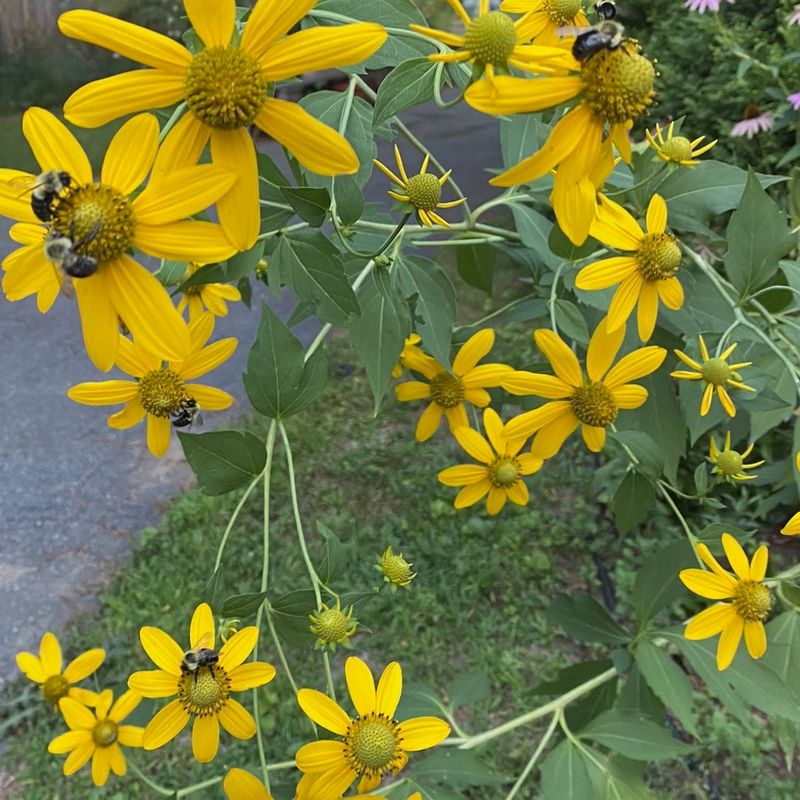
A common belief among gardeners is that native plants are protected by law and cannot be restricted. That belief sounds reasonable, but it does not hold up in most HOA situations.
Being a native species does not give a plant automatic legal protection from HOA rules in our state.
Oregon has made some progress in protecting water-efficient landscaping, but those protections are limited. They mostly apply to preventing HOAs from banning drought-tolerant plants outright, not from regulating how a yard looks overall.
There is a big difference between those two things.
Some native plants can grow tall, spread quickly, or look wild and unkempt if not managed. An HOA may argue that even a native plant garden violates rules about maintenance or appearance.
Your Oregon Garden Changes Every Week. Your Plan Should Too.
Gardening in Oregon changes quickly throughout the season. Every Friday you’ll receive a simple weekly plan showing exactly what to plant, prune, fertilize, harvest, and protect so you never miss the right timing.
Courts have generally allowed HOAs to enforce those kinds of rules as long as they are applied fairly.
The best approach is to treat native plants the same way you would any landscaping project. Plan the layout carefully.
Choose species that stay tidy and do not overtake the yard. Keep edges clean and remove any withered growth regularly.
Showing your HOA that you have done your research and have a clear plan can make a big difference. Many boards respond better when they see a homeowner taking the project seriously.
Preparation and communication go a long way in these situations.
3. Wildflower Patches Need A Planned Look
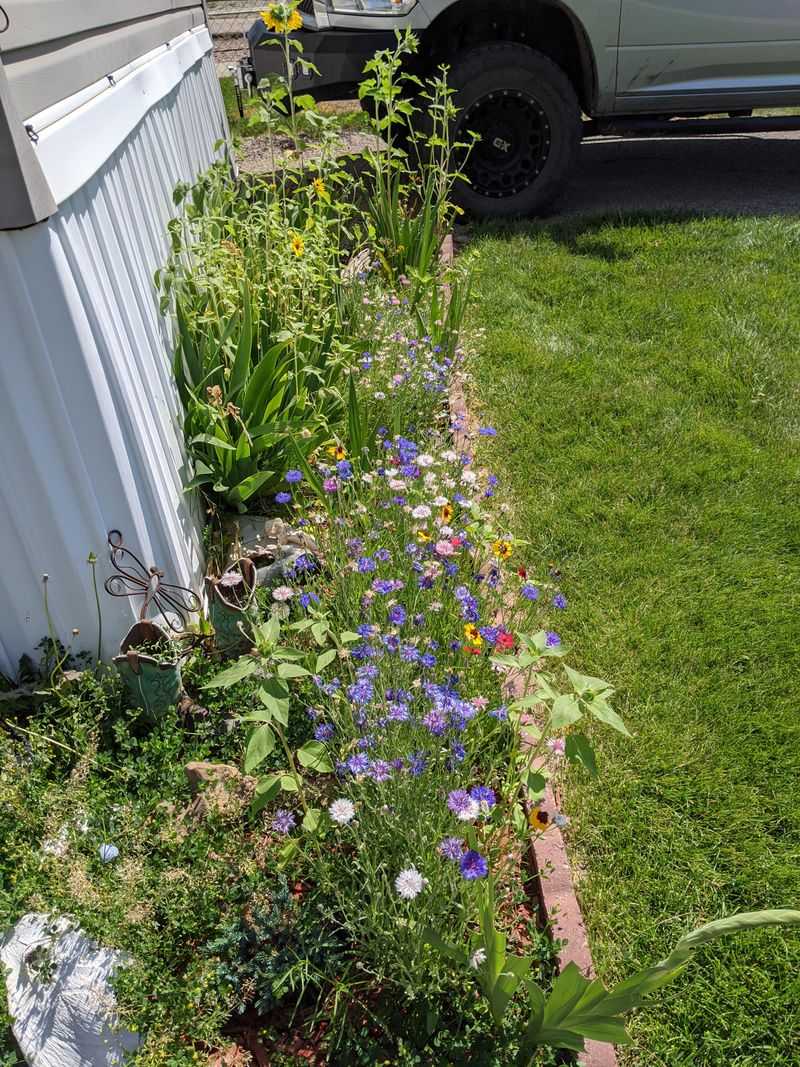
Few things brighten up a yard like a wildflower patch bursting with color. But to an HOA board, an unplanned wildflower area can look a lot like a neglected lawn.
The difference between a beautiful garden and a messy yard often comes down to how intentional it looks.
HOAs tend to focus on visual standards. If a wildflower patch has no clear borders, no mulch, and no visible structure, it may trigger a complaint.
Even if every plant in that patch is native to our state, the overall appearance matters just as much as the plant selection.
Creating a wildflower patch that looks intentional is not hard, but it does take some planning. Start by defining the edges with a clean border, either using stones, metal edging, or a neat mulch line.
That simple step signals to neighbors and HOA inspectors that the yard is being cared for.
Choose a mix of wildflowers that bloom at different times of the year so the patch never looks bare or abandoned. Add a small sign identifying the plants as native species.
That small detail can shift how people perceive the space.
A well-designed wildflower patch is harder to argue against than a random cluster of plants.
When the garden looks thoughtful and tended, most HOA boards have less reason to object. Presentation really does matter in these conversations.
4. Drought Rules Can Change The Conversation
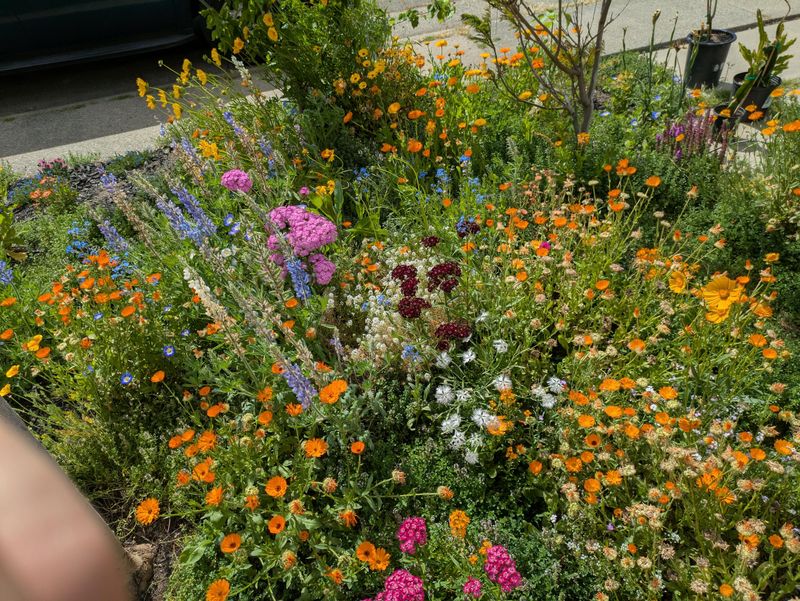
Water conservation has become a serious topic across our state, especially during dry summers when local governments issue watering restrictions.
When drought conditions are declared, the rules around yard maintenance can shift in ways that benefit homeowners who have already planted native or low-water gardens.
Oregon has taken steps to prevent HOAs from forcing homeowners to maintain lawns that require heavy watering during drought emergencies.
Some local ordinances limit how much an HOA can penalize a homeowner for a brown lawn during a water shortage. That protection is real, but it is narrow.
Drought protections do not give homeowners a blank check to plant anything they want. They mainly protect against fines for not watering during official restrictions.
They do not override rules about what types of plants are allowed or how the yard should be arranged.
Still, drought conversations can open doors. If you approach your HOA with data about water savings and local conservation goals, many boards will listen.
Framing your native garden as a water-smart choice puts you on the right side of a growing environmental conversation.
Some HOAs have voluntarily updated their rules to encourage low-water landscaping after drought seasons.
Getting involved in that process, whether by attending meetings or submitting proposals, gives you a real chance to shape the rules in your community. That kind of participation pays off over time.
5. Xeriscaping Has More Legal Protection Than Messy Beds
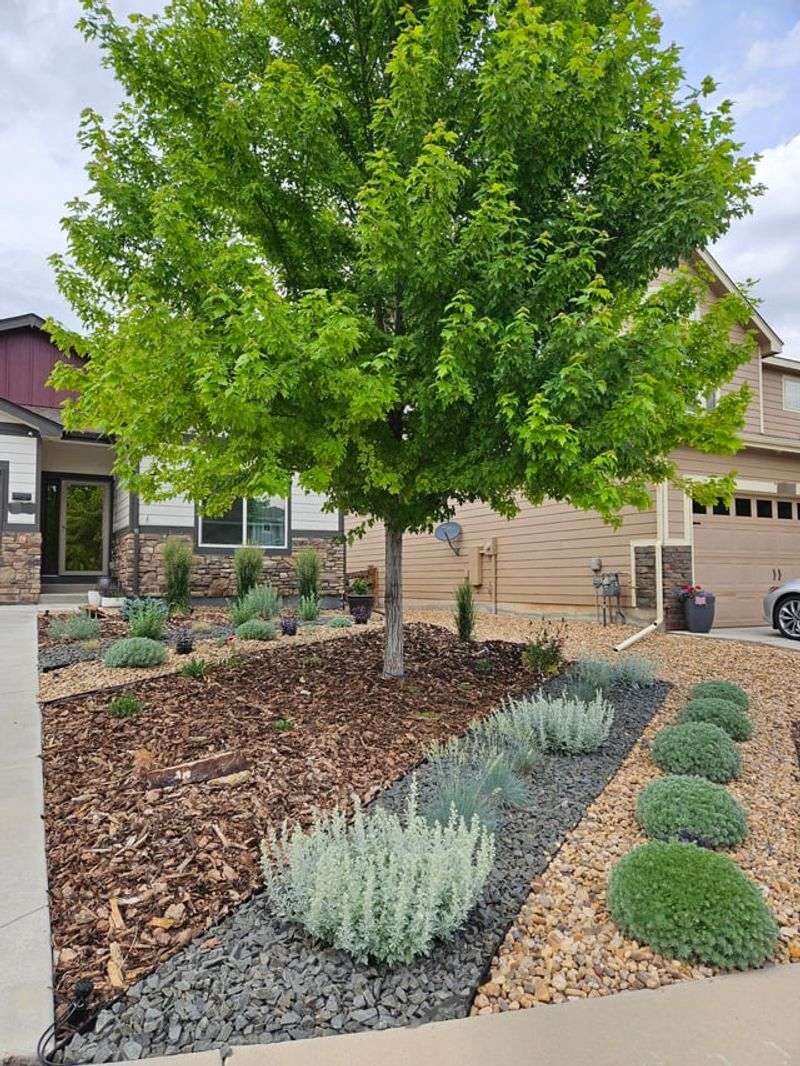
Not all eco-friendly landscaping styles are treated the same under the law. Xeriscaping, which is a method of designing yards to use very little water, tends to have stronger legal backing than informal wildflower beds or unstructured native plantings.
That difference matters when dealing with an HOA. Oregon has moved toward protecting xeriscaping because it directly supports water conservation goals.
Some HOA rules that once banned gravel, rocks, or drought-tolerant plants have been challenged successfully when homeowners pointed to water-saving benefits.
Courts and local governments have generally been sympathetic to those arguments.
The key feature of xeriscaping is that it looks designed. Gravel paths, defined plant groupings, decorative rocks, and mulched beds all signal intention and care.
That visual structure is exactly what most HOAs want to see, even if the plants themselves are unconventional.
Combining native plants with xeriscape design principles gives you the best of both worlds. You get the ecological benefits of native species and the legal protection that comes with a recognized landscaping style.
It is a smart strategy for homeowners who want to go green without constant HOA friction.
Before starting any xeriscape project, check your CC&Rs for language about hardscaping, impervious surfaces, or gravel coverage.
Some HOAs limit the percentage of a yard that can be covered with non-plant materials. Knowing those limits ahead of time keeps your project on solid ground.
6. Approval Rules May Still Apply Before Planting
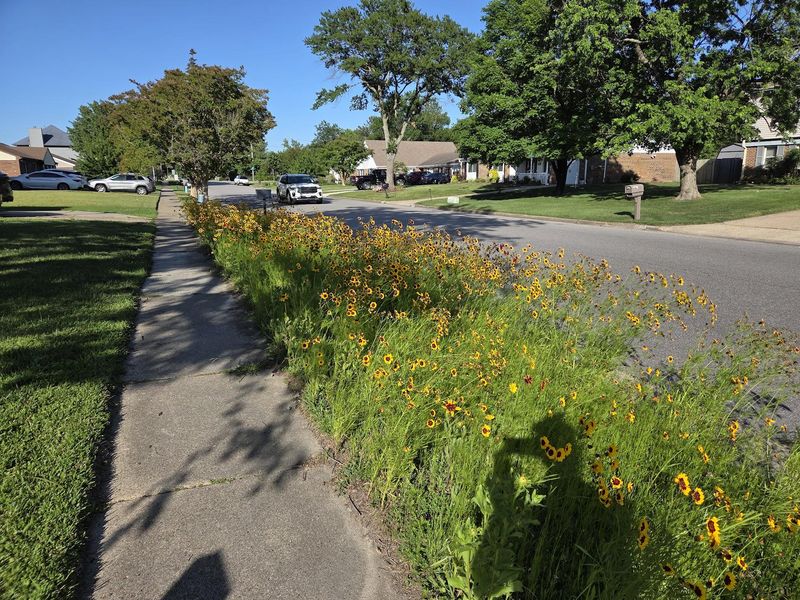
Even when native plants and water-wise gardens are technically allowed in your community, that does not always mean you can start planting without permission.
Many HOAs require homeowners to submit a landscaping plan and get written approval before making any significant changes to a front yard.
Skipping the approval process is one of the most common mistakes homeowners make. You might plant a beautiful, well-designed native garden only to receive a violation notice because you did not go through the proper channels.
That situation is frustrating and entirely avoidable. Approval processes vary widely between communities. Some HOAs have a simple one-page form and respond within a week.
Others have full architectural review committees that meet monthly and require detailed drawings, plant lists, and material samples. Knowing what your HOA requires saves you from delays and surprises.
When submitting your plan, include as much detail as possible. List every plant by its common and scientific name.
Show where each plant will be placed. Explain the maintenance plan and how you will keep the yard looking neat throughout the year.
A thorough submission shows the HOA board that you are a responsible homeowner who takes community standards seriously.
Boards are much more likely to approve a plan that looks professional and well thought out.
Putting in that extra effort upfront protects your project from being rejected on vague or subjective grounds.
7. Tall Weeds Are Easier To Ban Than Native Gardens
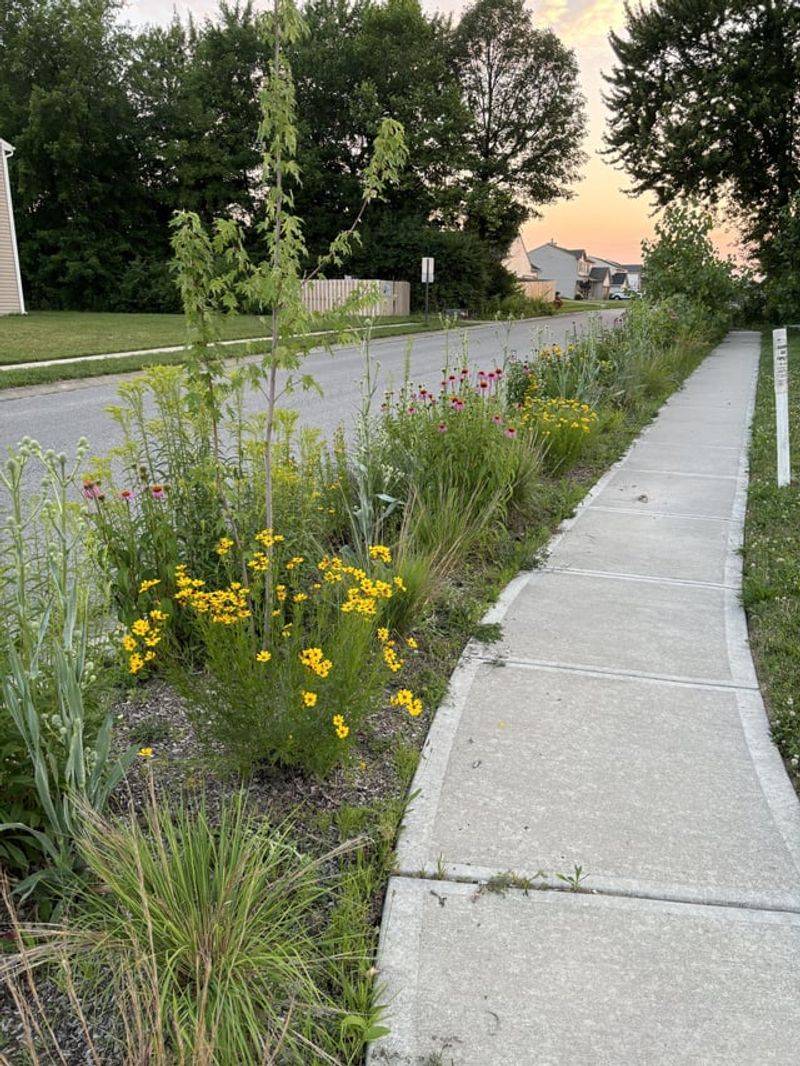
There is a legal difference between a native plant garden and a yard full of tall weeds, even though they can look similar to an untrained eye.
HOAs and municipalities generally have an easier time enforcing rules against weeds than against documented native plantings.
That distinction is worth understanding before any dispute arises.
Most cities and counties in our state have weed ordinances that allow them to require property owners to cut down overgrown vegetation.
These ordinances typically define weeds as plants that are invasive, non-native, or that grow above a certain height, often six to twelve inches.
Native plants may or may not fall under that definition depending on local rules.
The problem is that many people, including some HOA board members, cannot tell the difference between a native wildflower and a common weed. That confusion can lead to unfair complaints and enforcement actions.
Protecting yourself means being proactive about documentation. Keep a record of every plant in your yard. Photograph them regularly and note their names.
If a complaint is filed, having clear documentation that your plants are intentionally chosen native species gives you a much stronger defense than simply saying your yard is natural.
Some homeowners have successfully pushed back against weed citations by providing botanical records and connecting with local native plant societies.
Having expert support behind your garden makes it much harder for an HOA or city to treat it like a neglected lot.
8. A Maintained Border Can Prevent Complaints
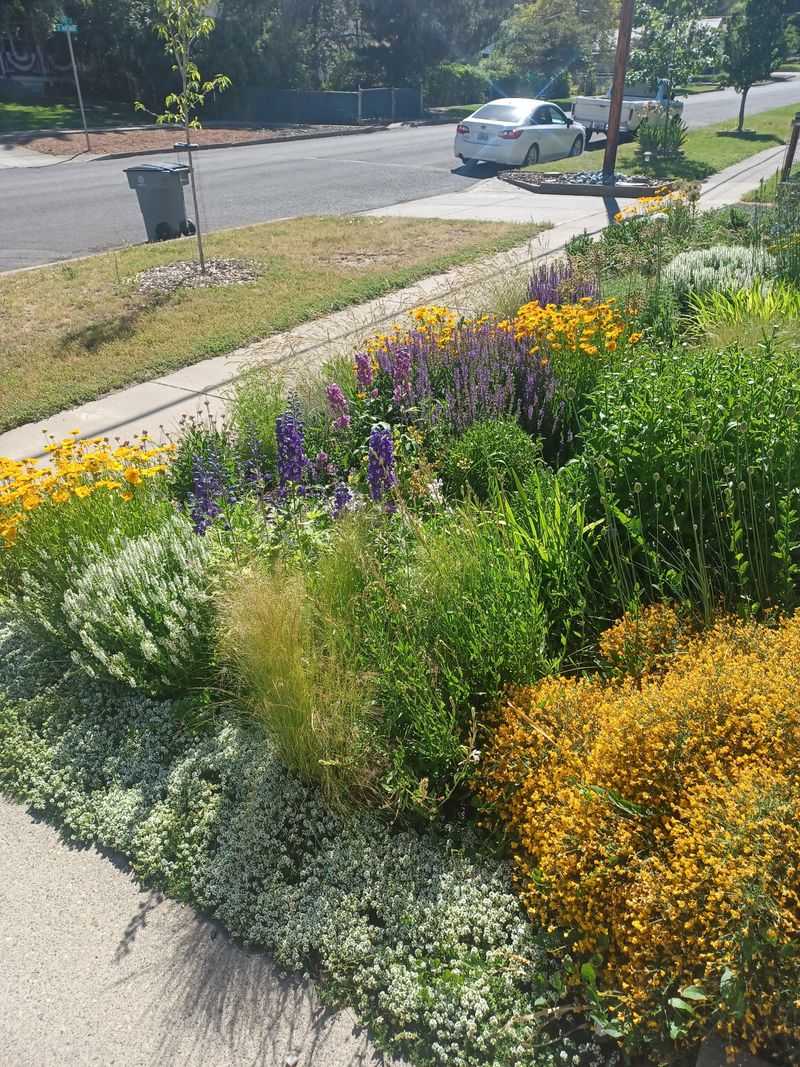
One of the simplest and most effective ways to protect a native plant garden from HOA complaints is to keep a clean, clearly defined border around it.
That single design choice can change how the entire yard is perceived by neighbors and board members alike.
Borders communicate intention. A yard with clean edges, whether from stone, metal, wood, or dense low-growing plants, signals that someone is actively managing the space.
Without a border, even the most thoughtfully chosen native garden can look like it was simply left to grow on its own.
Mulch is another powerful tool. A layer of bark mulch or wood chips around the base of plants keeps the ground looking tidy and reduces the appearance of bare soil or random growth.
It also helps retain moisture, which benefits the plants themselves.
Regular maintenance matters just as much as the initial design. Trim back plants that spill over the border.
Remove any truly invasive species that sneak in. Pull visible weeds before they get tall enough to attract attention.
Keeping up with small tasks prevents bigger problems.
Adding a small, tasteful sign that identifies your yard as a native habitat garden or a certified wildlife-friendly space can also shift perceptions.
It reframes the garden as an intentional environmental project rather than an overlooked lawn.
That framing has helped many Oregon homeowners avoid HOA conflicts entirely and build goodwill with their neighbors at the same time.