Can Oregon Homeowners Legally Trim Neighbors Overhanging Branches If They Drop Debris?
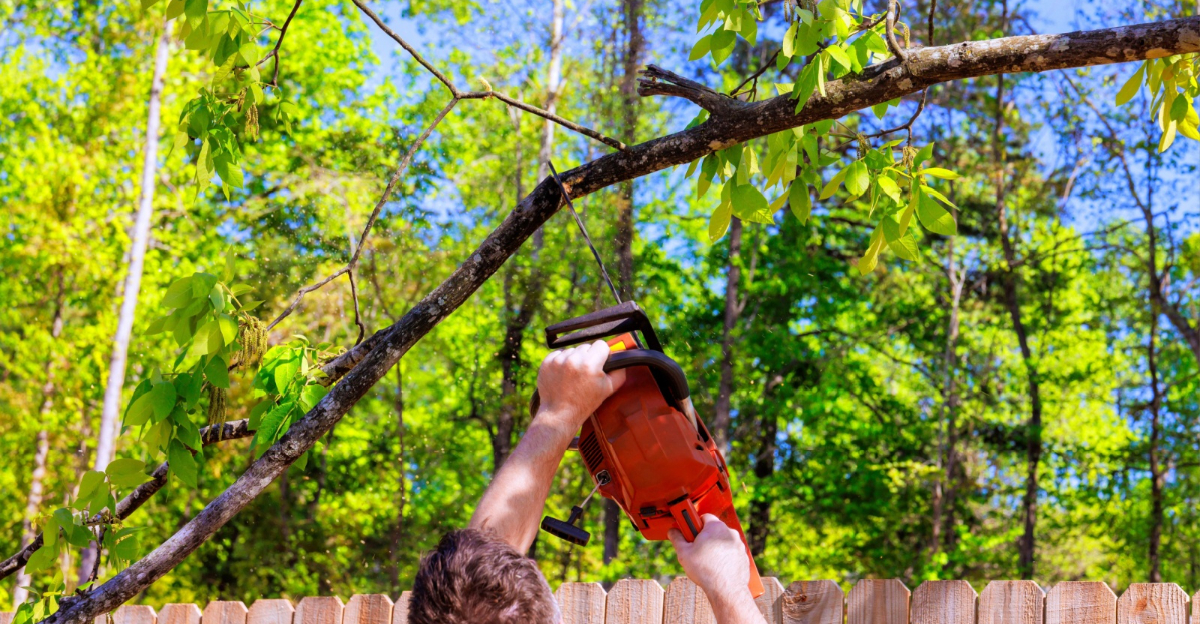
Few neighborhood situations escalate quite as reliably as the overhanging tree branch situation. It starts innocently enough.
A few leaves in the fall, maybe some twigs on the patio, and then suddenly there is a full branch hanging over your fence like it pays rent on your side of the property.
Oregon homeowners deal with this more often than you might expect, and the good news is that the law does give you some real options.
The less good news is that those options come with limits that are worth understanding before you grab the loppers and start cutting.
Debris alone does not give you unlimited trimming rights, city ordinances can add extra layers of complexity, and getting it wrong can turn a simple yard dispute into an expensive legal conversation nobody wanted to have.
1. Oregon Law Lets You Trim Past-The-Line Branches

Limbs hanging low over a backyard fence are one of the most familiar tree complaints in Oregon neighborhoods. The good news is that Oregon property law generally supports a homeowner’s right to trim branches that cross onto their side of the property line.
You do not need your neighbor’s permission to cut the parts of their tree that have grown into your yard, as long as you stay on your own property while doing the work.
That said, this right comes with some meaningful conditions. You can only cut branches up to the property line, and you are responsible for the cost of that trimming.
If you hire a certified arborist to handle the job, you typically pay that bill yourself. Your neighbor is not legally required to cover your pruning costs just because their tree grew in your direction.
Pruning should also follow recognized arboricultural standards. Making random or aggressive cuts that damage or destroy the tree could create legal liability for you, even if the branches were technically on your side of the line.
Oregon courts have recognized that seriously damaging or destroying a neighbor’s tree through careless pruning can lead to a claim for damages.
Before picking up any pruning tools, it helps to know exactly where your property line sits. A survey can confirm the boundary if there is any doubt.
Starting with accurate information protects you and gives you confidence that the trimming you plan is within your legal rights.
2. Your Pruning Rights Stop At The Property Line
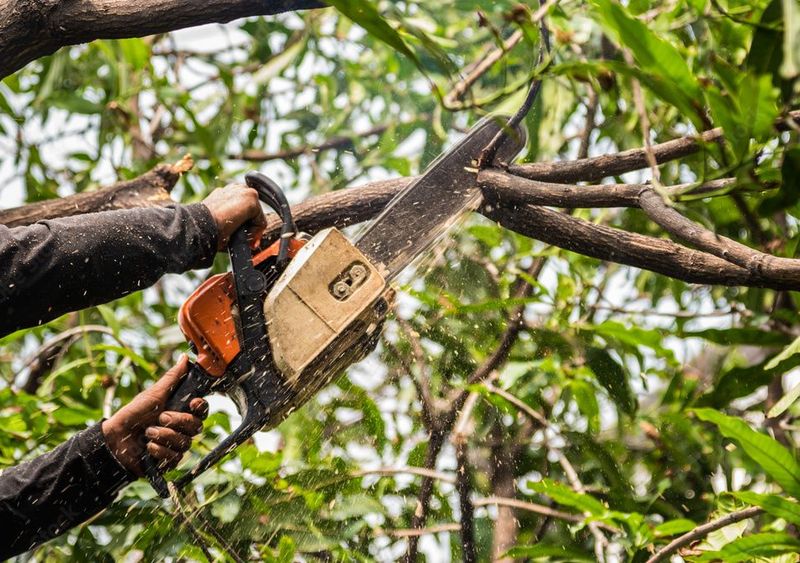
Knowing where your trimming rights end is just as useful as knowing where they begin. A pruning job that goes too far can turn a simple yard maintenance task into a costly legal dispute with your neighbor.
The property line is the firm boundary for any trimming you do on a tree that belongs to someone else.
Stepping onto your neighbor’s property without permission to cut their tree is trespassing, even if your intentions are good.
Making cuts beyond the property line, removing major limbs that are still rooted on the neighbor’s side, or taking down large sections of the tree without consent can all lead to serious legal consequences.
Your Oregon Garden Changes Every Week. Your Plan Should Too.
Gardening in Oregon changes quickly throughout the season. Every Friday you’ll receive a simple weekly plan showing exactly what to plant, prune, fertilize, harvest, and protect so you never miss the right timing.
In Oregon, the value of a damaged or destroyed tree can be calculated well above simple replacement cost, meaning a pruning mistake can become an expensive problem.
Cuts should also be made correctly from an arboricultural standpoint. Flush cuts, topping, or removing too much of the tree’s canopy at once can stress or kill the tree, which is not a safe outcome even if the work was done with good intentions.
A certified arborist can advise on how much to remove without harming the tree’s structure or health.
If the branches you want removed are large, high up, or close to the trunk, it may be worth talking to your neighbor first rather than proceeding alone.
Getting agreement before the work begins is often the cleanest path forward and reduces the risk of misunderstanding or conflict after the trimming is done.
3. Leaf Drop Does Not Give You Extra Cutting Rights

Autumn in Oregon can mean gutters full of leaves, patios buried under needles, and fruit rotting on the lawn. When all of that debris comes from a neighbor’s tree, it is natural to feel like you should have the right to cut the problem back.
The reality is that Oregon law, like most state property law, treats ordinary seasonal debris as a natural condition rather than a legal basis for aggressive pruning.
Leaves, needles, small twigs, seed pods, and fallen fruit are generally considered a normal part of living near trees.
A neighbor is typically not liable for the cleanup costs those materials create on your property, and the presence of debris does not expand your right to trim beyond the property line.
You can still trim the overhanging branches that drop the debris, but only to the property line and using careful pruning cuts.
Some homeowners assume that if a tree drops enough debris to clog a drain, damage a surface, or require repeated cleanup, they have grounds for more aggressive action.
That assumption can lead to cutting decisions that cause real harm to the tree and create liability on your end instead of the neighbor’s.
Documenting the debris issue with photos can be useful if a dispute develops, but documentation alone does not change where your trimming rights end.
Cleaning up debris that falls on your property is your responsibility, even when it comes from a neighbor’s tree. Keeping that in mind before reaching for the pruning saw can help you avoid a conflict that no one in the neighborhood actually wants.
4. Crossing Roots Are Not As Simple As Branches
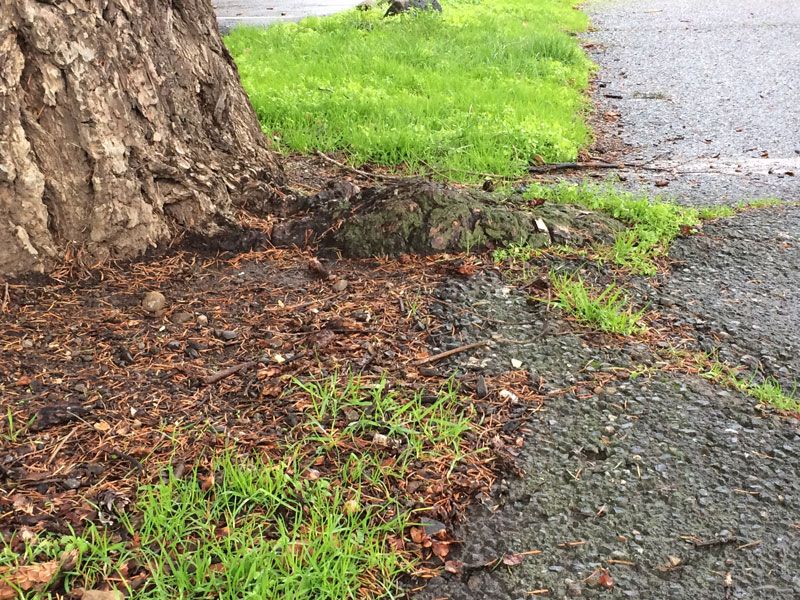
Roots lifting a driveway or cracking a patio slab are the kind of problems that seem to appear slowly and then all at once.
When those roots trace back to a neighbor’s tree, many Oregon homeowners assume they have the same right to cut roots as they do to trim branches.
The situation with roots is generally more complicated and carries more risk.
Cutting roots can destabilize a tree, make it more vulnerable to disease, or cause it to decline and fail over time.
A tree that falls after root removal could create a hazard and shift liability toward the person who made the cuts, even if those cuts were on their own property.
Because roots are underground and harder to evaluate without professional tools, the consequences of cutting them are less predictable than trimming a visible branch.
If crossing roots are damaging a foundation, pipe, or paved surface, getting a professional assessment before doing anything is strongly recommended.
A certified arborist can evaluate how significant the roots are to the tree’s stability and suggest options that reduce damage without killing the tree.
In some cases, root barriers or alternative repair approaches may reduce the conflict without requiring aggressive root removal.
Oregon homeowners dealing with root damage may also want to check with their city or county about whether the tree is protected or located in a regulated zone.
Some municipalities have specific rules about root work near heritage trees, street trees, or protected species.
Checking local ordinances before cutting roots can prevent a repair project from becoming a much larger legal or financial issue.
5. Shared Boundary Trees Come With Bigger Risks
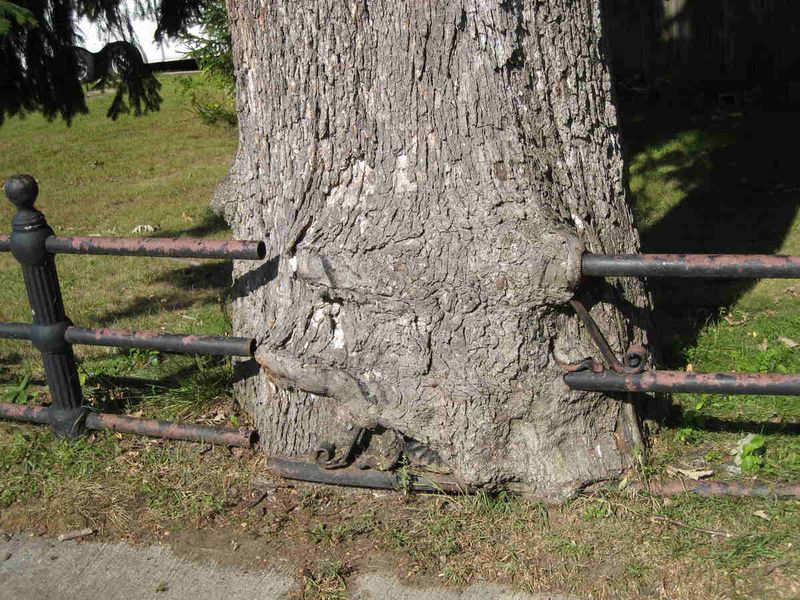
A tree growing right along the fence line looks like a simple landscaping feature until a dispute starts. Boundary trees, meaning trees whose trunks straddle the property line between two neighbors, are treated differently from trees that are clearly on one side.
In Oregon, a tree with a trunk that grows on both properties is often considered to be owned by both neighbors jointly.
That shared ownership has real consequences. Neither owner can generally remove, top, or make major structural cuts to a boundary tree without the other owner’s consent.
Acting unilaterally on a shared tree can expose a homeowner to legal liability, especially if the work kills the tree or significantly reduces its value. Even trimming a boundary tree requires more caution than trimming a tree that clearly belongs only to the neighbor.
The challenge is that boundary trees are not rare in older Oregon neighborhoods where trees have been growing for decades and property surveys were not always precise.
A tree that looks like it belongs to one yard may actually straddle the line by a few inches, which changes the legal picture significantly.
Getting a property survey done before any major work is a practical step that can prevent a costly mistake.
If both neighbors agree that a boundary tree needs work, putting that agreement in writing before hiring anyone is a smart move.
Splitting the cost, agreeing on the scope of work, and using a certified arborist for the job can turn a potentially tense situation into a cooperative one that benefits both yards and both homeowners equally.
6. City Tree Codes May Add Permit Rules
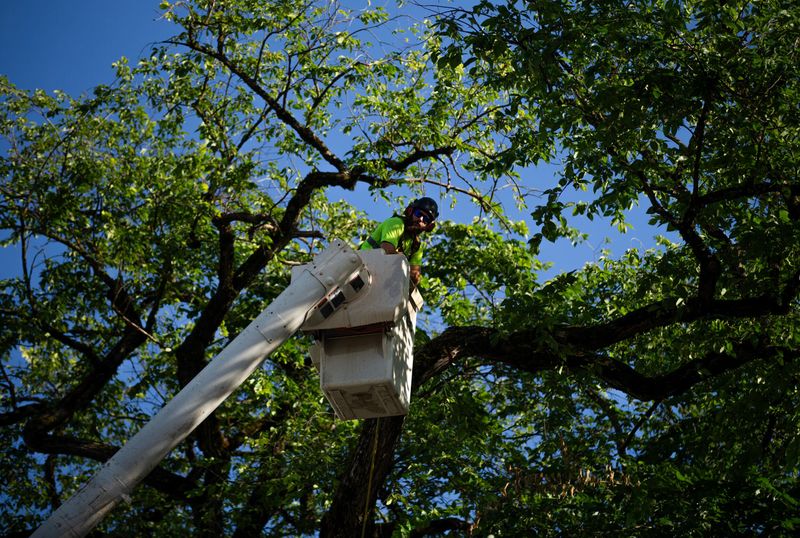
Not every tree trimming decision in Oregon is purely between you and your neighbor. Many Oregon cities and counties have local tree ordinances that add a layer of rules beyond basic state property law.
Depending on where you live, trimming certain trees without a permit could result in fines or required restoration, even if those branches are hanging over your own yard.
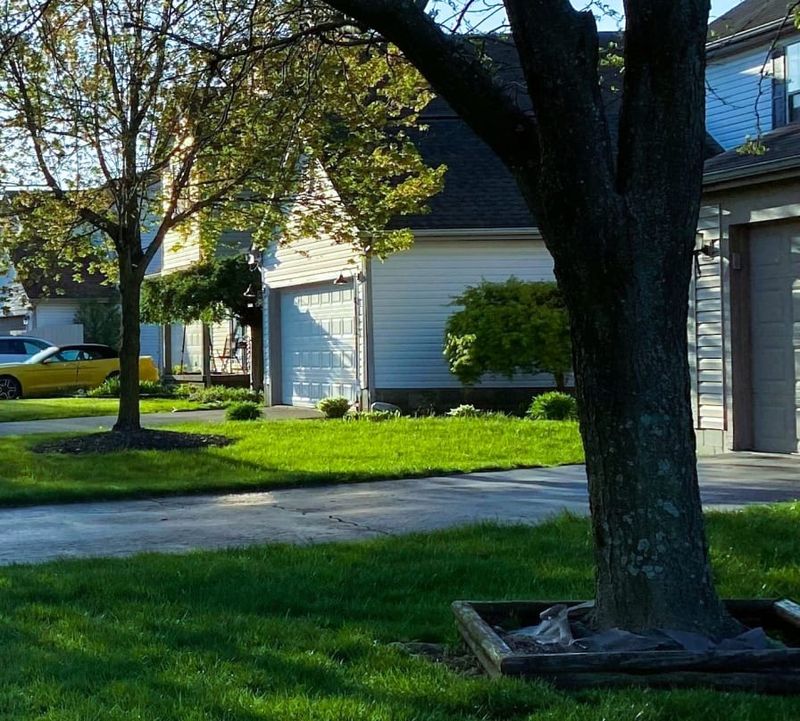
Street trees are a common example. Trees planted in the public right of way between the sidewalk and the curb are often maintained by or under the authority of the city, even when they sit in front of a private home.
Pruning a street tree without city approval can violate local ordinances in many Oregon communities, and the rules for who can do the work, how much can be removed, and what permits are required vary from one city to the next.
Heritage trees and significant trees are another category where local rules can limit what a private homeowner can do.
Some Oregon cities maintain registries of protected trees that require permits for any pruning, removal, or major root work, regardless of the tree’s location relative to a property line.
If the overhanging branches belong to a tree on one of these lists, standard trimming rights may not apply in the usual way.
Checking with your city’s urban forestry department, planning office, or public works department before starting any work near a street tree or potentially protected tree is a practical step.
A quick phone call or online search can clarify what permits, if any, are needed and help you avoid a fine that could have been prevented with a little advance research.
7. Written Notice Helps Avoid A Tree Dispute
Many neighbor tree conflicts that end up in small claims court or mediation started with a trimming job that happened without any prior conversation.
A quick written message to your neighbor before the pruning work begins costs almost nothing and can prevent weeks of frustration.
Even a short, friendly note explaining what you have noticed and what you are planning to do can change the tone of the whole situation.
Written communication does more than just keep things polite. It creates a record that shows you acted in good faith and gave your neighbor a chance to respond before any cuts were made.
If a dispute develops later, having documentation that you reached out first can work in your favor.
It also gives your neighbor the opportunity to share information you might not have, such as whether the tree is protected, recently inspected, or under a care plan from an arborist.
Sometimes a written notice leads to a cooperative solution. A neighbor who learns that their branches are dropping debris onto your patio or blocking your gutters may be willing to share the cost of professional trimming or handle the job on their own.
That kind of cooperation is easier to reach when the first contact is friendly rather than confrontational.
If you are planning to hire a certified arborist or make significant cuts near the property line, sending written notice before the work begins is especially worth doing. Keep a copy of what you send and note the date.
A small amount of paperwork up front can make a meaningful difference if the situation becomes more complicated later on.