This Popular Groundcover Is Being Banned In More California Counties
A popular California groundcover has landed in the middle of a growing county-by-county debate. Once praised for quick coverage and low-effort curb appeal, it now faces stricter local rules in some areas.
That is quite a plot twist for a plant once treated like an easy landscaping win.
The confusion comes from the uneven response. One county may place limits on it, while another may still allow it without much attention.
Homeowners can easily assume a familiar nursery plant is fine everywhere, but local regulations may tell a different story.
Those restrictions also raise an obvious question: what changed? A plant does not lose favor overnight without a reason, and the concerns often extend beyond one flower bed or front yard.
As more counties take action, California homeowners may need to check local rules before they buy, plant, or spread this once-popular groundcover.
1. This Popular Groundcover Is Raising Red Flags
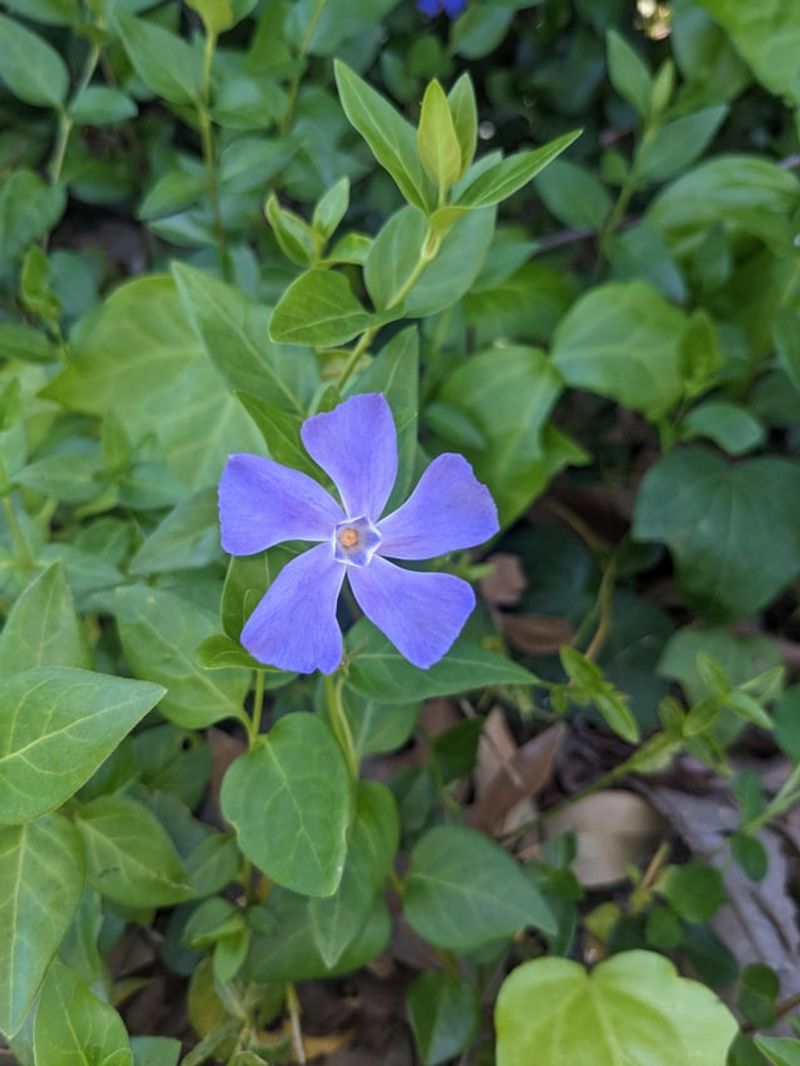
Few plants have earned such a complicated reputation in such a short time. Big periwinkle was once sold at nearly every garden center as an easy, low-maintenance solution for slopes, shady spots, and bare ground.
It checked all the boxes for busy homeowners who wanted green coverage without much effort.
But what made it so appealing in the garden is exactly what makes it dangerous outside of one. Vinca major grows aggressively, roots wherever its stems touch soil, and stays green through drought and cold.
Those traits sound great on a plant tag, but they tell a different story in a natural setting.
Regulators and native plant experts have been watching this species closely for years. Several counties have already added it to their invasive plant lists, and more are expected to follow as the evidence of ecological damage grows.
If you still have it in your yard, you are not alone, but you should know what the current conversation looks like.
Paying attention to which plants are flagged as invasive is one of the most useful things a home gardener can do. The rules are changing, and staying informed helps you avoid accidentally making the problem worse.
Big periwinkle is the plant everyone is talking about right now.
2. Pretty Purple Flowers Hide An Invasive Habit
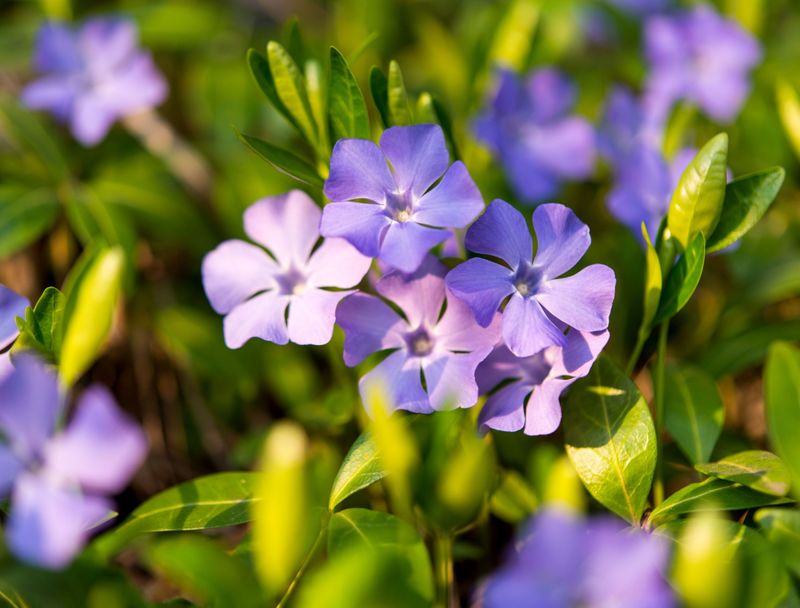
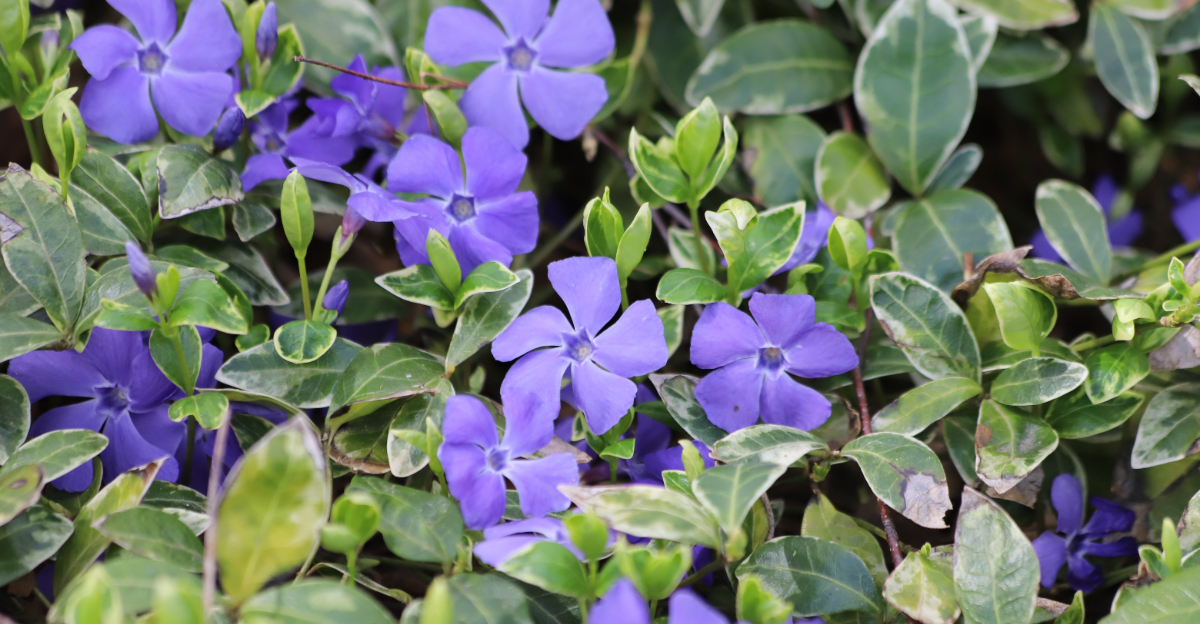
Spring brings out the best visual argument for keeping big periwinkle around. Those violet-blue flowers are cheerful, consistent, and hard to resist when you see them at a nursery.
For decades, that pretty bloom was all most people needed to see before adding it to their cart.
What the flower does not advertise is the plant’s ability to spread far beyond where it was planted.
Once established, big periwinkle sends out long trailing stems that creep across the ground and take root wherever they land.
A single plant can cover several square feet in one growing season.
The visual appeal has actually worked against efforts to control it. Because it looks so tidy and ornamental, many homeowners do not realize it has moved into a neighbor’s yard or crept into a nearby natural area.
Your California Garden Changes Every Week. Your Plan Should Too.
Gardening in California changes quickly throughout the season. Every Friday you’ll receive a simple weekly plan showing exactly what to plant, prune, fertilize, harvest, and protect so you never miss the right timing.
It does not look like a weed, so people do not treat it like one.
That gap between appearance and behavior is part of what makes it tricky to manage at a community level.
Education campaigns in several counties have focused specifically on helping residents recognize that attractive plants can still cause serious ecological harm.
The flowers are real, but so is the problem hiding behind them. Knowing both sides of this plant is the first step toward making a smarter choice for your outdoor space.
3. It Spreads Fast Through Shady Beds
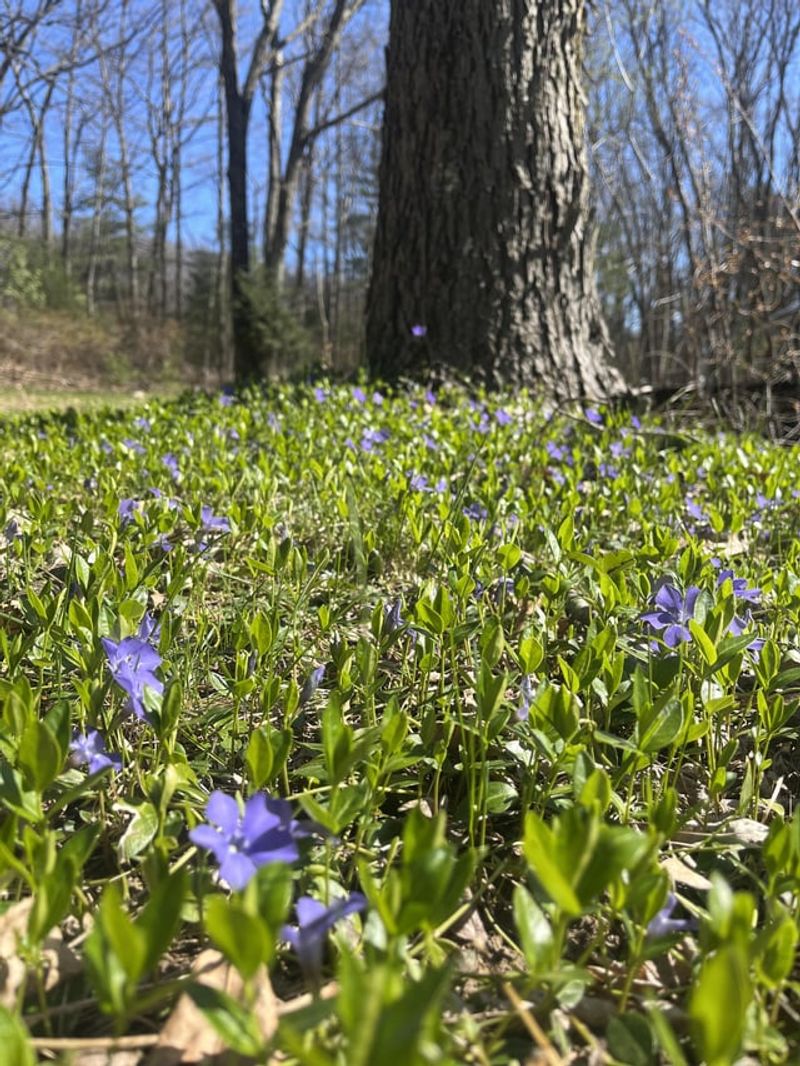
Shady spots under trees are notoriously hard to plant. Grass struggles, most flowers give up, and bare soil turns muddy when it rains.
For years, big periwinkle seemed like the perfect answer to this common landscaping headache.
It thrives in low light, handles dry shade better than most plants, and forms a thick mat that blocks weeds.
Those qualities made it a go-to recommendation from landscapers and garden writers for decades.
The problem is that the same conditions that make it useful in a garden also help it spread unchecked in natural areas.
Wooded parks, shaded creek corridors, and forested hillsides offer exactly the kind of environment big periwinkle loves. Once it gets into those spaces, it can spread across large areas surprisingly fast.
Dense mats form within a few seasons, and those mats are tough to break through.
Native woodland plants like trillium, wild ginger, and ferns cannot compete with that kind of aggressive coverage. They get shaded out and pushed aside.
Over time, the understory of a natural area can shift dramatically, losing the plant diversity that insects, birds, and other wildlife depend on.
Choosing a different groundcover for shady beds is one of the simplest ways homeowners can reduce the risk of contributing to this problem. Native alternatives exist and many of them are just as easy to grow.
4. Yard Waste Can Carry It Into Wild Areas
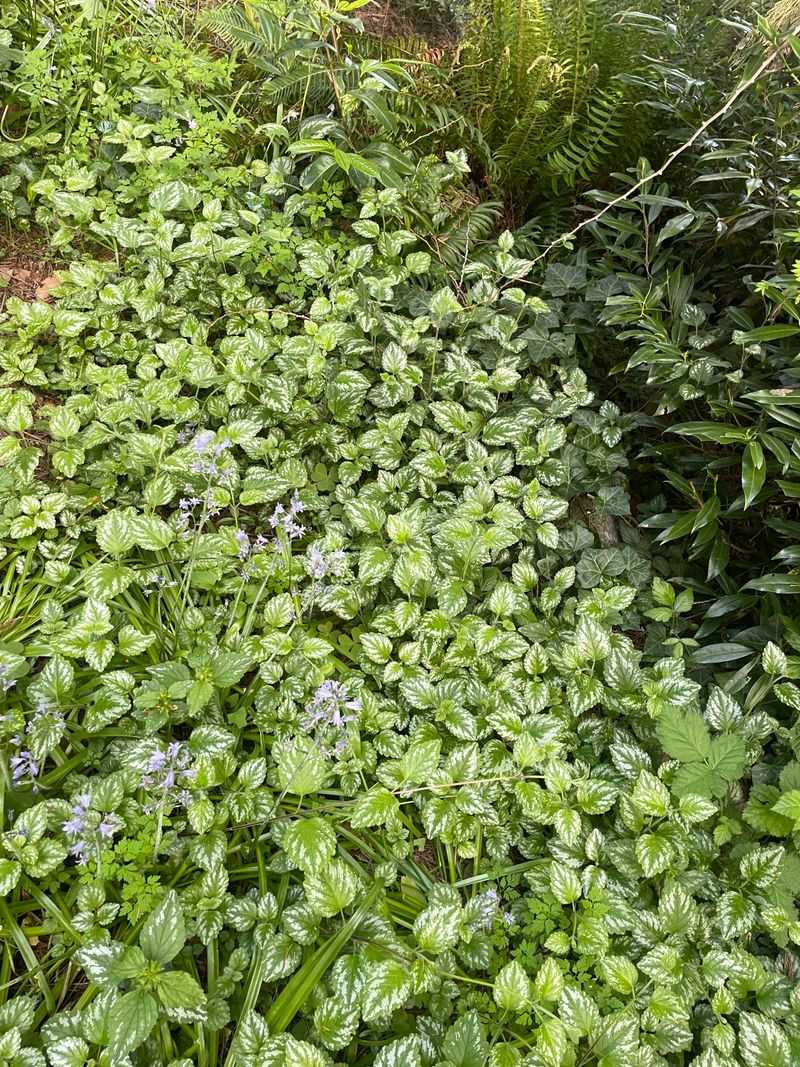
Most people do not think twice about tossing garden trimmings into a yard waste bag or dumping pulled weeds near the edge of a property. It seems harmless, especially when the material looks withered or dried out.
But with big periwinkle, that assumption can lead to real problems.
Even small stem fragments can take root when they land on moist soil. You do not need a whole plant or a root ball for it to establish itself somewhere new.
A handful of trimmings tossed near a fence line or over a back wall can be enough to start a new colony in a natural area.
This is one of the main ways invasive plants move from private yards into parks and wild spaces.
Yard waste dumping along roadsides, creek edges, and trailheads is a documented pathway for big periwinkle spread in several counties.
Some areas have posted signs warning residents about this specific issue.
Proper disposal matters more than most gardeners realize. Bagging clippings tightly and placing them in green waste bins for municipal composting is the safest option.
Composting at home is not recommended because backyard piles rarely get hot enough to eliminate viable stem pieces.
Taking a few extra minutes to dispose of big periwinkle trimmings correctly is a simple action that can prevent a much larger problem from developing just outside your backyard fence.
5. Creek Banks Are Especially Vulnerable
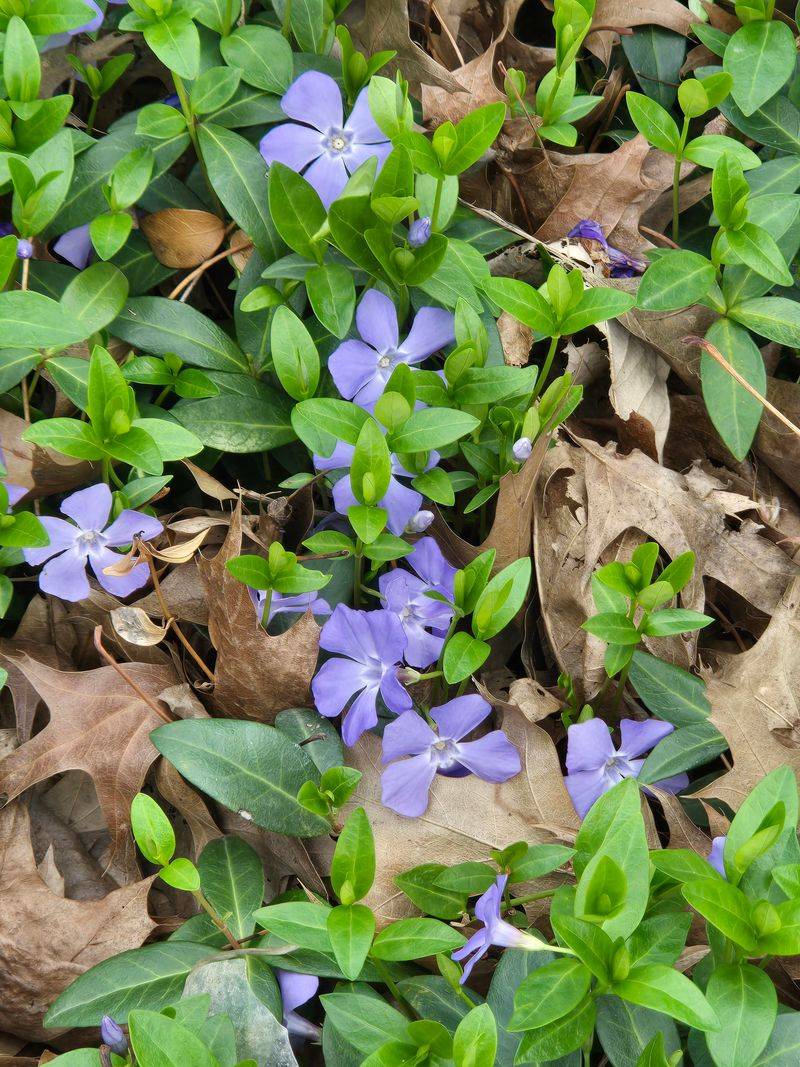
Water moves things. Seeds, soil, and plant fragments all travel downstream when rain hits.
That simple fact turns creek banks into one of the most vulnerable spots for invasive plant spread, and big periwinkle has taken full advantage of this.
Once it gets a foothold along a streambank, it can move downstream with every rain event. Stem pieces break off, float a short distance, and root in new soil along the bank.
Within a few seasons, a small patch can become a long corridor of coverage stretching far from the original planting site.
Riparian zones, the strips of land along creeks and rivers, are among the most ecologically valuable habitats in California. They support an outsized number of native plant and animal species relative to their size.
Losing that plant diversity has ripple effects throughout the food web.
Native riparian plants like willows, sedges, and wild roses anchor streambanks, filter runoff, and provide food and shelter for birds, insects, and small mammals.
When big periwinkle replaces them, that whole system gets disrupted. The bank may still look green, but the ecological function has been reduced.
Many restoration projects along creeks in northern regions and the Bay Area have had to spend significant resources removing big periwinkle before native plants could be reestablished. Prevention is far easier than removal once it takes hold near water.
6. It Can Smother Native Understory Plants
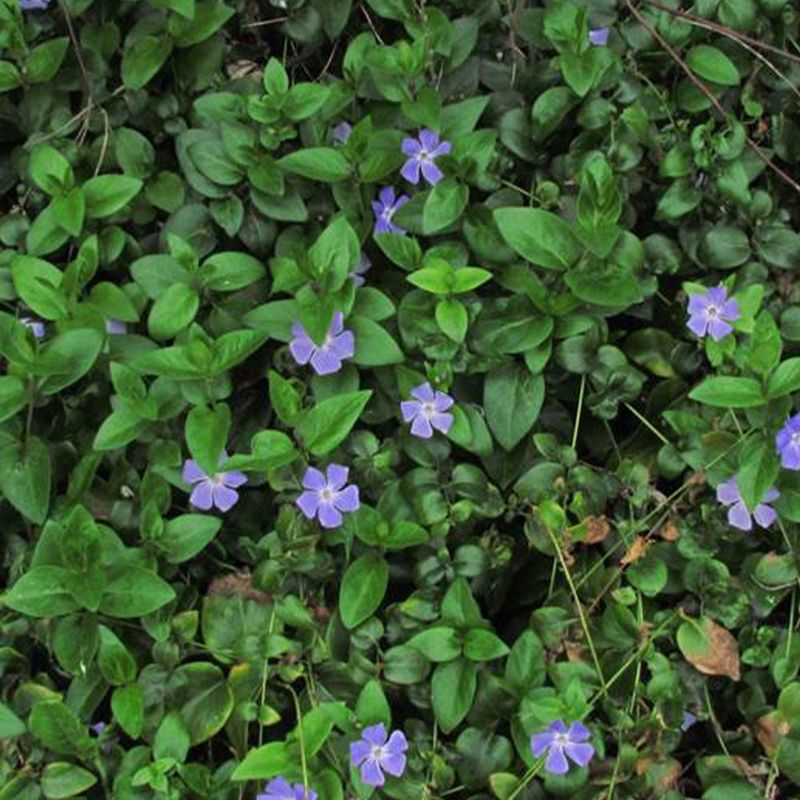
Walk through a healthy native woodland and you will notice how layered it is. Tall trees form the canopy, shrubs fill the middle, and a diverse mix of small plants cover the ground.
That understory layer is where a lot of the ecological action happens.
Big periwinkle disrupts that layer directly. Its dense, low-growing mat shades out the soil and prevents native seedlings from establishing.
It does not just compete, it dominates. Few native plants can push through a thick, established patch of Vinca major once it has spread across the ground.
The consequences show up slowly at first. A few native wildflowers disappear.
Then ferns thin out. Eventually, the understory beneath a grove of oaks or redwoods can become a monoculture of periwinkle with almost nothing else growing in it.
That kind of shift takes years to reverse.
Insects that rely on specific native plants for food or egg-laying lose their resources. Birds that feed on those insects have less to eat.
The whole chain of relationships that holds a healthy ecosystem together starts to fray when the plant community at the bottom shifts.
Researchers studying native woodland restoration in California have consistently identified big periwinkle as one of the most difficult invasive groundcovers to manage once it is established.
Removing it before it reaches natural areas is far more practical than trying to undo the damage after it spreads.
7. Roots And Stems Make Removal Frustrating
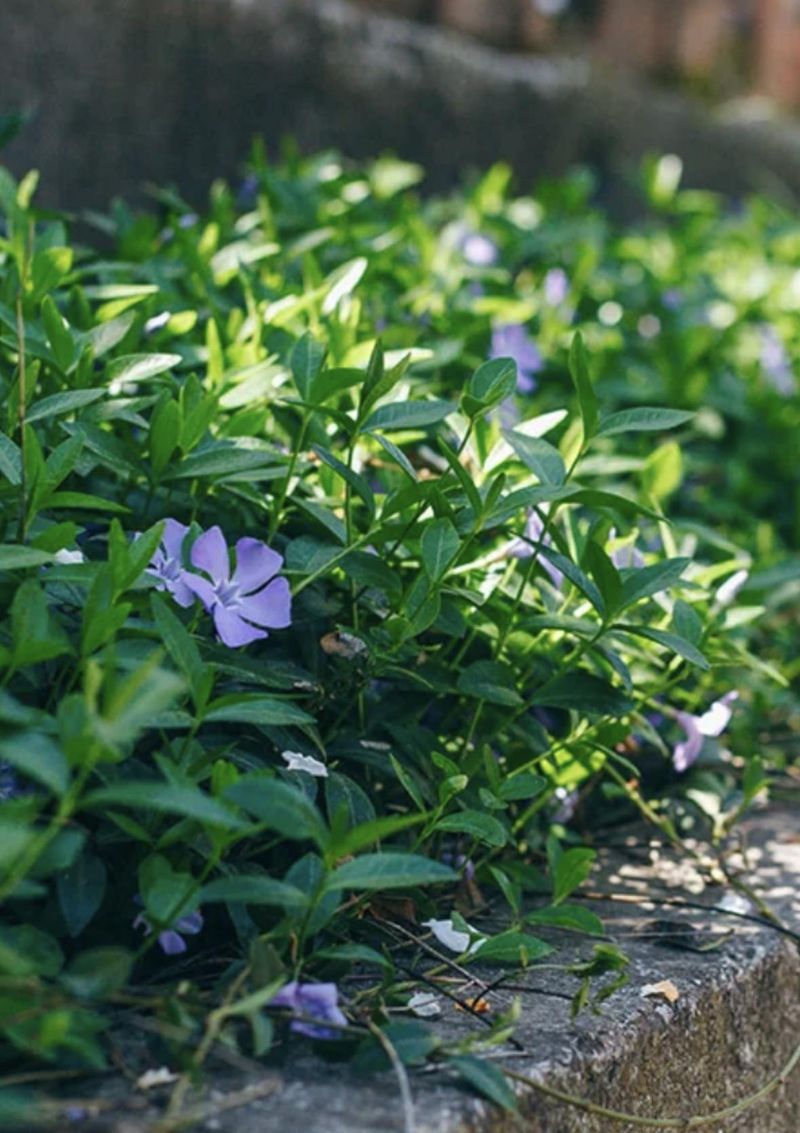
Anyone who has tried to remove big periwinkle from a yard knows the experience well. You pull on a stem, and it stretches.
You follow it along the ground and find it has rooted in five different spots. You pull those up, and there are more beneath them. It is a workout with no clear finish line.
The plant roots at every node, which means every point where a leaf meets the stem can become a new anchor in the soil.
A single sprawling plant can have dozens of rooting points spread across several square feet. Getting all of them out in one pass is nearly impossible.
Even when you think you have cleared an area, small fragments left in the soil can regrow. Most experienced gardeners recommend cutting the stems back first, then waiting a week or two before pulling roots.
This approach can make the job slightly more manageable, but it still requires multiple visits over a full growing season.
Herbicides can be effective, but they require careful application to avoid harming nearby plants.
Smothering with thick cardboard or landscape fabric can work over time, but it takes patience and consistent follow-through. There is no quick fix.
Understanding how stubborn this plant is helps explain why local agencies push for prevention over removal.
Once big periwinkle is established on a large scale in a natural area, full eradication may not be realistic without significant funding and labor.
8. Some Counties Are Pushing Back Harder
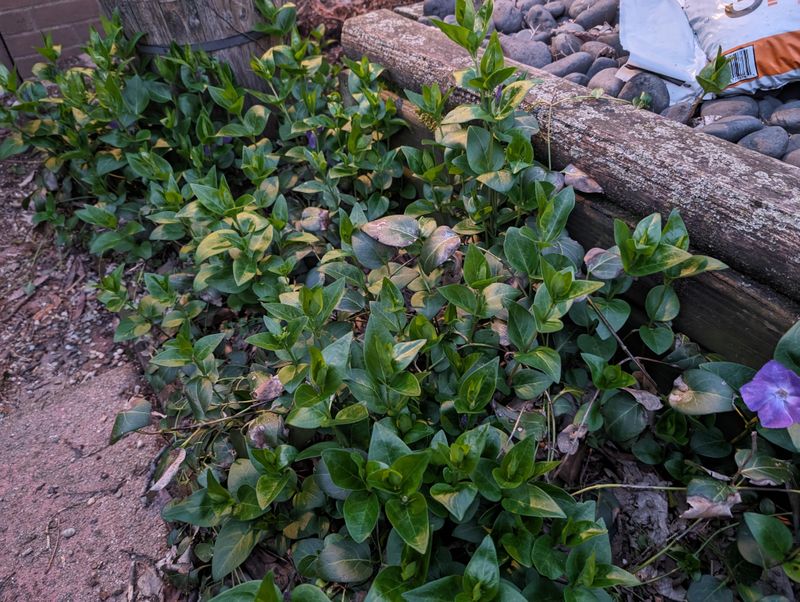
Not every county in California is responding to big periwinkle at the same pace, but the trend is clearly moving toward stricter regulation.
Marin, Santa Cruz, and several Bay Area counties have already taken formal steps to restrict or prohibit the sale and planting of Vinca major within their jurisdictions.
Some counties have added it to their invasive plant lists, which means it cannot be sold, propagated, or intentionally planted in those areas.
Others are still in the process of reviewing the evidence and gathering public comment before making a final decision.
The regulatory landscape is shifting, and it is shifting in one direction.
Local agencies are not acting alone. Regional coalitions, native plant societies, and conservation organizations have been pushing for these restrictions for years.
Their advocacy, combined with field data from restoration projects, has made it easier for county officials to justify the policy changes.
For homeowners, the practical impact depends on where they live. In counties with active restrictions, replacing big periwinkle in existing landscapes may eventually be required in certain zones, particularly near waterways or protected natural areas.
Staying informed about your specific county’s rules is worth the effort.
Checking with your local cooperative extension office or county agricultural commissioner is a reliable way to get current information.
Rules can change from one growing season to the next, and knowing where your county stands helps you plan ahead responsibly.
9. Nurseries May Still Sell It In Some Areas
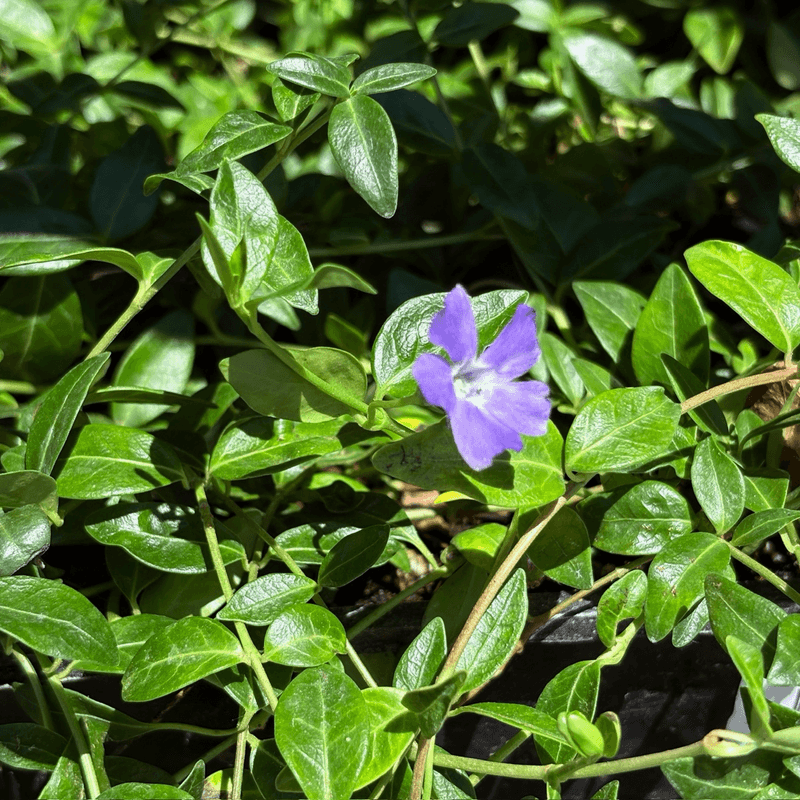
Here is something that confuses a lot of gardeners: even as counties add big periwinkle to invasive plant lists, it may still be sitting on the shelves at your local nursery.
That gap between regulation and retail reality is real, and it catches people off guard.
Nurseries operate under state and county rules, but enforcement is uneven. Some garden centers have voluntarily stopped carrying Vinca major in response to community pressure and updated guidelines.
Others continue selling it because it remains legal in their county or because the restriction has not yet been enforced at the retail level.
This creates a confusing situation for shoppers who assume that anything sold at a reputable garden center must be safe to plant.
That assumption made sense for a long time, but it no longer holds for every plant on the shelf. Doing a quick check before you buy is now part of being a responsible gardener.
A growing number of nurseries across California are actively shifting their inventory toward native and non-invasive alternatives.
Many now train staff to answer questions about invasive species and can point customers toward better options for specific landscaping needs. That shift is encouraging, but it is not yet universal.
Before purchasing any groundcover, a quick search of your county’s invasive plant list takes about two minutes and can save you from planting something you will need to remove later. The list is usually available on your county’s agricultural department website.