Can You Cut A Neighbor’s Vines Growing Over Your Maryland Fence?
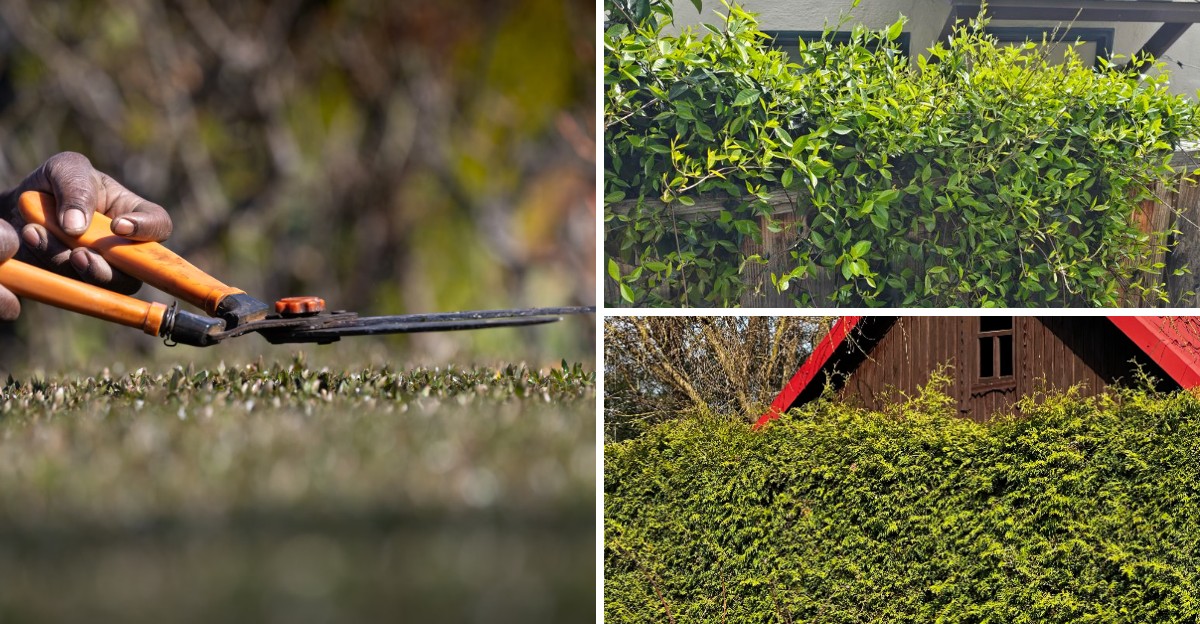
A single vine can push its way under fence boards and pry them loose, one slow inch at a time. I learned that the hard way after a summer of ignoring a leafy invader that crept over from next door.
Truth is, I froze with my pruners in hand. Was I allowed to snip something rooted in someone else’s yard? Would a few cuts start a feud that lasted until the next property sale?
Maryland courts have weighed in on this kind of backyard standoff, and the answer is clearer than most people expect. There are also a few catches that can turn a simple trim into a costly mistake.
How far can your shears legally travel before you cross a line you can’t see?
Those Vines On Your Fence Fall Under An Old Backyard Rule

Courts across the country have been sorting out fence-line plant fights for well over a century. Maryland follows a long-standing idea often called the self-help rule, also known as the Massachusetts Rule.
Put simply, the rule says you can trim branches, vines, and even roots that cross onto your property. You don’t need a judge’s okay or your neighbor’s signature to do it. The plant may belong to them, but the space above and below your yard belongs to you.
I find that oddly comforting. It means you aren’t stuck staring at a wall of leaves while waiting for someone else to act.
Still, the rule comes with strings attached. It gives you a right, but it doesn’t hand you unlimited freedom with a hedge trimmer. How you cut, where you stand, and what happens to the plant afterward all matter.
Fun bit of history here. Maryland’s highest court discussed this topic in a 1988 case called Melnick v. C.S.X. Corp., which involved trees and vines along a property line. That case is a big reason Maryland lawyers still point neighbors toward self-help first.
So yes, your fence is technically your turf, even when the greenery isn’t.
Snip Right At The Property Line And Stop There

Your pruners have a hard stop, and it’s the property line. Anything hanging over your side is fair game, but the part growing on your neighbor’s land stays off-limits.
That line usually runs along the fence, though not every fence sits exactly on the boundary. Some were built a foot or two inside one yard. If you aren’t sure, check your plat or survey before cutting anything big.
Here’s the part folks forget. Leaning over the fence or hopping into the neighbor’s yard to reach a tricky stem counts as entering their property. Without permission, that can be treated as trespassing.
My own approach is pretty simple. I work only from my side, use a sturdy ladder when needed, and cut where the stem crosses the fence top. Anything I can’t reach safely gets left alone or saved for a conversation.
A few handy tools make this easier:
Bypass pruners for thin stems, loppers for thicker woody vines, and a pole pruner for high spots. Clean cuts heal better than ragged tears, which keeps the plant healthier too.
Staying on your side is the easiest way to keep the law, and your neighbor, firmly in your corner.
Heavy Hacking Could Leave You Paying For Their Grapevine
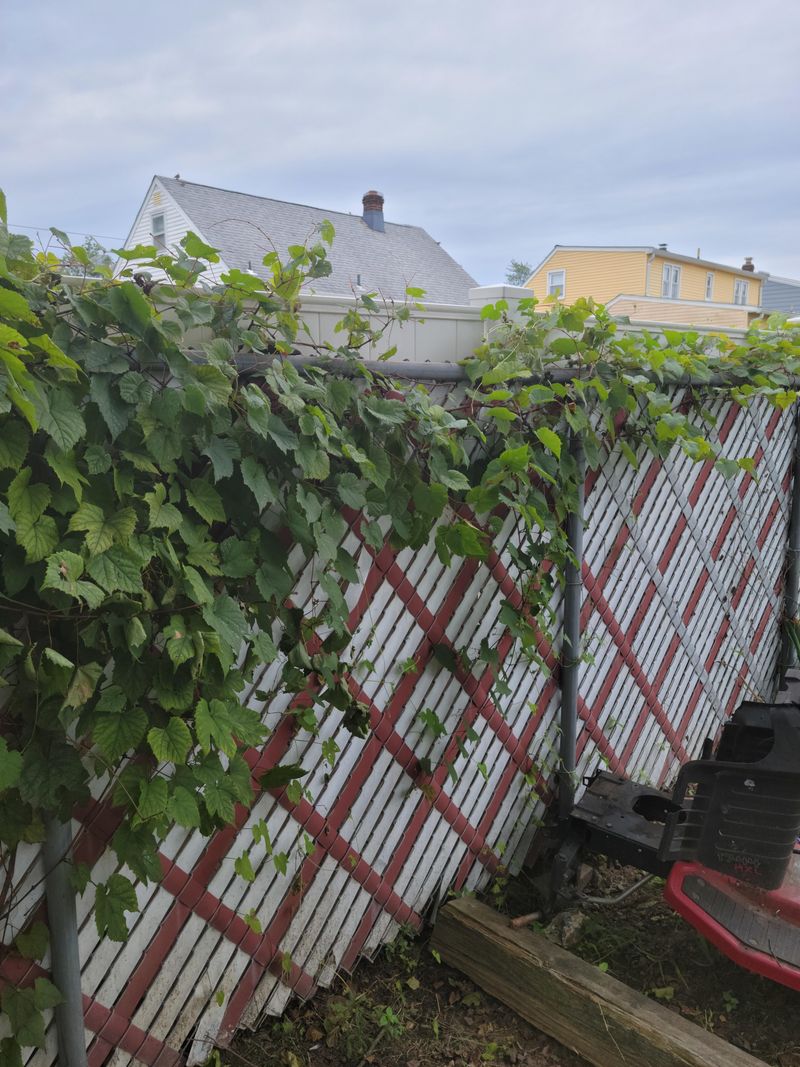
Not going to lie, there’s a strong temptation to rip out every tendril in one furious afternoon. That impulse can get expensive.
The self-help right covers reasonable trimming. If your cuts seriously harm the plant, or the tree it climbs, your neighbor may be able to seek damages. Prized plants like an old wisteria, a heritage grapevine, or a well-loved climbing rose can carry real value.
So what counts as too much? Cutting a few overhanging stems is usually fine. Pouring herbicide on the roots, girdling the main trunk, or slicing so deep the plant collapses is a different story.
Watch out with chemical sprays in particular. Weed killers can travel through connected vine tissue and harm the whole plant on the other side of the fence. That’s a quick way to turn a small trim into a big dispute.
Timing helps as well. Many woody vines handle pruning best in late winter or early spring, while summer trims should stay light. Your local University of Maryland Extension office has free guidance on pruning common vines.
A careful, modest trim protects your fence, the plant, and your wallet all at once.
The Trimming Bill Usually Lands In Your Lap
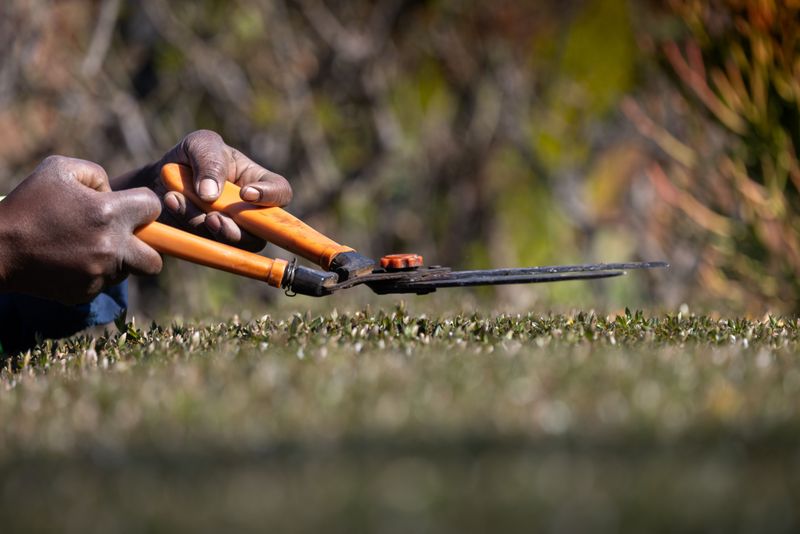
Guilty as charged, I once assumed my neighbor would pay for my vine cleanup. Turns out the self-help rule works the other way.
In Maryland, the person dealing with the overhang typically handles the time, effort, and cost of trimming. You generally can’t send your neighbor a bill for routine pruning or for leaves and small debris that drift onto your yard.
That might feel a bit unfair. After all, you didn’t plant the thing. Courts see it differently, though, since nature tends to wander and every yard sheds something.
The upside is control. You decide when to trim, how neat it looks, and how often the job happens. Nobody has to agree on a schedule.
A few ways to keep the effort low:
Trim small amounts often instead of waiting for a jungle. Cut tendrils before they wrap tightly around pickets or wire. Keep a bin or yard waste bag near the fence during the growing season.
Quick monthly checks from spring through early fall usually keep most vines manageable. Fast growers like trumpet creeper or Virginia creeper may need a bit more attention in midsummer.
Fence Boards Cracking Under Vines Still Leave You With Self-Help

Picket by picket, a heavy vine can pull a fence out of shape. Thick woody stems add weight, trap moisture against wood, and squeeze into gaps as they grow.
When the problem moves beyond a messy look into real damage, Maryland law still generally limits you to trimming on your side. Maryland courts have generally limited neighbors to self-help for living plants, even when they cause damage.
A damage claim over living vines is unlikely to succeed in Maryland. Any claim would need proof, such as photos, repair estimates, and records showing the vine caused the harm.
I’d suggest documenting early. Snap dated photos of the vine and any leaning posts, split boards, or bent chain link. Save receipts if you pay for repairs.
Watch these warning signs closely:
Posts leaning toward the vine side. Boards popping loose or splitting. Gutters or siding nearby getting grabbed by tendrils. Vines heavy enough to sag a fence top.
Native Virginia creeper and invasive English ivy are both common culprits around fences. A local attorney can explain whether your situation rises above routine overhang, since every case depends on its own facts.
A Friendly Chat Over The Fence Beats Grabbing The Loppers
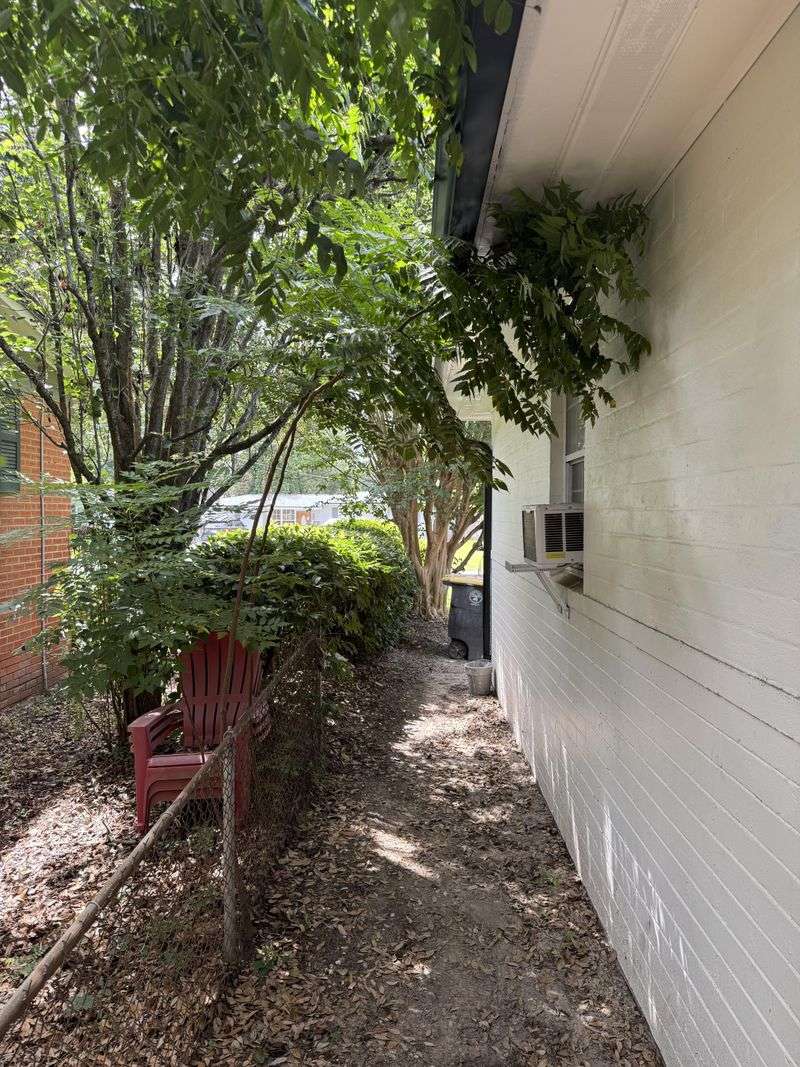
Trust me on this one. Five minutes of conversation can save five years of awkward driveway waves.
Plenty of neighbors have no clue their plant has crossed over. Vines grow fast, and from their side the fence might look perfectly tidy.
Before cutting anything, try a casual heads-up. Mention which vine is spreading, show them the spot, and ask how they’d like you to handle it. Some folks will offer to trim it themselves, and others might be thrilled you’re willing to help.
Keep it light and specific. Something like, the honeysuckle is wrapping around my fence posts, mind if I cut it back at the top rail? That framing sounds cooperative rather than accusing.
If they agree, you might even get permission to step into their yard for a cleaner job. Get that okay clearly, and a quick text works nicely as a record.
Should talks stall, Maryland has community mediation centers in many counties. These free or low-cost services help neighbors work through disputes without lawyers or court dates.
Goodwill along a shared fence is worth more than any perfectly trimmed vine.
Vines Tangled In Tall Trees Call For A Certified Arborist

Some vine jobs belong in a professional’s hands. When stems climb high into a tree, wrap around power lines, or grow as thick as your wrist, it’s time to call in help.
A certified arborist knows how to remove vines without wounding the tree underneath. That skill matters legally, since harming your neighbor’s tree could leave you on the hook for damages.
Look for someone certified through the International Society of Arboriculture. Maryland also requires tree experts to hold a license through the state Department of Natural Resources, so ask to see it.
Here’s a safety note I take seriously. Never trim vines touching utility lines yourself. Contact your power company, since many offer line clearance services.
Professionals bring other perks too:
Proper equipment for high work. Insurance if something goes wrong. Experience spotting poison ivy, which climbs trees and fences all over Maryland.
Poison ivy deserves extra caution. Its oil, urushiol, can cause rashes even from old dried vines, and burning it can irritate lungs badly.
Paying a pro might sting a little, but it can prevent a much bigger headache later.
Check Your County Rules And Bag Those Vine Clippings Properly
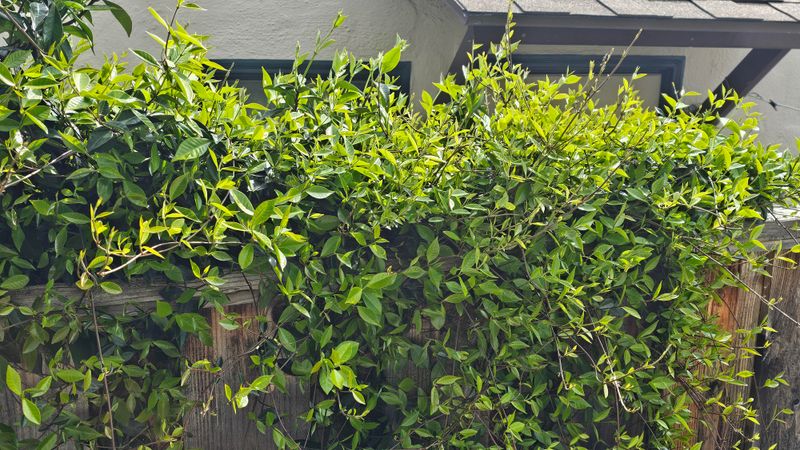
Every fall I watch neighbors debate where clippings should go. The answer isn’t back over the fence.
Tossing trimmed vines into your neighbor’s yard can be treated as dumping or trespassing. Once you cut it, the debris is your job to handle.
Most Maryland counties offer yard waste collection, often in paper bags or bundled stems tied to a certain length. Montgomery County, Baltimore County, and others post their rules online. Many places also run drop-off sites for larger loads.
Local rules can matter for the cutting itself too. Some towns, like Takoma Park, have tree protection ordinances, and certain HOAs restrict changes along fences. A quick look at your city or county website can save surprises.
Invasive vines need special care. English ivy, porcelain berry, and Japanese honeysuckle can resprout from fragments or spread by seed, so bag them rather than composting. The Maryland Department of Agriculture lists invasive plants worth watching.
My best takeaway is simple. Know your line, trim modestly, talk first, and clean up after yourself. Do that, and your fence stays clear while your neighbor stays friendly.