Can You Legally Cut A Neighbor’s Overhanging Shrubs In Florida
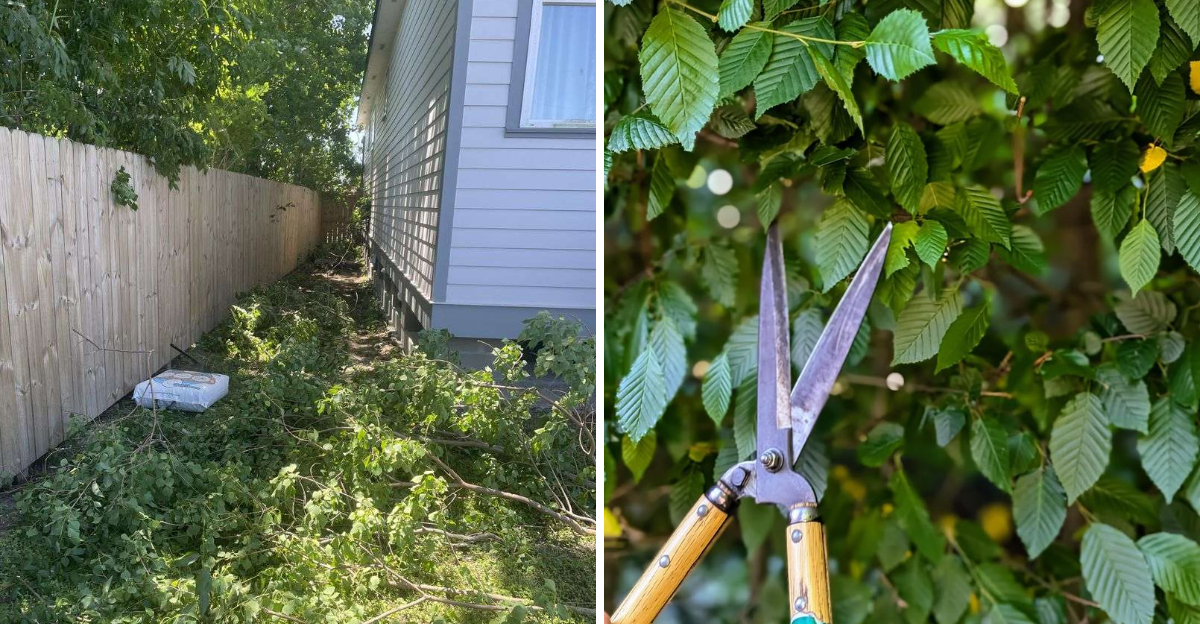
Your neighbor’s bushes are creeping across the property line. Leaves keep falling in your pool.
Branches scrape your car every morning. The question hits fast: can you legally trim them back, or could that simple cut turn into a lawsuit?
Many Florida homeowners assume they can grab the hedge trimmer and solve the problem in minutes. Others are afraid to touch anything and live with the mess for years.
The truth sits somewhere in the middle, and getting it wrong can cost you thousands. Florida law does allow certain trimming, but only under specific conditions.
Step over the line, cut too aggressively, or ignore local rules and the situation can spiral quickly. Before you make a move that could damage relationships or your wallet, read this first.
What you learn might surprise you.
What Florida Law Actually Says About Overhanging Plants
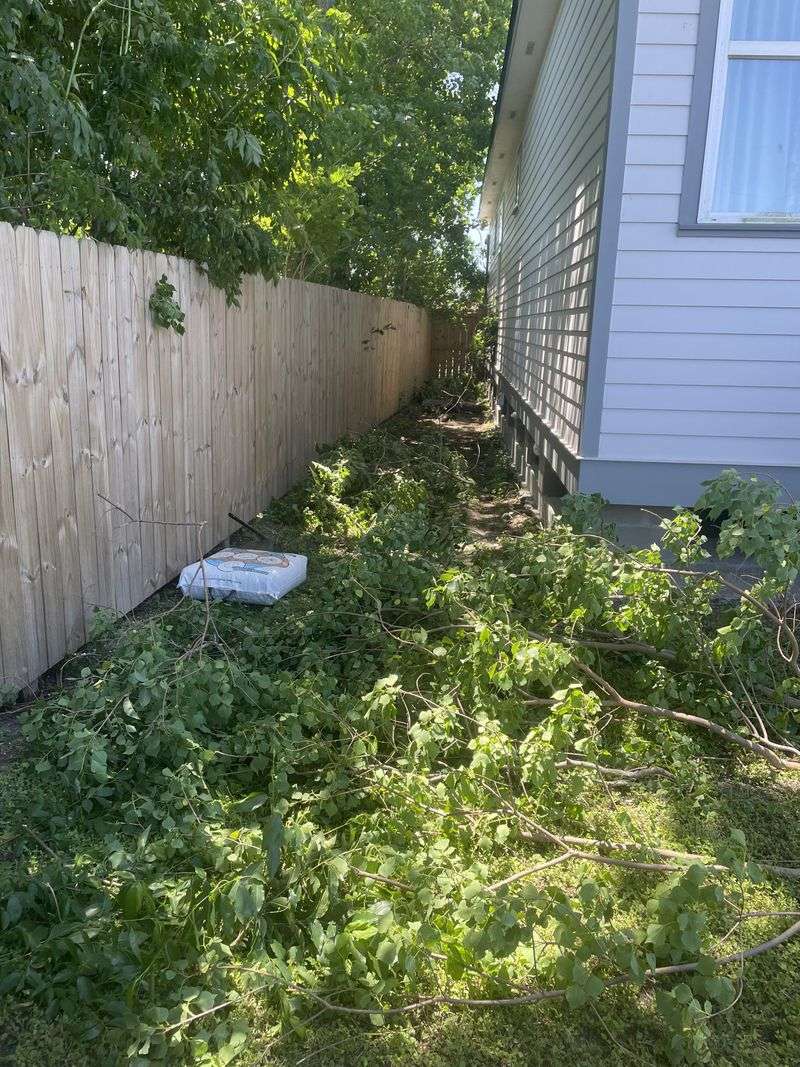
Picture a row of overgrown bougainvillea spilling across your fence line, brushing against your windows every time the wind picks up. You check your property line and confirm the roots are planted firmly on your neighbor’s side.
Many homeowners assume this means the branches belong entirely to the neighbor too, but Florida law sees things differently.
Under common law principles recognized across Florida, you may trim back growth to the property line from your side, but disputes can arise if trimming unnecessarily destroys valuable landscaping.
This rule applies whether the overgrowth comes from ornamental shrubs, hedges, or decorative bushes.
However, this principle is not a blank check to reshape your neighbor’s landscaping. You cannot enter their property to make cuts and should avoid extreme or reckless trimming that could trigger a property damage dispute.
Local city or county codes may add restrictions, especially in historic districts or HOA-controlled neighborhoods.
Florida courts have upheld the idea that property owners can protect their own land from encroaching vegetation. However, extreme or retaliatory trimming can still lead to civil disputes.
Aggressive or destructive trimming that significantly damages landscaping may open the door to a civil lawsuit, even if the branches were technically on your side of the line.
When You Are Allowed To Trim A Neighbor’s Shrubs
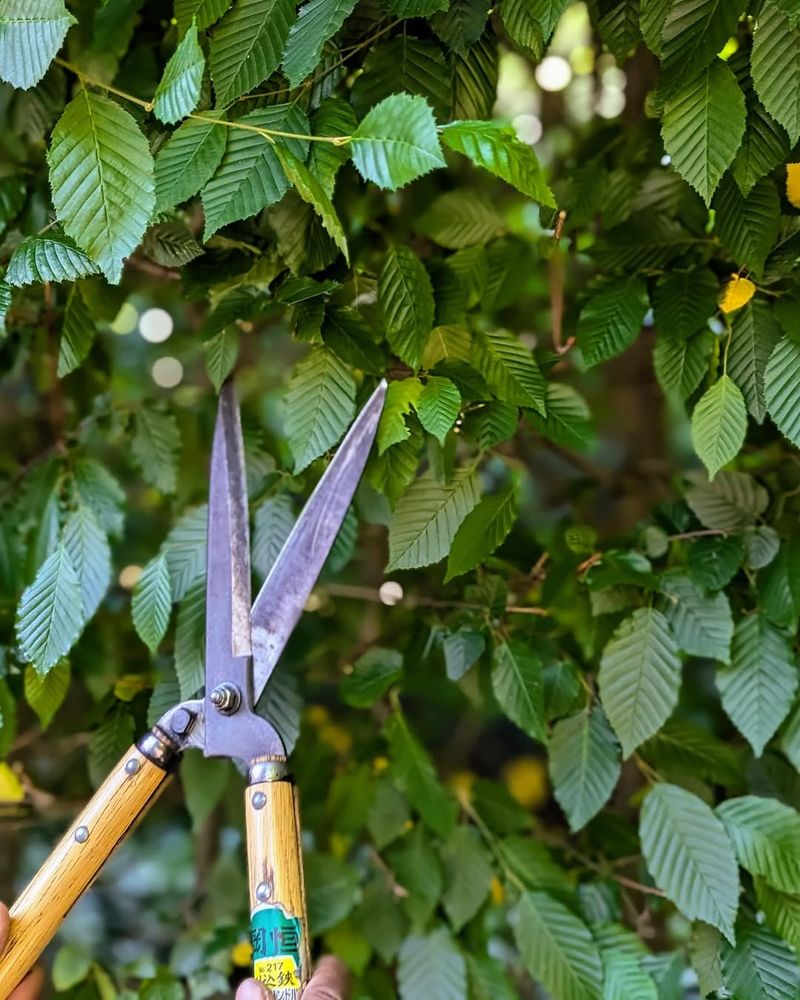
Your driveway curves close to the property line, and every morning you brush past a wall of overgrown jasmine that leaves scratches on your car door. The branches clearly cross onto your side, and you have measured twice to be sure.
In situations like this, Florida law typically permits you to trim back encroaching growth if you follow basic legal boundaries.
You are allowed to cut branches, stems, or foliage that extend over the boundary line onto your property. The trimming must happen entirely from your side of the property line, meaning you cannot step onto your neighbor’s land to reach higher or inner branches.
Use reasonable trimming methods to avoid unnecessary damage that could lead to a claim.
This right exists even if your neighbor refuses to trim the shrubs themselves. You generally do not need permission to trim encroaching growth on your side of the property line.
However, exercising this right carefully is essential to avoid disputes or legal trouble later.
Keep in mind that some cities and HOAs have landscaping or tree preservation ordinances that might limit your trimming rights. For example, certain heritage shrubs or protected plant species may require permits before any cutting occurs.
Always verify local rules before you start trimming, especially in older Florida neighborhoods where mature landscaping is common and sometimes regulated by preservation codes.
What You Are NOT Allowed To Do
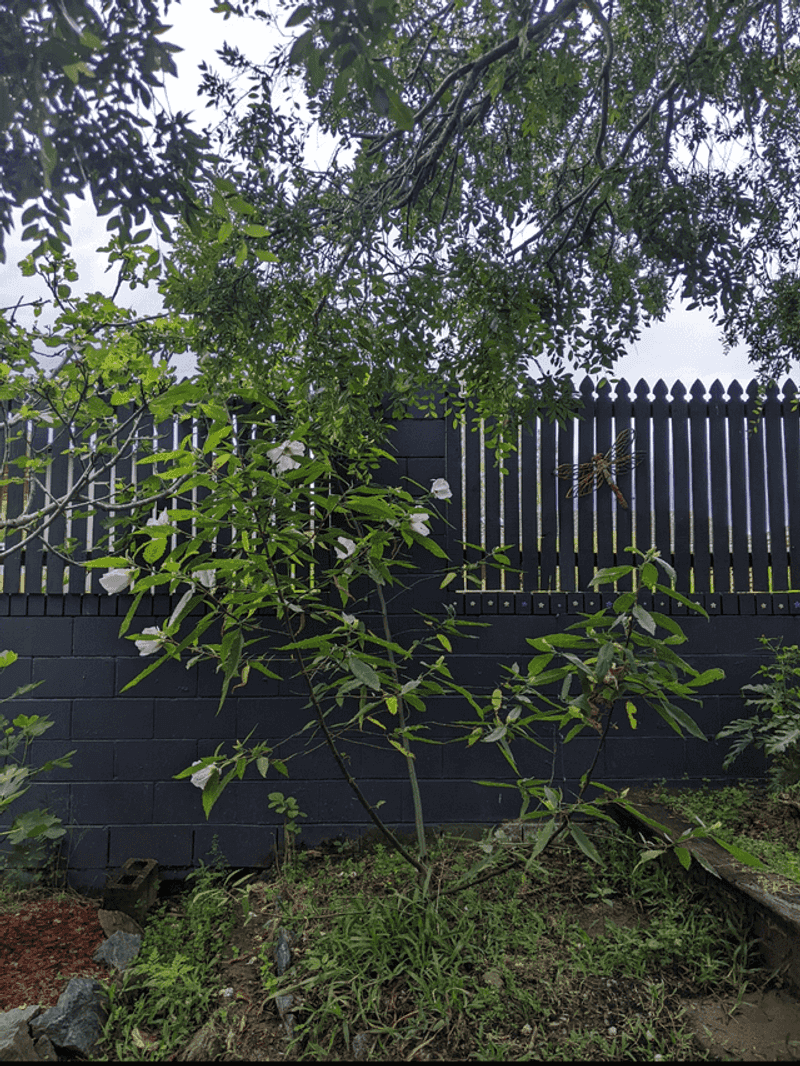
Imagine your neighbor’s hibiscus hedge has grown so thick that it blocks your view when you back out of your driveway. Frustrated, you decide to cut it back several feet, shaping it the way you think it should look.
This approach, however appealing, crosses legal boundaries and can land you in court facing a lawsuit for property damage.
You are not allowed to enter your neighbor’s property to trim their shrubs, even if the overgrowth affects your side. Trespassing to cut plants is illegal and gives your neighbor grounds to sue.
You also cannot cut beyond the property line, meaning you must stop your trimming exactly where your land ends.
Another major risk involves damaging the landscaping. If your trimming causes the shrub to lose its shape, stop growing, or become unhealthy, your neighbor may claim you harmed their property.
Florida courts recognize your right to trim encroaching growth, but severe or destructive cutting can expose you to property damage claims.
Intentionally poisoning or destroying a neighbor’s landscaping can create serious civil liability. Additionally, some municipalities protect certain species or require permits for trimming near public rights of way, so cutting without checking local codes can lead to fines or enforcement actions.
Why Cutting Too Much Can Get You Sued
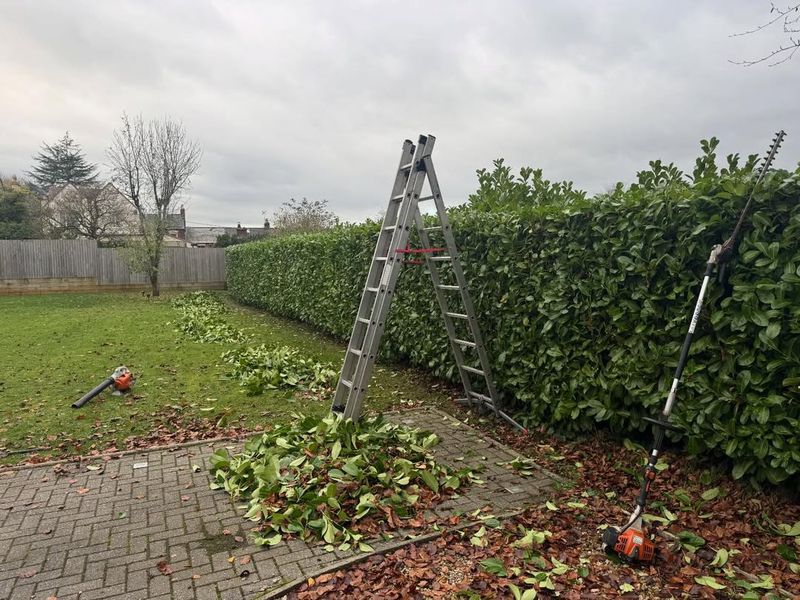
A homeowner in a Boca Raton subdivision grew tired of cleaning leaves from a neighbor’s overgrown ligustrum hedge. One weekend, he trimmed the entire hedge back to bare stubs, thinking he was solving the problem for good.
Within days, he received a letter from an attorney claiming thousands of dollars in damages for destroyed landscaping.
Cutting too much can expose you to a lawsuit because neighbors can still sue over alleged property damage if trimming destroys valuable landscaping, even though Florida allows trimming up to the property line. If your trimming destroys the shrub, disfigures it, or reduces its value, your neighbor can sue you for the cost of replacement or repair.
Courts typically look at whether trimming was reasonable under the circumstances. A careful, measured cut at the property line is defensible.
A severe chop that destroys landscaping value is harder to defend. Landscape replacement costs can run into thousands of dollars, especially for mature shrubs that take years to grow.
Beyond financial damages, aggressive trimming can escalate neighbor conflicts and lead to ongoing disputes that affect your quality of life. Some HOAs also have rules about altering the appearance of landscaping visible from the street, and your actions could trigger fines or enforcement.
Always err on the side of caution and document your trimming carefully, including photos of the property line and the condition of the shrub before and after your work.
Special Rules For Trees Versus Shrubs
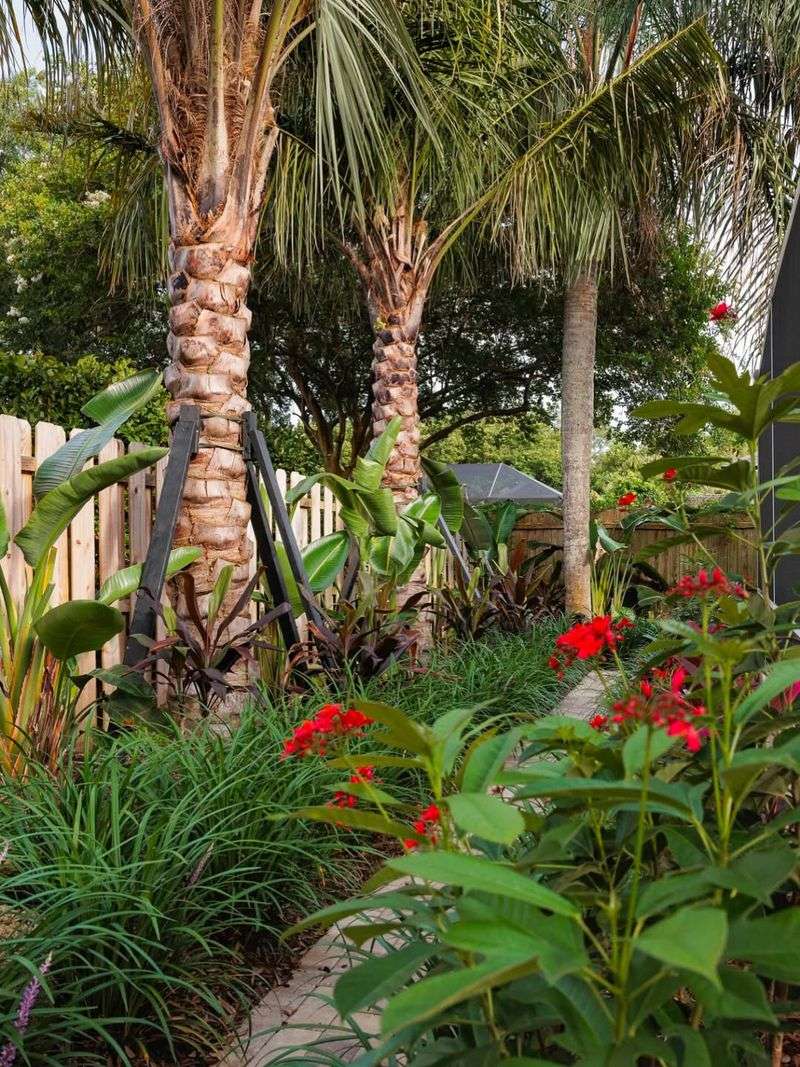
You notice a difference when a neighbor’s oak tree drops branches onto your roof compared to when their boxwood hedge brushes against your fence. Florida law treats trees and shrubs differently in some important ways, and understanding these distinctions can help you avoid costly mistakes.
If a tree trunk sits directly on the boundary line, it may be treated as a shared ‘boundary tree,’ and removing it without the other owner’s consent can create liability.
Trees, especially large or mature ones, often fall under stricter local ordinances and protection rules. Many Florida cities have tree preservation laws that require permits before trimming or removing trees over a certain diameter.
Shrubs usually face fewer permit restrictions than large trees, but local codes can still regulate trimming in some areas. Another key difference involves liability for damage.
If a healthy tree drops a branch onto your property during a storm, your neighbor is typically not liable because the tree was not a nuisance. However, if an obviously diseased or dangerous tree causes damage, liability may shift.
Shrubs rarely create the same level of risk, but overgrown hedges that block sightlines or sidewalks can still be considered nuisances.
When it comes to trimming, the same property line rule applies to both trees and shrubs. You can cut branches or roots that cross onto your land, but excessive or destructive trimming can trigger legal disputes.
With trees, this often means hiring a professional arborist to ensure cuts are made safely and correctly. Shrubs are generally easier to trim yourself, but you still need to follow the same legal guidelines and respect local codes.
What To Do Before You Touch Anything
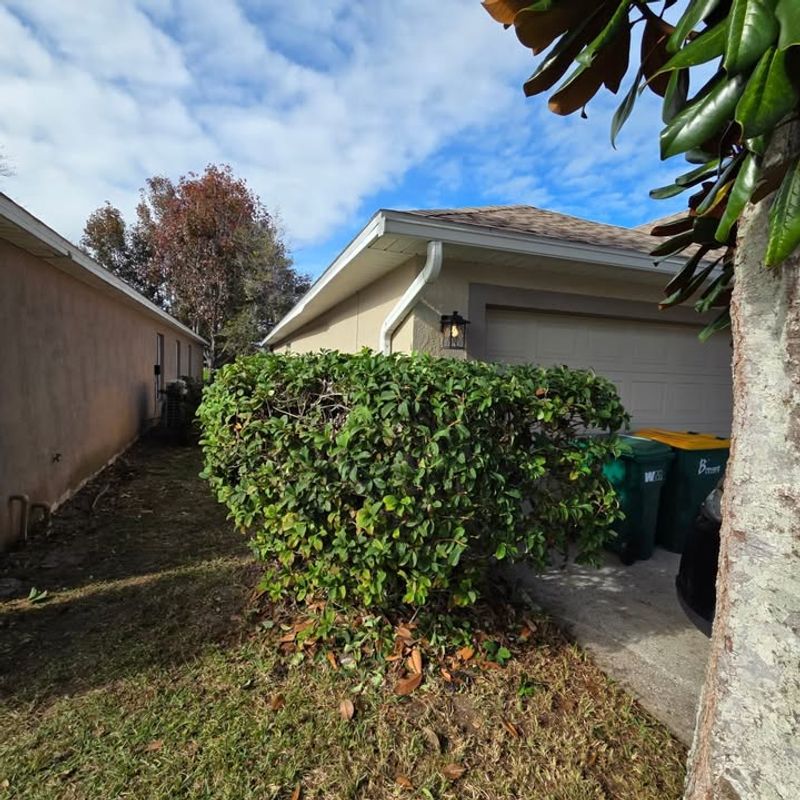
Before you pick up your pruning shears and start cutting, take a few important steps that can save you from legal trouble and neighbor conflicts. A little preparation goes a long way in protecting both your rights and your relationship with the people next door.
Start by confirming the exact location of your property line. Many disputes arise because homeowners guess where the boundary is instead of verifying it.
You can check your property survey, hire a surveyor, or look up plat maps at your county property appraiser’s office. Knowing the precise boundary helps protect you from trespass or property damage disputes.
Next, review local ordinances and HOA rules. Some cities have specific codes about trimming near sidewalks, streets, or protected plant species.
Your HOA may require approval before altering any landscaping visible from common areas. A quick call to your city code enforcement office or a review of your HOA guidelines can clarify what is allowed.
Consider talking to your neighbor before you start cutting. A friendly conversation can often resolve the issue without any trimming at all.
Explain the problem, show them where the shrubs are encroaching, and ask if they would be willing to trim the plants themselves. Many neighbors appreciate the heads-up and will take care of the issue to avoid conflict.
Document everything, including photos, measurements, and any conversations, in case a dispute arises later.
How To Safely Trim Overhanging Shrubs Without Legal Trouble
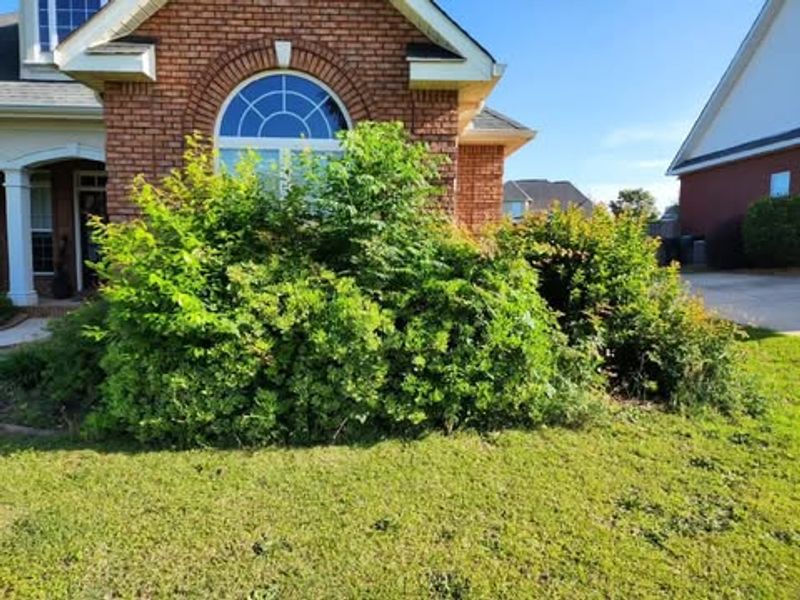
Once you have confirmed your property line and checked local rules, you can proceed with trimming in a way that protects you legally and keeps your neighbor relations intact. Following a careful process ensures you stay within your rights and avoid unnecessary conflict.
Use clean, sharp tools to make precise cuts at the property line. Avoid hacking or tearing branches, which can damage the plant and make it harder for the shrub to recover.
Trim only what crosses onto your property and avoid excessive cutting that could trigger disputes.
Take photos before and after you trim. Document the property line, the condition of the shrubs, and the extent of the overgrowth.
These photos can serve as evidence if your neighbor later claims you damaged their landscaping. Keep a record of the date and time you performed the trimming as well.
Dispose of the cuttings properly. In most cases, branches or leaves that fall onto your property become your responsibility.
Tossing them back over the fence or leaving them on your neighbor’s lawn can escalate tensions. Bag the debris and dispose of it according to local waste guidelines.
If the shrubs are large, difficult to reach, or near utility lines, consider hiring a professional landscaper or arborist. Professionals understand Florida plant species, local codes, and safe trimming techniques.
Their work also provides documentation and credibility if a dispute arises, and they carry insurance to cover any accidental damage.
When You Should Call Code Enforcement Or An Attorney
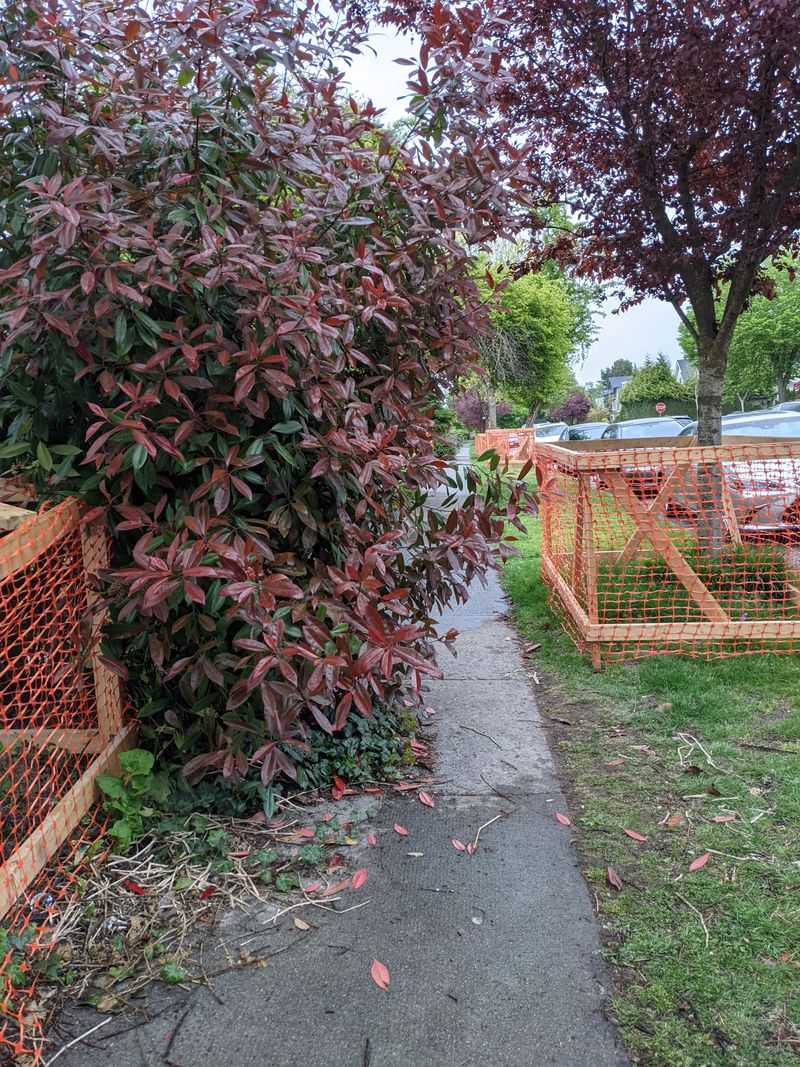
Sometimes talking to your neighbor and trimming carefully is not enough to solve the problem. Certain situations call for outside help, whether from local government officials or legal professionals who understand Florida property law.
If your neighbor’s shrubs block a sidewalk, obscure a stop sign, or create a safety hazard, contact your city or county code enforcement office. Most municipalities have ordinances requiring property owners to maintain clear sightlines and safe pathways.
Code enforcement can inspect the property, issue a violation notice, and require your neighbor to trim the overgrowth without you having to take any action yourself.
When the shrubs cause ongoing damage to your property, such as roots cracking your driveway or branches damaging your roof, you may need to consult an attorney. A lawyer can help you understand your rights, send a formal demand letter, and pursue a lawsuit if necessary.
Vegetation disputes can become property damage claims, and having legal guidance ensures you follow the correct procedures.
You should also seek legal advice if your neighbor threatens to sue you after you trim their overhanging shrubs. An attorney can review what you did, assess whether you stayed within legal boundaries, and represent you if the dispute goes to court.
Many attorneys offer free consultations, and some property disputes can be resolved through mediation without a full trial.
Remember that property and trimming laws vary by city and county, so verifying local ordinances or consulting professionals for your specific situation is always the safest approach.