Can You Legally Force A Neighbor To Clean Up Fallen Fruit In Oregon?
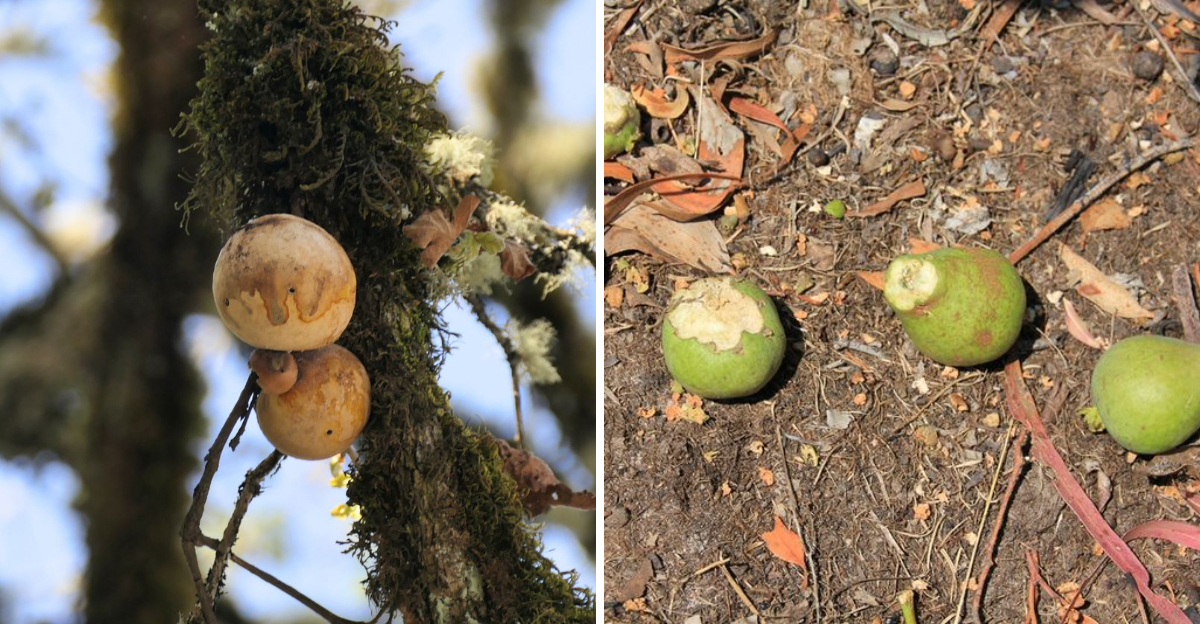
Usually, no, not just because the fruit came from their tree.
That answer can feel deeply annoying when apples are fermenting by your fence, plums are sticking to your walkway, or pears are drawing yellow jackets every afternoon.
It seems obvious that the person who owns the tree should deal with the mess. But Oregon neighbor tree disputes do not usually work from pure frustration.
They turn on property lines, local nuisance rules, documented harm, and whether the problem has become more than ordinary seasonal tree drop.
Ordinary fruit fall is often treated much like leaves, cones, seeds, and other natural debris. If it lands in your yard, you may be the one expected to clean it up.
Portland-hosted neighbor tree guidance explains that natural products falling into your yard are generally your cleanup responsibility, and it specifically treats fallen fruit as part of that natural-product category.
That does not mean a neighbor can ignore every possible problem.
Rotting fruit that creates rat harborage, foul odors, dangerous walking surfaces, blocked drains, or actual property damage may move into nuisance or negligence territory.
At that point, the question becomes less about the fruit itself and more about the condition it creates.
So can you legally force cleanup?
Only sometimes, and usually through local code enforcement, mediation, or a documented civil claim rather than a simple demand across the fence.
1. Know Where Natural Fruit Becomes Your Cleanup
The first answer is the least satisfying one.
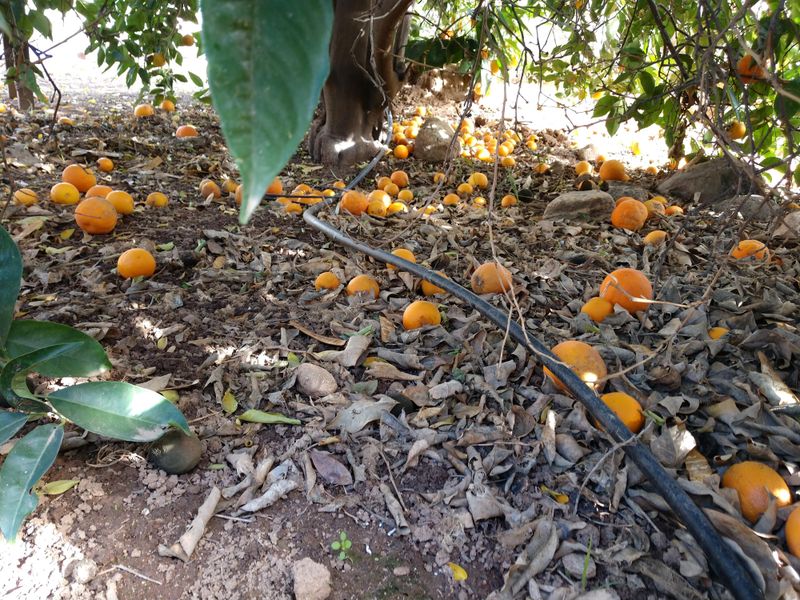
If ordinary fruit drops into your yard from a neighbor’s tree, you are often the person expected to clean up what lands on your side.
That does not mean the fruit tree owner is being polite by ignoring the mess. It means ordinary natural debris is usually treated differently from trash, dumping, or deliberate neglect.
Fruit attached to the tree still belongs to the tree owner. That matters if branches hang over your property and the fruit is still on the branch.
You should not pick fruit from a neighbor’s tree without permission just because it hangs over your fence.
Once fruit falls, local rules can vary, but the general neighbor-tree guidance hosted by Portland treats fallen fruit as a natural product, similar to leaves, and not automatically the tree owner’s cleanup duty.
That baseline rule is important before emotions take over.
A few apples on the lawn, a short seasonal drop, or fruit that can be raked easily may be frustrating, but it probably will not support a strong legal demand on its own.
Oregon neighborhoods are full of trees, and normal seasonal debris is part of living beside them.
The situation changes when the fruit creates a serious condition.
Rotting piles that attract rats, slippery walkways, fermenting juice near a shared path, blocked drains, repeated insect swarms near an entrance, or actual damage to property may give you a stronger argument. Even then, documentation matters.
Start by separating ordinary inconvenience from a condition that affects health, safety, access, or property.
If it is ordinary fruit drop, cleanup may be yours. If it has become a documented nuisance, you may have options.
Your Oregon Garden Changes Every Week. Your Plan Should Too.
Gardening in Oregon changes quickly throughout the season. Every Friday you’ll receive a simple weekly plan showing exactly what to plant, prune, fertilize, harvest, and protect so you never miss the right timing.
2. Check Local Rules Before Making Demands
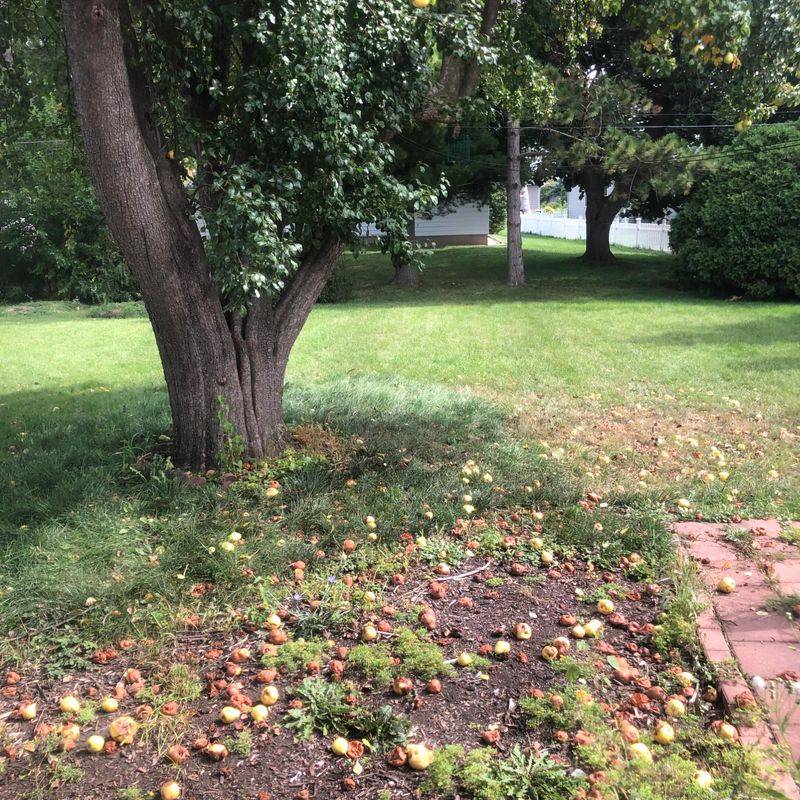
Oregon does not give every homeowner one simple statewide fallen-fruit rule that settles every argument.
Cities and counties handle nuisance, sanitation, vegetation, rodent, sidewalk, and property maintenance issues through local codes.
Portland, Eugene, Salem, Bend, Medford, Ashland, and unincorporated county areas may all treat complaints differently. That is why a demand that sounds legally strong in one city may go nowhere in another.
Local code is where fallen fruit can matter most.
For example, Portland’s property maintenance code requires property owners to maintain outdoor areas and adjacent rights of way according to city requirements.
It also addresses rat harborage, requiring removal or repair of conditions where rats gain shelter, feed, or breed. The same code covers certain accumulations of dead organic matter and yard debris when they create a nuisance condition.
That does not mean every fallen plum violates code.
It means rotting fruit may become relevant if it is creating a pest, safety, drainage, or health issue covered by the local ordinance. The legal hook is usually the nuisance condition, not the mere fact that fruit fell.
Before making a demand, check your city or county website. Search for “property maintenance,” “nuisance,” “rat harborage,” “yard debris,” “sanitation,” “sidewalk obstruction,” and “vegetation.”
Also check whether the problem is on private property, a sidewalk, a parking strip, or another public right of way.
HOA rules can add another layer. A homeowners association may require faster cleanup than city code does, especially in planned communities. Renters should check the lease and contact the landlord, because the legal duty may sit with the property owner.
The practical point is simple: do not guess.
If you want cleanup enforced, you need the rule that actually applies where you live.
3. Document Rot Odors Pests And Slippery Surfaces
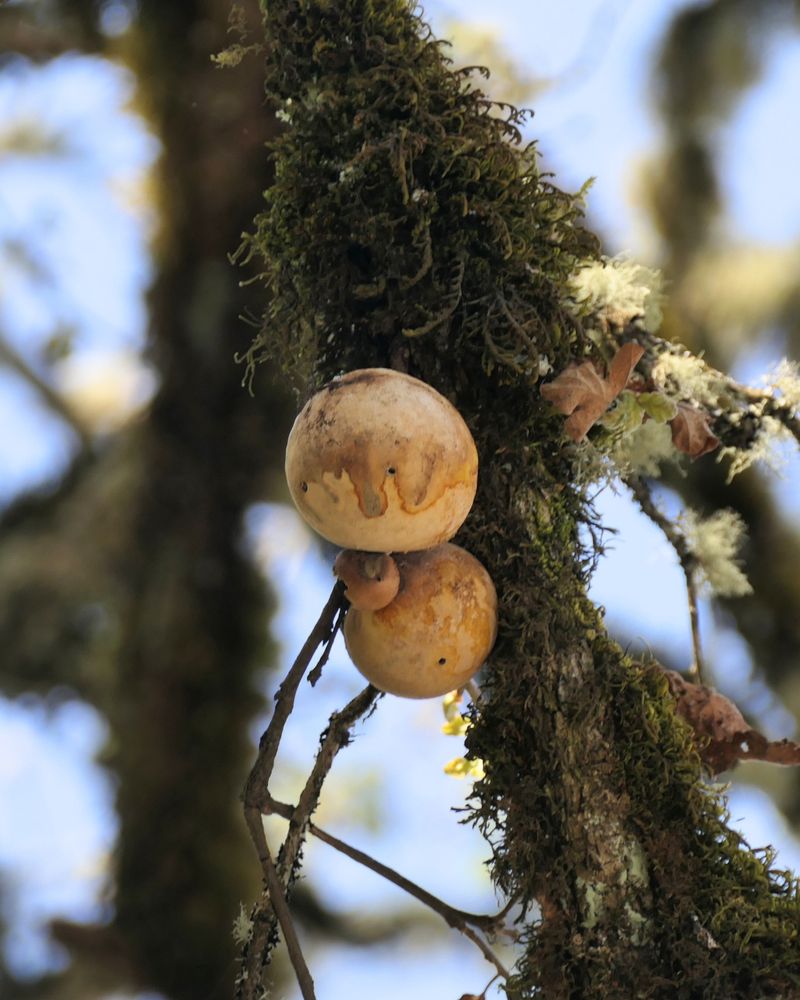
A complaint gets stronger when it is specific.
“Fruit is everywhere and my neighbor is being awful” may be emotionally true, but it is not the best record.
Code officers, mediators, landlords, HOA boards, and courts respond better to clear facts: dates, photos, volume, location, odors, pests, injuries, blocked drainage, and repeated requests.
Start with photos.
Take wide shots that show where the fruit is landing, then close-up shots showing rot, insect activity, staining, mold, or piles near a drain, gate, walkway, or foundation.
Use date-stamped images if possible. Take photos from your own property only, and do not enter your neighbor’s yard without permission.
Keep a short written log. Note the date, weather, fruit volume, odor, yellow jacket activity, rodent droppings, slippery areas, or cleanup time.
If fruit is landing on a shared walkway or public sidewalk, record that clearly. If you slipped, nearly slipped, or had to block access to avoid injury, write that down the same day.
Receipts matter too. Save pest control bills, drain-clearing invoices, surface cleaning costs, or repair estimates if the fruit caused a real expense.
A complaint about annoyance is one thing. A complaint tied to repeated out-of-pocket damage is very different.
Be careful with your language. Use calm descriptions rather than accusations. “Rotting pears accumulated along the fence line for six days and drew yellow jackets near the side gate” is stronger than “my neighbor refuses to be decent.”
Documentation also helps you see the real pattern. A heavy one-week drop at peak ripeness may be annoying but temporary. A month of fermenting fruit and pest activity may justify escalation.
If the problem becomes formal, your records tell the story for you.
4. Send A Calm Written Request First
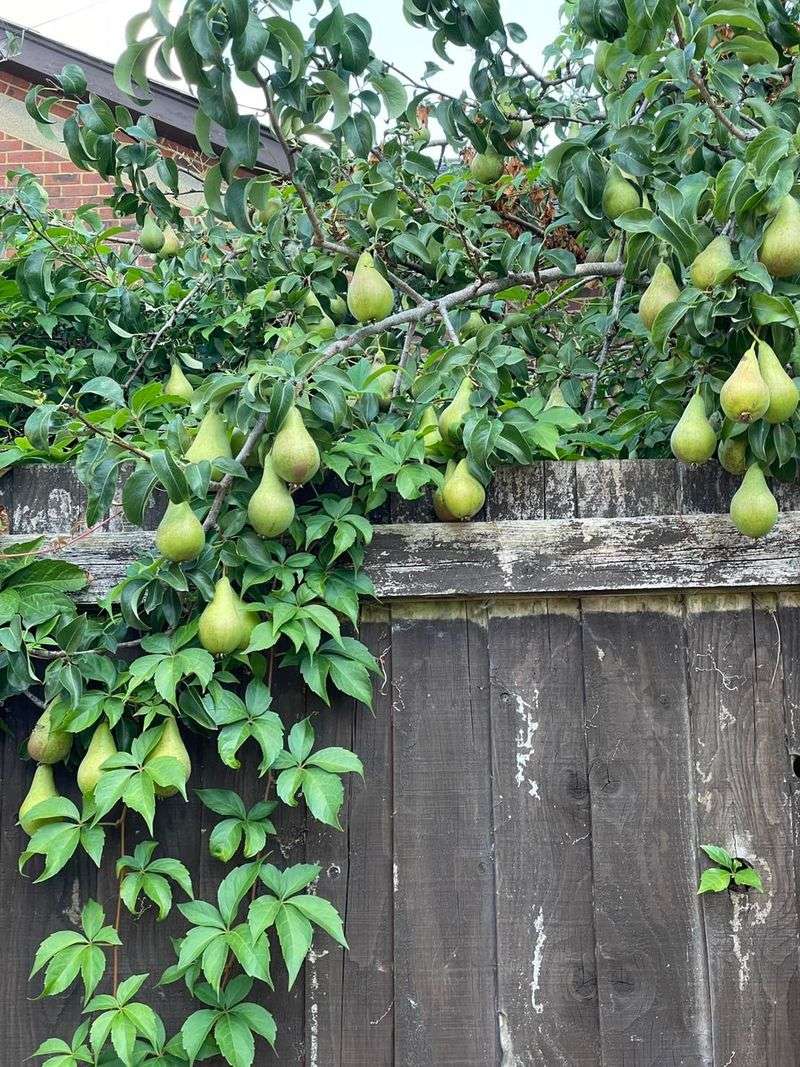
A calm written request can solve more than a legal threat.
Many neighbors do not realize how much fruit is landing on the other side of the fence. From their yard, the tree may look productive and pleasant.
From yours, it may look like a sticky, wasp-filled chore. A respectful note gives them a chance to help before the issue turns into a formal dispute.
Keep the message simple.
Describe what is happening, where it is happening, and why it is a concern. Mention the dates or pattern you have observed.
Ask for a reasonable solution, such as more frequent harvesting, pruning by a qualified arborist, shared pickup during peak drop, or permission to collect fruit that lands in an accessible area.
Avoid “you must” language unless you are citing a specific local rule that truly applies. A threatening tone often turns a solvable problem into a neighborhood grudge.
Send the request in a way you can document. Email is fine if you have the correct address. Certified mail may be useful if the issue is severe or repeated. Keep a copy with your photos and log.
This step matters legally too. Oregon small claims information notes that a claimant must make a good-faith effort to collect or resolve the claim before filing, and the claim form must say that an effort was made.
Even if you never go to court, a written request shows you tried a reasonable path first.
Give the neighbor time to respond. One to two weeks is often reasonable unless there is an immediate safety problem.
The best written request is firm but neighborly.
It says, “This is creating a problem. Can we fix it before it gets worse?”
5. Offer A Practical Cleanup Plan
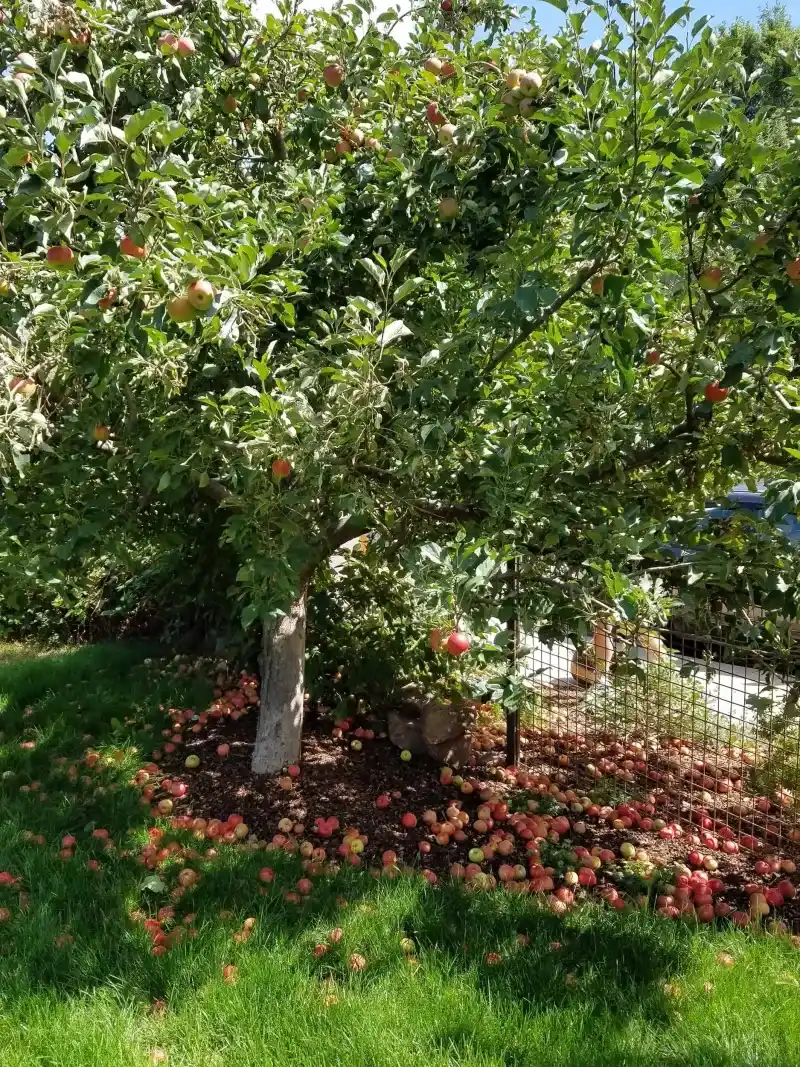
A practical agreement may do more good than a perfect argument.
Fruit drop is seasonal, predictable, and often manageable once both neighbors stop treating it like a personal insult.
A shared plan can reduce pests, lower cleanup time, and preserve the relationship, which matters when you still have to live beside each other after apple season ends.
Offer specific options.
Your neighbor might harvest earlier during peak ripening. You might agree to collect fruit that falls on your side if they give permission and provide bins.
Both households might schedule a weekly pickup for two or three heavy weeks. A tarp or drop cloth under part of the canopy may catch fruit before it spreads. A local gleaning group may be willing to harvest usable fruit before it drops.
If overhanging branches are the main problem, pruning may help, but it must be done carefully. Portland guidance says you may prune branches that overhang onto your property, but only up to the property line, and pruning must not damage the tree.
Street trees or Heritage Trees may require permits.
That last part is crucial.
Do not cross the property line to prune. Do not cut so heavily that the tree is harmed. Do not remove major limbs just because they annoy you. Hiring an ISA-certified arborist and splitting the cost may be cheaper than a dispute that escalates.
Mediation is another good option when direct conversation stalls. Resolution Oregon says community mediation centers handle neighbor-neighbor issues, including property maintenance concerns, and offer free or low-cost services in participating counties.
A cleanup plan is not surrender.
It is often the fastest, least expensive way to solve a problem the law may not handle cleanly.
6. Report A Verified Nuisance Locally
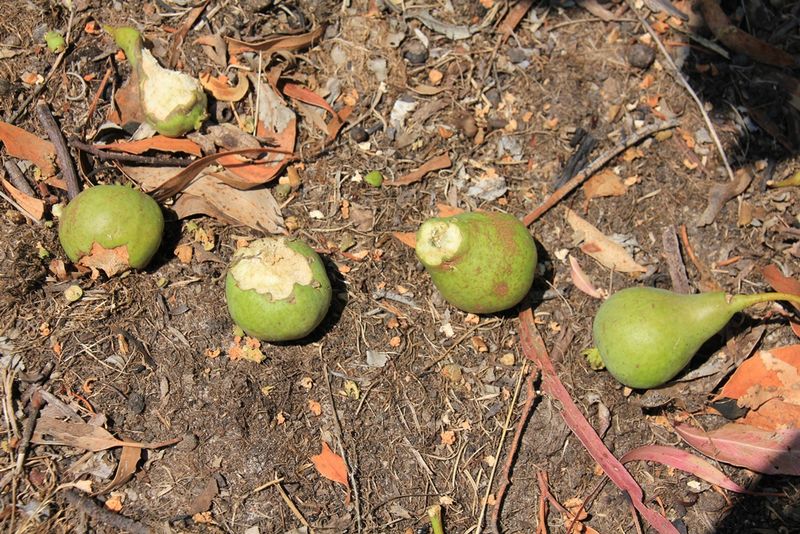
When fruit creates a real health or safety issue, local enforcement may be appropriate. This is different from calling because the mess is annoying.
Code enforcement is usually looking for a condition covered by local rules, such as rat harborage, unsafe property maintenance, blocked public access, or a nuisance that affects neighboring property or public health.
Use the right department.
A public sidewalk covered in slippery fruit may belong with public works, transportation, or code enforcement, depending on the city.
Rodent activity may belong with environmental health, public health, or property maintenance. Fruit blocking a storm drain may involve public works. A private fence-line dispute with no code violation may be considered a civil matter instead.
Portland’s code violation page allows reports for property maintenance danger or nuisances, but it also explains that property line disputes, boundary disagreements, and damage caused by neighbors are civil matters between property owners unless there is a separate code violation.
That distinction is useful across Oregon, even though local processes vary.
When you file a report, describe the condition, not your legal conclusion.
Say: “Rotting fruit has accumulated along the shared walkway for three weeks, yellow jackets are active, and the sidewalk is slippery.” Do not lead with: “My neighbor is breaking the law.” Let the official decide whether a code applies.
Include your documentation. Photos, dates, written requests, and pest evidence make the complaint easier to evaluate. Keep the case number and the name of any official you speak with.
A verified nuisance may lead to inspection, notice, or required cleanup under local rules.
But ordinary fallen fruit with no health, safety, pest, access, or damage issue may not be enough.
7. Save Proof Of Damage Or Negligence
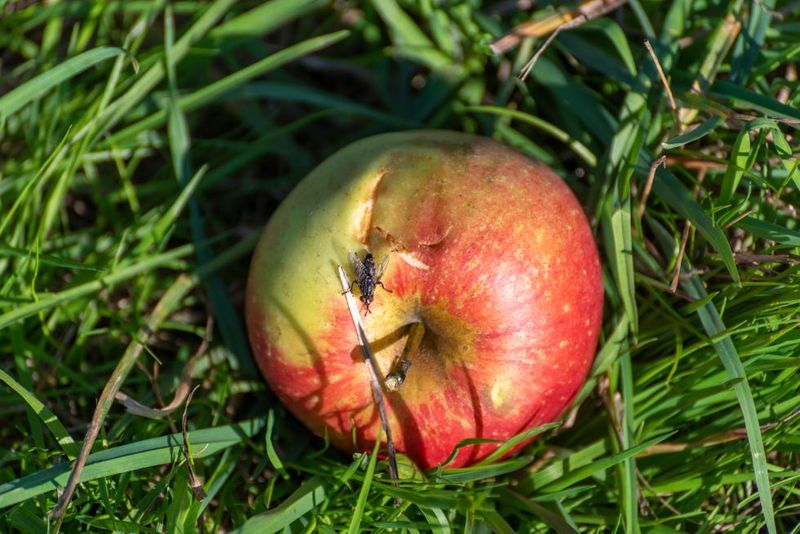
Legal pressure becomes more realistic when fallen fruit causes measurable harm.
A sticky nuisance is one thing. A clogged drain, pest infestation, damaged surface, medical bill from a fall, or repeated cost tied directly to the fruit is another. At that point, the issue may shift from everyday neighbor irritation into a possible civil claim.
Evidence is everything.
Save invoices for pest control, plumbing, pressure washing, repairs, or medical care. Photograph the fruit in the exact place where it caused the problem.
Show the connection clearly. Fruit piled against a drain, followed by a drain-clearing invoice, is more persuasive than a general complaint about a messy tree.
You would also need to show notice and reasonableness.
Did the neighbor know about the condition? Did you tell them in writing? Did they have a chance to address it? Was the harm foreseeable? Did you take reasonable steps on your own property to reduce the problem?
Negligence usually requires more than the fact that fruit fell. It often turns on whether someone knew or should have known about a hazardous condition and failed to act reasonably.
For smaller monetary disputes, Oregon small claims may be an option. Oregon court guidance says small claims are used to resolve disputes without a lawyer, and the amount claimed, including property value, must be $10,000 or less.
Talk to an Oregon attorney if the loss is significant, the facts are disputed, or you are considering filing.
The cleanest path is still usually practical: document, write, mediate, and use local enforcement if a code issue exists.
You cannot usually force a neighbor to clean up ordinary fallen fruit just because it bothers you.
But documented nuisance, safety issues, or provable damage can give you tools that ordinary annoyance does not.