Can You Legally Prune A Neighbor’s Overhanging Shrub Branches In Florida
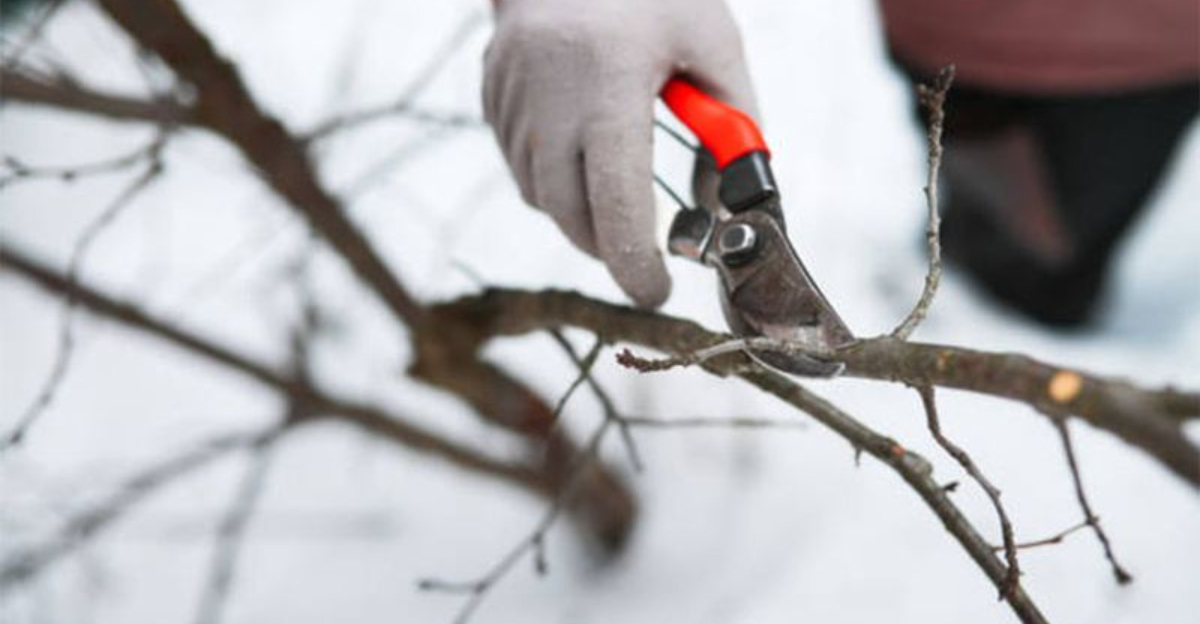
Few things spark backyard tension faster than a shrub that refuses to stay in its lane.
In Florida, where plants grow like they are on a mission, overhanging branches can creep across fences, brush against windows, and drop leaves where they do not belong.
One day it is a minor annoyance.
The next, it feels like the straw that breaks the camel’s back.
Homeowners often wonder how far their rights really reach when a neighbor’s shrub starts pushing boundaries.
Cutting those branches might seem like a simple fix, but that quick snip can open a whole can of worms.
Florida law draws lines that are not always easy to see, and crossing them can turn a quiet neighborhood into a hornet’s nest of disputes.
Between property rights, plant damage, and neighbor relations, pruning is not always as clear cut as it looks.
A move made in good faith can still land someone in hot water if the rules are ignored.
Before grabbing the pruning shears and taking matters into your own hands, it pays to know where the law stands.
In Florida, knowing the ground rules can save time, money, and more than a few frayed nerves.
1. Understanding Florida’s Property Line Laws
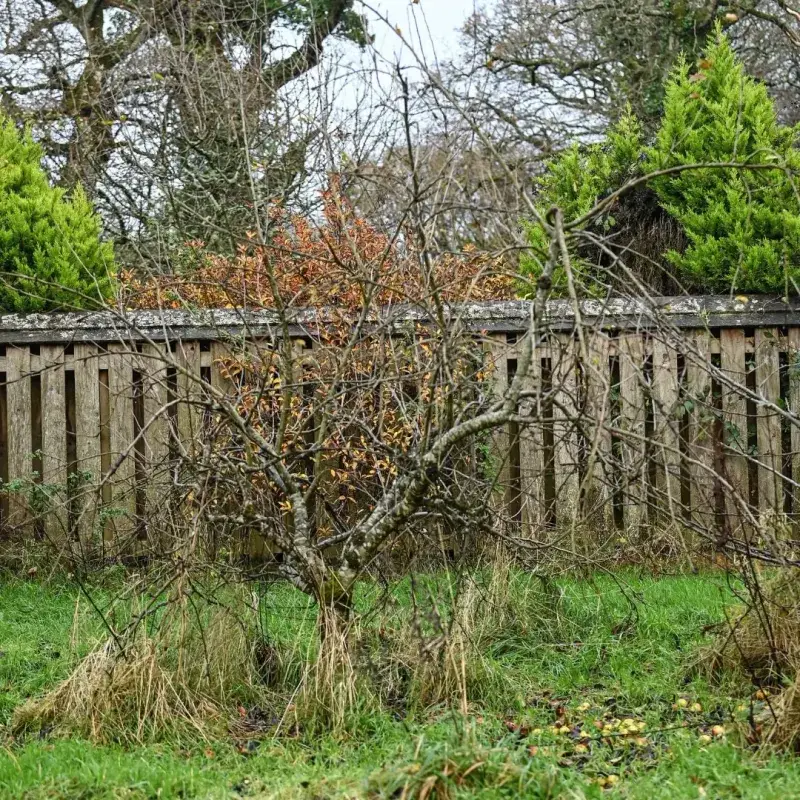
Property boundaries matter a lot when dealing with overhanging branches in Florida.
The state follows what legal experts call the “Massachusetts Rule,” which gives property owners certain rights when vegetation crosses their property line.
Your property line marks the exact spot where your land ends and your neighbor’s begins, and this invisible line plays a crucial role in determining what you can and cannot do.
Florida law generally allows you to trim branches that hang over onto your property, but only up to the property line itself.
You cannot cross over onto your neighbor’s land to do the trimming, and you must be careful not to damage the plant in ways that could harm its overall health.
Think of it like having permission to get a haircut on your side of the fence, but you cannot reach over and cut hair on the other side.
Before you grab your pruning shears, knowing exactly where your property line sits is essential.
Many homeowners in Florida discover their assumed property lines are actually off by several feet.
Consider hiring a surveyor to mark the exact boundaries if there is any doubt.
This small investment can save you from expensive legal disputes down the road.
Keep in mind that Florida courts have ruled on these matters many times over the years.
These decisions help clarify what homeowners can do when faced with encroaching vegetation from neighboring properties throughout the Sunshine State.
2. Your Right To Self-Help Trimming
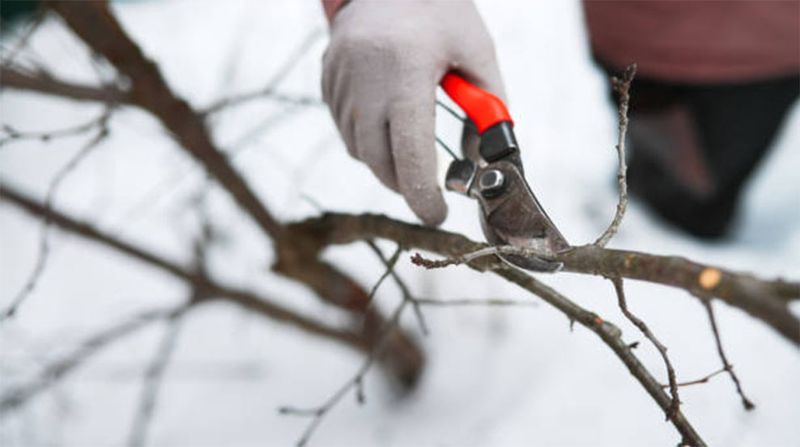
Florida recognizes something called the “self-help” doctrine when it comes to overhanging branches.
This legal principle lets you take matters into your own hands without needing to ask your neighbor’s permission first.
Basically, if branches cross onto your property, you have the right to trim them back to the property line yourself.
The self-help rule exists because the law understands that overhanging vegetation can cause real problems for property owners.
Branches might block sunlight from reaching your garden, drop leaves into your pool, or scratch against your house during storms.
Florida’s humid climate makes vegetation grow quickly, so these issues can develop faster than in other states.
However, this right comes with important limitations that you must respect.
You can only trim what hangs over your side of the property line.
Reaching across the boundary to cut branches still on your neighbor’s property counts as trespassing, even if those branches will eventually grow over onto your land.
You also need to trim carefully to avoid causing unnecessary damage to the plant.
When exercising your self-help rights in Florida, use proper tools and techniques.
Clean, sharp pruning equipment makes better cuts that heal faster.
Make cuts at appropriate angles and locations on the branch to minimize stress on the plant.
If you are not confident in your trimming skills, hiring a professional arborist familiar with Florida vegetation might be worth considering.
3. Restrictions On How You Trim
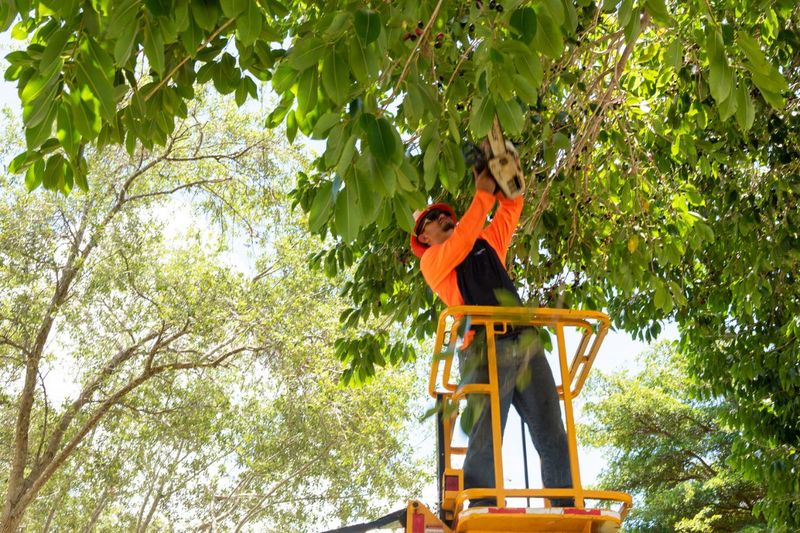
Just because you can trim overhanging branches does not mean you can hack away without consequences.
Florida law requires you to trim responsibly and avoid causing serious harm to your neighbor’s plants.
Courts in the state have ruled that property owners cannot use their trimming rights as a weapon to damage or destroy a neighbor’s vegetation.
What does responsible trimming look like?
First, you should only remove what actually crosses your property line.
Second, make clean cuts that follow proper horticultural practices.
Third, avoid trimming so aggressively that the plant cannot survive or loses its natural shape.
If your trimming causes the entire shrub or tree to decline or become unhealthy, you could face legal liability.
Florida’s warm, humid environment means plants can be vulnerable to disease and pests after pruning.
Poor cuts create entry points for fungal infections and insects that thrive in the state’s tropical climate.
When you trim, consider the plant’s ability to recover in Florida conditions.
Avoid trimming during extreme heat or the middle of growing season when possible.
Some Florida municipalities have additional local ordinances about trimming vegetation.
Cities like Miami, Tampa, and Orlando may have specific rules about protected tree species or heritage plants.
Check with your local code enforcement office before trimming anything substantial.
What seems like a simple trim could violate local preservation laws if the plant has special protected status in your Florida community.
4. When You Might Need Permission First
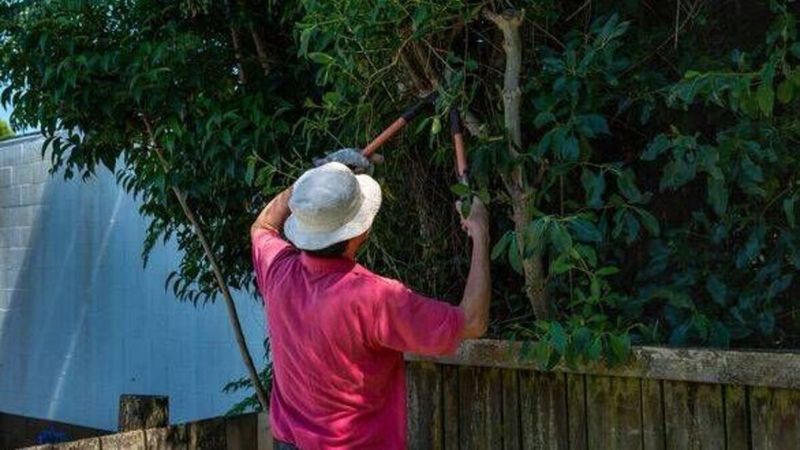
Sometimes the smart move is talking to your neighbor before you start trimming, even though Florida law might not require it.
Good communication prevents misunderstandings and keeps neighborhood relationships friendly.
Your neighbor might not even realize their shrubs are causing you problems, especially if the overgrowth happened gradually.
Certain situations make getting permission especially important.
If the overhanging vegetation comes from a particularly valuable or rare plant, your neighbor will probably appreciate knowing before you trim.
Florida has many exotic and expensive tropical plants that homeowners invest significant money into cultivating.
Trimming these without warning could damage something your neighbor treasures.
Protected or endangered plant species require extra caution throughout Florida.
The state has laws protecting certain native plants, and damaging them could result in fines even if the branches hang over your property.
Mangroves, for example, have special protections in coastal Florida areas.
Before trimming anything you cannot identify, ask your neighbor what species it is or consult with a local botanist.
Homeowner associations in Florida often have their own rules about landscaping and trimming.
Many Florida communities have HOAs with detailed guidelines about maintaining property appearance.
Your HOA might require you to get approval before trimming anything visible from the street, even if it technically overhangs your property.
Review your HOA documents or ask the board before taking action to avoid potential fines or violations.
5. What Happens To The Trimmed Branches
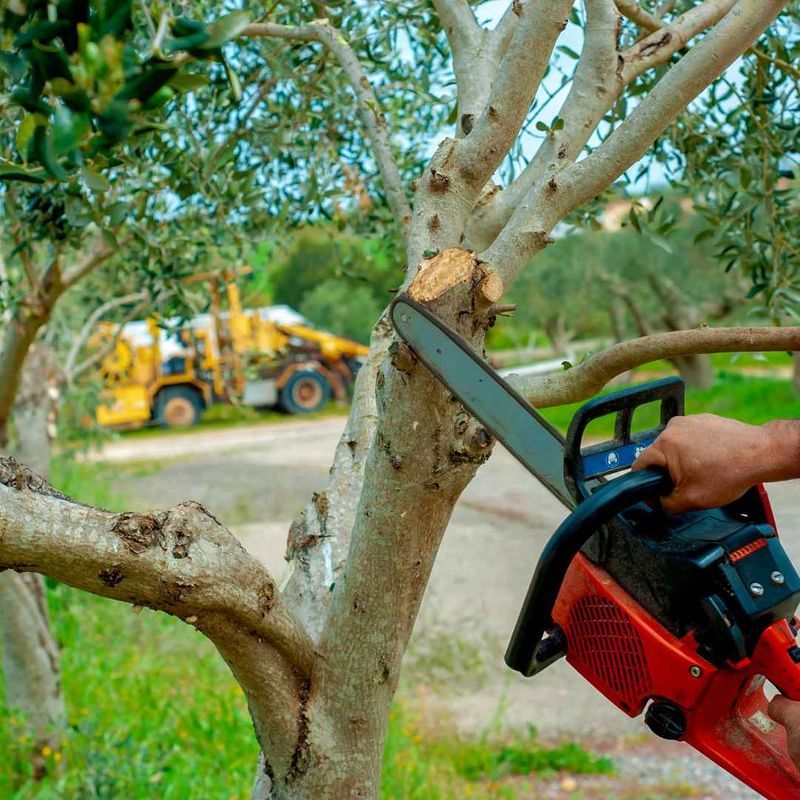
After you trim those overhanging branches, you might wonder who owns the clippings.
Florida law is clear on this point.
Even though the branches were hanging over your property, they still belong to your neighbor because they came from their plant.
Technically, you should offer to return the trimmed material to your neighbor.
In practice, most neighbors will not want piles of branches back.
They will likely tell you to dispose of the trimmings yourself, which makes everyone’s life easier.
However, making the offer shows respect and follows the letter of the law.
A simple conversation like “I trimmed the branches hanging over my fence, would you like them back or should I dispose of them?” covers your bases nicely.
Florida has specific rules about yard waste disposal that vary by county and city.
Many Florida municipalities offer curbside pickup for yard waste on designated days.
You typically need to bundle branches a certain way or place them in approved containers.
Some areas require you to cut branches into specific lengths before putting them out for collection.
Never assume you can keep fruit, flowers, or other products from the trimmed branches.
If your neighbor’s mango tree drops branches full of fruit onto your property, those mangoes still belong to your neighbor under Florida law.
The same goes for any other valuable products the plant produces.
Taking them without permission could technically count as theft, even though the branches were on your property when you trimmed them.
6. Potential Legal Consequences Of Improper Trimming
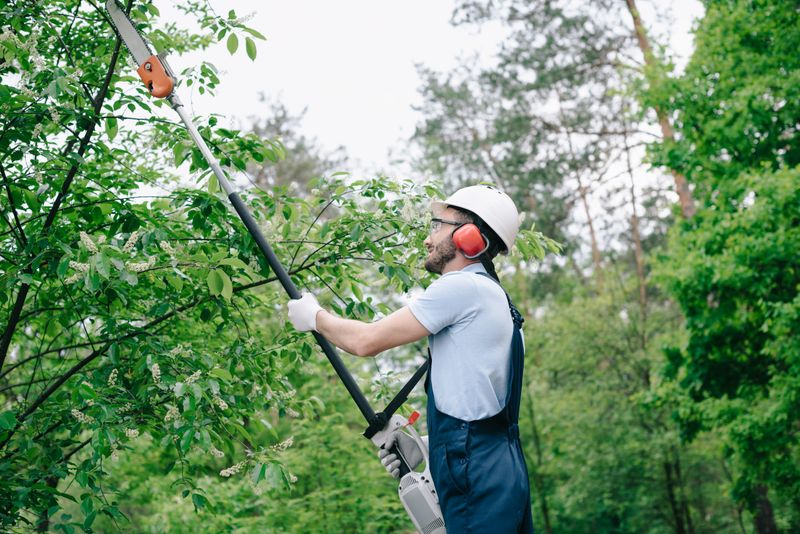
Trimming incorrectly or too aggressively can land you in legal hot water in Florida.
If your trimming causes significant damage to your neighbor’s plant, they could sue you for the cost of replacing or repairing it.
Mature trees and established landscaping can be surprisingly expensive to replace, especially in Florida where tropical plants often carry premium prices.
Florida courts can award damages based on the diminished value of the property or the cost to replace the damaged vegetation.
A large, mature tree might be worth thousands of dollars.
Rare tropical plants that thrive in Florida’s climate can cost even more.
If your overzealous trimming causes a valuable plant to decline, you could face a lawsuit seeking compensation for the full replacement value.
Beyond money damages, improper trimming could result in an injunction.
This legal order from a Florida court could prohibit you from trimming anything else on the property line without permission.
Violating an injunction leads to contempt of court charges, which carry their own penalties including potential fines.
Some Florida cases have involved criminal trespass charges when someone crossed property lines to trim vegetation.
If you step onto your neighbor’s property to reach branches, you are trespassing under Florida law.
Even if your intentions are good, trespassing is trespassing.
Stay firmly on your own side of the property line when trimming to avoid these criminal issues.
Document everything before you trim.
Take photos showing exactly how far branches extend over your property line.
These pictures can protect you if your neighbor later claims you damaged plants that were entirely on their side.
7. Alternative Solutions Besides Trimming
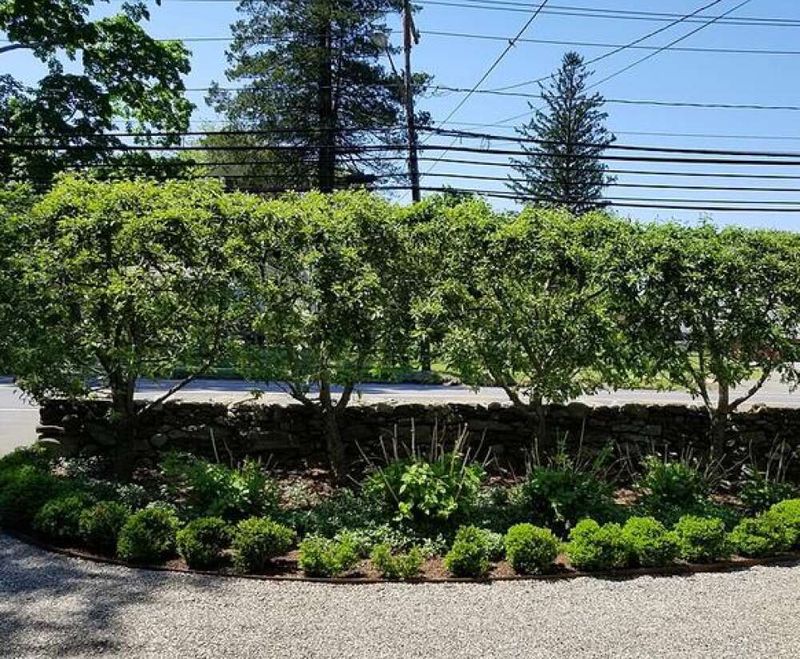
Trimming is not your only option when dealing with overhanging branches in Florida.
Several alternatives might solve the problem while keeping neighborhood peace intact.
Sometimes creative solutions work better than going straight to the pruning shears, especially when dealing with sensitive neighbors or valuable plants.
Mediation services can help when you and your neighbor disagree about vegetation issues.
Many Florida counties offer community mediation programs that cost little or nothing.
A neutral third party helps both sides communicate and reach an agreement everyone can accept.
This approach often preserves relationships better than legal action while still solving the practical problem.
Offering to share the cost of professional trimming can be a smart compromise.
A licensed arborist familiar with Florida plants can trim overhanging branches properly while shaping the entire plant attractively.
Your neighbor gets their shrub professionally maintained, and you get relief from the overgrowth.
Splitting the bill makes it affordable for both parties.
Installing barriers might address your concerns without touching the neighbor’s plants at all.
A taller fence, a planted hedge on your side, or a decorative screen can block unwanted views or falling debris.
These solutions give you more control since everything stays on your property.
In Florida’s growing climate, a fast-growing hedge can provide screening in just one or two seasons.
If the overhanging vegetation causes serious problems like property damage or safety hazards, document everything thoroughly.
Photos, repair bills, and written complaints create a record.
This documentation becomes valuable if you eventually need to pursue legal remedies through Florida courts.