Can You Legally Remove A Neighbor’s Vines Growing Over Your Fence In Texas
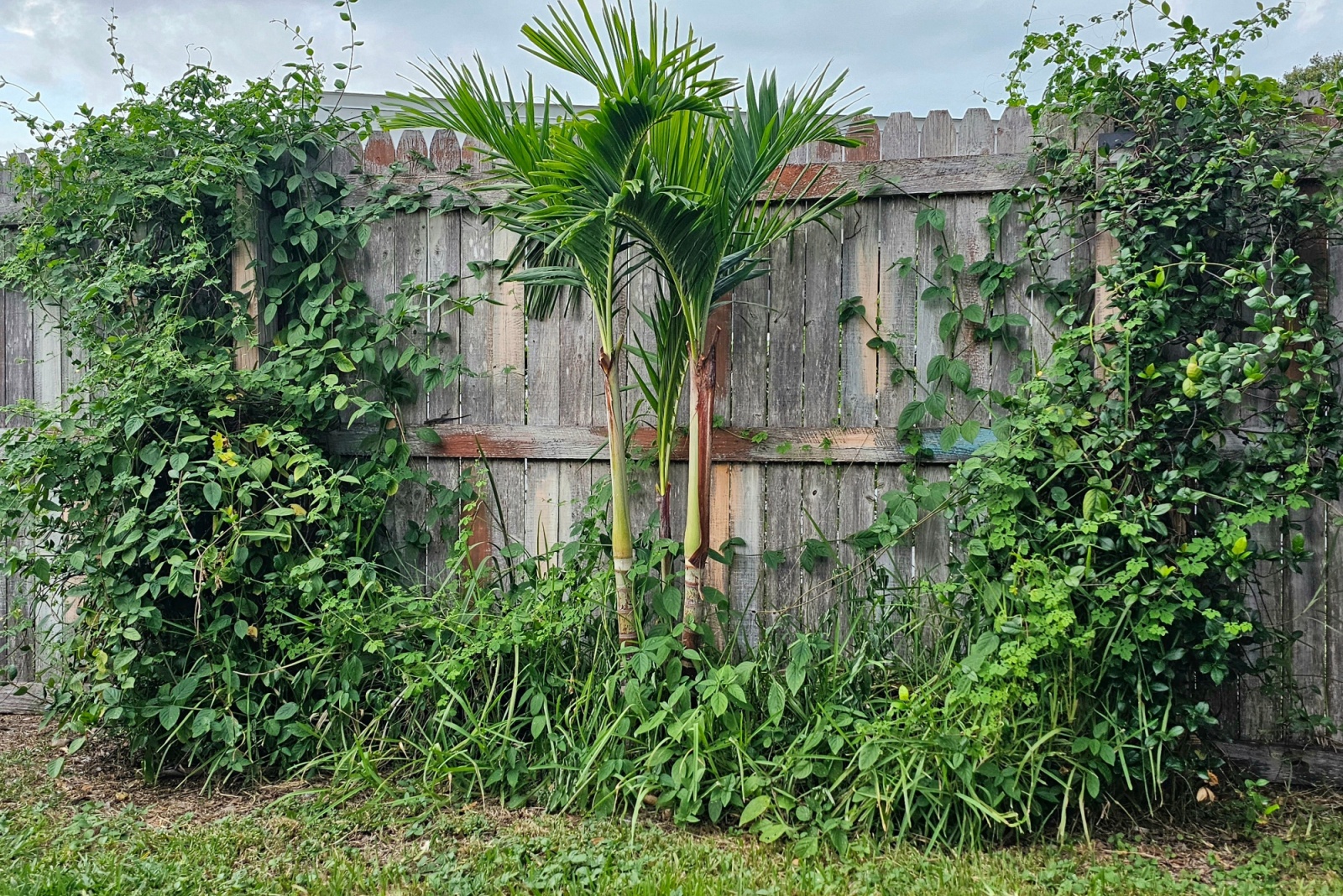
When your neighbor’s vines start snaking over your fence in Texas, it can quickly go from harmless greenery to a real headache—tangled plant matter, blocked views, and invasive roots.
Before you grab the shears or a weed trimmer, it’s important to understand the legal ground you’re standing on.
In Texas, property rights and home landscaping disputes aren’t always as simple as “your yard” vs. “my yard.”
While many homeowners assume they can cut anything on their side of the fence, the law and local ordinances may say otherwise, especially when vines are attached to structures or crossing property lines.
Knowing what you can legally remove—and what could land you in trouble—is key to keeping peace with your neighbor and avoiding liability.
In this article, we’ll break down what Texas law says about removing a neighbor’s vines over your fence and share smart, respectful ways to handle the situation.
How Texas Property Law Treats Overhanging Vines
Texas follows common law principles that give property owners specific rights when plants cross boundary lines between neighboring yards and properties.
The state recognizes that vegetation does not respect fences, so legal guidelines exist to balance everyone’s interests fairly and reasonably.
Property owners in Texas generally have the right to trim branches, vines, and roots that extend onto their side of property.
However, Texas law also requires that you exercise this right carefully without causing unnecessary harm to the entire plant or tree.
Courts in Texas have consistently ruled that landowners must act reasonably when dealing with encroaching vegetation from adjacent properties and yards.
You cannot simply destroy a neighbor’s plant just because part of it crosses your fence line or enters your airspace above ground.
The legal principle allows you to protect your property while respecting the rights of your neighbor who owns the original plant.
Most disputes about overhanging vines can be resolved by understanding these basic legal principles and communicating openly with your neighbor today.
Where Your Property Rights Begin At The Fence Line

Your legal property rights extend vertically from your boundary line, meaning you control the space above and below your land’s surface.
When vines grow over your fence, they enter your airspace, which gives you certain rights to address the intrusion on property.
The fence itself may sit exactly on the boundary line, or it might be entirely on one person’s property depending on installation.
Knowing the exact location of your property line is essential before taking any action regarding vines or other overhanging vegetation issues.
Survey records, plat maps, and professional surveys can help you determine precisely where your property ends and your neighbor’s property begins clearly.
Once vines cross into your airspace, Texas law generally permits you to trim them back to the exact boundary line carefully.
You do not have the right to go onto your neighbor’s property to cut vines unless you have explicit permission first.
Respecting these boundaries protects you from potential trespassing claims while still allowing you to maintain your own yard and fence properly.
What You Are Allowed To Remove And What Must Stay
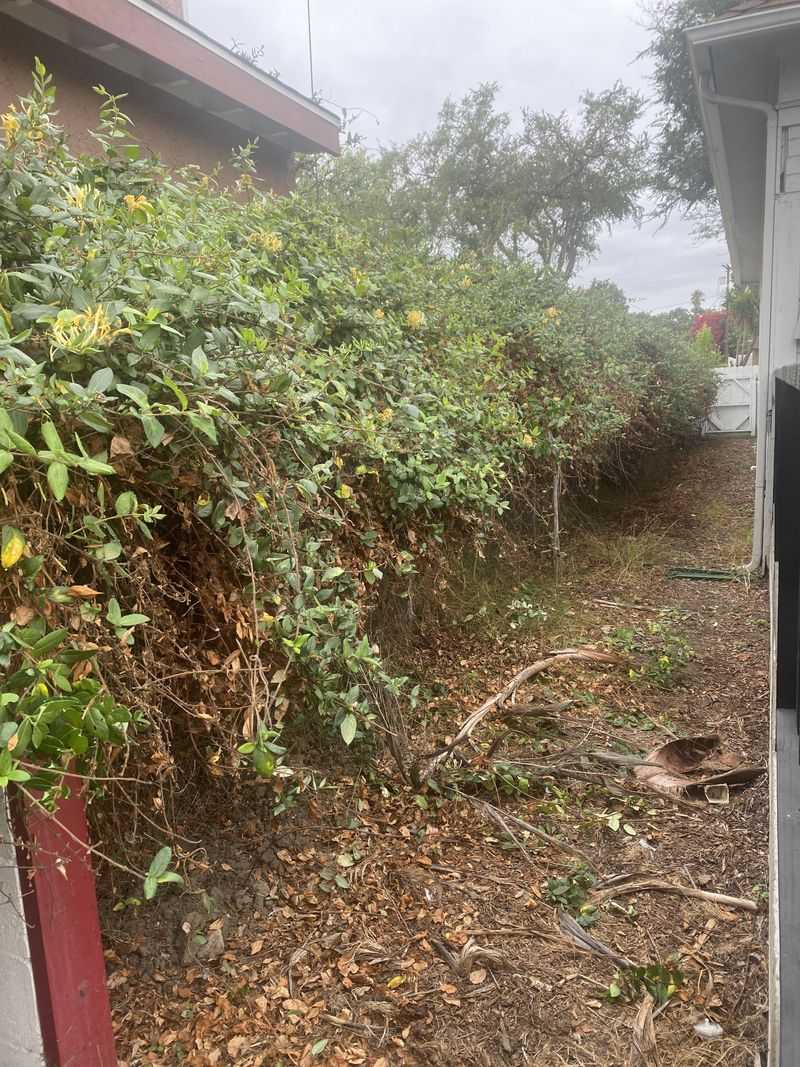
Texas law allows you to trim any part of a vine that has crossed onto your property without asking permission first.
You can cut back leaves, stems, and tendrils that hang over your fence or grow through the slats into your yard.
The key limitation is that you must only remove the portions that are physically on your side of the boundary line.
You cannot reach over the fence to cut vines on your neighbor’s side, even if they are about to cross over soon.
Similarly, you must avoid damaging the main stem or root system that remains entirely on your neighbor’s property at all times.
Some people mistakenly believe they can demand that a neighbor remove plants near the fence, but that is not accurate legally.
Your neighbor has the right to grow plants on their own property, even right up against the shared fence or boundary.
Your legal remedy is limited to trimming what crosses over, not controlling what your neighbor plants or maintains on their side.
When Cutting Vines Could Create Legal Or Financial Risk
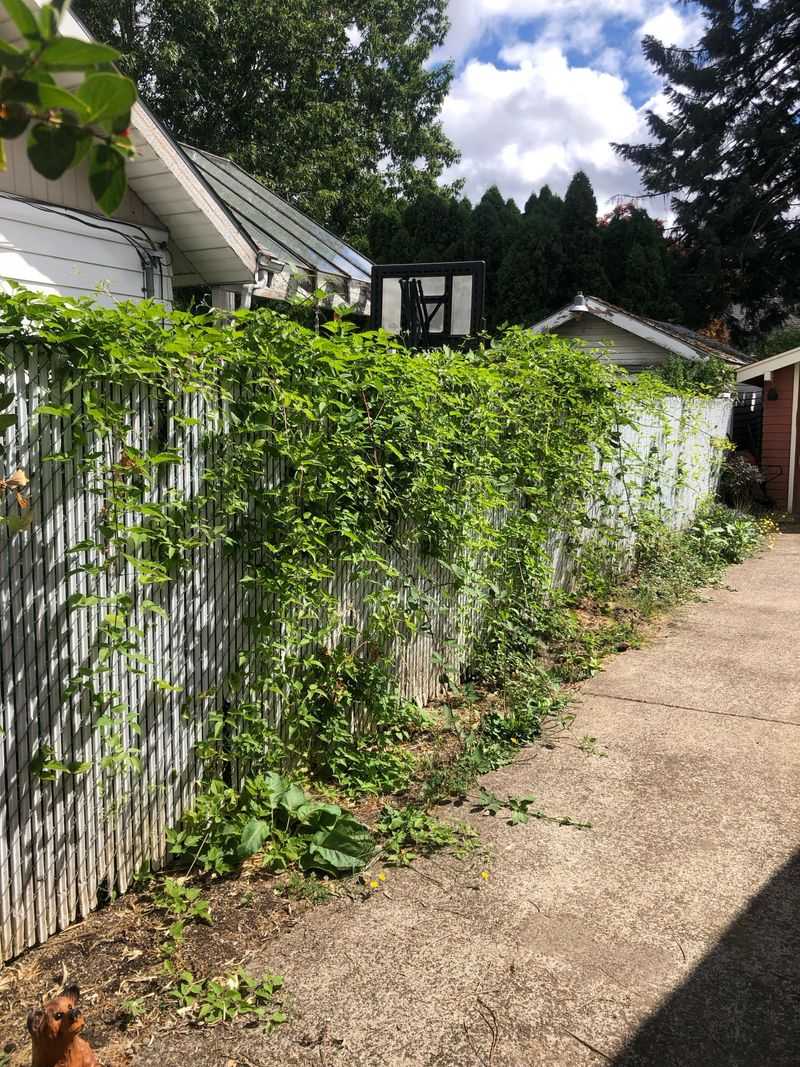
Cutting vines carelessly can expose you to legal liability if your actions harm the entire plant or cause significant damage unnecessarily.
Texas courts have ruled that property owners who act unreasonably when trimming vegetation may be held responsible for the resulting harm.
For example, cutting a vine so severely that the entire plant withers could make you liable for the plant’s replacement value.
Ornamental vines like wisteria or climbing roses can be expensive, and destroying them might result in a lawsuit for damages against you.
Another risk arises if you trespass onto your neighbor’s property to cut vines, which is illegal regardless of your intentions or frustrations.
Even accidentally stepping over the line while trimming can create legal problems, so always stay on your side of the boundary.
Additionally, using herbicides or other chemicals that drift onto your neighbor’s property can create liability for damage to their plants and yard.
To minimize risk, trim conservatively, use clean cuts, and avoid aggressive tactics that could harm the plant beyond your property line.
Why Communication With Your Neighbor Still Matters
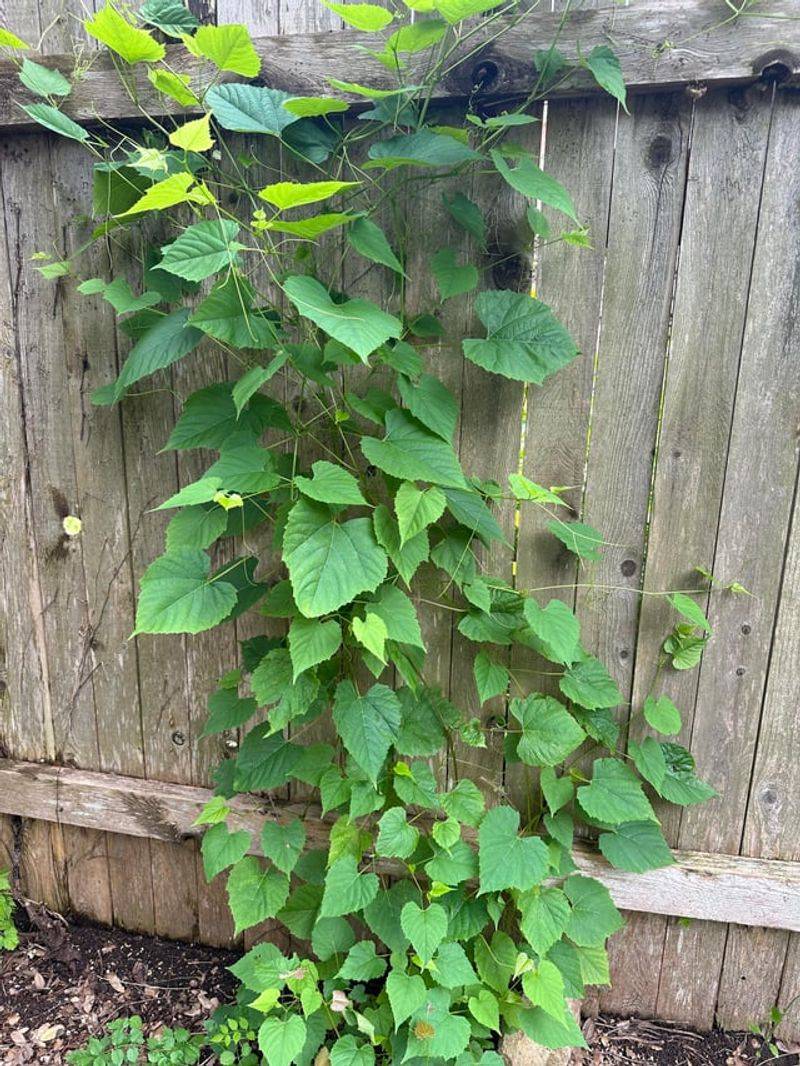
Even though you have the legal right to trim overhanging vines, talking to your neighbor first is almost always the smarter approach.
Open communication can prevent misunderstandings, preserve your relationship, and sometimes lead to your neighbor volunteering to trim the vines themselves happily.
Many people are unaware that their plants have grown over the fence and will appreciate you bringing it to their attention.
Approaching the conversation politely and respectfully sets a positive tone and shows that you value being a good neighbor in the community.
You might say something simple like, “I noticed some vines from your yard are growing over the fence into mine.”
This neutral statement opens the door for a friendly discussion without sounding accusatory or demanding in any way at all.
Your neighbor might offer to trim the vines themselves, which saves you the effort and avoids any potential for conflict or tension.
Building goodwill through respectful communication makes future interactions easier and helps maintain a peaceful neighborhood environment for everyone living nearby today.
Situations Where Permission Or Notice Is Recommended
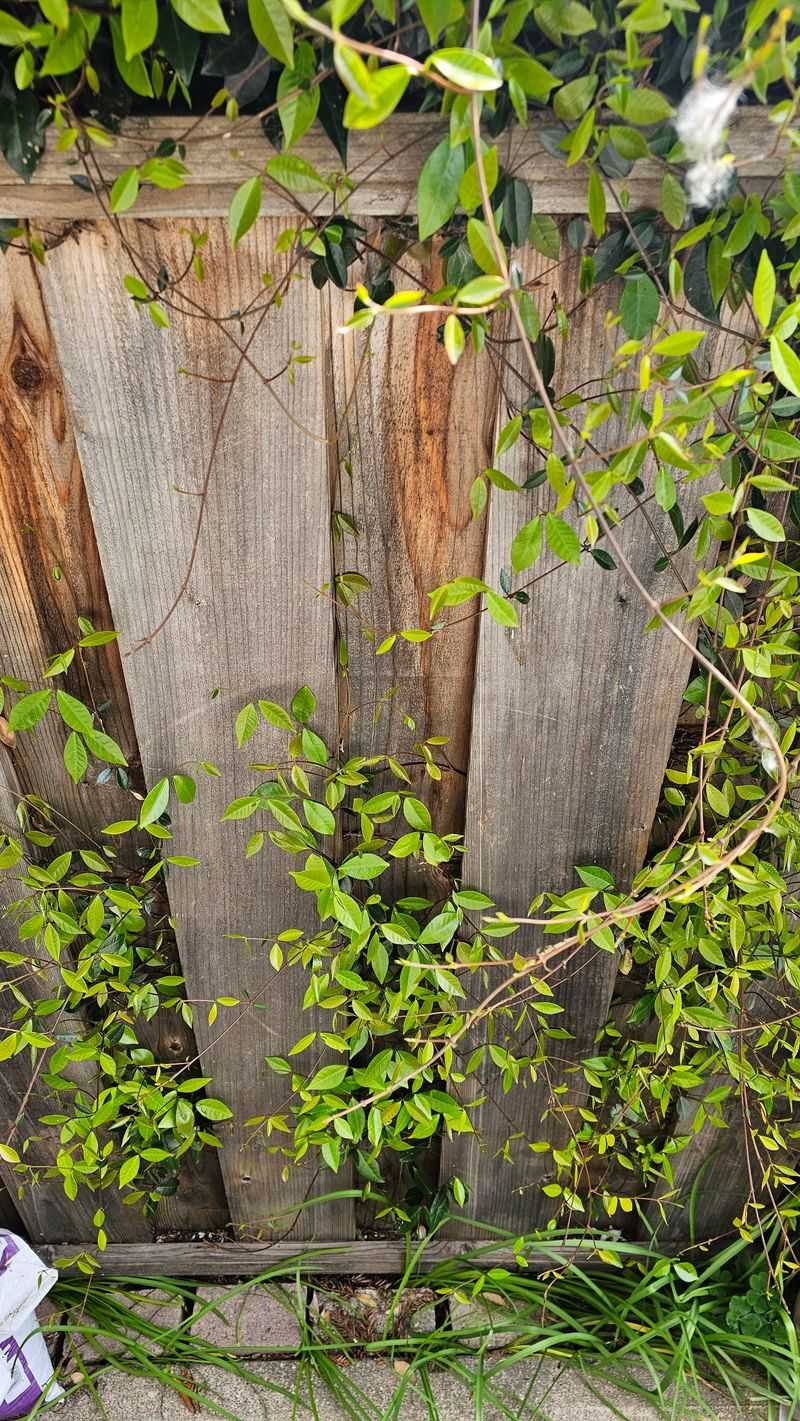
While Texas law does not require you to notify your neighbor before trimming vines on your side, doing so is wise.
Providing notice shows good faith and can help avoid accusations that you acted maliciously or damaged the plant intentionally or carelessly.
Situations involving valuable ornamental plants, mature vines, or rare species especially warrant advance notice to your neighbor before taking any action.
If the vines are part of a larger plant that could be harmed by trimming, letting your neighbor know protects both.
You might also want to seek permission if you need to access your neighbor’s property to trim vines more effectively or safely.
Some vines are so intertwined with fences that trimming them properly requires working from both sides of the fence line carefully.
In these cases, a friendly request to access their yard can make the job easier and demonstrates respect for their property.
Documenting your communication through text, email, or written notes creates a record that can be helpful if disputes arise later on.
What To Do If Vine Removal Causes Plant Damage
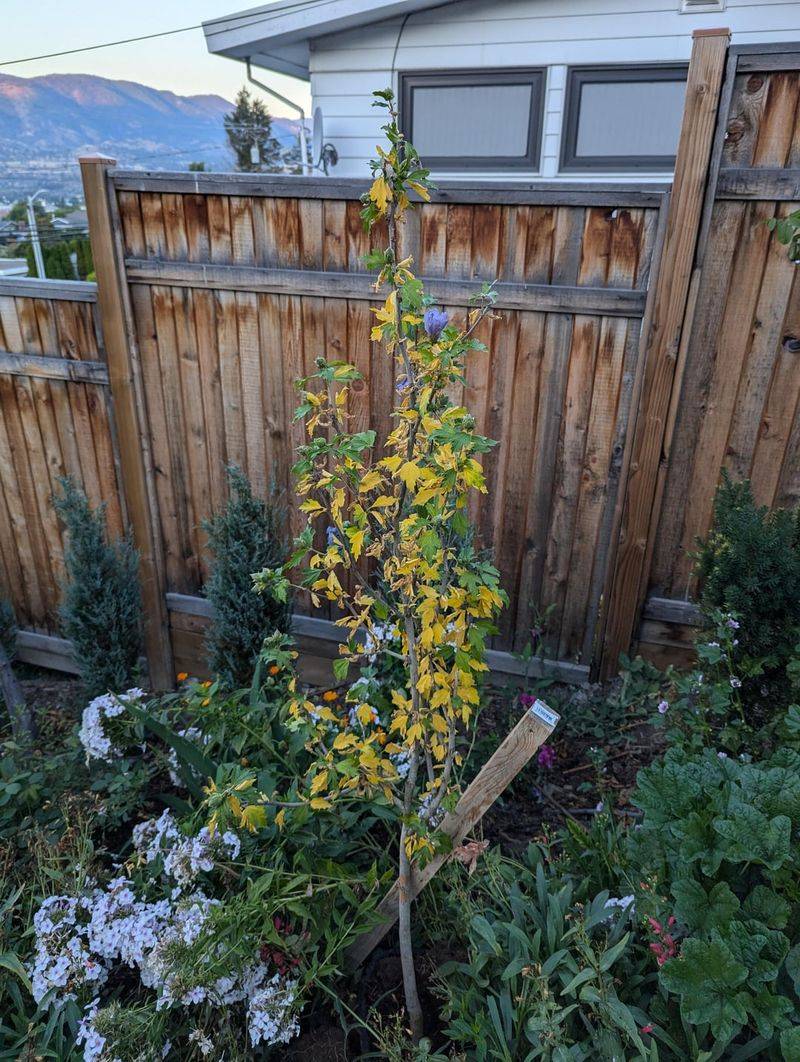
Sometimes even careful trimming can harm the overall plant, especially if the vines are the primary source of sunlight or nutrients.
If your trimming causes noticeable damage to your neighbor’s plant, addressing the situation promptly and honestly is the best course of action.
Apologizing and offering to help remedy the situation can go a long way toward maintaining a positive relationship with your neighbor.
You might offer to replace the plant, contribute to its care, or help your neighbor find a solution that works well.
Ignoring the damage or acting defensive can escalate the situation and potentially lead to small claims court or other legal action.
Documenting your trimming process with photos before and after can help protect you if your neighbor claims excessive or unreasonable damage occurred.
If your neighbor threatens legal action, consider consulting a local attorney who understands Texas property law and can advise you properly.
Most vine disputes are resolved through conversation and compromise rather than litigation, so staying calm and cooperative is usually the best strategy.
Best Practices For Handling Fence Line Plant Disputes In Texas

Start by clearly identifying your property line using official survey documents or hiring a professional surveyor for accuracy and peace of mind.
Approach your neighbor with respect and a friendly attitude, explaining the situation and your concerns about the vines crossing the boundary.
Offer to work together to find a solution that satisfies both parties and maintains the health of the plant and appearance.
If you decide to trim the vines yourself, use clean, sharp tools to make precise cuts that minimize harm to the plant.
Trim only the portions on your side of the property line, and avoid using chemicals that could drift onto your neighbor’s land.
Take photos before and after trimming to document your actions and show that you acted reasonably and within your legal rights.
Consider installing a barrier or trellis on your side of the fence to prevent future vine growth from crossing the boundary line.
If disputes escalate despite your best efforts, mediation services or legal advice can help you resolve the issue fairly and according to law.