Can You Trim Arborvitae in September? Ohio Gardeners Should Stop Before This Point
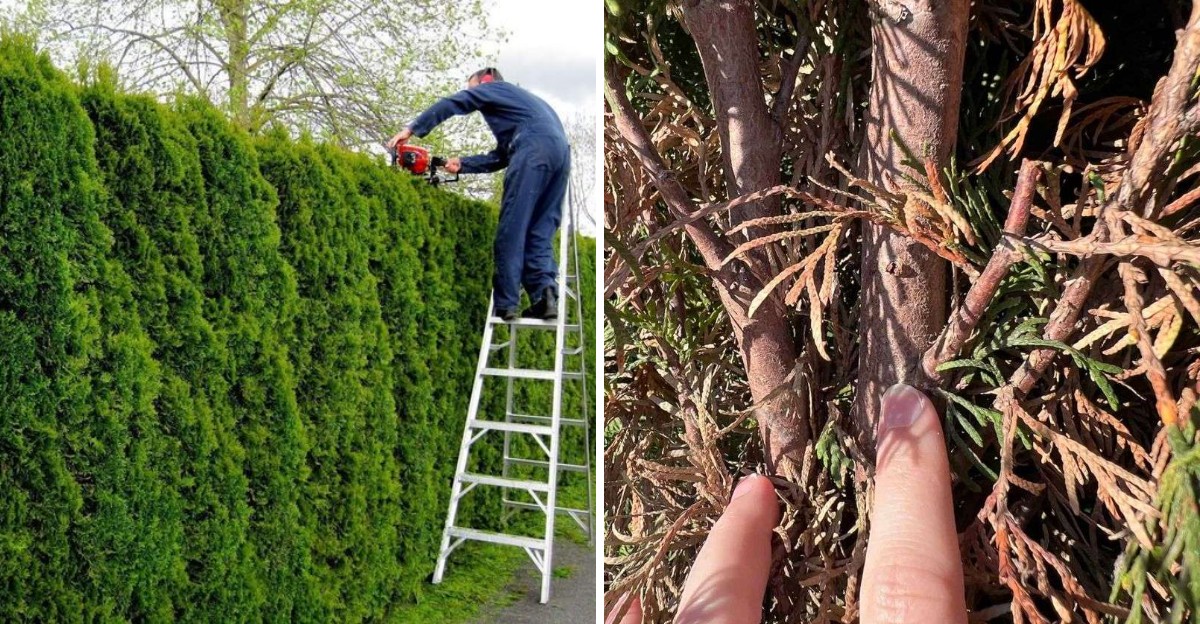
That arborvitae hedge along the property line has been growing untouched since spring. Overgrown enough now that September feels like the obvious time to finally clean it up before winter.
Timing matters more than it seems. Arborvitae pruned too late puts out fresh growth with no time to harden off before the cold hits.
That new growth sits exposed the moment temperatures drop hard. Cut at the wrong point in the season, and a hedge that looked completely healthy going into fall can come out the other side bronzed and thin in patches.
Ohio’s window for this closes faster than most gardeners expect. Where that cutoff actually falls decides whether trimming now helps the hedge, or costs it once winter really sets in.
1. Treat September As The Stop Point For Routine Trimming
Think of September as the polite closing bell for shaping your evergreen screen. Across Ohio, routine and heavy trimming is usually best finished before September, while plants still have time to recover before winter.
The reason comes down to timing. Cuts made now signal the plant to push fresh shoots, and those shoots need weeks of warm weather to firm up before hard freezes arrive.
Ohio autumns are famously moody. One week it feels like August, the next a cold snap rolls through Cleveland or Columbus and tender tips get scorched.
A very light touch-up to even out a stray tip in mid-fall usually causes little harm. Deep cuts, hard shearing, or a full reshaping belong on next year’s calendar instead.
Local extension advice tends to point the same direction: skip late-fall pruning altogether. Most Ohio gardeners do best finishing shearing work in July or early August.
If your hedge already looks uneven heading into September, sit with it. A slightly untidy screen survives winter far better than a freshly buzzed one.
Mark the calendar now. Set a reminder for late winter, then enjoy the rest of the season without guilt about that shaggy silhouette.
Patience honestly pays here. Your hedge will look sharper next summer because you waited rather than rushed.
2. Avoid Encouraging Tender Growth Before Winter
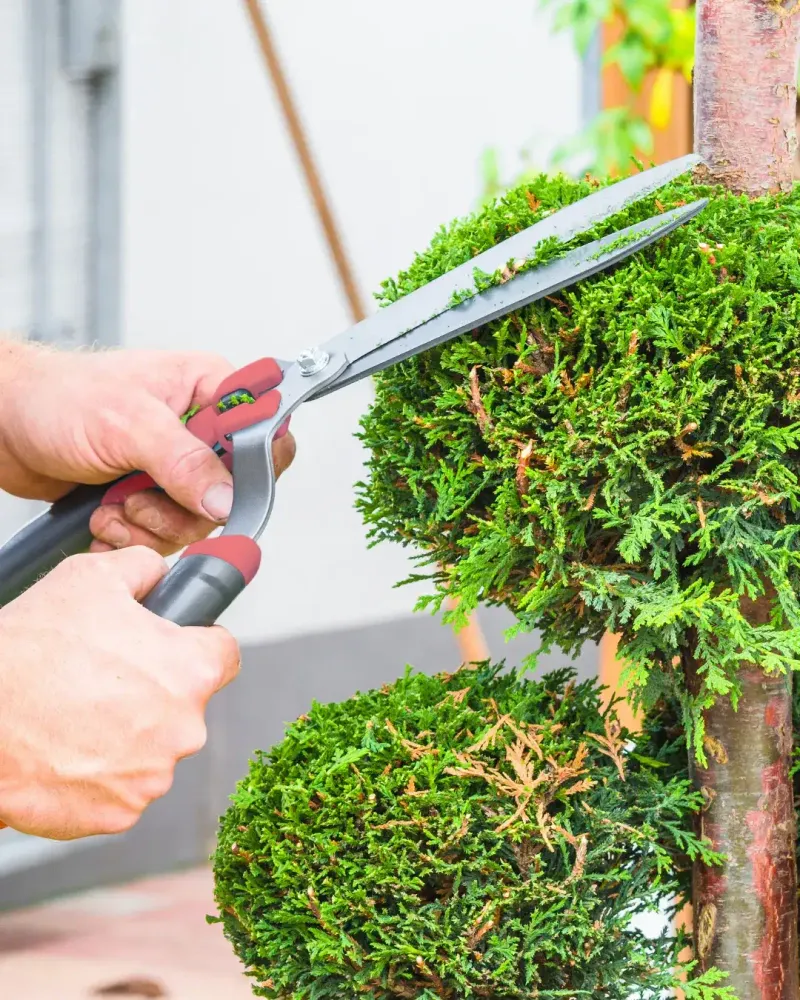
Picture a plant waking up when it should be settling down. That is what late-season cuts do to arborvitae, nudging soft new shoots out at the worst possible moment.
Fresh growth arrives pale, soft, and full of water. Mature foliage has had all summer to toughen up, but these newcomers have no such armor.
When Ohio temperatures dive in November and December, that immature tissue takes the brunt of it. Browning tips and scorched edges show up by spring, right where you trimmed.
Fertilizer works the same way, so hold off after midsummer. Late-season fertilizing can encourage growth at a time when the plant is preparing for winter, so avoid pushing new growth too close to freezing weather.
Instead, let the plant do what it naturally wants to in autumn. Roots keep growing while the top slows down, storing energy for a strong spring push.
Your Ohio Garden Changes Every Week. Your Plan Should Too.
Gardening in Ohio changes quickly throughout the season. Every Friday you’ll receive a simple weekly plan showing exactly what to plant, prune, fertilize, harvest, and protect so you never miss the right timing.
A handy check: run your fingers along the branch tips. If the newest growth still feels soft and rubbery, the plant needs every remaining warm day to harden it.
Skipping both shears and fertilizer now is genuinely the easiest gardening chore on the list. Doing less is the whole strategy.
Come April, your evergreen wall stays uniformly green instead of speckled with damaged patches.
3. Remove Broken Or Problem Branches When Necessary
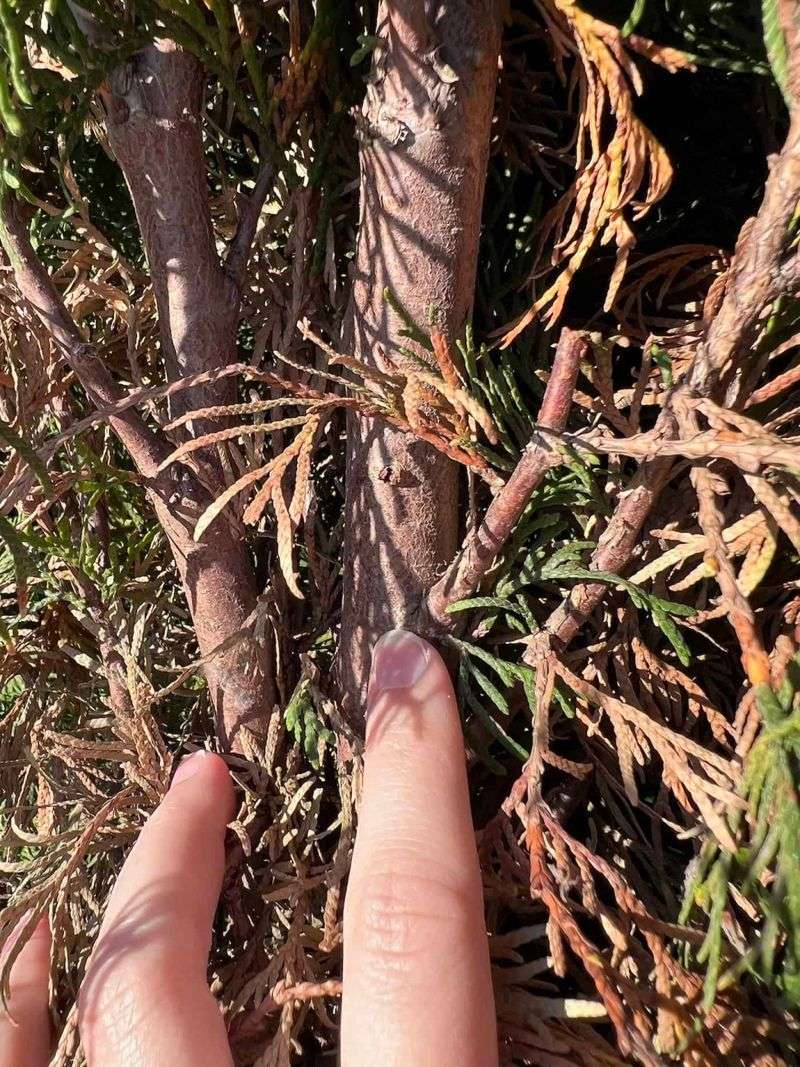
Rules bend when something is clearly wrong with a branch. Damaged, diseased, or broken limbs can come off any month of the year, September included.
Leaving a cracked branch dangling invites trouble. Open wounds attract problems, and the tear keeps widening every time wind pushes through the hedge.
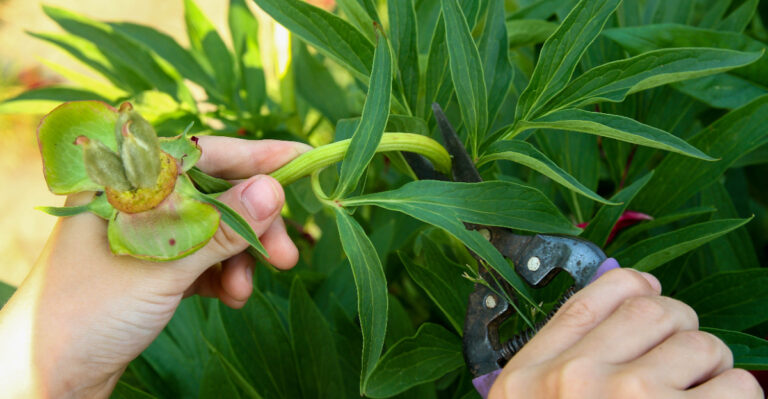
Cut back to healthy wood using clean, sharp hand pruners or loppers. A smooth cut seals over far better than a ragged break left to the weather.
Clearing out problem branches also opens up air movement inside the plant. Better airflow means foliage dries faster after rain, which discourages fungal issues from settling in.
Not every damaged branch needs cutting, though. Limbs that are simply bent or splayed can often be coaxed back with soft plant ties or a wrap of burlap.
That gentle approach saves foliage you cannot easily replace. Arborvitae does not refill gaps quickly, so preserving green growth is worth the extra effort.
Walk your hedge after every strong Ohio storm this fall. A quick five-minute inspection catches small breaks before winter snow turns them into large gaps.
Keep tools disinfected between plants if you suspect disease. Wiping blades with rubbing alcohol takes seconds and stops problems from hitching a ride down the row.
4. Keep Cuts Out Of Bare Brown Wood
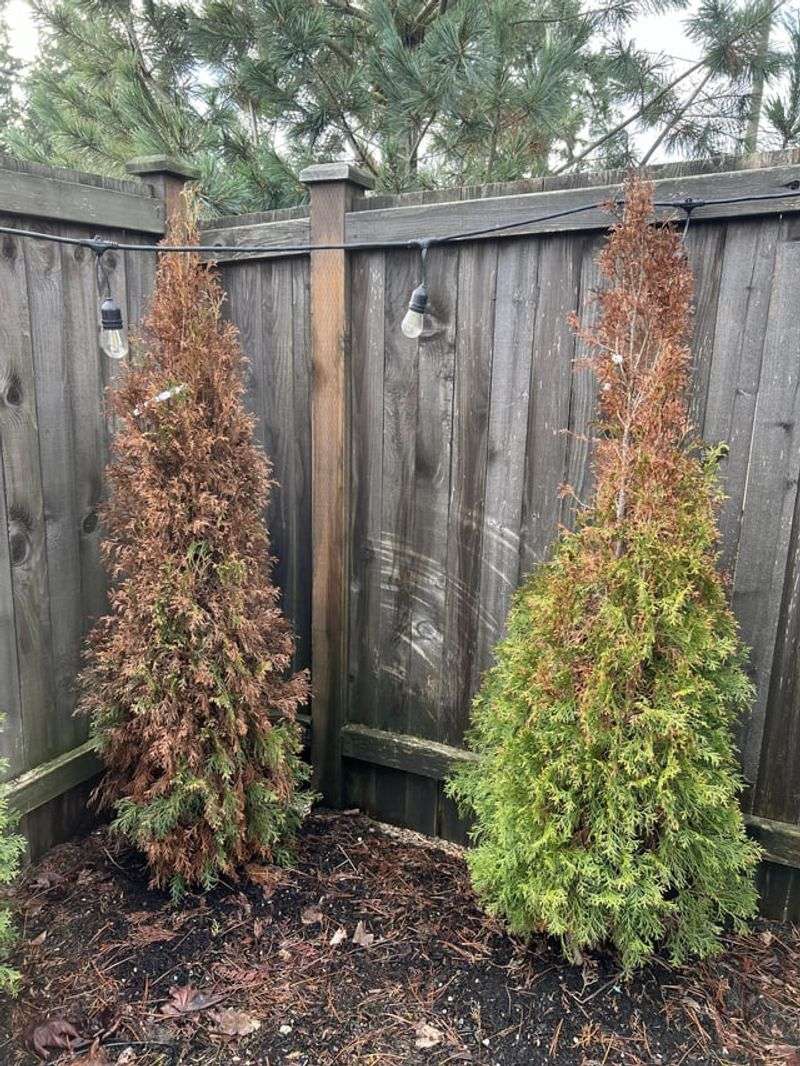
Here is the mistake that haunts more hedges than any other. Slice into the bare brown interior of an arborvitae and that spot tends to stay bare indefinitely.
Unlike forsythia or privet, arborvitae rarely sprouts fresh buds from old, needle-free wood.
Every cut should land inside the green, needle-covered outer layer. Leave foliage on whatever portion of the branch remains, because that green tissue is what fuels regrowth.
Before making a big cut, part the foliage with your hand and look. You will see exactly where green fades into brown, and that boundary is your limit.
Shearing too deeply on one side creates a flat, hollow-looking patch. Neighbors notice, and no amount of waiting will fill it back in.
Regular light maintenance prevents the problem entirely. Trimming a small amount each year keeps the green layer thick, so you rarely face the temptation to cut deep.
If a hedge has already grown past its space, replacement sometimes beats hard renovation. Arborvitae simply lacks the recovery ability that many deciduous shrubs have.
Treat that green zone as sacred territory. Respect it and your screen stays lush from top to bottom for decades.
5. Preserve Arborvitae’s Natural Shape
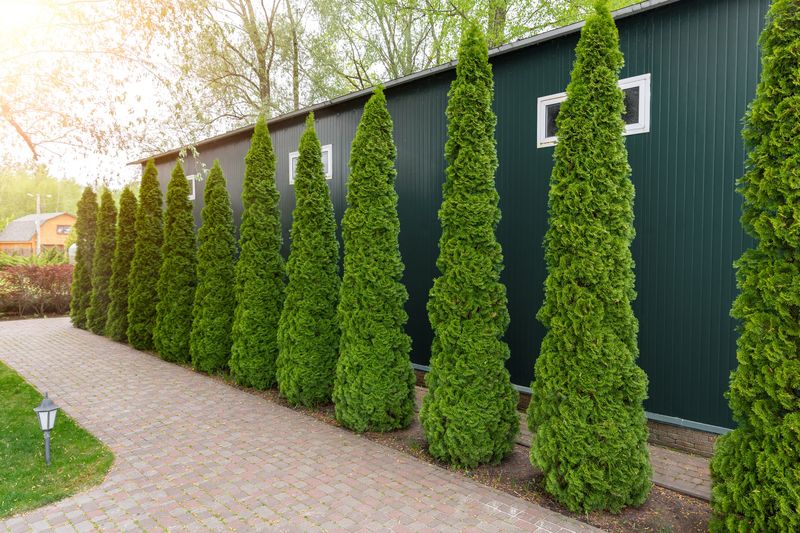
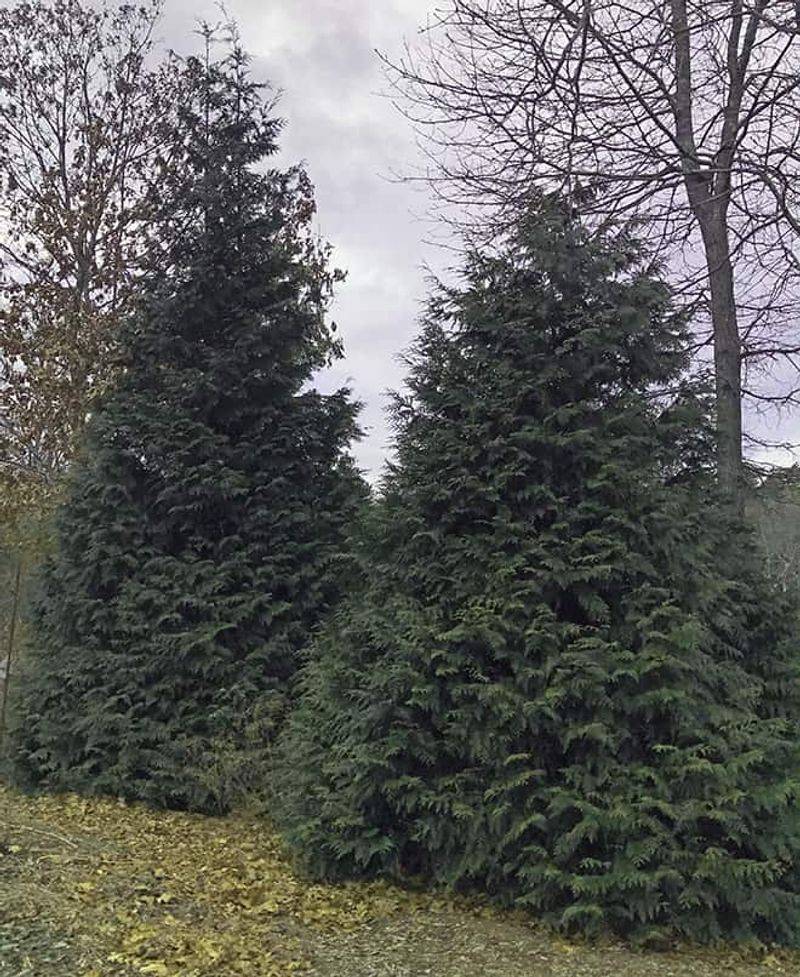
Left alone, arborvitae grows into a tidy cone all by itself. Nature already did the design work, which is welcome news for anyone short on weekend hours.
Emerald Green, Techny, and similar varieties hold that pyramid form without much help. Fighting the shape usually creates more work and worse results.
If you prefer a crisp formal look, light and regular shearing is the way. Small annual trims prevent the need for drastic cuts down the road.
One detail makes a huge difference: keep the base wider than the top. Sunlight then reaches the lower branches, and those bottom limbs stay full instead of thinning out.
Hedges sheared straight up and down, or worse, wider at the top, often go bare near the ground. Shade from above starves the lower foliage.
Go easy on the central leader too. Cutting the main upright stem can leave the plant with a strange forked crown that splays in heavy snow.
A fun bit of background: arborvitae means tree of life, a name given by French explorers whose crew reportedly used the foliage as a vitamin C remedy.
Working with the plant’s natural habit means less labor and a healthier-looking screen year after year.
6. Save Major Reshaping For The Proper Season
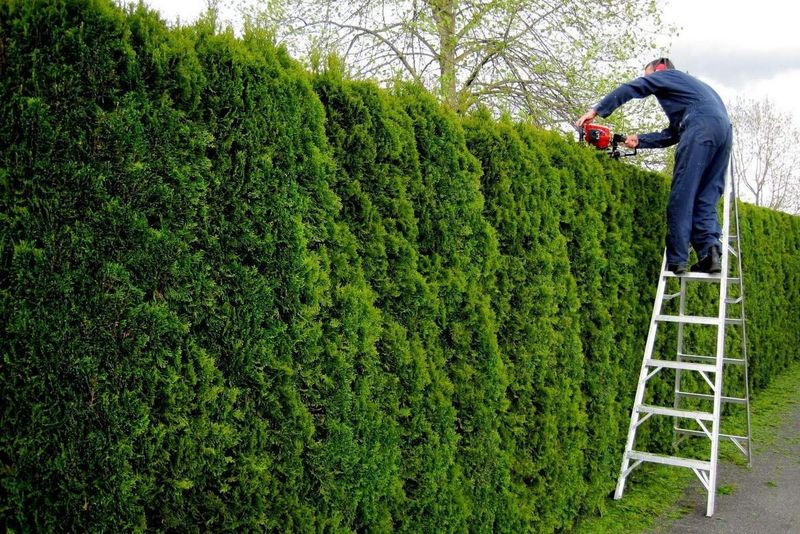
Big jobs deserve the right window, and September is not it. Height reductions, serious reshaping, and restorative work all belong to dormancy or late spring.
Late winter through very early spring is the classic slot. The plant is resting, sap is low, and cuts made then are followed quickly by a natural growth flush.
In Ohio, that often lands somewhere between mid-February and late March depending on the year. Watch for a stretch of mild days before buds swell.
For deeper corrective cuts, late spring after the first flush of new growth also works well. The plant has stored energy ready to push replacement foliage.
Timing it this way gives arborvitae a full growing season to recover. Cut in fall and the plant heads into winter with fresh wounds and no chance to heal.
Keep expectations realistic about height reduction. Topping an arborvitae hard changes the silhouette permanently, so consider whether a shorter cultivar might suit the spot better.
Write the plan down now while the problem areas are fresh in your mind. Snap a few photos on your phone for reference.
Come February, you will know exactly where to start instead of guessing at a leafless green wall.
7. Plan Spring Trimming After New Growth Appears
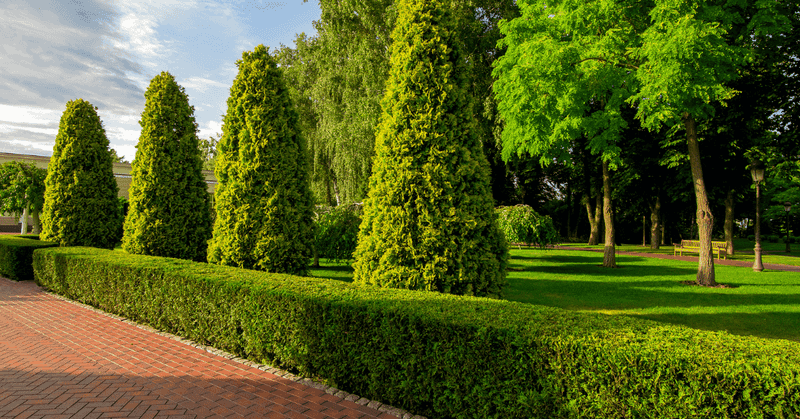
Spring is when arborvitae is most forgiving, and mid-spring shearing rewards you with dense, even foliage. Once fresh growth emerges, the plant is primed to respond.
Cuts made at that moment stimulate branching. Each snipped tip typically pushes several new shoots, thickening the screen where you want privacy most.
Early spring light shearing works nicely for shape refinement. A quick pass with hedge trimmers tightens the outline without removing much green.
Late winter to early spring, before growth begins, is another solid window. Either approach beats anything attempted after Labor Day in Ohio.
Watch the plant rather than the calendar. When you see that bright yellow-green flush at the branch tips, the timing is right.
Keep blades sharp for clean results. Dull trimmers bruise and shred the foliage, leaving brown tips that look worse than no trimming at all.
Hand pruners give tidier results on individual branches than power shears do. Many gardeners use both, shears for the broad outline and pruners for detail work.
Work on an overcast day if you can. Cut surfaces dry out less quickly, and you avoid the stress of pruning under intense midday sun.
Mark spring on the calendar and enjoy the wait.
8. Keep Arborvitae Watered Into Fall
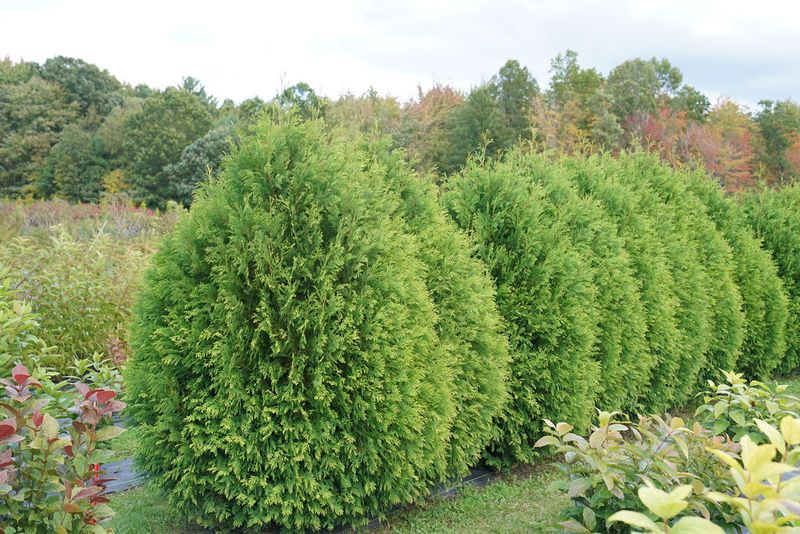
Watering in October feels counterintuitive when the air turns crisp. Yet fall hydration is arguably the single best thing you can do for these evergreens.
Arborvitae holds its needles all winter, and those needles keep losing moisture on windy days. Roots must supply that water, which means they need reserves going in.
Keep soaking deeply until the ground freezes, usually sometime in late November or December across most of Ohio. A slow trickle from a soaker hose beats quick sprinkling.
Aim for moisture reaching six to eight inches down. Poke a screwdriver into the soil afterward to check how far the water traveled.
Even established trees planted years ago benefit during a dry autumn. Many gardeners assume mature plants handle themselves and skip this step entirely.
A two to three inch mulch ring helps enormously. Shredded bark holds moisture and buffers root temperature, just keep it pulled back from the trunk itself.
Dry roots going into winter are one important contributor to the brown scorch people often blame only on cold. Hydration, not temperature alone, makes the difference.
Set a reminder for a deep drink after the first hard frost. Ten minutes of effort now saves a spring of worry.
9. Protect Exposed Evergreens From Winter Stress
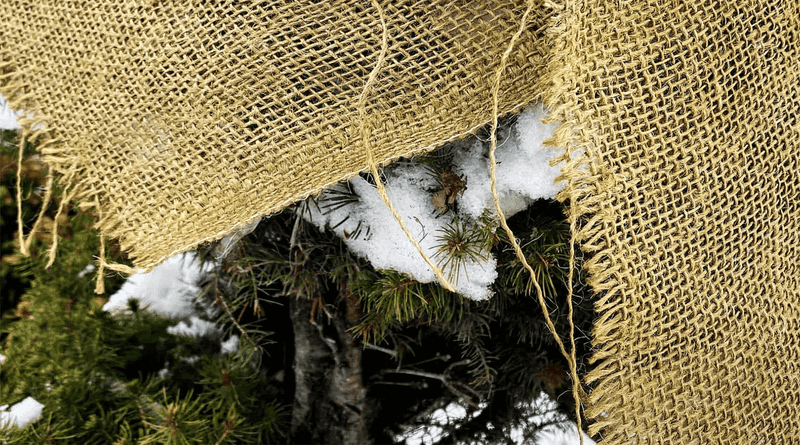
Ohio winters throw a lot at a hedge: wet snow, ice, salt spray, hungry deer, and wind that pulls moisture straight from the needles.
Narrow columnar types splay open under snow load. Spiraling heavy-duty garden twine around the branches, or wrapping loosely with burlap, holds the form together.
Burlap does double duty as a deer deterrent. Between late October and early April, deer strip foliage hard, and browsed branches typically do not fill back in.
Mulch at two to three inches around the base shields roots from drying and temperature swings. Leave a small gap near the trunk so moisture does not sit against the bark.
In exposed locations, some gardeners use anti-desiccant sprays to help reduce winter moisture loss, following the product label carefully.
Northeast Ohio gardeners face an extra challenge near roads and driveways. Road salt splash causes browning or yellowing, so a burlap screen on the exposed side is well worth setting up.
Brush snow off gently with a broom, sweeping upward rather than pressing down. Frozen branches snap easily when handled roughly.
A weekend of prep in November protects years of growth. Your screen emerges in April looking like it barely noticed the season.