Can You Trim Trees During Nesting Season In Florida?
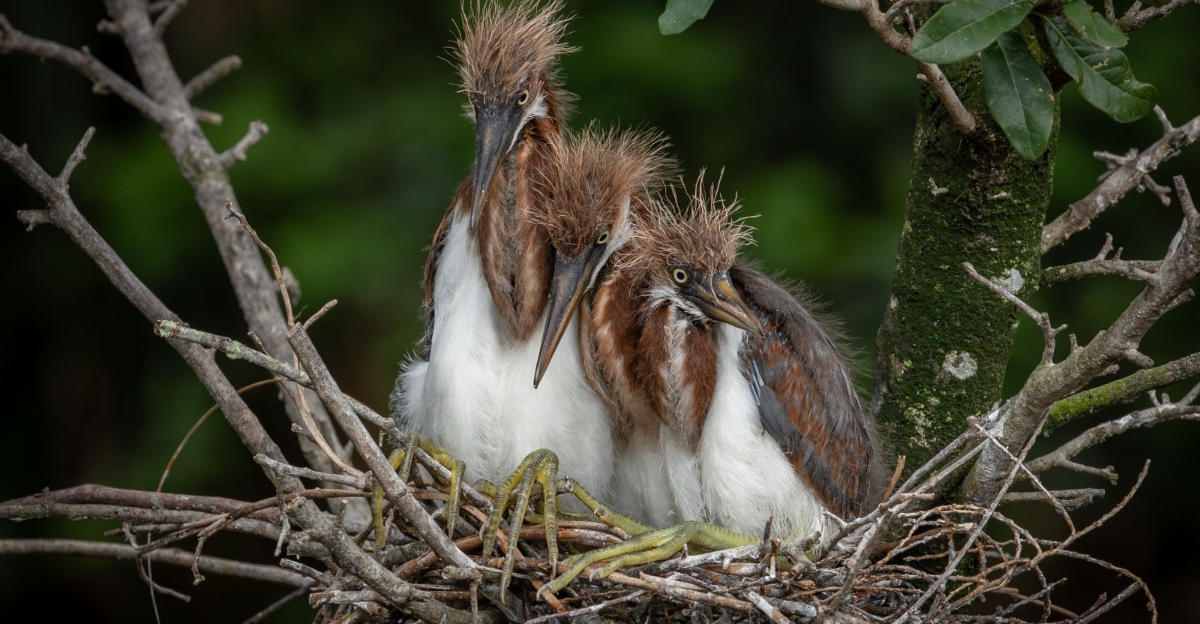
One week your trees look tidy, and the next, branches seem to be pushing out in every direction.
In Florida, that kind of fast growth often lines up with peak bird nesting season, which can make routine trimming feel a bit uncertain.
Many homeowners aren’t sure what’s allowed, what’s safe for nesting birds, or how to handle a tree that suddenly has a nest tucked inside.
With a mix of federal protections, local guidelines, and real concerns about wildlife, it’s easy to feel unsure.
Understanding the timing, the rules, and a few simple checks can help you manage your trees with more confidence and less stress.
1. When Bird Nesting Season Typically Occurs In Florida
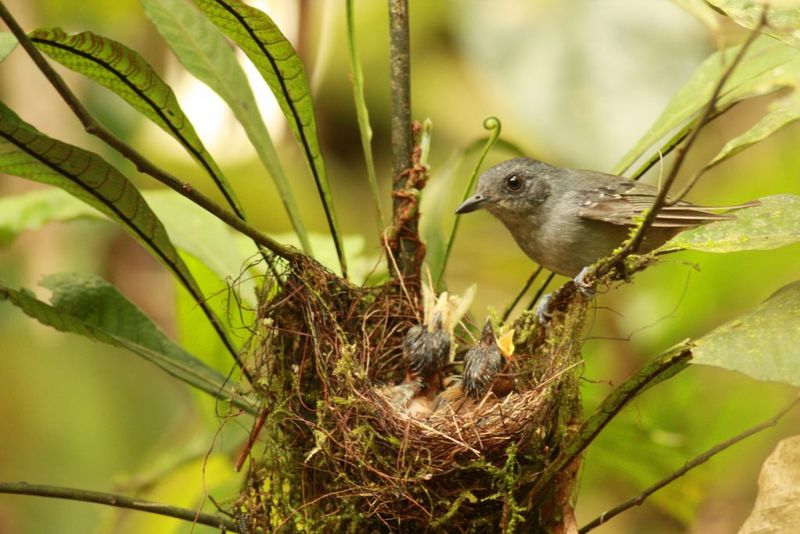
Florida’s warm climate means birds get a head start on nesting compared to most other states.
Across Florida, nesting season generally runs from late February or early March through August, though some species begin as early as January.
That extended window covers most of spring and all of summer, which happens to be exactly when trees grow fastest and homeowners feel the strongest urge to trim.
Species like mockingbirds, blue jays, mourning doves, and various warblers are among the many birds that build nests throughout Florida neighborhoods during this period.
Wading birds such as herons and egrets also nest during these months in coastal and inland wetland areas.
Even suburban yards with modest landscaping can become active nesting zones without much warning.
Because Florida does not experience a hard winter freeze, birds have more flexibility in their nesting calendar. This means there is rarely a month that is completely free of nesting activity somewhere in the state.
Homeowners in South Florida especially face a longer stretch of active nesting than those in the northern panhandle region.
Being aware of this seasonal overlap is the first step toward making smarter decisions about when and how to schedule tree maintenance work on your property.
2. What Florida Law Says About Trimming Trees During Nesting Season
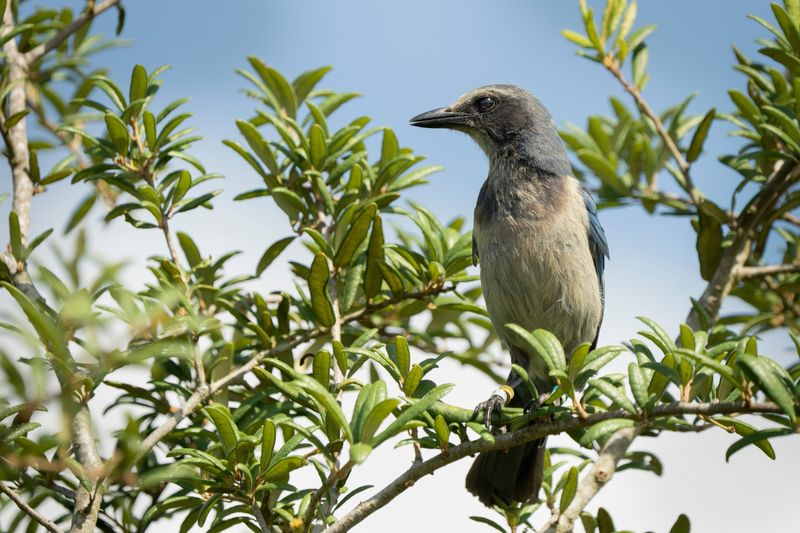
Federal law plays a bigger role in this conversation than many Florida residents realize.
The Migratory Bird Treaty Act, a federal regulation enforced across the entire United States, makes it illegal to disturb, move, or remove an active bird nest that contains eggs or young birds.
This protection applies to the vast majority of native bird species found throughout Florida, regardless of whether the nest is in a protected nature area or your own front yard tree.
Florida’s own wildlife agency, the Florida Fish and Wildlife Conservation Commission, follows and reinforces these federal protections.
The FWC encourages property owners to inspect trees before trimming and to postpone work if active nests are found.
Violating the Migratory Bird Treaty Act can result in significant federal fines, so the legal stakes are real for anyone who proceeds carelessly.
Local Florida ordinances can add another layer of rules on top of state and federal guidelines.
Some counties and municipalities have their own tree protection codes that may restrict trimming during certain months or require permits before work begins.
Checking with your local code enforcement office or city planning department before scheduling a trim is a practical step that many homeowners skip but genuinely should not.
Staying informed about the specific rules in your Florida community protects both you and the wildlife sharing your landscape.
3. Why Active Nests Should Not Be Disturbed
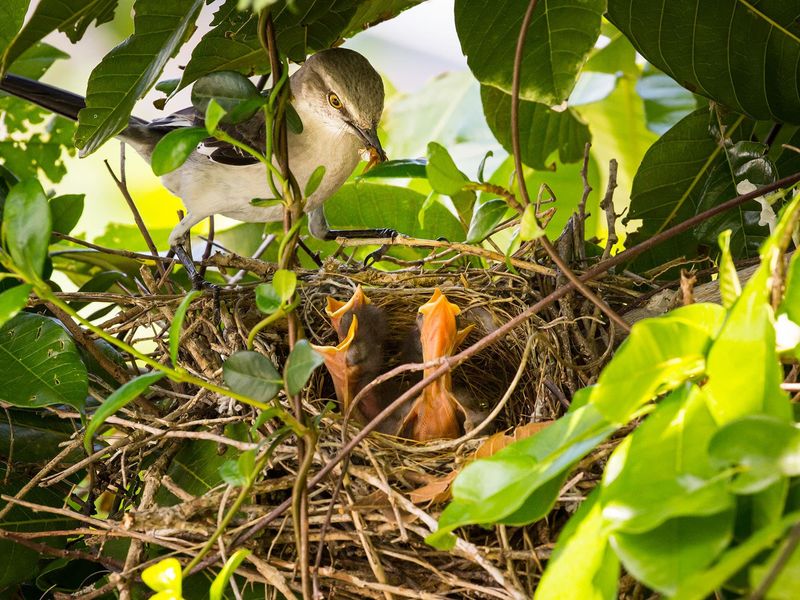
Stumbling across a nest tucked into a tree you were about to trim is a moment that stops most people in their tracks, and for good reason.
When a nest is active, meaning it holds eggs or young chicks, disturbing it can cause the parent birds to abandon it entirely.
Baby birds and eggs left without parental care are extremely vulnerable, and even brief disruptions from noise, vibration, or nearby human activity can cause parents to flee and not return.
Beyond the emotional concern, there is a practical and legal dimension to consider. As mentioned in federal law, interfering with an active nest is not just discouraged, it is prohibited.
This applies whether you physically move the nest or simply create enough disturbance through chainsaw noise and branch removal that the parent birds feel unsafe returning.
The law does not require direct contact with the nest for a violation to occur in some interpretations.
Bird populations across Florida face ongoing pressure from habitat loss and urban development. Nesting season represents a critical window for species to reproduce and maintain healthy population numbers.
Protecting active nests during tree trimming is not just about following rules; it reflects a broader respect for the wildlife that makes Florida’s ecosystems so distinctive.
Giving birds the space they need during this period costs relatively little in terms of scheduling adjustments but can make a meaningful difference.
4. How To Check Trees For Nests Before Trimming
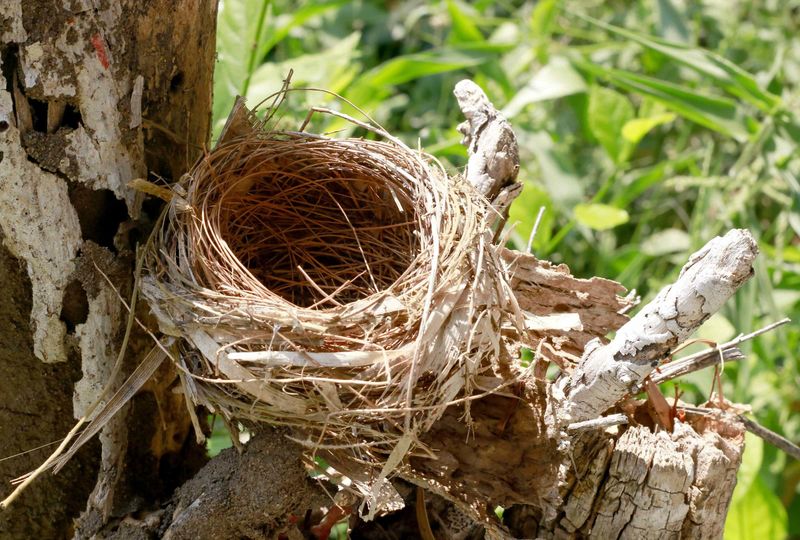
Before any trimming work begins, a careful visual inspection of the tree is one of the most responsible things a Florida homeowner can do. Start by stepping back and scanning the tree from multiple angles while it still has all its branches and leaves intact.
Nests can be surprisingly well hidden, tucked into dense foliage, wedged into branch forks, or built against the trunk where leaves provide cover.
Use binoculars if the tree is tall or the canopy is thick. Look for rounded shapes made of twigs, grass, moss, or other natural materials.
Watch the tree quietly for a few minutes to see if any birds are flying in and out, which is often the clearest sign that a nest is active.
Early morning is typically the best time to observe bird activity since parent birds are most active feeding and tending to their young during those hours.
If you plan to hire a professional tree service, ask them specifically about their nest inspection process before work begins.
A reputable company operating in Florida should be familiar with nesting season protocols and should conduct their own inspection before cutting begins.
Documenting your inspection with photos can also be helpful if questions arise later. Thorough checking takes only a few extra minutes but can prevent a situation that is both legally and ethically problematic for everyone involved.
5. When Light Pruning May Still Be Acceptable
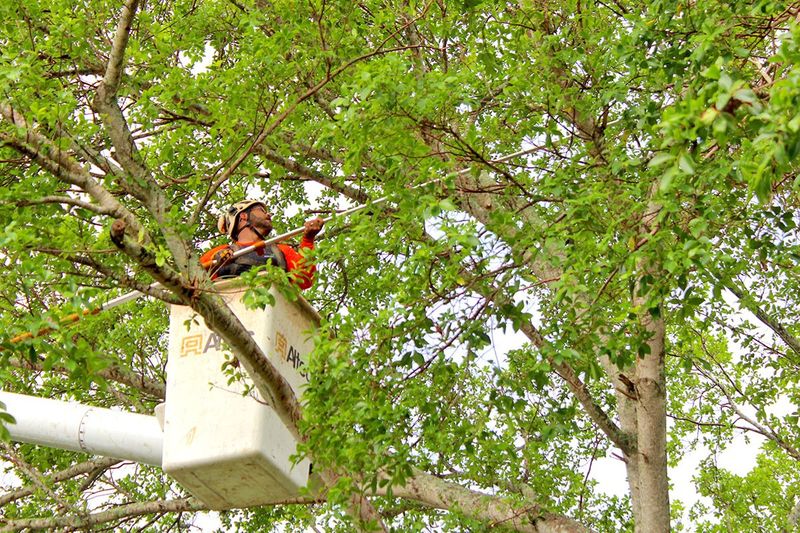
Not every trimming task during nesting season carries the same level of risk.
Small-scale, targeted pruning that removes only a few outer branches away from any nesting activity may be acceptable in certain situations, particularly when no active nests are present in the tree.
The key distinction is between light maintenance pruning and major structural work that removes large portions of a tree’s canopy.
Light pruning of branches that are clearly unoccupied, located far from any observed bird activity, and trimmed with minimal noise and disruption is generally considered lower risk.
Hand pruners and loppers create far less vibration and disturbance than chainsaws, which is worth considering when only minor shaping is needed.
Choosing quieter tools and working during the cooler, calmer parts of the day can further reduce stress on any nearby nesting birds.
Even with light pruning, a pre-trim inspection remains an important step. Just because a nest is not visible from the ground does not mean one is absent higher in the canopy.
Florida’s dense-leafed trees, including live oaks, laurel oaks, and various palms, can conceal nests effectively.
When genuine uncertainty exists about whether a nest is present, postponing the work until after nesting season ends is usually the most straightforward and responsible choice available to Florida property owners.
6. Risks Of Trimming Trees During Peak Nesting Activity
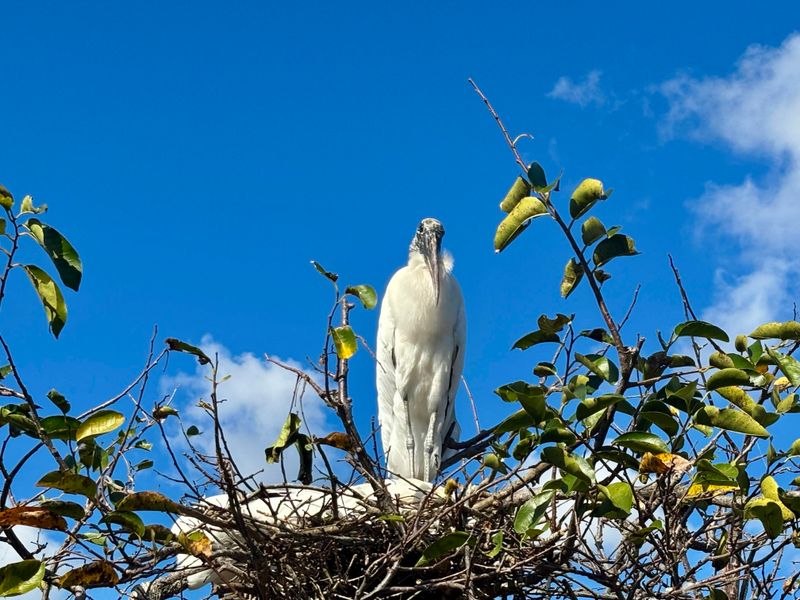
Peak nesting activity in Florida typically falls between April and July, when the widest variety of bird species are simultaneously raising young across the state.
Scheduling major tree work during this window increases the chance of encountering active nests significantly.
The more trees being trimmed and the more aggressive the cutting, the higher the probability of accidentally disrupting a nest that was not spotted during the initial inspection.
Beyond the wildlife concern, there are practical risks for the property owner as well.
If a neighbor, passerby, or local wildlife officer observes a nest being disturbed during trimming, a complaint can be filed with the FWC or federal wildlife authorities.
Federal fines under the Migratory Bird Treaty Act can reach into the thousands of dollars for violations, and ignorance of the law is generally not accepted as a valid defense in these cases.
There is also a reputational consideration for professional tree services operating in Florida.
Companies that develop a reputation for careless practices during nesting season may face negative reviews, loss of clients, or scrutiny from local authorities.
For homeowners managing their own yard work, the risks are equally real.
Waiting until late August or September to tackle heavy trimming jobs is often the simplest way to sidestep these risks entirely while still maintaining a healthy and well-shaped landscape.
7. What To Do If You Find A Nest In Your Tree
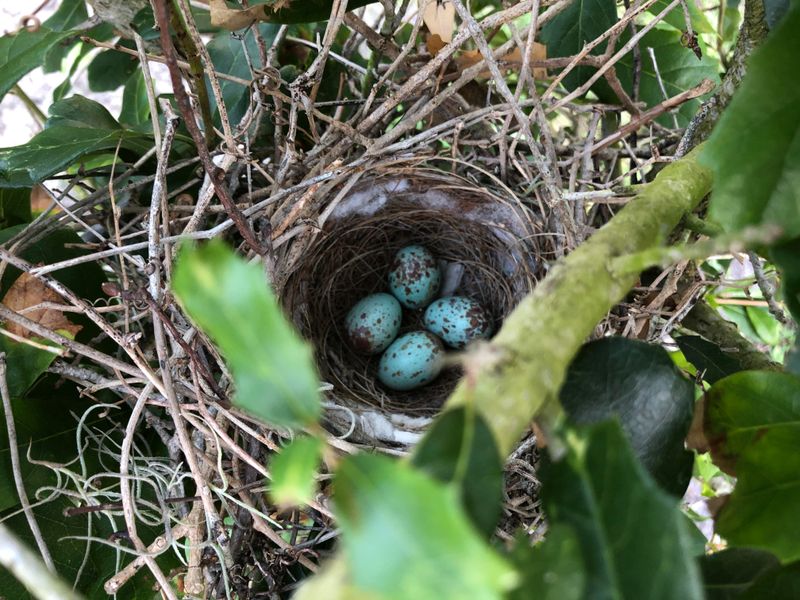
Finding a nest mid-trim is more common than most people expect, and knowing what to do in that moment makes a real difference.
The first and most straightforward step is to stop work immediately on that tree and give the nest a wide buffer.
Do not attempt to move the nest, cover it, or continue trimming nearby branches that could destabilize the area around it.
Take a few minutes to observe from a safe distance to determine whether the nest appears active. Signs of activity include parent birds returning with food, the sound of chicks calling, or eggs that appear warm and intact.
If you are unsure whether the nest is active or has already been abandoned, contacting the Florida Fish and Wildlife Conservation Commission is the recommended course of action.
The FWC can provide guidance specific to your situation and the species involved.
Some Florida wildlife rehabilitators and local Audubon Society chapters can also offer advice when you are uncertain about a nest’s status.
Photographing the nest from a distance without getting too close gives you documentation that may be helpful when speaking with wildlife professionals.
Resuming tree work on unaffected parts of the tree is generally fine as long as those sections are clearly separate from the nest location. Patience during this period is genuinely the most practical approach available.
8. How To Plan Tree Work Outside Of Nesting Season
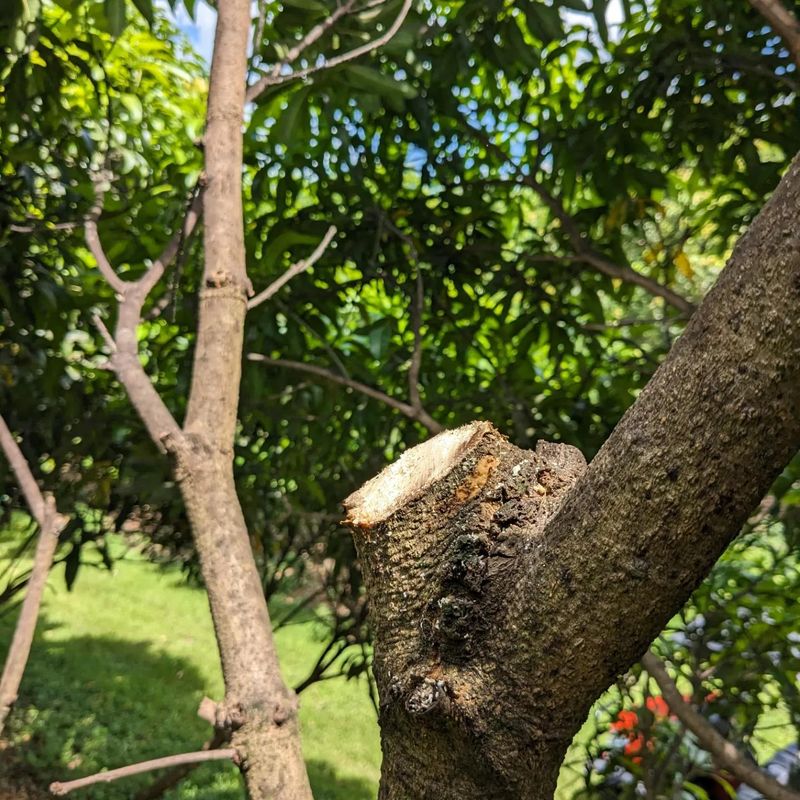
Timing tree maintenance around Florida’s nesting season is one of the most effective strategies for avoiding wildlife conflicts altogether.
The window between September and late February generally offers the most flexibility for major trimming and pruning work across most of Florida.
During these months, nesting activity slows considerably, though it does not stop entirely, so a quick visual check before starting is still a reasonable habit to maintain.
Planning ahead in late summer or early fall allows homeowners to schedule professional tree services during their less busy season, which can sometimes mean better availability and more competitive pricing.
It also gives trees enough time to recover from pruning before the heat of the following Florida summer arrives, which supports healthier regrowth and reduces stress on the tree itself.
Creating a simple annual yard maintenance calendar that marks Florida’s nesting season from roughly March through August as a period for observation rather than heavy cutting can shift the whole approach to tree care in a positive direction.
Minor maintenance and monitoring during those months, combined with more substantial work in the fall and winter, keeps trees in good shape while respecting the wildlife cycle.
Florida’s unique ecosystem rewards homeowners who work with the natural rhythm of the seasons rather than against it, and that approach tends to produce healthier trees and a more vibrant yard year-round.