7 Carnivorous Plants That Make Perfect Halloween Houseplants In Pennsylvania
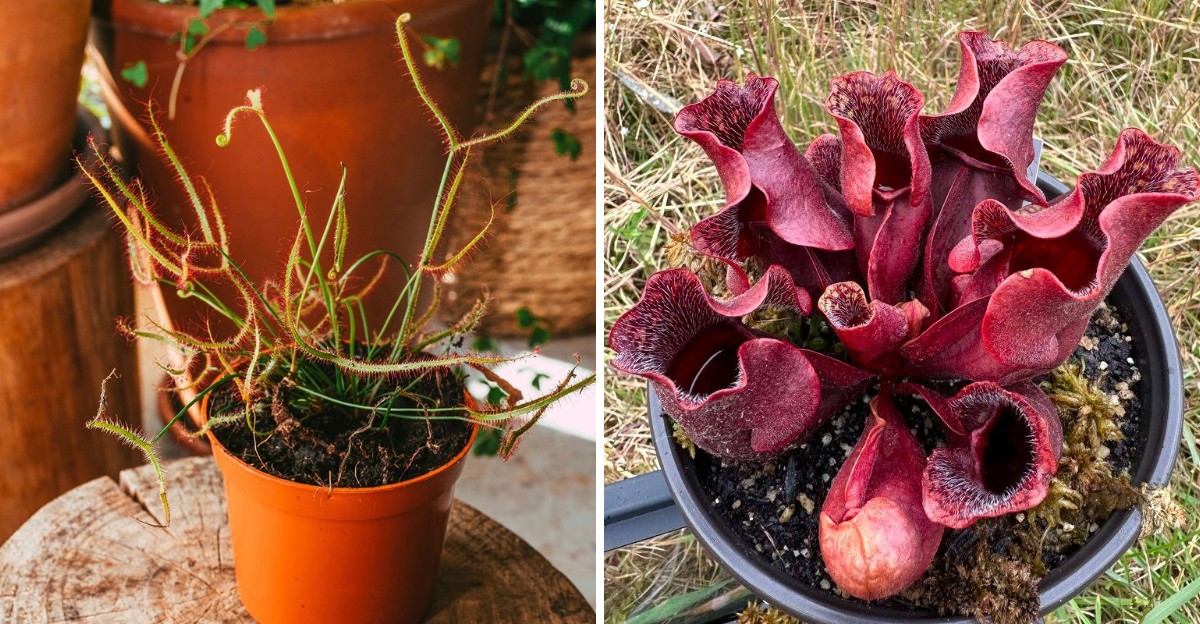
A Venus flytrap can count. Its trap won’t snap shut unless its tiny trigger hairs get touched twice in quick succession. That way, it doesn’t waste energy on a falling raindrop or a stray speck of dust.
That’s the kind of clever, creepy behavior that makes carnivorous plants so fun to grow, especially in October.
These bug-eating plants come in all sorts of eerie shapes. Some form tall, hollow pitchers that trap insects in a pool of liquid.
Others are covered in glistening, sticky tentacles. Pennsylvania even has wild ones of its own, hiding in mossy bogs in the Poconos and other parts of the state.
With a sunny window and the right care, several of them make striking houseplants. Many also need a cool winter rest, which a Pennsylvania home can provide. For a living Halloween decoration with real bite, these plants are hard to top.
1. Venus Flytrap
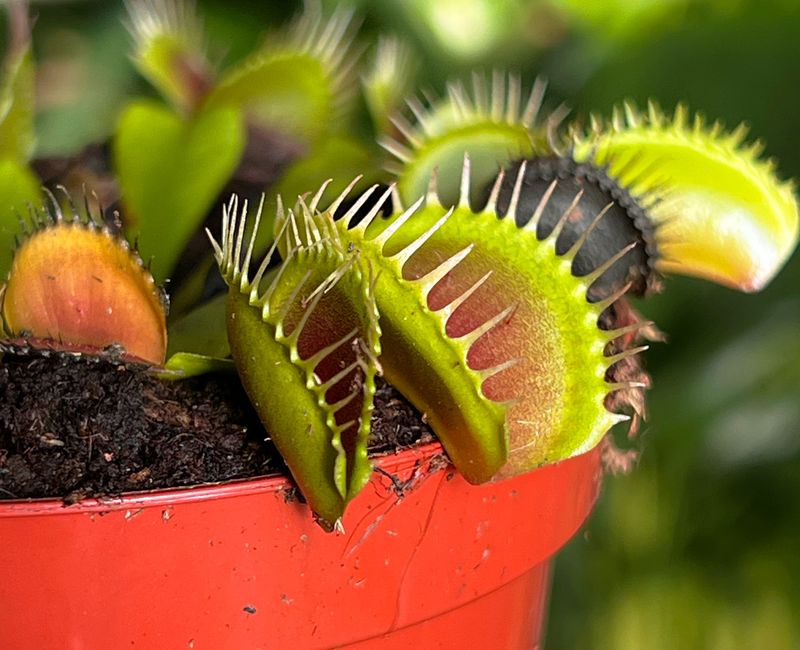
Snap! That tiny sound is enough to make anyone jump on a quiet October night. The Venus flytrap has toothy, jaw-like traps that close fast when a bug touches the little hairs inside. Few plants feel more like a Halloween creature than this one.
Each trap has trigger hairs on its inner surface. A bug must touch them twice within a short time before the trap shuts. Nature designed it that way so the plant does not waste energy on raindrops or falling leaves.
Light matters most for a healthy flytrap. Give it at least four to six hours of direct sun each day, or set it under a strong grow light. A south-facing window works best in most Pennsylvania homes.
Water is the next big deal. Use only distilled water, rainwater, or reverse osmosis water. Tap water has minerals that can burn the roots over time.
Here is where Pennsylvania growers have an edge. Flytraps need a cool winter rest called dormancy, which lasts about three to four months. During this time, the plant slows down and may look a little sad, but that is normal.
A cold windowsill, an unheated room, or a protected spot in the garage can work well. Just keep the temperature between about 35 and 50 degrees and never let the soil freeze solid. Keep the soil slightly damp during this rest.
One fun tip is to resist poking the traps with your finger. Every trap can only close a handful of times before it wears out. Feed it a live bug now and then, and let it handle the rest.
2. Tropical Pitcher Plant
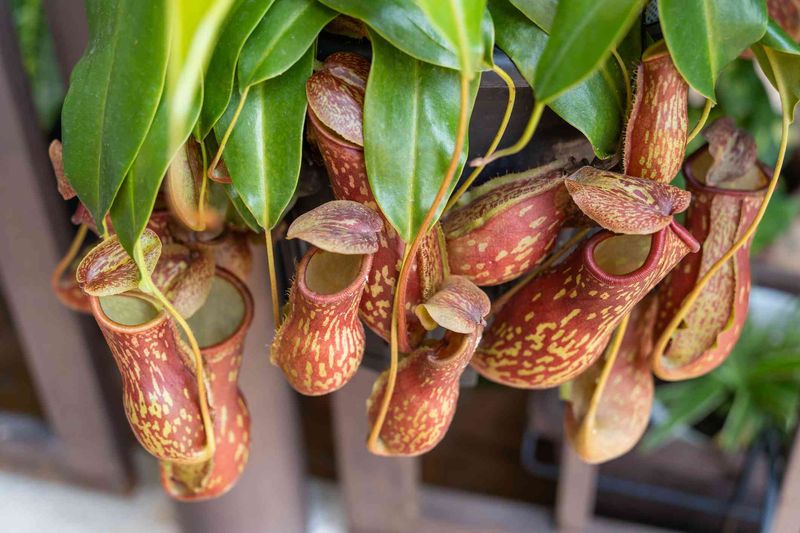
Picture a lantern hanging from a vine, only this lantern is full of bug soup. Tropical pitcher plants, also called Nepenthes, grow dangling cups at the ends of their leaves. Insects slip inside and cannot climb back out.
The liquid inside each pitcher contains digestive juices. Bugs are drawn in by sweet nectar and bright colors near the rim. Once they slide down the slick walls, the plant slowly breaks them down for food.
Hanging baskets are the best home for these plants. The pitchers need room to dangle, so a hook near a bright east or west window is ideal. They like strong light but can scorch in harsh, hot sun all day.
Your Pennsylvania Garden Changes Every Week. Your Plan Should Too.
Gardening in Pennsylvania changes quickly throughout the season. Every Friday you’ll receive a simple weekly plan showing exactly what to plant, prune, fertilize, harvest, and protect so you never miss the right timing.
Soil should be loose and airy. Many growers use a mix of sphagnum moss, perlite, and orchid bark. Keep it moist but never soggy, and stick to distilled or rainwater.
Winter is the tricky season in Pennsylvania. Once the furnace kicks on, indoor air can get very dry. Tropical pitcher plants come from steamy jungles, so they may stop making new pitchers when humidity drops.
A small humidifier placed nearby can fix that quickly. A pebble tray works too. Fill a shallow tray with pebbles and water, then set the pot on top so the water evaporates around the leaves.
Did you know? Some giant species in Asia grow pitchers big enough to catch small frogs. The ones sold in stores are much smaller, but they still make a dramatic display for spooky season.
3. Cape Sundew
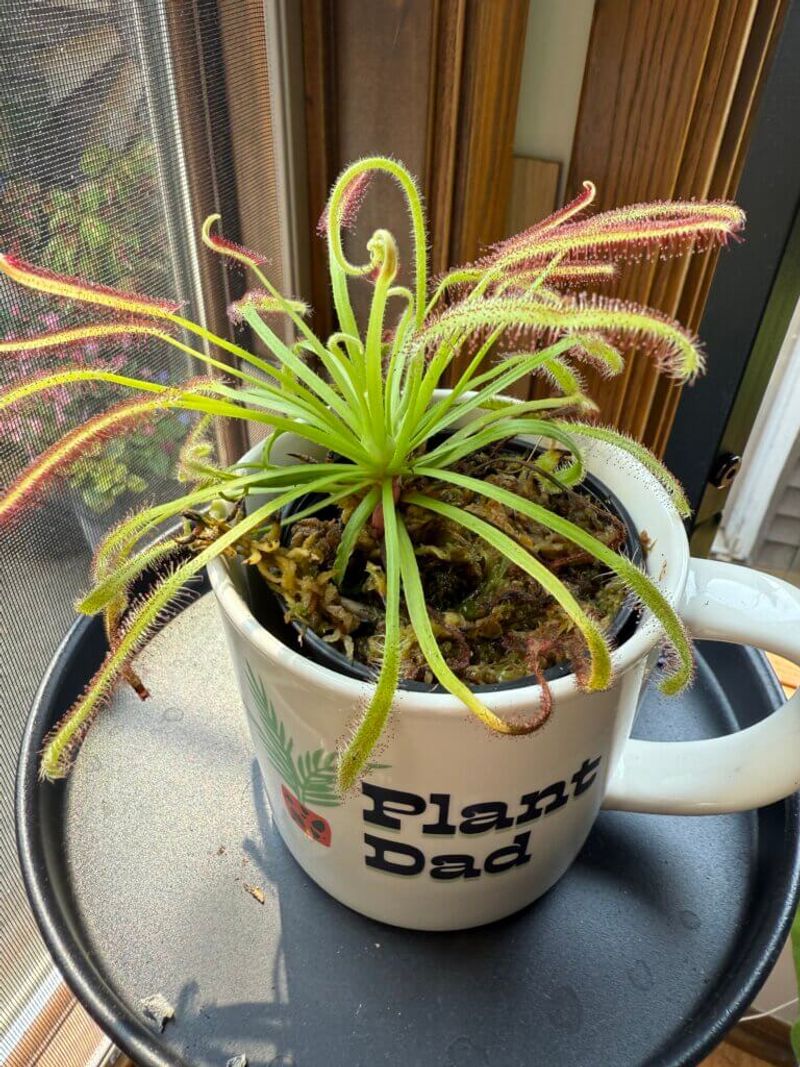
Ask any carnivorous plant fan which one to start with, and many will name the Cape sundew. It is tough, forgiving, and very creepy to watch. Each long leaf is covered in shiny tentacles tipped with sticky goo.
Those glistening drops look like morning dew, which is how the plant got its name. A gnat lands for a sip and gets stuck right away. Over a few hours, the leaf slowly curls around the bug like a hand closing into a fist.
Kids especially love seeing that slow-motion curl. You can even take photos every hour to make a mini time-lapse. It is a fun science project for a rainy fall weekend.
Bright light keeps the dew flowing. A sunny windowsill works well in spring and summer. When Pennsylvania days grow short in November and December, a simple LED grow light can fill the gap.
Watering is easy with the tray method. Set the pot in a saucer of distilled water and keep about an inch in it at all times. The soil stays wet, which the Cape sundew loves.
No winter rest is needed for this South African native. It grows all year at normal room temperatures. That makes it a great match for beginners who do not want to fuss with dormancy.
One bonus is how easily it spreads. Cape sundews drop lots of seeds, and baby plants often pop up in nearby pots. Share them with friends as a creepy little Halloween gift.
4. Spoon-Leaf Sundew
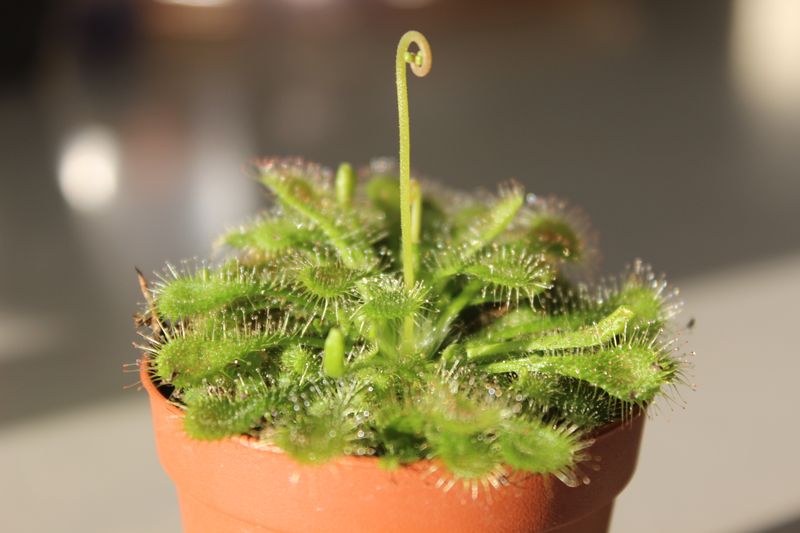
Small things can be sneaky. The spoon-leaf sundew is only about the size of a coin, but it packs a sticky surprise. Its low rosette of spoon-shaped leaves glitters with red-tipped tentacles.
In bright light, the tentacles turn deep red and the dew sparkles like tiny jewels. Up close, it looks like a pile of candy rubies. Fungus gnats and fruit flies find it irresistible, which is bad news for them.
You can often spot this plant at garden centers sitting right next to Venus flytraps. Sometimes it even shows up as a bonus seedling in a flytrap pot. Keep an eye out, because it is easy to miss at first.
Growing one is pretty simple. Plant it in a mix of peat moss and perlite with no added fertilizer. Keep the soil wet by setting the pot in a tray of distilled water.
A bright windowsill is usually enough. If the tentacles look pale and the dew dries up, the plant probably needs more light. Moving it closer to the glass or adding a small grow light usually fixes the problem.
Humidity helps, but this little plant is not too picky. Many growers place it inside a clear container or a small terrarium. That keeps moisture high when dry winter air rolls in.
Fun fact time. Spoon-leaf sundews grow in places like Australia and Southeast Asia. Even so, they settle into Pennsylvania homes with ease and make a charming tabletop decoration for October parties.
5. Fork-Leaf Sundew
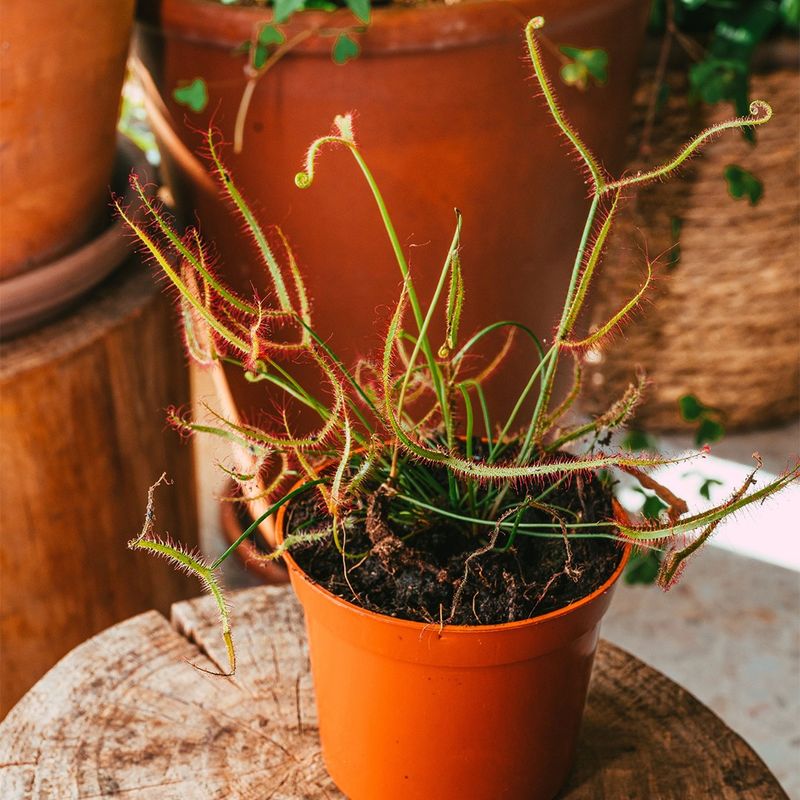
Spidery, tangled, and dripping with goo, the fork-leaf sundew could easily star in a haunted house. Its long leaves split into branches that look like reaching fingers. Every branch is covered in shiny, sticky tentacles.
Some forms split just once, making a simple Y shape. Others branch again and again, creating a wild, twisting mess of green and red. Set one near a candle on Halloween night, and the glowing dew looks truly eerie.
Speed is one of its best traits. Fork-leaf sundews grow quickly when they are happy. A small plant can fill its pot in just one season.
Bright light and moist soil are the two main needs. Place it in a sunny window or under a grow light for about 12 hours a day. Keep the pot sitting in a tray of distilled water so the roots never dry out.
Use a deep pot if you can. The roots like to stretch down, and a taller container gives them room. A plain mix of peat moss and perlite works well.
During a cold Pennsylvania winter, the plant may slow down or even shrink back to its roots. Do not toss it out. New growth usually appears again when the days get longer and warmer.
Here is a handy trick for more plants. Cut a piece of root, lay it on wet peat, and keep it bright and humid. Within a few weeks, tiny new sundews often sprout up.
6. Mexican Butterwort
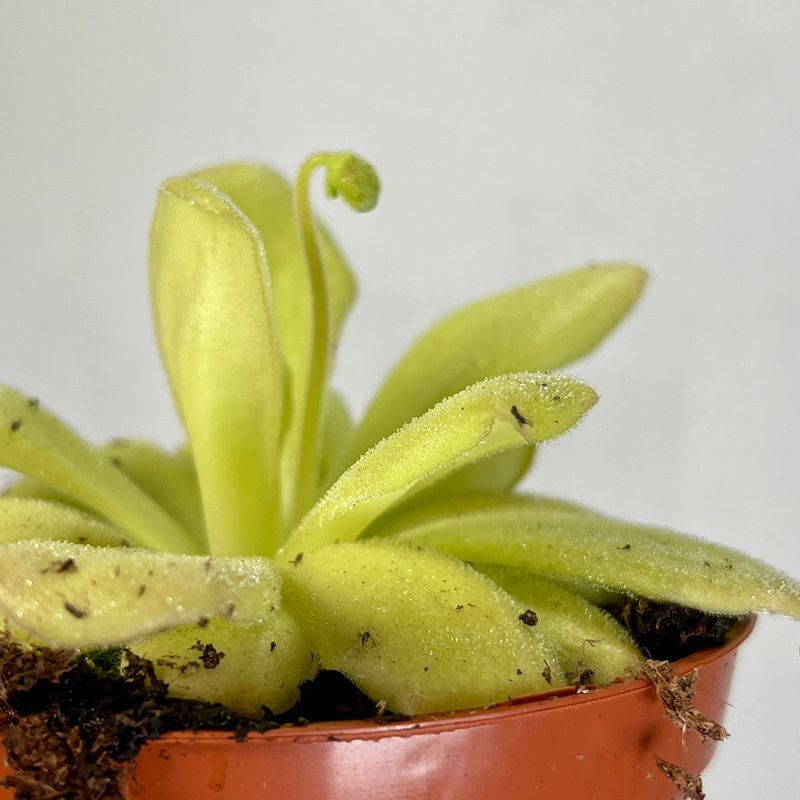
Got gnats? Many houseplant owners do, especially after bringing outdoor pots inside for the fall. A Mexican butterwort might be the cheapest and cutest pest control you ever buy.
Butterworts have flat, shiny leaves that look like they were rubbed with butter. That greasy surface is actually a thin layer of sticky glue. Tiny bugs like fungus gnats land on it and cannot pull free.
The leaves do not snap or curl much. They just hold on and slowly digest their catch. Within a week, a busy butterwort can be dotted with dozens of trapped gnats.
Mexican species are some of the easiest to grow indoors. They prefer a gritty mix that drains well, such as a blend of perlite, sand, and a little peat. Unlike many bog plants, they do not like to sit in water all the time.
Water with distilled or rainwater when the top of the soil feels dry. A bright window with some gentle sun keeps them colorful. Too little light can make the leaves look floppy and dull.
In winter, many Mexican butterworts change shape. They form a tight cluster of small, fuzzy leaves and need less water. Let them stay a bit drier until spring growth returns.
The flowers are a lovely surprise. Pink, purple, or lavender blooms rise on thin stems and look a bit like violets. It is a sweet contrast to the plant’s sneaky, bug-catching habits.
7. Purple Pitcher Plant
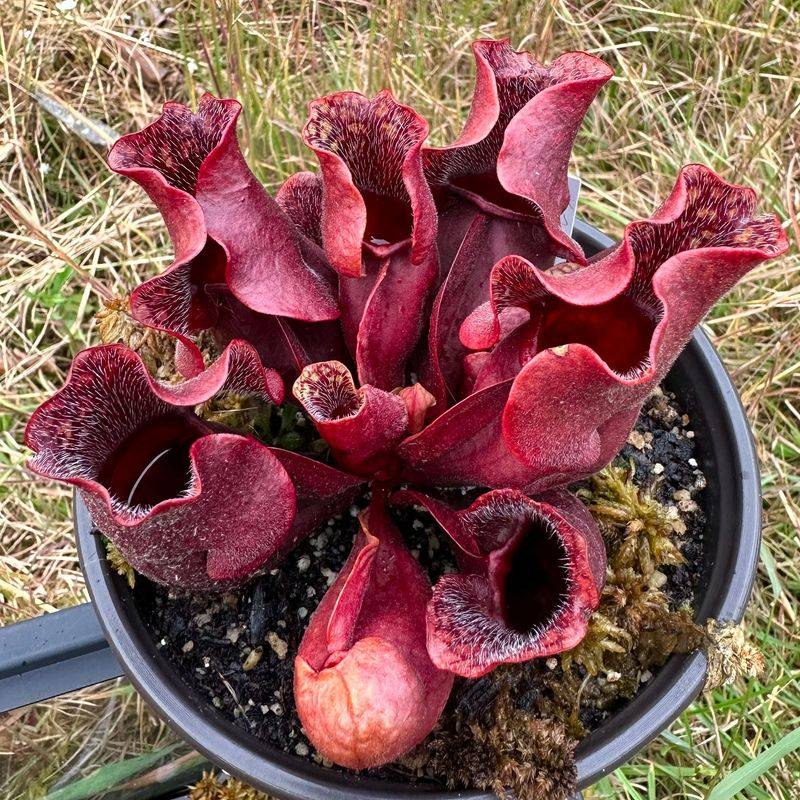
Long before anyone sold carnivorous plants in stores, the purple pitcher plant was already living in Pennsylvania.
It grows wild in bogs across the state, including spots in the Pocono Mountains. Growing one at home is like inviting a local legend inside.
The pitchers are short, curved, and rest close to the ground. Deep purple veins run across the green tubes, giving them a bruised, spooky look. They seem perfect for a witch’s swamp.
Rainwater collects inside each pitcher. Bugs fall in and drown, and tiny creatures living in the water help break them down. Scientists study these little pitcher ponds because they act like mini ecosystems.
Bright light is a must. Full sun on a porch or a very sunny window keeps the colors rich. Without enough light, the pitchers turn pale and floppy.
Keep the soil wet at all times using distilled or rainwater. A peat and perlite mix works well. Let the pot sit in a shallow tray of water during the growing season.
Cold winters are not a problem for this native. In fact, it needs a winter rest of several months. An unheated porch or garage that stays cold but protected makes a great resting spot.
Please never dig plants from the wild. Wild bogs are fragile, and some pitcher plant spots are protected. Buy from a trusted nursery instead, and enjoy a true Pennsylvania plant with a haunted swamp vibe.