The Spots In Pennsylvania Yards Where Ticks Are Most Likely Hiding
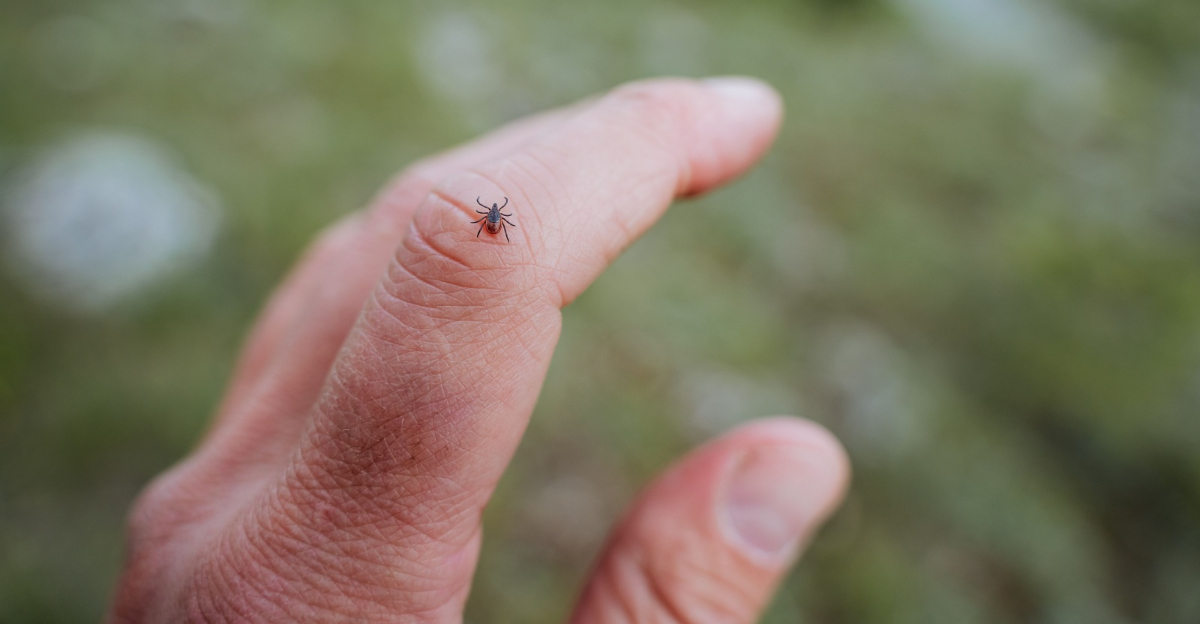
Ticks are not exactly subtle about where they like to spend their time, but most homeowners have no idea their own yard might be rolling out the welcome mat.
Shaded corners, brushy edges, leaf litter piles, that overgrown strip along the back fence nobody got around to cleaning up yet.
These are not random tick locations. They are very deliberate ones, and understanding why ticks gravitate toward certain yard features is genuinely useful information for anyone spending time outside with kids or pets during the warmer months.
Pennsylvania properties can be surprisingly hospitable to ticks without homeowners even realizing it, and the fixes are often simpler than people expect.
A little awareness about what attracts ticks in the first place goes a long way toward making your outdoor space a lot less inviting to them.
1. Leaf Litter Under Trees
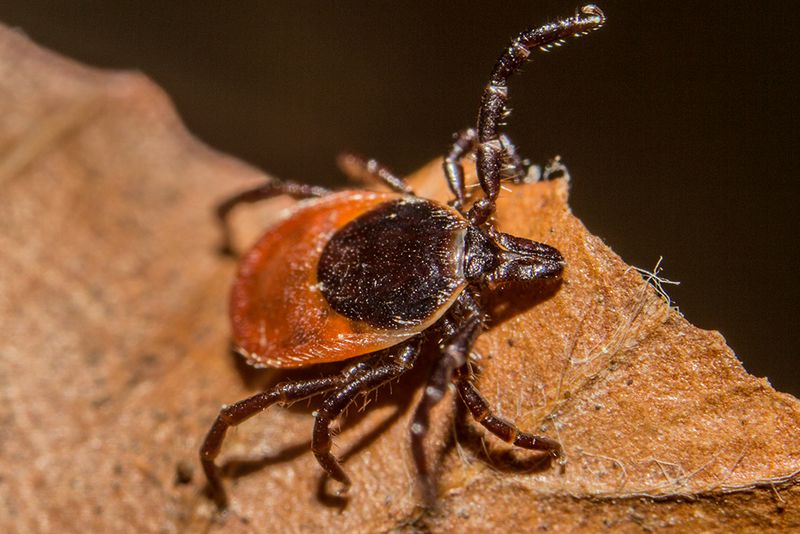
Shaded tree areas with thick layers of fallen leaves create some of the most tick-friendly conditions found in Pennsylvania yards.
Leaf litter holds moisture close to the ground, keeps temperatures cooler during warm months, and provides the kind of protected, dark environment where ticks can wait for a passing host.
A single tree surrounded by undisturbed leaves can quietly support a surprising number of ticks throughout the season.
Many Pennsylvania homeowners rake leaves in the fall but leave smaller accumulations under ornamental trees or along garden bed edges without realizing how appealing those spots can be.
Ticks do not jump or fly, but they do climb onto low vegetation and leaf surfaces, positioning themselves where they are likely to brush against animals or people walking nearby.
Leaf piles that sit against the house foundation or near frequently used pathways can increase contact risk.
Raking and removing leaf litter regularly, especially under and around trees close to the home, is one of the simpler maintenance habits that may help reduce tick-friendly habitat.
Composting or bagging leaves away from play areas and seating spaces is worth considering.
Keeping the ground beneath trees clear and allowing more sunlight to reach the soil can also make those spots less appealing to ticks over time.
2. Tall Grass Along Yard Edges
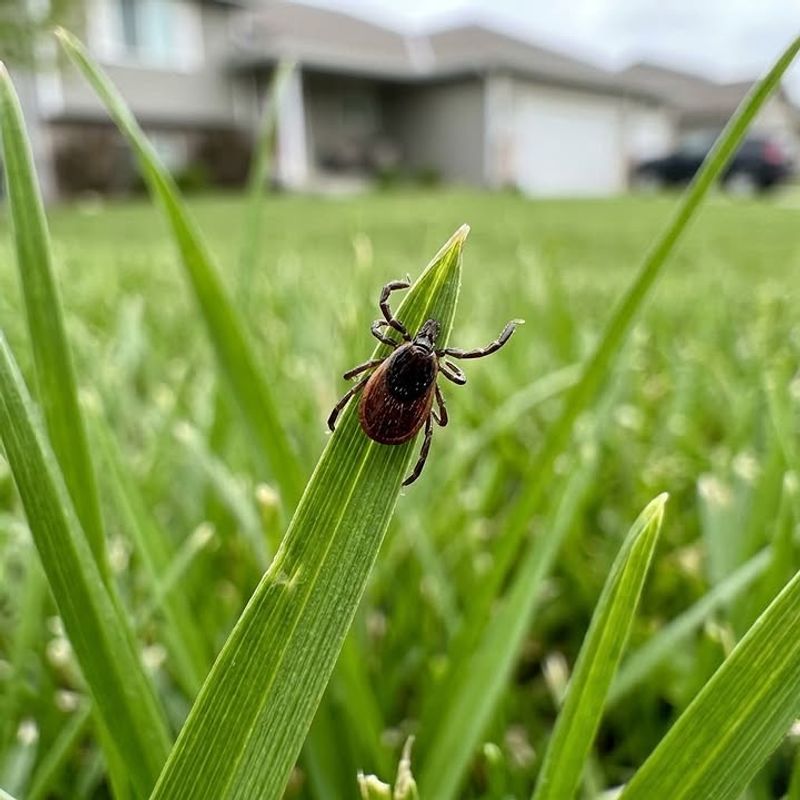
Fence lines and yard borders where grass grows tall and unkempt are among the most common tick hiding spots found across Pennsylvania properties.
Tall grass provides the kind of shaded, humid microclimate that ticks prefer, and it also places them at just the right height to latch onto people, dogs, and wildlife moving along the edge.
A strip of unmowed grass running along a fence or property line may seem harmless, but it can act as a corridor where ticks are active for much of the warm season.
Ticks in tall grass tend to position themselves on grass blades and stems in a behavior known as questing, holding their front legs out and waiting for contact.
Pennsylvania yards that back up to fields, vacant lots, or neighboring properties with overgrown vegetation can see ticks moving in from those areas and taking up residence in the tall grass closest to the maintained lawn.
Your Pennsylvania Garden Changes Every Week. Your Plan Should Too.
Gardening in Pennsylvania changes quickly throughout the season. Every Friday you’ll receive a simple weekly plan showing exactly what to plant, prune, fertilize, harvest, and protect so you never miss the right timing.
The transition zone between mowed and unmowed areas tends to be especially active.
Mowing regularly and keeping grass trimmed along fences, property edges, and garden borders can help reduce the amount of suitable tick habitat close to where people spend time.
Creating a clear, short-grass buffer between the lawn and any wilder areas nearby is a practical step that many Pennsylvania yard care guides recommend as a starting point for lowering tick exposure.
3. Bushy Areas Near The Lawn
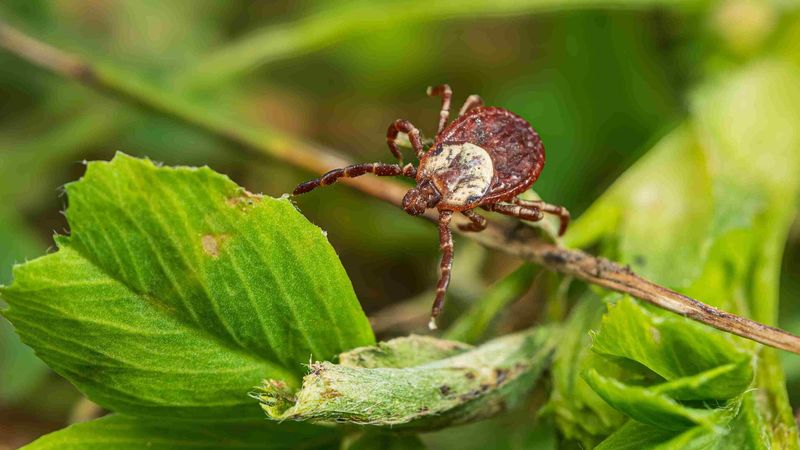
Brushy areas sitting just beside the mowed lawn are spots that many Pennsylvania homeowners walk past regularly without giving much thought, yet they can be surprisingly active tick zones.
Dense shrubs, overgrown ornamentals, and weedy thickets hold moisture, block sunlight, and create layered vegetation where ticks can rest and quest at multiple heights.
The closer these brushy patches sit to the main lawn area, the higher the chance of ticks moving into spaces where people and pets spend time.
Wildlife such as deer, rabbits, and small rodents often move through brushy areas near lawns, and these animals can carry ticks into the yard and drop them along their regular travel routes.
In Pennsylvania, where suburban neighborhoods frequently border wooded or semi-wooded land, brushy edges beside lawns can become busy wildlife corridors throughout spring and summer.
Ticks that hitch a ride into the yard do not stay in one place, and brushy spots give them a sheltered area to persist.
Trimming back overgrown shrubs, removing weedy thickets near the lawn edge, and thinning dense plantings can reduce the amount of protected, humid habitat available to ticks.
Replacing sprawling, low-growing shrubs with more open plantings or mulched beds may also help.
Keeping a clear, visible border between garden beds and the lawn makes it easier to spot areas that may need maintenance attention before they become heavily overgrown.
4. Wooded Edges Around The Property
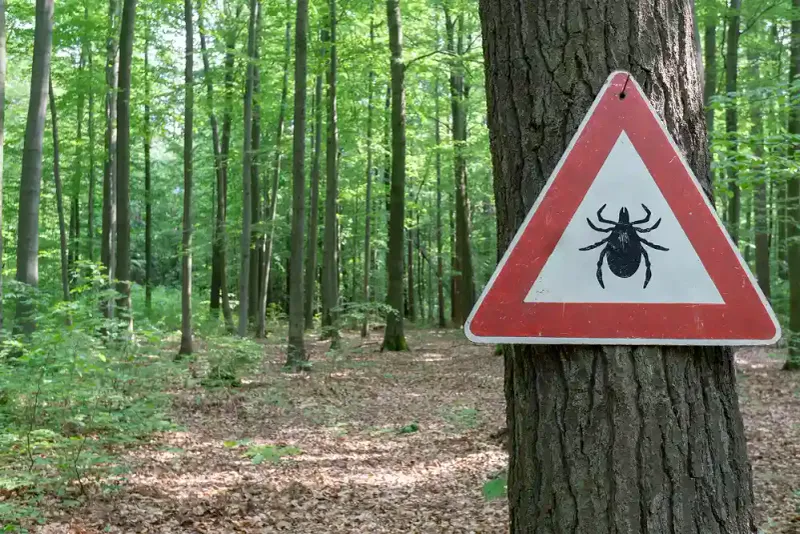
Property borders that run along wooded areas are widely recognized as high-priority tick zones, and this applies to a large number of Pennsylvania yards given how much of the state is forested or semi-forested.
The edge where maintained lawn meets trees and understory growth is a transition zone that ticks favor because it combines the moisture and shade of the woods with the wildlife activity that comes with open yard spaces.
Deer, raccoons, foxes, and other animals that move along these edges can bring ticks with them regularly.
Pennsylvania has significant populations of white-tailed deer, and deer are well-known hosts for certain tick species during parts of their life cycle.
Yards that border wooded areas where deer travel may see ticks entering the yard along well-worn animal paths, especially near the tree line.
The undergrowth at the wood edge, including low shrubs, ferns, and leaf-covered ground, offers ticks excellent resting conditions close to where their hosts pass through.
Creating a maintained buffer zone between the lawn and the wooded edge can help reduce tick movement into the yard. A strip of wood chip mulch or gravel about three feet wide along the tree line may discourage ticks from crossing into the lawn area.
Keeping the immediate tree line trimmed back and clearing low undergrowth along the property border are also practical steps worth considering for Pennsylvania properties that sit near wooded land.
5. Undergrowth Beneath Trees And Shrubs
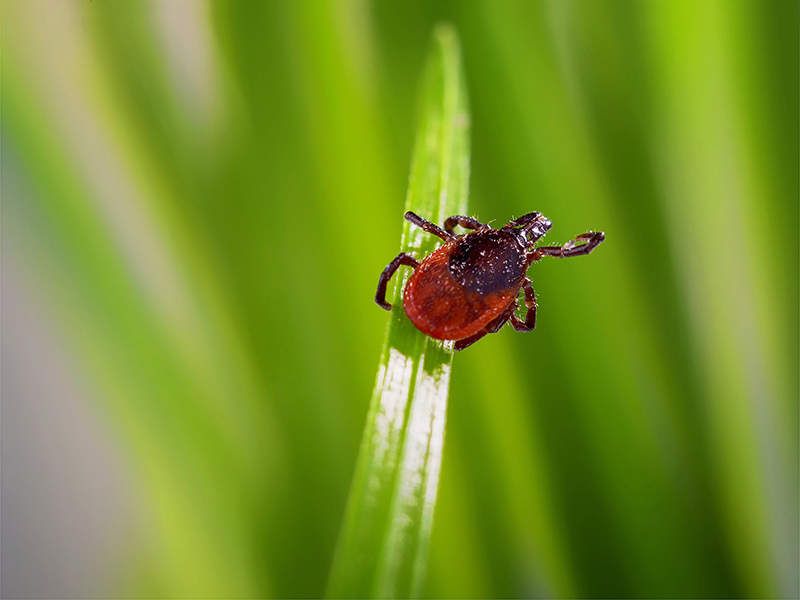
Low-growing plants, ground cover, and tangled undergrowth beneath trees and shrubs can quietly become one of the most tick-friendly features in a Pennsylvania yard.
This type of habitat stays consistently shaded and moist, which suits ticks well, and it often goes undisturbed for long stretches between yard maintenance visits.
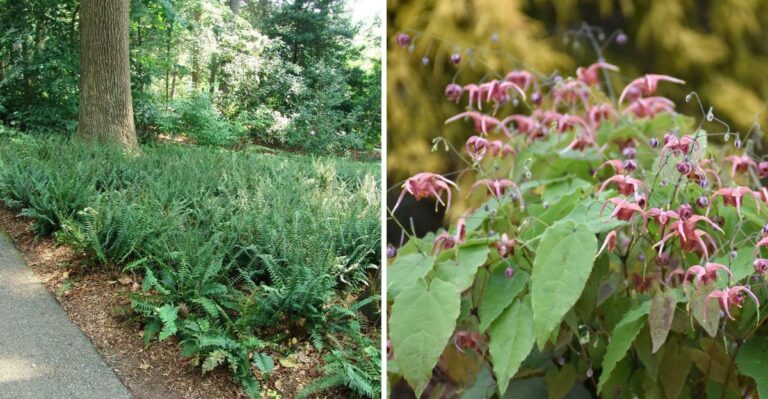
Areas planted with ivy, pachysandra, wild ginger, or similar dense ground covers beneath trees are especially worth paying attention to because they are both difficult to inspect and easy for small animals to move through.
Small mammals such as white-footed mice and chipmunks are important hosts for tick larvae and nymphs, and these animals spend a great deal of time moving through undergrowth beneath trees and shrubs.
A yard with thick, undisturbed plantings beneath trees may support more small mammal activity than homeowners realize, which in turn can support tick populations through parts of their life cycle.
Pennsylvania yards with mature trees and established plantings beneath them often fit this description quite well.
Thinning dense ground cover, trimming back shrubs to improve air circulation and light penetration, and clearing debris that accumulates beneath plantings can help make these spots less hospitable.
Replacing very dense ground covers with more open mulched areas under trees is one option some homeowners consider.
Even periodic raking beneath shrubs and trees to remove accumulated leaves and debris can make a meaningful difference in reducing the sheltered, humid conditions that ticks tend to favor.
6. Wood Piles And Rock Walls
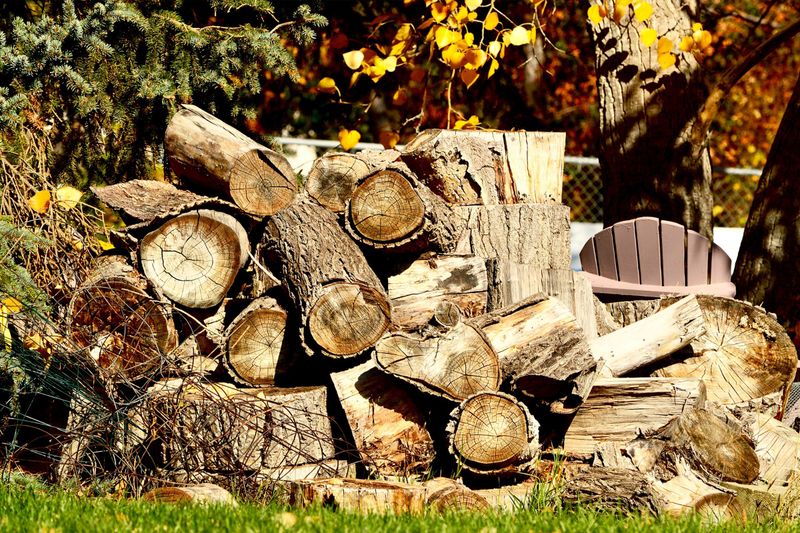
Stacked firewood and stone walls are features that show up in a wide range of Pennsylvania yards, and both can be surprisingly good tick habitat when they sit near vegetation or shaded areas.
Wood piles create a network of gaps and chambers that shelter small animals, particularly mice and chipmunks, which are common hosts for tick larvae and nymphs.
A firewood stack placed close to the home or near garden beds can essentially bring tick-associated wildlife activity right into the frequently used parts of the yard.
Rock walls, especially dry-stacked retaining walls with open gaps between stones, offer similar shelter opportunities.
Mice, voles, and other small rodents move through rock walls regularly, and ticks that fall from these animals or hatch nearby can remain active in the surrounding leaf litter and vegetation.
Pennsylvania properties with older stone walls along the garden edge or property border may see steady small animal traffic that supports tick presence in those areas throughout the season.
Storing firewood away from the house, ideally in a sunny, dry location rather than a shaded corner, can help reduce the appeal of wood piles to small animals.
Keeping the area around wood piles and rock walls clear of leaf litter and tall vegetation removes some of the additional habitat that makes these spots more tick-friendly.
Stacking wood off the ground on a rack also helps reduce moisture and makes the pile less attractive as a nesting site for rodents.
7. Cluttered Areas That Shelter Small Animals
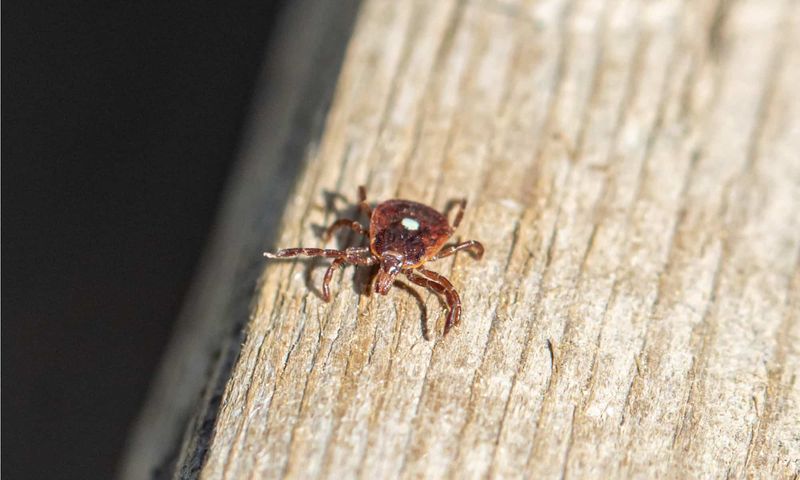
Corners of the yard that collect old pots, unused equipment, boards, tarps, or garden debris may not look like tick habitat at first glance, but they can function as sheltered zones for the small animals that ticks depend on during parts of their life cycle.
Mice, voles, and chipmunks are attracted to cluttered, undisturbed spaces where they can nest and move around safely, and where those animals go, ticks are likely to follow.
Pennsylvania yards with sheds, outbuildings, or simply neglected corners near fences can develop these kinds of conditions without much notice.
Areas beneath decks, porches, and garden sheds are particularly worth considering because they stay consistently shaded and protected from rain, creating stable conditions that small animals find appealing year-round.
When leaf litter or debris accumulates in these spots alongside the clutter, the combination becomes even more hospitable.
Ticks that fall from rodents in these areas can remain in the surrounding ground cover and leaf litter, where they may eventually contact people or pets moving nearby.
Clearing out accumulated clutter, removing old boards and unused materials, and keeping the areas around sheds and outbuildings clean and open can reduce the shelter available to small animals.
Storing items off the ground when possible and keeping vegetation trimmed around the base of outbuildings helps reduce both rodent activity and the humid, shaded conditions that support ticks.
A tidier yard perimeter is one of the more practical starting points for reducing tick-friendly habitat overall.
8. Play Areas, Patios, And Fire Pits Near Yard Edges
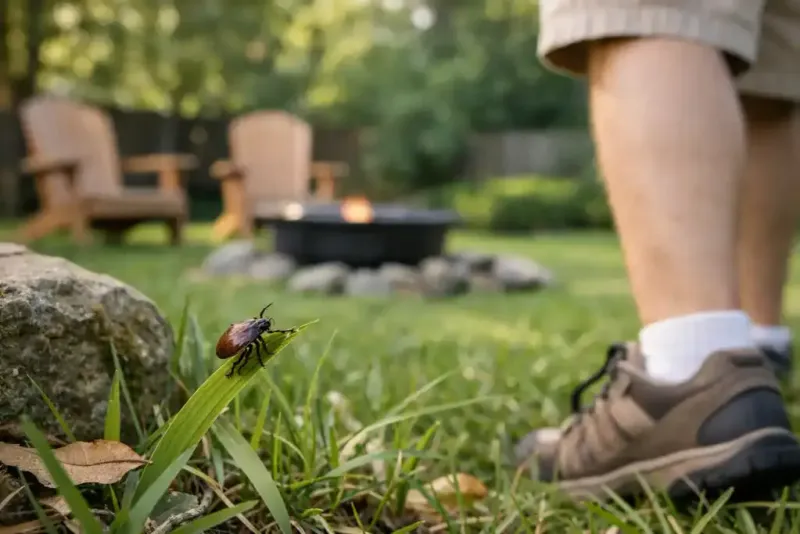
Outdoor seating areas, fire pits, swing sets, and patios that sit close to yard edges or wooded borders can put people in regular contact with tick-active zones without them realizing it.
A fire pit placed near the tree line or a swing set positioned beside a brushy edge may feel like a natural use of yard space, but the proximity to tick habitat means that people spending time in those spots may be brushing against vegetation where ticks are present.
Pennsylvania summers draw families outdoors for extended periods, which increases the amount of time spent near these potential contact zones.
Children playing in grass or leaf litter near yard edges, and pets moving between the lawn and brushy borders, are especially likely to pick up ticks during outdoor activities.
Play areas that sit near fence lines, wooded edges, or areas with tall grass and undergrowth are worth evaluating from a tick-exposure standpoint, particularly during peak tick activity in spring and early summer.
Placing play equipment and seating in sunnier, more central lawn areas rather than near shaded edges can help reduce contact.
Keeping the vegetation around patios, fire pits, and play areas trimmed short and clearing any leaf litter or brush that accumulates nearby are straightforward maintenance habits.
Creating a buffer of short, well-maintained grass between seating areas and any wilder parts of the yard adds a practical layer of separation.
Checking clothing and skin after spending time outdoors, especially near yard edges, remains a useful habit for Pennsylvania families throughout the warm season.