8 Cheap Flowers That Make Texas Gardens Shine
A beautiful Texas garden does not have to come with a big price tag. With the right flowers, even a small budget can turn an ordinary yard into a bright and welcoming space.
Many gardeners are surprised to learn that some of the most eye catching blooms are also among the easiest and cheapest to grow.
Texas weather can be tough on plants, but plenty of affordable flowers thrive in the state’s sunny days and warm soil. Once they settle in, many of these blooms grow quickly, spread naturally, and keep producing color for months.
That means you can fill beds, borders, and containers without constantly buying new plants.
Choosing budget friendly flowers is also a great way to experiment with different colors and styles in your garden.
A handful of well chosen plants can make walkways, patios, and front yards feel lively and full without stretching your wallet. Sometimes the simplest choices create the most impressive results.
1. Zinnias (Zinnia Elegans)
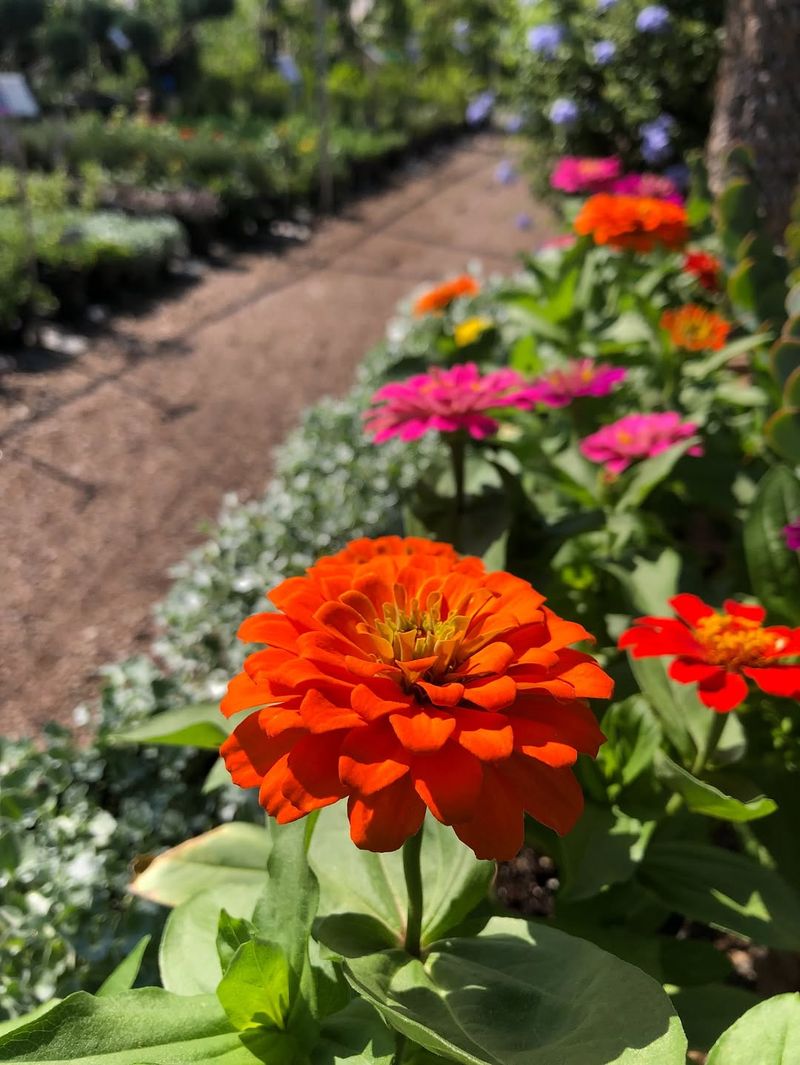
Few flowers can match the cheerful energy of zinnias in a Texas garden. A single seed packet costs less than two dollars, and one planting can fill your yard with bold, bright blooms from late spring all the way through fall.
That is a lot of color for very little money. Zinnias love the intense Texas sun and actually grow better in the heat than in cool weather.
They come in nearly every color you can imagine, from deep red to soft pink to bright orange. You can mix and match colors to create a garden that looks like a painting.
One of the best things about zinnias is how easy they are to grow from seed. Just scatter them in a sunny spot, water them in, and watch them take off. They do not need special soil or fancy fertilizers to perform well in Texas gardens.
Butterflies absolutely love zinnia blooms, so planting them brings extra life and movement to your yard.
Bees visit them often too, making zinnias a great choice for anyone who wants to support local pollinators. Deadheading spent flowers encourages even more blooms to form.
If you save seeds at the end of the season, you will have free plants for next year. Zinnias are truly one of the most rewarding and affordable flowers a Texas gardener can grow.
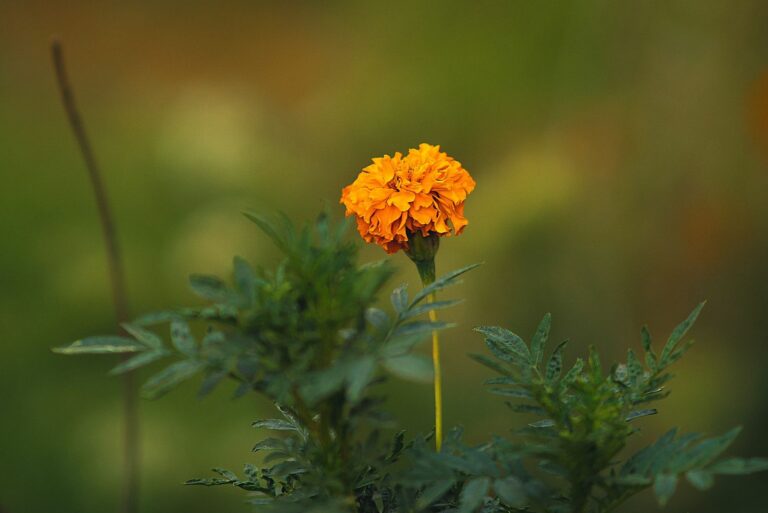
2. Marigolds (Tagetes Spp.)
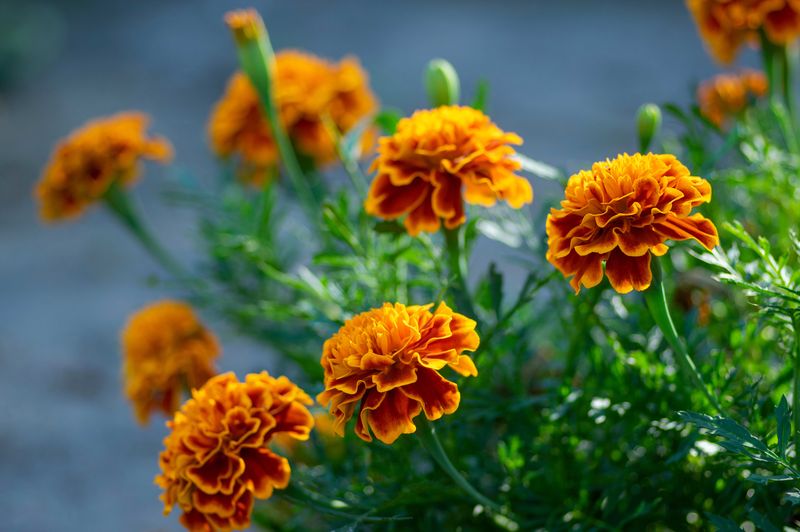
Walk into almost any Texas garden center in spring and you will spot trays of marigolds selling for just a dollar or two per plant. They are one of the most affordable bedding plants around, and they deliver serious color all season long without much effort on your part.
Marigolds handle the Texas heat like champions. Even during the hottest summer months in cities like Dallas or Laredo, these tough little plants keep on blooming.
Their bright yellow and orange flowers add a warm, sunny look to any garden bed or container.
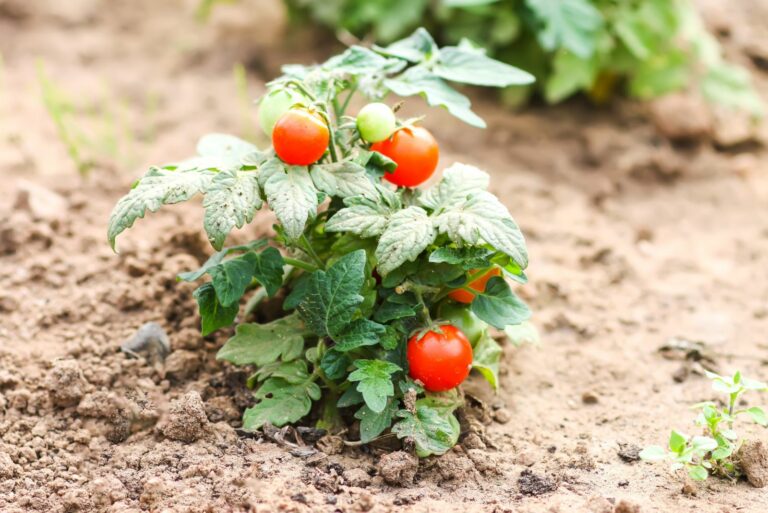
Beyond their beauty, marigolds are incredibly useful in vegetable gardens. Many Texas gardeners plant them near tomatoes, peppers, and squash because their strong scent helps keep certain pests away.
It is a smart, natural way to protect your edible plants without using harsh chemicals. Marigolds thrive in full sun and well-drained soil, which is exactly what most Texas yards offer.
They do not need a lot of water once they are established, making them a great choice during dry summer stretches. Just water them regularly when they are young and let them do their thing.
Did you know marigolds have been used in celebrations and ceremonies across many cultures for centuries? Today, Texas gardeners love them just as much for their practical beauty and reliable performance throughout the growing season.
3. Cosmos (Cosmos Bipinnatus)
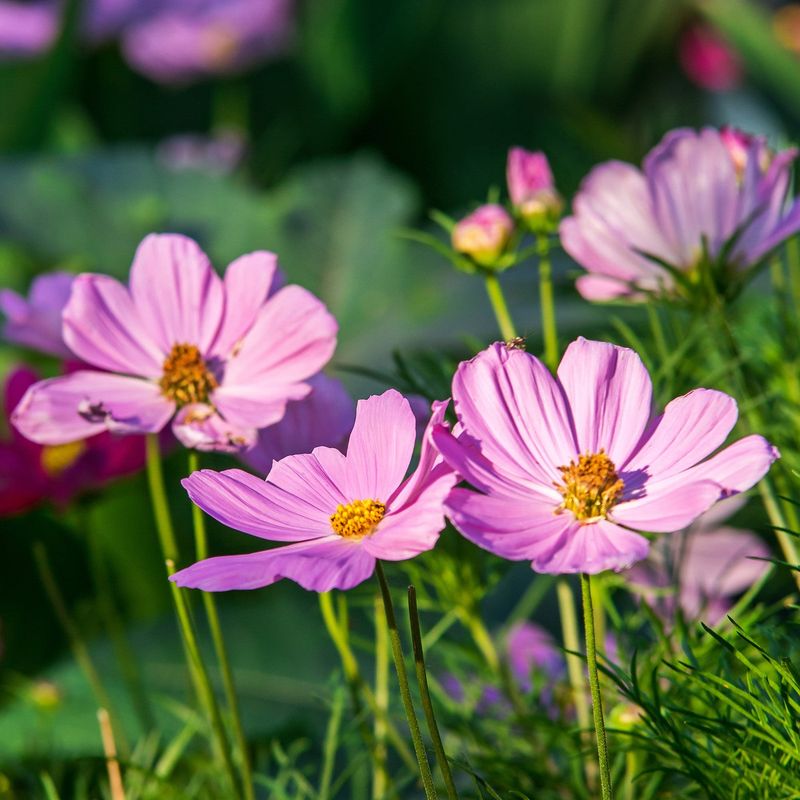
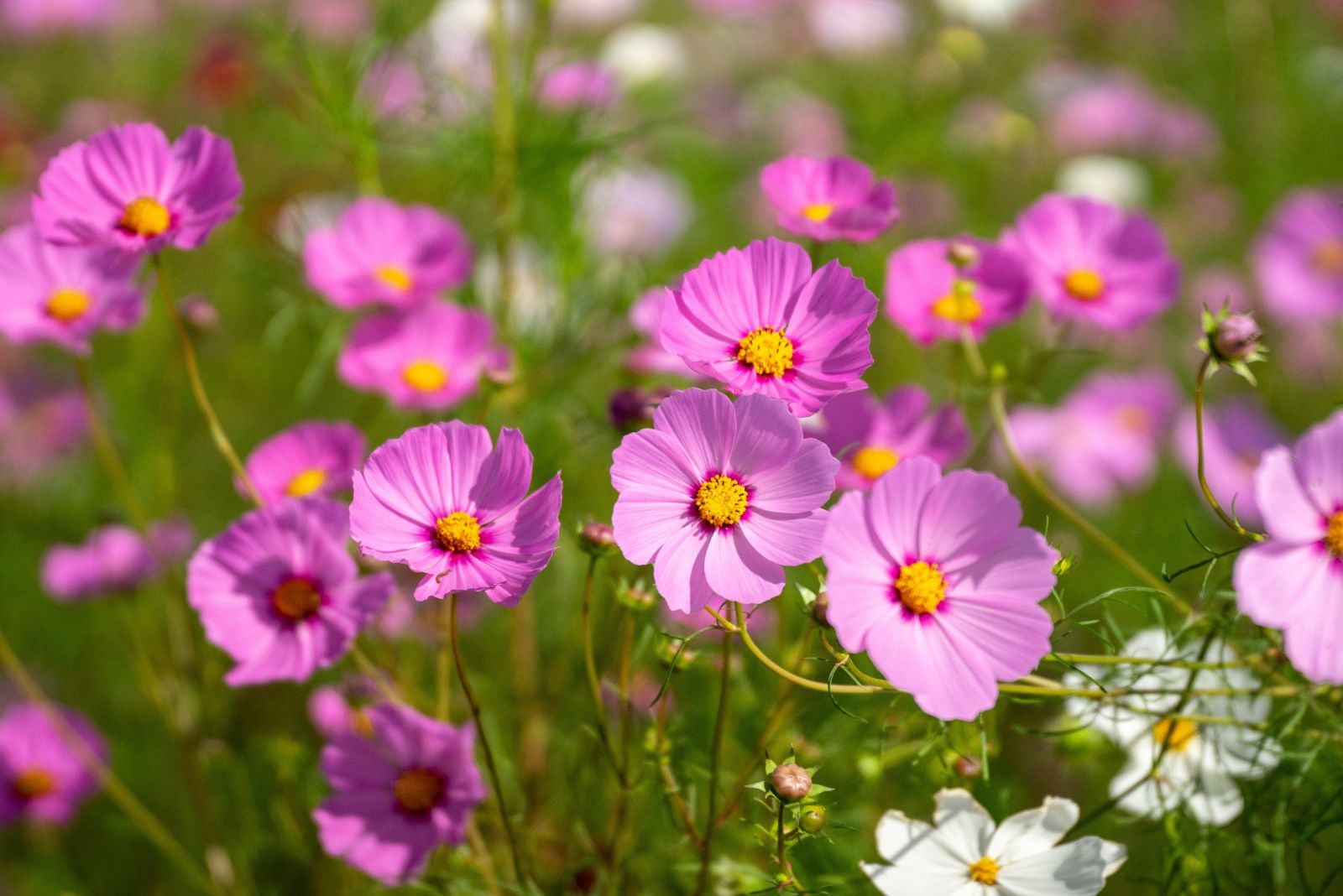
Cosmos are the kind of flowers that look like they belong in a dreamy wildflower meadow, but they are surprisingly easy and cheap to grow right in your Texas backyard.
A seed packet usually costs around one to two dollars and contains enough seeds to fill a whole garden bed with soft, feathery blooms.
Once cosmos get established in Texas soil, they become remarkably drought tolerant. That is great news for gardeners in drier parts of the state like West Texas or the Hill Country, where summer rains can be unpredictable.
These plants know how to take care of themselves when water is scarce. The flowers come in shades of pink, white, lavender, and deep purple, and their lacy, delicate appearance adds a light and airy feel to any garden space.
They grow tall and wave gently in the breeze, giving your yard a relaxed, natural look that feels effortless and beautiful.
Cosmos are fantastic for wildflower-style gardens because they self-seed easily. Once you plant them, they often come back on their own the following year, saving you even more money.
They also attract butterflies and beneficial insects, which helps the whole garden ecosystem stay healthy.
Plant cosmos in a sunny spot and give them a little water to get started. After that, they mostly take care of themselves, making them one of the most low-effort flowers you can grow in Texas.
4. Coreopsis (Coreopsis Tinctoria)
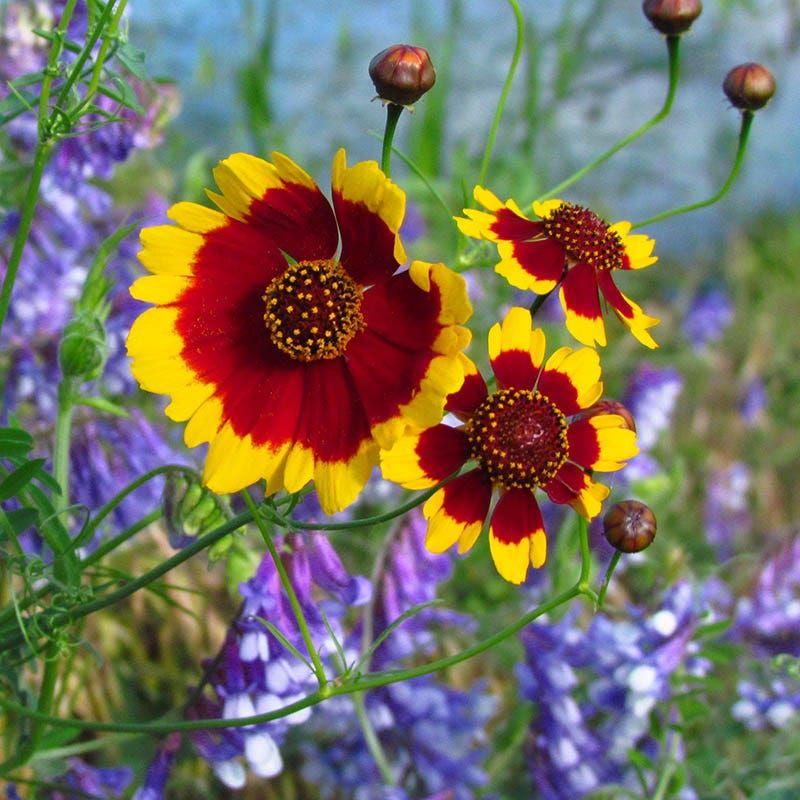
Coreopsis tinctoria, also known as plains coreopsis, is a true Texas original. It grows wild along roadsides and open fields across the state, and it is one of the toughest, most cheerful wildflowers you can add to your home garden.
Seeing those bright yellow and red blooms pop up in spring feels like a little Texas celebration.
What makes coreopsis especially great for Texas gardeners is its ability to thrive in poor soil and intense heat. You do not need to amend your soil or fertilize heavily. Just give it a sunny spot, scatter the seeds, and let the Texas climate do the work for you.
The flowers are small but plentiful, with bright yellow petals that often have a deep red or burgundy center.
They create a bold, eye-catching display when planted in large groups or mixed with other wildflowers. The effect looks like a professional garden without the professional price tag.
Coreopsis reseeds easily and naturally, which means you often get a fresh crop of plants every year without buying more seeds.
Over time, a single planting can spread and fill in more of your garden space, giving you more color for free. That kind of value is hard to beat in any gardening budget.
This plant also supports pollinators like bees and butterflies, making it both beautiful and beneficial for the local Texas environment.
5. Sunflowers (Helianthus Annuus)
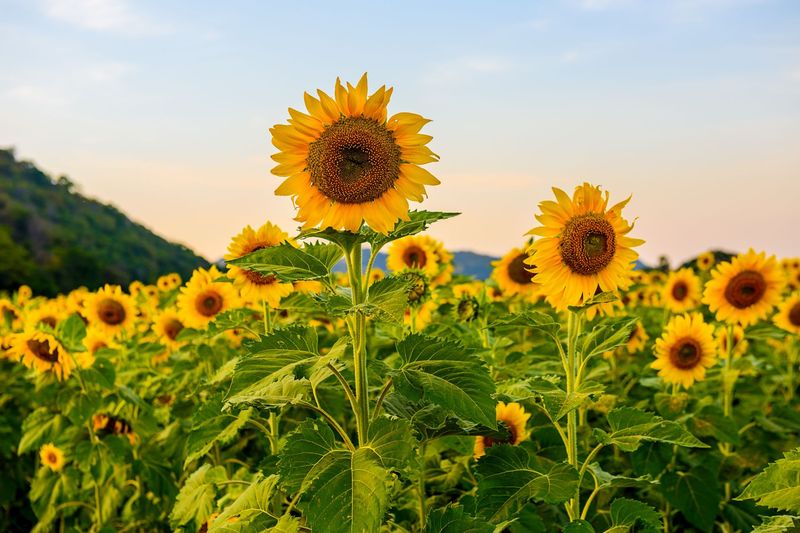
There is something undeniably joyful about a sunflower. Standing tall with a big golden face turned toward the sky, sunflowers bring instant happiness to any Texas garden.
The best part is that they cost almost nothing to grow. A pack of sunflower seeds can be found for under two dollars at most garden stores across Texas.
Sunflowers are built for the Texas climate. They love full sun, handle heat without complaint, and can go longer between waterings than many other flowers.
Once they are established, they are tough enough to handle even the hottest Texas summers without much help from you.
One of the coolest things about growing sunflowers is the wildlife they attract. Bees swarm the blooms to collect pollen, and once the seeds form, birds like finches and cardinals flock to the plants for a snack.
Planting sunflowers is like setting up a free wildlife show right outside your window. Sunflowers come in many different sizes. Some grow just two feet tall, making them perfect for containers or small garden beds.
Others can shoot up to ten feet or more, creating a dramatic backdrop for shorter flowers. Mixing different varieties adds visual interest and depth to your Texas garden design.
Did you know sunflowers always face east once they reach full maturity? That fun fact makes them even more fascinating to grow and observe throughout the season.
6. Moss Rose (Portulaca Grandiflora)
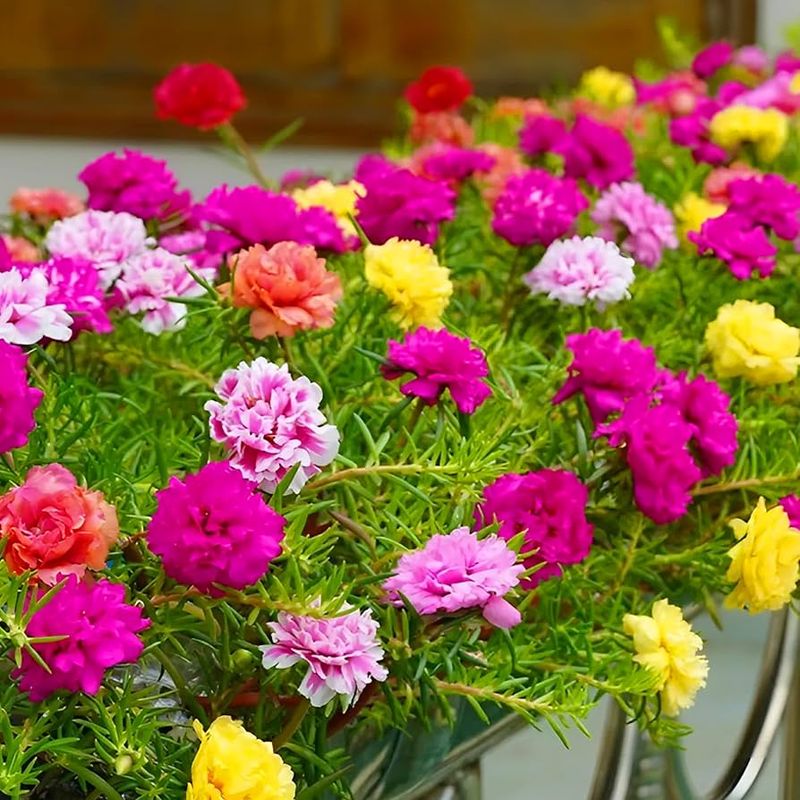
Moss rose is the secret weapon of Texas gardeners who deal with blazing heat and dry conditions.
This low-growing beauty thrives in spots where other flowers would struggle, including rocky soil, sandy beds, and south-facing borders that bake in the afternoon sun. It is practically indestructible in the Texas summer.
The blooms are surprisingly showy for such a small plant. Moss rose produces flowers in vivid shades of pink, red, orange, yellow, and white, often with a silky, almost jewel-like quality.
They open wide in the sunshine and create a carpet of color that looks stunning in garden borders and container plantings alike.
Drought tolerance is one of moss rose’s greatest strengths. Its thick, succulent-like leaves store water, which means it can handle long dry spells without wilting or suffering.
For Texas gardeners in cities like El Paso or Abilene, where dry conditions are common, this plant is a true lifesaver.
Moss rose seeds and transplants are among the most affordable options at any Texas garden center. A small flat of plants costs just a few dollars and can cover a surprisingly large area.
You get maximum color impact for minimal investment, which is exactly what budget-conscious gardeners want.
Plant moss rose in the sunniest, driest spot you have and watch it reward you with nonstop color from early summer all the way through the first cool snap of fall.
7. Texas Bluebonnet (Lupinus Texensis)
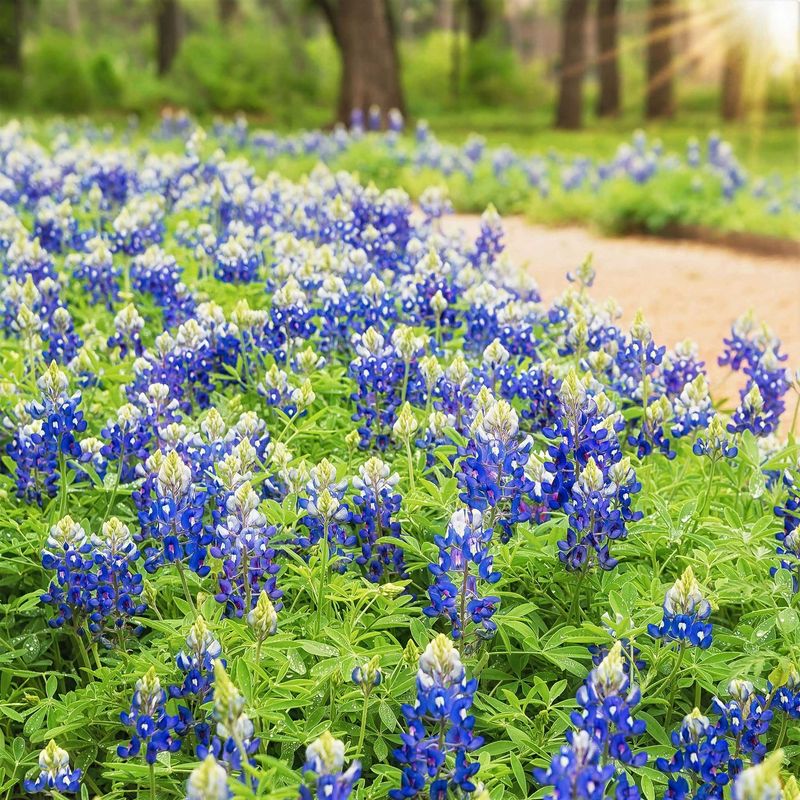
No flower says Texas quite like the bluebonnet. It is the official state flower of Texas, and every spring, it transforms roadsides and open fields into breathtaking seas of blue and white.
Growing bluebonnets in your own yard brings a little piece of that iconic Texas landscape right to your doorstep.
Bluebonnet seeds are widely available and inexpensive, usually costing just a couple of dollars per packet.
The key to success is planting them in the fall so they can establish roots before winter and burst into bloom come spring. Once you get them going, they often reseed and return on their own each year.
These native wildflowers are perfectly adapted to Texas conditions. They love well-drained soil, full sun, and do not need fertilizing or heavy watering.
In fact, too much water or rich soil can actually work against them. Keep things simple and let nature take the lead.
Bluebonnets are ideal for naturalized areas of your yard, like slopes, meadow patches, or areas where you want a low-maintenance but beautiful ground cover.
They look stunning planted in large drifts, and mixing them with other spring wildflowers like Indian paintbrush creates a classic Texas scene that will make your neighbors stop and stare.
Beyond their beauty, bluebonnets add nitrogen to the soil, which benefits surrounding plants. They are truly a gift to Texas gardens in every sense of the word.
8. Gaillardia / Indian Blanket (Gaillardia Pulchella)
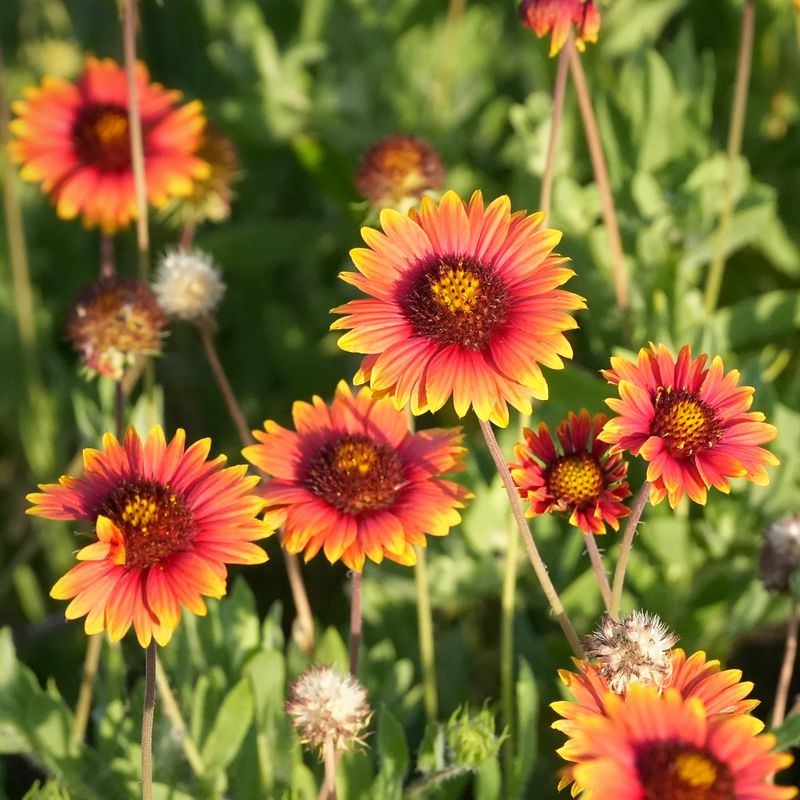
Gaillardia, commonly called Indian blanket, is one of those flowers that looks like it was designed specifically for Texas.
Its bold red and yellow petals resemble the colorful woven blankets of Native American tradition, and it has been thriving in Texas soil for centuries. It is tough, gorgeous, and costs almost nothing to grow.
Heat and drought do not slow this plant down one bit. Gaillardia can handle the harshest Texas summers with ease, continuing to bloom even when temperatures soar and rainfall disappears.
For gardeners in Central or South Texas, where summer conditions can be brutal, this flower is a reliable standout.
The daisy-like flowers are bold and eye-catching, with petals that are typically red at the base and tipped in bright yellow.
They bloom from late spring through fall, giving you months of color with very little effort required. Low maintenance is truly this plant’s middle name.
Gaillardia grows well in poor, sandy, or rocky soil, which is exactly the kind of soil found in many parts of Texas.
You do not need to improve the soil or add compost to get great results. Just plant it in a sunny spot and give it occasional water while it gets established.
Seeds are inexpensive and easy to find at Texas nurseries or online. Once established, gaillardia self-seeds freely, meaning your garden will keep filling in with more color year after year without any extra spending on your part.