8 Clear Signs A Feral Hog Wandered Into Your Texas Yard Unnoticed
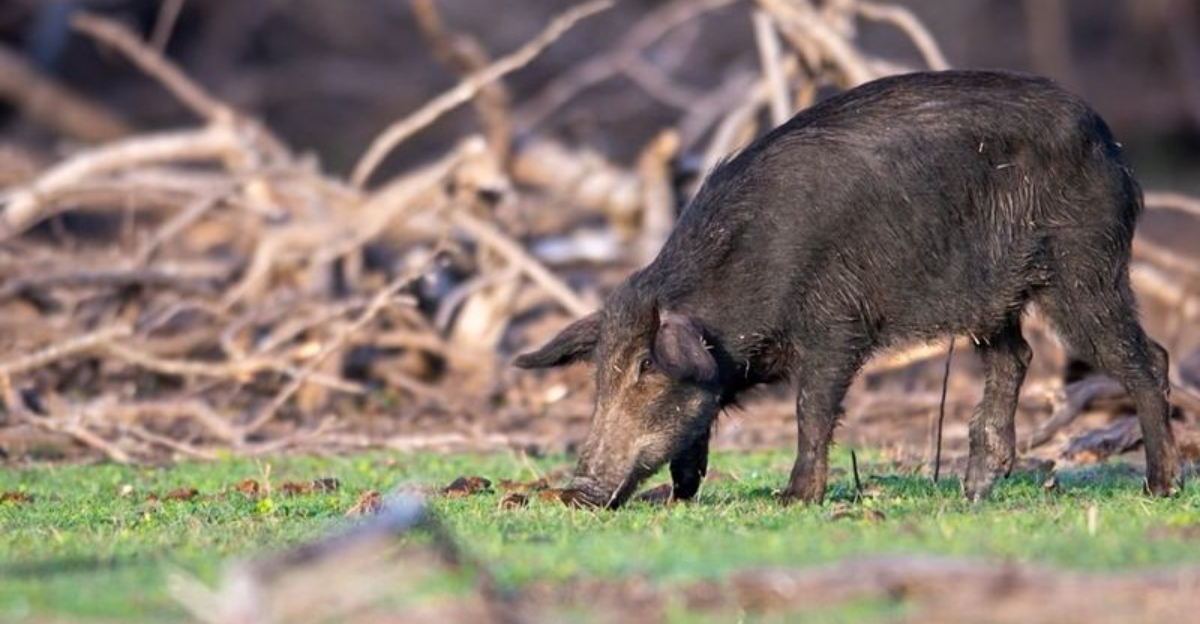
A quiet Texas yard can hide more drama than a Saturday night rodeo.
One minute the grass looks untouched, and the next something feels off, as if an uninvited guest slipped in under cover of darkness.
Feral hogs are masters at sneaking around, rooting through lawns, and slipping away before sunrise.
They move like shadows and leave clues only sharp eyes pick up.
A torn patch of soil, a crooked fence board, or a trail stamped into the mud can speak louder than a full-blown sighting.
Homeowners across the state deal with these destructive wanderers, and many never realize a hog dropped by until the damage piles up.
Knowing the early signs keeps a yard from turning into a churned-up mess overnight.
Once those clues start adding up, the picture becomes clear.
A feral hog has been testing the boundaries, treating the property like its own shortcut through the neighborhood.
1. Torn-Up Grass And Uprooted Soil
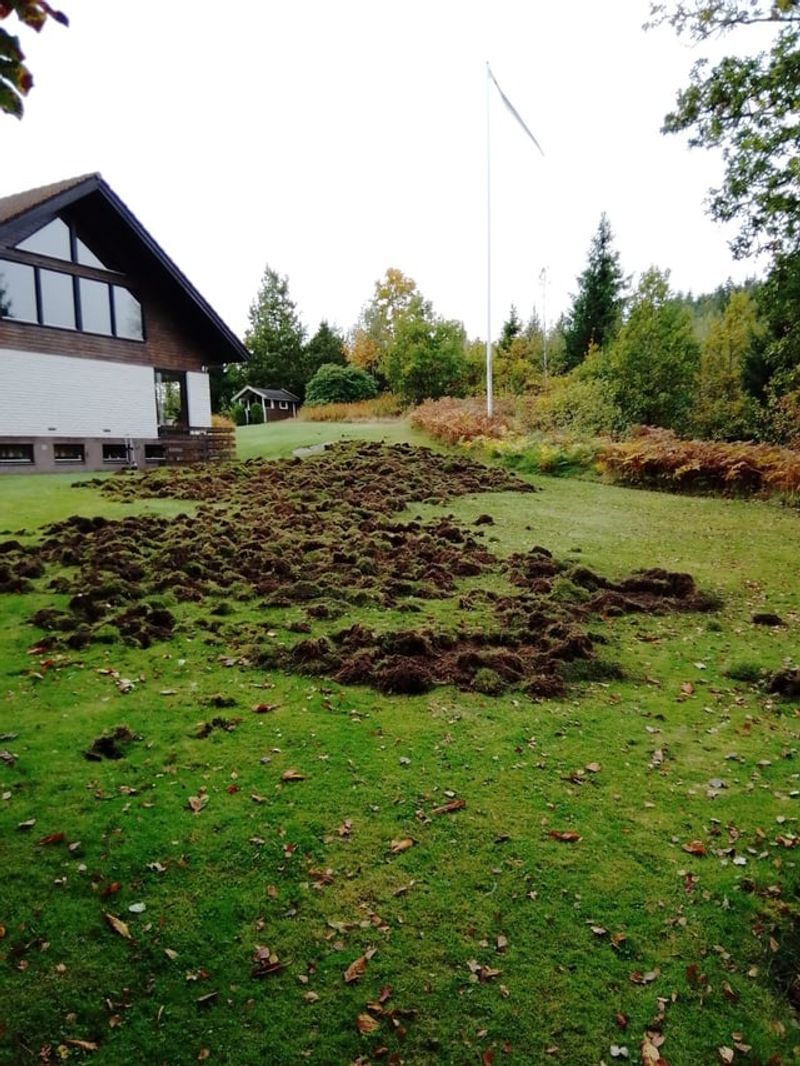
Walking outside to find your lawn looking like someone took a rototiller to it overnight is a classic sign of feral hogs.
These animals use their powerful snouts to dig through soil searching for grubs, roots, and other tasty treats buried beneath the surface.
The damage often appears as long furrows or scattered patches where grass has been completely torn away, exposing bare dirt underneath.
Feral hogs in Texas are notorious for destroying beautiful lawns in just a single night.
Their rooting behavior is incredibly destructive because they don’t just nibble at the surface, they dig deep, sometimes several inches down.
You’ll notice the soil looks freshly turned, almost like someone was gardening, but with much messier results.
The torn areas might follow a random pattern across your yard, or they could concentrate in spots where the ground is softer or where food sources are more abundant.
If you see this kind of damage, especially after a rainy night when the ground is easier to dig, feral hogs were likely the culprits.
Check for other signs nearby to confirm their presence, and consider taking protective measures before they return for another destructive visit to your Texas property.
2. Large Hoof Prints In Soft Ground
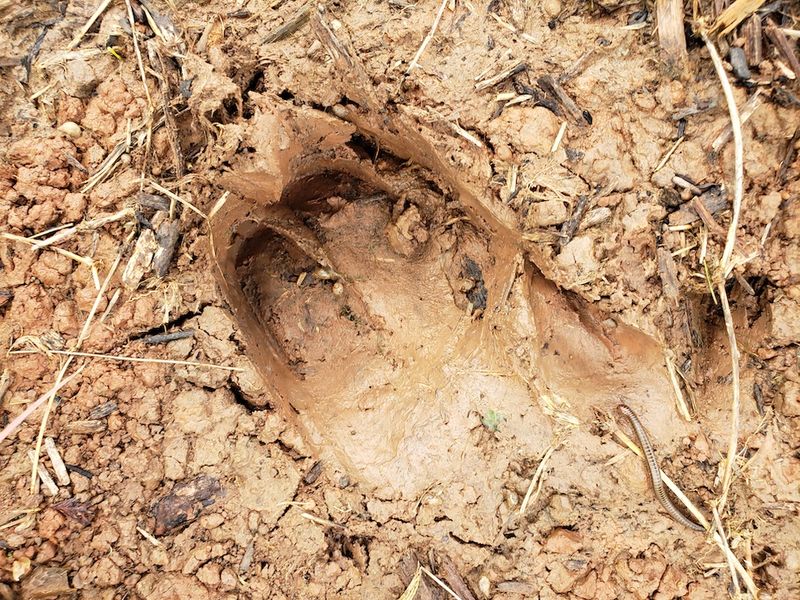
Spotting large, distinctive hoof prints in your flower beds or around muddy areas is a giveaway that feral hogs visited during the night.
Unlike deer tracks, hog prints show two rounded toes with a split down the middle, and they’re usually wider and more robust-looking.
The prints can measure anywhere from two to four inches long, depending on the size of the animal.
Texas soil, especially after rain or near sprinkler zones, holds these tracks beautifully.
You might find them leading from one part of your yard to another, creating a trail that shows exactly where the hogs traveled.
Sometimes you’ll see smaller prints mixed with larger ones, indicating a whole group or family passed through together.
Look carefully near garden edges, around trees, or close to fences where hogs might have squeezed through.
The tracks often appear deeper at the front because hogs put more weight forward when they walk and root.
Fresh prints will have crisp edges and clear definition, while older ones might look weathered or partially filled in.
If you discover these tracks, take photos and measure them to help wildlife control experts determine how many hogs are visiting your Texas property regularly.
3. Damaged Garden Beds And Vegetable Patches
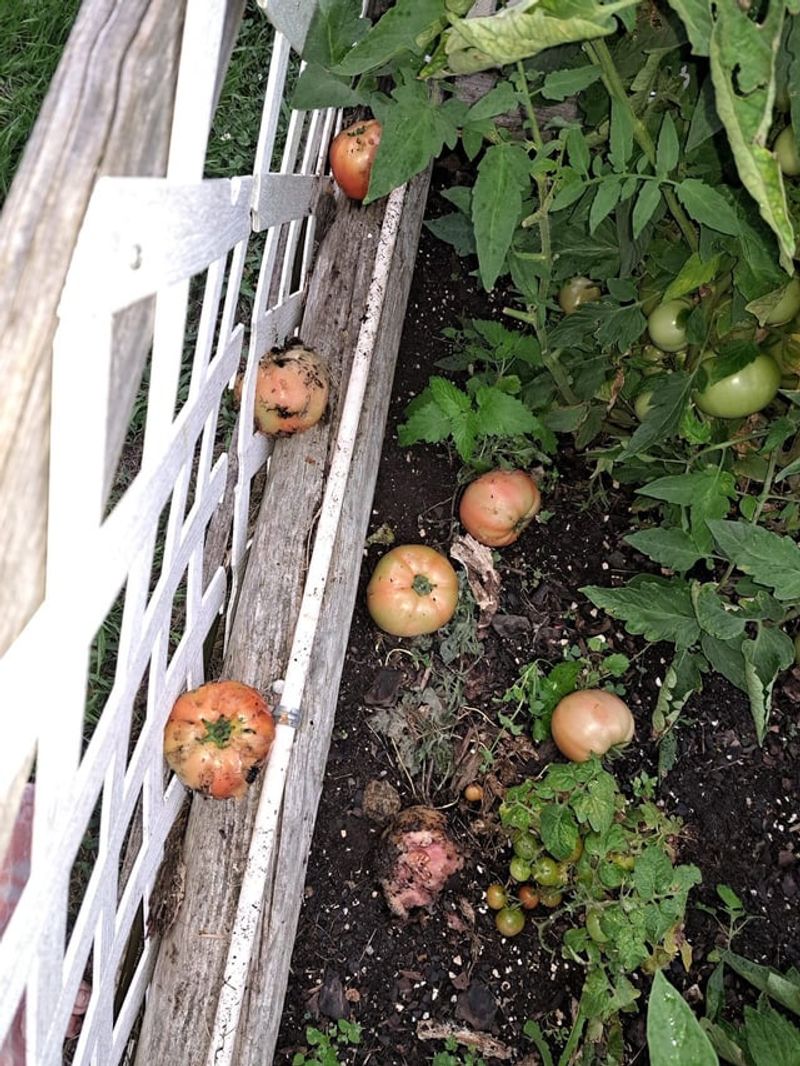
Finding your carefully tended garden completely ransacked is heartbreaking, but it’s also a clear indication that feral hogs have been feasting on your hard work.
These animals absolutely love vegetables, fruits, and anything edible growing in your garden beds.
They’ll knock over tomato plants, dig up potato patches, and munch through squash and melons without any hesitation.
Gardens in Texas are particularly vulnerable because the growing season produces abundant food that attracts hungry hogs from surrounding areas.
You might notice plants trampled flat, with stems broken and leaves scattered everywhere.
Root vegetables like carrots and beets often get completely uprooted as hogs dig them out with their powerful snouts.
The damage usually looks chaotic and thorough, not like the neat nibbling you’d see from rabbits or deer.
Feral hogs are messy eaters who destroy far more than they actually consume.
Check for muddy smears on remaining plants or fencing, which happens when hogs brush against surfaces while moving through tight spaces.
If you’ve invested time and money into your garden, discovering this kind of destruction means you need to act fast.
Consider installing stronger fencing or motion-activated deterrents to protect what’s left before these persistent visitors return for another midnight buffet.
4. Disturbed Mulch And Flower Beds
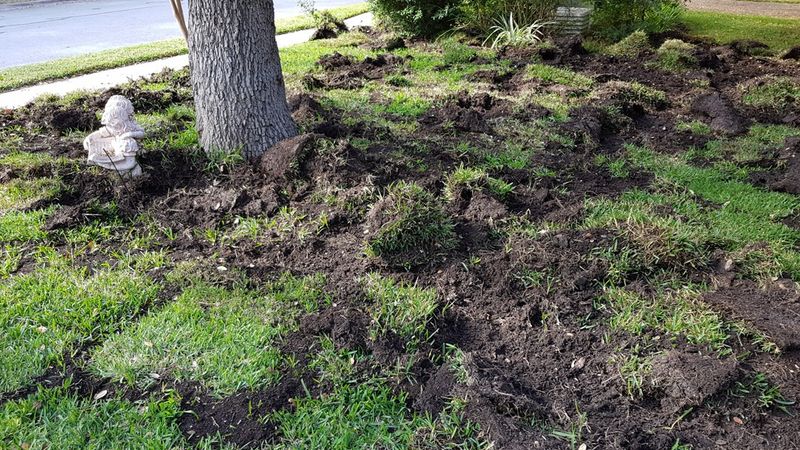
Mulch scattered everywhere and flower beds that look like they’ve been hit by a tornado are telltale signs of feral hog activity.
These animals root through mulched areas searching for insects, worms, and grubs that hide beneath the surface.
What was once a neat, attractive landscape feature becomes a complete mess, with mulch flung several feet away from where it belongs.
Texas homeowners often use mulch to keep their gardens looking tidy and to help retain moisture during hot summers.
Unfortunately, this also creates the perfect environment for the bugs and critters that feral hogs love to eat.
You’ll notice mulch piled up against your house, spread across walkways, or mixed into your lawn where it doesn’t belong.
Flowers and decorative plants often get uprooted or trampled during these nighttime raids.
The hogs don’t care about your landscaping, they’re focused entirely on finding food.
You might see deep gouges in the soil where they dug particularly hard, or notice that certain areas have been completely cleared of mulch.
This kind of disturbance typically happens when hogs spend extended time in one spot, methodically working through the area.
If your flower beds look destroyed and your mulch is everywhere except where you put it, feral hogs are almost certainly responsible for the chaos in your Texas yard.
5. Overturned Garbage Cans And Scattered Trash
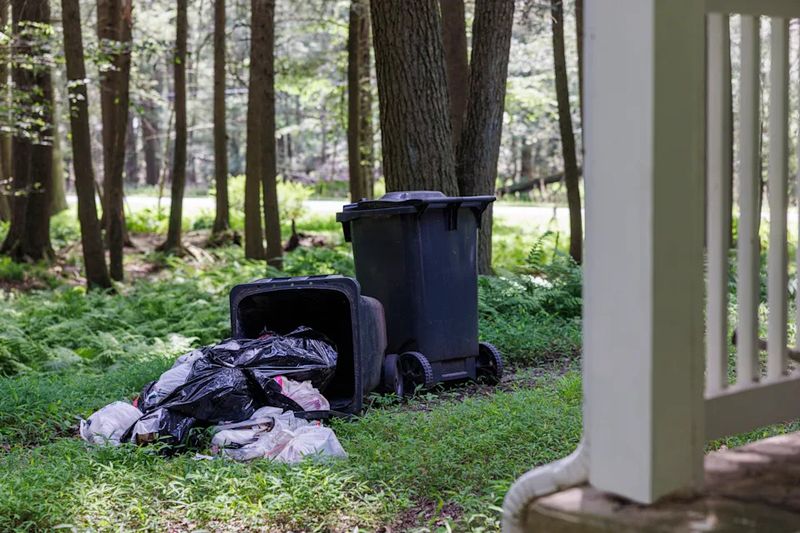
Coming outside to find your garbage cans tipped over and trash spread across your driveway is frustrating, and it might be the work of feral hogs rather than neighborhood dogs or raccoons.
These powerful animals can easily knock over even heavy trash containers when they smell something appealing inside.
They use their snouts to push and lift, spilling contents everywhere as they search for food scraps.
Feral hogs in Texas have learned that human garbage often contains easy meals, from leftover dinner scraps to spoiled produce.
The mess they create is usually more extensive than what smaller animals leave behind.
You’ll find garbage scattered in a wide radius, with bags torn open and contents thoroughly investigated.
Look for muddy snout marks on the cans themselves, or large footprints in the area surrounding the spill.
Hogs tend to be less cautious than other animals, so they’ll make quite a commotion without worrying about being detected.
If this happens repeatedly, especially on the same night each week before trash pickup, you’ve got a pattern that suggests regular visits.
Securing your garbage cans with bungee cords or storing them in a garage until collection day can help prevent future incidents and discourage these unwelcome visitors from returning to your Texas property.
6. Wallows Or Mud Pits Near Water Sources
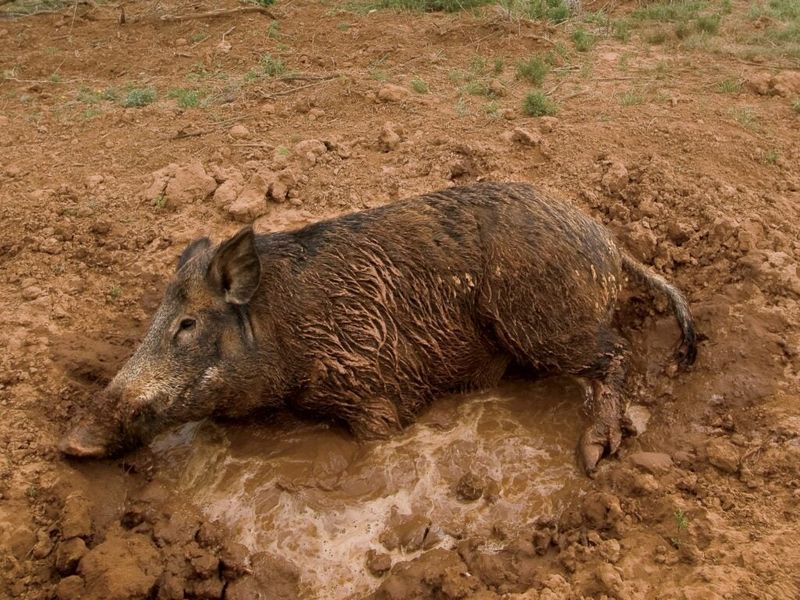
Discovering a new muddy depression or wallow in your yard, especially near water sources like birdbaths, ponds, or drainage areas, strongly suggests feral hog activity.
Hogs love to roll in mud to cool off and protect their skin from insects and sun exposure.
They’ll create these wallows by repeatedly lying down and rolling in wet soil until a distinct pit forms.
Texas heat makes these mud baths particularly attractive to feral hogs during summer months.
The wallows usually appear as oval or circular depressions filled with muddy water, and they can range from shallow dips to holes several inches deep.
The surrounding area often shows trampled vegetation and muddy tracks leading to and from the wallow.
You might notice dried mud caked on nearby fence posts, trees, or structures where hogs rubbed against surfaces after their mud bath.
This behavior is completely natural for them, but it creates unsightly damage to your property.
Fresh wallows will have wet, disturbed soil with a strong animal odor, while older ones might dry out between visits.
If you have a pond, fountain, or low-lying area that collects water, check regularly for signs of wallowing.
Multiple wallows or an expanding wallow size indicates that feral hogs are visiting your Texas yard frequently and feel comfortable enough to stay for extended periods.
7. Rubbed Fence Posts And Tree Trunks
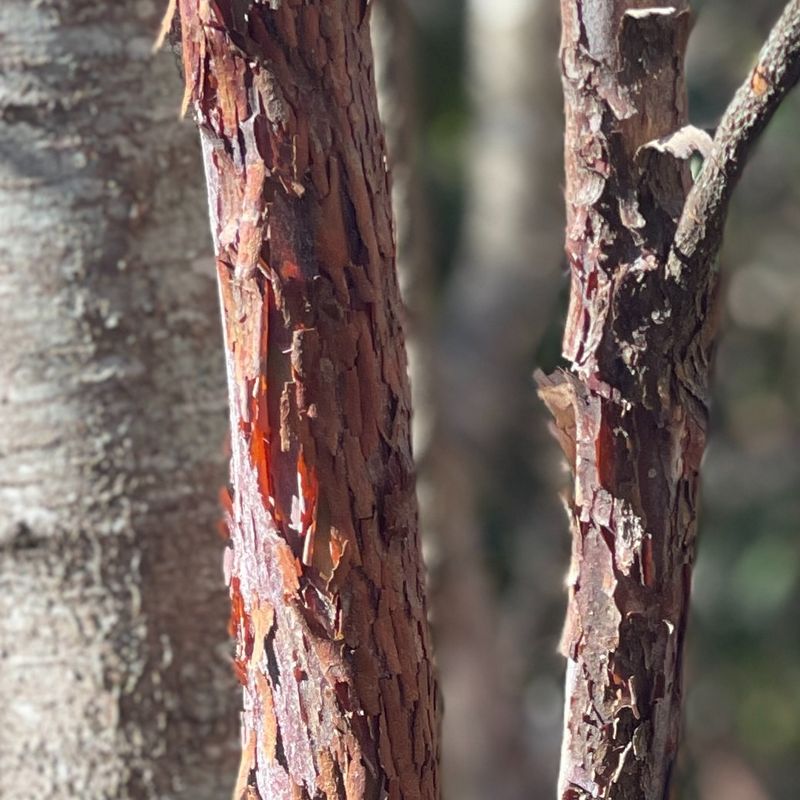
Noticing muddy smears, damaged bark, or worn spots on fence posts and tree trunks around your property indicates that feral hogs are using these surfaces as scratching posts.
After wallowing in mud, hogs rub against vertical surfaces to remove parasites and satisfy itches.
This behavior leaves distinctive marks that are hard to miss once you know what to look for.
The marks typically appear at heights between one and three feet off the ground, matching the shoulder height of adult feral hogs.
You’ll see dark, greasy stains mixed with dried mud, and sometimes coarse black or brown hairs stuck to rough bark or wooden surfaces.
Trees might show bark damage where repeated rubbing has worn away the outer layers.
Fence posts, especially corner posts or those near gates, often become favorite rubbing spots because they’re sturdy and conveniently located along hog travel routes through Texas properties.
Metal posts might show scratches or dents, while wooden posts can develop smooth, polished areas from constant contact.
The rubbing marks usually accumulate over time, becoming more obvious with repeated visits.
If you notice these signs on multiple posts or trees around your yard, you’re dealing with regular visitors who have established your property as part of their territory.
Taking note of which structures show the most damage can help you understand hog movement patterns and plan effective deterrent strategies.
8. Strange Grunting Sounds At Night
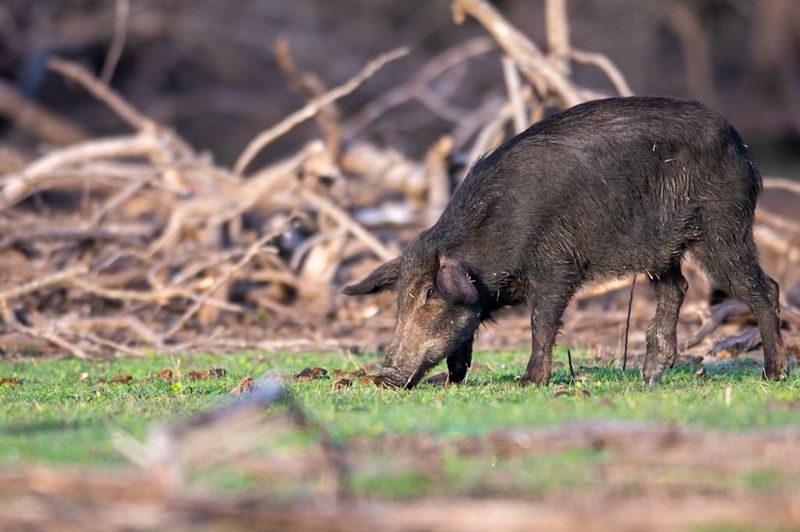
Hearing unusual grunting, squealing, or snorting sounds coming from your yard after dark is often the first clue that feral hogs are nearby, even before you see any physical damage.
These animals are quite vocal, especially when they’re feeding or communicating with other hogs in their group.
The sounds can range from low, rumbling grunts to higher-pitched squeals, depending on the situation and the animals’ ages.
Feral hogs are primarily nocturnal in areas with human activity, which means they visit Texas yards mostly between dusk and dawn when residents are indoors.
If you hear these distinctive sounds, especially combined with rustling or digging noises, there’s a good chance hogs are actively rooting through your property at that very moment.
The vocalizations often get louder when multiple hogs are present, as they communicate while foraging together.
Many Texas homeowners initially mistake these sounds for other animals or even dismiss them as neighborhood pets.
However, feral hog vocalizations have a unique quality that becomes recognizable once you’ve heard them.
If you suspect hogs are visiting, try listening carefully on quiet nights, or consider setting up a motion-activated camera to capture evidence.
The sounds might also be accompanied by the noise of garbage cans being knocked over or fences rattling as hogs push through barriers.
Documenting these nighttime visits helps confirm your suspicions and provides valuable information if you need to contact wildlife management professionals.