11 Clear Signs A Snake Visited Your Florida Yard Without You Noticing
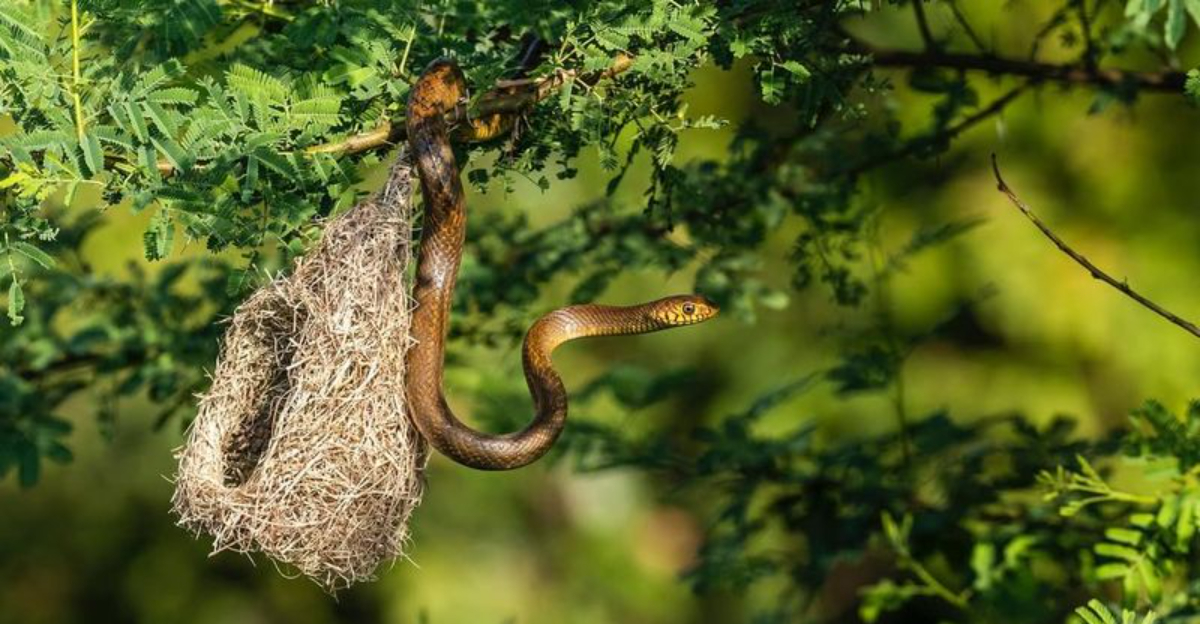
Florida yards often hide quiet activity after sunset.
Snakes cross lawns, slip under decks, and move through gardens with almost no trace.
Most homeowners never spot these visitors, yet each snake leaves clues that reveal its path.
A shifted mulch bed, a sudden drop in frogs or lizards, or a strange smell near a shed can signal a recent encounter.
Florida’s warm climate, dense vegetation, and abundant prey create ideal conditions for frequent snake traffic.
A few small details can expose a hidden guest and help you understand the level of activity around your home.
These signs offer a clear look at what passed through your yard without your knowledge.
1. Shed Snake Skin Left Behind
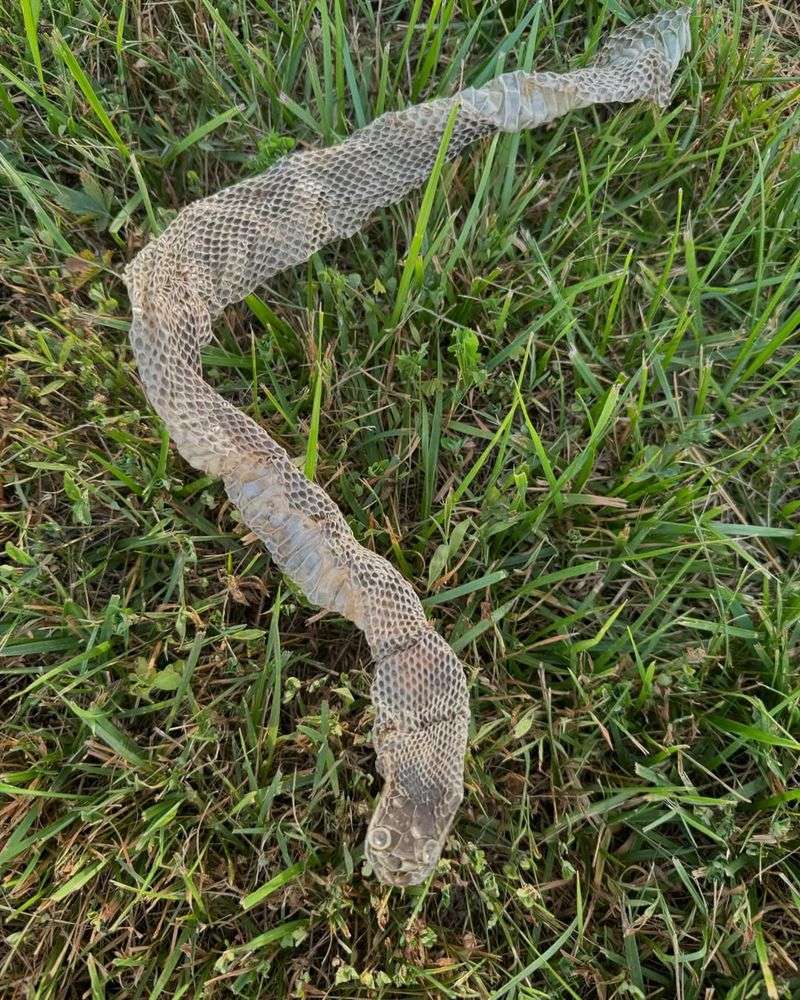
Snakes outgrow their skin several times each year, leaving behind a papery, translucent shell that looks almost ghostly.
When you spot this delicate material draped over bushes, tucked under rocks, or lying in the grass, you know a snake has been nearby recently.
The shed skin appears inside-out and often stays intact enough to show the scale pattern and even eye coverings.
Young snakes shed more frequently than adults because they’re growing faster, so finding multiple skins might mean a young snake has claimed your yard as its territory.
Florida’s warm, humid climate creates perfect conditions for snakes to thrive and shed regularly.
If you discover shed skin, examine it carefully from a distance without touching it.
The pattern and size can help you identify whether a harmless species or a venomous one visited your property.
Keeping this evidence can be useful if you need to consult with a wildlife expert.
Regular yard maintenance helps you spot these signs earlier.
Check around wood piles, garden beds, and shaded areas where snakes prefer to hide during their shedding process.
2. Mysterious Tracks In Soft Soil
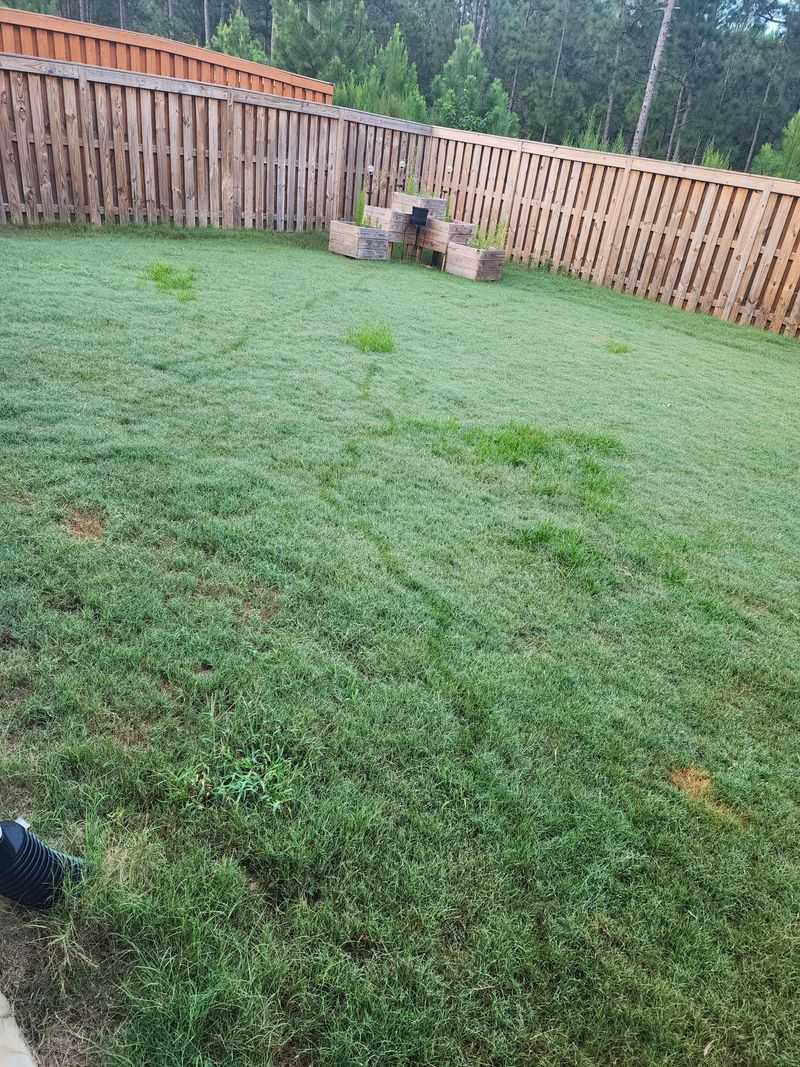
Have you ever noticed strange, wavy lines pressed into the dirt after a rain shower?
These serpentine trails tell the story of a snake’s journey across your property.
Unlike footprints from mammals or birds, snake tracks appear as continuous wavy or S-shaped patterns that look almost artistic.
The width of the track gives clues about the snake’s size, while the depth indicates how recently it passed through.
Fresh tracks show crisp edges, but older ones appear weathered and less defined.
Sandy soil, muddy patches, and areas around sprinklers capture these impressions best.
Florida’s frequent afternoon thunderstorms create ideal conditions for preserving these temporary signatures.
Pay special attention to tracks leading toward your home’s foundation, garage, or shed.
Snakes often follow these paths repeatedly when they find a comfortable route.
Morning hours offer the best opportunity to spot tracks because many Florida snakes hunt at night and return to their hiding spots at dawn.
Photographing these tracks helps you monitor snake activity patterns over time.
3. Sudden Disappearance Of Small Prey Animals
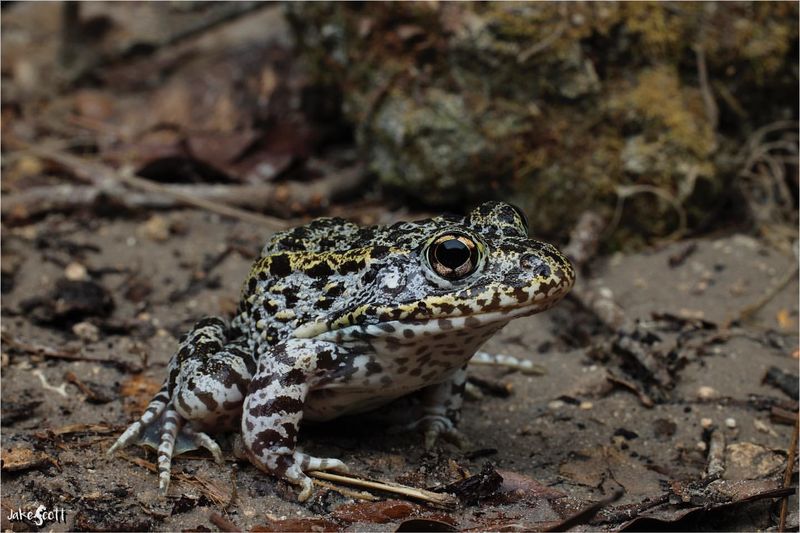
Your yard might have buzzed with frogs, lizards, and small rodents just last week, but now everything seems eerily quiet.
This sudden silence often signals that a predator has moved into the neighborhood.
Snakes are efficient hunters that can dramatically reduce populations of small creatures within days.
Frogs that once sang loudly near your pond might vanish completely when a water snake takes up residence.
Lizards that sunbathed on your patio stones mysteriously disappear when a black racer starts patrolling.
Even the mice that rustled through your mulch beds at night become scarce when a corn snake discovers your property.
This ecological shift happens quickly because prey animals sense danger and either relocate or get consumed.
Florida’s diverse snake population includes species that specialize in different prey types.
Some target amphibians exclusively, while others prefer rodents or other reptiles.
If you notice this dramatic change in your yard’s wildlife population, a snake has likely established a hunting territory.
The good news is that this natural pest control can benefit your property by reducing unwanted rodent populations.
4. Disturbed Mulch Or Leaf Piles
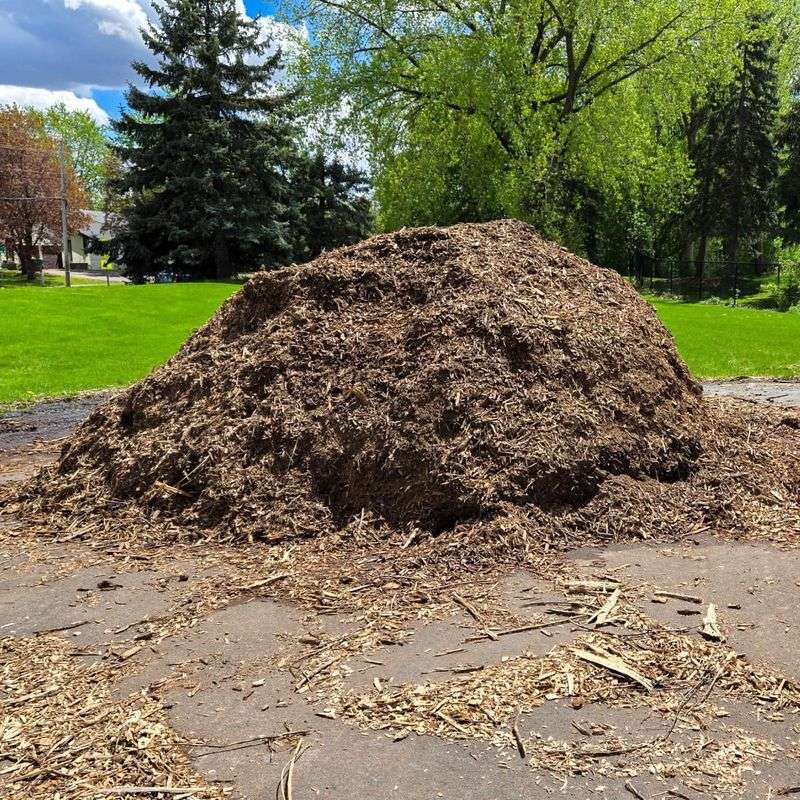
Mulch beds and leaf piles provide perfect cover for snakes seeking shelter from Florida’s intense midday heat.
When you notice your carefully arranged mulch looks messy or shows tunnel-like disturbances, a snake might have burrowed through.
These reptiles push through loose material, creating channels that remain visible for days afterward.
The displaced mulch often forms small mounds on either side of the path, similar to how a tiny plow would work.
Leaf piles that looked neat yesterday might appear scattered or compressed today.
Snakes don’t just pass through these areas—they often rest underneath for hours or even days.
The cool, dark environment beneath mulch layers offers protection from predators and helps snakes regulate their body temperature.
Pine straw, wood chips, and shredded bark all attract snakes for this reason.
If you’re refreshing your landscaping, take a moment to inspect these areas first.
Look for the distinctive smooth channels that differ from the rough tunnels created by insects or small mammals.
Reducing mulch depth to two inches or less makes your yard less attractive to snakes while still benefiting your plants.
5. Bird Nests Raided At Ground Level
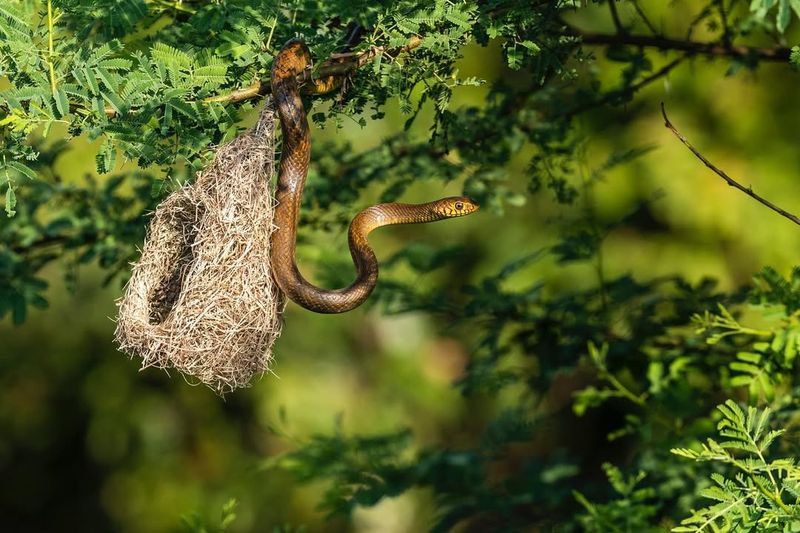
Ground-nesting birds face constant threats in Florida, and snakes rank among their most persistent predators.
When you discover an empty nest that contained eggs just yesterday, a snake likely enjoyed an easy meal.
Unlike raccoons or opossums that leave messy destruction, snakes consume eggs whole or leave minimal evidence.
You might find the nest slightly disturbed but otherwise intact, with eggs simply missing.
Sometimes a thin membrane or collapsed shell remains if the eggs were already developing.
Rat snakes and corn snakes are particularly skilled at locating bird nests through their excellent sense of smell.
They can climb into low shrubs or access nests hidden in tall grass with remarkable ease.
Parent birds that seemed calm and content suddenly become agitated, calling loudly and diving at unseen threats.
This behavioral change often happens right after a snake visits, even if the reptile has already left.
Florida’s long breeding season means birds nest from early spring through late summer, providing extended opportunities for snake encounters.
Protecting ground nests is nearly impossible without completely restructuring your landscape.
6. Strange Smells Near Hiding Spots
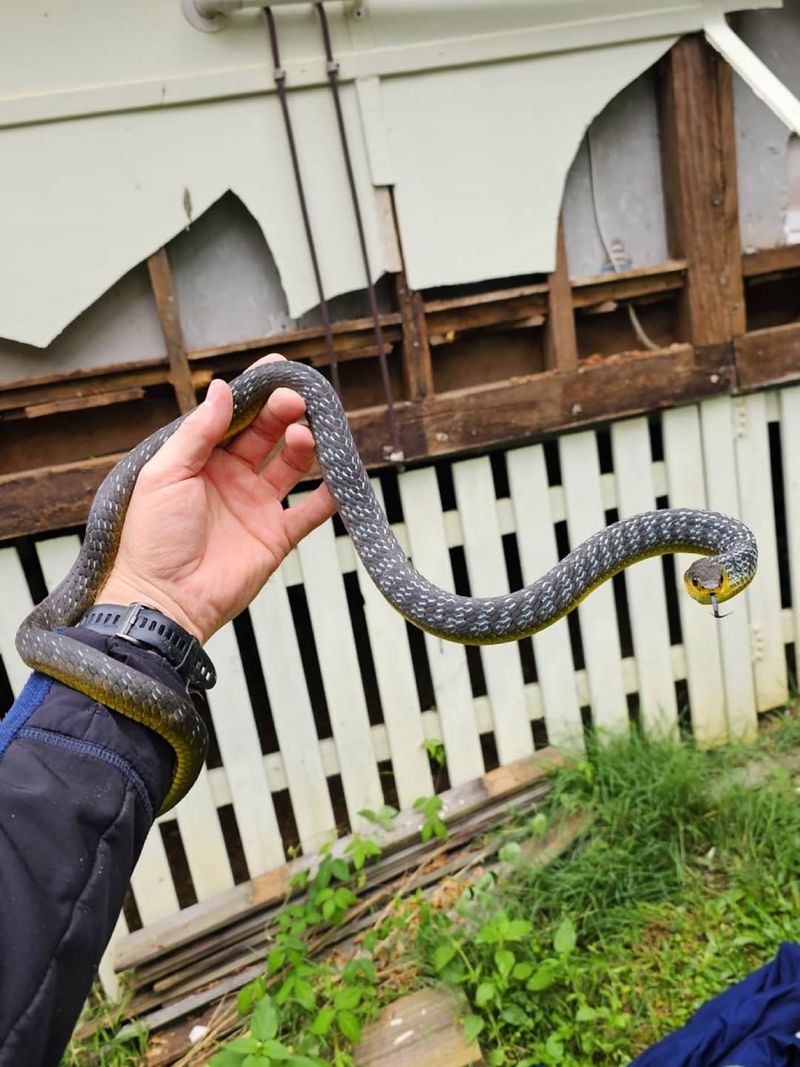
Snakes produce a distinctive musky odor that smells somewhat like a combination of garlic and rotten cucumbers.
This scent comes from glands near their tail that release a foul-smelling liquid when they feel threatened.
Even after the snake leaves, this pungent smell can linger for days in enclosed spaces.
You might notice it when opening a shed, reaching under your deck, or moving items in your garage.
The smell is stronger in areas where snakes rest regularly or where multiple snakes congregate.
Some Florida homeowners describe the odor as sickeningly sweet or intensely unpleasant.
Water snakes and garter snakes are particularly notorious for releasing this defensive musk.
If you detect this unusual smell but can’t identify the source, a snake has probably been using that spot as a hideout.
The scent serves as a warning system that helps you avoid surprising a snake during yard work.
Proper ventilation helps dissipate the odor, but it may return if the snake continues visiting.
Sealing gaps and cracks where the smell is strongest prevents snakes from accessing those spaces in the future.
7. Holes Or Burrows Near Your Foundation
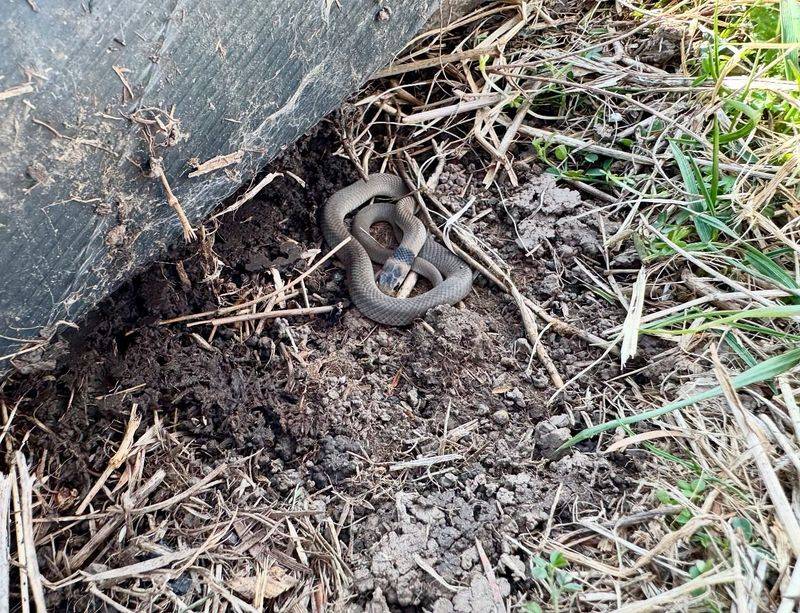
Most Florida snakes don’t dig their own burrows, but they happily move into abandoned holes created by rodents or other animals.
When you spot a hole near your foundation that seems too smooth or well-used, a snake might have claimed it as home.
These openings typically measure one to three inches in diameter, depending on the snake’s size.
The edges often appear worn smooth from repeated entry and exit.
Unlike rodent burrows that show fresh digging with loose soil piled nearby, snake-occupied holes look established and undisturbed.
Snakes prefer burrows that offer direct access to cool, dark spaces beneath concrete slabs or building foundations.
These underground chambers maintain stable temperatures even during Florida’s hottest summer days.
Check for holes along your home’s perimeter, especially near air conditioning units, water heater closets, and crawl spaces.
Gaps in brick mortar or spaces where utilities enter your home also attract snakes.
Filling these openings with steel wool, caulk, or concrete prevents snakes from gaining access.
Regular inspection helps you catch new holes before they become established snake highways into your home’s structure.
8. Your Dog Or Cat Acting Strangely Outdoors

Pets possess sensory abilities that far exceed human detection, making them excellent early warning systems for snake activity.
When your normally relaxed dog suddenly refuses to enter a specific area of the yard, listen to that instinct.
Cats might fixate on a particular bush or rock pile, their pupils dilating and tail twitching with intense focus.
Dogs often bark persistently at seemingly nothing or adopt a stiff, alert posture when they detect a snake.
Some pets try to dig or paw at areas where snakes hide, while others back away cautiously.
This behavioral change happens because animals can detect subtle vibrations, scents, and movements that humans completely miss.
Florida’s venomous species like rattlesnakes and cottonmouths pose serious threats to curious pets.
Even non-venomous snakes can bite defensively, causing painful injuries.
If your pet shows unusual interest in a specific location, investigate carefully from a safe distance before allowing them closer.
Never let your pet approach or harass a snake, as this increases the risk of a dangerous encounter.
Training pets to avoid snakes through specialized classes can prevent tragic accidents in snake-prone areas.
9. Decreased Rodent Activity Around Your Property
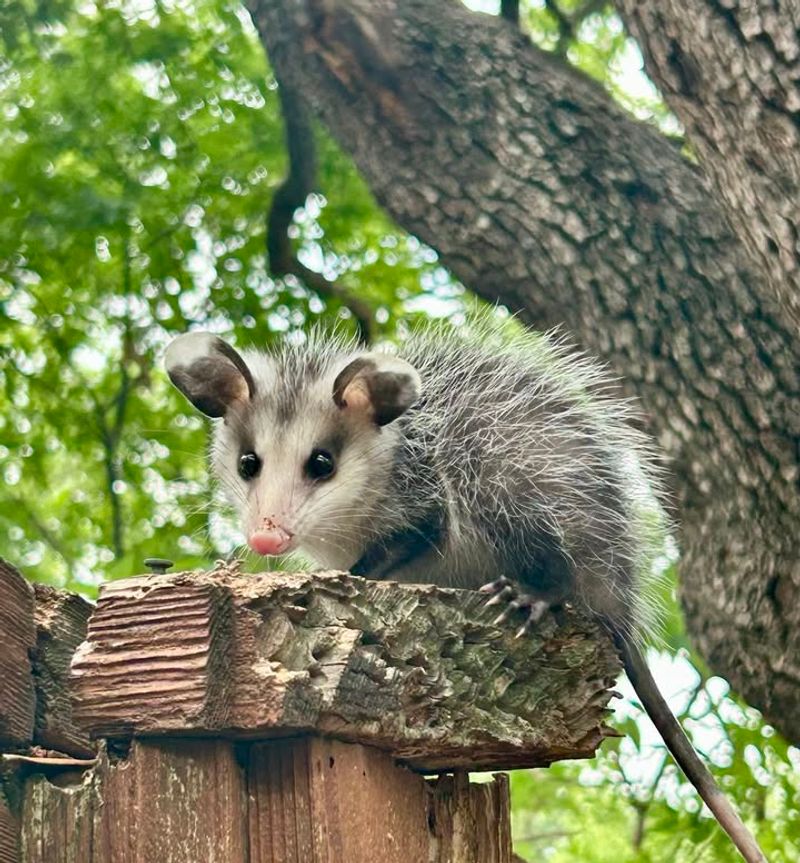
Rodent droppings that once accumulated in your garage have mysteriously stopped appearing.
The scratching sounds in your attic that kept you awake suddenly ceased without any intervention on your part.
These changes might seem like good luck, but they often indicate that a natural predator has moved into the area.
Snakes are incredibly effective at controlling rodent populations because they can follow mice and rats into tight spaces.
A single rat snake can consume dozens of rodents throughout Florida’s active season.
When snakes establish hunting territories, rodents either flee to safer locations or become meals.
This biological pest control happens silently and efficiently, often without homeowners realizing what’s occurring.
The traps you set no longer catch anything because there’s nothing left to catch.
Food sources that once attracted mice now sit undisturbed in your shed or garage.
While this natural solution might seem beneficial, it’s important to understand what’s causing the change.
Some homeowners welcome non-venomous snakes for this exact reason, viewing them as free pest management services.
10. Unusual Patterns In Dusty Areas
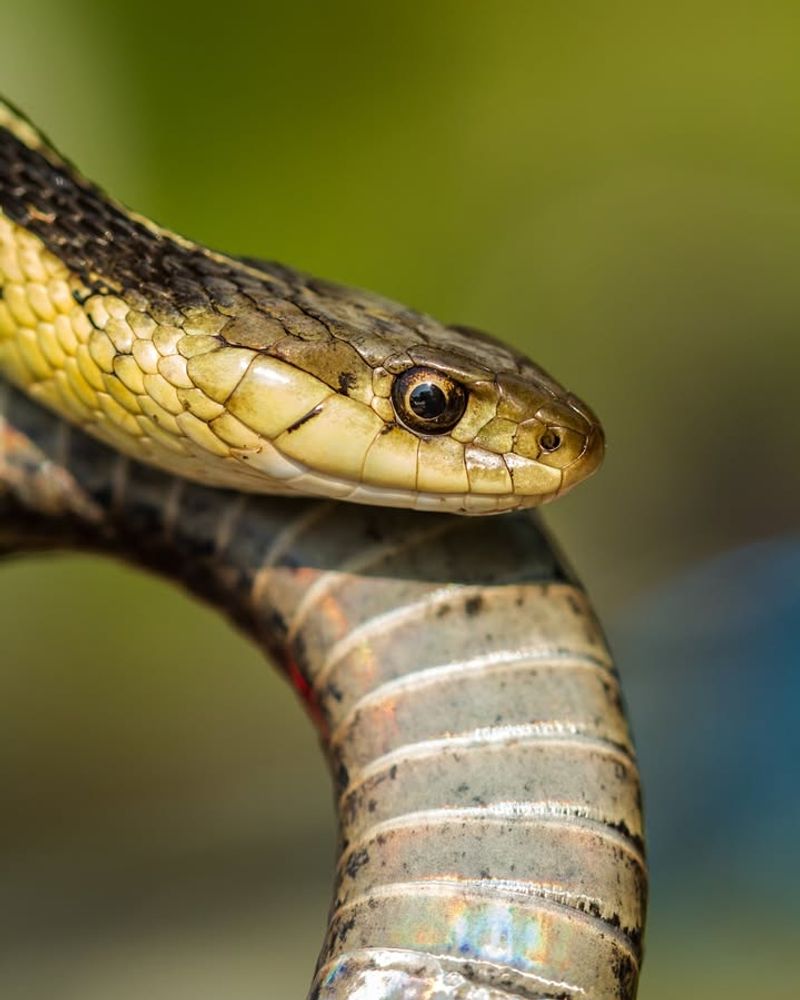
Dusty garage floors, sandy patios, and powdery areas beneath vehicles can capture surprisingly detailed records of snake movements.
When a snake slithers across these surfaces, its belly scales create a distinctive pattern that looks different from any other animal track.
The marks appear as a series of parallel lines or a smooth, continuous swath that shows the snake’s width.
Larger snakes leave wider paths, while smaller species create delicate traces that might go unnoticed without close inspection.
These dust patterns work like fingerprints, revealing not only that a snake passed through but also which direction it traveled.
You might spot these marks leading from your yard into your garage or along the foundation of your home.
Florida’s sandy soil often coats snake bodies, which then transfers onto cleaner surfaces as they move.
Morning dew can make these patterns even more visible by outlining the disturbed dust.
Checking these areas regularly helps you understand snake traffic patterns around your property.
If you notice repeated marks in the same location, consider that a snake has established a regular route through your space.
11. Plants Or Objects Knocked Over Without Wind
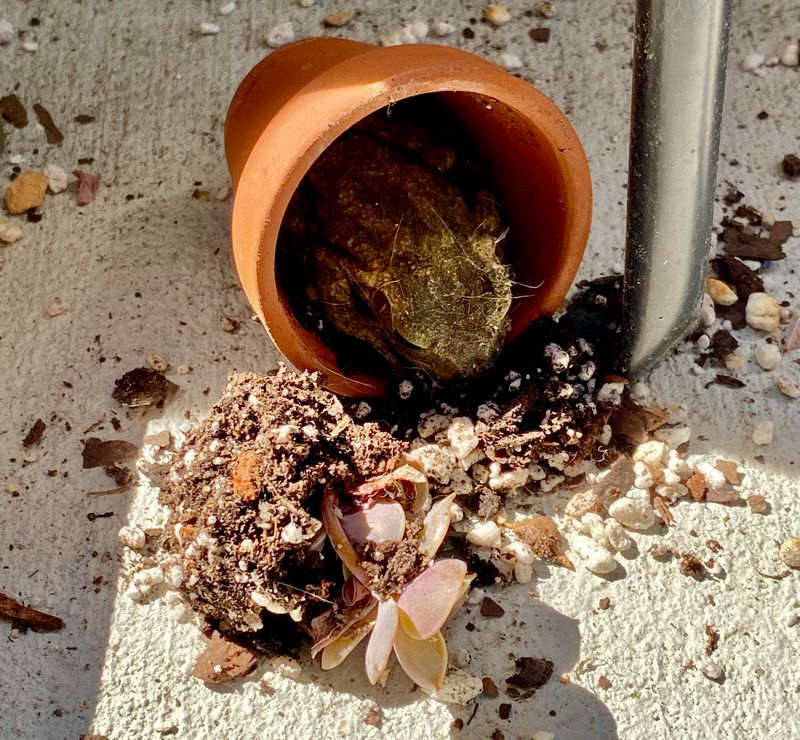
Lightweight potted plants that were perfectly arranged yesterday now lie on their sides with no obvious explanation.
Garden decorations, small tools, or coiled hoses appear displaced even though there was no wind or storm.
Snakes moving through confined spaces often bump into objects, especially when hunting or seeking shelter.
Their muscular bodies can generate surprising force as they push through tight areas.
Florida’s larger snake species like indigo snakes or rat snakes can easily topple items weighing several pounds.
These disturbances typically occur along the edges of patios, near building foundations, or in cluttered storage areas.
Snakes don’t deliberately knock things over—they simply lack the spatial awareness to navigate around obstacles carefully.
When you discover these mysterious disturbances, examine the surrounding area for other snake signs like tracks or shed skin.
Objects positioned against walls or in corners are most likely to get displaced because snakes prefer traveling along edges rather than across open spaces.
This behavior is called thigmotaxis, and it explains why snakes follow fence lines, building perimeters, and landscape borders.
Organizing your outdoor spaces reduces hiding spots and makes snake movements more obvious.