7 Clear Signs An Owl Has Been Active In Your Oklahoma Yard Without You Knowing
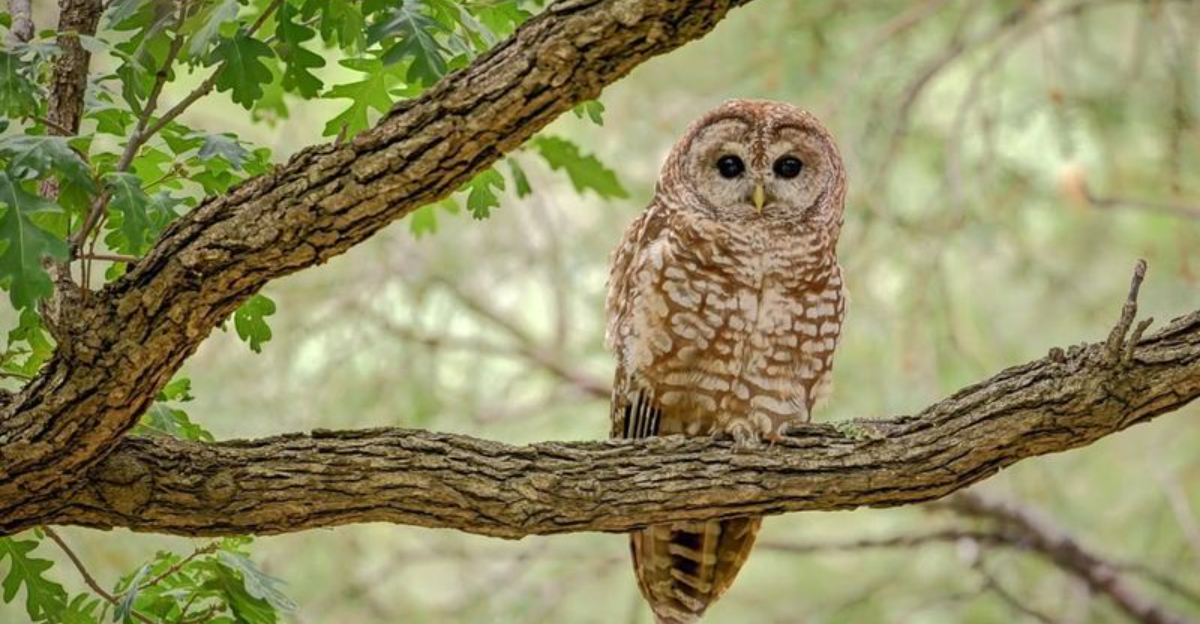
A quiet Oklahoma night can leave a yard full of secrets come sunrise.
While everything seems still on the surface, an owl may have swept through like a shadow with wings, hunting and watching with sharp eyes that miss nothing.
These silent predators move with such smooth grace that most homeowners never catch a glimpse, yet the yard often tells the tale for anyone willing to read it.
A missing patch of feathers, small tracks in soft soil, or a sudden shift in local critter activity can point to an owl’s late-night rounds.
Each clue adds another stroke to the picture, showing how this nighttime hunter claimed the yard for a brief moment.
Owls play a quiet role in the ecosystem, trimming down pests and keeping balance in check.
With a bit of attention and a knack for spotting small details, you can uncover signs that an owl visited long before dawn broke.
1. Owl Pellets Scattered Around Your Property
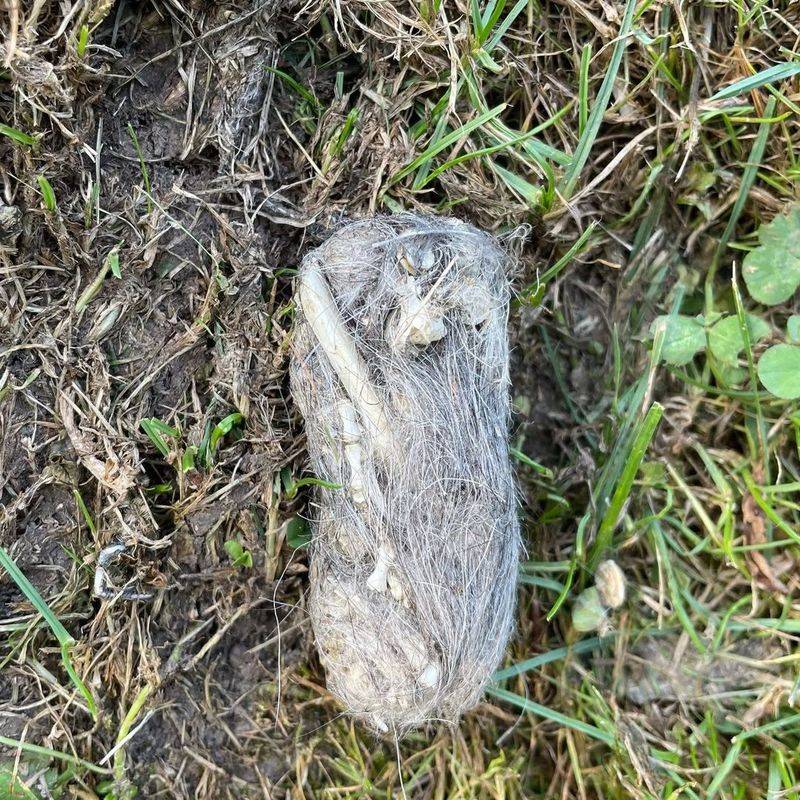
Finding small, compact bundles of fur and bones beneath trees might seem puzzling at first, but these are actually owl pellets, one of the most reliable indicators of owl presence in Oklahoma yards.
Unlike other birds, owls swallow their prey whole and later regurgitate the indigestible parts like fur, feathers, and bones in tight packages.
These pellets typically measure one to four inches long and have a dark gray or brown appearance.
Look for these pellets under large trees, fence posts, or near barns and sheds where owls like to perch and rest after hunting.
Oklahoma’s Great Horned Owls and Barn Owls frequently leave pellets in the same spots repeatedly, creating small accumulations over time.
The presence of multiple pellets suggests an owl has claimed your yard as part of its regular hunting territory.
Examining pellets can reveal what the owl has been eating, most commonly mice, voles, and small rodents that inhabit Oklahoma properties.
You might also find insect remains or small bird bones.
If you discover fresh pellets regularly, it means an owl is actively hunting in your area and finding your yard to be a productive feeding ground.
Children and nature enthusiasts often enjoy dissecting owl pellets to learn about local wildlife and food chains.
Just remember to wear gloves when handling them, as they can contain bacteria or parasites from the prey animals consumed by the owl.
2. Distinctive White Droppings On Structures And Vegetation
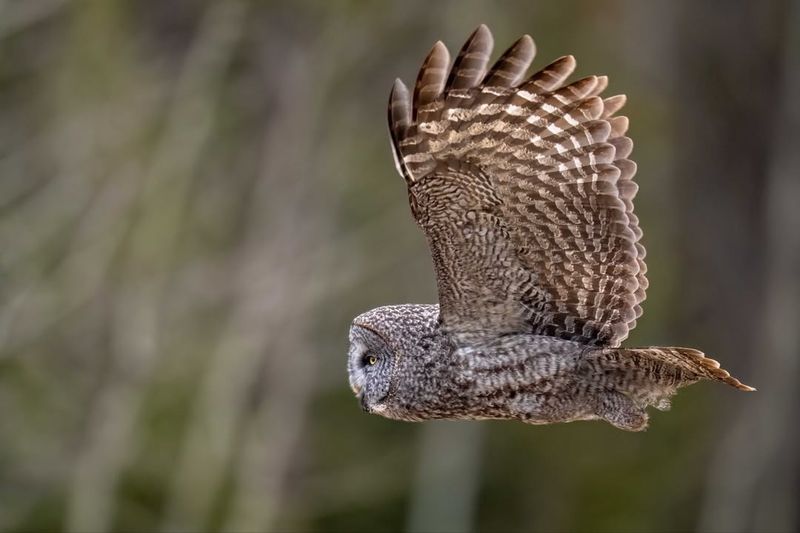
Splash-like white droppings coating tree branches, fence rails, or the roof of your shed tell a different story than typical bird droppings.
Owl droppings have a characteristic appearance, they’re predominantly white with a liquid consistency and often contain darker streaks.
These waste products accumulate beneath favorite perching spots where owls spend time digesting their meals and surveying the landscape below.
In Oklahoma yards, you’ll most commonly find these droppings under tall trees with sturdy horizontal branches that provide excellent vantage points.
Owls prefer perches that give them clear views of the ground where potential prey might be moving.
Barns, outbuildings, and covered porches also attract owls seeking shelter during the day, and these structures often show evidence of repeated visits through accumulated droppings.
The amount and freshness of droppings can help you determine how frequently an owl uses your property.
Fresh droppings appear wet and bright white, while older ones dry out and become crusty or flaky.
A heavy concentration of droppings suggests a regularly used roosting site, possibly indicating that an owl has established your Oklahoma property as its preferred daytime resting location.
Pay special attention to evergreen trees like cedars and pines, which provide year-round cover that owls appreciate.
The combination of concealment and good hunting visibility makes these trees particularly attractive to Oklahoma’s resident owl species, and the droppings beneath them confirm their presence.
3. Alarmed And Agitated Songbirds During Daylight Hours
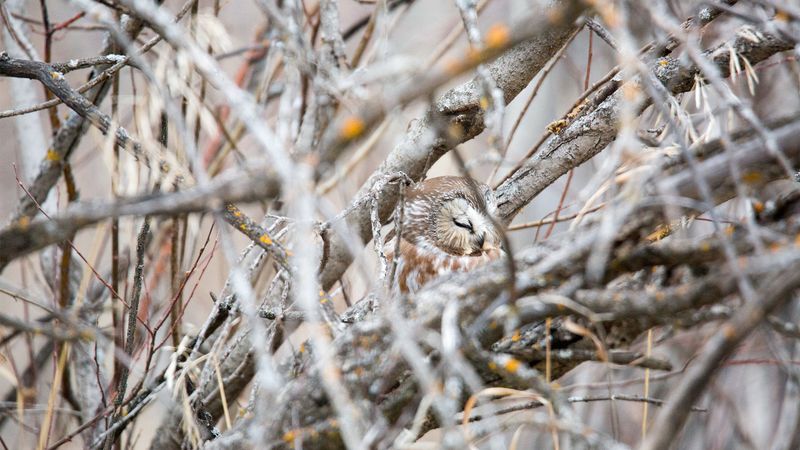
When your normally peaceful backyard suddenly erupts with frantic chirping and aggressive bird behavior, an owl might be roosting nearby.
Songbirds instinctively recognize owls as threats and will mob them relentlessly during daylight hours when the predator is at a disadvantage.
This defensive behavior, called mobbing, involves groups of smaller birds gathering around the owl, making loud alarm calls, and even diving at it to drive it away from their territory.
Oklahoma’s Blue Jays, American Crows, and Northern Mockingbirds are particularly vocal when they discover an owl.
You might hear continuous scolding calls coming from a specific tree or shrub where the owl is trying to rest.
The commotion can last for several minutes or even hours if the owl refuses to relocate.
Cardinals, chickadees, and titmice also join these mobbing events, creating quite a neighborhood disturbance.
If you follow the source of this unusual bird activity, you might spot an Eastern Screech-Owl tucked against a tree trunk or a Great Horned Owl sitting motionless on a thick branch.
Owls rely on camouflage and stillness during the day, so they rarely flee unless the harassment becomes unbearable.
The persistent alarm calls from songbirds serve as an excellent clue that an owl has been active in your Oklahoma yard overnight and decided to stay through the day.
This behavior peaks during spring and early summer when songbirds are protecting their nests and young from potential predators.
4. Mysterious Feathers From Prey Birds Scattered About
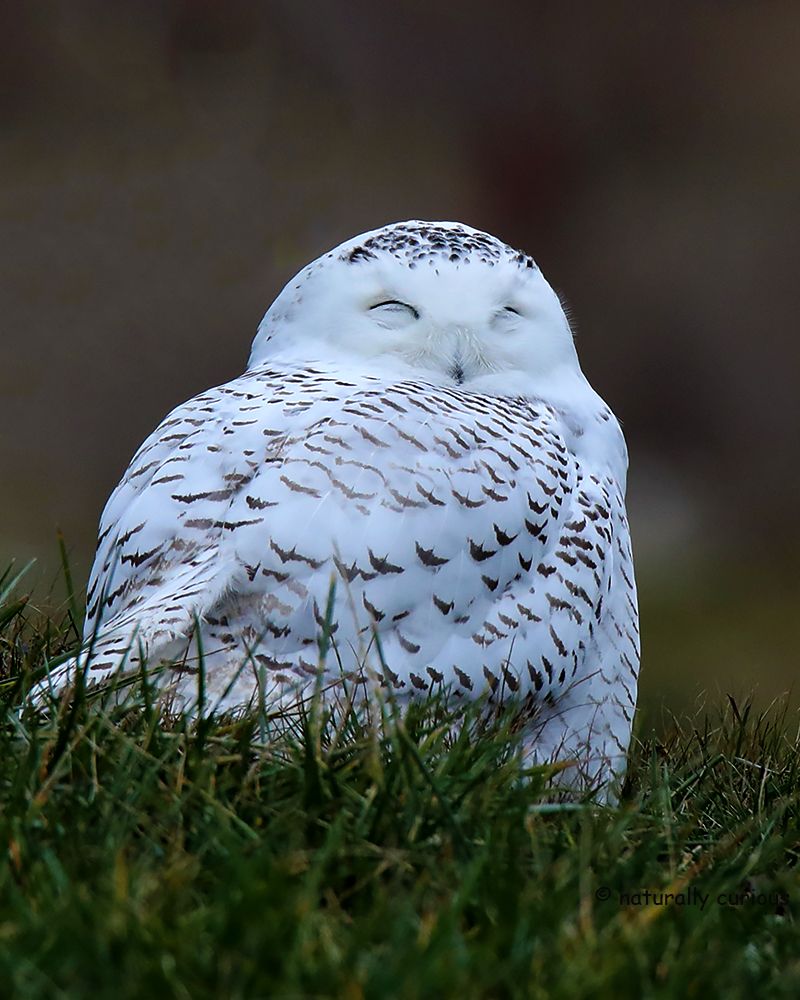
Strange hooting, screeching, or whistling sounds echoing through your Oklahoma neighborhood after dark often mean owls are actively communicating and hunting nearby.
Each owl species has distinctive vocalizations that serve different purposes, from establishing territory to attracting mates to coordinating with family members.
Great Horned Owls produce the classic deep “hoo-hoo-hoo, hoo-hoo” that many people associate with owls, while Eastern Screech-Owls make a descending whinny or soft trill that sounds almost horse-like.
Barn Owls, which inhabit rural and suburban Oklahoma areas, create eerie screeching sounds rather than traditional hoots.
These harsh calls can be startling if you’re not expecting them, especially during breeding season when owls become more vocal.
If you hear these sounds repeatedly from the same location, it likely means an owl pair has established a nesting territory that includes your property.
Peak calling times occur during late winter and early spring when Oklahoma owls are courting and defending territories.
Males call to attract females and warn competing males to stay away.
You might also hear begging calls from juvenile owls during summer months as young birds learn to hunt and still depend on parents for food.
These calls sound higher-pitched and more insistent than adult vocalizations.
Recording these sounds with your smartphone and comparing them to online owl call databases can help you identify which species are visiting your Oklahoma yard and how frequently they’re present in your immediate area.
5. Unusual Nighttime Sounds And Hooting Calls
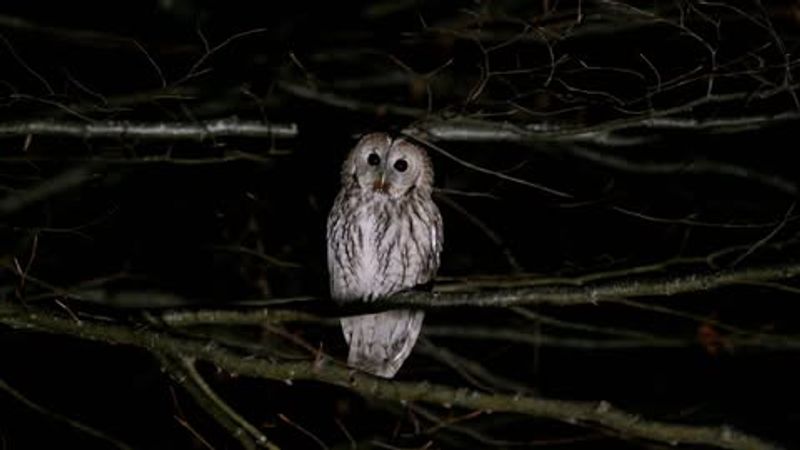
Small outdoor pets mysteriously disappearing or showing signs of aerial attacks can unfortunately indicate owl activity, particularly from Oklahoma’s larger owl species.
Great Horned Owls are powerful predators capable of taking animals up to several pounds, including small cats, toy breed dogs, rabbits, and guinea pigs left outside after dark.
These owls have incredibly strong talons that can exert over 200 pounds of pressure per square inch.
If you keep chickens, ducks, or other small livestock in Oklahoma, owls may view them as convenient prey.
Unlike raccoons or foxes that create messy attack scenes, owls strike with precision and often leave minimal evidence beyond missing birds.
You might find only a few feathers or notice birds simply vanishing from locked coops if owls can access them through ventilation openings or damaged areas.
Protective measures become essential once you realize owls are hunting on your property.
Keeping small pets indoors from dusk until dawn is the most effective prevention strategy.
For outdoor enclosures, adding secure wire mesh covers prevents aerial attacks.
Motion-activated lights can also deter owls, though they may become accustomed to them over time if food sources remain accessible.
Oklahoma wildlife regulations protect owls, so harmful deterrents are illegal and unnecessary.
Instead, focus on securing potential prey animals during nighttime hours when owls are most active.
Understanding owl behavior helps you coexist safely with these important predators while protecting your beloved pets and livestock from becoming unfortunate targets.
6. Damaged Or Missing Small Pets And Outdoor Animals
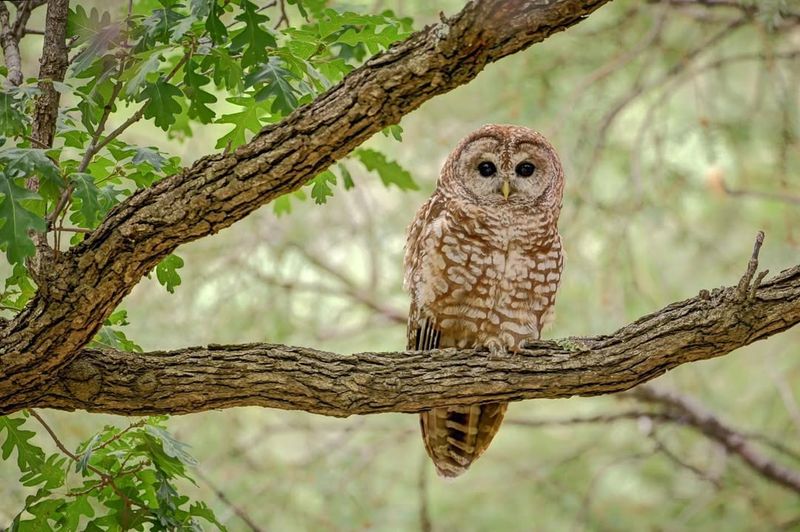
Spotting a substantial stick nest high in your Oklahoma trees might mean owls have claimed your property for breeding.
Great Horned Owls don’t build their own nests but instead take over abandoned hawk, crow, or squirrel nests, adding minimal materials before laying eggs.
These nests typically sit in the main fork of large trees, positioned 20 to 60 feet above ground with good visibility in all directions.
Barn Owls prefer enclosed spaces like hollow trees, old barns, or even attic spaces in abandoned buildings around Oklahoma properties.
If you have outbuildings with openings, check for signs of owl occupancy including feathers, pellets, and droppings accumulated inside.
Barn Owls often return to the same nesting sites year after year if conditions remain favorable and food sources stay abundant.
Eastern Screech-Owls nest in tree cavities and readily accept properly sized nest boxes mounted on Oklahoma properties.
If you’ve installed nest boxes for wood ducks or other cavity nesters, screech-owls might move in instead.
Look for white droppings streaking down the tree trunk below the entrance hole, which indicates active use by owls rather than other birds.
Nesting season in Oklahoma typically runs from late winter through early summer, with Great Horned Owls starting earliest in February.
During this period, adult owls become more territorial and vocal, making their presence more obvious.
Observing a nest from a respectful distance can provide fascinating insights into owl family life without disturbing these protected birds.
7. Large Stick Nests In Trees Or Commandeered Hawk Nests
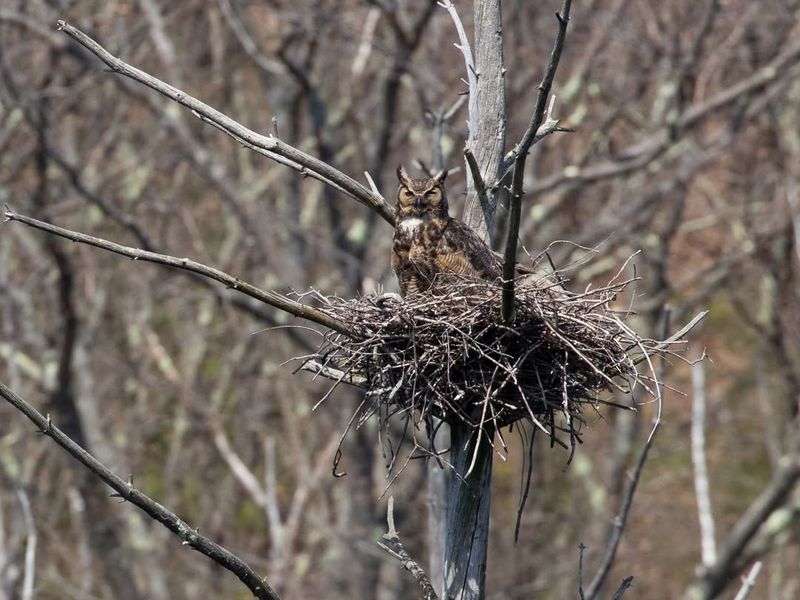
Spotting a substantial stick nest high in your Oklahoma trees might mean owls have claimed your property for breeding.
Great Horned Owls don’t build their own nests but instead take over abandoned hawk, crow, or squirrel nests, adding minimal materials before laying eggs.
These nests typically sit in the main fork of large trees, positioned 20 to 60 feet above ground with good visibility in all directions.
Barn Owls prefer enclosed spaces like hollow trees, old barns, or even attic spaces in abandoned buildings around Oklahoma properties.
If you have outbuildings with openings, check for signs of owl occupancy including feathers, pellets, and droppings accumulated inside.
Barn Owls often return to the same nesting sites year after year if conditions remain favorable and food sources stay abundant.
Eastern Screech-Owls nest in tree cavities and readily accept properly sized nest boxes mounted on Oklahoma properties.
If you’ve installed nest boxes for wood ducks or other cavity nesters, screech-owls might move in instead.
Look for white droppings streaking down the tree trunk below the entrance hole, which indicates active use by owls rather than other birds.
Nesting season in Oklahoma typically runs from late winter through early summer, with Great Horned Owls starting earliest in February.
During this period, adult owls become more territorial and vocal, making their presence more obvious.
Observing a nest from a respectful distance can provide fascinating insights into owl family life without disturbing these protected birds.