Cold-Hardy Avocados Could Reshape Florida’s Fruit Industry
Most Florida gardeners and growers are used to watching the forecast a little too closely when cold snaps roll in. One rough night can undo years of growth, especially with tropical crops like avocados.
That’s why there’s growing interest in varieties that can handle lower temperatures without falling apart. It’s not just a backyard curiosity anymore either.
From small growers to larger operations, people are paying attention to how these trees perform when winter pushes a little harder than expected.
The idea of harvesting avocados from trees that don’t panic at the first dip in temperature is starting to feel less like a gamble and more like a real possibility.
What’s happening with these newer, tougher varieties is already turning heads across the state, especially after recent unpredictable winter seasons.
1. Why Cold Tolerance Is A Game-Changer For Florida Avocado Growers
Picture a Florida farmer watching a cold snap roll in and actually feeling confident his avocado trees will be just fine. That kind of peace of mind has been almost impossible for avocado growers in Florida for generations.
Cold temperatures have historically been one of the biggest threats to avocado crops across the state, wiping out harvests and discouraging growers from planting trees in the first place.
University of Florida scientists have been working to improve cold tolerance, but most avocado varieties developed or recommended for Florida cannot reliably survive temperatures as low as 17 degrees Fahrenheit. For Florida farmers, this means fewer crop losses and more predictable growing seasons year after year.
Cold tolerance also means growers can invest more confidently in their orchards without fearing that one bad winter will undo years of hard work. Avocado trees take several years to mature and produce fruit, so protecting that investment matters enormously.
When trees can survive freezing nights, farmers can plan long-term, expand their operations, and build more stable businesses.
Florida’s fruit industry stands to gain in a big way from this development. More cold-tolerant trees mean more avocados reaching grocery stores and farmers markets, which supports local economies and reduces dependence on imported fruit.
Cold tolerance is not just a scientific achievement, it is a practical tool that puts more power in the hands of Florida’s hardworking growers.
2. How Cold-Hardy Varieties Could Expand Growing Regions Northward
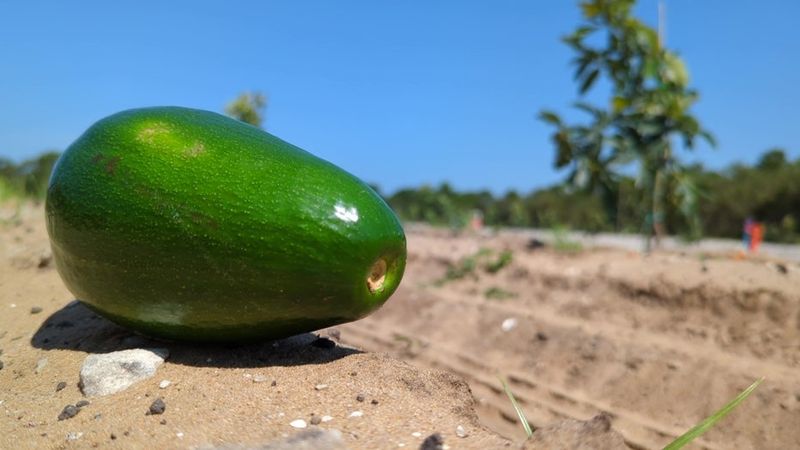
Northern Florida has always been a tough neighborhood for avocado trees. Winters there bring colder nights and occasional hard freezes that traditional avocado varieties simply cannot handle.
Because of this, avocado farming in Florida has mostly been limited to the warmer southern regions of the state, leaving a huge stretch of fertile land untapped.
Cold-hardy varieties developed by University of Florida researchers could completely flip that situation. Trees capable of surviving temperatures well below freezing open up counties in central and northern Florida that were never considered viable for avocado production.
That represents thousands of additional acres where farmers could grow this high-demand fruit.
Expanding avocado farming northward in Florida also creates new economic opportunities for rural communities that have traditionally relied on other crops. Avocados command strong prices at market, and adding them to a farm’s lineup can meaningfully boost annual revenue.
Local processing facilities, packaging operations, and transportation networks would all benefit from increased production in these new growing zones.
Other major avocado-producing states are currently dealing with serious water shortages and rising production costs, which makes Florida’s expansion even more timely. If Florida can grow more avocados domestically, it reduces the country’s reliance on imports and gives consumers fresher, locally grown fruit.
Northern Florida’s soil and climate, once seen as a limitation, could soon become one of the state’s greatest agricultural advantages as these cold-tolerant trees prove themselves in real-world conditions.
3. Why Traditional Florida Avocados Struggle During Cold Snaps
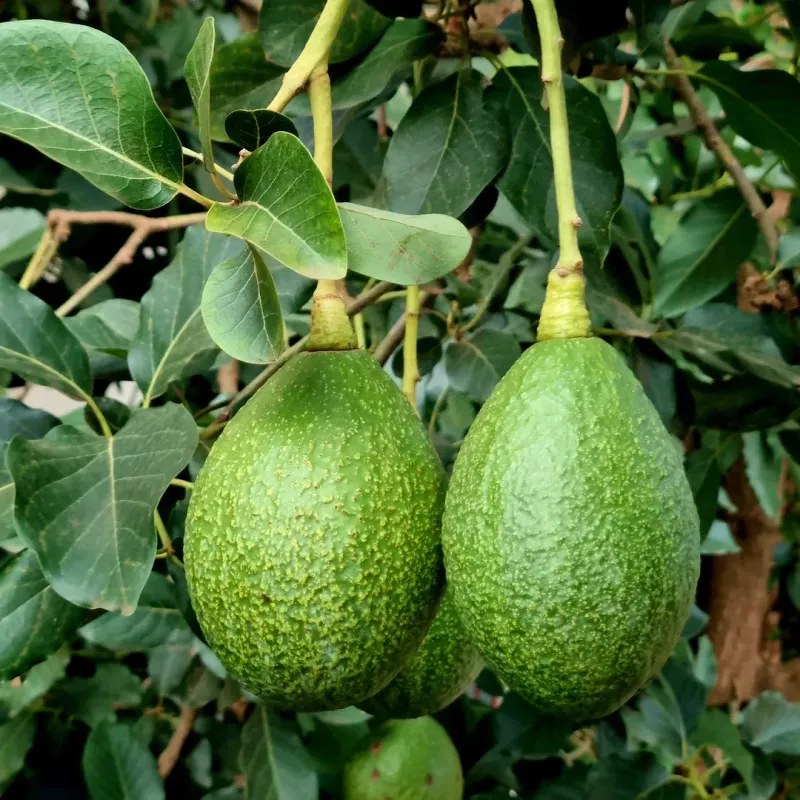
Most people think of Florida as a warm, sunny paradise where tropical fruits grow effortlessly. While that is true for much of the year, Florida does experience cold snaps, and those brief but sharp temperature drops can cause serious problems for avocado trees.
Traditional commercial varieties were never bred with Florida’s occasional freezes in mind.
Avocado trees are originally from tropical and subtropical regions of Central America, where freezing temperatures are almost unheard of. Their cells are not built to handle ice formation, which is what happens when temperatures drop below freezing.
Even a few hours of frost can damage leaves, damage young branches, and reduce fruit production for the following season significantly.
Florida growers have tried various strategies over the years to protect their trees during cold weather, including covering young trees with cloth, using wind machines, and even running irrigation systems to create a protective layer of ice around the trunk. These methods help, but they are expensive and labor-intensive, and they do not always work when temperatures drop unexpectedly low.
Varieties like Hass, which dominate the global market, are particularly sensitive to cold. They thrive in California’s mild Mediterranean climate but become vulnerable in Florida’s unpredictable winters.
Florida farmers growing these standard varieties have faced repeated setbacks, making it hard to build a consistent business. Understanding why traditional avocados struggle so much in the cold is key to appreciating just how important the new cold-hardy varieties really are for the state’s growers.
4. What Makes Cold-Hardy Avocados Different From Standard Varieties
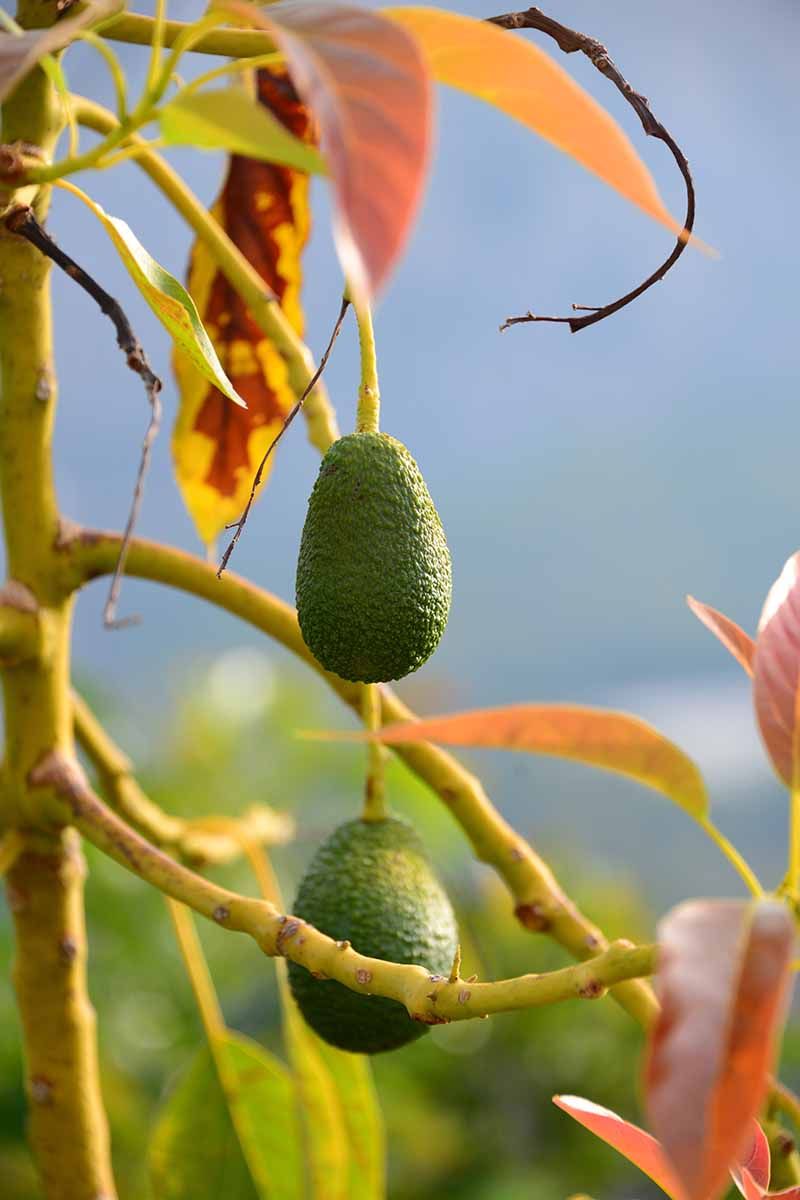
Not all avocados are created equal, and the cold-hardy varieties coming out of Florida’s breeding programs are genuinely different from what most shoppers find at the grocery store. The differences go well beyond just surviving cold weather.
These trees have been carefully developed to thrive in conditions that would stress or damage standard commercial varieties.
Genetically, cold-hardy avocados have traits that allow their cells to better handle low temperatures without suffering major damage. Researchers have focused on selecting parent trees that naturally show cold resistance, then crossing them over multiple generations to lock in that trait while also improving fruit size, oil content, and flavor.
The result is a fruit that holds its own against both the weather and consumer expectations.
One standout feature of the new University of Florida varieties is their larger fruit size and higher oil content compared to many Florida-grown avocados of the past. Higher oil content means richer, creamier flavor, which is exactly what avocado fans love about popular varieties.
Researchers have also worked to improve disease resistance, particularly against anthracnose, a fungal infection that has long troubled Florida avocado farmers.
Standard varieties were never designed with Florida’s climate challenges in mind. Cold-hardy avocados, by contrast, were built from the ground up for conditions like those found across the state.
They represent years of careful science combined with practical farming knowledge, offering growers a tool that is both tougher and tastier than what came before them.
5. How Breeding Programs Are Improving Fruit Quality And Resilience
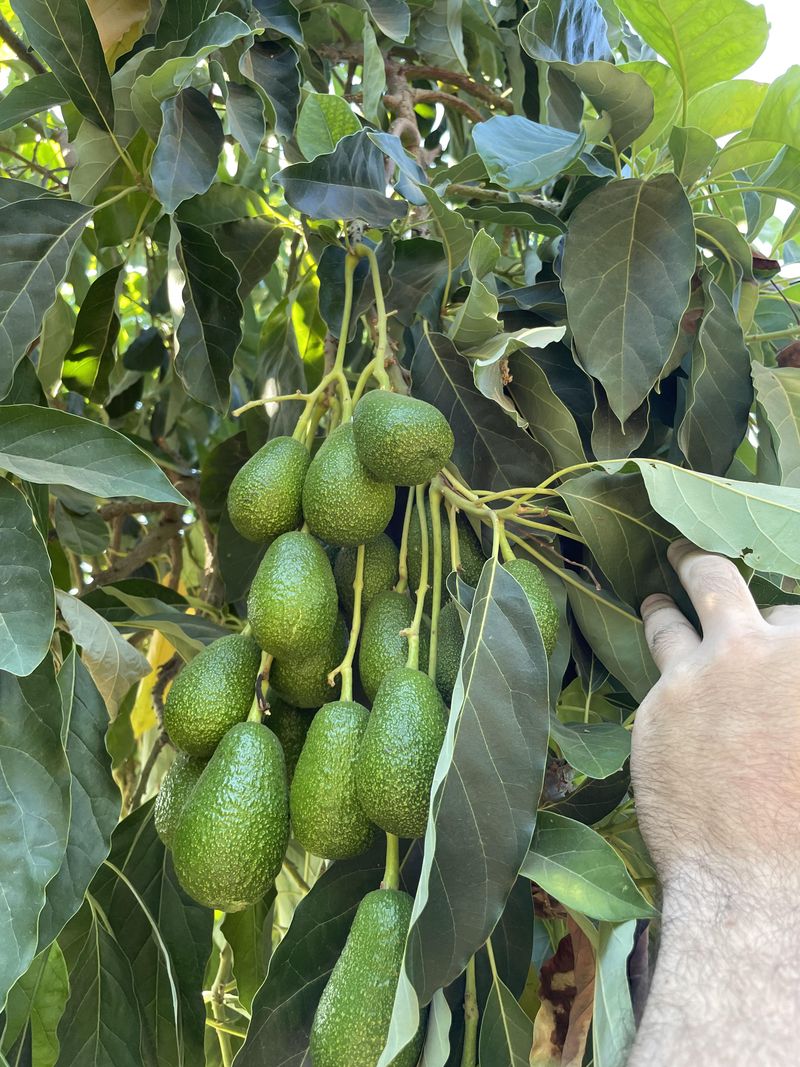
Behind every great new fruit variety is a lot of patient, careful science. The University of Florida’s avocado breeding program has been quietly working for years to develop trees that can handle the state’s unpredictable climate while also producing fruit that consumers actually want to buy and eat.
It is a balancing act that takes serious dedication.
Breeding programs work by selecting trees with desirable traits, cross-pollinating them, growing the resulting seedlings, and then evaluating hundreds or even thousands of individual plants over many years. Researchers look at cold hardiness, fruit size, oil content, flavor, disease resistance, and how well the peel holds up during shipping and storage.
Only the best performers make it to the next round of testing.
Recent results from Florida’s program have been encouraging. New varieties produce larger avocados with higher oil content, which translates directly to better taste.
Researchers have also made progress in reducing vulnerability to anthracnose, a disease that causes dark spots on the fruit and makes it less appealing to buyers. Healthier trees and better-looking fruit together make a much stronger case for Florida avocados in the marketplace.
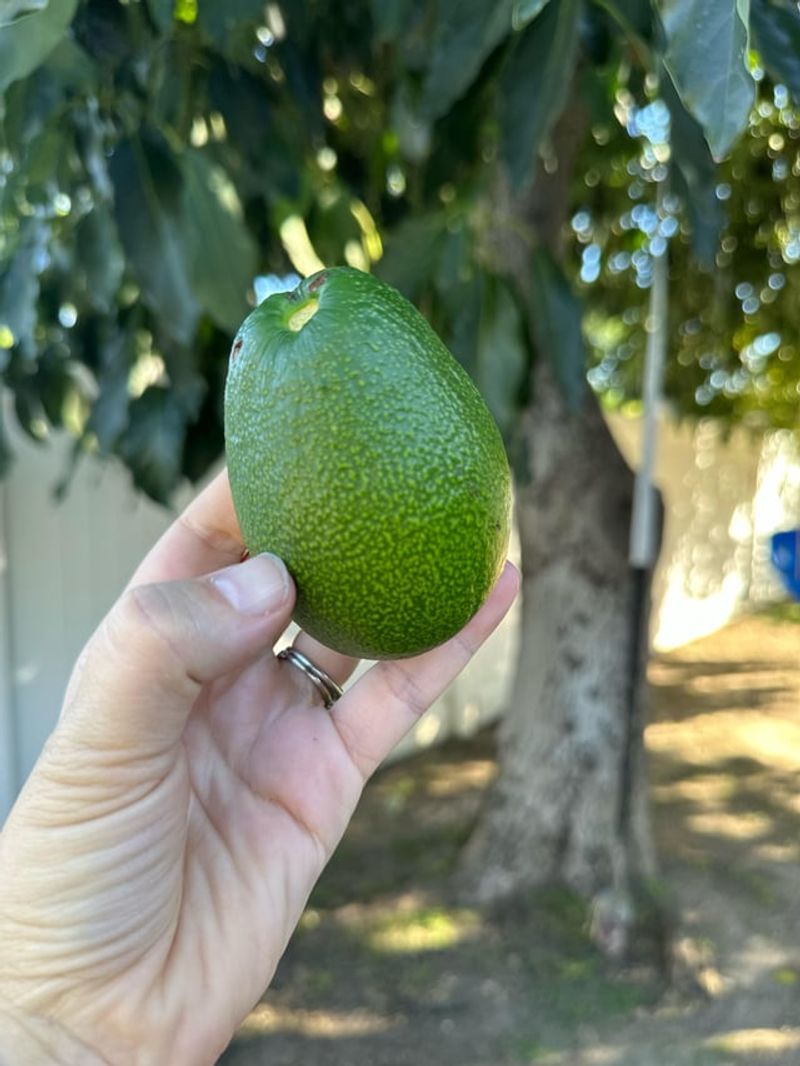
Work continues on improving the peel color of Florida-grown varieties. Consumers strongly prefer avocados with a dark, almost black skin when ripe, similar to Hass.
Many Florida avocados stay green even when fully ripe, which can confuse shoppers. Breeding programs are actively working on fixing this cosmetic issue, knowing that how a fruit looks on the shelf can make or break its commercial success in Florida and beyond.
6. The Balance Between Cold Resistance And Marketable Fruit Traits
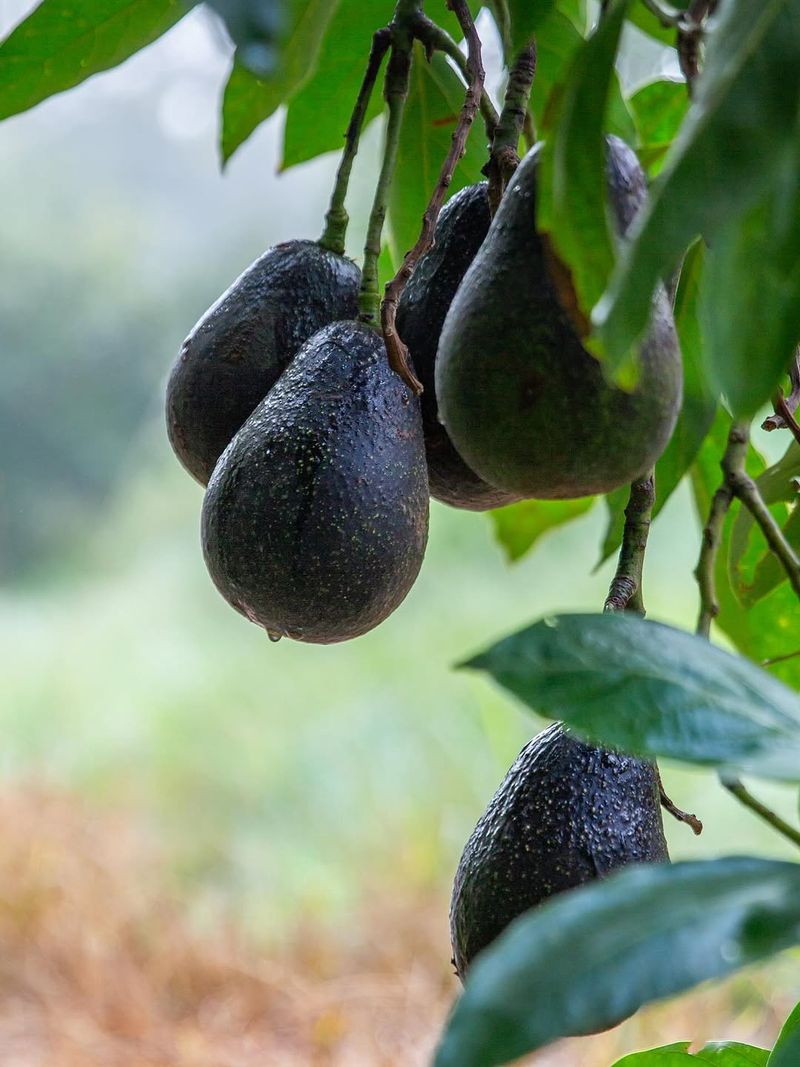
Growing a fruit that can survive cold temperatures is impressive, but it means very little if consumers do not want to buy it. That is the challenge Florida’s avocado researchers face every single day.
Cold resistance and great-tasting, good-looking fruit do not always go hand in hand, and finding varieties that deliver both is a genuine scientific puzzle.
Shoppers have strong preferences when it comes to avocados. They want creamy texture, rich flavor, and skin that turns dark when the fruit is ready to eat.
These expectations have largely been shaped by the Hass avocado, which dominates grocery store shelves across the country. Any new Florida variety hoping to compete in that market needs to come close to meeting those standards.
Florida’s breeding teams are making real progress on this front. Newer cold-hardy selections show improved oil content, which drives that creamy, buttery flavor profile people love.
Fruit size has also improved, with some new varieties producing avocados noticeably larger than older Florida types. These qualities make the fruit more attractive to both retailers and everyday shoppers picking out their next batch of guacamole ingredients.
The peel darkening challenge remains one of the trickiest hurdles. Researchers understand that even a fruit with perfect flavor can get passed over at the store if it does not look ripe the way shoppers expect.
Ongoing work in Florida aims to combine cold hardiness with that familiar dark peel, creating a variety that wins both in the field and on the grocery store shelf across the state.
7. What Challenges Still Remain Before Widespread Adoption
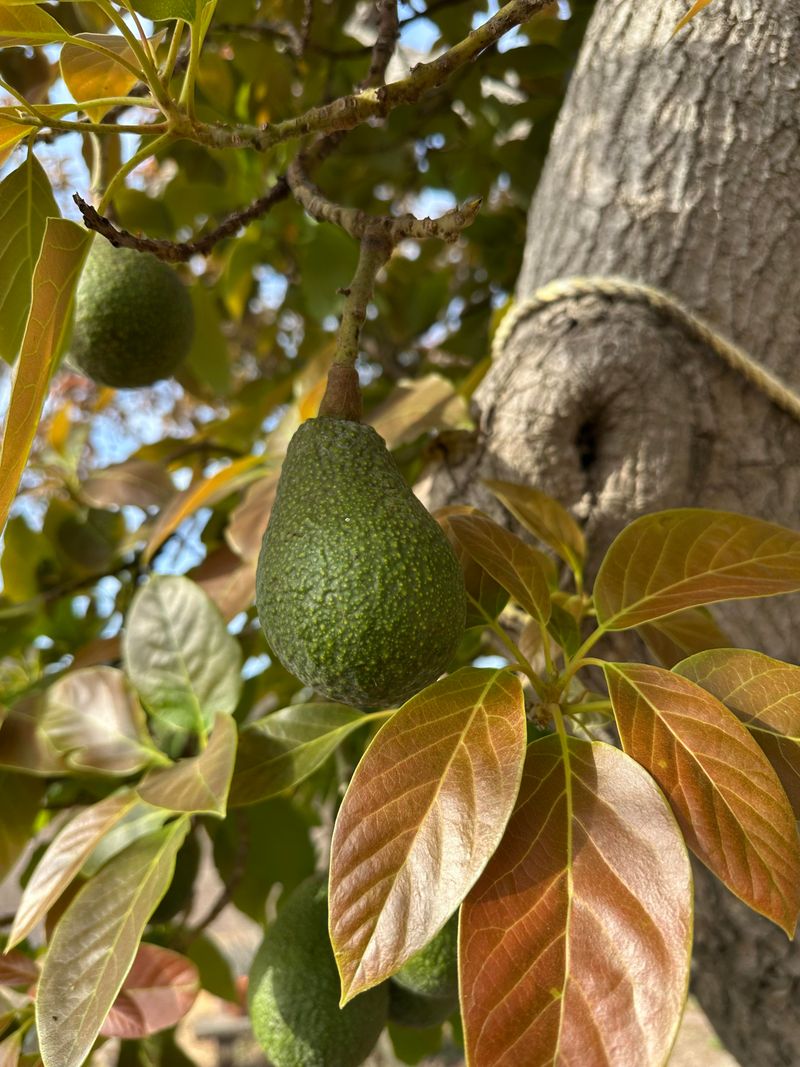
Even with all the exciting progress happening in Florida’s avocado research world, there are still real obstacles standing between these promising new varieties and widespread adoption across the state. Science can develop a great tree, but getting that tree into the hands of hundreds of farmers and onto store shelves is a whole separate challenge that takes time, money, and coordination.
One major hurdle is the time it takes to scale up production of new varieties. Avocado trees need several years to mature and produce a reliable crop.
Even if growers in Florida start planting cold-hardy trees today, it will be years before significant quantities of fruit reach the market. Patience is required from both farmers and the industry as a whole.
Consumer education is another piece of the puzzle. Many shoppers in Florida and across the country have never heard of cold-hardy avocado varieties and may not know what to expect from them.
Building awareness and trust around new fruit types takes consistent marketing efforts and a willingness to educate buyers about what makes these avocados worth choosing over familiar options.
Regulatory approvals, supply chain development, and access to affordable nursery stock are also factors that Florida growers will need to navigate carefully. Smaller family farms may struggle to afford the upfront investment required to transition to new varieties.
Support from agricultural programs, universities, and state agencies will be essential to helping Florida’s fruit industry fully embrace the cold-hardy avocado revolution and make it a lasting success for growers statewide.