Colorado’s Smallest Mountain Dwellers Are Working Overtime This Fall
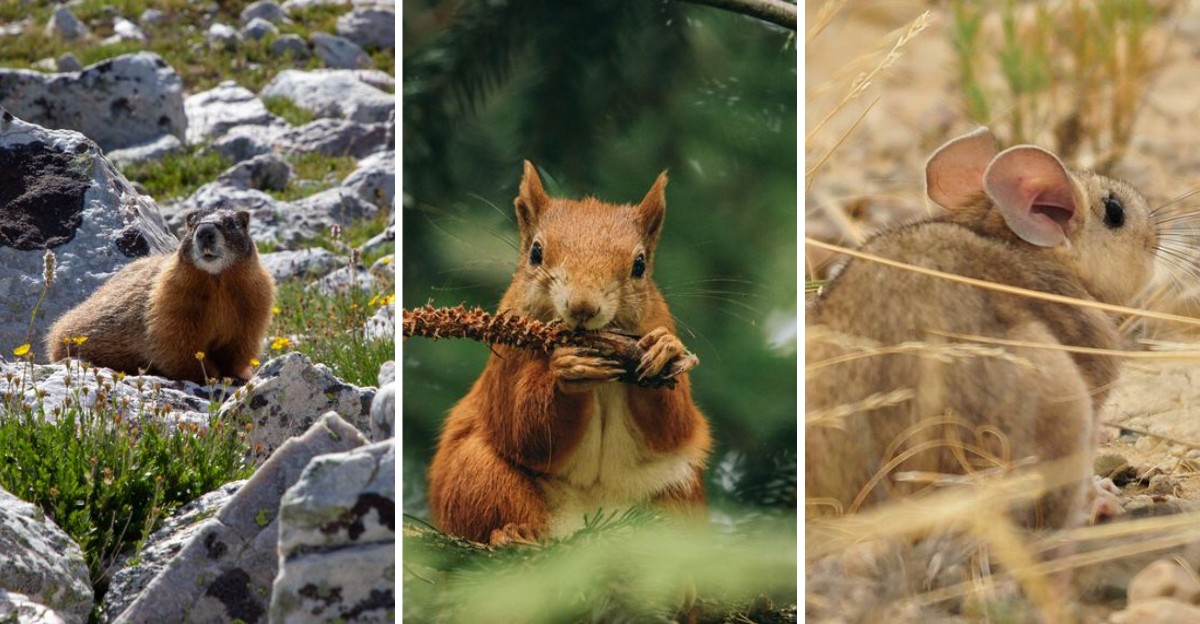
A squeak splits the silence on a talus slope. You spin around, searching for the source. Silence stretches, then another squeak answers from behind. Something small tracks your steps from a hidden ledge.
Colorado’s high peaks hide a frantic workforce right now. Cold climbs in early at this elevation. Daylight shrinks fast, and frost bites harder each night. Weeks remain before snow locks these slopes shut.
Time matters more here than in the valley. Hikers chase golden aspens without noticing the real drama. Underneath that beauty, small bodies move with urgent purpose. Meanwhile, tiny mammals haul, stash, and dig without pause.
They bundle grass, bury seed, and pack burrows tight. Each trip against the clock counts toward endurance. Few travelers notice how Colorado’s slopes shift underfoot.
Their labor outlasts the day trips tourists take. Right above your head, something is calculating odds. What they’re racing to finish will surprise you.
1. American Pika Runs A Hay-Hauling Marathon
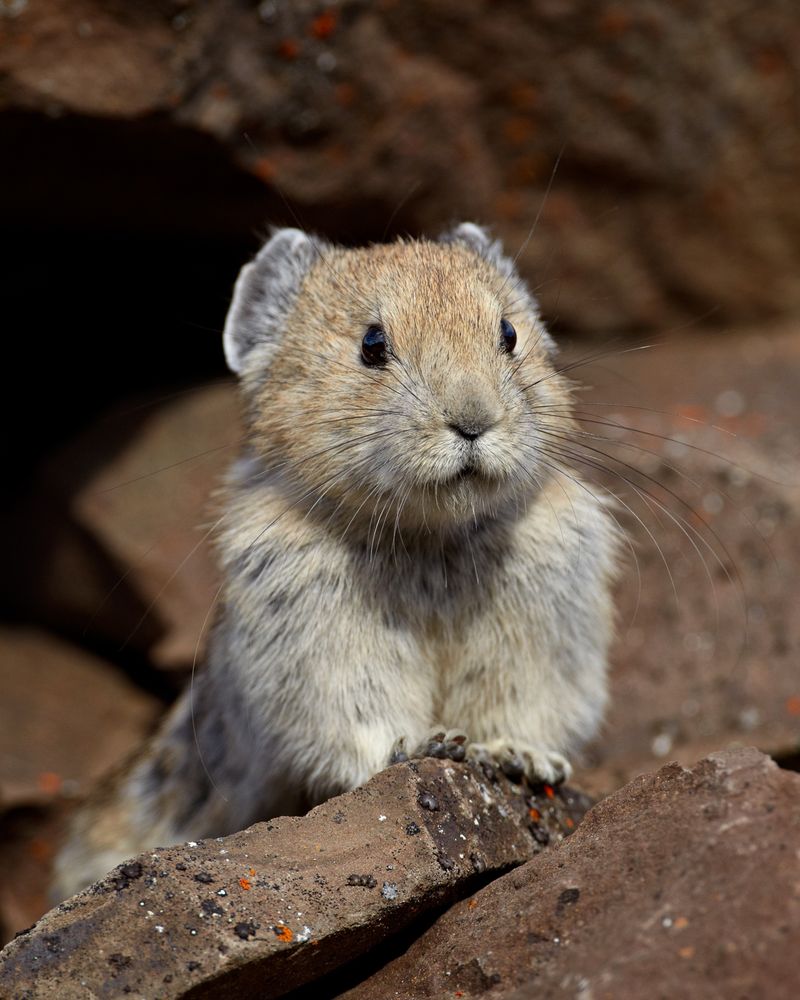
Picture a hamster-sized creature sprinting across jagged boulders with a bouquet of wildflowers crammed in its mouth. That is a pika in September, and it can make dozens of those trips a day.
Pikas do not hibernate. Instead, they build haypiles, which are literal stacks of dried grass, sedge, and flowers tucked deep inside rock crevices.
A single winter pantry can weigh several times more than the pika itself, gathered one mouthful at a time by an animal that weighs about six ounces. They even spread plants out to cure in the sun first, like tiny farmers making hay.
You will find them in talus fields above 10,000 feet, often near Loveland Pass, Rocky Mountain National Park, and the Mosquito Range. Listen for a short, nasal eeenk that sounds like a squeaky dog toy.
Their thick fur is wonderful in January but rough in warm afternoons, so they work hardest at dawn and dusk. Warmer summers have pushed some populations upslope, which is why researchers watch them closely as a signal of change in alpine habitats.
If you want to see one, sit still on a rock for ten minutes and scan for movement rather than shape. They blend into gray stone remarkably well.
Keep your distance and skip the snacks, since human food does not belong in a haypile. Watching a pika hustle past with a mouthful of paintbrush flowers is a memorable sight in Colorado’s high country.
2. Golden-Mantled Ground Squirrel Becomes Autumn’s Champion Snacker
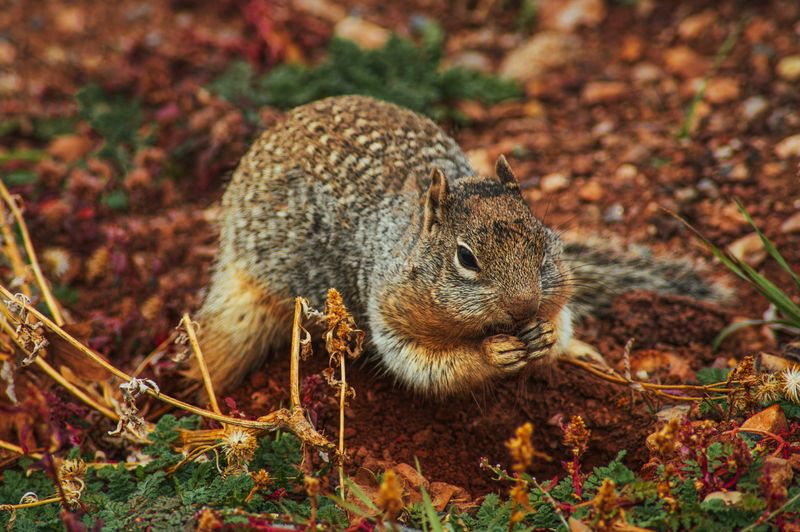
Often mistaken for a chipmunk with a gym membership, the golden-mantled ground squirrel wears bold white side stripes but has a clean, unstriped copper face. Once you notice that detail, you cannot unsee it.
Right now these squirrels are in full fattening mode. Unlike pikas, they pack calories onto their own bodies, sometimes adding significant weight before settling into a long winter sleep underground.
Cheek pouches stretch to comic proportions, letting them carry seeds, berries, mushrooms, and insects back to burrows for later. A few extra stashes near the nest give them something to nibble during brief winter wake-ups.
Your Colorado Garden Changes Every Week. Your Plan Should Too.
Gardening in Colorado changes quickly throughout the season. Every Friday you’ll receive a simple weekly plan showing exactly what to plant, prune, fertilize, harvest, and protect so you never miss the right timing.
You will spot them around picnic areas at Echo Lake, Mount Blue Sky, and countless trailheads between 8,000 and 12,000 feet. Their boldness around people is charming and also a problem.
Chips and trail mix throw off their natural fat reserves and can leave them unprepared for the cold months ahead. Feeding them also draws crowds of animals into parking lots, where hazards multiply.
As fall progresses, many have plugged their burrow entrances and curled into hibernation, with heart rates slowing dramatically. They will not surface until spring melts the meadow.
Fun bit of trivia: their body temperature during deep torpor can drop to just a few degrees above freezing, which scientists study for insights into human medicine. Bring a zoom lens instead of a granola bar, and you will get better photos anyway.
3. Least Chipmunk Carries A Small Body And An Enormous To-Do List
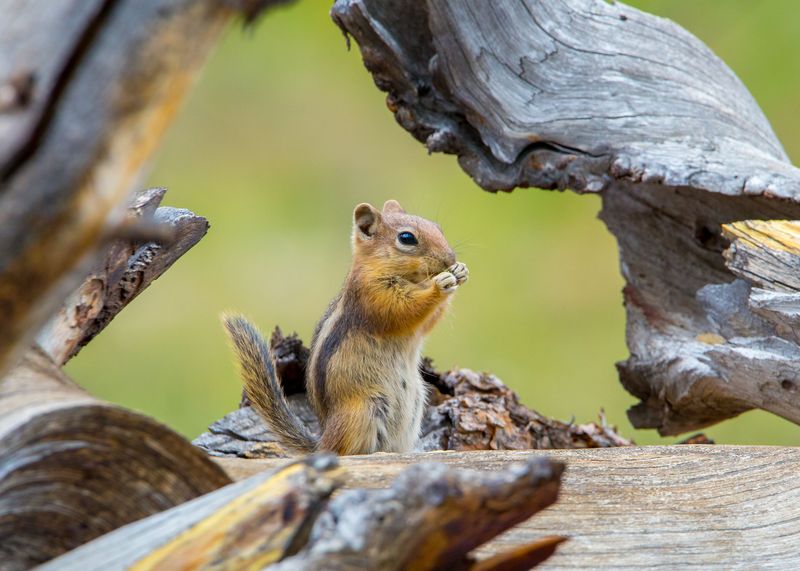
Weighing about as much as a handful of coins, the least chipmunk is the smallest chipmunk in North America and one of the busier residents of Colorado’s foothills. Stripes run right across its face, cheek to nose, which separates it from its ground squirrel neighbors.
September turns these little ones into logistics managers. They gather seeds from grasses, pine cones, shrubs, and wildflowers, then ferry the haul to underground larders below their burrows.
Rather than fattening up heavily, chipmunks rely on stored food. They sleep in bursts through winter, waking periodically to eat from the pantry before dozing off again.
Their memory for cache locations is impressive, though plenty of forgotten seeds sprout into new plants come spring. Foresters quietly credit chipmunks with helping conifers and shrubs spread across the slopes.
Look for them along sunny edges of lodgepole and ponderosa stands, on rocky outcrops, and near campgrounds from Boulder’s canyons up to Grand County. Fast, twitchy movement and a raised tail give them away.
You may hear a rapid chip-chip-chip repeated for minutes on end, which is usually an alarm call aimed at a hawk or a passing fox.
Hikers can help by packing out crumbs and keeping food sealed at picnic sites. A chipmunk that learns to raid backpacks skips the seed-gathering it truly needs.
Give one a quiet minute of observation and you will understand why the phrase busy as a beaver may need a rewrite.
4. Yellow-Bellied Marmot Is The Napping Heavyweight Of The Tundra
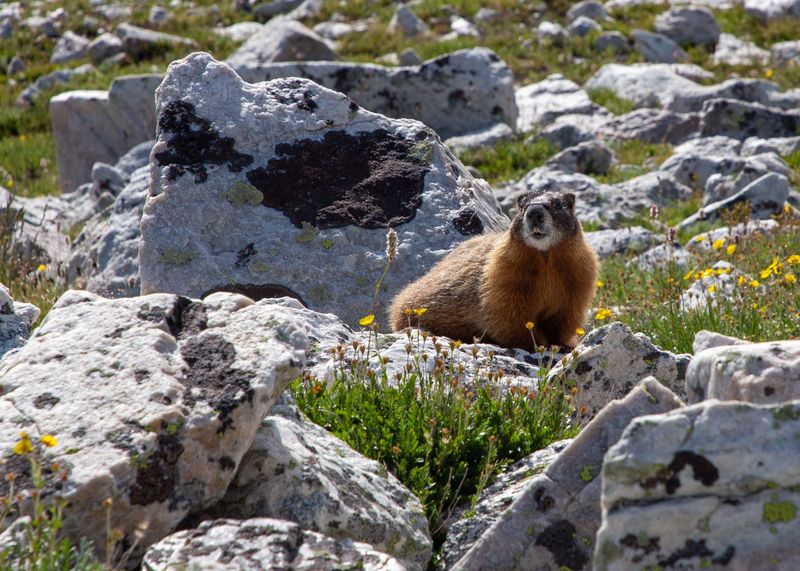
Some Coloradans call them whistle pigs, and once you have heard that piercing alarm whistle echo across a boulder field, the nickname sticks. Marmots are the largest members of the squirrel family in the state, and September is their buffet season.
Their goal is straightforward: eat enough grass, flowers, and leafy greens to nearly double in size. That extra padding fuels one of the longest hibernations of any Colorado mammal, often stretching seven or eight months.
Adults may spend hours grazing, then flop onto a warm rock like a furry loaf. Sunbathing is not laziness, since it helps them digest and conserve energy for the eating shifts ahead.
Colonies favor talus near Guanella Pass, Independence Pass, and the tundra above Rocky Mountain National Park. Family groups share burrow systems, and youngsters wrestle while adults keep watch.
Drivers should know that marmots in high-elevation parking lots occasionally chew on radiator hoses and wiring for the salt and moisture. Popping your hood or parking on pavement can spare you a repair bill.
By late October, most have sealed themselves into burrows below the frost line, curled together for warmth. Their heart rate slows from around 100 beats per minute to roughly four.
Watching a marmot waddle across the tundra with a mouthful of wildflowers is a reminder that preparation looks different for everyone. Some stack hay, and some simply eat their way toward winter.
5. Red Squirrel Plays Loud Landlord Of The Spruce Forest
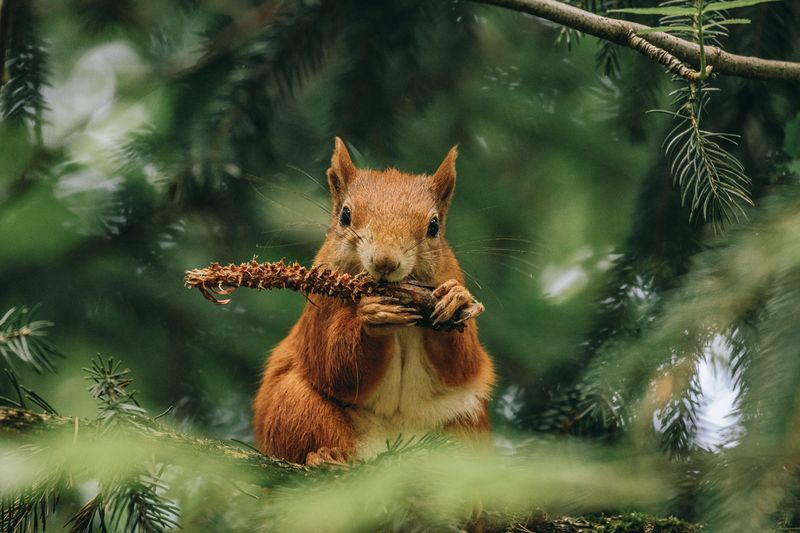
Walk through a spruce-fir forest in September and someone will scold you. Loudly, repeatedly, from a branch overhead.
The red squirrel, sometimes called a chickaree, defends its territory with a chattering rattle that carries a surprising distance. It is the smallest tree squirrel in Colorado, yet it defends its territory as if it were personal property.
Fall work centers on cone harvesting. A single squirrel may clip hundreds of green spruce and fir cones, letting them rain down before collecting and stacking them in a damp, shaded pile called a midden.
Middens can grow for generations, sometimes reaching several feet across and holding thousands of cones. Cool moisture keeps the cones sealed so seeds stay fresh through winter.
You will find these industrious tenants from about 8,000 feet up to treeline, especially in Engelmann spruce stands near Steamboat, Vail Pass, and the San Juans. Piles of shredded cone scales at a tree base are the giveaway.
Red squirrels stay active all winter, tunneling through snow to reach the midden below. No hibernation, no long nap, just constant management of the food bank.
Their harvest also feeds others, since black bears and Clark’s nutcrackers occasionally raid the stash. Buried and forgotten seeds help spruce forests regenerate after fires.
If one starts yelling at you on the trail, take it as a compliment. You have been officially noticed by the neighborhood watch.
6. Montane Voles And Shrews Run The Underground Night Shift
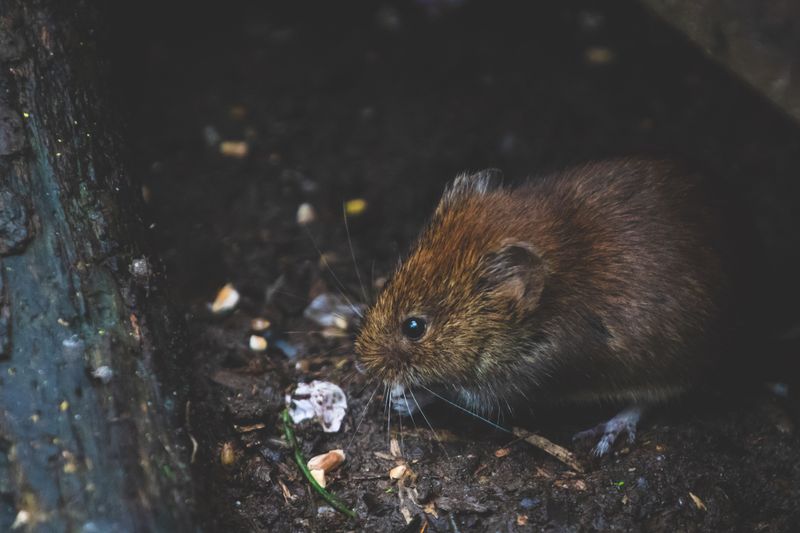
Beneath the meadow grass, an active network of tunnels runs day and night. Voles carve narrow runways through vegetation, while shrews patrol the leaf litter hunting insects and worms.
Neither animal gets much attention, and that is a shame given how much they influence Colorado’s mountain ecosystems. Voles clip grass, spread fungal spores that help trees absorb nutrients, and aerate soil with their tunnels.
Shrews may be the hardest workers on this list. With a metabolism running at extraordinary speed, some species eat close to their own body weight in food daily and rest only in short bursts.
Autumn brings a scramble to fatten up and reinforce nests. Voles stash seeds and roots in underground chambers, then continue living beneath the snowpack in a sheltered layer called the subnivean zone.
Snow acts like insulation, holding temperatures near freezing while the air above plunges far lower. Down there, tunnels wind between grass stems all winter long.
Foxes, owls, weasels, and coyotes rely heavily on this hidden crowd, listening for rustles and pouncing through snow. A meadow full of voles supports a surprising number of larger predators.
Next time you cross a mountain meadow near Kenosha Pass or Cameron Pass, look for finger-width paths pressed into the grass.
Those little highways are proof of a workforce you rarely see. Small, quiet, and endlessly busy, they play a key role in the mountain food web.
7. Bushy-Tailed Woodrat Builds A Midden Fit For A Pack Rat Legacy
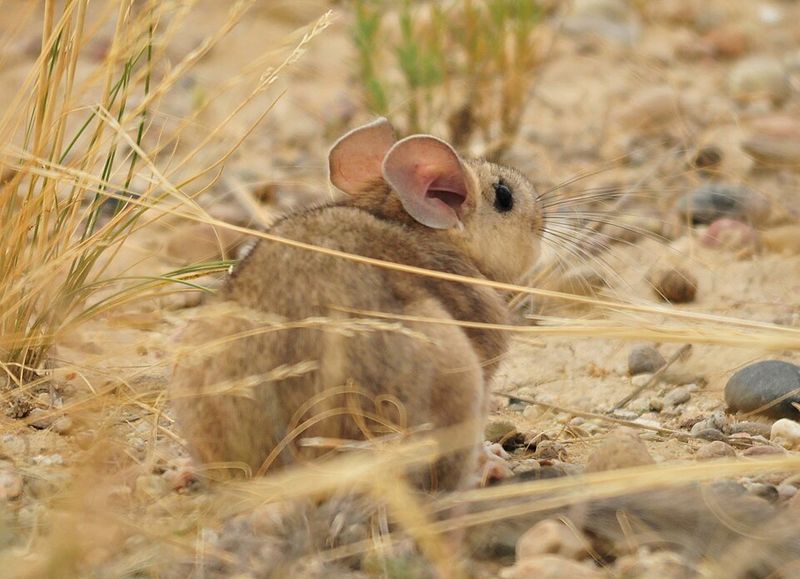
Also known as the pack rat, the bushy-tailed woodrat has a reputation for collecting anything shiny, useful, or interesting enough to drag home.
September finds them expanding their middens, dense piles of sticks, bones, and scavenged debris cemented together with urine that crystallizes over time into a rock-hard structure.
Some middens found in caves and rock shelters across the West have been dated back thousands of years, preserved by the dry climate and offering scientists a record of ancient plant life and climate shifts.
The woodrats building today are adding to a tradition that, in some locations, stretches back further than recorded history.
Unlike food-focused neighbors on this list, woodrats spend fall reinforcing their fortress as much as feeding themselves.
They tuck cached food, seeds, and plant cuttings into side chambers within the midden, creating a pantry protected by walls of debris and their own defensive presence.
Look for them in rocky outcrops, cliff bands, and abandoned cabins across Colorado’s foothills and lower montane zones, particularly in canyon country west of Boulder and around the Western Slope. A midden at the base of a rock crevice, often studded with found objects, is the clearest sign one is nearby.
Woodrats stay active through winter rather than hibernating, venturing out in short bursts even in cold weather.
Come across a glint of foil or a stray bottle cap tucked into a rock pile, and you have likely found a woodrat’s version of a treasure chest.
8. Snowshoe Hare Trades Summer Brown For Winter Camouflage
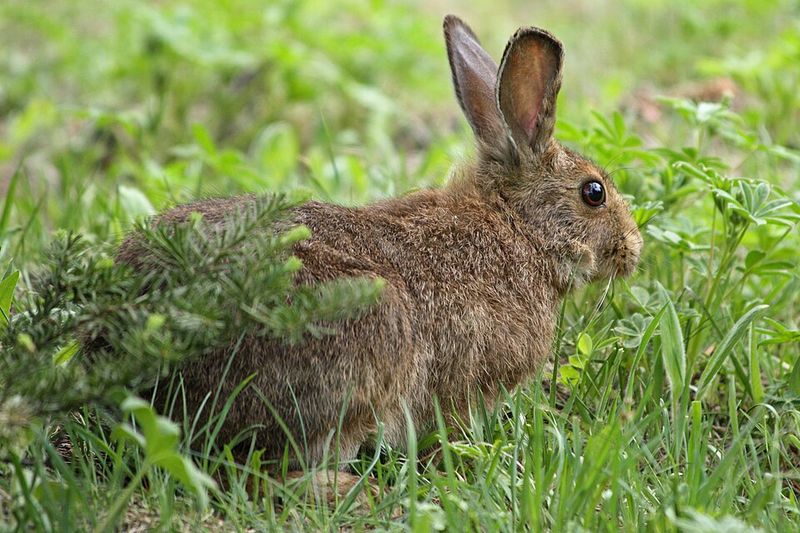
Right now, something strange is happening under that thick fur coat. A snowshoe hare’s brown summer coat is slowly giving way to white, triggered not by temperature but by shrinking daylight hours.
This transformation takes weeks, not days, which means early snowfall or a late melt can leave a hare mismatched with its surroundings.
Researchers tracking this seasonal molt have noted that warmer autumns are increasingly leaving hares white against brown ground, a mismatch that makes them easier targets for predators.
Beyond the coat change, hares spend September browsing heavily on twigs, bark, and shrubs, building the energy reserves they will rely on through lean winter months.
Their oversized hind feet, built for distributing weight across snow, are already put to use as they range wider in search of food before the deep drifts arrive.
You will find them in dense subalpine forests and willow thickets across Colorado, often near Cameron Pass, Rabbit Ears Pass, and the shrubby edges of high meadows.
Look for fresh browse marks on low branches and round, dark droppings scattered along game trails. Snowshoe hares do not den or burrow like some neighbors on this list. Instead, they rely on stillness and camouflage, freezing in place at the first sign of movement.
If you spot one mid-transition, half brown and half white, consider it a rare and oddly beautiful snapshot of a species racing the calendar.