Why Tarantulas Are Wandering Southeastern Colorado Roads This Time Of Year
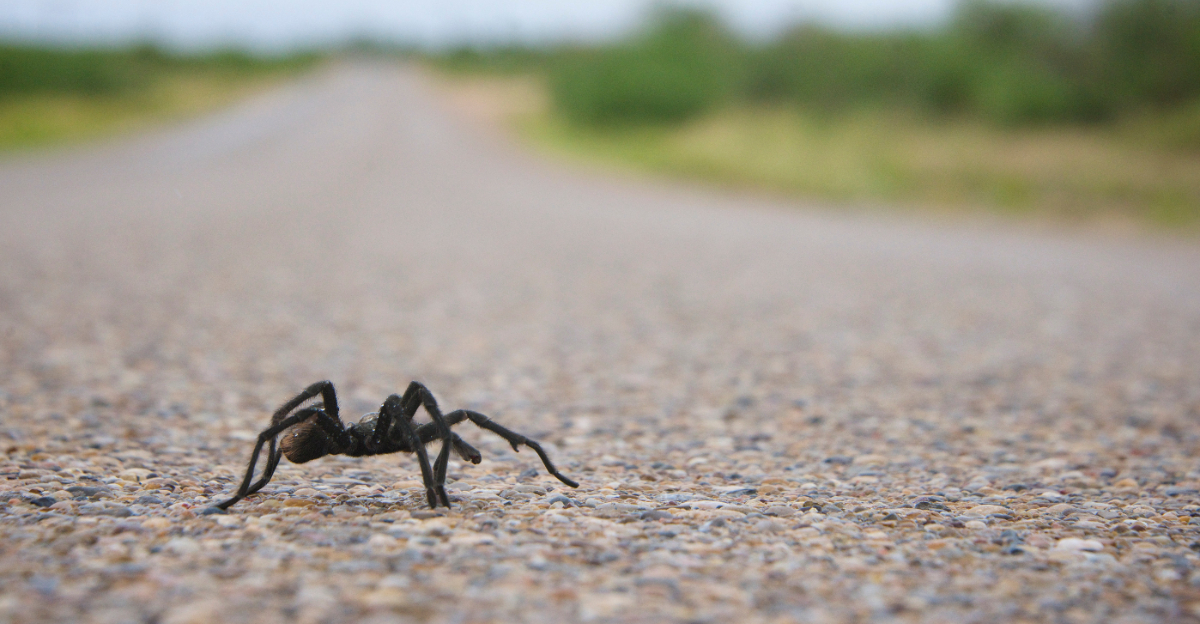
Dust rises off a lonely road, and the ground itself seems to shift. You ease off the gas, unsure what your eyes are catching. Small shapes inch across warm asphalt, slow but sure.
Colorado hides this scene in plain sight each fall. Headlights sweep the roadway and catch motion everywhere you look tonight. Cameras click through open windows while long traffic slows to a crawl.
Kids press against cool glass, pointing at strange shapes. Photographers drive hours from Denver just for this stretch of Colorado gravel. Students skip their textbooks for flashlights and open notebooks.
Locals know the telltale signs long before visitors arrive. September pulls these travelers out in urgent, unstoppable waves. Shy by design, they rarely pause for your camera.
Their mission spans a lifetime, compressed into a short crossing. Plains this quiet rarely reveal their secrets so openly. This road will not let you look away again.
1. Mature Males Take To The Road
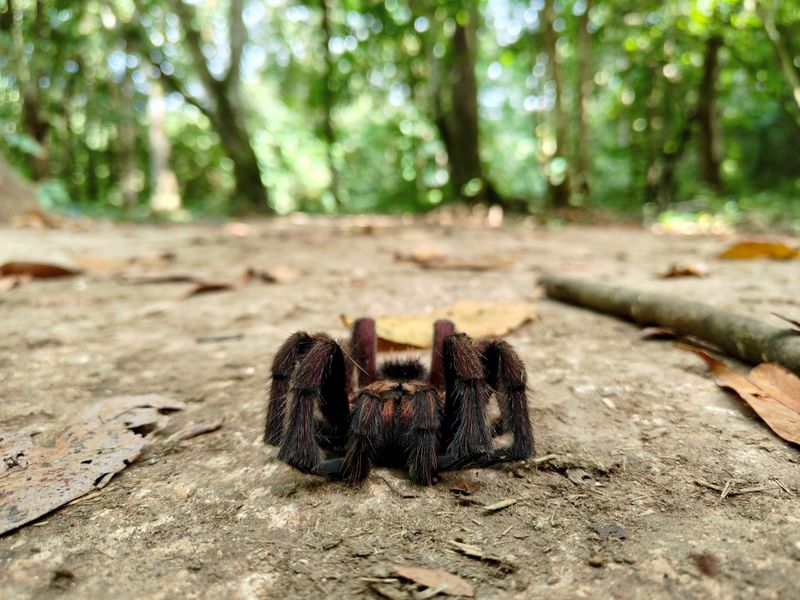
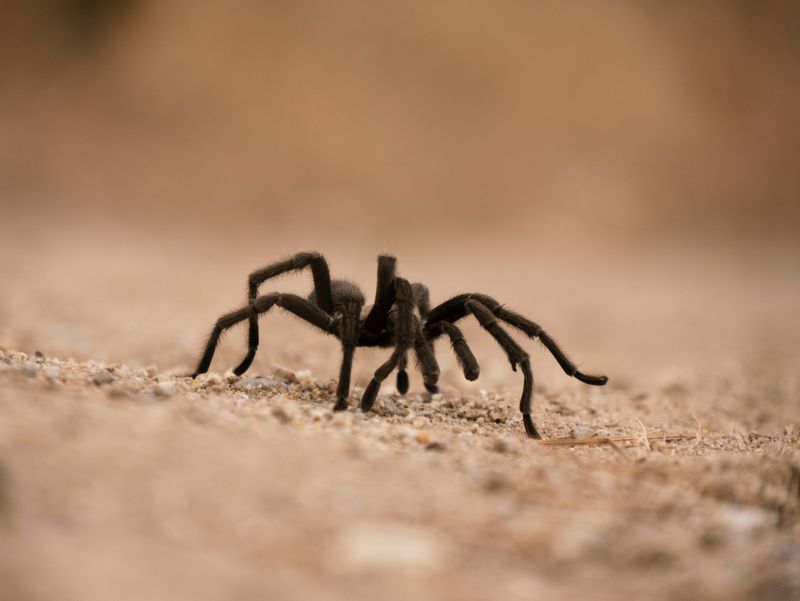
Picture a bachelor who spent seven to ten years underground, then finally decides it is time to find a partner. That is the tarantula you see crossing the road.
The wanderers are almost entirely mature males of the Oklahoma brown tarantula, Aphonopelma hentzi. Females stay near their burrows their whole lives, sometimes for two decades or more.
Males, though, reach maturity and undergo a final molt that changes their body plan. They grow longer legs, hooks on their front limbs, and a restless urge to travel.
Once that happens, staying home is no longer an option. A male may cover several miles over a few weeks, zigzagging across prairie, ditches, and yes, county roads.
Roads simply happen to lie between him and the burrows of nearby females. Pavement is open and easy to walk on, which is why so many end up out in plain view.
Folks often call it a migration, but it is not the same as birds flying south. Individuals aren’t heading to a shared destination, and most won’t retrace their steps.
It is more like thousands of individual road trips happening at the same moment, all triggered by the same seasonal cues. The overlap is what makes the show so dramatic.
Understanding that helps explain the behavior you notice. A spider marching steadily forward, ignoring your shadow, is not being bold. He is just very, very focused on one goal.
2. September Sets The Timer
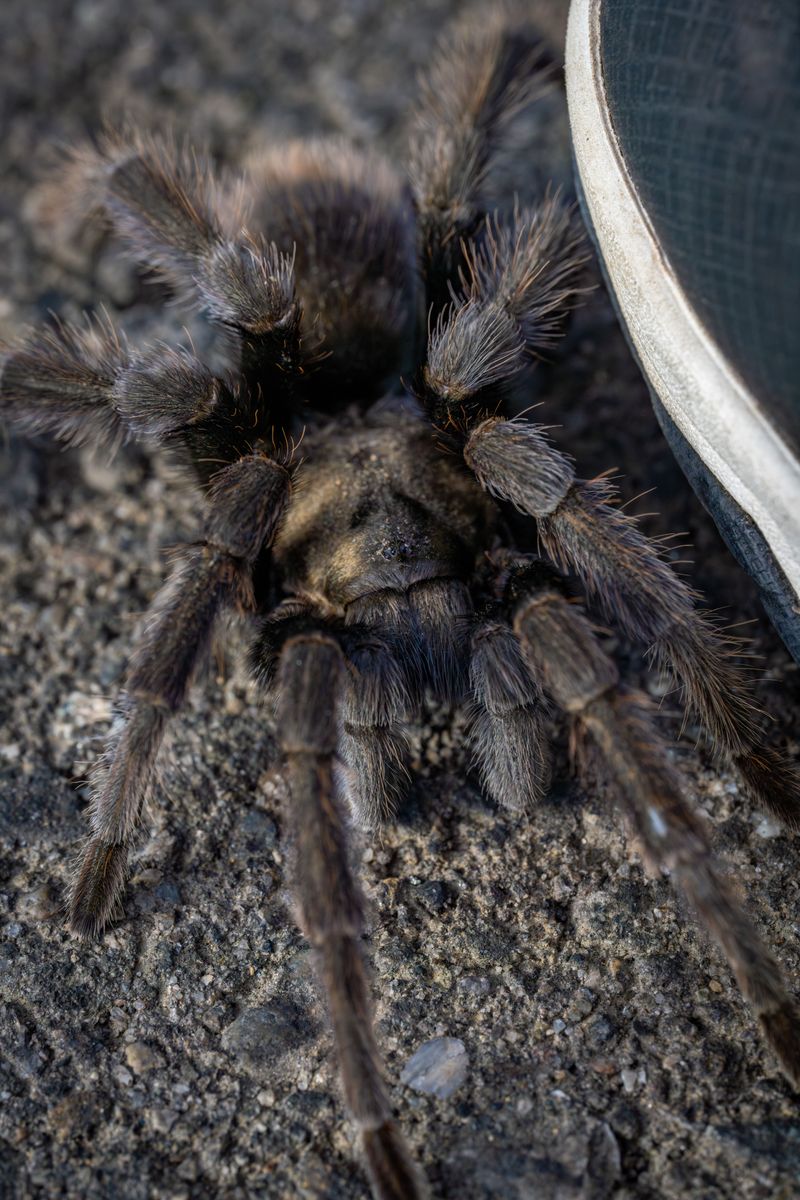
Timing is the secret ingredient. Ask anyone in Otero or Bent County when to go looking, and they will point at the calendar between late August and early October.
Cooler nights and shorter days act like an alarm clock for mature males. Once evening temperatures start dropping and daylight shrinks, their internal schedule flips to travel mode.
Warm afternoons still matter, though. Spiders are cold-blooded, so they need enough heat to move well but not so much that they overheat on open ground.
That balance shows up in the daily pattern. Peak activity tends to cluster around sunset and into early evening, though exact timing varies by conditions.
Your Colorado Garden Changes Every Week. Your Plan Should Too.
Gardening in Colorado changes quickly throughout the season. Every Friday you’ll receive a simple weekly plan showing exactly what to plant, prune, fertilize, harvest, and protect so you never miss the right timing.
Rain shifts things too. A late summer shower can soften the soil and bump up humidity, and locals often report a busier evening the day after a good storm.
Early September has historically delivered strong numbers, though the exact peak shifts with weather each year. Mid-month can be excellent as well, and stragglers keep appearing until the first hard cold snap settles in.
If you plan a trip, check the forecast for a calm, mild evening in the seventies or low eighties. Windy, chilly nights tend to be slow.
Bring patience. Some evenings you might spot two dozen travelers in an hour, and other nights you may find three.
Nature does not run on a ticket schedule. That unpredictability is part of what keeps people coming back to the same stretch of road year after year.
3. La Junta And The Comanche Grassland Hot Spots
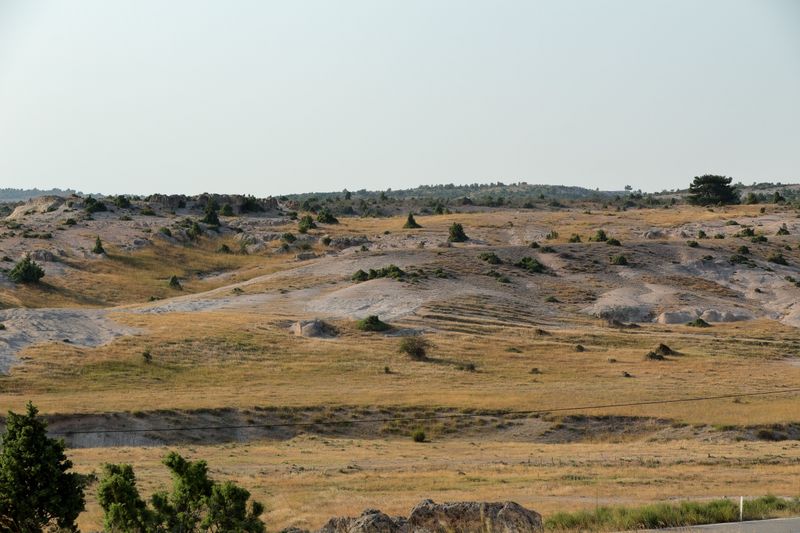
La Junta is one of the most active hubs for this phenomenon. Some southeastern Colorado towns have organized informal viewing events and talks around the migration in past years.
Check local listings for anything happening this year. South of town, Highway 109 and Highway 71 run through classic habitat.
The Comanche National Grassland, especially the Timpas and Vogel Canyon areas, is another reliable stretch.
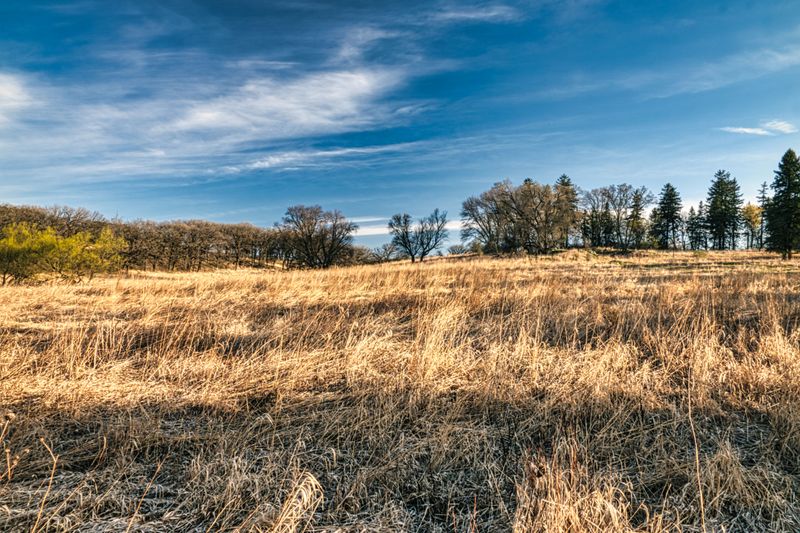
What makes this region special is the soil. Firm, well-drained prairie ground with sparse shortgrass gives females good burrowing conditions, so populations build up over many years.
Undisturbed land helps too. Because much of the area is grazing country or protected grassland rather than plowed cropland, burrows survive decade after decade.
Quiet gravel and county roads usually beat busy highways for viewing. Less traffic means safer walking for the spiders and safer standing for you.
Nearby communities such as Rocky Ford, Timpas, Kim, and Springfield all report sightings. The show is not limited to one town, though La Junta gets the headlines.
Plan your Colorado route in daylight first so you know where the pullouts are. Cell service can get spotty out on those long straight stretches.
Pack water, a jacket for after sundown, and a paper map as backup. Prairie evenings cool off faster than visitors expect.
Local visitor centers are happy to share current tips. Rangers and shop owners usually know which roads have been busiest that week, and they enjoy talking about it.
4. Fuzzy, Slow, And Far Less Scary Than Rumored
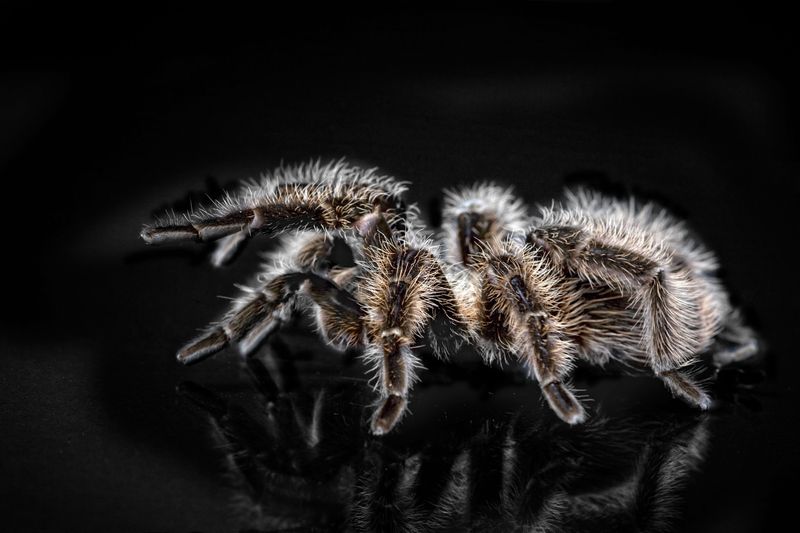
Here is the part that surprises nervous visitors most: these spiders would rather leave than fight. Given any choice, a Colorado tarantula will walk away from a person.
Their venom is mild for humans, roughly comparable to a bee sting for people without allergies. Bites are rare and usually happen only when a spider is squeezed or trapped.
Their real defense is stranger. When threatened, they can flick tiny barbed hairs from their abdomen, which irritate skin, eyes, and noses.
That is why rubbing your face after handling one is a bad idea. It is also a solid reason to simply admire these Colorado wanderers without touching.
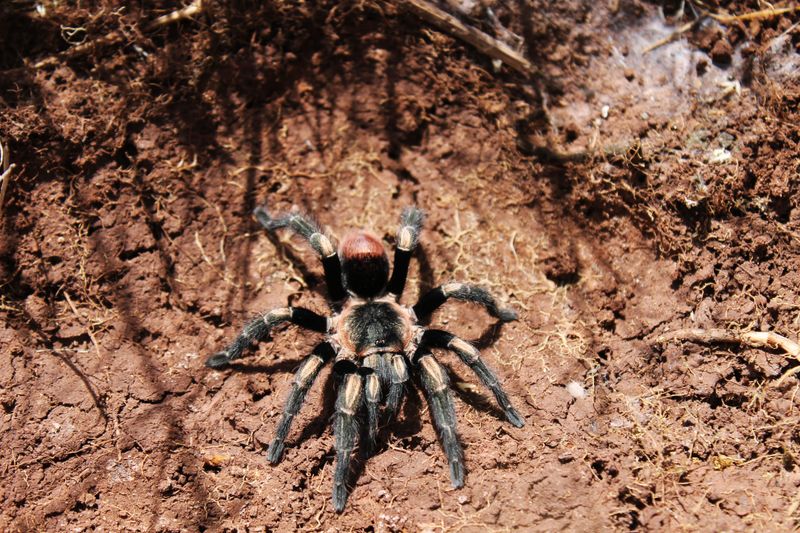
Size adds to the reputation. Leg spans reach around four inches, which looks impressive on pavement but is modest compared to tropical relatives.
Eyesight is poor, so they navigate mostly by touch and by sensing vibrations through the ground. Your footsteps register long before your face does.
Their movement is deliberate rather than darty. A walking male covers ground steadily, pausing now and then to reorient.
Kids often go from squealing to fascinated within about five minutes of watching one cross a Colorado road. Slow, purposeful, and oddly polite, these spiders rewrite expectations fast.
Fun fact: some females in this species have been recorded living more than twenty years in the wild. That is longer than many household pets.
5. Life Underground Before The Big Walk
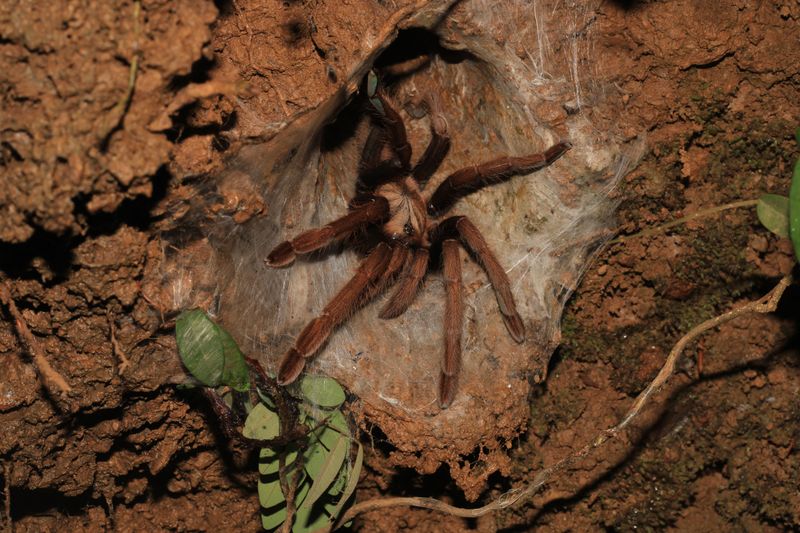
Long before any road crossing, there is a hole in the ground. Female tarantulas dig burrows a foot or more deep and line the entrance with silk.
The silk works like a tripwire system. When a beetle, cricket, or grasshopper brushes it, the vibration travels straight down to the waiting spider.
She rarely leaves. Food comes to her, and the burrow stays cool in summer heat and insulated through winter cold.
Young spiderlings hatch from an egg sac holding hundreds of eggs, then scatter to dig their own small starter homes. Very few reach adulthood.
Growth is unhurried. Molting happens once a year or so, and it takes seven to ten years for a male to reach breeding age.
That slow timeline explains why the fall parade matters so much. Each wandering male represents nearly a decade of quiet underground life.
It also explains why habitat protection is a real concern. Plowing, heavy development, or off-road traffic can erase burrows that took years to establish.
If you spot a silk-rimmed hole roughly the width of a quarter, you have likely found a female’s front door. Leave it undisturbed and back away.
Poking a stick into a burrow stresses the resident and gains you very little. A patient watcher at dusk often gets a far better view anyway. Respecting those burrows keeps future autumn shows going strong.
6. How Courtship Works
Arriving at a burrow is only step one. A male still has to convince the resident that he is a suitor and not supper.
He announces himself by tapping and drumming his legs on the silk at the entrance. The rhythm is species-specific, a bit like a secret knock.
If the female is receptive, she emerges. What follows is a careful, twitchy dance with a lot of leg contact.
Those hooks on the male’s front legs finally earn their keep. He uses them to brace her fangs while transferring sperm he stored earlier on a small silk mat.
Then he leaves quickly, and for good reason. Encounters sometimes end badly for males, though he usually escapes and moves on to search for another burrow.
A single male may visit several females across his travels. That is the whole point of walking miles across open country.
Females store the sperm and produce an egg sac the following spring or early summer. She guards it inside the burrow, turning it regularly.
After his season of travel, a male’s remaining time is short, and he will not survive the coming winter. The females carry the population forward.
Watching from a distance at dusk, you might catch that drumming if you are quiet and lucky. It is a small, strange sound that most visitors miss entirely.
7. Sharing The Pavement Safely
Traffic is the biggest hazard these travelers face, and drivers hold most of the power to help. A few small habits make a real difference on Colorado roads.
Slow down on rural roads at dusk during September. Reduced speed gives you time to spot a small shape and steer gently around it.
Use pullouts rather than stopping in a lane. Other vehicles may be moving faster than you expect on those long Colorado straightaways.
Turn on hazard lights if you park to watch. Wear something light-colored or reflective if you step out after sunset.
Keep pets leashed in the car or at your side. A curious dog nosing a tarantula is unpleasant for both parties.
Resist the urge to pick one up. Handling stresses the spider, risks a fall that can injure its abdomen, and may leave you with itchy hairs on your hands.
If you truly need to move one out of danger, gently guide it with a stick or nudge it along with a hat. Let it walk on its own.
Photographers should skip repeated flash bursts at close range. A headlamp with a red setting works better and disturbs less.
Stay on established roads and pullouts instead of driving across grassland. Tire ruts flatten burrows and damage Colorado habitat that took years to build.
Good manners out there keep the show running for the next carload of wide-eyed Colorado visitors.
8. Why The Prairie Benefits From Eight-Legged Neighbors
Beyond the roadside spectacle, these spiders do steady work for the grassland. They are patient predators of grasshoppers, crickets, beetles, and other insects that surge in warm months.
One burrow-dwelling female can remove a surprising number of plant-chewing insects over a season. Ranchers who understand that tend to appreciate the residents.
They are also food themselves. Tarantula hawk wasps, coyotes, foxes, skunks, and birds all rely on them at different life stages.
That middle position in the food web makes them a useful indicator. Healthy tarantula numbers usually signal soil and grassland in decent shape.
The tarantula hawk relationship is an especially striking example. A female wasp paralyzes a spider, drags it into a burrow, and lays a single egg on it.
Their abandoned burrows get reused too. Toads, lizards, beetles, and small snakes move into the vacancies, stretching one spider’s digging into shelter for many.
Tourism adds a human benefit. Fall visitors bring business to small towns during a quieter stretch of the calendar, which supports local cafes, motels, and shops.
All of that adds up to a strong argument for leaving them alone. Watching, photographing, and telling friends does more good than collecting ever could.
Next time you see one crossing gravel at sunset, give it room. That slow walker is part of a system that has been running out there far longer than the roads have.