10 Colorful Plants To Grow In Texas For Fresh Flower Arrangements
A garden feels even more rewarding when it keeps giving after the flowers bloom, and that is exactly what makes growing plants for fresh arrangements so much fun.
In Texas, where bold color is never in short supply, the right flowers can brighten your yard and your table at the same time.
Instead of only admiring blooms outside, you get to bring that color indoors, trim a few stems, and turn them into something beautiful for the kitchen, dining room, or entryway. It is one of the easiest ways to make a garden feel more personal.
The best part is that not every flower that looks pretty in the yard holds up well in a vase, which is why plant choice matters.
Some varieties keep their color, shape, and freshness much longer after cutting, making them especially useful if you want arrangements that do more than look good for a day.
In Texas, it helps to choose plants that can handle the heat while still producing eye-catching blooms worth bringing inside. With the right mix, your garden can become a steady source of fresh color, texture, and homegrown charm all season long.
1. Zinnias
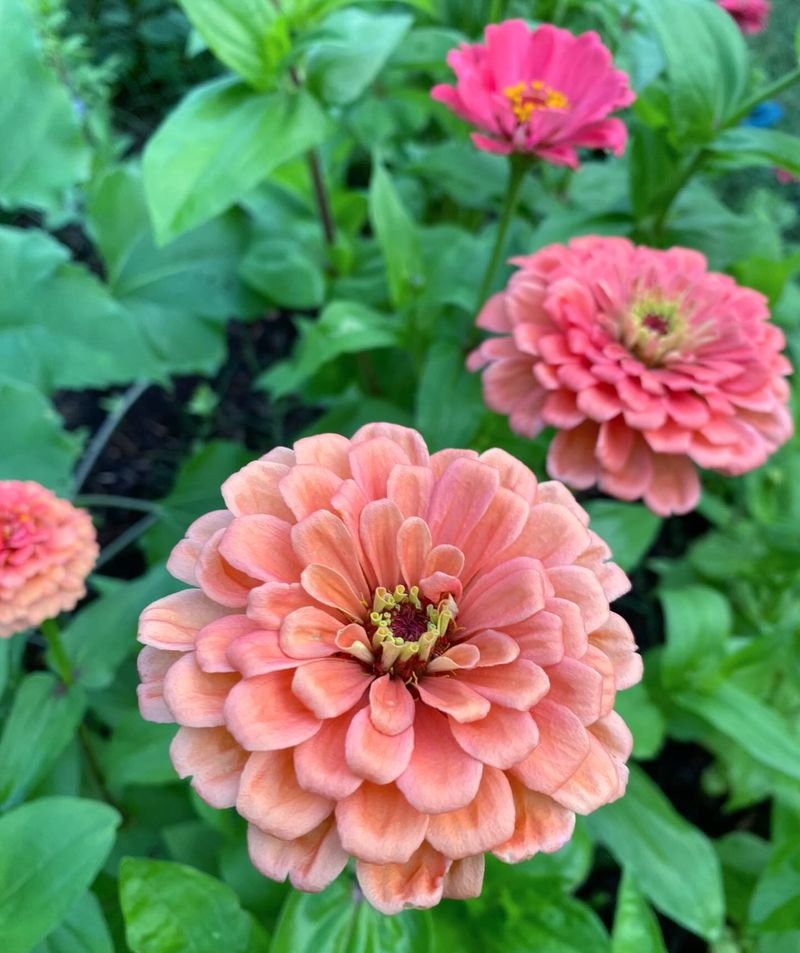
If there is one flower that was practically made for Texas summers, it is the zinnia. These cheerful, sun-loving annuals bloom nonstop from late spring all the way until the first frost rolls in.
They come in just about every color you can imagine, from deep red and hot pink to soft peach and bright orange.
Zinnias grow fast from seed, which makes them perfect for beginner gardeners. Just sow them directly in the ground after the last frost, give them full sun, and watch them take off.
They do not need a lot of water once they get going, which is a huge bonus in the Texas heat.
For the best arrangements, cut zinnia stems when the flower is fully open but still fresh. They can last up to a week in a vase with clean water.
Pinching off spent blooms encourages the plant to keep producing new flowers all summer long. If you only grow one flower in your Texas cutting garden, make it the zinnia.
2. Sunflowers
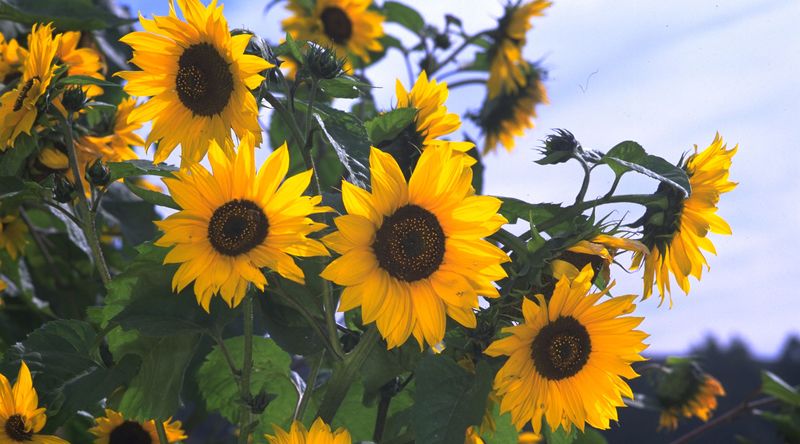
There is something undeniably joyful about a sunflower. Bold, bright, and full of warmth, sunflowers are a natural fit for Texas gardens and fresh flower arrangements alike.
Many varieties grow incredibly fast from seed, and they absolutely love the full sun and intense heat that Texas delivers all summer long.
Plant sunflower seeds directly in the ground after the soil warms up in spring. Give them plenty of space, since they develop deep root systems and can grow quite tall.
Staggering your plantings every two to three weeks means you will have a steady supply of blooms throughout the season instead of one big flush all at once.
For cutting, harvest sunflowers when the petals are just starting to open. Cut the stems at an angle and place them in deep water right away.
They look stunning on their own in a tall vase or mixed with zinnias and cosmos for a wildflower-style bouquet.
Fun fact: sunflowers actually track the sun across the sky when they are young, a movement called heliotropism. Across Texas, sunflowers are a garden staple that never goes out of style.
3. Cosmos
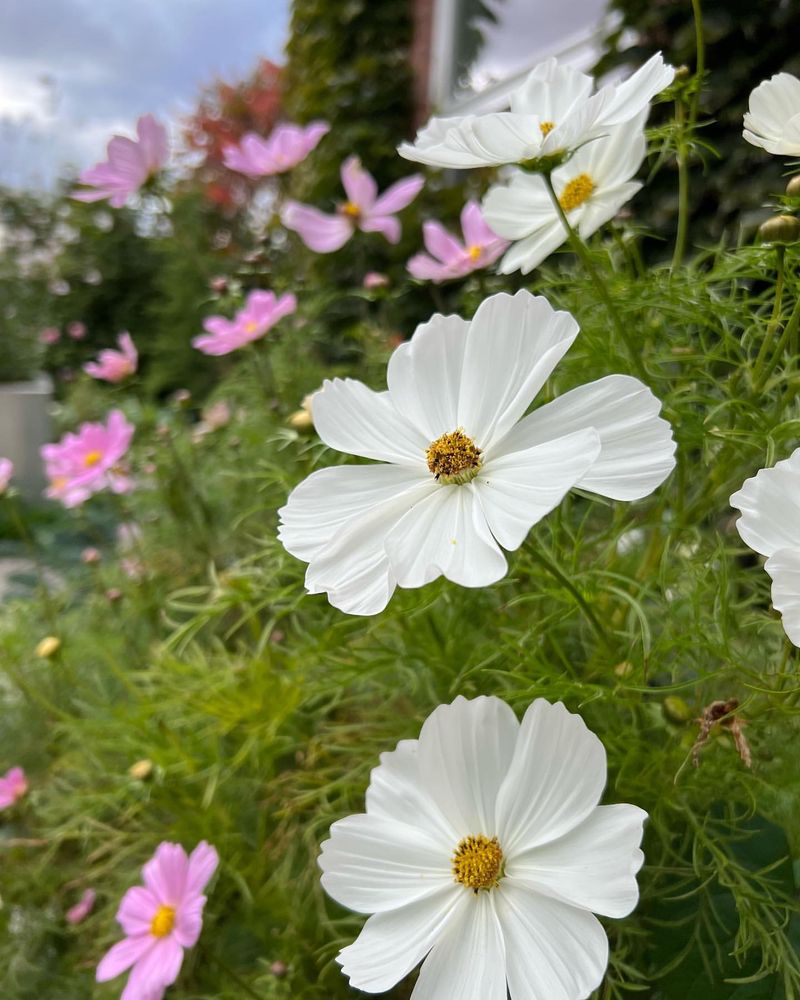
Cosmos bring a lighthearted, almost magical energy to any flower arrangement. Their thin, feathery stems and delicate petals sway beautifully in the breeze, adding movement and softness to bouquets that heavier flowers just cannot match.
Gardeners across Texas love them because they are incredibly easy to grow and ask for very little in return.
Scatter cosmos seeds directly in a sunny spot after your last frost date. They actually prefer poor soil with minimal fertilizer, so do not go overboard trying to pamper them.
Overfeeding cosmos leads to lots of lush green leaves and fewer blooms, which is the opposite of what you want for a cutting garden.
One of the best things about cosmos in Texas is that they reseed themselves freely. Once you grow them, they tend to come back on their own year after year with almost no effort.
For fresh arrangements, cut the stems when the flowers are just beginning to open. They pair beautifully with sunflowers, zinnias, and black-eyed Susans for a loose, garden-style bouquet.
Cosmos are available in shades of pink, white, magenta, and bicolor, giving you plenty of options to play with.
4. Gomphrena (Globe Amaranth)
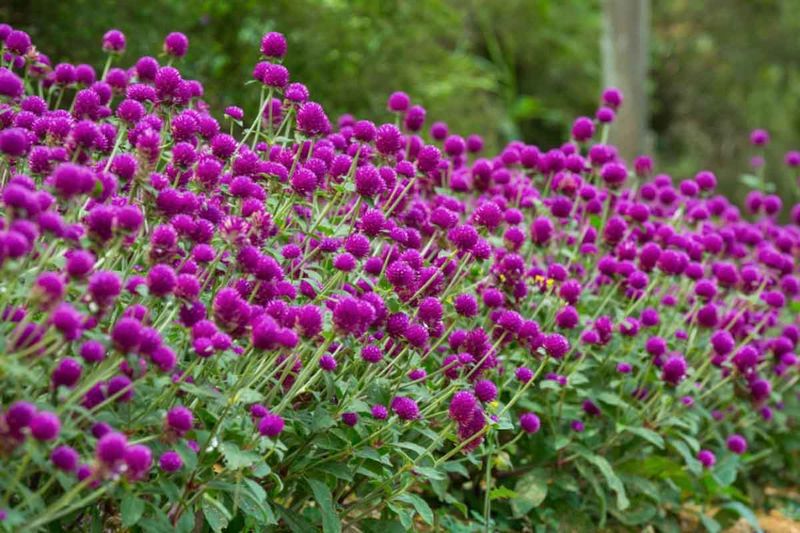
Do not let the small size of gomphrena fool you. These compact, clover-like blooms pack a serious punch of color and are among the toughest flowers you can grow in Texas.
They shrug off intense heat, handle drought like a champ, and keep blooming even when other plants start to struggle in midsummer.
Gomphrena comes in rich shades of purple, magenta, pink, orange, and white. The round, globe-shaped flowers hold their color beautifully, which makes them just as valuable for dried arrangements as they are for fresh ones.
Simply hang the stems upside down in a cool, dry spot and they will retain their vibrant color for months.
In the garden, gomphrena thrives in full sun and well-drained soil. It does not need much water once established, making it an excellent choice for water-conscious Texas gardeners.
Plant transplants after the last frost or start seeds indoors about six weeks early. For fresh bouquets, cut stems when the blooms are about halfway open.
They mix well with celosia, zinnias, and salvia for a lively, textured arrangement. Gomphrena is truly one of the most underrated cut flowers for Texas gardens.
5. Celosia
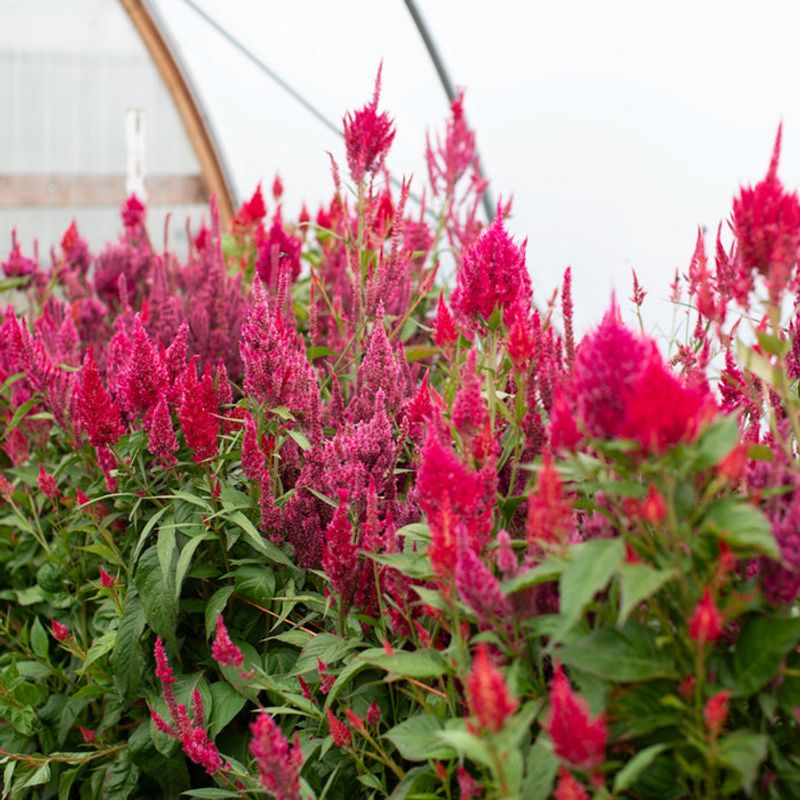
Celosia is the flower that makes people stop and stare. Its wild, flame-like plumes or velvety crested blooms look almost too vivid to be real.
Available in rich reds, hot pinks, deep oranges, and golden yellows, celosia adds serious texture and drama to any fresh arrangement.
Texas summers are no problem for celosia. In fact, this flower actually thrives when the heat cranks up.
It loves full sun and warm soil, so wait until after the last frost to plant transplants or direct sow seeds outdoors. Once established, celosia is surprisingly low-maintenance and blooms for a long stretch of the season.
For cutting gardens in Texas, both the plumed and crested varieties work wonderfully. Cut stems when about half the plume has fully colored up for the longest vase life.
Strip off the lower leaves before placing in water to keep things fresh. Celosia also dries exceptionally well, so any extra blooms can be hung upside down and saved for winter arrangements.
Pair celosia with gomphrena and zinnias for a bold, jewel-toned bouquet that looks like it came straight from a flower market.
6. Black-Eyed Susan (Rudbeckia Hirta)
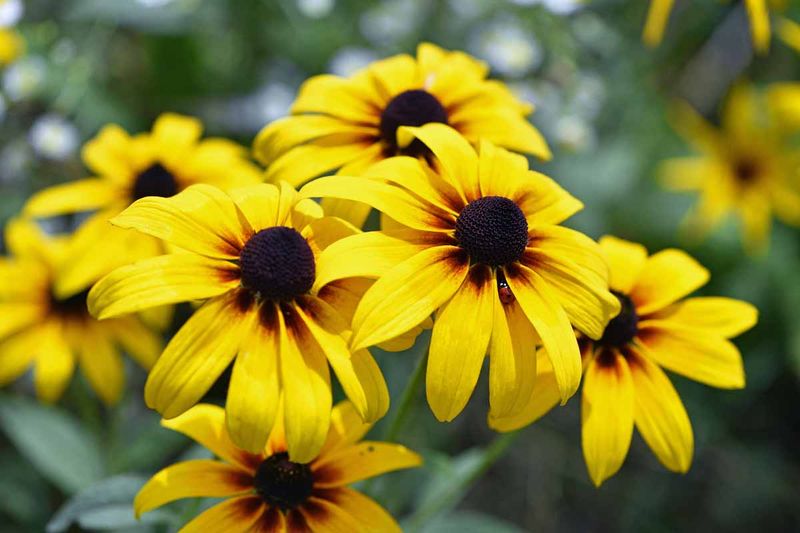
Few flowers feel more at home in a Texas landscape than the black-eyed Susan. With its golden-yellow petals and dark chocolate center, this tough wildflower has been brightening Texas roadsides and gardens for generations.
It is native to much of North America, which means it is perfectly adapted to the heat and variable rainfall Texas is known for.
Black-eyed Susans are wonderfully low-maintenance. Plant them in full sun and average soil, and they will reward you with weeks of blooms from late spring through summer.
They do not need much fertilizer or extra watering once established, which makes them ideal for gardeners who want beauty without a lot of fuss.
For fresh arrangements, cut stems in the morning when the flowers are newly opened and the petals are still firm. They add a warm, natural look to bouquets and pair especially well with cosmos, coreopsis, and salvia for a wildflower-inspired arrangement.
Black-eyed Susans also attract pollinators like bees and butterflies, so growing them benefits your whole garden. Whether you are in East Texas or the Panhandle, this cheerful native flower deserves a spot in every cutting garden.
7. Coreopsis
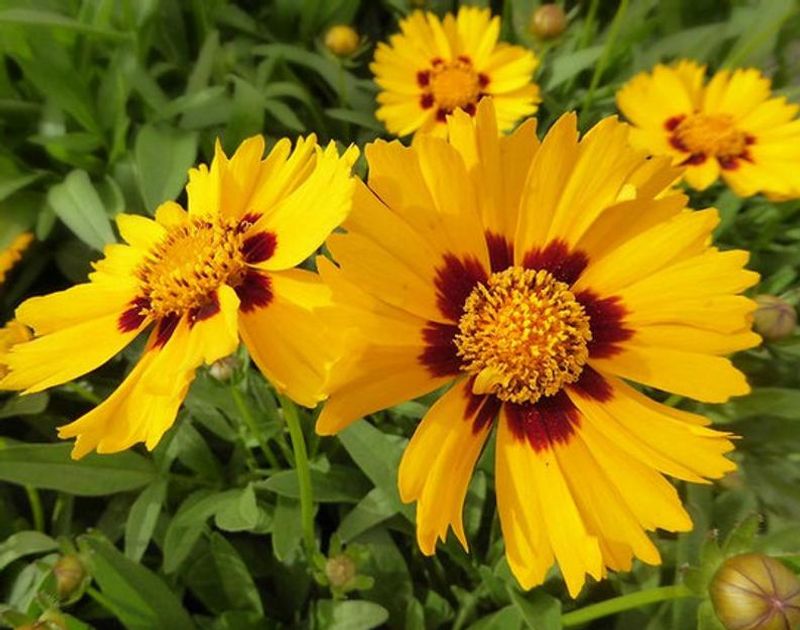
Coreopsis might just be the hardest-working flower in the Texas cutting garden. Also known as tickseed, this native plant produces cheerful yellow or golden blooms on slender stems that keep coming back week after week.
It is one of the longest-blooming perennials you can grow in Texas, often flowering from spring all the way into fall.
Growing coreopsis is about as easy as it gets. Plant it in full sun with well-drained soil, and it handles drought, heat, and humidity without complaint.
It does not need rich soil or heavy feeding, which actually encourages more blooms and keeps the plant from getting leggy. A light trim after the first big flush of flowers will encourage another round of blooming.
As a cut flower, coreopsis works beautifully as a filler in mixed bouquets. Its bright yellow color brightens up arrangements and complements deeper shades of purple salvia, red celosia, and pink cosmos.
Cut stems when about half the flowers on a stem are open for the best vase life. Coreopsis also attracts butterflies, adding extra life and movement to your Texas garden throughout the growing season. It is a flower that gives far more than it takes.
8. Salvia (Mealy Blue Sage)
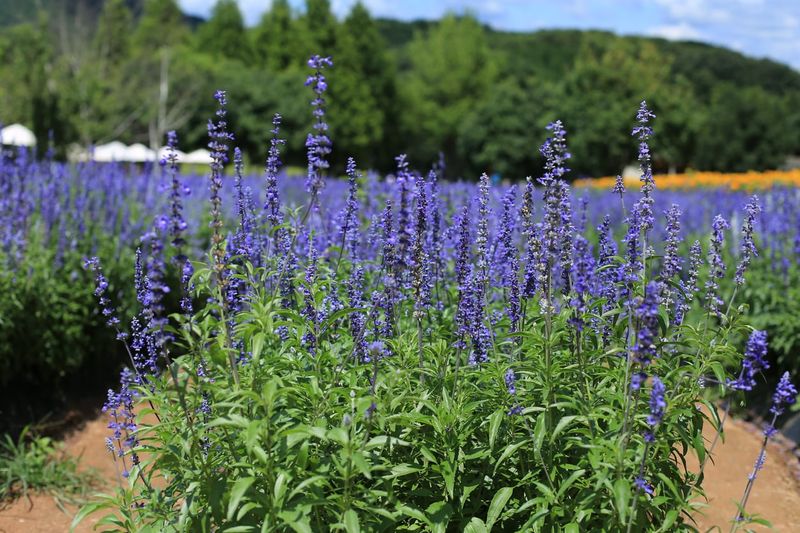
When most Texas cutting gardens are bursting with warm oranges, reds, and yellows, mealy blue sage brings something truly refreshing to the mix.
Its cool, dusty blue flower spikes create a beautiful contrast against brighter blooms and help balance arrangements that might otherwise feel too intense. It is one of those flowers that makes everything around it look better.
Mealy blue sage is a Texas native and one of the most reliable plants you can grow in the state. It handles full sun, poor soil, and extended dry spells without skipping a beat.
Once established, it practically takes care of itself, which is exactly what busy gardeners need during a hot Texas summer.
For fresh arrangements, cut salvia stems when about a third of the flowers on the spike are open. The stems hold up well in water and last several days in a vase.
Salvia pairs especially well with zinnias, sunflowers, and gomphrena, creating a color combination that feels both lively and balanced.
Beyond the cutting garden, mealy blue sage is also a pollinator magnet, drawing hummingbirds and bees to your yard throughout the season. It is a true workhorse of the Texas garden.
9. Mexican Mint Marigold (Tagetes Lucida)
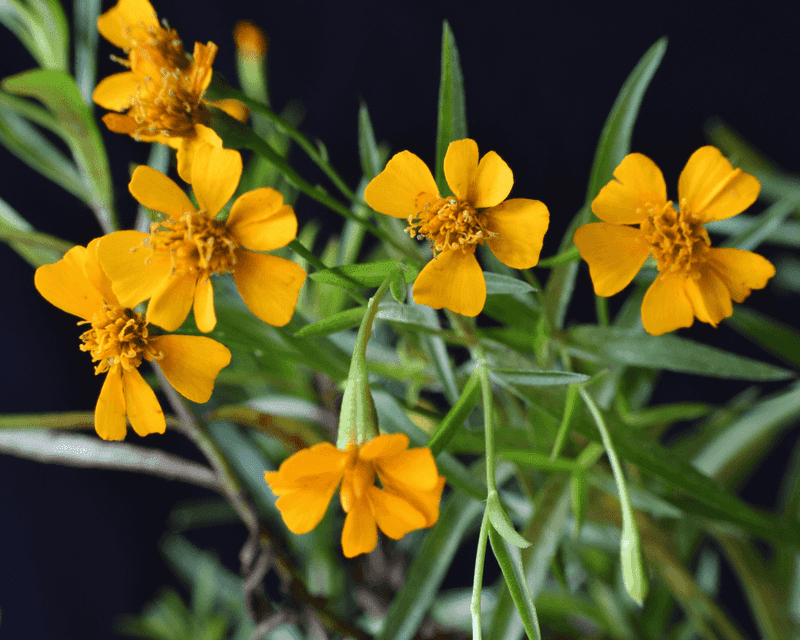
Most people know marigolds, but Mexican mint marigold is something a little more special. This compact, shrubby plant produces clusters of tiny, bright yellow flowers in late summer and fall, right when many other garden plants are winding down.
For Texas gardeners who want to keep cutting through October and into November, it is a fantastic option.
Beyond its cheerful color, Mexican mint marigold has a pleasant anise-like fragrance that makes it even more enjoyable to work with.
The leaves are also edible and used as a tarragon substitute in cooking, so it pulls double duty in the garden. It thrives in full sun and is well-adapted to Texas heat and drought conditions.
Plant transplants in spring and let the plant grow through summer. It will not bloom heavily until the days get shorter in late summer, but the wait is absolutely worth it.
Cut stems when clusters are about half open for the best vase life. Mexican mint marigold looks lovely in fall arrangements paired with celosia, gomphrena, and salvia.
In Texas, where fall gardens can feel limited, this cheerful, fragrant bloomer fills the gap beautifully and brings a warm golden glow to late-season bouquets.
10. Lisianthus (Eustoma Grandiflorum)
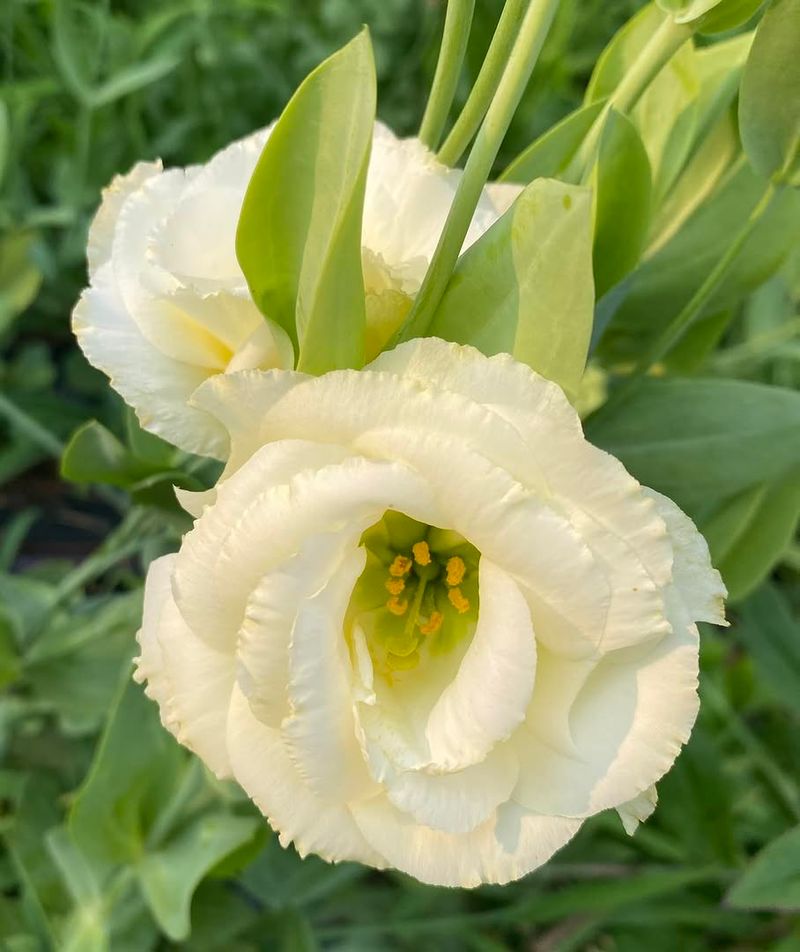
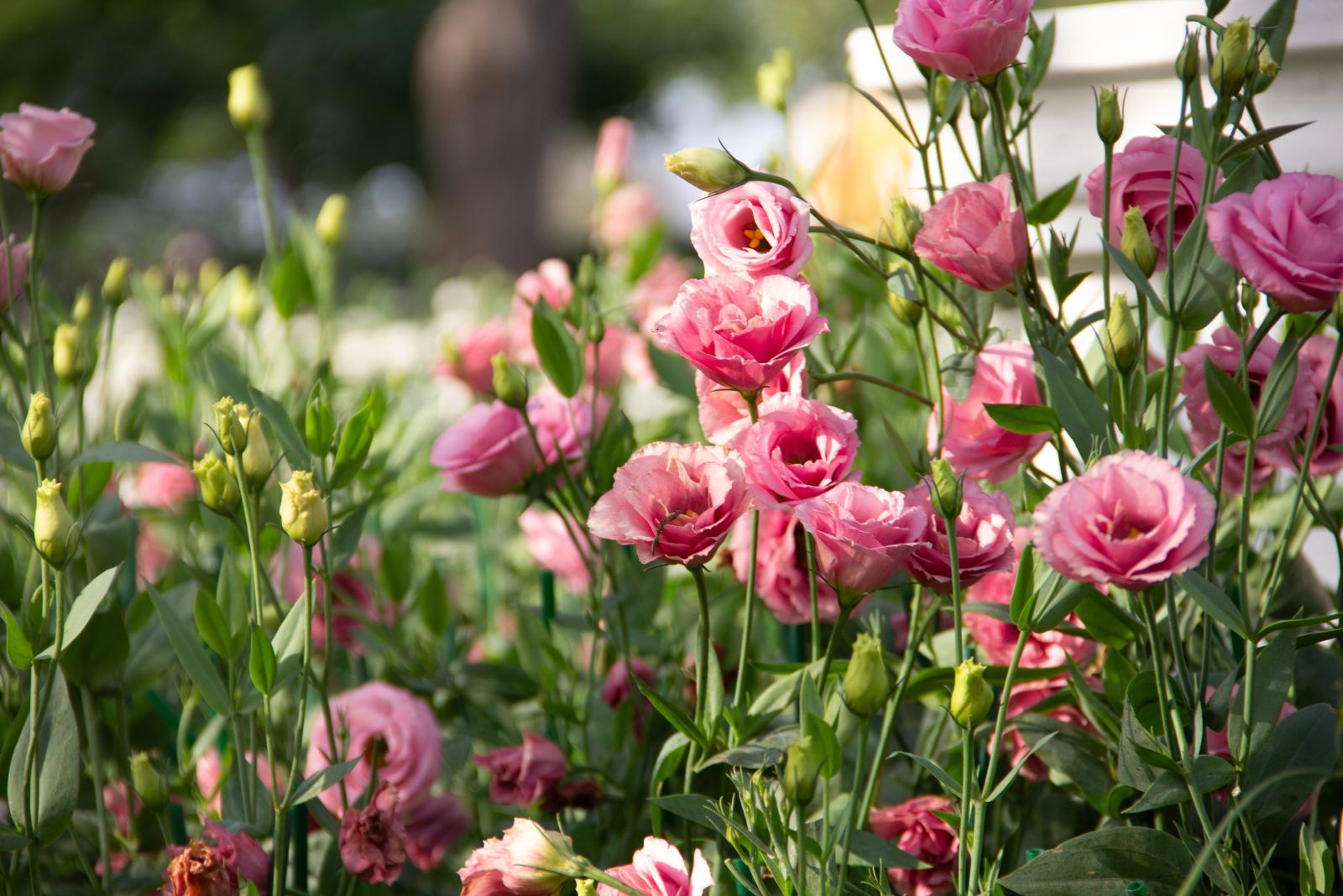
Lisianthus is the flower that makes people ask, “Is that a rose?” With its ruffled, layered petals and elegant form, it looks like something you would find in a high-end florist shop.
Soft purples, creamy whites, and blush pinks give it a refined, romantic quality that sets it apart from most other garden flowers.
What many people do not realize is that lisianthus actually originated in the southern United States, including parts of Texas. It is well-suited to the Texas climate when given the right care.
Start seeds indoors many weeks before the last frost, as lisianthus has a long growing season and takes patience to get from seed to bloom. Many gardeners in Texas find it easier to start with transplants.
Plant lisianthus in full sun with well-drained soil and avoid overwatering, as soggy roots are its biggest enemy. Once it blooms, the flowers last an impressively long time, both on the plant and in a vase.
Cut stems when one or two flowers per stem are open, and the rest will continue to open indoors. Lisianthus elevates any arrangement it joins and is highly valued by Texas flower farmers and home gardeners who want that extra touch of elegance.