8 Common Houseplant Pests That Sneak Indoors With Your Plants In Fall
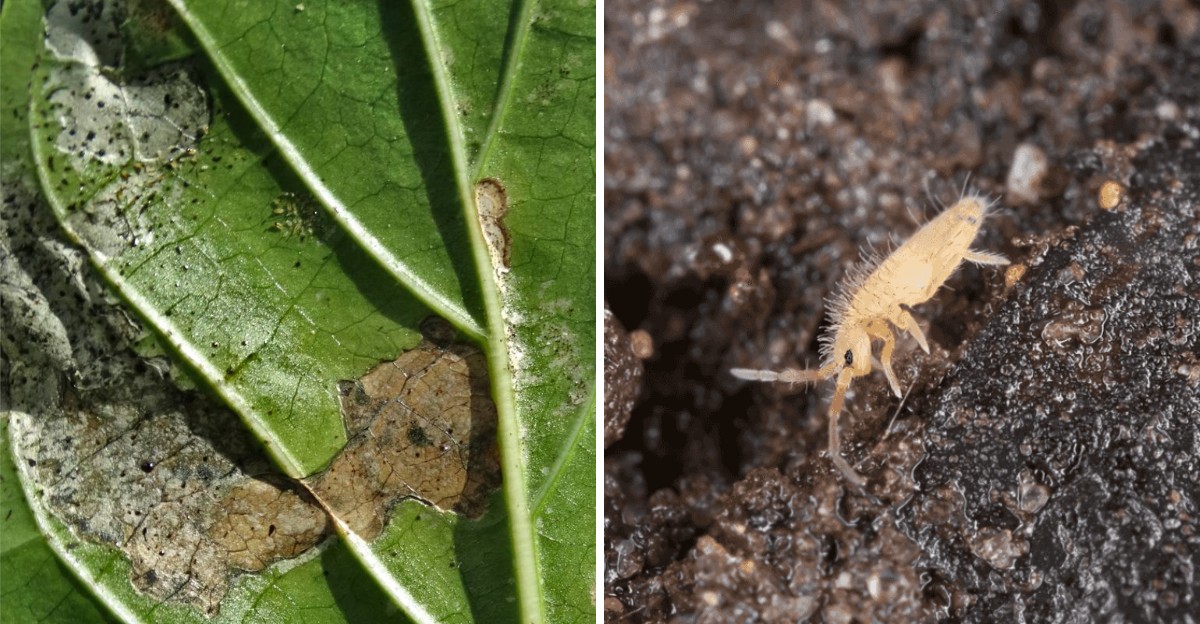
Some tiny plant pests give birth to live babies that already carry the next generation inside them. That family trick lets a few hitchhikers on one patio pot become a crowd within a couple weeks.
Cooler nights in September and October push many of us to haul tender plants back inside. Our heated rooms feel like a tropical vacation for the stowaways tucked under leaves and inside soil.
I skipped a careful bug check one fall and paid for it with sticky windowsills by late November. You might notice faint speckles or a strange shine on leaves long before you spot an actual bug.
Turns out a few minutes with a flashlight and a magnifying glass can save a whole winter of frustration. So which sneaky guests are most likely riding home on your porch plants before the first frost?
1. Spider Mites Spin Fine Webs On Leaf Undersides
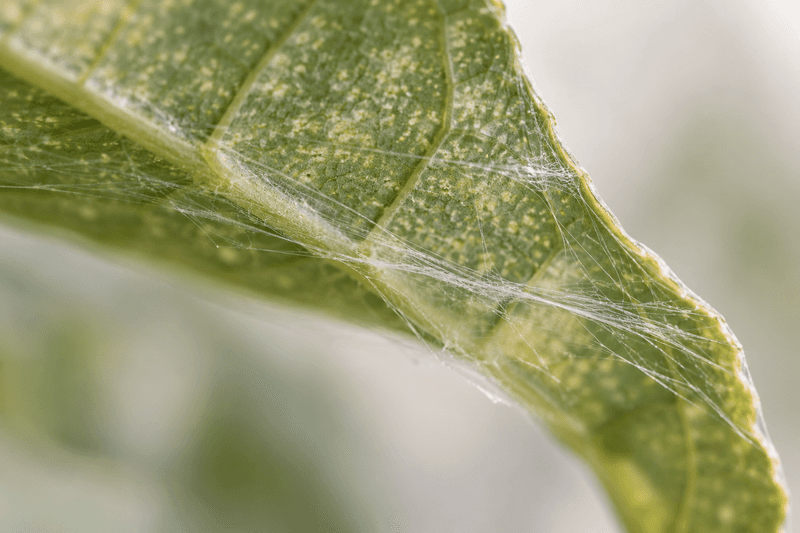
Spider mites are not insects at all, since these moving specks carry eight legs just like their spider cousins. Grab a white sheet of paper, tap a leaf over it, and watch closely for tiny crawling dots.
Twospotted spider mites are the usual culprits, and they adore the warm, dry air coming from indoor heating vents. Under ideal conditions, a new generation can develop in about a week, so their numbers climb surprisingly fast.
Early damage looks like tiny pale stippling, as if someone lightly dusted the leaves with very fine sand. Heavier infestations bring delicate silk webbing between stems, and the leaves slowly turn yellow or bronze over time.
I check my ivy and palms first, because mites seem to favor them in my dry winter living room. Before carrying any pot inside, rinse the foliage well and give it about two weeks of quiet quarantine.
A strong spray of lukewarm water knocks many mites loose, especially when you aim carefully at the leaf undersides. Repeat that shower every few days, since eggs hatch later and a single rinse rarely solves the whole problem.
Raising humidity with a pebble tray or grouped plants makes your home far less welcoming to these dry-loving pests. For stubborn cases, insecticidal soap or horticultural oil works on contact, so thorough coverage on every leaf really matters.
Many common insecticides do little against mites and can even harm the helpful predators that eat them outdoors. Patience and steady rinsing usually win, and your plants will reward you with fresh, clean leaves by midwinter.
2. Fungus Gnats Hover Above Damp Potting Soil
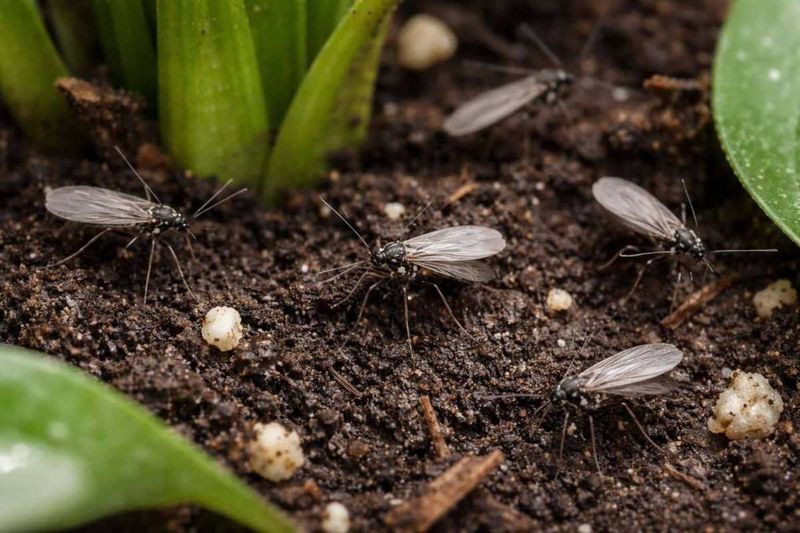
Few things feel stranger than a tiny black fly drifting past your nose while you sip morning coffee. Those lazy flyers are probably fungus gnats, and their whole story begins down in your soggy potting mix.
Adult gnats are mostly a nuisance, yet their larvae live in damp soil and feed on fungi and organic matter. Heavy populations of larvae can also nibble tender roots, which hits seedlings and young cuttings especially hard.
Plants that spent summer outdoors often carry eggs or larvae inside their pots without showing any obvious warning signs. Cooler fall weather also slows drying, so soil stays wet longer and becomes a cozy nursery for the next batch.
I learned my lesson after overwatering a pothos that suddenly had its own little cloud of buzzing visitors. Letting the top inch or two of soil dry between waterings made the biggest difference for me by far.
Bottom watering helps keep the surface drier, which makes it much less attractive for females looking to lay eggs. Yellow sticky cards tucked near the pot catch adults and give you a handy way to track their numbers.
A thin layer of coarse sand on top of the soil can also discourage new egg-laying around the stem. For larger problems, a product containing Bti, a bacterium that targets gnat larvae, is widely recommended by extension experts.
Empty saucers after watering and avoid leaving soggy pots sitting in standing water for days at a time. Within a few weeks of drier habits, those annoying little fliers usually fade away and stop pestering you.
3. Aphids Crowd Tender New Shoots
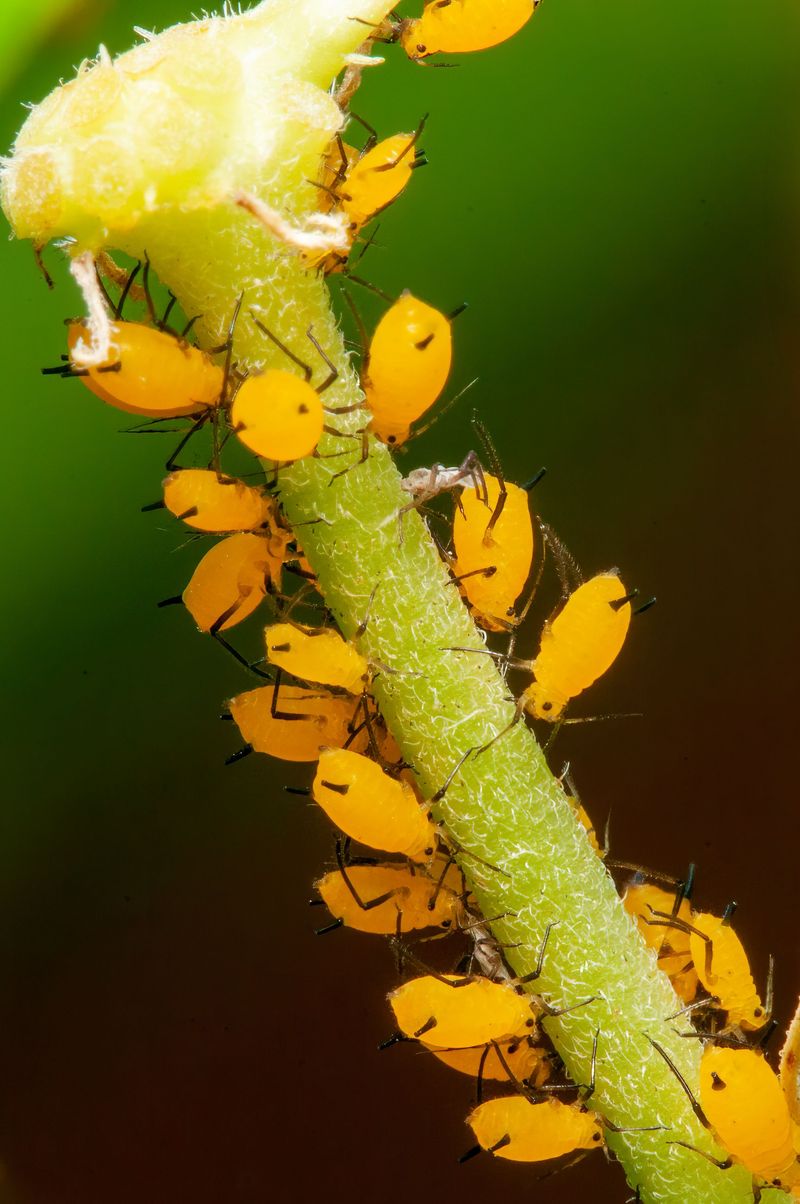
Aphids are famous for a strange trick, since many females produce live young without ever needing a mate. Those babies can already be developing their own offspring, which explains how small groups multiply so quickly indoors.
These soft, pear-shaped insects come in green, yellow, black, or even pinkish shades depending on the species involved. You will usually find them packed together on fresh shoots, flower buds, and the soft undersides of young leaves.
Outdoors, ladybugs and lacewings help keep aphid numbers in check during the warm months of the growing season. Once a plant moves inside, those helpful hunters stay behind, and the aphids suddenly have free rein in your house.
Curled or twisted new leaves are a common clue, along with a shiny, sticky coating on surfaces below. That coating is honeydew, a sugary waste that can attract ants and grow a dark film called sooty mold.
I always look closely at my hibiscus before bringing it in, because aphids seem to love its tender tips. You might find a few hiding near the buds even when the rest of the plant looks perfectly healthy.
A firm spray of water knocks many aphids off, and most of them struggle to find their way back up. Insecticidal soap or neem oil works well on their soft bodies, but you need to hit them directly.
Keep the plant isolated for a couple weeks and check new growth often until no fresh clusters appear. Catching them early saves you from chasing sticky messes across your windowsills all winter long.
4. Mealybugs Hide In Cottony White Clumps
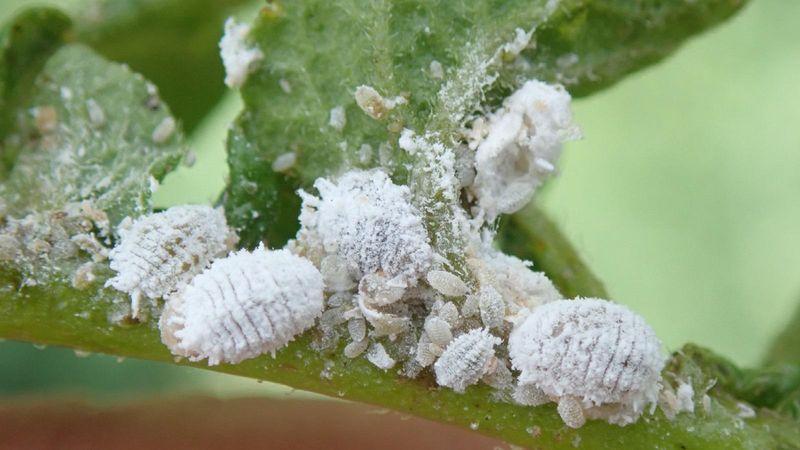
At first those fluffy white tufts in your jade plant might look like a bit of stray lint or dust. Peer a little closer, and you may notice the fluff slowly crawling, which is a clear sign of mealybugs.
These oval insects coat themselves in a waxy, powdery layer that helps protect them from water and many sprays. They love tucking into leaf joints, stem crevices, and other snug spots where they quietly suck plant sap all day.
Feeding weakens the plant over time, causing yellow leaves and slow growth that many folks blame on watering mistakes. Like aphids, mealybugs also release sticky honeydew, which can lead to dark sooty mold spreading across the foliage.
Succulents, cacti, and many tropical favorites seem to attract them, especially after a summer spent outdoors on a deck. Some types even live on the roots, so slide the plant from its pot and check the soil ball too.
My favorite fix for small outbreaks is a cotton swab dipped in insecticidal soap and dabbed right onto each bug. The patient, one-by-one approach feels oddly satisfying, like picking burrs off a sweater after a long autumn hike.
For larger groups, rinse the plant well and prune away the stems that hold the thickest cottony clusters. Follow up with insecticidal soap or horticultural oil every week or so, covering hidden joints and leaf undersides thoroughly.
Mealybugs can hide in tiny cracks, so expect a few to reappear after your first round of treatment. Keep inspecting for several weeks, and isolate the plant until those white tufts stop showing up for good.
5. Scale Insects Cling Like Tiny Brown Shells
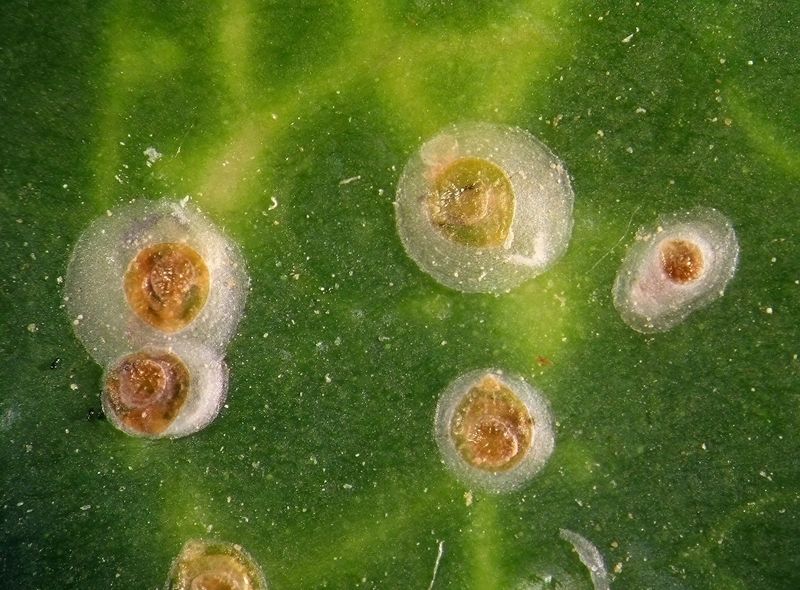
Scale insects might be the best disguise artists in your home, since they rarely look like bugs at all. Most of the time they resemble small brown or gray bumps glued neatly along stems and leaf veins.
Young scale, called crawlers, wander for a short time before settling down and attaching themselves in one spot. After that, many species stay put for life, feeding on sap beneath a tough, shell-like cover that shields them well.
Soft scale types produce sticky honeydew, so a glossy film on leaves or the floor below is a big hint. Armored scale do not make honeydew, which can make them harder to notice until the plant clearly starts to decline.
I once mistook a row of scale on my ficus for natural bark texture, and the plant lost leaves steadily. Now I run my fingernail gently along the stems, because the bumps usually pop off much easier than real bark.
Scraping them away with a fingernail or soft toothbrush works well for light infestations on sturdy plants. Wipe the stems afterward with a damp cloth so you can see clearly whether any bumps have been missed.
Horticultural oil is helpful because it smothers scale, and it works best when crawlers are active and unprotected. Insecticidal soap can reach those mobile youngsters too, so repeat treatments a few weeks apart for better control.
Heavily covered branches are often easier to prune off than to clean, especially on bushy plants with plenty of growth. Quarantine is wise here, since crawlers can drift to nearby pots that share a crowded windowsill with them.
6. Whiteflies Rise In Clouds From Leaf Undersides
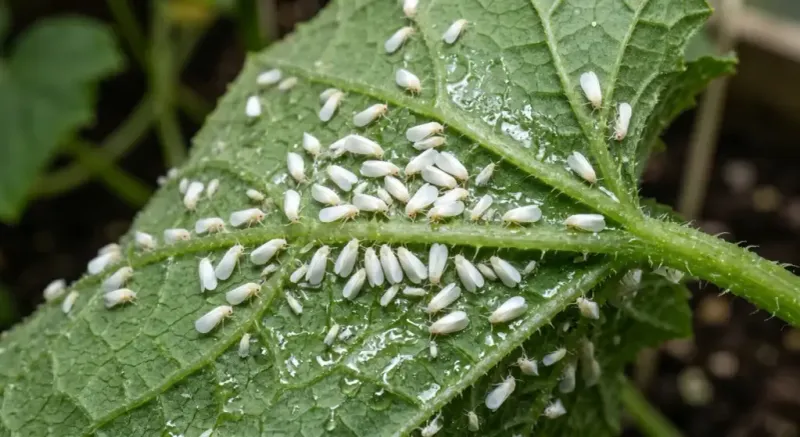
Brush against an infested plant, and a puff of tiny white specks may lift into the air like snow. Those fluttering flecks are whiteflies, which look like miniature moths but are actually close relatives of aphids and scale.
Adults and their flat, scale-like young both gather on leaf undersides, where they pierce tissue and drink plant sap. Heavy feeding leads to yellow, weakened leaves that may drop early, especially on hibiscus, poinsettias, and many herbs.
Whiteflies also produce honeydew, so sticky leaves and sooty mold often show up alongside the flying adults. Indoors, steady warmth lets them breed through the winter months instead of slowing down like they would outside.
I carry a small handheld vacuum when checking my plants in the cool morning, when adults move a bit slower. A gentle pass under the leaves removes plenty of them, and the plant barely seems to notice the attention.
Yellow sticky traps catch adults surprisingly well and help you see whether your efforts are actually working over time. Rinsing leaf undersides with water also removes many young insects that cling tightly to the surface of the leaf.
Insecticidal soap or horticultural oil can reach the immature stages, though you will need several applications for good control. Coverage underneath the leaves matters most, since that hidden side is where nearly every whitefly chooses to settle down.
Check garden center plants carefully before buying, because new purchases are a common way whiteflies enter a home collection. A short quarantine for any new arrival keeps a small problem from spreading across every sunny window you have.
7. Thrips Leave Silvery Streaks On Leaves
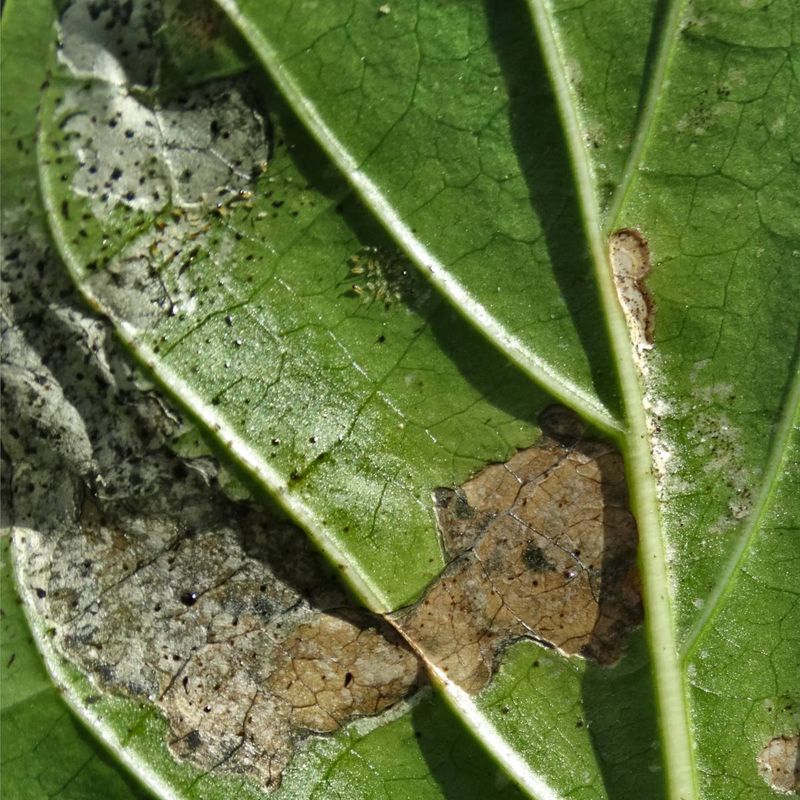
Thrips are so slender they could hide inside a sewing needle’s eye, yet the damage they leave is surprisingly obvious. Look for silvery or bronze streaks on leaves, often dotted with tiny black specks that are actually their droppings.
These insects scrape plant cells and suck out the contents, leaving behind empty, papery patches that catch the light. New leaves may unfold twisted or scarred, and flower petals can show odd streaks or brown spots on them.
Thrips love hiding inside unfurling leaves and tight flower buds, which makes them tricky to spot during quick checks. You might only notice the problem after several leaves already show that telltale silvery sheen across their surfaces.
Try tapping a suspicious leaf or bloom over white paper, then watch for tiny dark or yellowish slivers moving around. I find that trick far more reliable than squinting at leaves, especially under the dim light of late afternoon.
Isolate the plant right away, since thrips can fly short distances and move between pots that touch each other. Prune the worst damaged leaves and flowers, then bag them up so the insects inside cannot wander back.
Insecticidal soap, neem oil, or horticultural oil can help when applied repeatedly to every leaf surface, top and bottom. Many thrips drop into the soil to pupate, so refreshing the top layer of potting mix may also help.
Blue or yellow sticky cards attract adults and give you a quick snapshot of how things are going each week. Stick with treatments for several weeks, because new adults keep emerging from eggs hidden safely inside leaf tissue.
8. Springtails Jump Across Wet Soil Surfaces
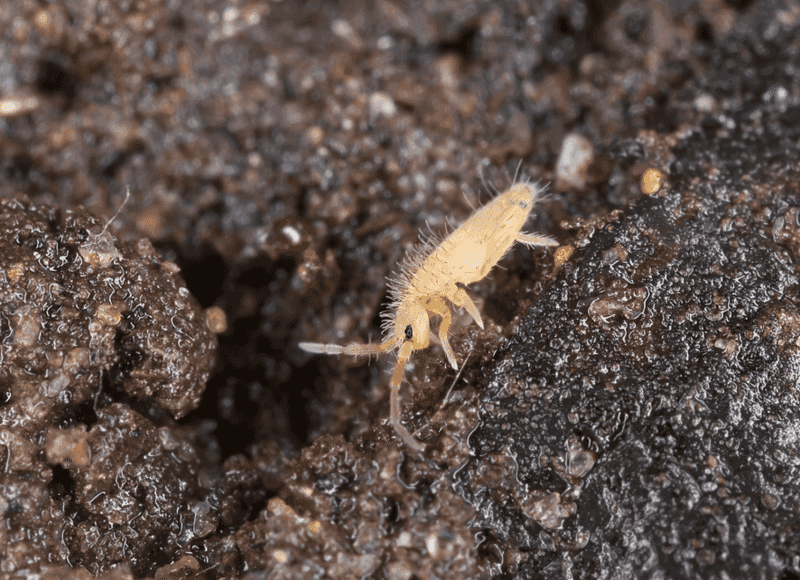
Water a pot, glance down, and suddenly tiny white specks start leaping across the soil like popcorn in a pan. Those acrobats are springtails, and they get their name from a forked appendage that flings them into the air.
Springtails are not considered true insects anymore, since scientists place them in their own group of six-legged arthropods. They feed mostly on fungi, algae, and decaying organic matter, which makes them helpful recyclers in outdoor gardens.
Indoors they rarely harm healthy plants, so seeing them is more of a moisture message than a real emergency. Large numbers usually mean the soil stays wet too long, which can cause trouble for roots in other ways.
I admit I panicked the first time they jumped out of my peace lily after a deep fall watering. After some reading, I realized my real issue was a soggy saucer and a pot without decent drainage holes.
Letting the top layer of soil dry between waterings is often enough to reduce their numbers within a few weeks. Repotting into a fresh, well-draining mix and a pot with good drainage helps even more for chronically wet plants.
Clear away fallen leaves and other debris from the soil surface, since that material feeds the fungi springtails enjoy. Sprays are rarely needed, and most experts suggest fixing moisture levels before reaching for any pest control products.
Cooler fall days slow evaporation, so many of us water more than our plants truly need. A quick finger test before watering keeps both springtails and soggy roots from becoming an unwelcome winter surprise.